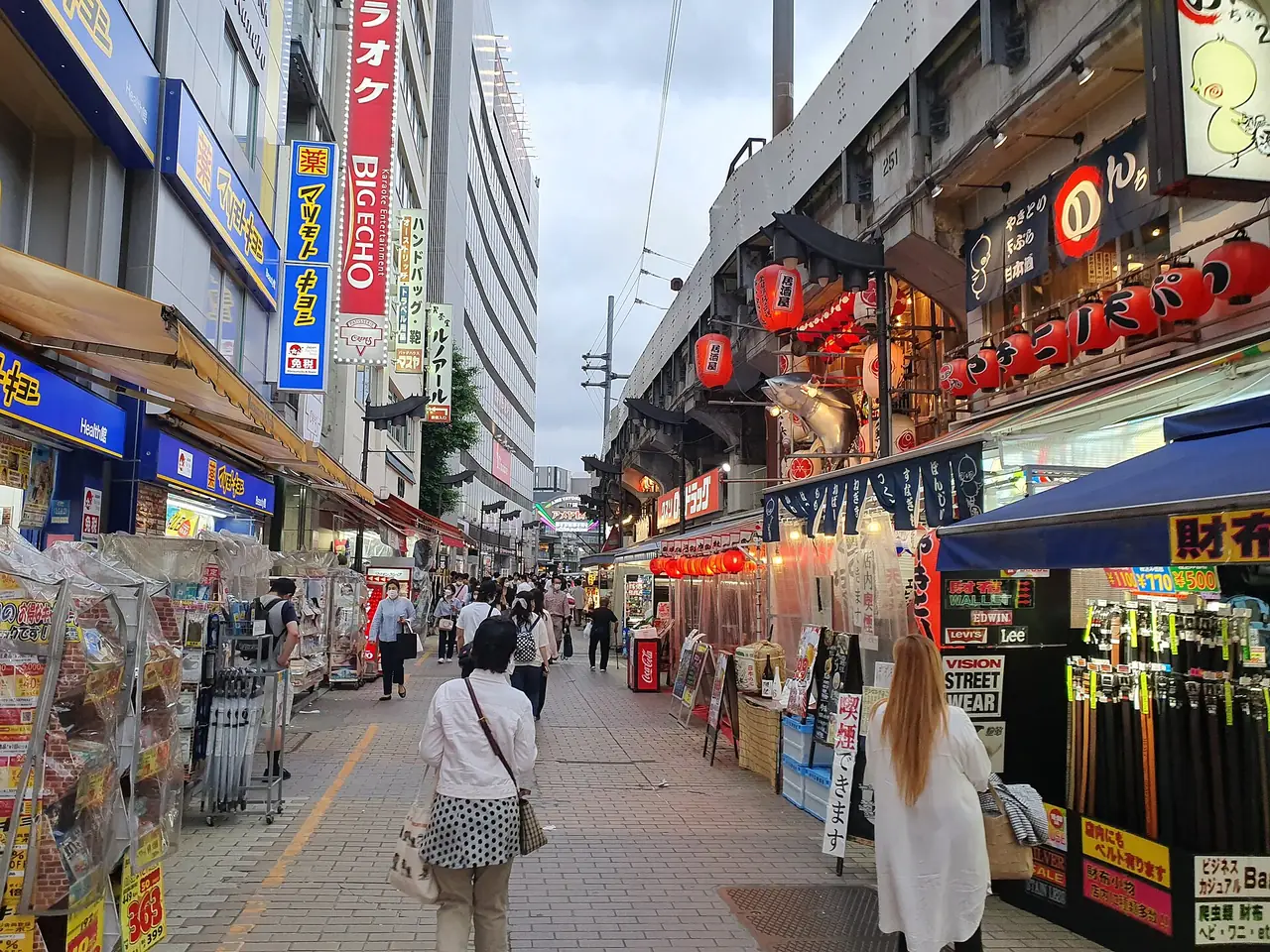
Walk the covered stretch of street beside the train tracks between Ueno and Okachimachi stations and you will see the sign "Ameya Yokocho". Everyone shortens it to Ameyoko. The "ame" in it is where the argument starts. In Japanese, "ame" means candy. It is also how Japanese speakers shorten "America".
A market that grew out of the ruins
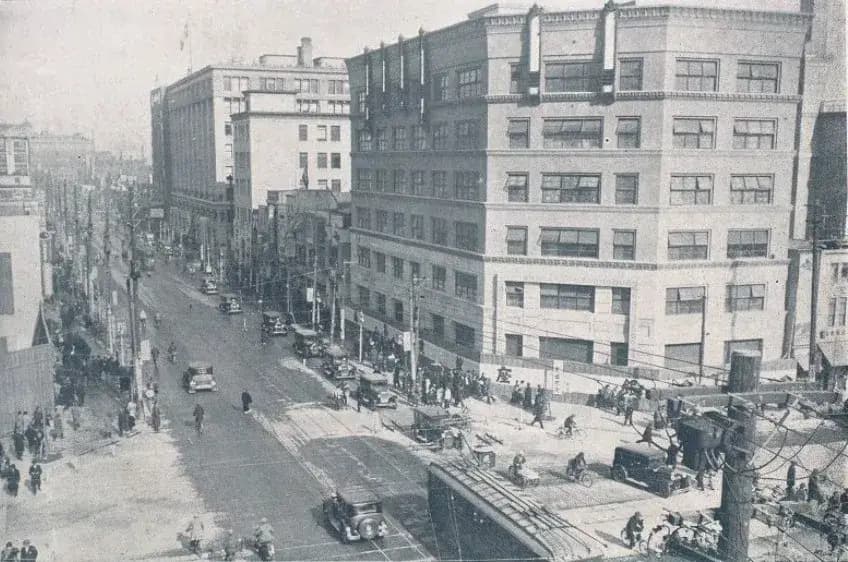
Japanese Wikipedia says the area was a residential district until it was burned out in the air raids of 1945. After the war, stalls and shacks without any official licence filled the ground. That is what Japanese call a "yami-ichi", or black market. The Ameyoko Center Building, which stands on the spot, calls this the start of Ameyoko. It says hungry people created the market on their own.
Later it became known as Kondo Market. The building's own history says many sellers who had come back from overseas moved in, selling seafood, sweet potato candy and other food.
The candy version
Niki no Kashi, a candy company that still sells on Ameyoko, tells it this way on its website. Sugar was scarce. In the second half of 1947, candy made with saccharin, and sweet potato candy, sold so well that nearly 300 shops in the area were selling candy. People came by train from as far as Hokkaido and Aomori to stock up. The street became known as "Ameya Yokocho", candy sellers' alley.
The American version
The same company says that from 1950, after the Korean War broke out, goods from the American military poured into the market. The street was then called "America Yokocho". The Center Building says dealers in army surplus joined the market and that it shifted "from sweet potato candy to America."
So which came first, and which gave the street its name? Accounts differ. Japanese Wikipedia lays out both as separate theories. The Center Building and Niki no Kashi both say the two words overlapped, and that is how "Ameya" and "America" ended up squeezed into "Ameyoko". A shop that has sold here for decades will tell you its own version, so ask.
What is left of each
Military surplus shops are still on the street, and Japanese Wikipedia says candy and sweets are still sold in its wholesale section. Japanese Wikipedia says the "Ameya Yokocho" sign facing Ueno Station went up in the 1950s, while candy shops were still common.
See it yourself
- The sign. The "Ameya Yokocho" sign is on the Ueno Station end. The rest of the street is signed "Ameyoko".
- Niku no Ohyama. A butcher's shop at Ueno 6-13-2 in Ameyoko, about two minutes on foot from Ueno Station, with a take-out counter for fried food. The shop's own price list: croquette 110 yen, "addictive" menchi (a fried minced meat patty) 180 yen, a bigger beef menchi 270 yen, and a limited wagyu menchi 500 yen. Its site says the front counter is open year round except New Year's Day. The sit-down restaurant is closed Mondays.
- Candy. Niki no Kashi, the candy seller quoted above, sells on the street and says its Ameyoko shops open 10:00 to 20:00.