Hayakawa Noritsugu was sure Tokyo needed a subway. After seeing London's Underground in 1914, he spent years arguing for one, and the answer was always the same: the ground is too soft, and no one can say it would pay.
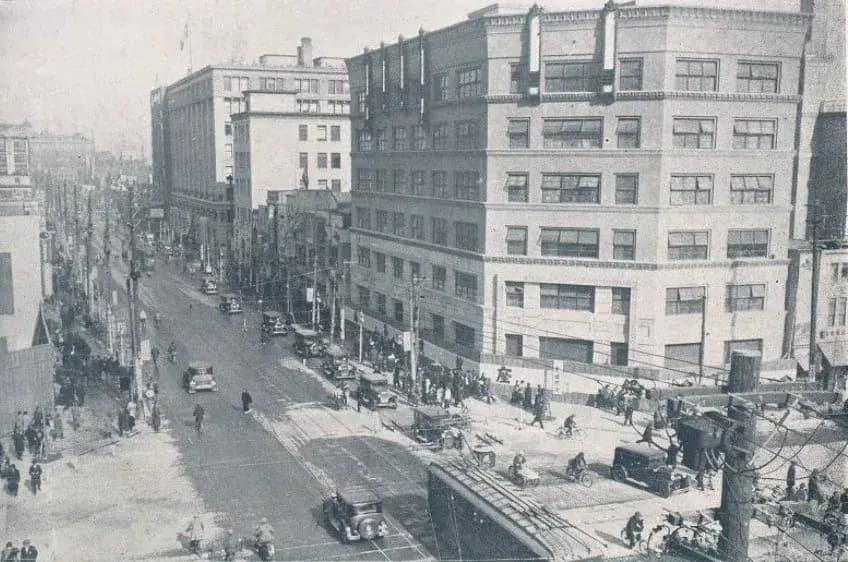
So he did the dull part himself. His wife filled his pockets with beans, and he went to Owaricho, the crossing we now call Ginza 4-chome. As people, trams, carts and cars went by, he moved beans from one pocket to another. He kept at it for six months, at different spots and different hours, and the numbers showed the busiest streets ran through Asakusa, Ueno, Ginza and Shimbashi. That was his route.
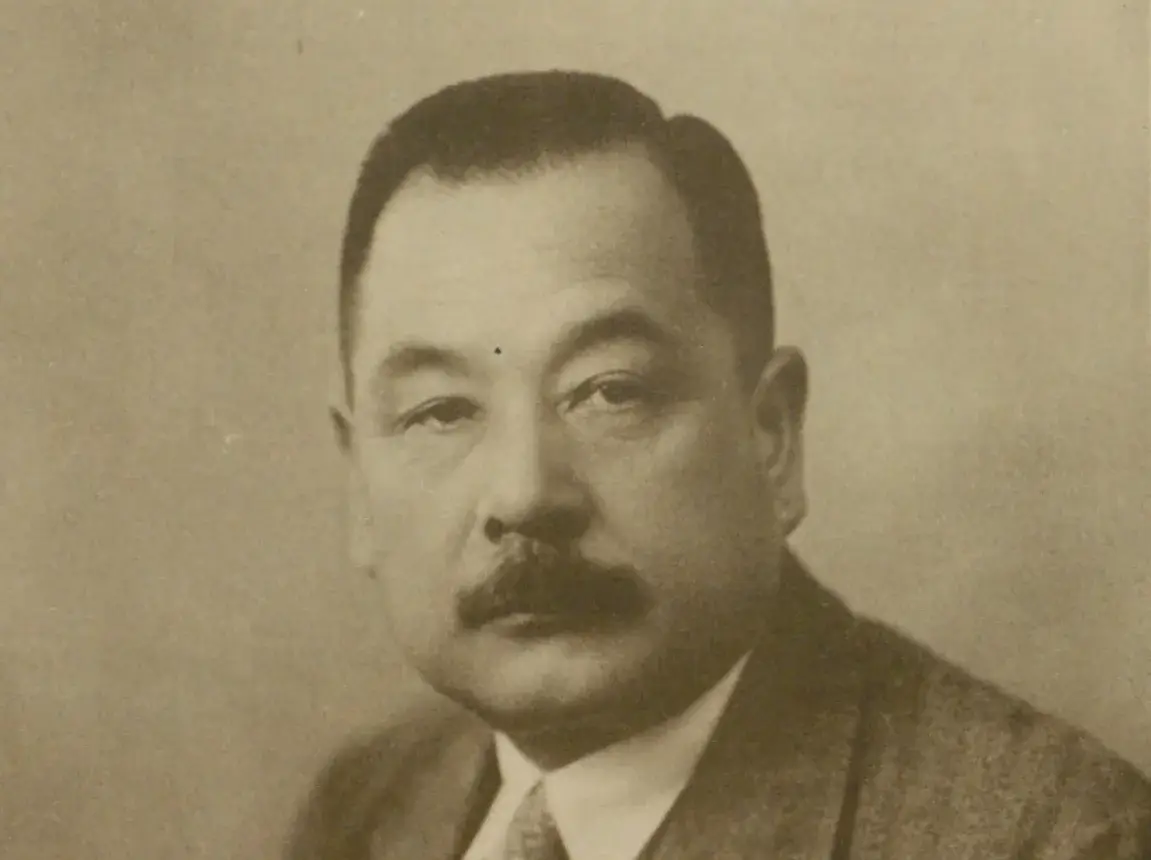
On 30 December 1927, the first stretch opened between Asakusa and Ueno. It was the first subway in Asia, and Hayakawa's company ran it. It reached Shimbashi in 1934.
Then came "Robber Keita"
Goto Keita ran the Tokyu railway empire and was known as "Robber Keita" for taking over other companies. He was building a rival subway from Shibuya and wanted it joined to Hayakawa's line. The two men fought for control for about five years.
What decided it was a block of shares. Their owner, Anamizu Kumao, had been at school with Hayakawa in Kofu and, according to the business paper Nikkei, had backed the subway with more money than anyone. In August 1939 he sold to Goto. Nikkei calls him the ally who should have been on Hayakawa's side. His own power companies were being taken over by the state at the time, which may explain why he sold.
In 1940 Hayakawa left the company, as part of a settlement the government arranged. The public sided with him, Nikkei says, and Goto was left with the nickname. Hayakawa went home to Yamanashi to build a training hall for local young people. He died in November 1942, aged 61, before it was finished.
Staff and shareholders paid for a bust of him in 1941. It stood at Shimbashi until 1977, when it was moved to Ginza Station.
See it yourself
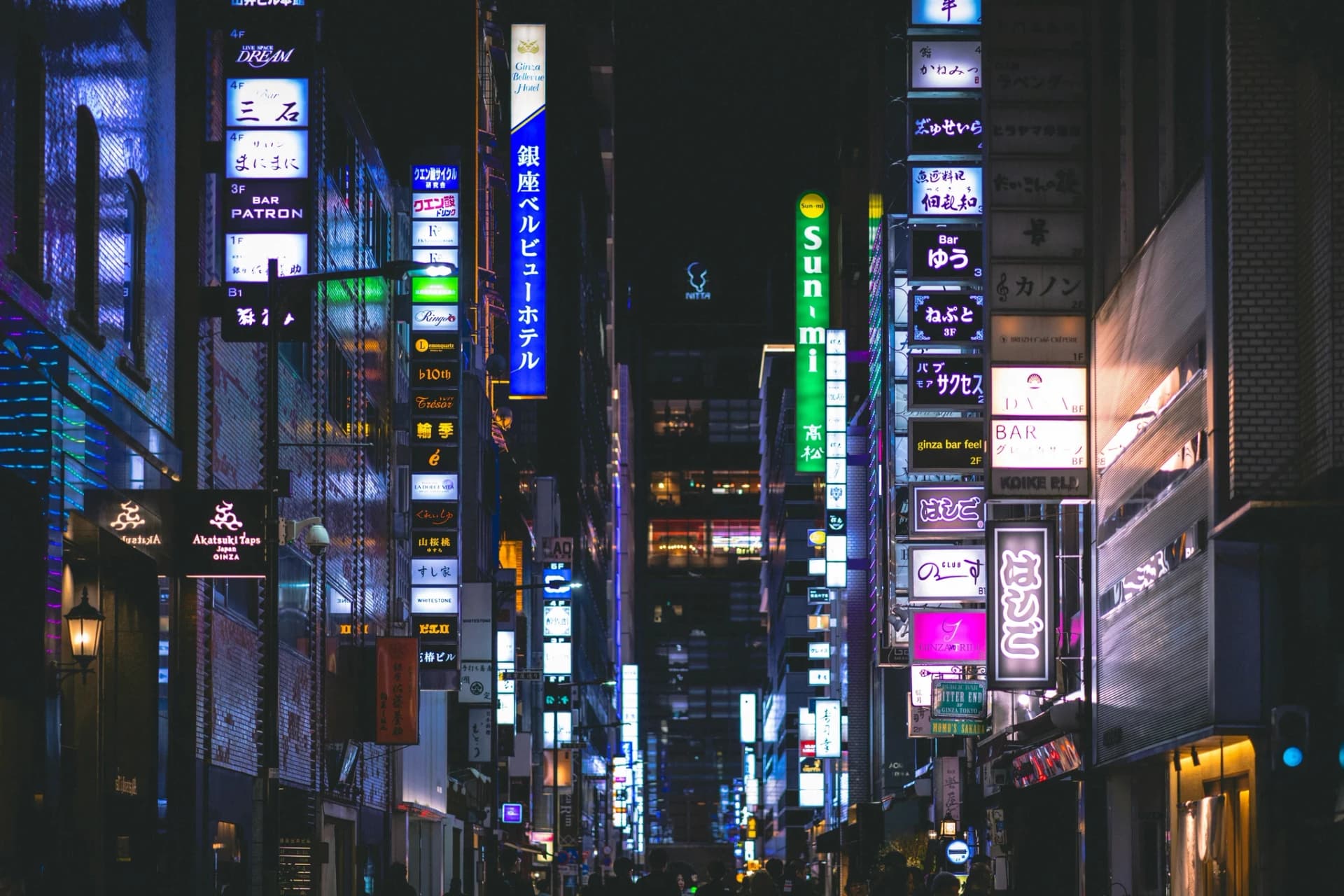
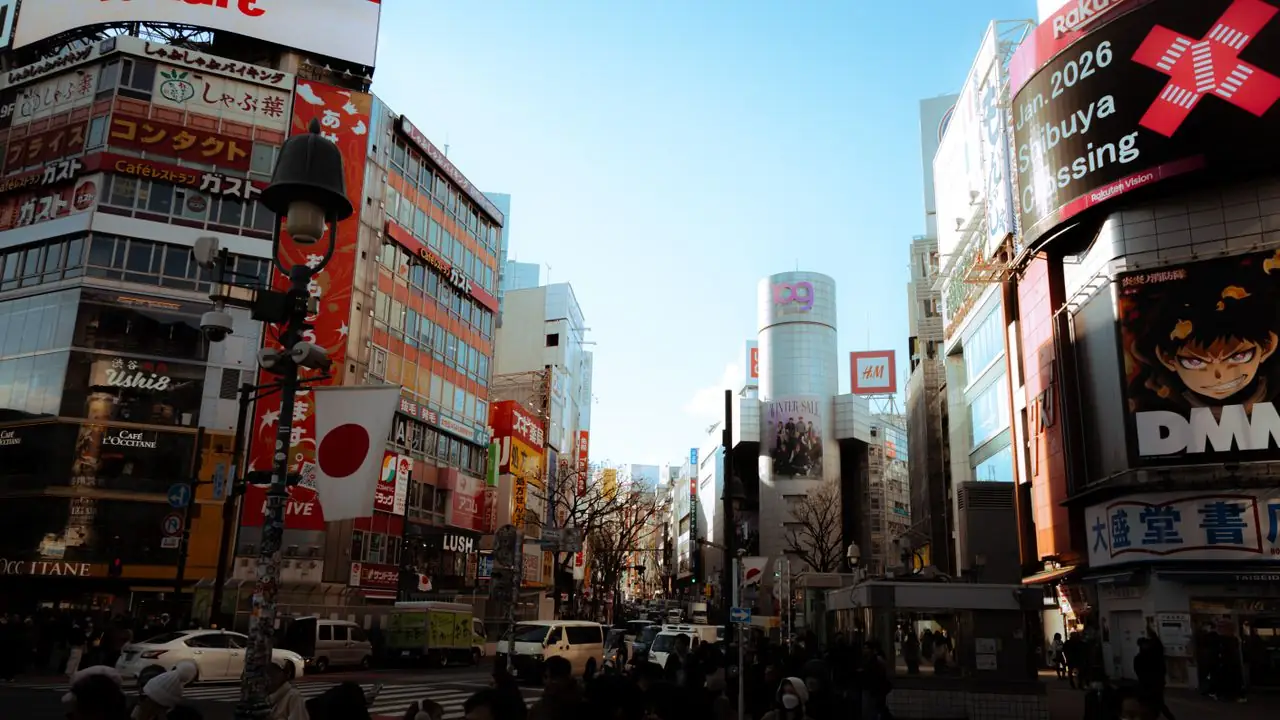
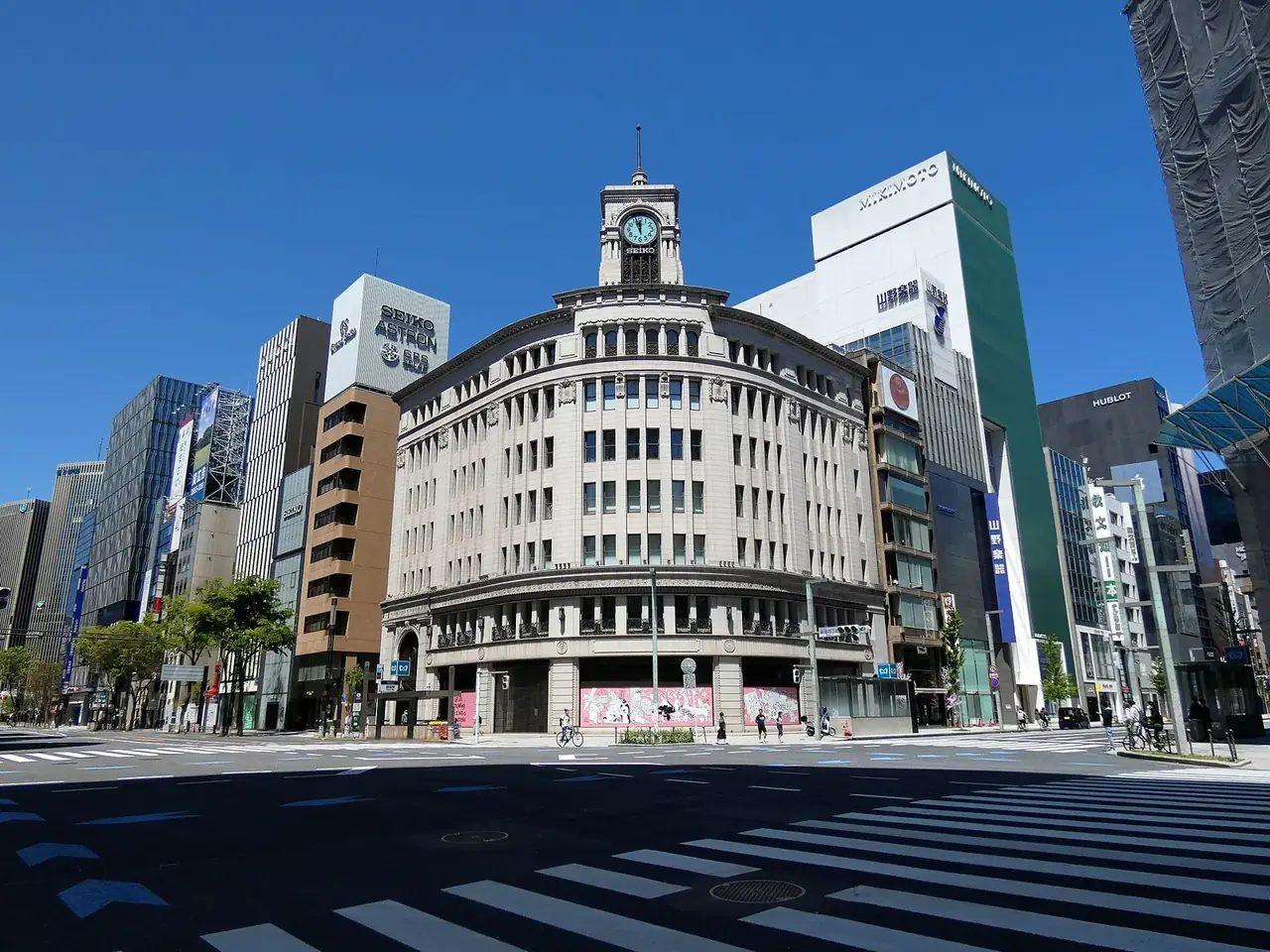
- The crossing. The Ginza 4-chome crossing is still there. Wako's clock tower is on one corner and Mitsukoshi on another.
- The bust. It stands in Ginza Station's Hibiya Line concourse, near the Metro Ginza Gallery.
Hear it on the tour
Planning a visit?
Our Ginza guide covers what is worth your time in the district, from depachika food halls to standing bars.