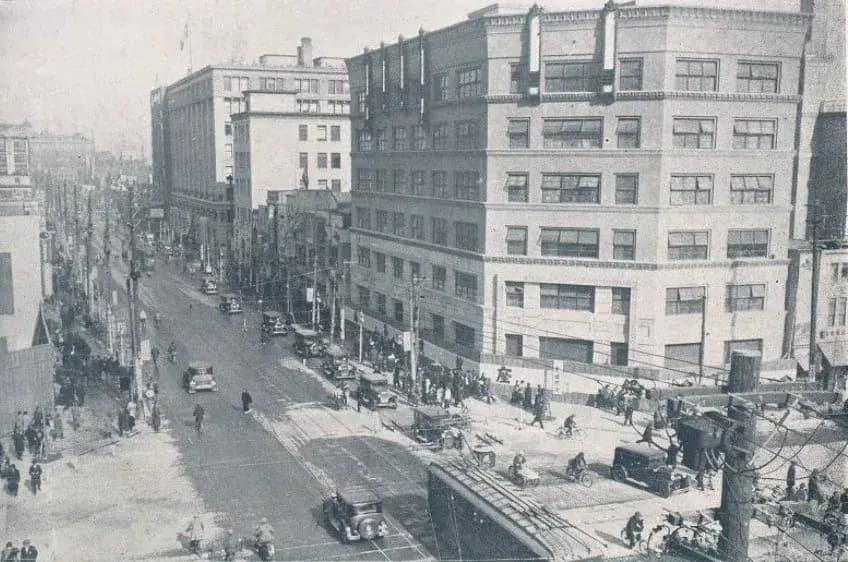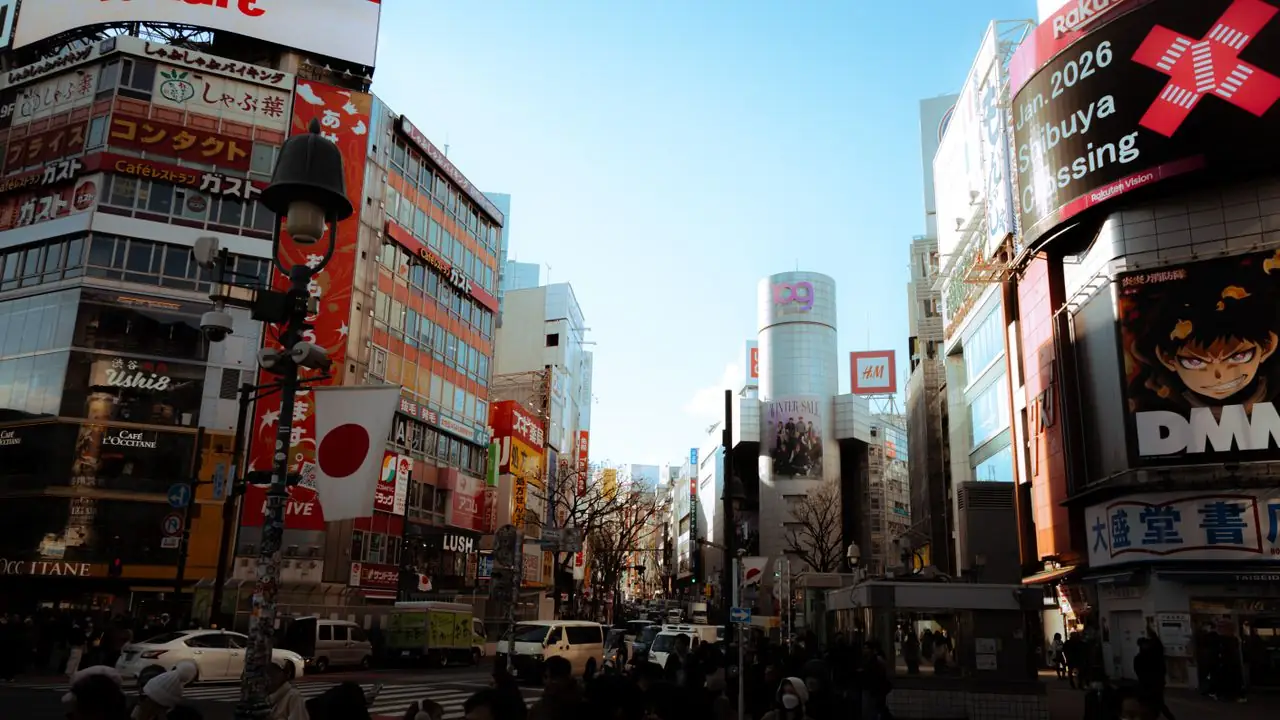
Beside SHIBUYA109, in 1948, a former Japanese army officer named Sugaya Tokuji opened a second-hand shop in a market. He started by selling his own uniforms. Then his old classmates' and commanders' uniforms. Then wives from the nearby American housing at Washington Heights began coming to swap things with him.
The wives were not his real customers. Their trade drew in Japanese women whose partners were American soldiers, and those women kept showing him letters in English. In a 1966 TV interview he said one of them asked, "Uncle, can you read English?" Then, "Could you write the reply too?" Word spread. Letters became his real business.
Before he wrote anything, he asked what the letter was for. Marriage, he said, or money, or plain love. Then he wrote to that aim. A woman who wanted to write every day would be told: "Wait a week." When the interviewer asked if this was his army field manual at work, he said it did wonders on the love front too. The women, he said, were being deceived and dropped by American soldiers, and he was not going to stand by. By his own count about three hundred couples ended up married.
The book, the film and the alley's name
The novelist Niwa Fumio's serial in the Asahi newspaper in 1953, with Sugaya as its model, was called Koibumi, "Love Letter". The film followed that December, and it was Tanaka Kinuyo's first as a director. The alley, which had been called Lily-of-the-Valley Alley, took the book's name: Love Letter Alley.
It did not last. The land belonged to the film company Shochiku, which had gone to court over it. Shops were told to leave from 1962. By 1963 a new building stood on the core of the alley, and, according to Japanese Wikipedia, a fire in 1965 burned the rest. Sugaya kept writing, from a shop nearby, until he died in December 1985, aged 80.
See it yourself
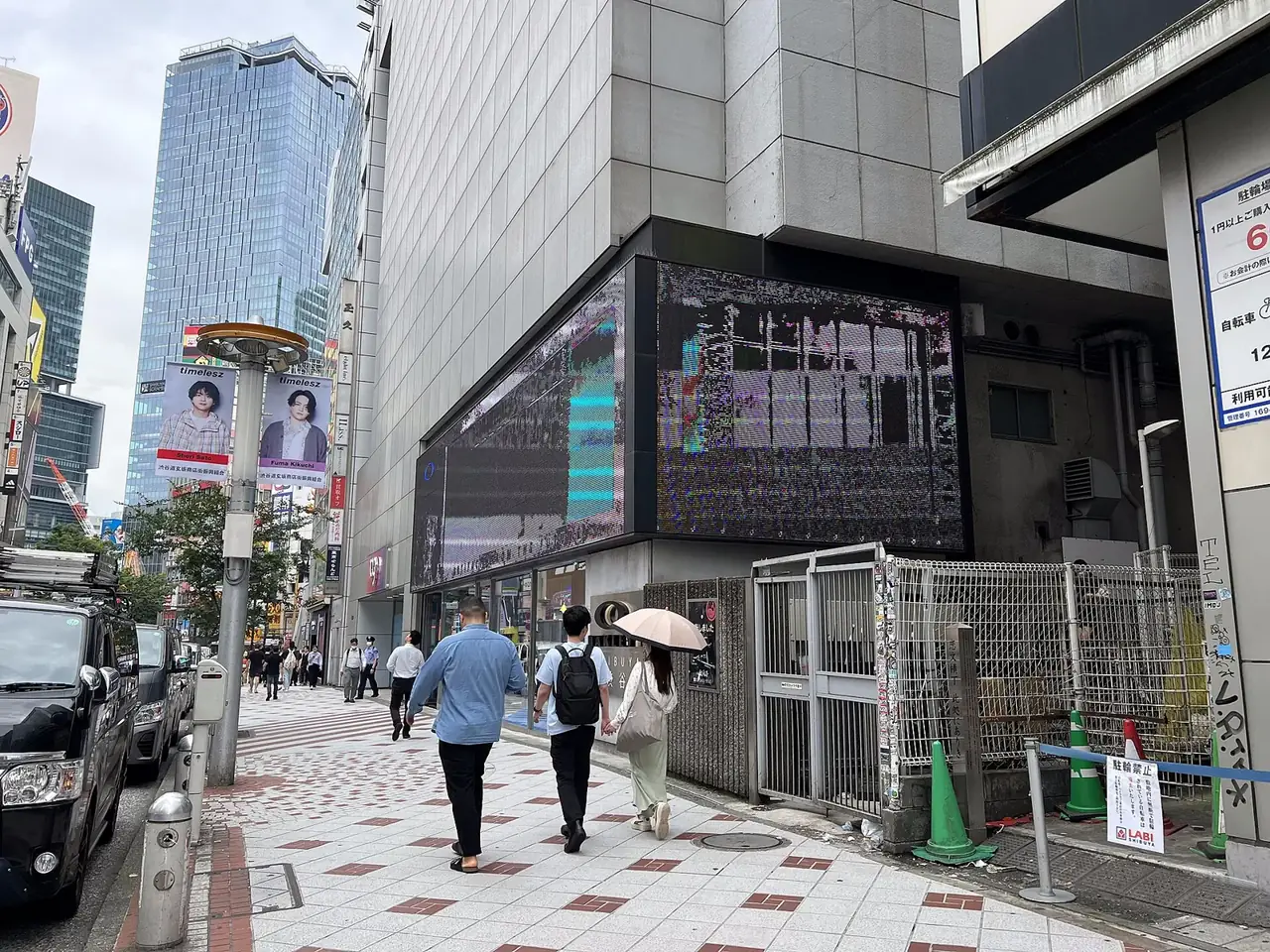
- The marker. On the Dogen-zaka side of 109, beside the Yamada LABI store, stands a steel post put up in 2017 by the Tokyo association of administrative scriveners, who write official papers for clients.
- What it says. It reads 恋文横丁此処にありき: "Love Letter Alley was here."
Hear it on the tour
Planning a visit?
Our Shibuya guide walks through the district's layers, from Center-gai to Dogen-zaka and the redevelopment.