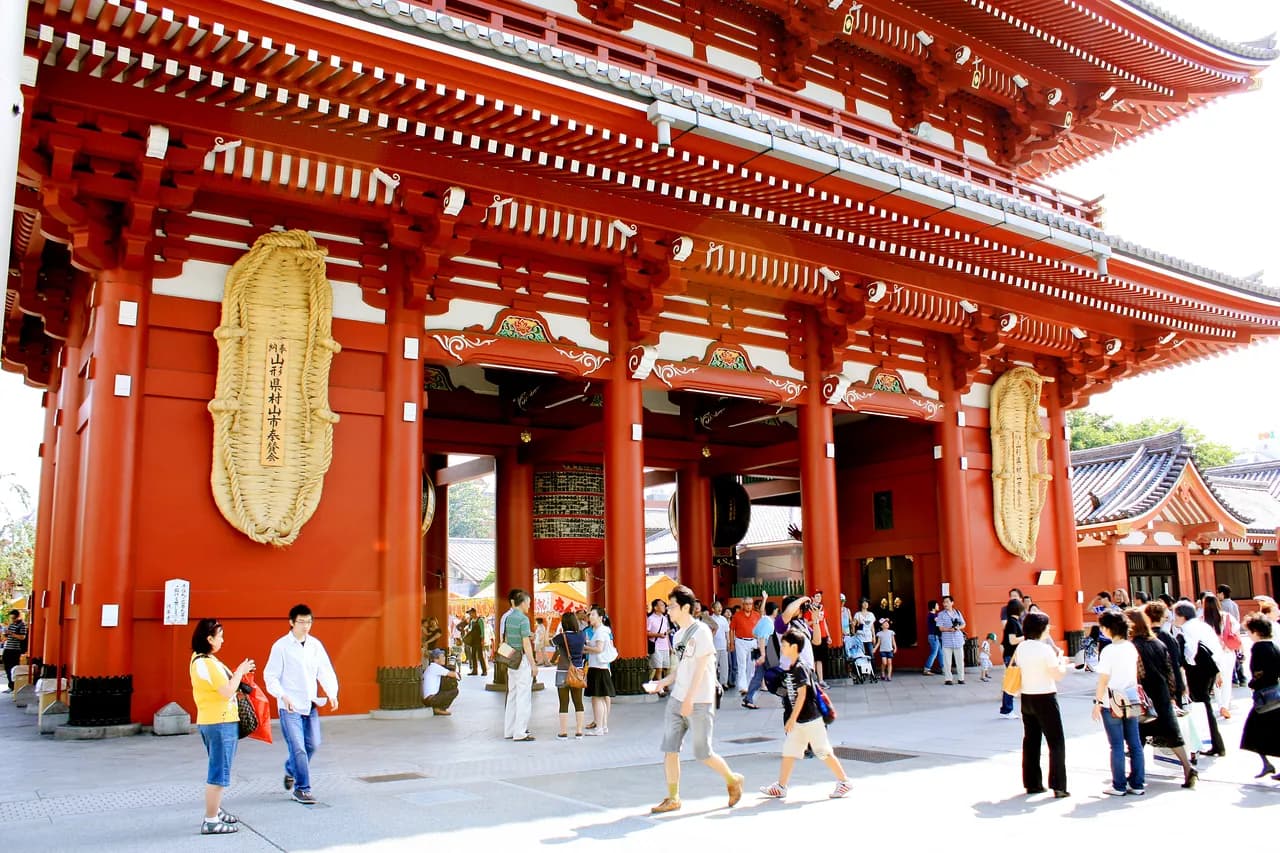
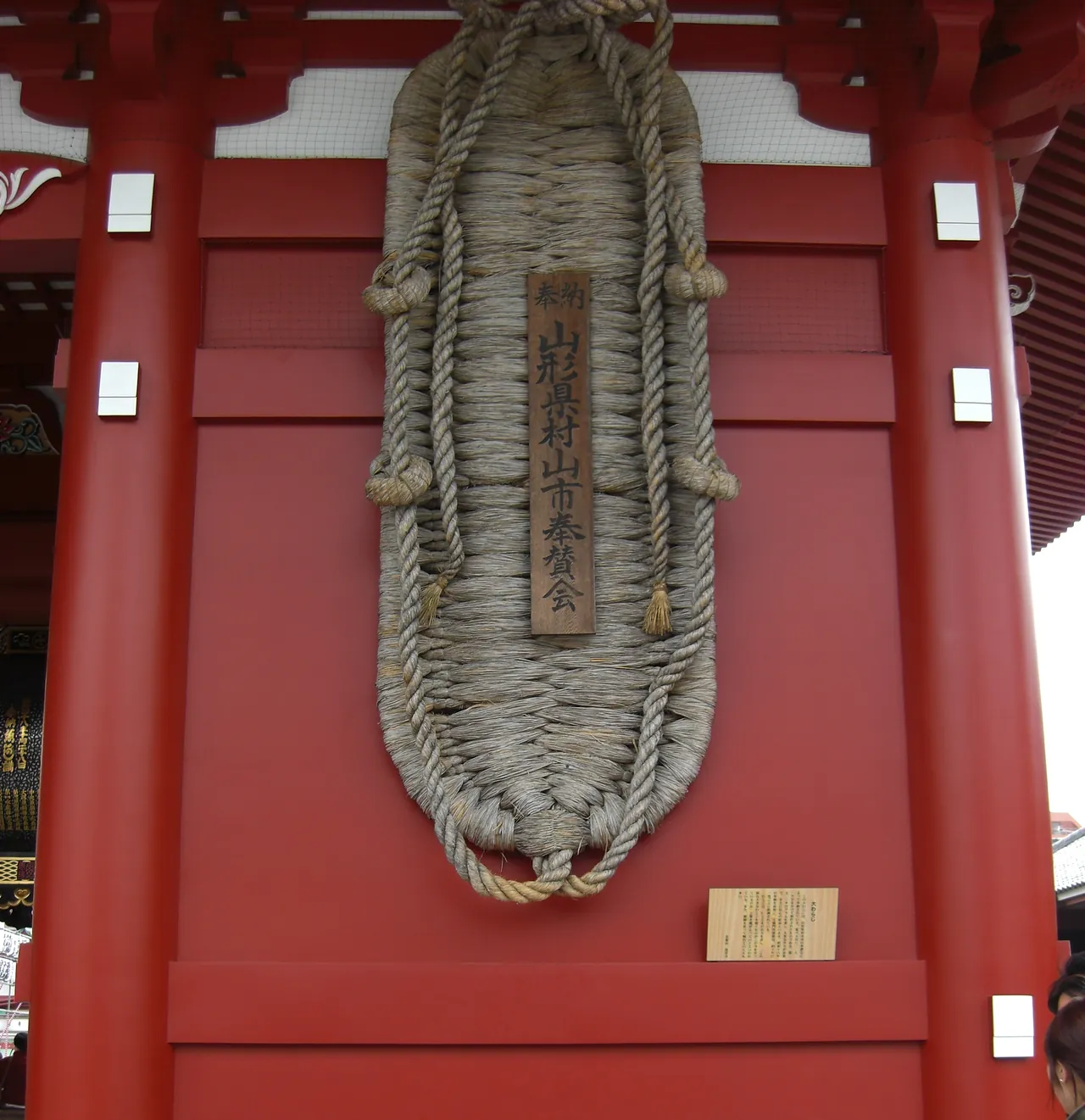
Walk through Hozomon, the big red gate at the head of Senso-ji's grounds in Asakusa, and turn round. On its back wall hang two straw sandals, each about 4.5 metres long. Guidebooks say they show the strength of the two guardian statues inside the gate. The village that weaves them tells it another way: they are a thank-you.
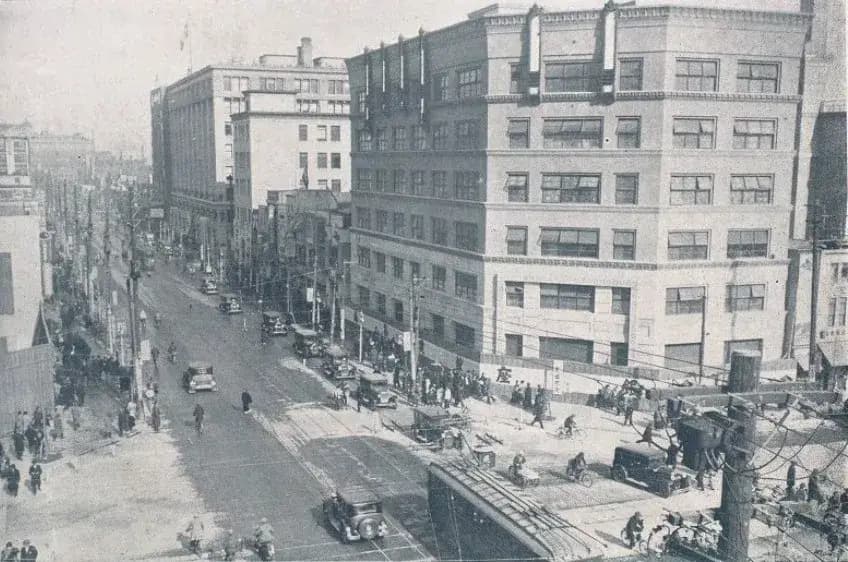
A hospital ward in 1926
Matsuoka Toshizo was born to a poor farming family in Tateoka, now part of the city of Murayama in Yamagata, in Japan's snowy north. He trained as a Buddhist priest, became a Tokyo newspaper man, and was elected to the national parliament nine times.
On 4 December 1926 he was admitted to Saiseikan hospital in Yamagata city. According to the city of Shinjo's history of his campaign, he saw babies carried in one after another, sick from cold, poor food and poor hygiene. It is said that he decided the root cause was snow.
Snow was not a disaster
In the 1920s, the law offered help after typhoons and floods in the south. Snow country got nothing. Matsuoka's surveys, as Shinjo city tells it, found that farms there could harvest only once a year, yet paid the same land tax as farms with no snow.
A petition he circulated in January 1932, quoted by the disaster-prevention site Shisoku Yubi, asks whether snow is left off the list of disasters only because it is beautiful. He walked and rode trains through snow country in the winter of 1930 to say so. Shinjo city's record counts 83 talks to about 25,000 listeners. In 1932 the government set up a snow-damage committee, and in 1933 a research institute for snow-country farming opened in Shinjo.
The thank-you, and the war
On 23 January 1941 the first giant sandal went up at Senso-ji. Murayama city's own account gives two reasons: thanks for the snow campaign's success, and a prayer for victory in Japan's war in China. It calls the sandal a "nation-protecting" one. That wartime wording is part of the record, so it belongs in the story.
Senso-ji burned in the air raid of 10 March 1945. In 1964, when the rebuilt gate got its guardian statues, Murayama gave a new pair, and the Aramachi neighbourhood has remade them about every ten years since. The eighth pair went up in 2018. In April 2026 Senso-ji asked for another pair for 2028, the temple's 1,400th year.
Sources disagree on the weight: Murayama city says about 500 kg each, while Asakusa's local encyclopedia says 400.
See it yourself
- The back of Hozomon. After the gate, turn round. The sandals hang on the far side, one each side, with a plaque naming Murayama City, Yamagata.
- The guardians. Inside the gate, two Nio statues stand watch. The sandals are said to show their strength, and the 1964 pair was given to mark them.
Hear it on the tour
Sources
- 浅草寺大わらじ奉納, Murayama City
- 松岡俊三, Murayama City
- 第8回浅草寺大わらじ奉納, Murayama City
- 松岡俊三と雪害救済運動, Shinjo City Yuki no Sato Information Centre
- 松岡俊三, 防災格言 Shisoku Yubi
- 松岡俊三, Japanese Wikipedia
- 浅草寺大わらじ, Yamagata Prefecture, "Tokyo no Yamagata" 2019
- 宝蔵門, Asakusa Daihyakka
- 村山の大わらじ、10年ぶり新調, Yamagata Shimbun, 3 Apr 2026
- Owaraji, The Japan Times, 2005
Photo credits
- A straw sandal hanging on the back of Hozomon, with the plaque naming Murayama City: Luistxo / Wikimedia Commons, CC BY-SA 4.0, resized
- Hozomon gate at Senso-ji with the two giant straw sandals hanging on its sides: Andrea Schaffer from Sydney, Australia / Wikimedia Commons, CC BY 2.0, resized