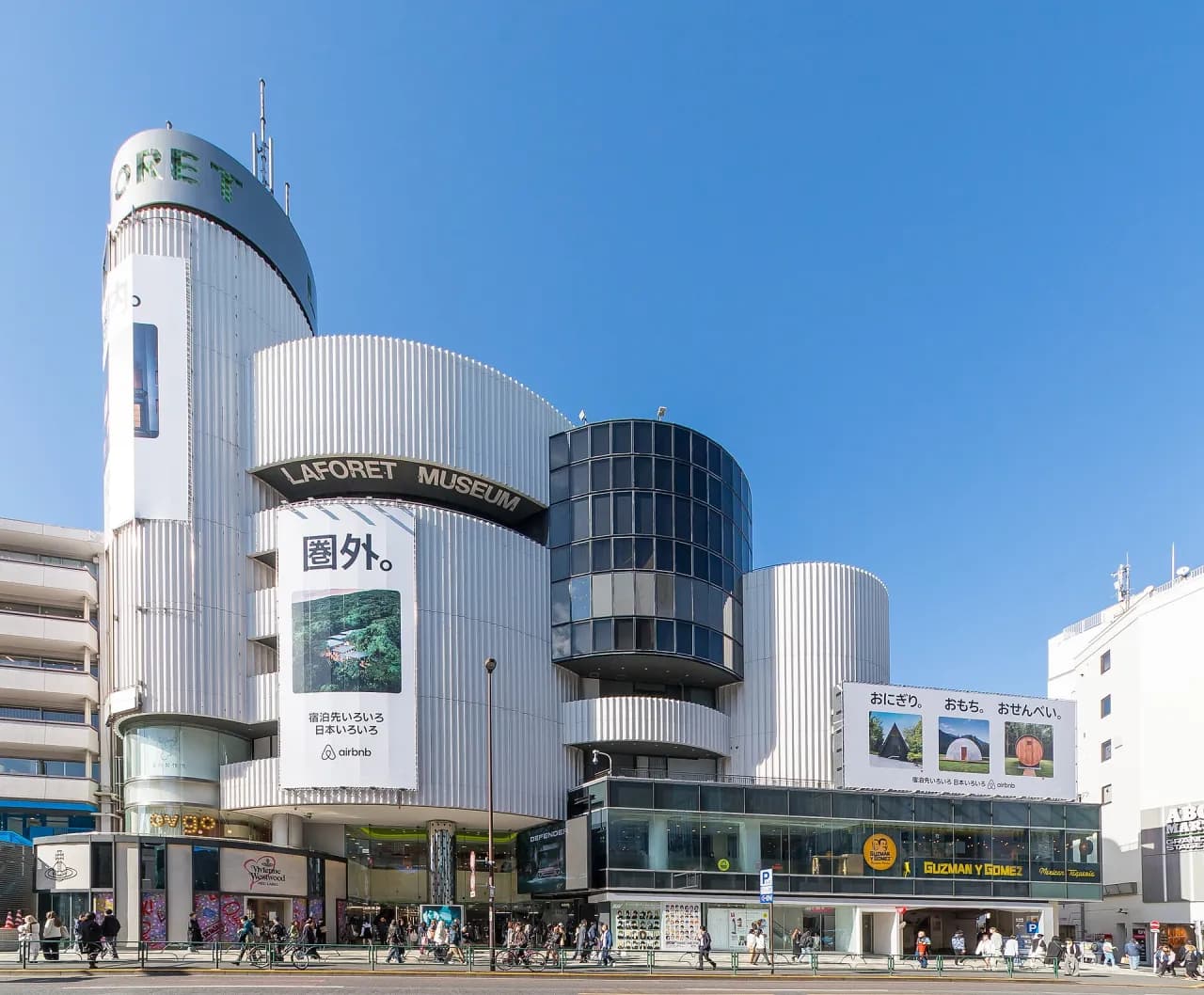
Walk into Laforet Harajuku today and the floors are crowded with small shops: Lolita labels downstairs, online brands with their first real store, little Tokyo names stacked on half-floors. It was not planned that way. It was the second try, after the first one struggled.
A mall nobody in the company knew how to run
Laforet opened on 28 October 1978, the first shopping building from Mori Building, a company that until then built offices. Mori knew nothing about retail, so it did the safe thing and filled the building with famous companies, hoping they would know how to sell. That is Sato Katsuhisa's own account, in a 2000 talk, and a Japanese book review of his 2025 memoir says the same.
It did not work. Sato says Mori told the press it expected ¥7 billion in the first year, on the tenants' advice, and made ¥5.6 billion. Newspapers blamed amateurs. Tenants and landlord fought. A Shincho review of Sato's memoir says the company's founder told him to quietly close the whole thing down: "tear it down and level the lot".
The man who did not care about fashion
Sato had joined Mori Building in 1965. When Laforet struggled he was away fixing a golf course, and in 1979 he agreed to take on Harajuku "lightly", he says. In his words: "I myself had no interest in fashion. But we are a building landlord, so I wanted a good way to get more rent."
He looked around. Shibuya and Shinjuku already sold the famous brands, so nobody would travel to Harajuku for them. He wanted shops that could only be found here, ideally each brand's one and only main store. But "not one person" would put a main store in a mall said to be failing, he says.
The ones who had no shop
So he went to people who had no shop at all. Around Harajuku, small clothing makers worked out of rented apartment rooms and sold only to other stores. They were called "mansion makers", after the Japanese word for an apartment. Sato gave them a first shop of their own, where a designer could talk to customers directly. Shibuya Keizai Shimbun, a local paper, and Japanese Wikipedia both say the mall changed course by bringing in these makers.
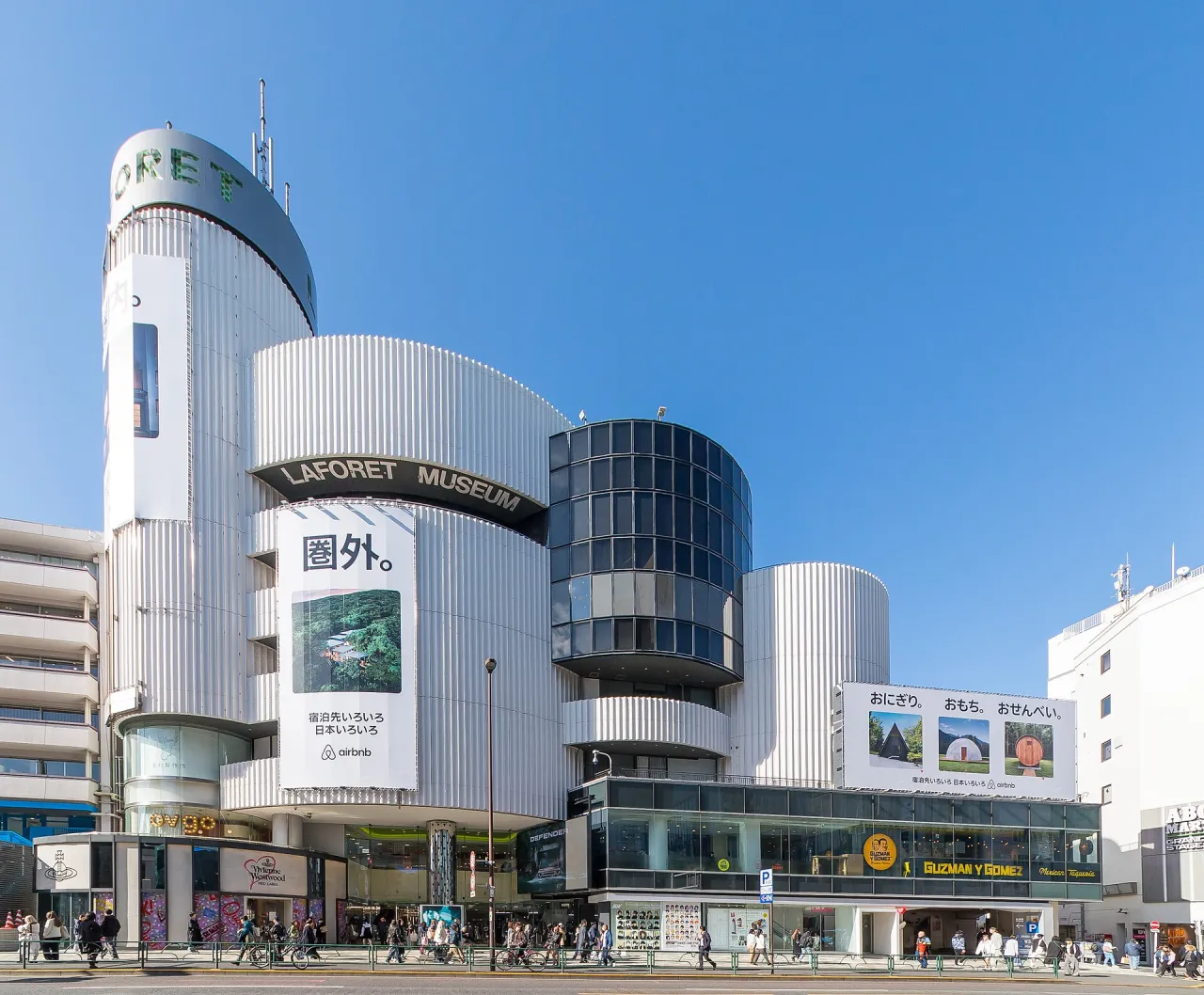
Sato set rent as a share of sales, not a large deposit, so a young label could afford a space, and a review of his memoir says he reduced rent while sales were low. He says winners were asked to "graduate" and leave their space for newcomers. He ran fashion shows to launch them. The head of the local street association, he says, told him Meiji Shrine's approach was fashion enough for Harajuku.
By Sato's own count sales went from about ¥5.7 billion to ¥10.4 billion in four years. He says most of the designer-brand boom of the 1980s came out of Laforet. That is his claim, not an independent figure.
See it yourself
- Inside Laforet. The floors are packed with small shops, and your guide can help you find your way around.
- Small labels. Many of the shops are small Japanese labels. Giving a young designer a first shop of their own is the idea Sato started with.
Hear it on the tour
Photo credits
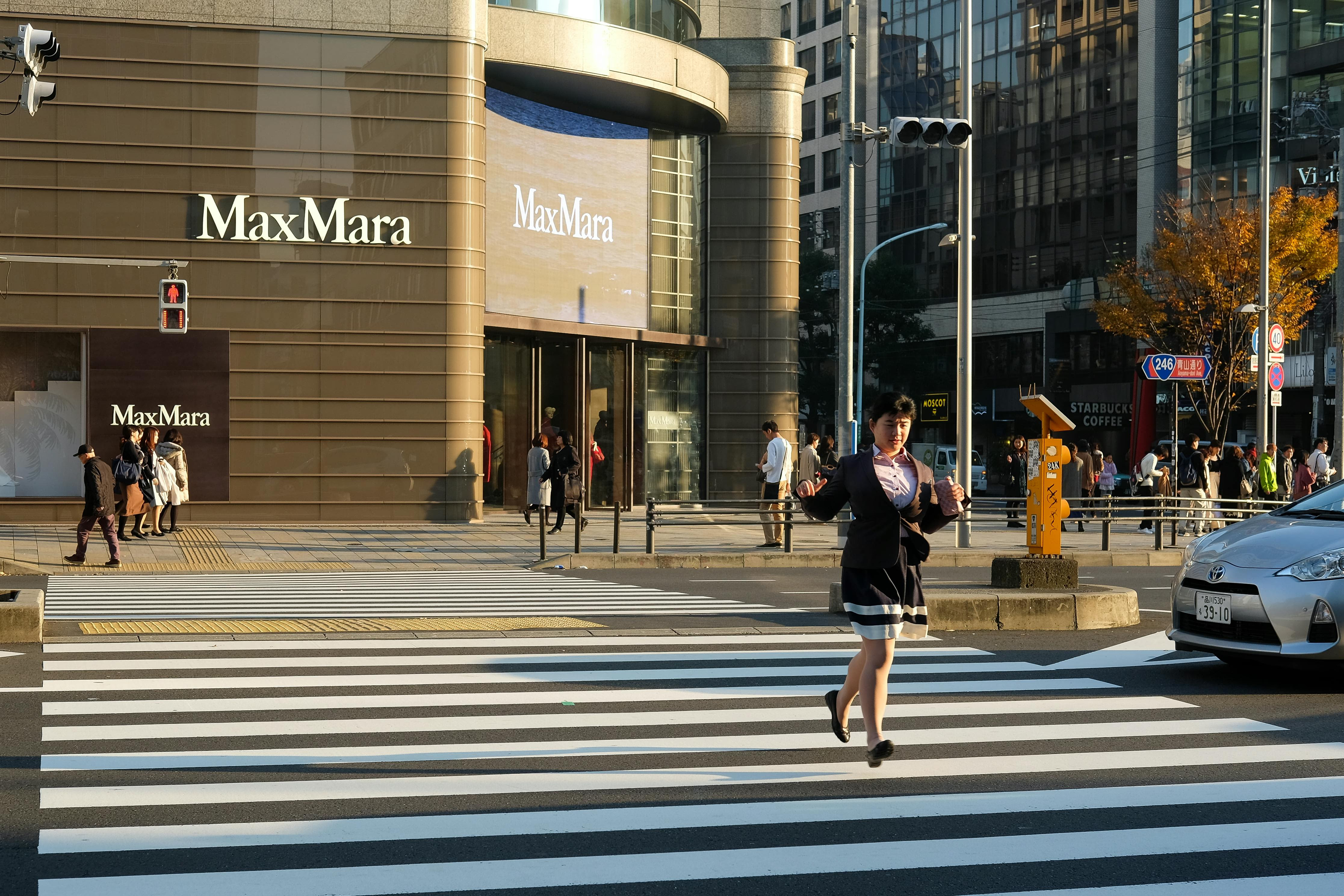
- Laforet Harajuku at the Jingumae crossing: Kakidai / Wikimedia Commons, CC BY-SA 4.0, resized