Order a "lemon sour" in a Tokyo restaurant and you get shochu (a clear Japanese spirit), soda and lemon. Many menus and shops also carry a soda mixer called Hi-Sour. Most people assume the "Hi" is short for highball. It is not.
A soda factory with a winter problem
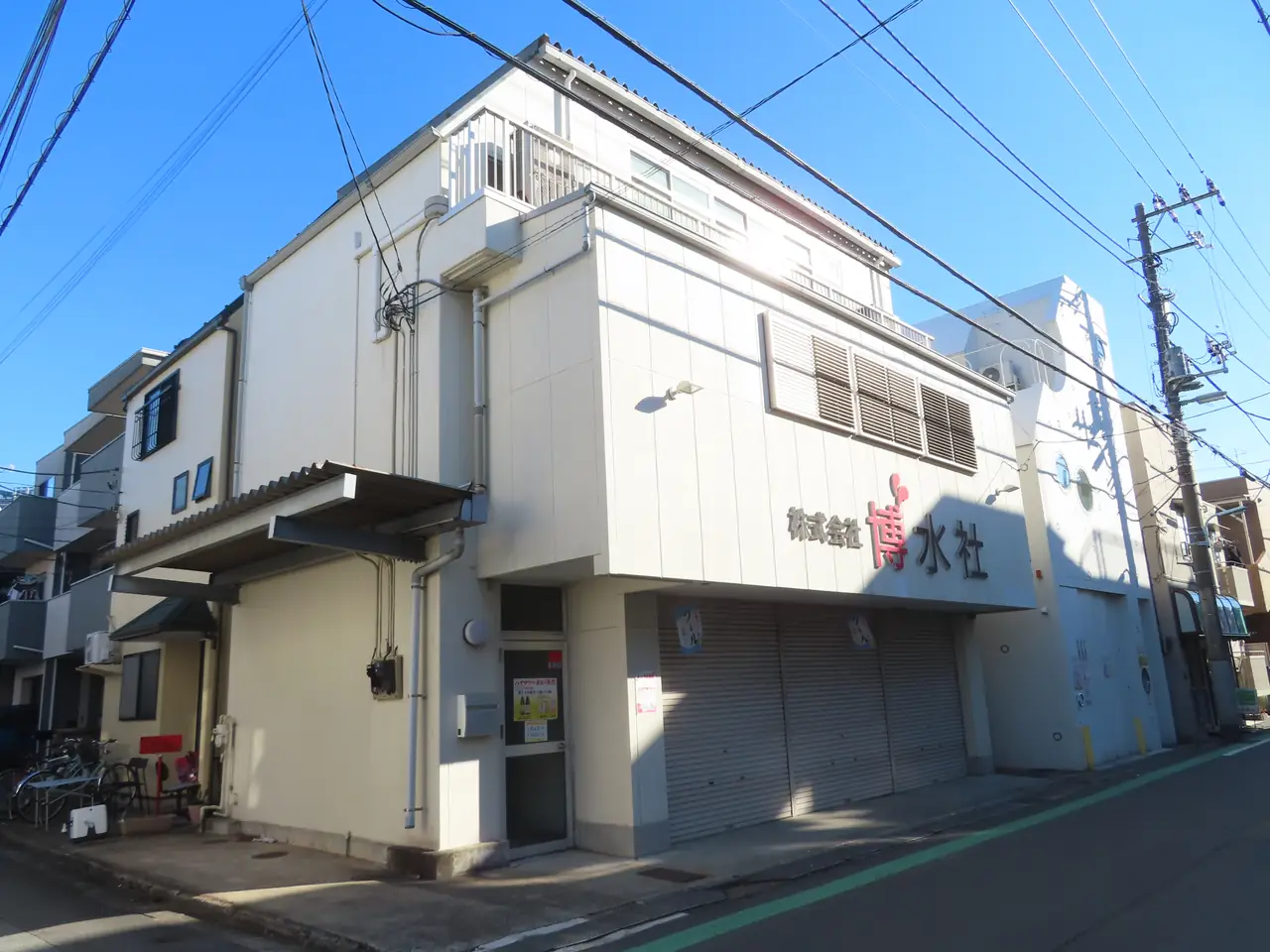
Tanaka Senichi ran Hakusuisha, a small family factory in Meguro, Tokyo, founded by his father in 1928. It made ramune, the marble-stoppered fizzy drink, and similar sodas. His daughter Hideko, who became president in 2008, says it was a business that sold in summer and not in winter. Big foreign soft-drink makers were also arriving in Japan.
His fix was a mixer for shochu that sold all year. In 1975, J-Net21 reports, he had a recipe built on beer hops, and then the company supplying the hop extract went bankrupt. The project was dead.
A trip, and a wife
To clear his head he took a trip to San Francisco. He saw people everywhere drinking cocktails, and decided Japan needed its own, built on shochu. He made a lemon, syrup and soda mixer. His wife tasted it and said it needed one more touch: a little white wine. The company says it is still in the bottle. Five years after the first prototype, in 1980, it went on sale.
The "I" in "Hi"
Tanaka wrote the name himself with a calligraphy brush, and that handwriting is still on the label. He first meant "Hi" as "high-class", he told a food writer, but a trademark with words like "high" or "special" in it was refused. So the company says "Hi" is the "hai" of "wagahai", an old, grand way of saying "I". It comes from Natsume Soseki's novel "I Am a Cat", whose narrator is a cat. The name means "the sour I made". It is registered that way, and the company says "Ore Sour" and "Tanaka Sour" were considered first.
Where did "sour" come from? Accounts differ. The company's own story starts in San Francisco. His daughter and a business writer say he took the word from a neighbourhood bar, Ban in Nakameguro, which bought its soda from Hakusuisha and called shochu with soda and squeezed lemon a "sour". Ban's own history says it named that drink, though a shochu website notes lemon in shochu and soda was already common around Tokyo, so Ban named the drink rather than inventing it.
A cooler of free bottles
Hakusuisha had no money for advertising and no salespeople. So Tanaka sent his four or five factory workers to their regular neighbourhood bars, each with a cooler, a bottle of shochu, a case of 24 Hi-Sour and 5,000 yen for drinks. The instructions, as he later told a magazine: mix one for the owner, leave the rest free, put up a poster. Owners often said nobody drinks shochu with soda. After about 30 bars, orders began to arrive, and within two or three years the factory could not keep up. Tanaka himself hardly drinks.
See it yourself
- Ban. The Nakameguro branch of Ban, the bar that named the lemon sour, is at Kamimeguro 2-14-3, a short walk from Nakameguro Station. Its website lists it as open from 11:30.
- The bottle. Look for "ハイサワー" on a mixer bottle or a paper lantern outside a bar.
- The factory. Hakusuisha is still a small company in Meguro, a dozen or so staff by its own account, in an ordinary residential street.
Hear it on the tour
Sources
- Hakusuisha, the story behind Hi-Sour
- J-Net21, "Hi-Sour", 27 Jul 2012
- Nikkei BP, interview with Tanaka Hideko, 2008
- WEB Hon no Zasshi, Kudo, "Tokyo Chuhai Monogatari", 2008
- TKC, interview with Tanaka Hideko, 2014
- PRESIDENT Online, 4 Aug 2017
- Pen Online, Ban
- Ban, company history
- Shochu Press, who named the lemon sour, 24 Sep 2024
Photo credits
- The small two-storey Hakusuisha company building on a residential street in Meguro, Tokyo: 運動会プロテインパワー / Wikimedia Commons, CC BY-SA 4.0, resized