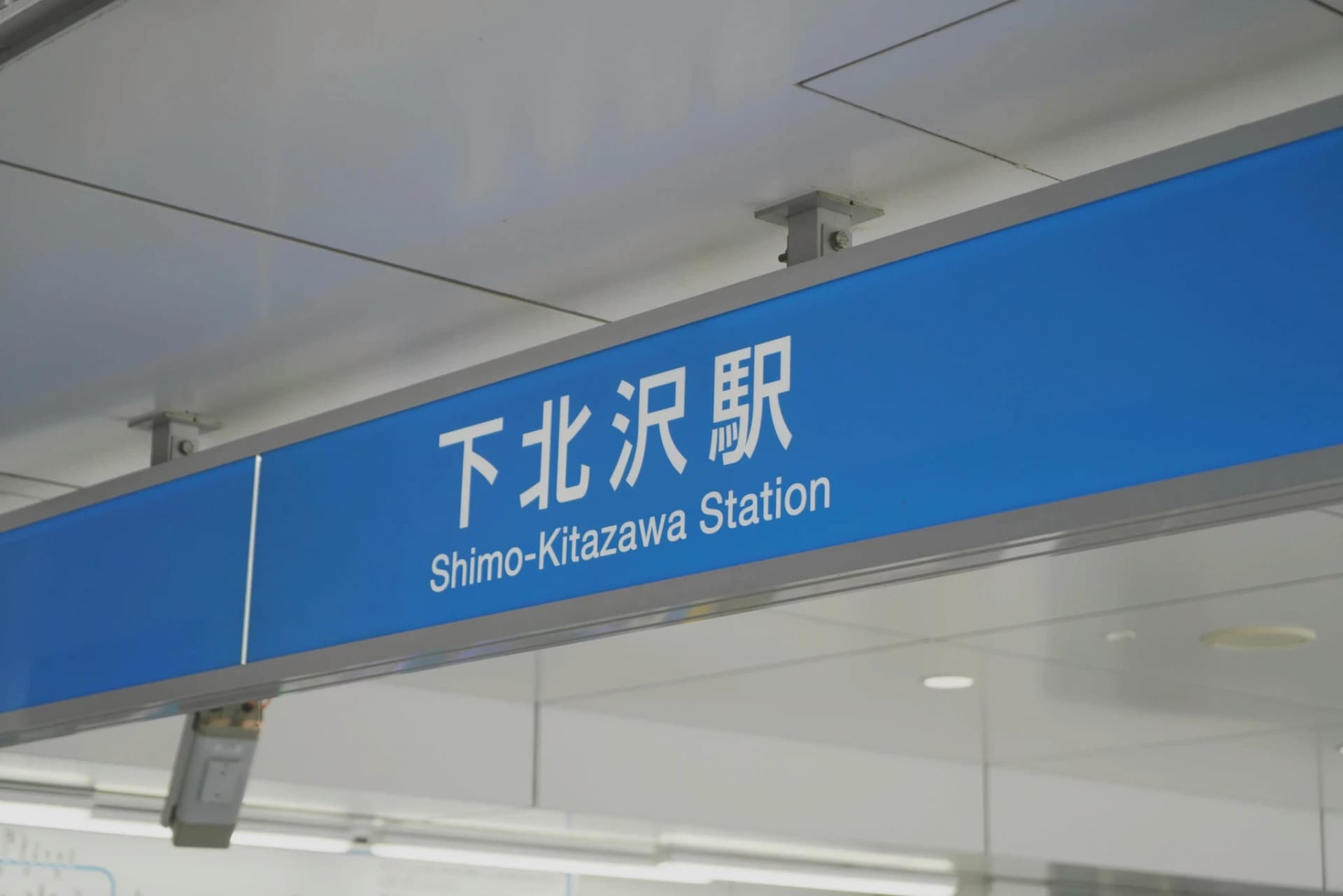
Walk around Shimokitazawa and the music clubs hide at the bottom of stairs. Tokyo calls them "live houses": small venues where a band plays a few metres from a bar. The story of how they got that shape starts with a man who could not find a job.
The man nobody would hire
Hirano Yu was 26 in 1971, with a wife and a child. He had been arrested as a student protester, and he says that left him unable to get hired. As Hirano tells it, he wanted to work for a publisher, but the police had already told it not to take him on.
So he opened a seven-tsubo bar (about 23 square metres) in Chitose-Karasuyama, in western Tokyo. He owned only 40 to 50 jazz records. He named the place Loft, after the cheap attic studios that young artists shared in New York.
A club with no walls to hold the sound
In June 1973 he opened a second Loft at Nishi-Ogikubo, about 15 tsubo (50 square metres), for live bands. Hirano says that at the time Tokyo had no word for such a place, and that nobody had soundproofed it. According to him, the first bands were loud enough that a fishmonger across the street stormed in with a knife.
Loft's own history says what came next. For the next room, in Ogikubo in 1974, it went underground so it could make noise without bothering the neighbours. That reasoning is the common one: Japanese Wikipedia says loud rock venues are often in basements for soundproofing.
Why it feels like a bar
Hirano says gigs alone did not pay. So Loft ran as a rock cafe by day, put bands on in the evening and served drinks until dawn as a tavern. A basement bar with a stage is what that business looks like. Loft opened in Shimokitazawa in December 1975, at about 40 tsubo, and many rooms followed.
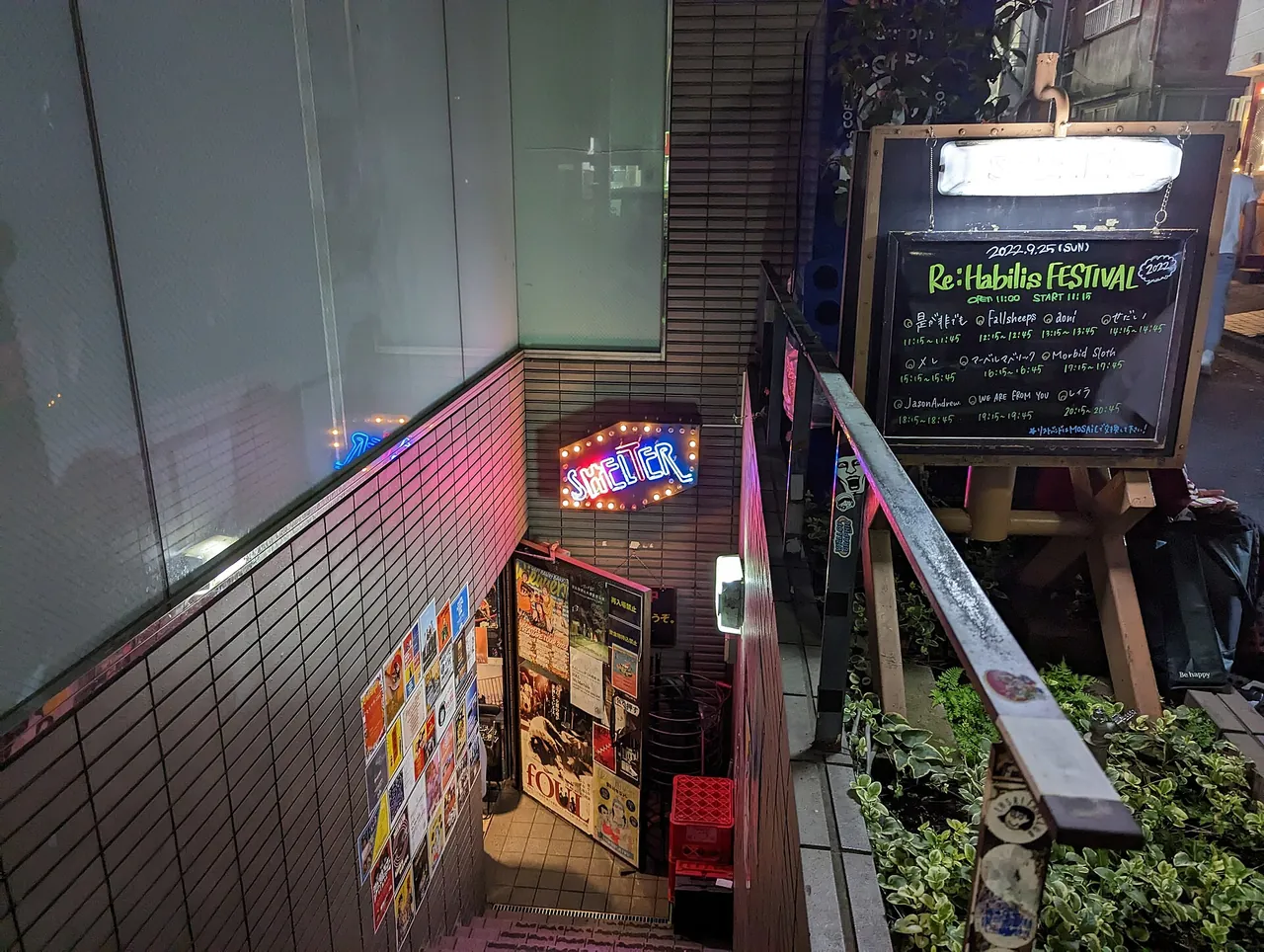
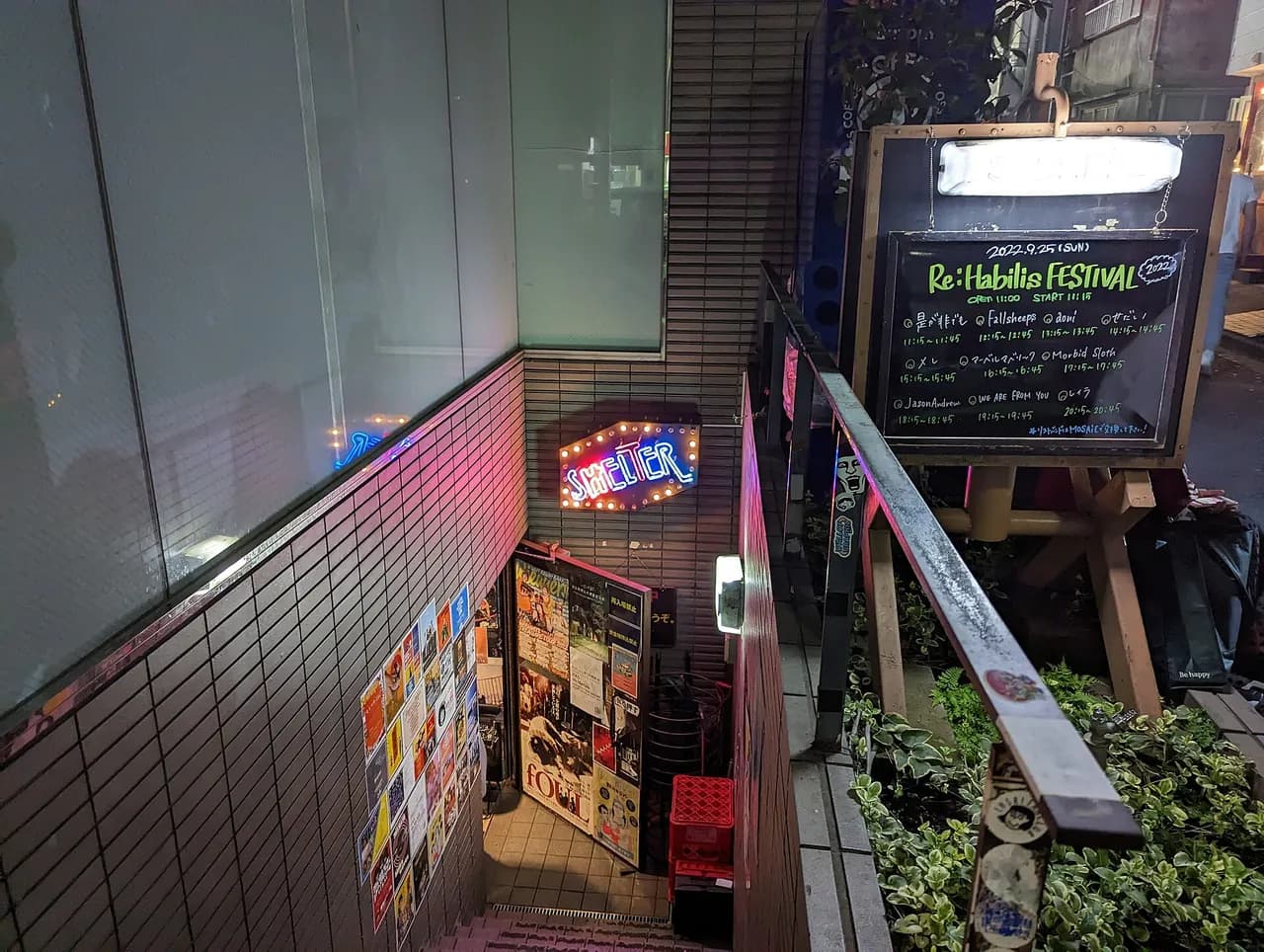
In 1991 Loft opened SHELTER in Shimokitazawa. It holds 250 people and sits one floor below the street. Loft says it opened SHELTER, a name meaning "refuge", as a new home when its Shinjuku club faced eviction.
See it yourself
- SHELTER. Find the neon sign and the staircase down on Shimokitazawa's north side. This is a basement room that Loft opened in 1991.
- Other doorways. Look for stairs, a chalkboard and a poster-covered wall. That is how a venue here announces itself.
Hear it on the tour
Sources
- Hirano Yu, book excerpt, Diamond Online
- Hirano Yu interview, JBpress
- Hirano Yu interview, PRESIDENT Online, 2024
- Real Sound, talk-event report, 2024
- Hirano Yu column, Nikkan Gendai, 2020
- ZAKZAK, 2019
- Ogikubo Loft, Loft Archives
- Shimokitazawa SHELTER, Loft Archives
- ロフト (ライブハウス), Japanese Wikipedia
- ライブハウス, Japanese Wikipedia
Photo credits
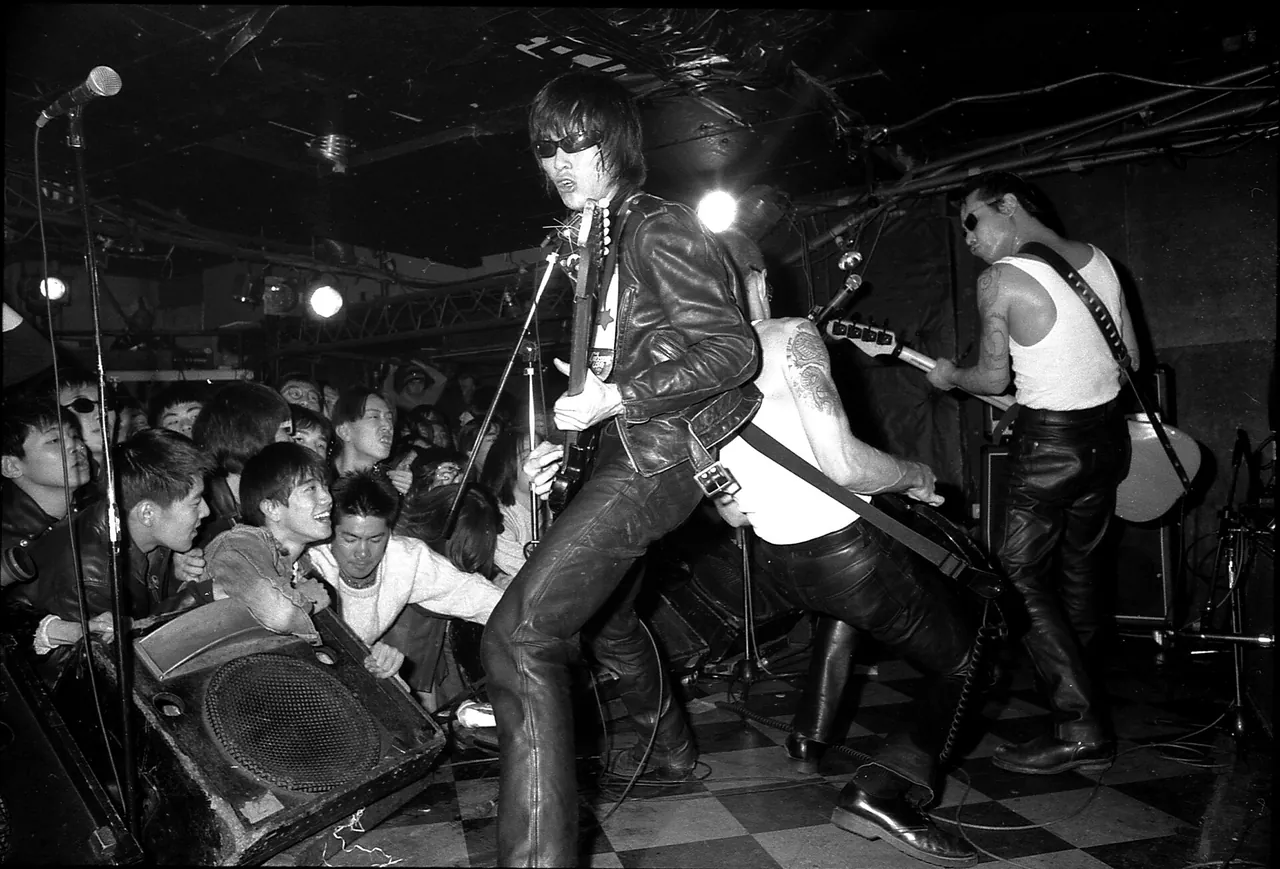
- Guitar Wolf playing at SHELTER, 31 December 1995: Masao Nakagami / Wikimedia Commons, CC BY-SA 2.0, resized