In everyday Japanese life, a baby was one year old at birth, and everybody added a year together on January 1. A baby born on 31 December was two the next morning. Writers on the subject say this is why a personal birthday meant little and birthday parties spread mostly after the war. The change came in 1950, and a novelist sold it to parliament as a way to make the whole country younger.
A law nobody followed
Japan had already decided on paper. A law of 1902 counted age from the day you were born. Yet in daily life the old New Year count carried on for nearly half a century, and it caused trouble. Yamamoto Yuzo, the novelist behind the 1949 bill, listed the problems to a committee of the Diet, Japan's parliament, on 13 May 1949.
Parents of December-born children, he said, often gave an inexact birth date, because the child would be counted as two almost at once, and that mattered when it came to marriage. Then there was food. Postwar food rations were worked out by age. He told the committee about a baby born the previous October who, by February, was counted as two and was sent a caramel ration, though the baby was under six months old and could drink only milk.
"A kind of rejuvenation law"
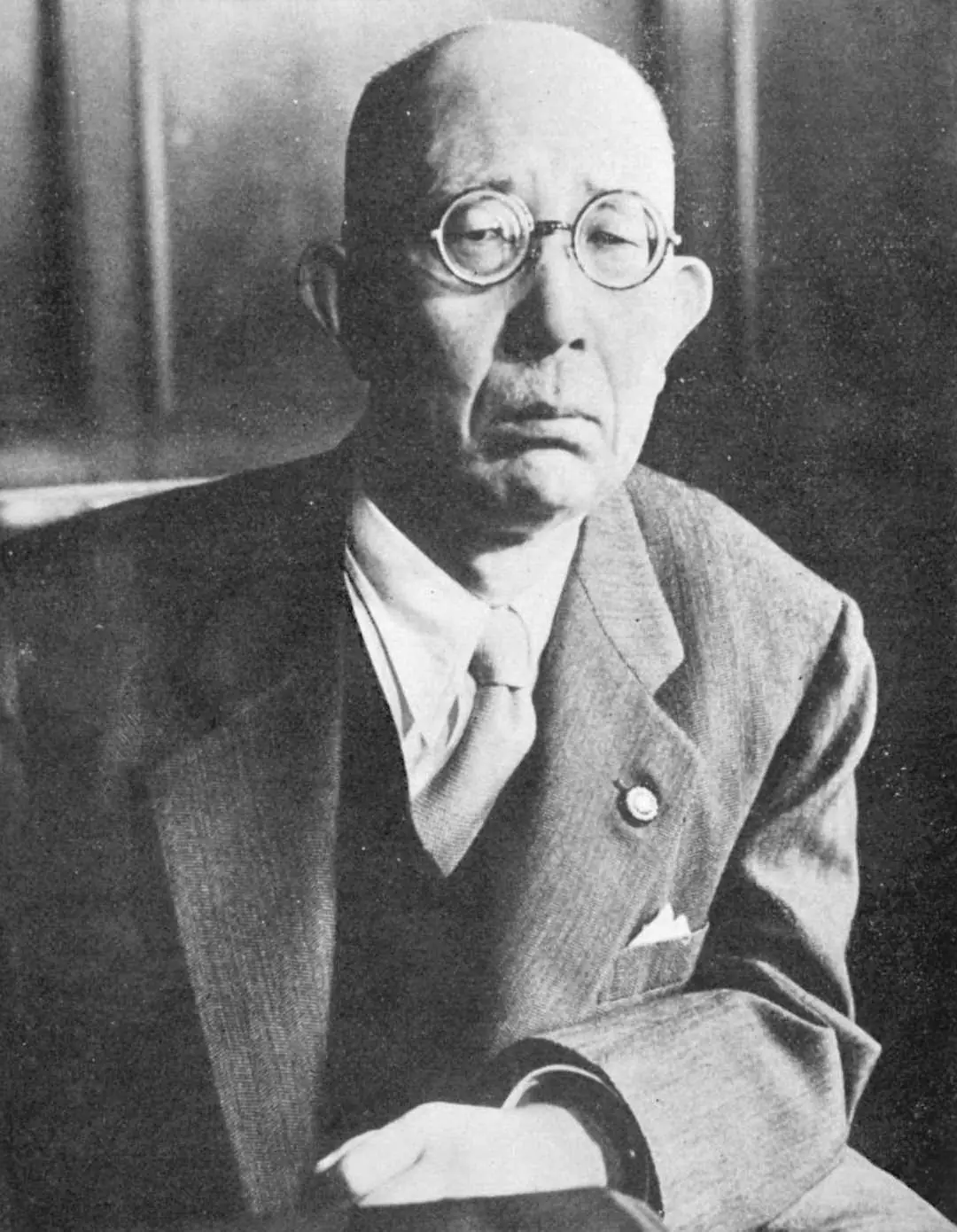
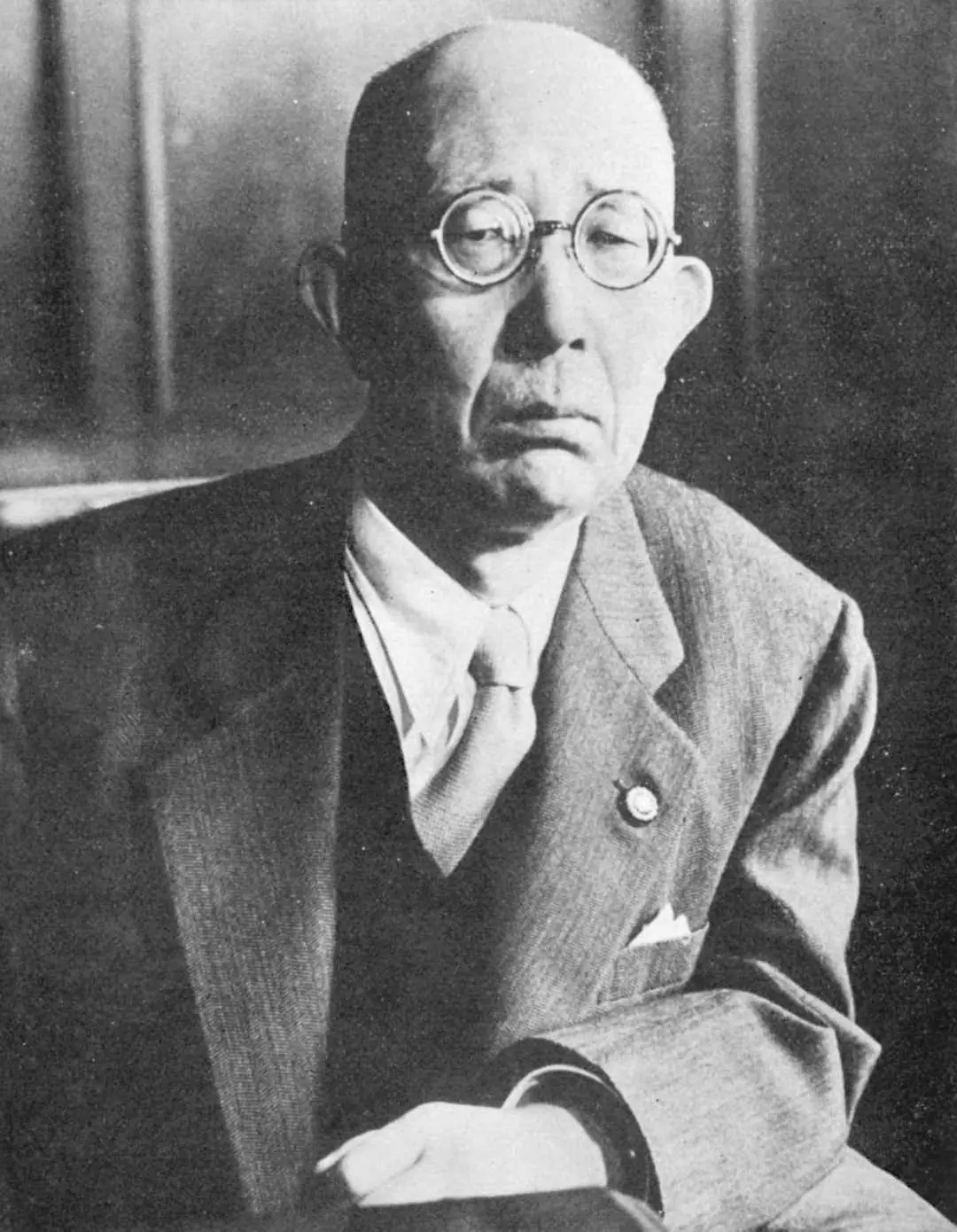
Yamamoto was the author of the novel "Pebble by the Roadside", and after the war he sat in the House of Councillors, the upper house. The bill had 18 sponsors from every party group. Yamamoto's first reason, in the official minutes, is the one he leads with: counting from the birthday would be "a kind of rejuvenation law" for the Japanese. The country, he said, felt gloomy over taxes, and getting younger on paper would cheer people up. He added that it would make people feel brighter without costing the budget a yen.
He also gave practical reasons: other countries' statistics counted from the birthday, and so did the calorie tables behind the ration. Ration officials, he said, could manage the switch from the following New Year. That is why the law, promulgated on 24 May 1949, took effect on 1 January 1950.
What it did, and did not do
The law is a request, not a ban. It asks citizens to make it a habit to give their age by the 1902 count, and it requires government bodies to do so. The older count did not vanish: it is still used for some shrine and temple traditions, such as unlucky years.
See it yourself
- The count. Nothing on the route shows this story. Your guide can work out anyone's old-style age: their age plus one, or plus two if the birthday has not come round yet this year.
- Yamamoto's house. His former home in Mitaka, west of central Tokyo, is now a memorial museum. It is not on this tour, and opening days are worth checking before you go.
Hear it on the tour
Sources
- Diet minutes, House of Representatives Education Committee, 13 May 1949, Yamamoto Yuzo's bill speech
- House of Representatives, Law No. 96 of 1949 (age-counting law)
- Yomiuri Shimbun, "Showa 100", 21 Aug 2025
- Japanese Wikipedia, Law on the Way of Stating Age
- Daiichi Hoki legal trivia blog
- Kodansha Blue Backs, 1 January 1950
- Gift Research Institute, birthday celebrations after the war, 2025
- National Diet Library, portrait of Yamamoto Yuzo