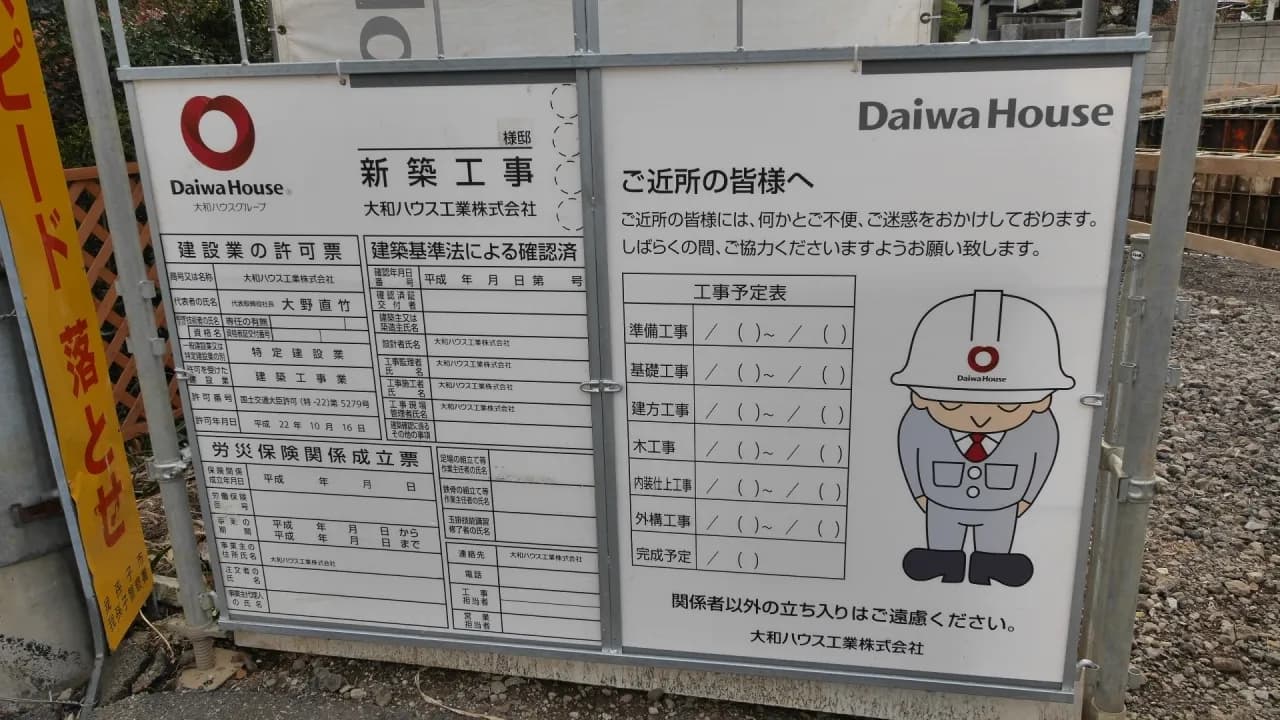
Outside almost every building site in Japan stands a cartoon worker in a hard hat, bowing, with a line saying sorry for the trouble. Visitors to Tokyo notice him within a day. Somebody had to draw him first.
A city dug up
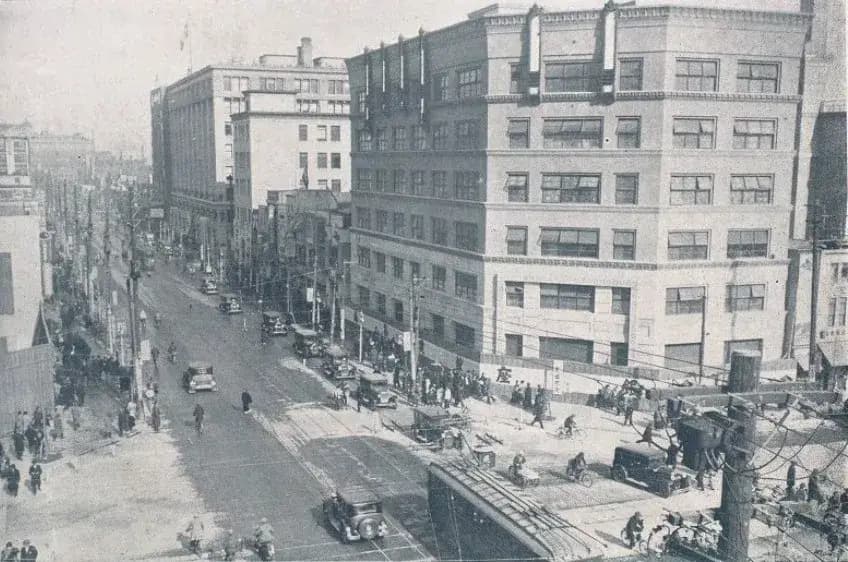
In 1964 Tokyo was racing to finish roads, pipes and buildings before the Olympics. Piles of earth sat in the street and trenches ran along the pavement. The warning signs were mostly words, at best "Watch your step" in bright print. That is how Hoshino Teruo, now president of the sign maker Tsukushi Kobo, tells it in an interview with the Asahi newspaper's GLOBE+ magazine.
A man who painted film posters
Hoshino says his predecessor Kusakari Takeo had been painting the artwork for film posters in the publicity department of the Shochiku film company. Kusakari's idea was a sign with a character a child could understand at a glance. Tsukushi Kobo's own company record puts the start of his design studio in May 1964.
Hoshino says Kusakari had studied Disney films to learn what makes a drawing look cute, down to the proportions and the gap between the eyes, and was most influenced by the dwarfs in "Snow White". The bowing boy, "Tsukushi Boya", appeared in 1966 (Tsukushi Kobo; Asahi).
Everyone wanted one
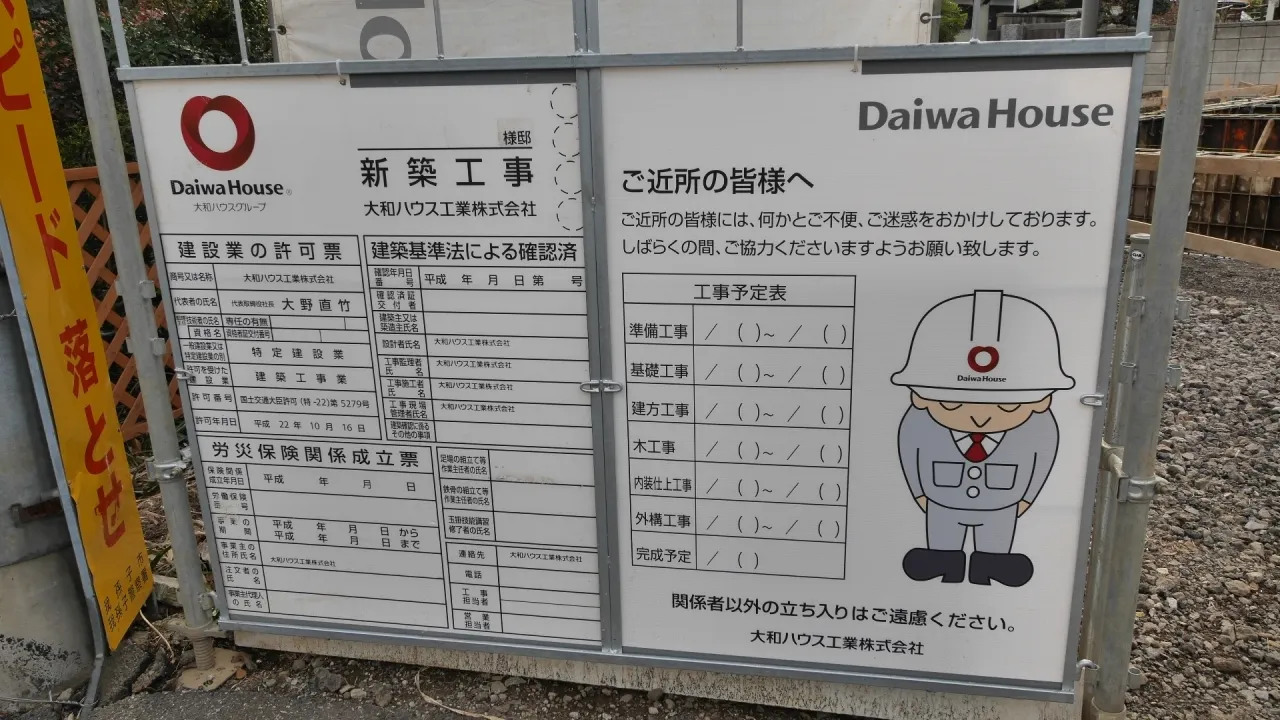
Building companies liked the sign and it sold well. Hoshino says big contractors even had the boy dressed in their own company uniform, and some asked for a deep, full bow while others wanted him to take his helmet off.
Then the mood changed. By Hoshino's account, clients began to say the bow went too low. Their message was that they were not doing anything shameful, they were doing work useful to society, and they wanted to stand tall. Slowly the best-selling version became the one that looks up and smiles. Today some signs have dropped the apology altogether and just say "work in progress, thank you for your cooperation".
Who bowed first?
Nobody can say for certain. Japanese Wikipedia credits an earlier sign from the builder Taisei, and Tsukushi Kobo itself says only that it was the first to sell such a sign as a product. The cartoonist Tori Miki, who gave these figures their nickname "ojigibito" (bowing people), found that many companies claimed to be the original and did not name a winner.
See it yourself
- Any building site in the backstreets. On the small-lot houses your guide shows you, look for the sign on the hoarding. Is he bowing deeply or looking up?
- The wording. Compare the apology on older signs with the plainer "thank you for your cooperation" on newer ones.
Hear it on the tour
Photo credits
- A bowing worker on a house-building sign in Japan: 運転太郎 (panoramio) / Wikimedia Commons, CC BY 3.0, resized