If you have just flown into Narita, you landed on what was once Okinawa Farm. It was a village of families from Okinawa who, after the Second World War, had nowhere to go home to.
In 1945 the United States occupied Okinawa, and people from there who were on the mainland could not return. Japan's city of Narita says so in its own bulletin on the farm's history. The Okinawa Times and the Asahi newspaper's book site tell the same story.
The priest who went looking for land
Yose Moritomo came from Kume Island, in Okinawa. He was a Buddhist priest who had spent years in Hawaii (Asahi book review; Okinawa Times). When the war ended he took up their cause. The city bulletin says he travelled around Japan looking for land for them, and was told there was a place to settle at Sanrizuka, near Narita.
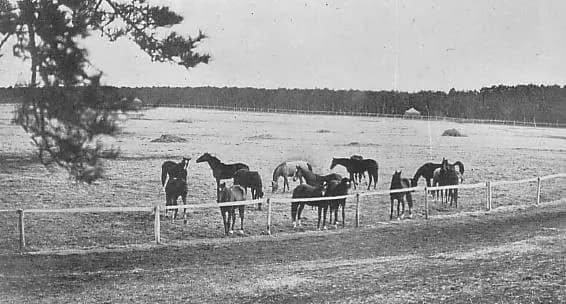
The land belonged to the Imperial Household: the Shimosa imperial horse ranch. Asahi writes that his lobbying, with others, got the ranch opened up. Wedge, a Japanese magazine, also says part of the ranch was released to settlers.
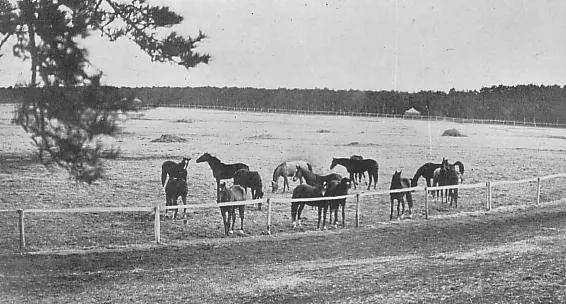
A horse stable for a first home
On 16 March 1946, the city says, about 50 families, some 100 people, were allowed to start. Their first home was the ranch's horse stable. Japanese Wikipedia says the same about the stable. The Okinawa Times gives a smaller number for the very first arrivals, so treat the count as approximate.
Wedge, citing Arakaki Yuzuru's 2025 book on the farm, says each settler cleared about one chobu (roughly one hectare) with a single hoe. It also says mothers who could not nurse swapped their last clothes for goats and fed their babies goat's milk.
A teacher at the local school told the Okinawa Times it took about ten years before they were settled and farming properly.
Then the airport
About twenty years in, they were finally getting on. The Asahi and Wedge both say the airport plan arrived just as the farms were working, and the city dates the decision to 1966. The airport opened in 1978. The protests that followed are well covered in English. This story is about the families who were already there.
In 1966 there were still 32 families. They all sat for a photograph for an album the families put together, with more than 4,000 photos gathered and about 130 printed, which was finished on 6 March 1969 (city bulletin). The settlers' children formed a hometown association, which the city says still keeps the community together. Where they lived is now airport.
See it yourself
- Narita Airport. The land the settlers cleared is now part of the airport (city bulletin).
- The train ride into town. The Keisei and JR lines run through the rural Chiba countryside, which is what the area was before.