Planning Your Tokyo Trip
Good trip planning isn't about answering questions one at a time — it's about seeing how duration, budget, and pacing all pull on each other. These guides work through the decisions that actually shape a Tokyo trip.
Core Planning Decisions
The five questions that shape every other choice — how long to stay, what it actually costs, whether Tokyo is expensive for what you get, how to balance competing interests, and why jet lag is a planning variable, not just a physical one.
Trip Planning
How Many Days in Tokyo? Setting Realistic Expectations
How many days in Tokyo: a clear breakdown of how much time the city realistically takes by trip length and pace.
Discover more
Trip Planning
Tokyo Travel Costs: Understanding Daily Expenses and Pricing
Tokyo travel costs: clear breakdown of typical expenses — accommodation, food, transport, and how prices compare across budget levels.
Discover more
Trip Planning
Is Tokyo Expensive? Understanding Costs for Travelers
Is Tokyo expensive? A breakdown of daily costs, price ranges, and why the city surprises most travelers on budget.
Discover more
Trip Planning
Balancing Temples, Shopping and Food in Tokyo
An explanatory guide to balancing temples, shopping and food in Tokyo, helping travelers understand pacing and trade-offs across experiences.
Discover more
Trip Planning
Tokyo Jet Lag and Pacing: What Travelers Should Expect
Tokyo jet lag and pacing: how it typically hits westbound travelers, why day 2 is the worst, and how to pace early days for a better trip.
Discover more
Understanding Tokyo
Tokyo for First-Time Visitors: A Guide for Your First Day
Tokyo for first time visitors: a one-day itinerary covering Tsukiji, Senso-ji, Ueno Park, and Akihabara — with tips for deeper immersion.
Discover more
Solo Travel
Solo Female Travel in Tokyo: The Honest Safety Guide
Solo female travel in Tokyo is genuinely safe — here's what that means in practice, which areas to know, and how to navigate confidently.
Discover more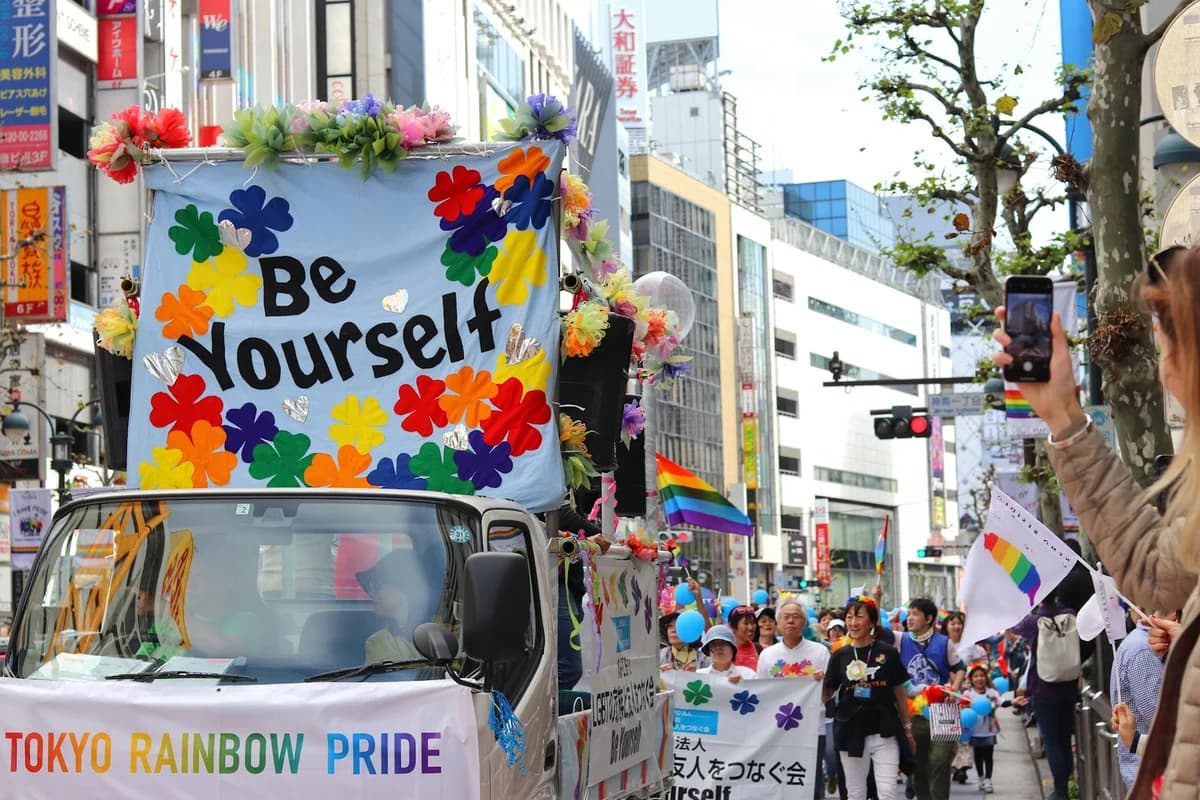
Planning
LGBTQ Tokyo: A Guide to Shinjuku Ni-chome and Beyond
LGBTQ Tokyo guide: Shinjuku Ni-chome, Tokyo Rainbow Pride, same-sex partnership laws, and how welcoming the city actually is for queer travelers.
Discover moreCulture & Practicalities
The things that trip up visitors who didn't know to ask. Whether Tokyo is safe (it is, with specific caveats), how the language barrier actually works in practice, and why tipping will confuse the person you're trying to thank.
Culture & Practicalities
Is Tokyo Safe for Travelers? Practical Safety Insights
Is Tokyo safe? Yes — homicide rate 0.25 vs NYC's 4.0. But train groping, Roppongi bar scams, and earthquake prep are real. Safety tips by traveler type.
Discover more
Culture & Practicalities
Language Barrier in Tokyo: What Travelers Can Expect
A grounded look at the language barrier in Tokyo, explaining how communication works for visitors and where English is commonly understood.
Discover more![Tipping in Tokyo: No — With a Few Exceptions [2026 Guide]](/_next/image?url=%2Fimages%2Fd244034d8a17.jpg&w=1920&q=75&dpl=dpl_2hQXgXQmWb6iVmAB2GvwsWom9dXh)
Culture & Practicalities
Tipping in Tokyo: No — With a Few Exceptions [2026 Guide]
No tipping in Tokyo — not at restaurants, taxis, hotels, or ryokans. Complete guide to every situation you'll encounter, with clear rules for each.
Discover moreSpecial Occasions & Business
Planning a birthday, retirement trip, or business visit to Tokyo? These guides cover the specific logistics and recommendations that general travel guides miss.
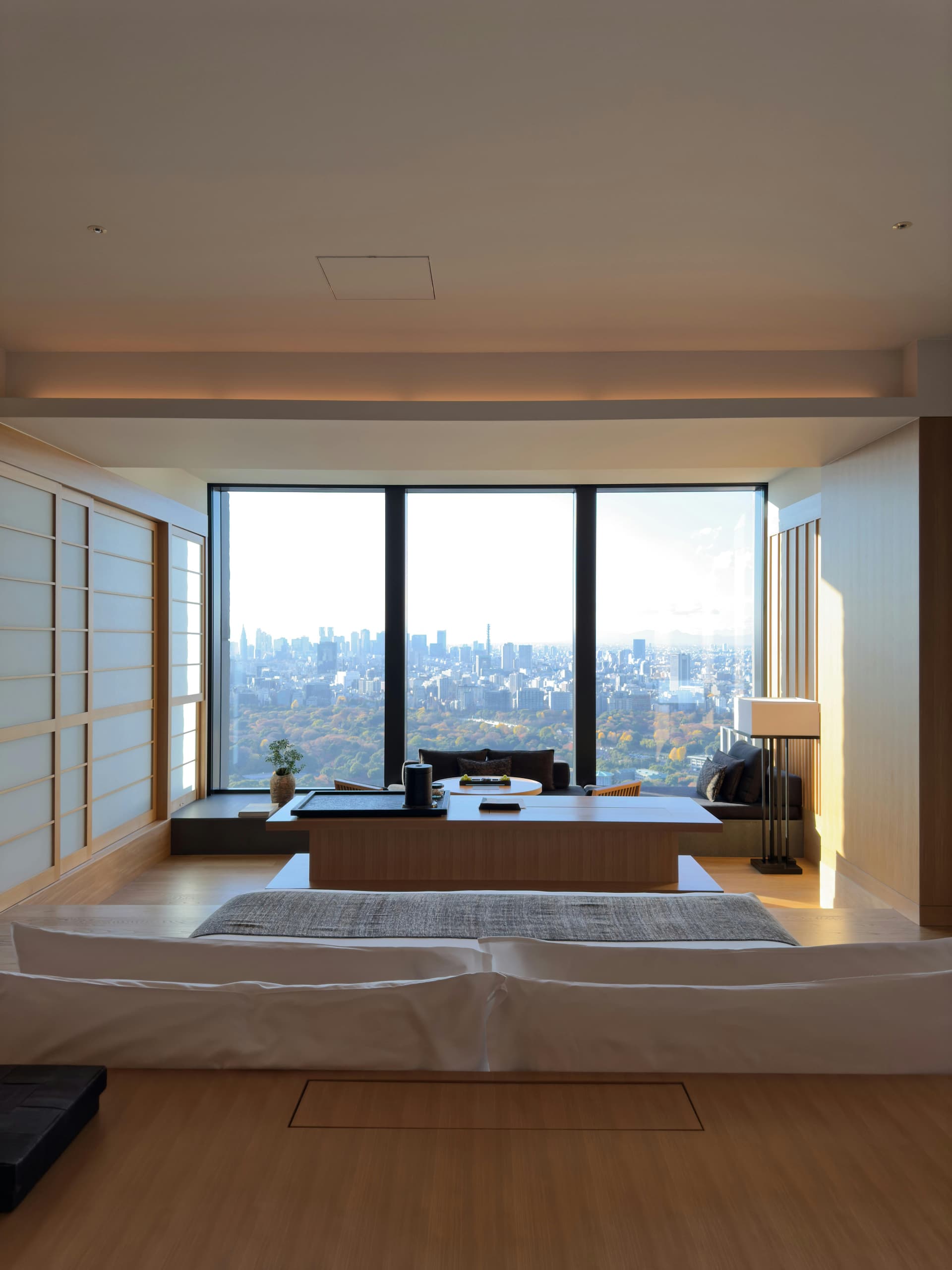





Planning your Tokyo trip goes wrong when you treat duration, budget, and pacing as three separate questions. They move together, so changing one changes the other two.
You've spent hours on this and still don't feel ready. Most guides answer each of those questions on its own, and if you plan that way you get a trip that looks good on paper and wears you out by day three. Once you see how the three decisions pull on each other, the rest of the planning gets much easier.
Why Your Spreadsheet Isn't Working
The Three Questions Everyone Asks Separately
Every Tokyo planning guide covers the same ground: How many days do I need? What's a realistic budget? How do I pace myself so I don't burn out?
Each guide answers them one at a time. "Five to seven days is enough." "Budget $150-200 per day." "Don't overschedule." None of that is wrong, but none of it tells you what happens when one answer shifts.
People put 20-50 hours of research into a Tokyo trip. Travelers who pass 30+ hours often feel less confident than when they started, because the pieces they've collected don't connect to each other.
What Changes When You Change One Variable
Cut your trip from seven days to four and your pacing changes with it. A tighter schedule means more decisions per day and less room to recover from jet lag. Then you start paying to save time: taxis instead of trains, guided experiences instead of wandering.
Raise your budget and the duration math shifts the other way. Mid-range hotels and the occasional nice dinner let you stay longer without running out of money or energy.
Your Situation Changes Everything
First-Time vs. Return Visitors
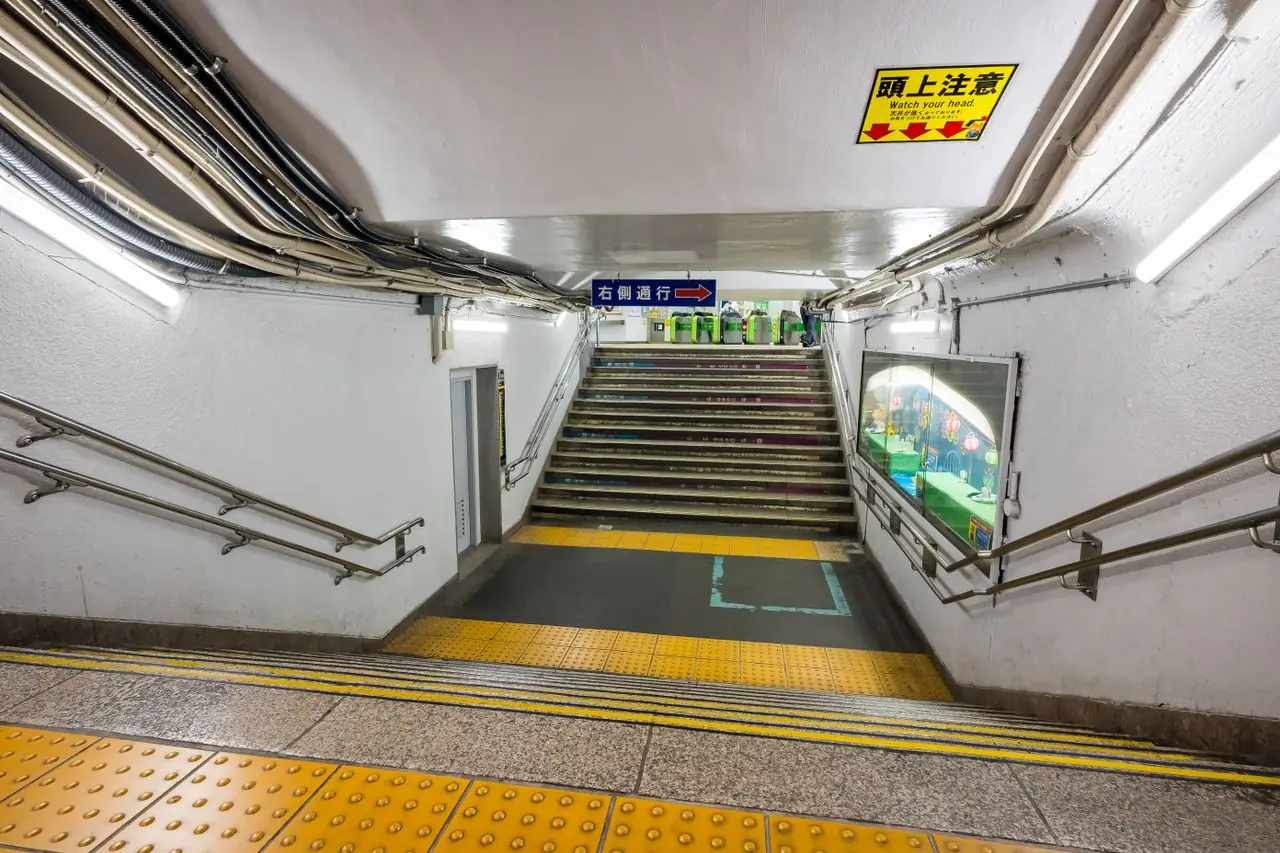
First-timers need more margin. It takes about two days before most people feel confident on the trains, and that learning time comes out of your sightseeing, though it's also part of the experience. A return visitor can get going on day one. A first-timer should leave slack in the first few days. We cover how different trip lengths change the experience in a separate guide.
Traveling Solo vs. With Family or Groups
Solo travelers move faster, but every decision lands on them: where to eat, which exit to take, when to stop for the day. That gets tiring.
Families with children need a much slower pace. Toddlers can't walk at adult speed, strollers make the subway harder, and every transition takes longer. Cramming each day doesn't work with small kids. Plan for 3-4 nights minimum in each city instead of rushing through. If you're traveling with kids or several generations, private tours designed for families take a lot of the logistics off your hands.
It's similar with elderly relatives. Subway stations have a lot of stairs. Most have elevators too, but you'll need to plan routes around them. Itineraries paced for seniors top out around 6 kilometers of walking per day.
Constrained Time vs. Open-Ended Trips
A three-day trip is a different kind of trip from a seven-day one, and squeezing the longer plan into fewer days doesn't work.
With limited time you have to pick between depth and breadth. You can skim several neighborhoods, or you can get to know one or two properly. Either is fine. Trying to do both is what produces the rushed, blurry trip people keep telling us they regret.
The Days 2-4 Problem Nobody Mentions
What Jet Lag Actually Does to Your Itinerary
Coming from North America, you're dealing with a 13-14 hour time difference from the US East Coast and 16-17 hours from the West Coast. The jet lag carries past day one and builds up over days two through four.
It usually goes like this. You wake at 3 or 4 AM wide awake and push through a full morning. Around 6 or 7 PM your energy falls off a cliff, and you're sitting in a restaurant you looked forward to for weeks, struggling to keep your eyes open.
Willpower doesn't fix it. Your body needs three to four days to adjust properly, so big evening plans on days two and three tend to end badly.
Keep the afternoon of day two and the morning of day three loose, because that's when the crash is worst. We go into more detail on managing jet lag and energy across your trip in a dedicated guide. Our 3-day itinerary framework builds the same slack in, giving each day a job that suits how you'll actually feel.
The 2 Neighborhoods Rule
Two neighborhoods a day, at most.
Doing Shibuya, Shinjuku, and Asakusa in one afternoon wears you out. Every move between them means finding the right train, getting through the station, and working out where you are when you come up, and you repeat all of it at every hop.
Pick one or two districts and stay put. You'll take in more and remember it better than if you raced across the city ticking things off.
What Your Budget Actually Buys
The Three Budget Tiers (And What They Actually Mean)
Budget ($80-120/day): Hostels or capsule hotels. Meals from convenience stores and ramen shops. Free sights like shrines, parks, and neighborhood walks. It works, but you'll walk more, plan further ahead, and need more stamina.
Mid-range ($150-250/day): Business hotels or comfortable mid-range places. Mostly casual meals with one or two nicer dinners. One or two paid attractions a day, such as museums, observation decks, or guided experiences. At $200 per day you won't have to skip anything you really want to do.
Luxury ($400+/day): High-end hotels. Omakase sushi at $100-300 for dinner alone. Private tours and premium access. Every private tour listing calls itself "luxury," and what you actually get varies a lot. Our guide to what luxury actually means for Tokyo private tours explains how to judge quality past the marketing.
For what each tier includes in detail, see our Tokyo travel costs guide. If you're not sure Tokyo fits your budget at all, start with is Tokyo expensive.
Where to Spend More, Where It Doesn't Matter
A lot of the best things in Tokyo are free. Walking neighborhoods, visiting shrines, wandering Tsukiji Outer Market: none of it costs anything, and people often remember it longer than the ticketed attractions.
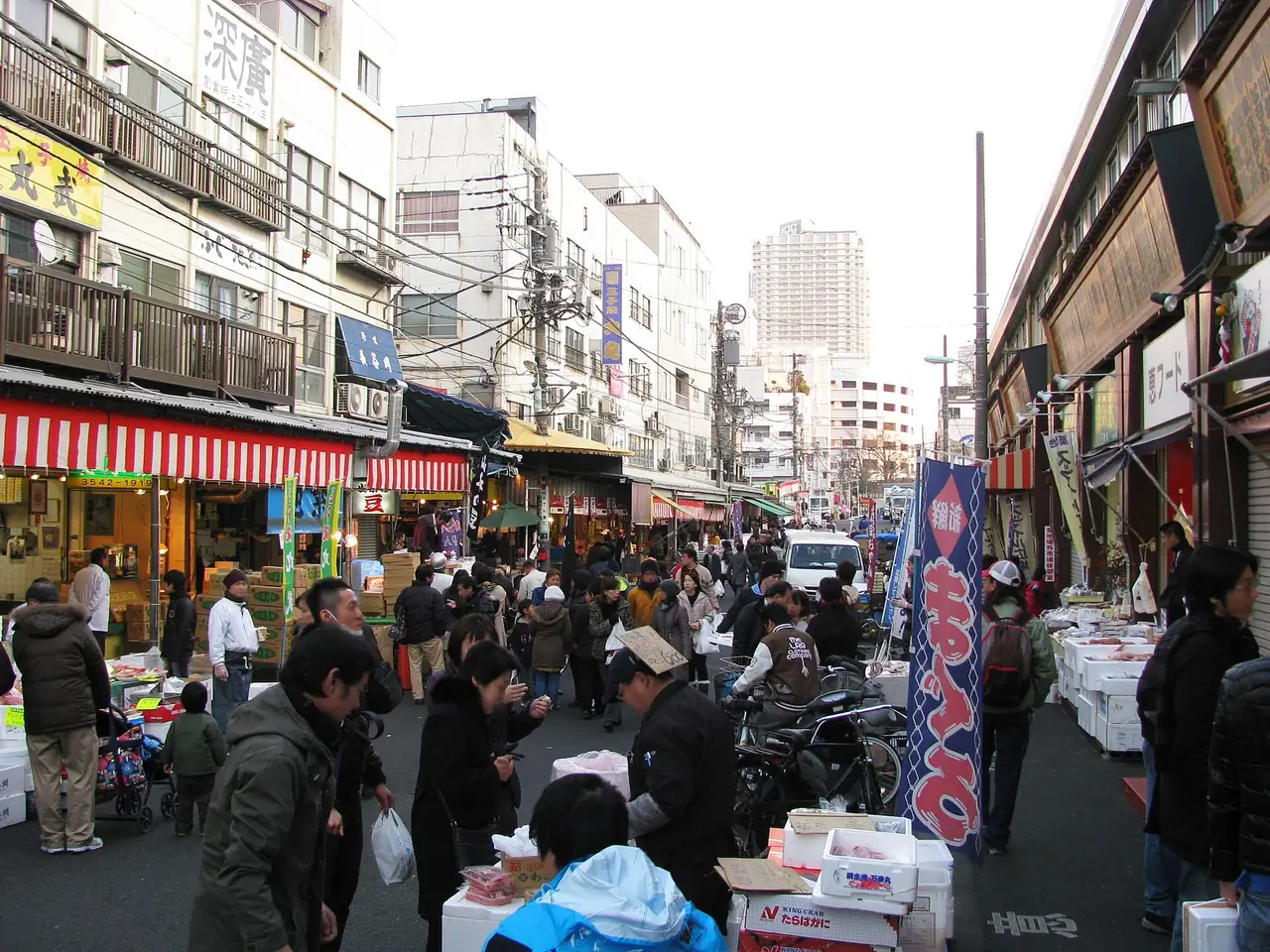
The average visitor spends only about 5% of their budget on entertainment and experiences, yet those are what travelers name as the highlight of the trip.
So put money into experiences before hotel upgrades. A basic, comfortable hotel plus a private food tour makes for better memories than a luxury hotel and convenience store dinners.
Permission to Not See Everything
What Repeat Visitors Actually Do
First-timers try to see everything, and repeat visitors have learned not to bother.
Your first trip will only scratch the surface. Focus on what you most want to do. Trying to tick off the whole city wears you down, and you'd fail anyway because there's too much of it.
If you're still putting that list together, our 25 things to do guide goes through the main categories (observation decks, gardens, cultural performances, neighborhoods) with honest time and cost estimates.
When travelers tell us what they loved, it's usually something they didn't plan: getting lost in a small neighborhood and finding a bakery with no sign, walking into a festival, or sitting in a park watching the city go by.
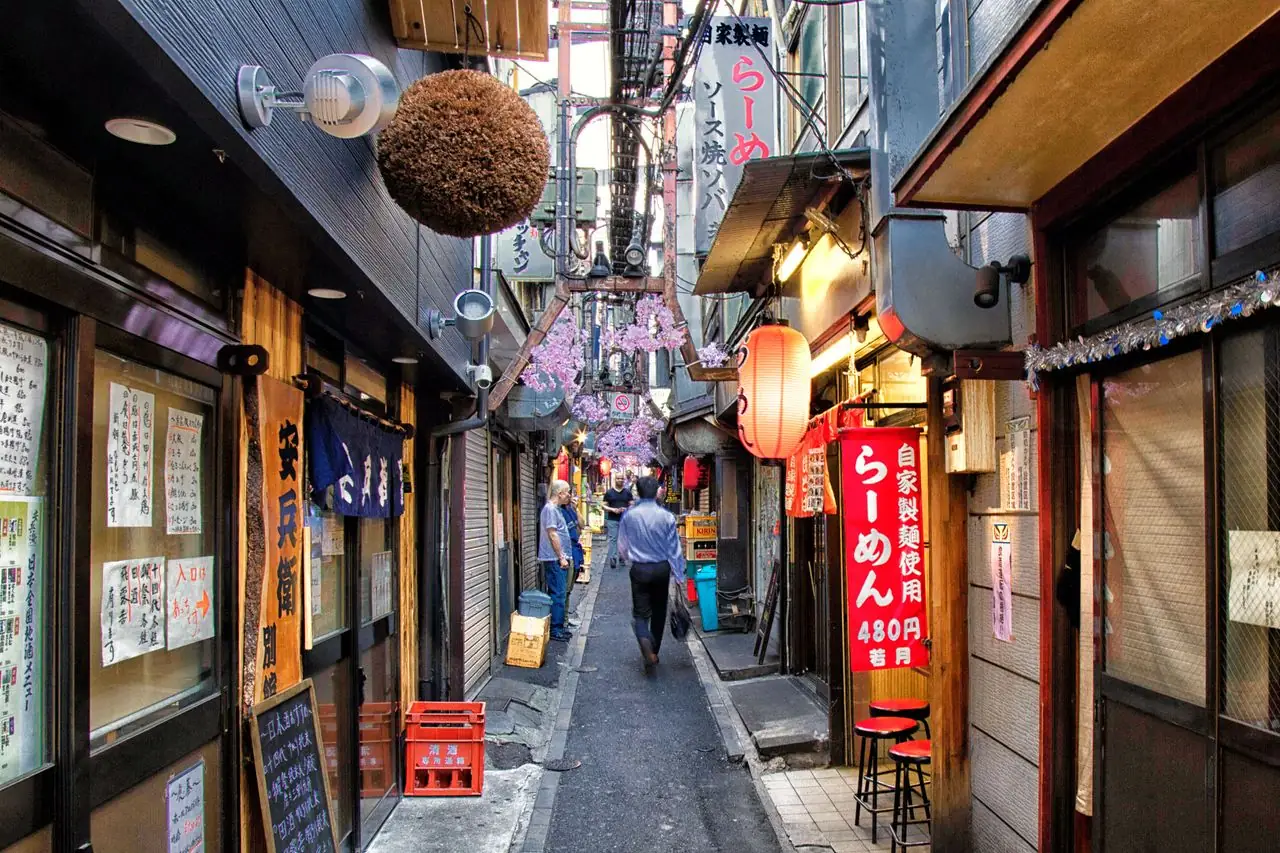
You only get those moments if your schedule has gaps. An itinerary with something booked every hour leaves no room. If you're trying to fit temples, shopping, and food into a few days, our guide on balancing different activity types can help.
The Over-Scheduling Regret Pattern
People who over-schedule call their trip "a blur." They saw a lot and remember less of it.
Leave space between activities, and give yourself permission to sit down, wander, or change the plan. Those loose hours are often the ones you'll remember.
Putting It Together: Your Starting Point
Once you know how duration, budget, and pacing affect each other in your case, the details are much easier to settle.
If You're Deciding How Long to Stay
How long to stay depends on your goals, your pace, and who's with you. There's no single right number, though there are patterns that help. Our sample itineraries by trip length show concrete examples.
If You're Setting a Budget
How you split the money matters more than the total. Work out which tier you're in, then decide where to spend and where to save.
If You're Building Your Day-by-Day Plan
Start with pacing before you pick attractions. Decide how many neighborhoods a day you can manage, then fill in what you'll do in each.
When the Complexity Is the Problem
Some trips really are complicated: multi-generational families with different mobility levels, business travelers with one free afternoon, first-timers trying to get the most from a few vacation days.
In those cases the planning itself becomes the obstacle. You can push through it, or you can get help.
Having a guide on your first day makes the rest of the trip easier. You learn the trains, get a feel for how the city moves, and start day two knowing how things work, which speeds up everything after. See what a one-day private tour typically covers to get a sense of what's possible.
Whether you plan it yourself or get help, Tokyo is easier to get around than it looks from home. The city runs on systems, and once you've learned them it gets simple. If you're deciding whether a guide makes sense for you, our breakdown of when private tours are worth it can help.
This guide is published by Hinomaru One, a Tokyo-based private tour operator.
Photo credits
- Shoppers crowding a street of seafood stalls in Tsukiji Outer Market: Aimaimyi / Wikimedia Commons, CC BY-SA 3.0, resized
