Adjust to Tokyo more smoothly by understanding jet lag, energy shifts and realistic pacing.
Tokyo jet lag typically peaks on day 2, not day 1 — and pacing your first 72 hours around energy dips prevents the crash that derails most trips.
Tokyo rewards momentum. Trains run on time, neighborhoods connect cleanly, convenience stores make it easy to keep going. The problem is your body doesn't care how efficient the city is.
Arrive from a far time zone and try to "do Tokyo right" immediately, and you'll likely hit the spiral: one overbuilt day, a late-afternoon crash, a 3am wake-up, then a second day that feels flat.
This guide covers jet lag management and pacing that actually works in Tokyo. Not generic sleep advice—Tokyo-specific decision support for before you fly, arrival day, and how to structure days so you stay sharp instead of just completing a checklist.
Why Jet Lag Hits Different in Tokyo
Jet lag isn't just sleepiness. It's your internal clock mismatching local time. In Tokyo, that mismatch shows up fast:
Your day has many small transitions. Tokyo is a city of short rides, station transfers, stairs, escalators, micro-decisions. A plan that looks simple on a map becomes cognitively expensive when your brain is foggy. Understanding Tokyo's transit system helps, but navigation drains more energy when you're jet-lagged.
Walking is constant, even with great transit. Take a train three stops and you might still walk 15-25 minutes across platforms, passages, neighborhood grids.
Temptation is everywhere. When tired, you'll buy your way out of discomfort—extra taxis, impulsive meals, random shopping. This distorts the day's rhythm.
Social norms amplify fatigue. Quiet trains, orderly queues, dense streets are pleasant until you're exhausted and your self-regulation is thin.
The goal isn't eliminating jet lag instantly. It's reducing the cost of being jet-lagged in a city that doesn't slow down.
The Three-Lever Jet Lag Model
Most advice collapses to "sleep on the plane" or "power through." You need a simpler model.
Three levers that matter most:
| Lever | Effect | How to Use |
|---|---|---|
| Light | Strongest signal to your body clock | Morning light shifts you earlier; evening light shifts you later |
| Sleep timing | Not total hours, but when you sleep | Short nap stabilizes the day; long nap steals the night |
| Food & caffeine | Secondary but powerful anchor | Eating on local meal times helps entrain rhythm; use caffeine as a tool |
Pick your direction: eastward flights (North America → Tokyo) usually need earlier shifts. Westward flights (Europe → Tokyo) may need later shifts. Your first two mornings and evenings are the hinge points.
Before You Fly: Pre-Commit to Your Arrival Day Pattern
Common mistake: treating arrival day as a "free bonus day." In Tokyo, arrival day is rarely a bonus. It's a bridge day.
Three arrival patterns:
| Pattern | Activity Level | Best For |
|---|---|---|
| Soft landing | 1-2 low-stakes things, protect sleep | Most travelers; anyone prioritizing adjustment |
| Stabilize | Short structured outing to anchor rhythm | Those who need some activity to stay awake |
| Commit | Push a full day | Rarely best unless time zones align |
If you only have 2-3 days total, you can still choose soft landing—you just need a sharper plan for days 2-3. Some visitors arriving after long-haul flights decide to start with a fully guided first day to remove all navigation and pacing decisions while they're most vulnerable.
Protect your first night:
Decide these before you arrive:
-
Local-time bedtime window (example: lights out 10:30pm-midnight)
-
Nap cap (example: max 25-40 minutes, before 4pm)
-
One buffer hour: shower, hydrate, quiet. Tokyo is stimulating; plan decompression.
Pack for sleep:
-
Eye mask that blocks light
-
Earplugs or sleep earbuds
-
Lightweight layer (Japanese AC can be aggressive)
-
Small wind-down ritual (tea, lotion, book—something familiar)
Not about luxury. About reducing friction.
Arrival Day Structure (by Arrival Time)
The corridor from arrival gate to your room is a full activity: immigration, baggage, cash/IC card decisions, train platform logic, final walk.
Treat the corridor as the day's "main event." Plan only one additional anchor outing.
Morning to early afternoon arrival:
-
Do a daylight walk (30-90 minutes) in one neighborhood near your lodging
-
Eat a simple meal on local time
-
Keep indoor, dim activities for later
Where you stay in Tokyo affects arrival day ease—simpler station access means less navigation stress when foggy.
Late afternoon to evening arrival:
-
Priority: avoid a long nap
-
Do a short outside reset (10-30 minutes), then dinner, then bed
-
Bright neon areas can delay sleep—choose deliberately
Jet-lagged decision-making is worst when you're standing in the Narita pickup line at 3pm with 30 other flights arriving—pre-ordering eSIM or having SIM delivered to your hotel eliminates one arrival-day task.
Station anchoring strategy:
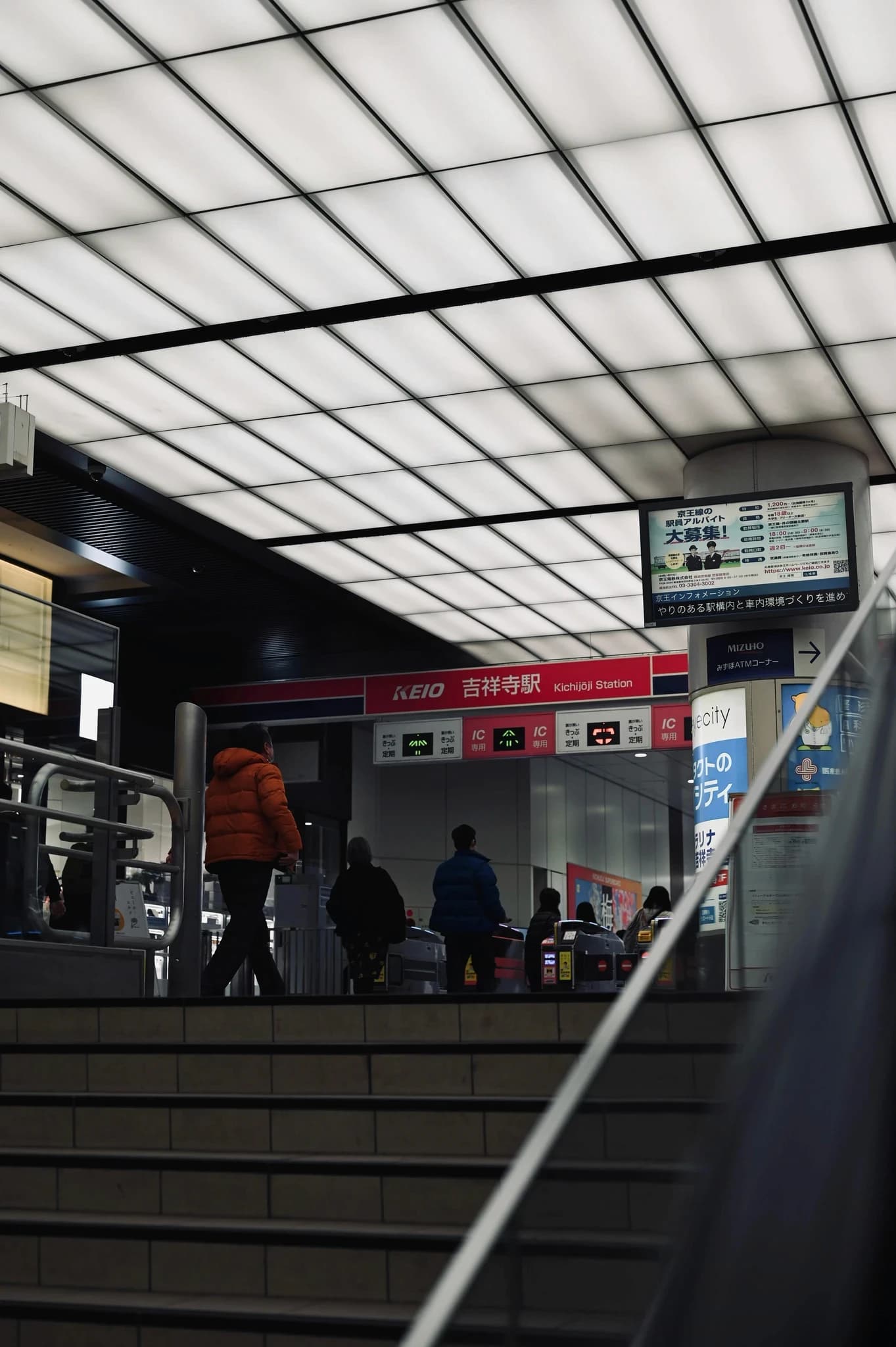
When foggy, Tokyo's biggest risk is over-navigation. Stations have multiple exits, underground malls, parallel streets. Small misroutes multiply when tired.
On arrival day:
-
Pick one station as your anchor (nearest your hotel)
-
Stay within a two-stop radius or 20-minute walk radius
-
Avoid multi-transfer itineraries until day 2
You can still have a satisfying first day—just keep cognitive load low.
First 72 Hours: Day-by-Day Framework
| Day | Focus | Key Actions | Watch Out For |
|---|---|---|---|
| Day 0 (Arrival) | Stabilize without chasing | Outdoor light at right time; local-time meal; protected first night | Airport-to-hotel corridor is already a full activity |
| Day 1 | One spine, two nodes | Pick one area as spine; one must-do; one flexible add-on | Too many equal-priority stops |
| Day 2 | Widen radius, protect evening | Front-load high-attention tasks; keep homeward turn time | Getting ambitious and overbuilding |
| Day 3 | Normalize or repeat | If still waking early, use the morning productively; keep afternoon simple | Expecting full normalization |
For how this day-by-day energy curve translates into actual routing—which neighborhoods when, and why—see our 3-day itinerary framework.
Day 0 (Arrival Day): Stabilize Without Chasing
Create three signals for your body:
-
Outdoor light at the right time
-
A local-time meal
-
A protected first night
Everything else is optional.
Simple template:
-
Check in or drop bags
-
30-60 minutes outside (river path, quiet neighborhood streets)
-
Early dinner (not too heavy)
-
Shower and wind-down
-
Bed within your window
Day 1: One Spine, Two Nodes
Most jet-lagged days fall apart because they have too many equal-priority stops.
Build a day with:
-
Spine: One area where you spend most of the day
-
Node A: A single must (museum, garden, market, temple)
-
Node B: A flexible add-on you can drop without regret
Example structure:
-
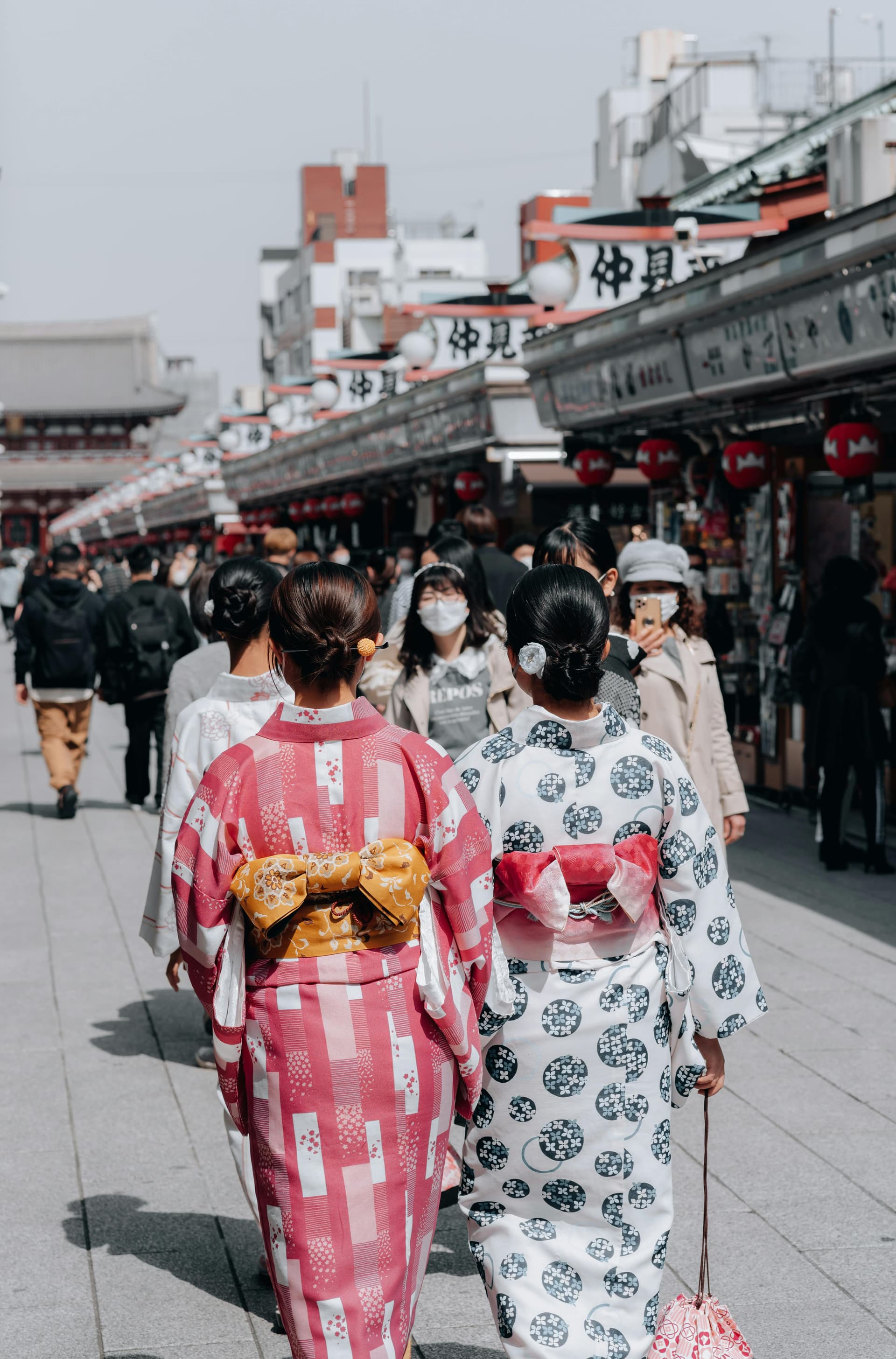
Spine: Asakusa
-
Node A: Senso-ji area early morning
-
Node B: Café break across the river, only if you feel good
The structure matters more than the specific places. This spine-and-nodes approach helps structure your Tokyo itinerary around realistic energy levels.
Day 2: Widen the Radius, Protect the Evening
Day 2 is when people get ambitious. Fine—but protect your evening so jet lag doesn't boomerang.
-
Front-load high-attention tasks (complex transit, timed tickets) earlier
-
Put shopping or slow wandering later—easier when tired
-
Keep a "homeward turn" time: when you stop expanding outward and narrow back to your lodging neighborhood
Day 3: Normalize or Repeat
By day 3, many travelers function well—but only if days 0-2 weren't chaotic.
Still waking at 3-4am? Don't fight the morning. Use it:
-
Quiet journaling or reading
-
Calm breakfast
-
Morning walk
Then treat the afternoon as fragile and keep it simple
Energy Budgeting: Tokyo's Attention Economy
Many first-time visitors build days like this: morning neighborhood A, midday neighborhood B, afternoon neighborhood C, evening neighborhood D.
This is a transit-flex, energy-flex plan. It only works if you're fully adapted and willing to treat the day like an endurance event.
Better framing: energy is a budget.
| Attention Level | Examples | When to Do |
|---|---|---|
| High-attention | Complex transit, museums, reservations, big crowds | One block per day max during adjustment; morning when sharp |
| Medium-attention | Gardens, shopping streets, casual wandering | Afternoon when stable but not peak |
| Low-attention | Cafés, rivers, parks, neighborhood grids | When tired; safe fallback activities |
On jet-lag days, you can still do high-attention things—just don't stack them back-to-back.
Practical rule: one high-attention block per day for the first two days.
Use a two-peak day structure:
Many bodies have two workable peaks when jet-lagged: late morning and early evening. Danger zone is often mid-afternoon.
Design around it:
-
Most complex thing in late morning
-
Deliberate downshift mid-afternoon (nap, café, park, bath)
-
Simple, pleasant evening block
Put hardest navigation when brain is sharp:
If a place requires multiple transfers or long station walks, do it earlier.
Use late afternoon for:
-
Single neighborhood
-
Food-focused walk
-
Shopping that can end anytime
Keep a reset route near your lodging:
Pick one easy route you can do even when tired—safe and effortless.
Example: loop from your nearest station to a convenience store you like, a quiet side street, and back. Reduces decision fatigue when energy drops.
Neighborhood Sequencing for Jet Lag
Tokyo isn't a single downtown. It's a collection of centers with different rhythms. Each neighborhood has distinct characteristics—some better suited for jet-lagged navigation than others.
Match neighborhood to your jet lag stage:
When foggy, you want:
-
Easy navigation
-
Visually calming
-
Rich in small wins (food, scenery, low-stakes exploration)
When stable, you can handle:
-
Dense multi-level stations
-
Bigger crowd flows
-
Long shopping complexes
Not about "good" or "bad" neighborhoods. About what your nervous system can process on a given day.
Station complexity matters when tired:
| Station | Exits | Platform-to-Exit Time | Complexity Level |
|---|---|---|---|
| Shinjuku | 200+ | 5-15 minutes | High - multiple operators, labyrinthine layout |
| Shibuya | 8 | 5-10 minutes | High - vertical layout, multi-level transfers |
| Asakusa | 6-7 | 2-5 minutes | Low - simpler, more linear structure |
When jet-lagged, Shinjuku and Shibuya become draining puzzles. Asakusa is easier to navigate when foggy.
Station recommendations by jet lag stage:
| Jet Lag Stage | Recommended Stations/Areas | Why |
|---|---|---|
| Early days (foggy) | Asakusa, Ueno, Yanaka area | Simpler layouts, fewer transfers, more linear navigation |
| Wait until adjusted | Shinjuku, Shibuya, major transfer hubs | Multi-level complexity, multiple operators, 200+ exits |
| Rush hour | Avoid all major stations | 7:30-9:30am and 5:30-7:30pm create additional stress |
Avoid zig-zagging:
Classic pacing error: crossing the city repeatedly because each stop is "only 20 minutes."
Instead:
-
Cluster by area
-
Let meals happen where you already are
-
Give yourself permission to skip a famous place if it requires cross-city travel
Tokyo will still be Tokyo if you don't optimize every hour.
Tactical Guide: Light, Naps, Caffeine, Food
Light Exposure
You don't need to memorize chronobiology. Two practical decisions: morning light and evening light.
| Flight Direction | Goal | Morning Strategy | Evening Strategy | Tokyo Reality Check |
|---|---|---|---|---|
| Eastbound (North America → Tokyo) | Shift earlier | Seek morning outdoor light shortly after waking | Keep evenings dim | Bright streets/screens can keep you awake; plan quieter wind-down |
| Westbound (Europe → Tokyo) | Shift later | Keep mornings gentle; avoid bright light immediately | Get late-afternoon/early evening light | Many still walk mornings; consider first hour indoors |
Season matters:
Tokyo's daylight length changes significantly. Winter mornings can be dim and cold; summer sunsets are later and air can be heavy.
-
Winter (Dec/Jan): Sunrise around 6:30-6:50am, sunset around 4:30-4:50pm (10 hours daylight)
-
Summer (Jun/Jul): Sunrise around 4:30-4:50am, sunset around 7:00-7:10pm (14-14.5 hours daylight)
Adjust your light plan with reality:
-
Summer humidity: use early morning and late afternoon for outdoor time, not midday
-
Winter: midday outdoor reset can be more comfortable and still help you stay awake
Naps
Naps aren't a moral failure. They're a tool.
| Nap Type | Duration | Timing | Effect |
|---|---|---|---|
| Helpful nap | 20-40 minutes | Early afternoon, before 4pm | Improves alertness and navigation accuracy without stealing the night |
| Trip-breaking nap | 90+ minutes | Late afternoon (5pm) | Feels amazing, then destroys sleep schedule; causes sleep inertia |
Short naps stay in lighter sleep stages, avoiding grogginess. Long naps allow full sleep cycles but interfere with nighttime sleep if taken late.
If you truly need longer sleep, treat it as early bedtime: wake up, eat lightly, aim for sleep again.
Where to nap in Tokyo:
If you can, nap in your room. If not, better to do a quiet sit than full accidental sleep in a café.
Tokyo detail: many cafés and public spaces are compact. Dozing off can feel awkward. If fading, return to your lodging area and nap intentionally.
Caffeine
Best used as a bridge from "foggy" to "functional," not an all-day drip.
-
Wake too early? Delay caffeine 60-90 minutes if you can
-
Crash mid-afternoon? Small dose helps—but pair it with a short walk
-
Avoid late caffeine if sleep is already unstable
Tokyo reality: coffee culture is strong, convenience stores make it easy to overdo it. Decide your caffeine cutoff time the night before.
Alcohol
Can make you sleepy initially, then fragment sleep later. When jet-lagged, fragmented sleep is the enemy.
Want a drink? Keep it small, earlier, not as a substitute for dinner.
Hydration
Flights dehydrate you. Walking in Tokyo adds to it. Dehydration looks like fatigue and headaches—easily mistaken for jet lag.
Simple habit:
-
Drink a bottle of water between breakfast and lunch
-
Another between lunch and dinner
Hot season: add electrolytes or salty food.
Food Timing
When jet-lagged, appetite can disappear or become erratic. Meals are still useful as time anchors.
What helps:
-
Eat breakfast within 1-2 hours of waking (even small)
-
Eat lunch on local time
-
Eat dinner earlier than you think if shifting earlier
What to avoid on day 0-1:
- Massive late-night meal to "celebrate arrival"
In Tokyo, late-night options exist, but heavy food plus novelty plus fatigue often delays sleep and fragments the night.
Japanese Baths
Use temperature shifts to help your body transition.
-
Warm bath or shower helps you downshift in the evening
-
Cool rinse helps you wake if you crash mid-day
If your accommodation has a deep tub, it can be one of the most effective reset tools—quiet, private, low cognitive load.
Crowds and Sensory Load Management
Crowds aren't just time costs. They're energy costs.
Crowd-heavy moments:
| Location | Time | Peak Period | Notes |
|---|---|---|---|
| Major commuter lines | 7:30-9:30am | 8:00-8:30am | Rush hour |
| Major commuter lines | 5:30-7:30pm | 6:00-6:30pm | Evening rush |
| Shopping districts (Shibuya, Harajuku, Shinjuku) | 12pm-6pm | 2:00-4:00pm | Weekend afternoons |
| Popular shrine/temple approaches | Varies | Midday | Peak tourist times |
When jet-lagged, goal isn't avoiding crowds forever. It's avoiding crowds when you're most fragile.
Sensory load:
Tokyo is full of bright signs, layered sounds, visual complexity. When tired, the city can start to feel "loud" even when physically quiet.
Simple technique: alternate one sensory-heavy block with one sensory-light block.
Sensory-light blocks:
-
Gardens
-
Riverside paths
-
Cafés with calmer lighting
-
Quiet neighborhood grids
When Navigation Stress Signals You Need Help
Some travelers hit a threshold where Tokyo's navigation complexity while jet-lagged becomes the trip's main stressor.
This often shows up as:
-
Anxiety about station transfers before leaving the hotel
-
Arguments within groups about routes or timing
-
Spending more time checking maps than experiencing neighborhoods
-
Exhaustion primarily from decision-making, not walking
For families, first-timers, or travelers with mobility needs, the cognitive load of navigating multi-level stations, figuring out exits, and coordinating different energy levels can drain more energy than the sightseeing itself. For groups traveling together, managing different energy levels while jet-lagged becomes its own challenge—private tours designed for families handle this coordination so no one has to.
Not everyone needs guided help. Some travelers enjoy the navigation challenge even when tired. Others recognize that outsourcing navigation increases their Tokyo enjoyment during the adjustment period. For a deeper look at how guided navigation reduces these specific stressors, see how a private guide helps with language barriers and navigation in Tokyo.
If you're reading this section thinking "this sounds exhausting," that's information. The question isn't whether you're capable—it's whether handling all navigation and pacing decisions while jet-lagged is how you want to spend your limited Tokyo time.
For visitors with 3-5 days who can't afford to lose the first day to poor pacing, or groups where coordination stress compounds fatigue, having someone else handle logistics can change the equation. Not the only solution, but one that works for travelers who value energy preservation over DIY satisfaction.
This guide is published by Hinomaru One, a Tokyo-based private tour operator.