Balance Tokyo’s spiritual, commercial and culinary sides with clarity and realistic expectations.
Balancing temples, shopping, and food in Tokyo sounds straightforward until your day fragments into transfers, queues, and "we’ll eat later" compromises.
Tokyo makes it unusually easy to combine spiritual, commercial, and culinary experiences in a single afternoon. A shrine path can be five minutes from a flagship store. A bowl of noodles can share a building with a train platform. A traditional shopping street can lead directly to a temple gate.
That convenience can also become a trap. Try to do everything everywhere and your day fragments into transfers, queues, and "we'll eat later" compromises. The goal isn't to tick categories—it's to build a day that respects three different kinds of time, each with conflicting optimal conditions.
Who This Guide Is For (And When You Don't Need It)
This framework is for travelers who recognize that balancing multiple experience types has real complexity.
| You'll Benefit From This If... | You Probably Don't Need This If... |
|---|---|
| Care about doing sacred sites respectfully but also want to shop and eat well | Enjoy figuring things out through trial and error |
| Are visiting Tokyo for the first time and underestimate how friction accumulates | Prefer completely spontaneous, unstructured exploration |
| Have limited time and want to avoid day-breaking mistakes | Only care about one category (shopping only, temples only, food only) |
| Are traveling with family or mixed-energy groups who need structure that works for everyone | Are confident DIY travelers who like solving logistics puzzles in real time |
| Value cultural experiences done properly, not just photo stops | — |
If you're thinking "I care about temple etiquette but also want to shop in Harajuku and eat somewhere good," the sequencing matters. If you're comfortable improvising and don't mind backtracking, this level of structure is overkill.
Families with teenagers face a specific version of this challenge: teens disengage during "parent stuff" and parents check out during "teen stuff." The touring with teenagers guide addresses how to find moments where everyone participates simultaneously.
The Core Planning Problem: Three Incompatible Time Systems
Temples, shopping, and food don't just require different activities—they require different mental states and timing conditions that actively conflict.
| Time System | Mental Requirements | Optimal Conditions | Timing Constraints | What Breaks It |
|---|---|---|---|---|
| Sacred time (temples/shrines) | Calm attention and patience; etiquette awareness when mentally fresh | Morning when crowds are lighter; unhurried pace; no baggage burden | Works best early before tour groups; rushing turns it into photo stop | Shopping bags, fatigue, hunger, afternoon crowds |
| Transactional time (shopping) | Comparison energy and browsing focus; multi-floor navigation capability | Stores fully open (10-11am); energy for scanning and decision-making | Constrained by store hours; requires carrying capacity | Mental fatigue, bag threshold, conflicting with calm contemplation |
| Appetite time (food) | Flexible hunger timing; patience for queues; appetite management | Peak meal times (but crowds increase); stomach neither too empty nor too full | Queue timing unpredictable; snacking disrupts planned meals | Over-snacking early, extreme hunger, exhaustion affecting enjoyment |
Why these conflict:
Doing sacred sites after shopping means carrying bags into quiet spaces. Doing food after long shopping means fatigue affects meal enjoyment. Trying to optimize all three simultaneously means nothing gets optimal conditions.
Tokyo makes everything look easy because of proximity. The friction only becomes visible mid-day when you're carrying purchases through Senso-ji, hungry but not ready to commit to a line, and realizing the sacred site you wanted to visit closes soon.
The Anchor-Satellite Framework
Most Tokyo days break when you plan three anchors that all demand peak conditions. The fix: one anchor, two satellites.
-
1 anchor: The main activity that gets your best energy and timing
-
2 satellites: Shorter experiences (60-90 minutes each) that fit around the anchor
You can still experience all three categories. The difference is choosing which one gets the best version of you: rested, curious, patient.
If you're considering whether a full day or half day makes sense for your plans, the anchor-satellite framework works for both—it's about time commitment, not structure.
| Anchor Type | Examples | Why It Works as Anchor | Optimal Timing |
|---|---|---|---|
| Temple area | Meiji Jingu area, Senso-ji area, Nezu/Yanaka temple walk | Less crowded when scheduled first; you're mentally fresh; etiquette feels manageable; sets calm tone | Morning (before crowds, while energy is high) |
| Shopping district | Shibuya-Harajuku corridor, Ginza, Shinjuku department stores | Stores fully open; browsing pace feels natural; comparison energy is available | Midday (stores open 10-11am, lunch flexible) |
| Food mission | Specific restaurant pilgrimage, food market exploration | Peak meal timing aligns; appetite is ready; can commit time to queue | Evening (day has momentum, appetite timing works) |
Satellites should be:
-
Opportunistic (not requiring peak conditions)
-
Lower-stakes (easier to abandon if needed)
-
Time-flexible (work around the anchor)
Example: Meiji Jingu as morning anchor (90 min) → Harajuku shopping as midday satellite (60-90 min) → neighborhood dinner as evening satellite.
Friction Points That Break Tokyo Days
In Tokyo, "near" on a map doesn't always mean easy in real life. The real friction usually comes from one of these:
| Friction Type | What It Is | Mitigation Strategy |
|---|---|---|
| Vertical travel | Shinjuku station multi-level navigation, department store floor changes (Tokyu Hands 7 floors), underground mall connections, elevator access timing | Choose neighborhoods with simpler stations, use ground-level shopping streets, allow extra time for vertical navigation |
| Bag threshold | Carrying purchases into Senso-ji temple area, managing packages on crowded trains, department store bag storage decisions | Shop after sacred sites, use coin lockers strategically, stay in one area until shopping is complete |
| Queue unpredictability | Can't know if sushi line is 30 or 90 minutes, ramen shops at peak lunch, popular attractions | Choose high-convenience food options, avoid stacking two queue activities, have backup plans |
| Pace mismatch | Temple contemplation needs slow steps, shopping needs scanning speed, food experiences need appetite timing | Group similar-pace activities, use transitions deliberately |
| Decision fatigue | Too many "should we go here next?" moments, open-ended browsing without structure | Limit to two neighborhoods, use anchor-satellite to reduce decision points |
A good day reduces friction in at least two of these five categories.
If the friction of self-planned logistics—managing station navigation, carrying purchases, queue timing, and keeping energy balanced—is starting to look like it will eat into your Tokyo enjoyment, a private tour removes all of that. The guide handles navigation, adjusts pacing, and makes the day flow naturally.
Default Time-of-Day Sequencing (And Why Tokyo Cooperates)
Want a structure that works for multiple visitor types? This pattern tends to be the least fragile:
| Time Period | Activity Type | Why It Works | Tokyo Examples |
|---|---|---|---|
| Morning | Sacred sites (temples/shrines) | Your attention span is highest; crowds generally lighter before tour groups arrive; photo conditions better; etiquette feels less stressful when you're fresh | Meiji Jingu before 10am, Senso-ji before crowds build, Nezu Shrine morning calm |
| Midday | Shopping | Stores fully open (many open 10-11am); lunch can be handled opportunistically; browsing is more efficient when you're not tired | Shibuya-Harajuku shopping corridor (for what's actually worth visiting amid the station chaos), Ginza department stores, Nakano Broadway |
| Evening | Food | Day has narrative ending; can tolerate queues if not starving and not exhausted; appetite timing works naturally | Planned restaurant dinner, izakaya exploration, department store food halls if tired |
For more detail on timing strategies for popular areas, the crowd guide explains how patterns change throughout the day.
This isn't mandatory—just that Tokyo's systems support it. Store hours, temple crowd patterns, and food culture all align with this rhythm. If shopping is your anchor, flip the sequence, but understand the trade-offs (sacred sites in afternoon mean more crowds, less fresh attention). For more on managing energy and jet lag throughout your day, the pacing guide covers how fatigue affects decision-making.
Sacred Sites: Etiquette Requirements That Affect Scheduling
A quiet visit feels better when you don't have to improvise the rules.
| Site Type | Prayer Protocol | Key Practices | Tokyo Example |
|---|---|---|---|
| Shinto shrines | Bow twice, clap twice, bow once at main prayer area | Bow at torii gate; avoid walking down exact center path | Meiji Jingu |
| Buddhist temples | Do NOT clap; press hands together (gassho) and bow respectfully | Silent or spoken prayer; no clapping | Senso-ji area |
Why this matters for day structure:
If you're rushing, etiquette becomes stressful. If you schedule a temple as a satellite squeezed between shopping blocks, you're more likely to treat it like a photo stop. Give sacred sites the calmer part of your day—they'll feel like a real change of tempo instead of a detour.
Morning visits let you be fresh enough to be mindful. Afternoon visits after shopping mean you're carrying bags and thinking about next steps. Major sites like Senso-ji have constant crowds, but morning timing changes the energy.
If managing temple etiquette, timing your sacred site visits for optimal experience, and balancing this with shopping and food plans feels like a lot of coordination, understanding whether private tour guidance makes sense for your situation can help clarify your options.
Shopping's Hidden Logistics Cost
Shopping in Tokyo isn't only "time spent in stores." It's also the context switching, carrying burden, and navigation complexity.
| Logistics Type | What It Involves | Impact on Day | Examples |
|---|---|---|---|
| Context switching cost | Comparing products requires scanning energy (different from temple contemplation); finding exits in multi-level buildings; handling packaging and tax-free procedures | Mental energy shifts between browsing mode and contemplation mode don't happen instantly | Shibuya department stores, Shinjuku underground connections |
| Carrying burden | Purchases become heavier over time; carrying shopping bags into temple areas feels wrong; crowded train lines with packages is friction | Physical constraint that affects mobility and sacred site appropriateness | Multiple bags accumulated through day, temple visits with shopping bags |
| Multi-floor navigation | Department stores require vertical travel time; basement food floors vs upper fashion floors means repeated elevator use | Time cost is hidden; "5 minutes away" becomes 15 with elevator waits | Tokyu Hands (7 floors), Takashimaya (multiple buildings) |
| The "bag threshold" | The point where your purchases constrain your ability to do other activities comfortably | Once crossed, your options narrow—can't do calm activities, can't be mobile, can't add spontaneity | Deciding when to stop adding activities vs continue with burden |
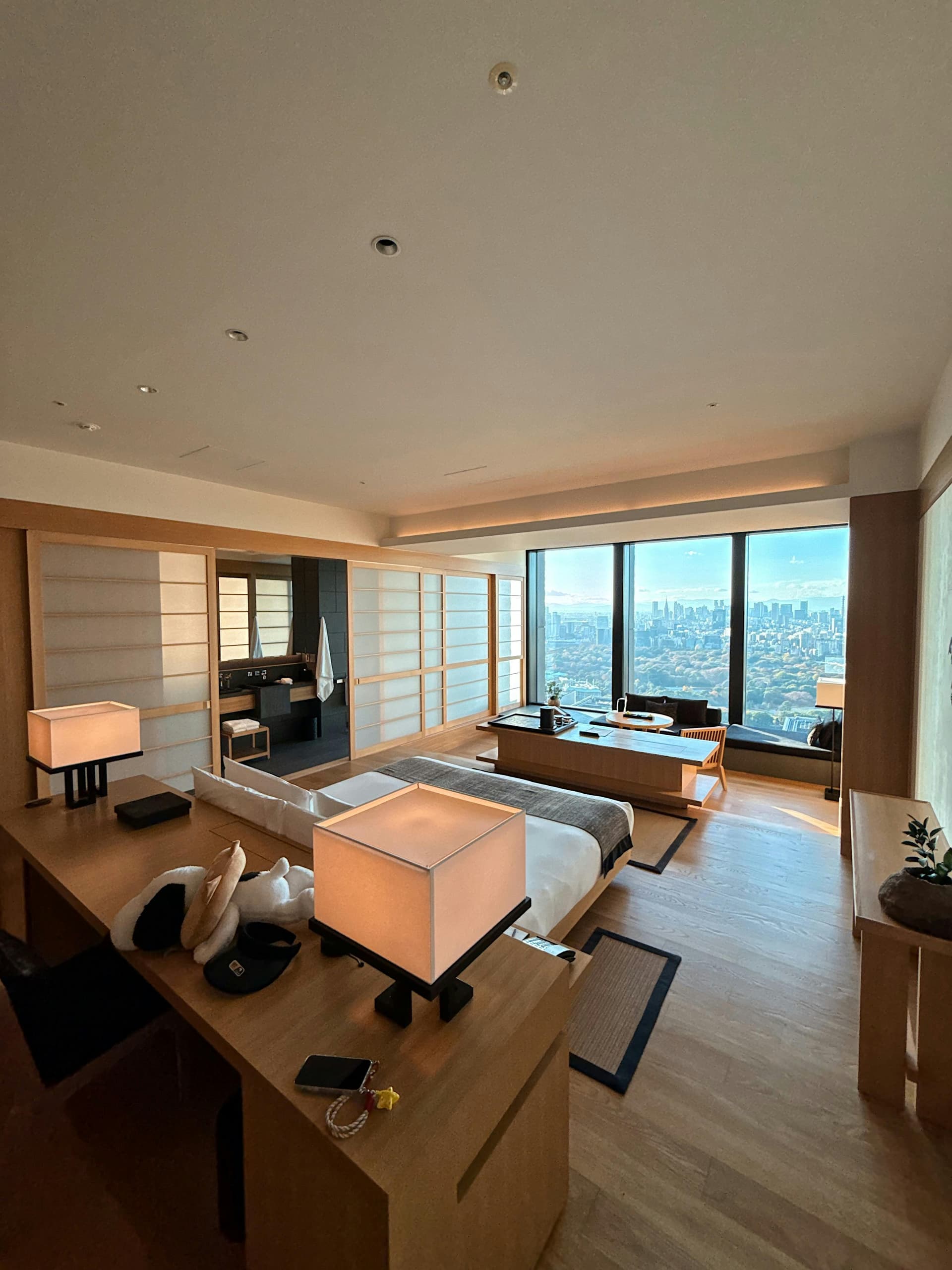
The carrying burden problem has a planning solution: stay near your main shopping district. When your hotel is a 10-minute walk from your shopping zone, midday resets become routine rather than logistical challenges. See our shopping-focused accommodation guide for neighborhood trade-offs.
Deciding the threshold:
-
Below threshold: Small items only (safe to continue wandering)
-
Above threshold: Stop adding activities that require calm, patience, or mobility
If you ignore this, your last third of the day becomes logistics. Shopping-before-temples creates the problem: you're carrying packages into contemplative spaces, bag management distracts from the experience, you can't fully relax into sacred time.
Solution: Shop after sacred sites, or use coin lockers, or stay in shopping area until complete.
Food Mode Selection: Choose Your Eating Strategy
Tokyo offers many food modes, but your day falls apart when you try to mix incompatible modes. Pick one primary eating mode, then keep the rest simple:
| Food Mode | What It Is | When It Works | Examples |
|---|---|---|---|
| Queue-worthy meal | Accept that one meal involves waiting; plan buffer time; avoid stacking another queue activity after | When food is your anchor and you're willing to commit time and energy | Tsukiji sushi line, specific ramen shops, famous tempura restaurants |
| High-convenience excellence | Department store basement food halls (depachika) and station-adjacent options—no research needed, quality is high, flexible timing, works when tired or rushed | When food is a satellite or you need flexibility | Mitsukoshi, Isetan, Takashimaya depachika (basement food halls in department stores, often station-connected) |
| Neighborhood snack-walk | Small increments, minimal sit-down; pairs well with temple areas | When you want to eat while exploring without committing to sit-down meals | Nakamise street snacks, Yanaka street food, Tsukiji Outer Market sampling |
Why you must choose:
If you try a Queue-Worthy Meal + Neighborhood Snack Walk + *depachika *grazing in the same day, you'll either never be hungry at the planned meal or get hungry at the wrong time and settle for whatever is nearest.
Connection to day structure: If food is your anchor, Queue-Worthy Meal makes sense. If food is a satellite, High-convenience Excellence or Neighborhood Snack Walk prevents food logistics from breaking other activities.
Natural Three-in-One Patterns: Areas That Balance For You
Some Tokyo neighborhoods solve the balancing problem architecturally, reducing your planning burden.
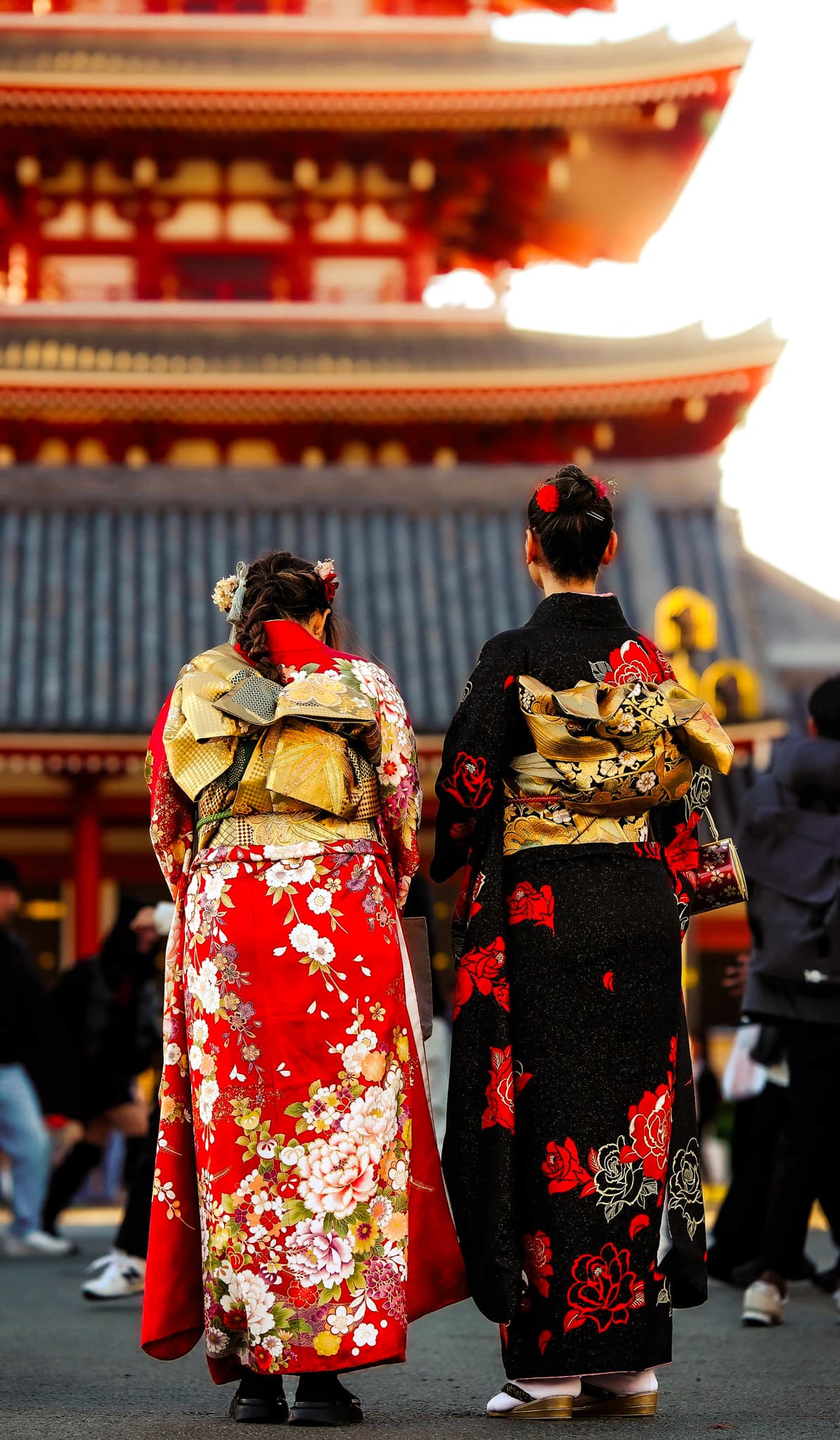
Asakusa: Senso-ji + Nakamise as built-in three-in-one
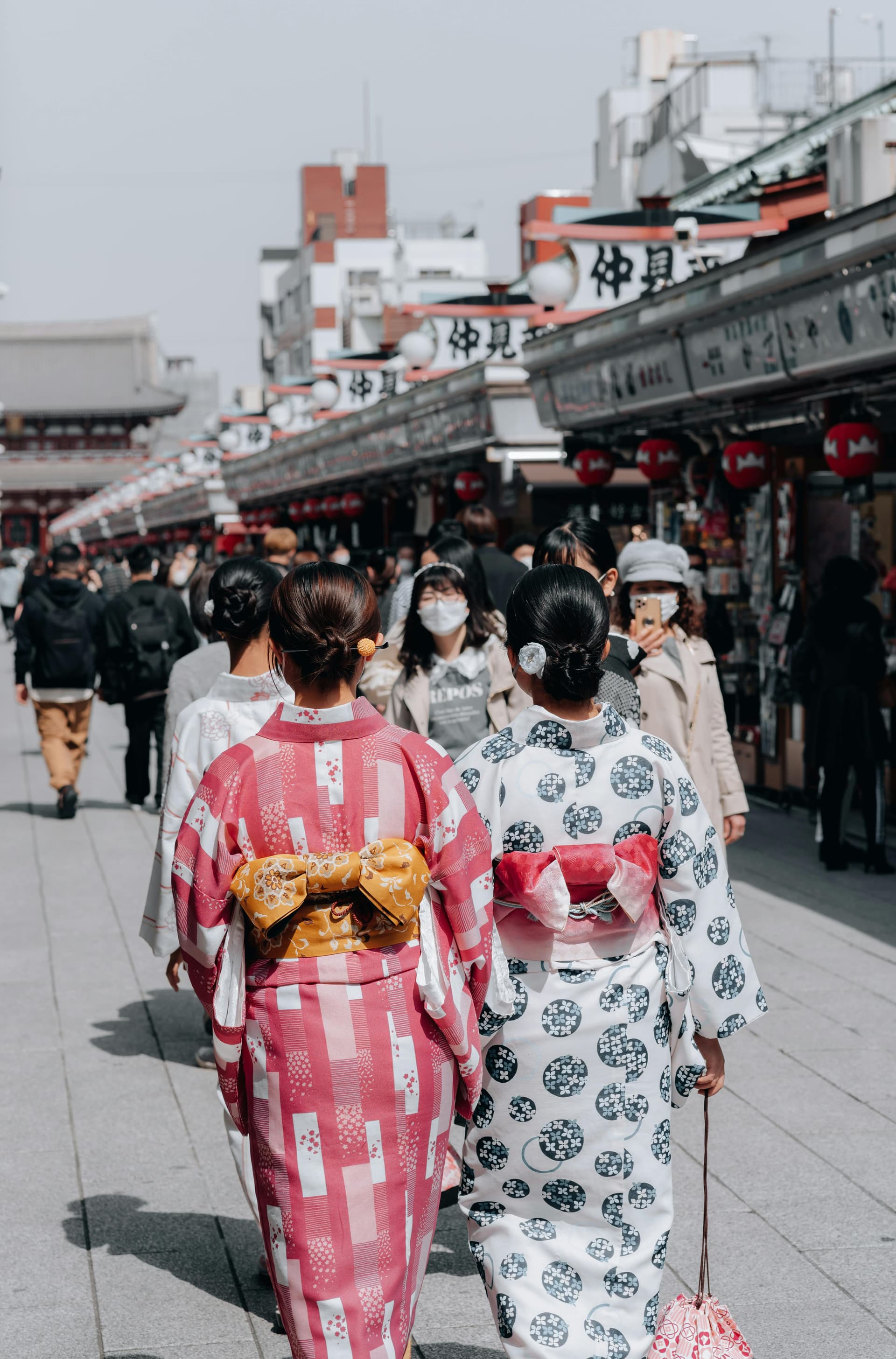
Nakamise is the shopping street approaching Senso-ji, running approximately 250 meters from Kaminarimon Gate toward the temple. About 90 shops sell souvenirs and snacks along the path. This means sacred (temple), transactional (shopping), and appetite (snacks) are embedded in the same route.
How to use this pattern without overplanning:
-
Treat the temple as anchor
-
Let shopping/snacking happen as satellites within the same area
-
Then move to a single "indoor stabilizer" (department store browsing, food hall) rather than adding another major district
This is what balance looks like when it's done well: fewer transfers, more coherence.
Areas like Asakusa look straightforward but have layers—which side streets have authentic food, when to visit Senso-ji for calm vs energy, where shopping feels more like discovery than tourism. Exploring Asakusa's depth with a local guide reveals what you'd miss navigating alone.
Other Tokyo three-in-one areas:
| Area | Sacred Component | Shopping Component | Food Component |
|---|---|---|---|
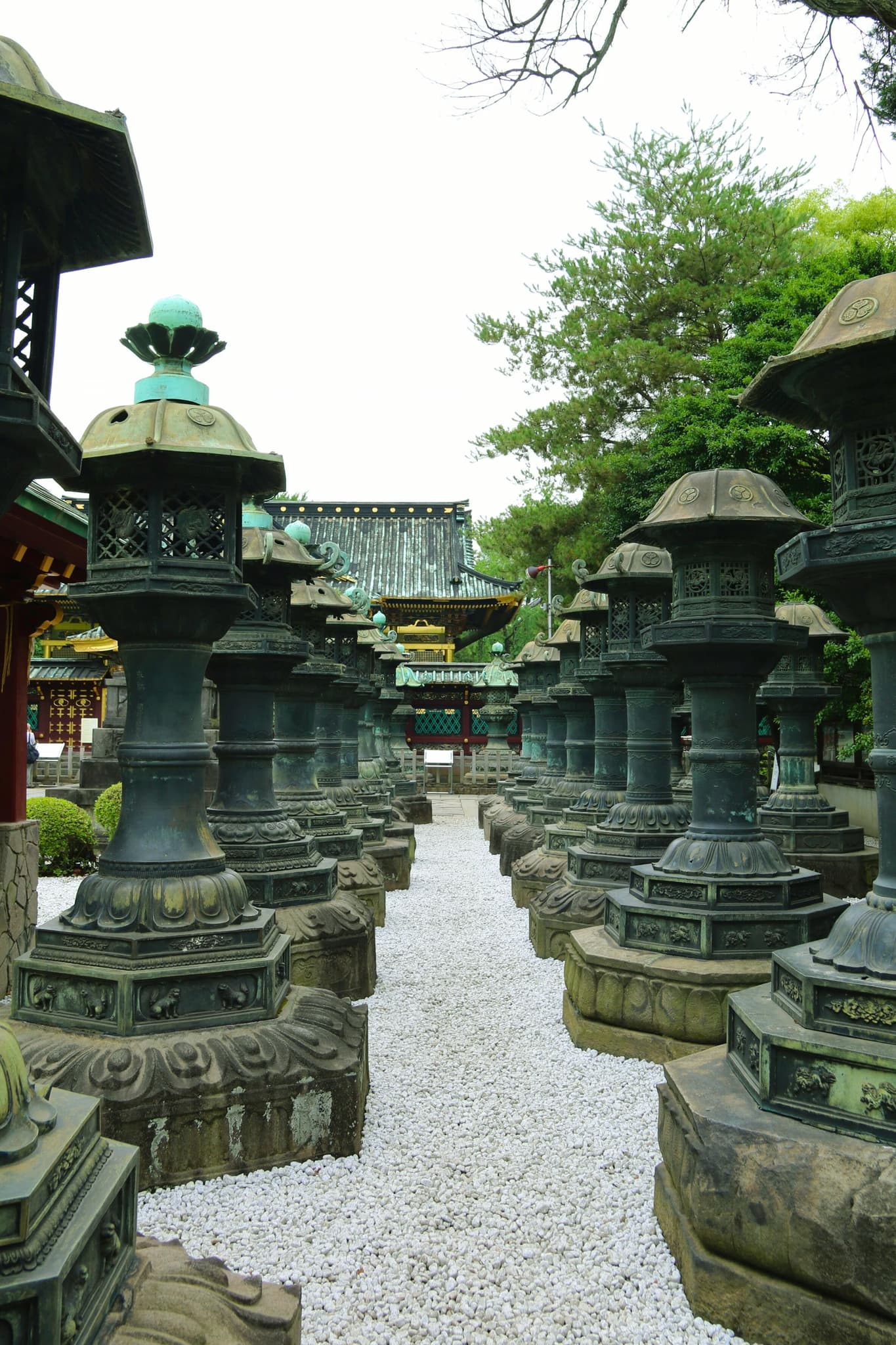
| Ueno | Ueno Park temples/shrines | Ameya-yokocho market | Museum area + station food options |
| Harajuku/Omotesando | Meiji Jingu | Takeshita Street/Omotesando boutiques | Area restaurants and cafes |
| Yanaka | Temple district walk | Traditional shopping streets | Local food spots |
Look for temple/shrine precincts with approach streets that include shopping and food. One area provides category variety, natural pacing, coherent geographic logic.
Avoid: Still trying to "complete" each category elsewhere, treating three-in-one as just the first stop then adding two more districts. For travelers interested in neighborhood-focused tours that maximize depth over breadth, this natural bundling is exactly the advantage.
Indoor/Outdoor Pairing for Day Resilience
A resilient day has one block that works in good weather and one that works in bad weather.
| Block Type | What It Includes | When to Use | Tokyo Examples |
|---|---|---|---|
| Open-air blocks | Shrine/temple precincts, walking streets, park-adjacent areas | Good weather, morning freshness, when you want outdoor experience | Meiji Jingu, Senso-ji area, Nakamise, Cat Street, Yoyogi Park, Ueno Park |
| Indoor blocks | Department stores, underground shopping arcades, station-connected commercial zones | Rain, heat/cold, fatigue, need for climate control | Shibuya station complex, Shinjuku Takashimaya, Mitsukoshi Ginza, underground shopping arcades |
| Indoor stabilizers (special category) | Depachika and station complexes that provide food, shopping, bathrooms, sitting areas, climate control all in one place | Weather pivot point, fatigue management, flexible fallback | Tokyo Station underground (extensive food, shopping, connections), Shibuya station area (multiple connected department stores) |
When to activate:
-
Rain hits → shift to indoor block
-
Fatigue hits → indoor stabilizer provides rest options
-
Heat/cold → climate-controlled exploration
Planning strategy: Build your day with one of each type so weather or energy issues don't break the entire plan.
Transportation Ticket Geometry and Itinerary Shape
If you're mixing districts, you'll probably ride multiple subway lines. Tokyo has two main subway operators—Tokyo Metro (9 lines) and Toei Subway (4 lines)—and not all passes cover both. For more detail on transit pass coverage and how it affects your itinerary, the full transit guide breaks down all options.
| Ticket Type | Coverage | Itinerary Implication | Best Strategy |
|---|---|---|---|
| Tokyo Metro 24-hour ticket | Only Tokyo Metro lines (not Toei) | Plan day around Metro-accessible areas | Meiji Jingu (Harajuku Station) → Omotesando shopping → Shibuya dinner (all Metro-accessible) |
| Tokyo Subway Ticket (24/48/72 hours) | Both Tokyo Metro AND Toei Subway | More flexibility for cross-operator transfers | Can use Shinjuku via Toei Oedo, Roppongi via Toei Oedo, Asakusa via Toei Asakusa line |
| Pay-per-ride (IC card) | All lines, no commitment | Focus on depth in fewer areas rather than breadth | Asakusa area provides temple, shopping, food without leaving—no pressure to maximize transfers |
The "two neighborhoods" limit:
Each additional area adds exit-finding time, platform navigation, "what should we do here?" decisions. Tokyo rewards depth over breadth. Understanding Tokyo's neighborhood structure helps you choose which two make sense together.
Three Day Styles: Sacred-First, Shopping-First, Food-First
Instead of treating "temples + shopping + food" as equal pillars, pick a style for the day:
| Day Style | Anchor | Satellites | Trade-off | Best For |
|---|---|---|---|---|
| Sacred-first | Temple/shrine area in morning (Meiji Jingu, Senso-ji, Yanaka) | Snack-walk or simple lunch nearby; shopping district later | Shopping is more intentional, less wandering, but sacred experience gets optimal conditions | First-timers who want cultural experiences done right, travelers who value calm focus, those concerned about etiquette |
| Shopping-first | Shopping district when stores open (Shibuya-Harajuku, Ginza, Shinjuku) | Structured meal (depachika or planned restaurant); smaller shrine/temple later if energy permits | Sacred sites may feel less serene in afternoon, but shopping gets full energy | Those with specific purchase goals, travelers who prioritize retail, fashion-focused visitors |
| Food-first | One meal willing to queue for | Nearby shrine/temple for contrast (short visit); light browsing (avoid heavy purchases) | Must protect appetite timing, avoid over-snacking early, food logistics dominate schedule | Food-motivated travelers, those who plan meals as experiences, culinary tourists |
None is "better." The point is choosing one so your decisions stop fighting each other.
Selection criteria: What do you care about most? What needs pristine conditions? What are you willing to compromise? If you're considering guided options, customizing your tour to match your priorities means the day style gets built around your actual interests, not a generic template.
Adaptation for Families, Seniors, and Mixed-Energy Groups
The framework flexes for different traveler profiles without losing structural integrity.
| Traveler Profile | Challenge | Adaptation Strategy | Implementation |
|---|---|---|---|
| Seniors / Young children / Mobility considerations | Tire easily, need frequent rest, accessibility requirements | Put calm block (sacred sites) earlier when energy is highest; use indoor stabilizer where sitting and bathrooms are easy to find; keep transfers low; choose accessible routes | Department store, food hall, station complex for rest; elevator-accessible stations; ground-level shopping streets over multi-floor stores; maximize depth in one area, minimize cross-city hops |
| Teens / Restless kids | Get bored in temples/shrines, need variety and energy | Choose precincts that naturally include variety; keep sacred block shorter but more intentional; balance with high-energy activities | Asakusa with Nakamise shopping/snacks; one main hall, one loop, done—not marathon temple tour; balance with shopping or food experiences |
| Food-motivated travelers | Food experience is priority, appetite timing critical | Decide if food is anchor or satellite; protect appetite timing if anchor | If satellite: choose high-convenience options (depachika) not high-stakes queues; if anchor: limit snacking during other activities |
| Mixed-preference groups | Different interests, negotiation fatigue, energy mismatches | Agree on limit for high-commitment activities | Only one "queue-worthy" thing per day to prevent negotiation fatigue |
For families or groups with different energy levels and interests, private tours designed for mixed groups adjust pacing, choose elevator-accessible routes, and mix activities so no one is bored or exhausted.
Weather and Fatigue Fallback Plan
Weather and energy issues are inevitable. The key is having a backup that maintains your balance logic without breaking the day's structure.
| Scenario | When to Activate | How to Pivot | Tokyo Examples |
|---|---|---|---|
| Rain | Weather hits during or before outdoor block | Swap open-air shopping streets for indoor commercial block; turn food plan into depachika or station-connected meal; keep short sacred-site stop if covered approaches available or drop if severe | Shibuya station complex, Tokyo Station underground, Shinjuku department store clusters |
| Heat/Humidity | Temperature affecting outdoor comfort | Shorten outdoor blocks, extend indoor stabilizer time; move shopping to climate-controlled spaces; use basement food halls (air-conditioned) | Depachika in major department stores, station-connected shopping areas |
| Fatigue | Energy drops mid-day | Recognize when to stop adding activities; indoor stabilizer provides rest without ending day (sit in cafe, browse slowly); permission to drop sacred sites if too tired to be respectful | Department store lounges, station cafes, food hall seating areas |
Key principle: A balanced day isn't one where you never change plans. It's one where changing plans doesn't break the logic.
Tokyo advantage: Indoor options are high-quality (not just fallbacks), so pivoting doesn't feel like settling.
Designing Your Day Ending
Many Tokyo days "end" in transit: tired, hungry, drifting into the nearest chain restaurant. If you care about balance, design the ending.
| Ending Strategy | What It Is | When to Use | Tokyo Advantage |
|---|---|---|---|
| Deliberate meal ending | Choose one neighborhood where you're happy to eat even if plans change | When food will close out your day | Shibuya izakaya, Shinjuku dining area, Asakusa traditional food; station-adjacent dining (Tokyo Station, Shibuya) makes getting back to hotel easy |
| Deliberate browsing ending | One indoor area where wandering is pleasant without purchases required | When you're tired but want low-stakes activity | Tokyo Station underground, department store browsing |
| Deliberate quiet ending | Calmer shrine/temple stop | Only if you still have patience and energy for mindful visiting | Nezu Shrine evening, smaller neighborhood shrine |
Why it matters:
The ending is where the categories merge into memory. Intentional ending means remembering Tokyo, not exhaustion. Random ending means you'll remember fatigue more than the city.
This guide is published by Hinomaru One, a Tokyo-based private tour operator.