The best method depends on your constraints: time, budget, navigation comfort, and depth goals. Self-guided works for patient planners. Group tours fit efficiency seekers. Private guides balance flexibility with expertise.
The best way to tour Tokyo depends on how much time you have, what you can spend, and how deep you want to go into the city. Each of the five methods below suits a different trip.
The Methods Compared
There are five main ways to see Tokyo:
- Self-guided, where you plan everything and find your own way, with no paid help
- Group tours in shared buses or walking groups on a fixed itinerary
- Private guides, with one guide just for your group, on a custom or semi-custom route
- Hop-on hop-off buses, which run a fixed route where you get on and off when you like
- Day trips from Tokyo, as excursions to Hakone, Nikko, or Kamakura, on a tour or on your own
Which one suits you comes down to your time, your budget, how comfortable you are finding your way around, and what you want from Tokyo.
Self-Guided: Maximum Freedom, Maximum Effort
What You Actually Get
Going self-guided means you do all of it yourself: the research, the route, the navigation, the timing, the reservations, and sorting out whatever goes wrong. You pay for transport, food, and attractions, and nothing for a guide.
Pros:
- The lowest direct cost, with no guide fees or tour markup
- Total freedom to stay as long as you like and skip what bores you
- You learn the city, and by Day 3-4 you'll know how Tokyo's systems work
- Nobody else in your group: your own pace and your own conversation
Cons:
- A lot of time spent on research before you even arrive
- Mistakes eat time: wrong trains, closed attractions, long queues
- Nobody to explain what you're seeing, so you may not understand it
- Language gets harder away from the tourist areas, in restaurants, shops, and everyday exchanges
- No introductions to artisans, exclusive venues, or places that aren't on any map
When Self-Guided Works
Self-guided suits travelers who:
- Have 5+ days in Tokyo (enough time to learn and recover from mistakes)
- Like planning and research and count it as part of the trip
- Don't mind not always knowing where they are
- Want to stay at each place as long as they choose
- Have clear goals they can research on their own
It goes badly when:
- Your time is short (1-3 days, where mistakes cost too much)
- You want more cultural depth than you can Google
- The language barrier in restaurants or shops stresses you out
- You want to reach places that don't show up on booking platforms
The Hidden Cost
You save on a guide and pay in time. Going the wrong direction on a train costs you 30 minutes. A restaurant queue you didn't expect takes 90 minutes. Hunting for the right exit at Shibuya Station adds another 15 minutes of confusion.
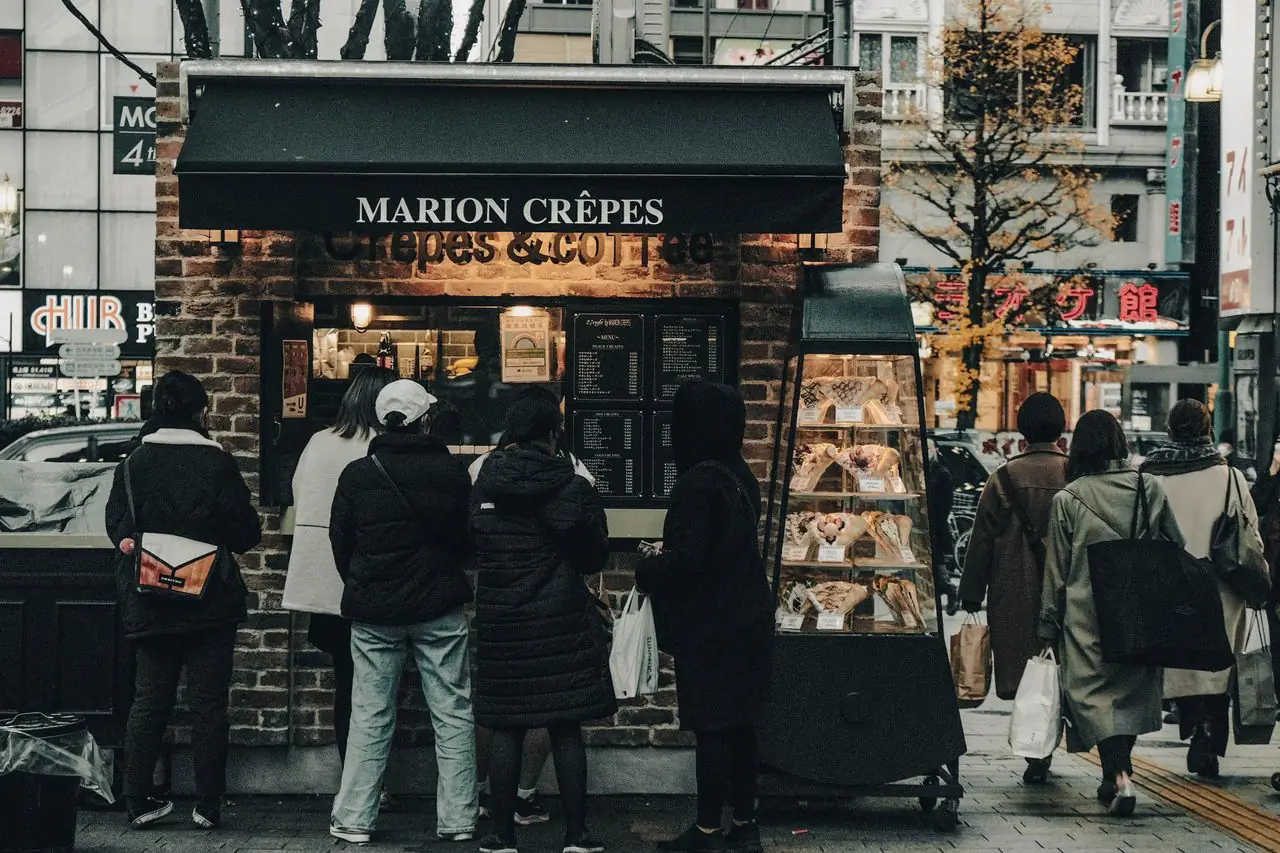
None of this ruins a trip on its own. On a 3-day trip with a navigation mistake every day, though, you lose 2-3 hours you won't get back, and on a short stay the "free" option can end up costing you more than it saves.
Group Tours: Handled Logistics, Limited Freedom
What You Actually Get
Group tours package transport, attractions, and sometimes meals into a fixed schedule. You join a bus or a walking group, follow the guide, and go where the itinerary says.
Japanese agencies such as JTB and HIS sell all-inclusive package tours, and platforms like Viator list group tours from many different operators.
Pros:
- Someone else handles the logistics, so there's no planning, navigating, or booking
- Cheaper per person than a private guide, because you share the guide and the transport
- You meet other travelers (which you'll enjoy or not, depending on you)
- A fixed price, so you know the cost upfront
- The tour operator sorts out problems
Cons:
- A fixed schedule, so you can't linger somewhere you love
- The group moves at the speed of its slowest member
- Generic routes: the popular sights, without much depth
- You share the day with tourists you didn't choose
- In peak season they cost more than doing it yourself, because prices follow demand
When Group Tours Work
Group tours suit travelers who:
- Want everything handled and no planning at all
- Have 1-2 days and want to cover a lot
- Are fine on a fixed schedule
- Don't mind being part of a group
- Care more about price than customization
They go badly when:
- You want to stay longer, skip stops, or change plans
- Cultural depth matters to you, since group tours go wide rather than deep
- You need privacy, with no strangers in the group
- Your interests don't match the standard routes
The Efficiency Question
For covering ground, group tours are efficient. A one-day bus tour gets you to Senso-ji, Meiji Shrine, Shibuya, and maybe Tsukiji, and you see the highlights.
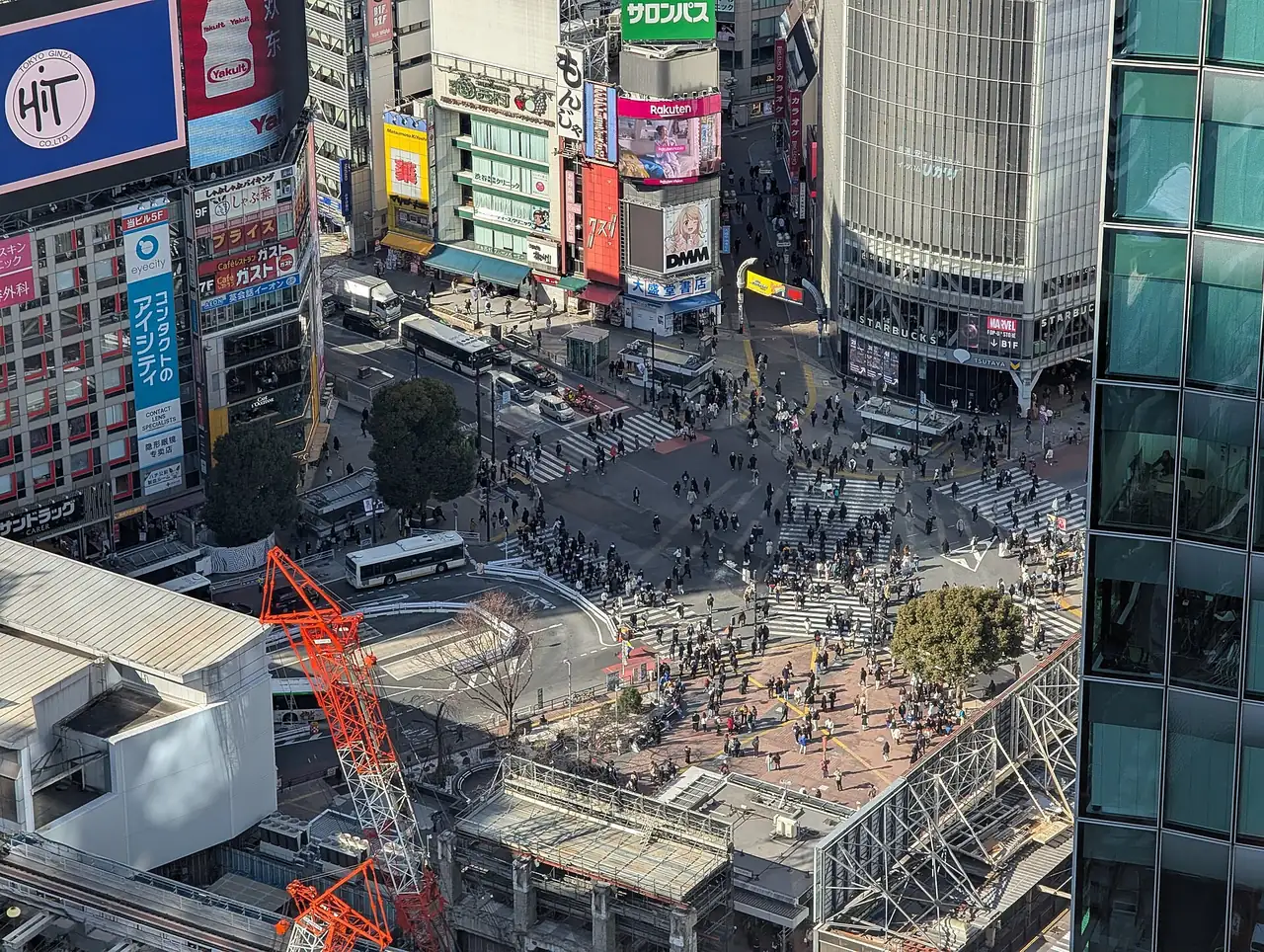
You'll leave with photos from each stop. What you probably won't learn is why Senso-ji matters historically, or what makes Shibuya's scramble crossing interesting apart from the crowd.
Private Guides: Flexibility + Expertise
What You Actually Get
A private guide works only for your group. That one person handles the navigation, explains the culture as you go, and changes the plan around what you're finding.
Pros:
- Routes built around your interests instead of preset templates
- Real flexibility: stay longer where you're enjoying it, skip what you aren't, change course for weather or mood
- Someone who explains what you're looking at instead of just pointing at it
- Privacy, with your own pace and your own conversation
- Possible access, since a guide with the right relationships can get you into places platforms can't
- Less wasted time, because the guide handles navigation, avoids the usual mistakes, and plans an efficient route
Cons:
- More expensive than a group tour, since you aren't sharing the cost
- You book your own hotels and flights (unless you use a full-package operator)
- It takes some back and forth so the guide understands what you want
- Quality varies with the guide you hire
When Private Guides Work
Private guides suit travelers who:
- Want to understand the culture as well as see the sights
- Have interests that the standard routes don't cover
- Want to change plans when they find something
- Would rather not share the day with a group
- Are short on time and need to use it well (1-3 days)
- Want one person who understands their whole trip
You need a private guide less when:
- You have 7+ days and can learn the systems yourself
- You mainly want to cover a lot of ground without going deep
- Budget is your main constraint
- You enjoy planning and don't want help
The Balance
A private guide gives you what self-guided travel and group tours each give up:
-
Self-guided: Freedom without expertise. You control everything, but you only know what you managed to research.
-
Group tours: Expertise without freedom. Someone knowledgeable leads, but you can't change the plan.
-
Private guides: Both. You get the expertise (context and efficient navigation) and the freedom (flexibility, customization, your own pace).
It costs more. If your time is short, or you want to go deeper than you could research on your own, the extra cost is usually worth it.
Hop-on Hop-off Buses: Limited in Tokyo
What You Actually Get
Hop-on hop-off buses run fixed routes. You ride, get off at the stops you want to explore, and catch the next bus when you're done.
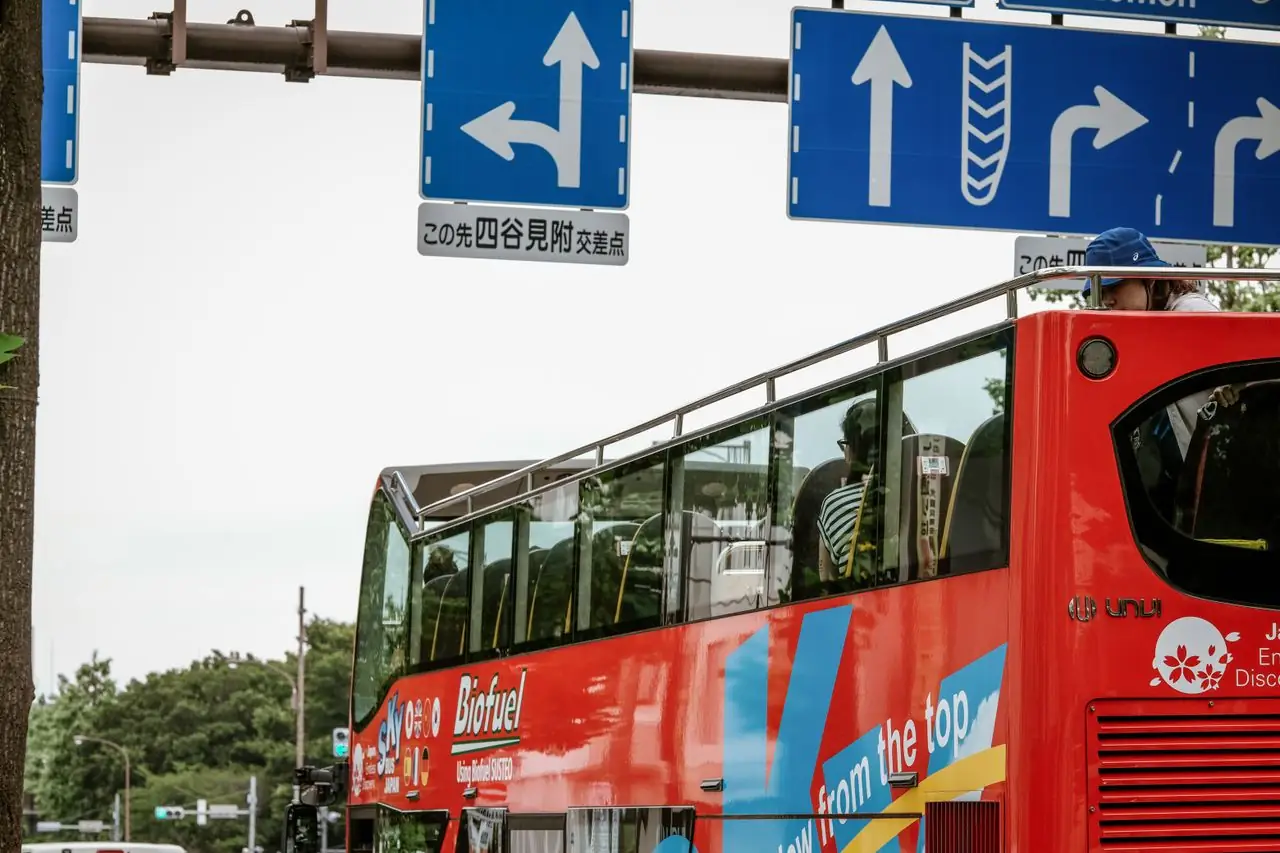
Tokyo has far less of this than European cities do. Sky Bus Tokyo runs a route past the major attractions, but the network doesn't cover much of the city.
Pros:
- Some flexibility, since you pick which stops to get off at
- No planning, because the route is set
- No navigation to worry about
- Cheaper than a private guide
Cons:
- The route only covers a small part of Tokyo
- Buses run to a timetable, and if you miss one you wait
- Nobody explains anything, so you ride without learning much
- The stops are tourist highlights, not places with much depth
- Open-top buses leave you exposed to the weather
When This Works
Hop-on hop-off suits travelers who:
- Want a little flexibility without planning everything
- Are mainly visiting the big sights (Senso-ji, Meiji Shrine, the Tokyo Station area)
- Don't need cultural context
- Find buses easier than trains
It goes badly when:
- You want neighborhoods off the route (Shimokitazawa, Daikanyama, Yanaka)
- You want someone to explain what you're seeing
- Your interests go past the tourist highlights
The Reality Check
Hop-on hop-off makes sense in cities with a big bus network. In Tokyo the trains cover far more ground than the buses, so the hop-on hop-off route can be slower than just riding the Yamanote Line yourself.
Day Trips from Tokyo: Extend Beyond the City
What You Actually Get
Day trips take you out of Tokyo: Hakone (Mt. Fuji views), Nikko (temples and shrines), Kamakura (temples by the coast), Kawagoe (a historic town).
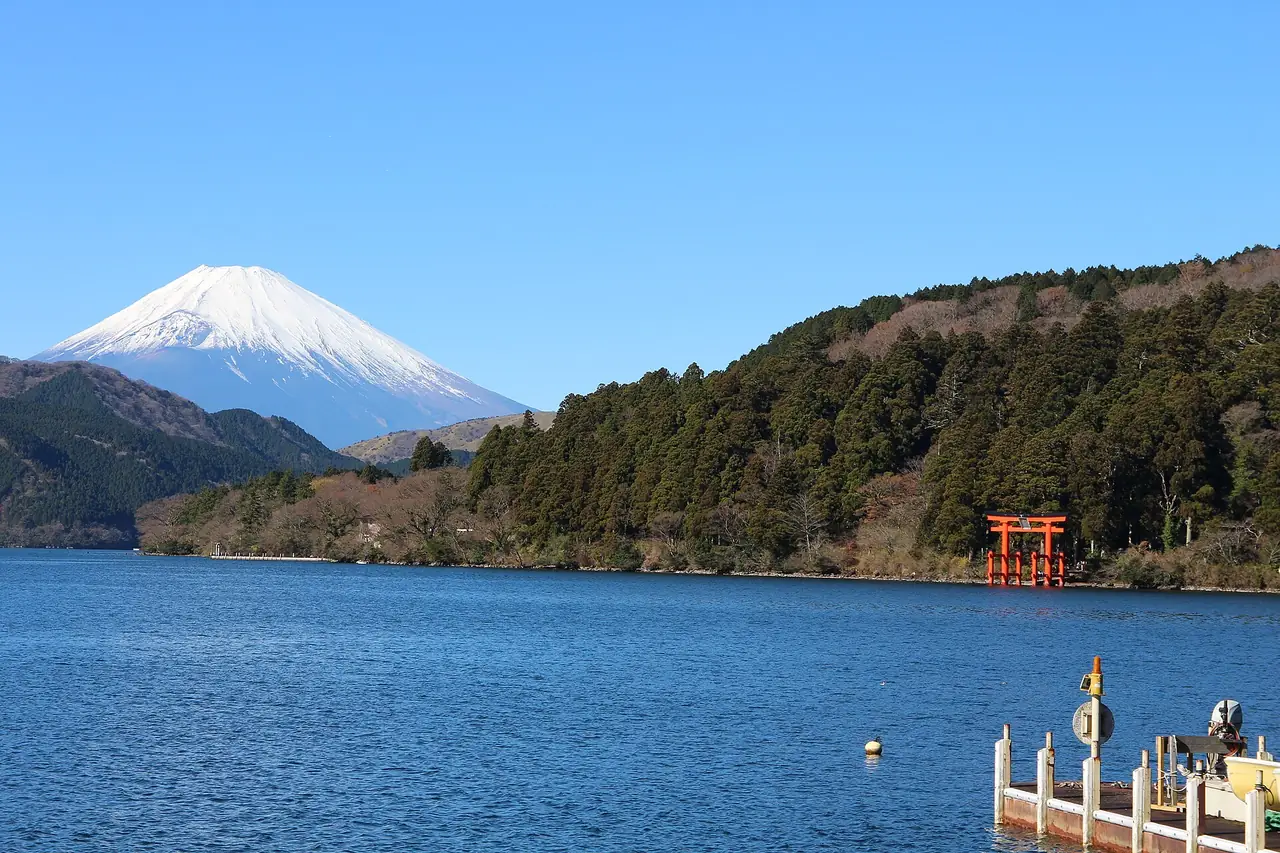
You can do a day trip three ways:
- DIY: JR trains, with routes you research yourself
- Group tours: shared buses on fixed schedules
- Private guides: a custom day with your own guide
Pros:
- You see more of Japan than Tokyo itself
- Landscapes, temples, and settings that city tours don't reach
- Options for a tight budget (DIY on JR) and for convenience (tours)
Cons:
- It takes 6-8 hours including travel
- Bad weather can spoil outdoor spots (Hakone's views need a clear day)
- DIY means research and navigating on your own
- Tours limit your flexibility
- Popular places get crowded (Nikko, Kamakura)
When Day Trips Work
Day trips suit travelers who:
- Have 4+ days in Tokyo and can spare one outside it
- Want to see Mt. Fuji (Hakone) or historic temples (Nikko, Kamakura)
- Are fine with a 6-8 hour excursion
They're worth less when:
- Your time in Tokyo is short (1-3 days, so stay in the city)
- You'd rather go deep in Tokyo than cover several regions
- The forecast is uncertain (visibility at Hakone varies)
Comparison Table: What Each Method Emphasizes
| Method | Best For | Trade-off | Cost Range |
|---|---|---|---|
| Self-guided | Patient planners, 5+ days, budget priority | High effort, no expertise, navigation mistakes cost time | Lowest (transport + food only) |
| Group tours | Efficiency seekers, fixed schedules acceptable, everything handled | No freedom, generic routes, group dynamics | ¥5,000-15,000/person |
| Private guides | Cultural depth, flexibility, private experience, limited time | Higher cost, you handle flights/hotels | ¥30,000-50,000+/day for quality guides |
| Hop-on hop-off | Major attractions, partial flexibility, no planning | Limited routes, no depth, weather exposure | ¥1,500-3,000/day |
| Day trips | Extending beyond Tokyo, landscapes and temples | Travel time, weather risk, requires spare day | ¥3,000-15,000+ depending on method |
Which Method Matches Your Trip?
Choose Self-Guided When:
- You have 5+ days and can afford time to learn
- You enjoy research and planning
- Budget is your main constraint
- You want full control over your timing
- Your goals fit what you can Google
Choose Group Tours When:
- You want everything handled
- A fixed schedule is fine
- You have 1-2 days and want to cover ground efficiently
- You don't mind a group
- Price matters more than customization
Choose Private Guides When:
- Time is short (1-3 days) and mistakes cost too much
- You want cultural depth past the surface sights
- You want to be able to change plans when you find something
- You want privacy, without strangers
- Your interests don't fit the standard routes
- You want to reach places research won't turn up
Choose Hop-on Hop-off When:
- The major attractions are your focus
- A little flexibility is enough
- You prefer buses to trains
- You don't need anyone explaining the culture
Choose Day Trips When:
- You have 4+ days and can spare one outside Tokyo
- Mt. Fuji or historic temples matter to you
- You want to see landscapes beyond the city
The Honest Answer
Self-guided suits you if you're patient, have time, and want to save money. Group tours fit if you want the logistics handled and don't mind a fixed schedule. A private guide gives you flexibility and expertise together. Hop-on hop-off works if the major attractions and a bit of flexibility are enough, and day trips are for when you want to see beyond Tokyo.
We don't think private guides are the right answer for everyone. They make sense when your time is short, when you want to go deeper than your own research can take you, or when you need more flexibility than a group allows.
If that's your trip, Tokyo Essentials is built as a foundation day for travelers who want efficiency and cultural context. Timeless Tokyo takes it further, into traditional neighborhoods, meetings with artisans, and a deeper look at the culture.
If another method fits your constraints better, go with that one.
Photo credits
- Snow-capped Mount Fuji above Lake Ashi and the Hakone Shrine torii gate: Suicasmo / Wikimedia Commons, CC BY-SA 4.0, resized