
Luxury isn't amenities. It's peace, authenticity, and being genuinely cared for.
Luxury Tokyo private tours are mostly sold on amenities, but what makes one feel luxurious is peace, authenticity, and being looked after properly. Every Tokyo private tour listing uses the word "luxury," and once you know what it actually covers, you judge operators differently and expect different things from the day.
The listings all promise private vehicles, VIP access, and exclusive restaurants, and they read alike. So do the complaints afterward, because the gap between what's promised and what turns up follows patterns you can predict.
What "Luxury" Usually Delivers
The Inflation Problem
Tour companies all draw on the same handful of words: premium, exclusive, VIP, luxury. They turn up so often that readers stop registering them.
If everyone claims luxury, the claim tells you nothing. From the descriptions alone you can't tell a ¥30,000 day from a ¥100,000 one, because both are written in the same language. Competition drives this. When a rival says "luxury," you say "ultra-luxury," and if they say "exclusive," you say "truly exclusive."
That leaves price as the only signal, and price doesn't track the quality of the day very reliably either.
What Promises Actually Mean
"VIP access" usually means prepaid reservations at places anyone can book online, and nothing is genuinely restricted. "Exclusive experiences" are often staged performances or workshops set up for tourists. "Private vehicle" sounds comfortable and leaves out the trade-offs.
Most of this isn't fraud. Marketing copy exists to make ordinary things sound remarkable. The disappointment comes when a traveler shows up expecting something remarkable and gets the ordinary version, and the causes are built into how the industry works.
The Reservation Problem
¥8,000 Broker Fees and What They Don't Buy
Platforms like TABLEALL charge ¥8,000 per seat, about $55, as a non-refundable booking fee for exclusive restaurants. You do pay the fee, and the access you get for it is limited.
Tokyo's most sought-after restaurants take guests by introduction only. The Japanese phrase is ichigen-san okotowari: first-time customers without an introduction aren't accepted. The reasons are practical. These places have no English-speaking staff, they worry about no-shows from people they don't know, and they put their regulars first, people who've built up trust over years.
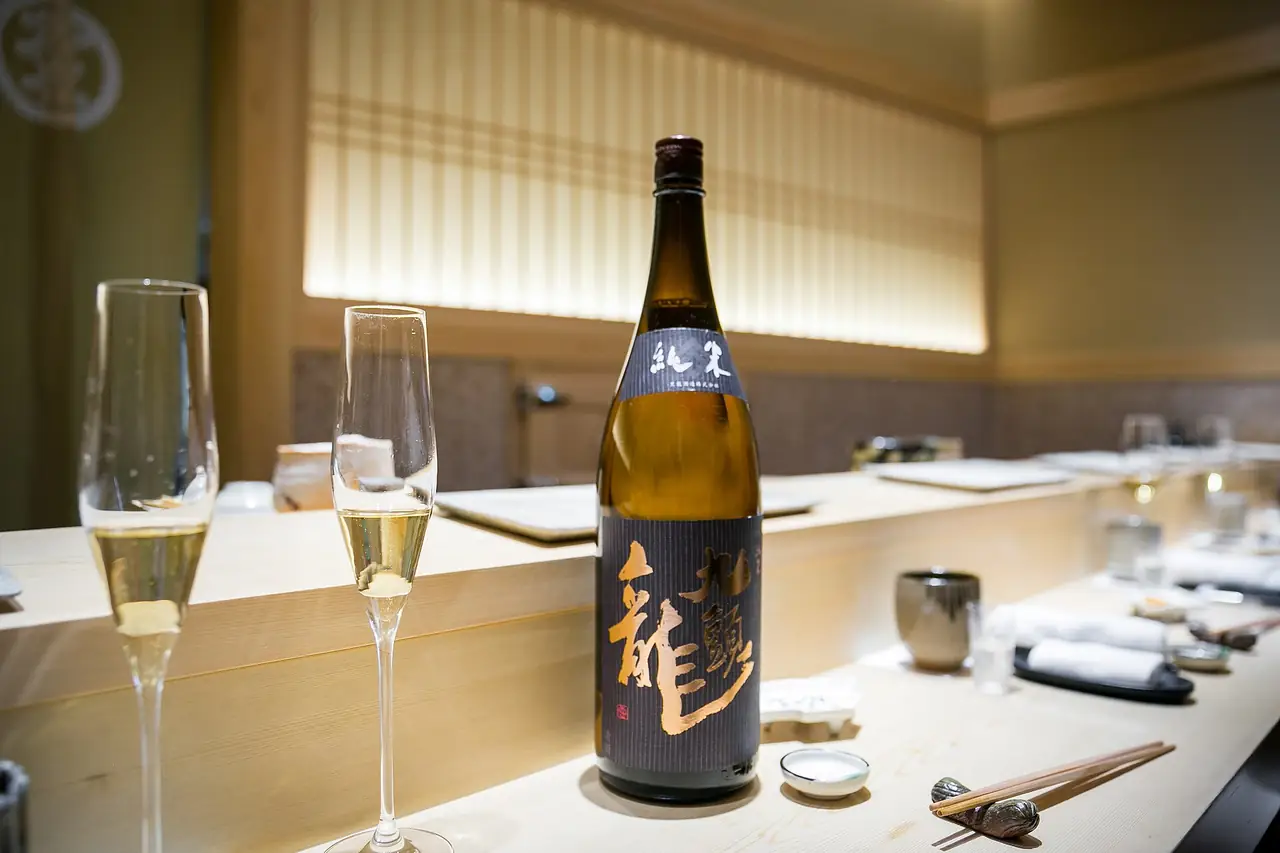
Sushi Saito, with three Michelin stars in Roppongi Hills, takes reservations only from previous diners, and even Amex Centurion cardholders struggle to get in. Matsukawa, which many people call Tokyo's best kaiseki restaurant, is invitation-only at about ¥48,000 per person. Mibu goes further still: 8 seats, members only, no menu, no website, no posted hours, and members pick one night a month or a year. None of these restaurants appear on broker platforms, and no fee gets you around the introduction.
Why Hotels Get Rejected
Concierges at luxury hotels get turned down too. As tourism grew, restaurants that used to accept hotel bookings tightened up. The concierge can still phone, and the restaurant can still decline.
At the top end, a table comes through relationships that take years to build, whatever you're willing to pay. If you want food-focused experiences without dealing with broker fees, look for a guide who already has those relationships.
The Geisha Problem
What Tourist "Geisha Experiences" Actually Are
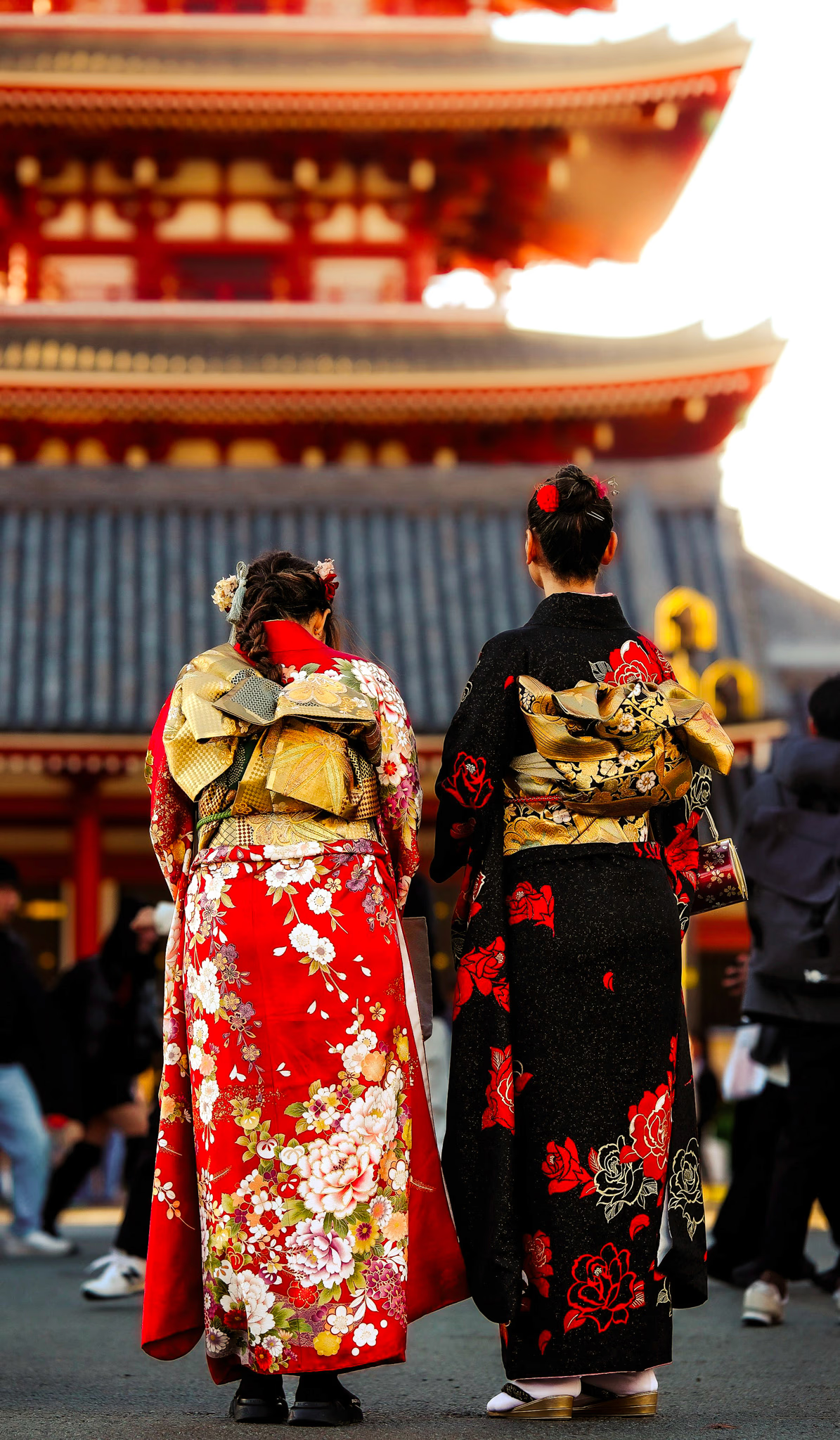
Search for "geisha experience Kyoto" and you'll get dozens of results. Most are costume rentals where tourists are dressed in kimono, made up as geisha, and photographed. Others are staged tea ceremonies with performers in traditional dress. Neither involves a real geiko or maiko.
Many of the "maiko" you see walking around Kyoto are tourists in rented costumes. Geisha tourism has built up its own look, which photographs well and has nothing to do with the living tradition.
What Authentic Access Requires
Kyoto has about 100 geiko and 100 maiko still working, down from 80,000 before World War II. Only 4-8 taikomochi (the male entertainers who historically arranged geisha bookings) are left in the whole country, against 470 in the 1930s.
A real ozashiki, an evening banquet with geiko entertaining, costs about ¥50,000 per geiko plus ¥10,000-30,000 per person for the meal. It also needs an introduction from an existing ochaya client. A tour company can't buy that. The only route in is a relationship built over decades.
The Artisan Problem
Commercial Studios vs. Working Craftsmen
Luxury tour descriptions love the phrase "traditional craft workshop." What you usually get is a studio set up for tourists, which is a different place from where an artisan actually works.
Working swordsmiths, ceramicists, and other traditional craftspeople take commissions and have waitlists months long. Tourist workshops can't pay what their time is worth, and an artisan who lives on finishing commissioned pieces can't stop production to host visitors.
Some craft experiences are the real thing:
| Workshop | Craft | Established | Price | Notes |
|---|---|---|---|---|
| DOMYO (Tokyo) | Kumihimo braiding | 1652 | ¥10,000 / 2 hrs | Hand-dyed silk, attached museum |
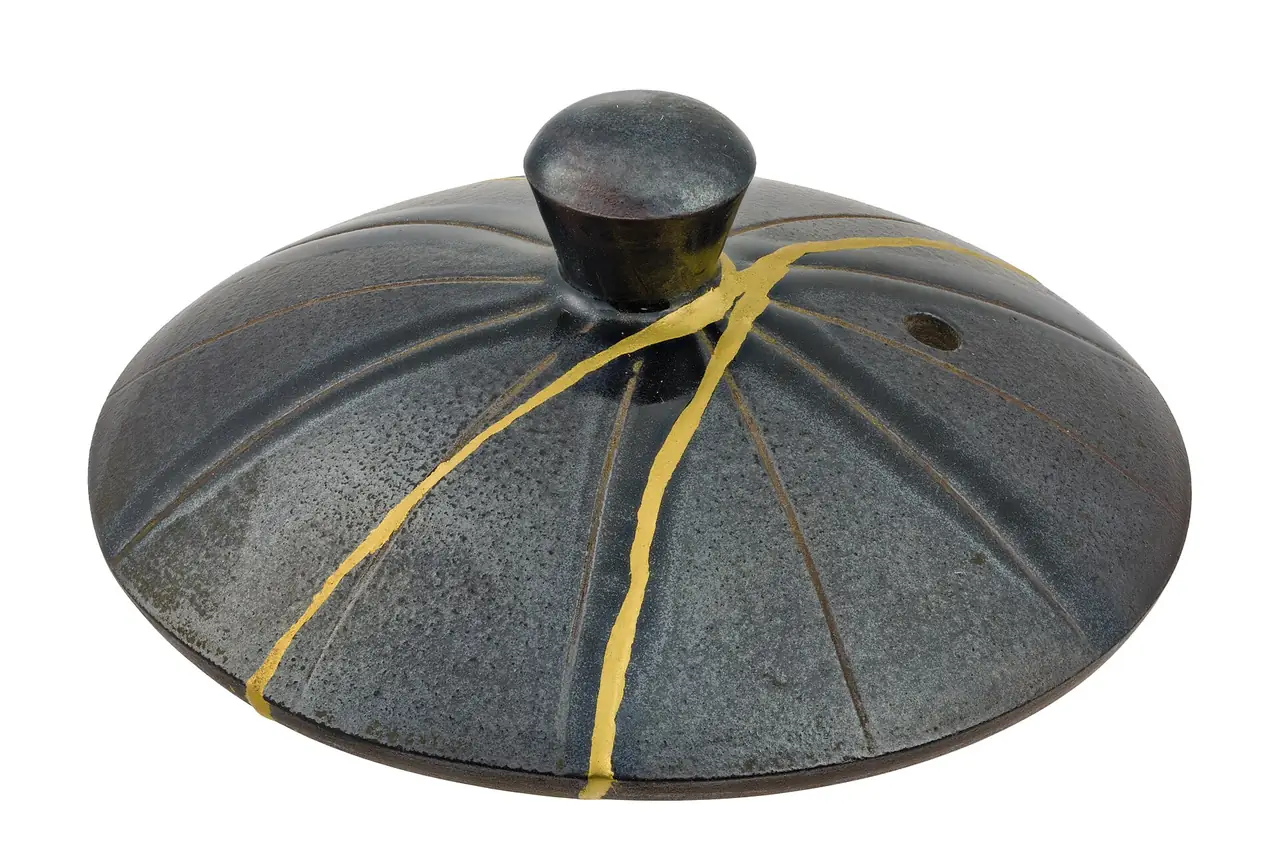
| Kuge Crafts (Shin-Koenji) | Kintsugi repair | 40+ years family-run | ¥5,000-20,000 | Uses antique pottery |
You can usually tell them apart by how you book. Genuine artisan sessions need advance booking (often 1-7 days for family businesses) and take only a few people. The tourist workshops in Asakusa take walk-ins and large groups.
The Bait-and-Switch Problem
What Gets Substituted
Hotels downgraded after booking. "Luxury vehicles" that turn out to be Priuses smelling of cigarettes. "English-speaking guides" who are really drivers with a little English. Groups twice the size you were promised.
These complaints come up again and again in reviews, with different details each time.
Why It Happens
Marketplaces stack contractors on subcontractors. The company that takes your booking doesn't employ the guide who shows up, and the vehicle belongs to someone else again. When something goes wrong, nobody in particular is responsible.
That makes substitution easy. The booking company gets your complaint and the subcontractor gets nothing, so each extra layer has less reason to deliver exactly what you paid for.
The Guide Quality Problem
The Commission Squeeze
Viator takes 20% commission from tour operators plus a $29 fee for new listings. GetYourGuide takes 20-30%, depending on volume. Both insist on lowest-price guarantees.
Run the numbers. A guide charging $400 a day keeps $280-320 after commission, so to earn what they'd make from direct bookings they have to run more tours. More tours means less energy for each one, and less preparation and care.
Good guides either leave the marketplaces or wear out on them, and what's left tilts toward volume. Reviews that say "guide lacked energy" are describing the first thing commission eats into. Whether private tours are worth the investment depends on what your money is actually buying.
The Luxury Tier Operators
Ask about luxury tour companies in Japan and two names come up at the top. Knowing what each delivers, and what it costs, helps you decide whether "luxury" is what you're after.
Abercrombie & Kent (A&K)
Abercrombie & Kent's clients include royalty and Hollywood stars. It's UK-based, works worldwide, and runs Japan programs.
What they deliver:
- Private jet options for multi-region Japan travel
- Exclusive access to temples, cultural venues, experiences unavailable to standard tours
- Michelin dining reservations and private room arrangements
- Luxury ryokan partnerships with full service
- Dedicated staff throughout (local guides plus a coordination team behind them)
- White-glove problem resolution
What it costs:
- $1,000+ per day per person for core luxury programs
- Private jet programs significantly higher
- Peak seasons and exclusive access add premiums
What you trade off:
- Cultural depth may be limited, since these programs put comfort and access ahead of understanding
- Fixed schedules in most programs; customization adds cost
- Status signaling may feel ostentatious to some travelers
Source: iCruise Japan (A&K authorized dealer), operator materials
JTBロイヤルロード銀座
JTB's luxury division works out of a salon in Ginza that you visit by appointment. It offers concierge consultations, experienced tour planners, and high-end small-group packages.
What they deliver:
- Salon-based consultation (in-person planning sessions rather than online booking)
- Experienced planners designing packages based on client conversations
- High-end accommodations and transport
- Smaller groups than mass-market JTB (still groups unless you ask for private)
- Japanese operational reliability (decades of infrastructure)
What it costs:
- ¥100,000-200,000+ per person for multi-day luxury packages
- Private custom arrangements add fees
- Premium tier above standard JTB packages
What you trade off:
- Package format limits flexibility; you're choosing from experiences already designed
- Group dynamics in standard offerings (private adds cost)
- Less exclusive access than A&K (premium tier rather than ultra-luxury)
Source: JTBロイヤルロード銀座 official materials
Comparison: Ultra-Luxury vs Premium Luxury
| Factor | Abercrombie & Kent | JTBロイヤルロード銀座 |
|---|---|---|
| Tier | Ultra-luxury (royalty, celebrity clientele) | Premium luxury (affluent travelers) |
| Format | Mostly private, custom options available | Packages + custom, groups in standard offerings |
| Access level | Highest (exclusive venues, private jets) | High-end but less exclusive |
| Cost per day | $1,000+ per person | ¥100,000-200,000+ per person (~$700-1,400) |
| Cultural depth | Variable, depends on program | Japanese expertise but package format limits customization |
| Handling | White-glove global infrastructure | Japanese operational reliability |
What Luxury Actually Costs: Real Numbers
Ultra-Luxury Example: 5-Day A&K Japan Program
| Component | Cost Estimate |
|---|---|
| Program fee (5 days) | $5,000-7,500+ per person |
| Luxury ryokan (2 nights) | $800-1,200 per night |
| Michelin dining (3 dinners) | $300-500 per meal |
| Private car transport | Included in program or $200-300/day supplement |
| Total per person | $6,000-9,000+ for 5 days |
For that you get everything handled, exclusive access, prestige hotels, and fine dining. How much culture you come away with depends on the program.
Premium Boutique Example: 5-Day Hinomaru One Program
| Component | Cost Estimate |
|---|---|
| Guide fees (5 days @ $350/day average) | $1,750 per group (2-4 people) |
| Business/boutique hotels (5 nights) | $150-250 per night (you book) |
| Dining (you control spending) | $50-100 per day |
| Transport (public + occasional taxi) | $20-30 per day |
| Total per person (group of 2) | ~$2,500-3,500 for 5 days |
| Total per person (group of 4) | ~$1,500-2,000 for 5 days |
Here you get cultural depth, flexibility, a private day, and an ongoing relationship with your guide. Hotels and flights are up to you.
The Gap
Per person, ultra-luxury runs 3-6x the cost of premium boutique. The extra pays for:
- Complete handling (no planning effort)
- Exclusive access (temples, venues, dining)
- Status accommodations (ryokan, suites)
- Prestige transport (luxury cars)
- Global infrastructure (A&K coordination)
Premium boutique costs less because:
- You handle flights and hotels
- Transport is chosen for efficiency over prestige
- Access comes from personal relationships rather than institutional partnerships
- No global infrastructure overhead
When Luxury Makes Sense
Luxury Makes Sense When:
-
Complete handling is essential. You don't want to book anything yourself. Flights, dinner reservations, all of it gets arranged for you.
-
Exclusive access matters. Private temple visits, closed-door experiences, venues ordinary tourists can't get into.
-
Status signaling fits your goals. The prestige of the hotels and cars is part of what you want from the trip.
-
Budget isn't a constraint. $1,000+/day is within what you spend on travel.
-
You're traveling for a special occasion. An anniversary, a milestone, or a once-in-a-lifetime trip where the top tier suits the moment.
Luxury Doesn't Make Sense When:
-
Cultural depth is primary. You want to understand Tokyo as well as be comfortable in it.
-
Flexibility matters. You'd rather change plans as you find things than stick to a fixed schedule.
-
Budget is constrained. $1,000+/day is more than you can spend.
-
You enjoy some planning. You want help with particular parts of the trip, not everything handled.
-
Status signaling feels ostentatious. You want a premium day without the display.
Premium Boutique Makes Sense When:
-
Cultural depth is primary. You want to understand what you're looking at.
-
Flexibility matters. Changing plans mid-tour because of something you found is how you like to travel.
-
Guide relationship matters. You want one person who knows your whole trip instead of a rotation of staff.
-
Your interests are specific. Architecture, crafts, local culture, or neighborhoods, more than the generic highlights.
-
$300-500/day fits your budget. That's below the luxury tier and above mass-market.
How Hinomaru One Delivers "Luxury"
A Different Framework
The best luxury hospitality is judged by how the stay feels more than by its amenities. The people who do it best, whether resorts, hotels, or private services, share a few principles that carry straight over to touring:
Peace over stimulation. We take friction away. You get to enjoy the day while someone else handles logistics, confusion, and problems.
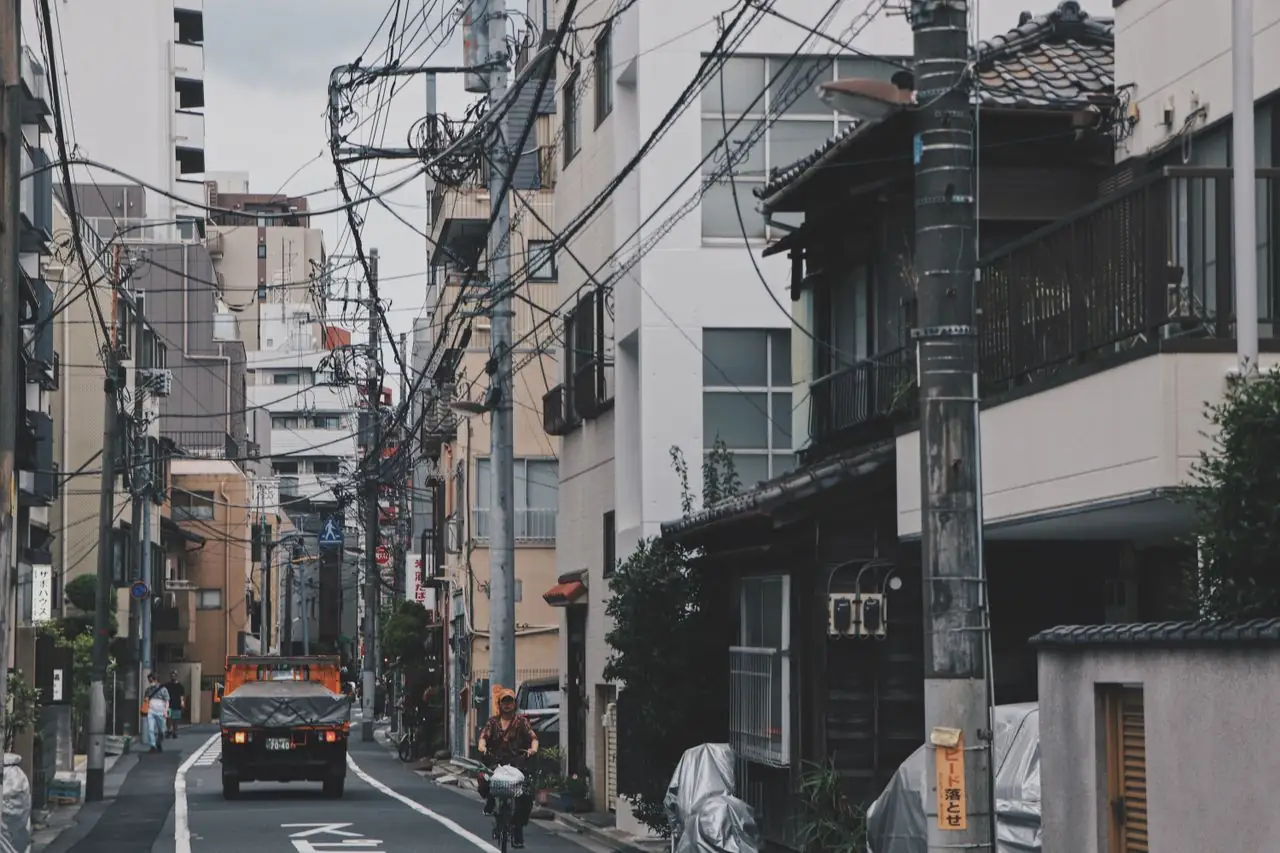
Authentic connection to place. The day should be one that could only happen in Tokyo, shaped by the streets you're on. That's why choosing the right neighborhood matters more than choosing the right vehicle. Our authentic Tokyo experiences guide lists the craftspeople and insider-access experiences in Tokyo that fit this best.
Invisible service. Your guide is attentive without hovering, sorting out needs before they come up and problems before you notice them. This is what concierge-style guidance looks like in practice.
Being truly seen. Attention fitted to who you actually are, with no dropdown menu or generic guest profile. Someone is looking after you, and nobody is selling to you.
What to Expect
Within 24-48 hours of booking, our concierge gets in touch to find out what kind of trip you're hoping for. Logistics come later. We choose your guide from that conversation, matching their expertise and personality to your interests, and you know who you'll be with before the tour date.
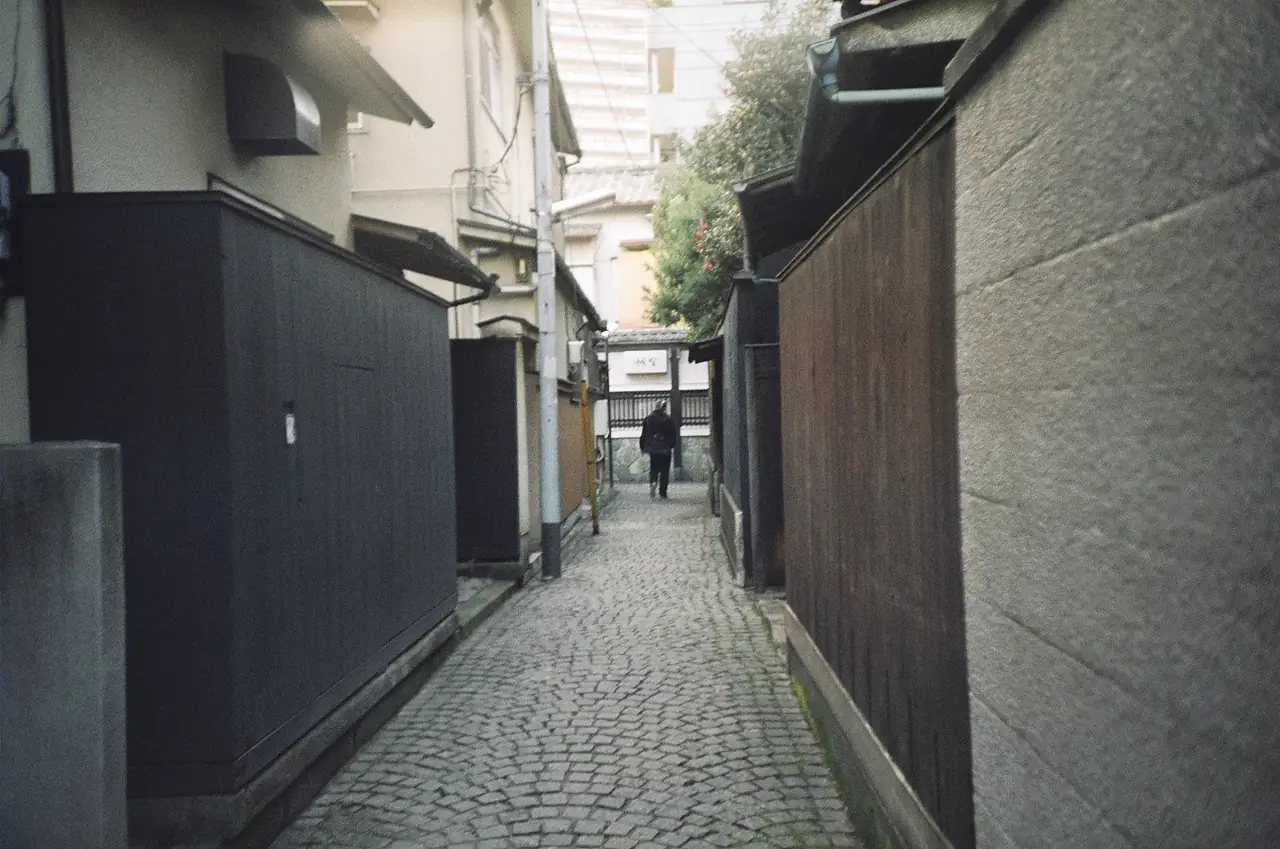
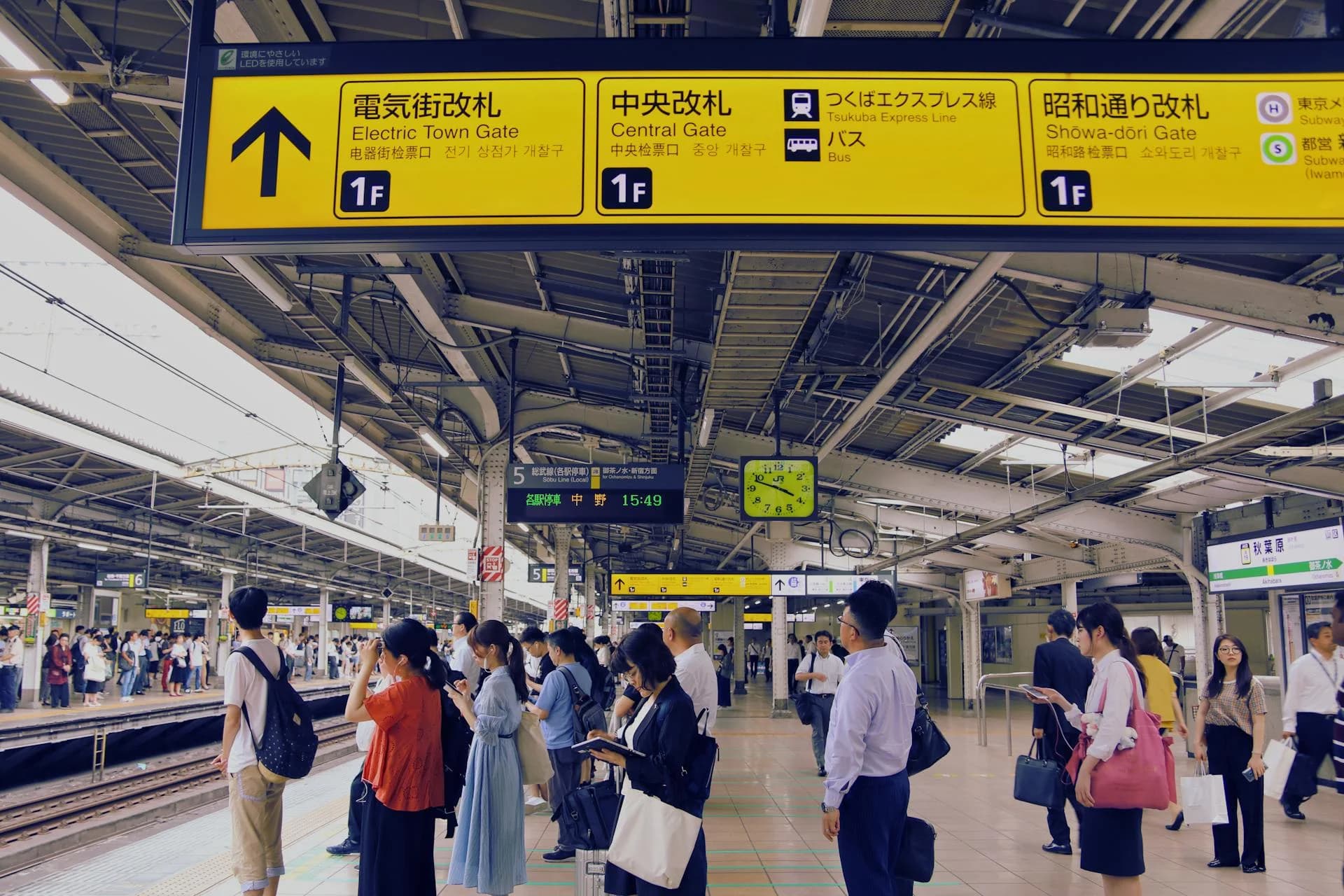
We walk by default, because Tokyo shows itself best on foot: narrow backstreets, residential neighborhoods, small restaurants with nowhere to park. By the end of the day you'll know the transit system about as well as your guide does. Private cars are there if you need them, for mobility, airport transfers, or when someone gets tired, but they're a tool and we don't build the day around them. Only 12% of journeys in Tokyo are made by car, and the city isn't designed for driving.
Our guides recommend restaurants from years of eating in the same neighborhoods. They take you to places where they're known, and the meal is better because you walked in with someone the staff recognize.
Prices are published. You see the exact cost for your group size before you book, and because we price per group, each extra person brings the cost per head down. We don't call ourselves ultra-luxury.
What you're paying for is a guide's ten years of relationships and accumulated knowledge, put to work for you for a day. If that appeals, Infinite Tokyo is built around it. First-time visitors who want to get their bearings and still go deep should look at Tokyo Essentials. If traditional neighborhoods, artisans, and cultural background are what you're after, try Timeless Tokyo.
Frequently Asked Questions
What does luxury actually mean for Tokyo private tours?
Private vehicles and VIP labels have little to do with it. A luxury tour in Tokyo gives you peace (we remove friction), a real connection to the place (things that could only happen in Tokyo), service you barely notice (needs met before they come up), and attention to who you actually are. Competitive marketing has stretched the word so far that most "luxury" claims mean nothing.
How much do luxury private tours in Tokyo cost?
The range is wide. Premium boutique operators like Hinomaru One charge from around 30,000 yen to over 100,000 yen per tour, and ultra-luxury operators like Abercrombie & Kent charge $1,000+ per day per person. At the lower tiers, price doesn't reliably predict quality, since cheap and expensive tours use the same words ("premium," "exclusive," "VIP"). At the top end you're paying for a guide's ten years of relationships and knowledge: restaurant connections, a deep feel for the neighborhoods, and the ability to translate the culture as well as the language.
Are VIP experiences in Tokyo worth the price?
Most "VIP access" is a prepaid reservation at a venue that takes online bookings anyway, with nothing genuinely restricted. "Exclusive experiences" are usually staged performances or workshops set up for tourists. Tokyo's best restaurants take guests by introduction only (ichigen-san okotowari), and no fee gets around that. Even Amex Centurion cardholders have trouble booking Sushi Saito. Real access comes from years of relationships, which no booking platform can sell you.
What's the difference between a luxury tour and a standard private tour in Tokyo?
It comes down to the guide and how much they prepare. Marketplaces take 20-30% commission, which pushes guides to run more tours with less energy and preparation each time. Premium operators spend time on a consultation before the tour, match the guide to your interests, and work with guides who have ten-plus years of neighborhood relationships. You see the difference in small things: whether the guide read up on your interests, whether they have the restaurant owner's number, whether they notice what catches your eye.
Can you book authentic geisha or artisan experiences in Tokyo?
A real geisha evening (ozashiki) costs about 50,000 yen per geiko plus 10,000-30,000 yen per person for the meal, and you need an introduction from an existing client. No tour company can buy that access. Most "geisha experiences" are costume rentals or staged shows. Real artisan workshops work the same way. DOMYO, a kumihimo braiding workshop founded in 1652, needs advance booking and takes few people, while the tourist workshops take walk-ins and big groups.
When should I choose a luxury operator vs. premium boutique?
Go with a luxury operator (A&K, JTBロイヤルロード銀座) if you want everything handled, need exclusive access, care about the status side, and $1,000+/day fits your budget. Go with a premium boutique operator (Hinomaru One) if cultural depth comes first, you want flexibility and one guide you get to know, your interests are specific (architecture, crafts, local culture), and $300-500/day suits your budget. Put simply, you're choosing between handling and status on one side, and understanding and a day built around you on the other.
At Hinomaru One we design private Tokyo tours for first-time and returning travelers, built around Japanese culture and planned so the day doesn't feel stressful or rushed. Every one is customized.
Photo credits
- The pale wooden sushi counter at Sushi Saito in Tokyo, set with sake and glasses: City Foodsters / Wikimedia Commons, CC BY 2.0, resized
- A Japanese teapot lid repaired with gold kintsugi seams along its cracks: D-Kuru / Wikimedia Commons, CC BY-SA 4.0, resized
- A narrow cobblestone alley lined with dark wooden walls in Kagurazaka, Tokyo: Yasuhiro from Tokyo, Japan / Wikimedia Commons, CC BY 2.0, resized

.jpg)

