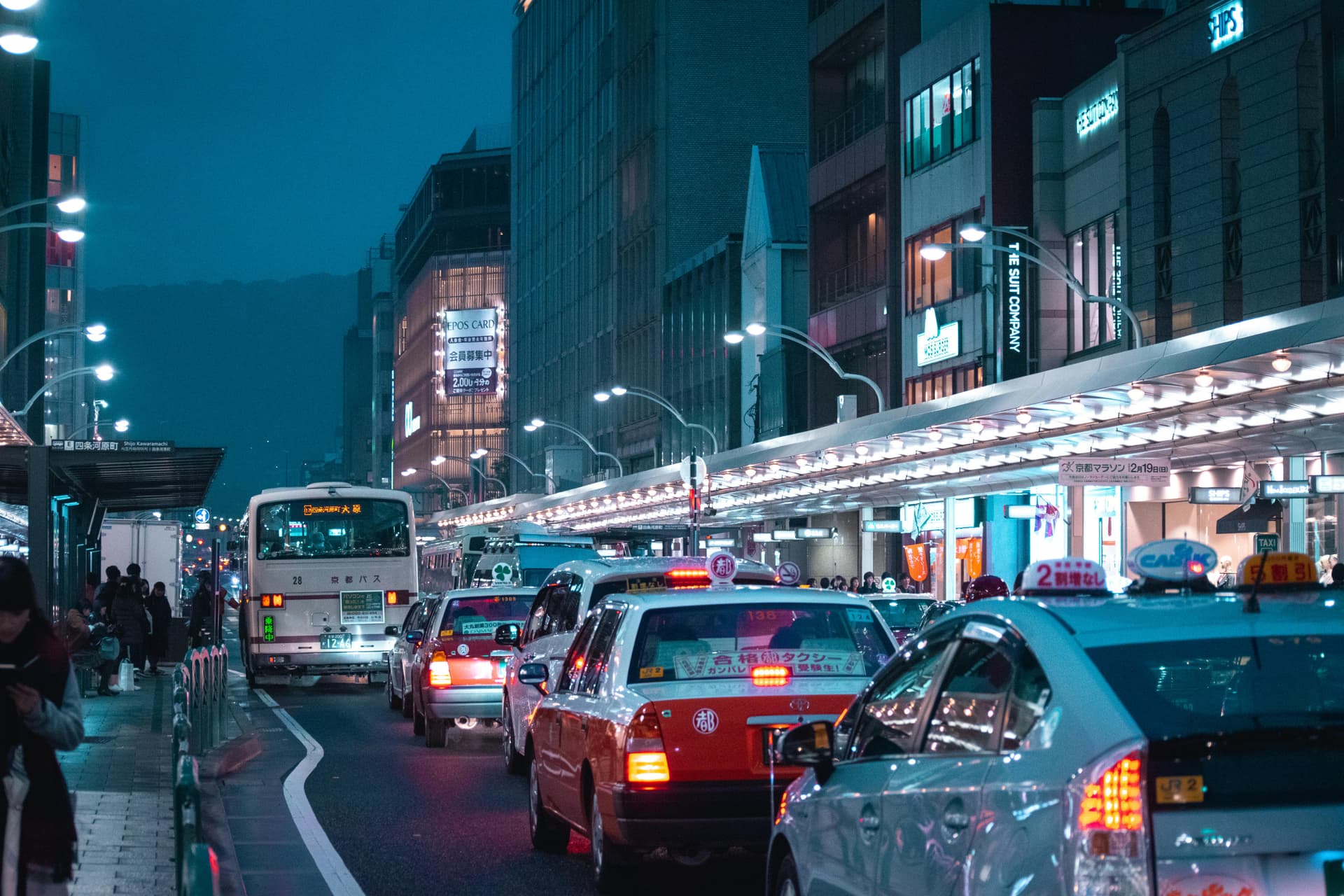
A private car tour sounds premium until you lose an hour to traffic while train passengers arrive in 3 minutes.
Private car vs walking tour in Tokyo: the car sounds premium until you lose 60-90 minutes a day to traffic while the people on the train got there in 3 minutes.
From home, a private car looks like the comfortable, efficient option. In Tokyo, the Ginza Line runs every 2-3 minutes, traffic is hard to predict, and the car can leave you sitting at one intersection while train passengers have already arrived. Across a full day in several districts, a car costs you 60-90 minutes of sightseeing, spent in traffic instead of in the neighborhoods.
When Does Transportation Actually Matter?
How you get around matters a lot on some itineraries and hardly at all on others.
Single-Neighborhood Depth
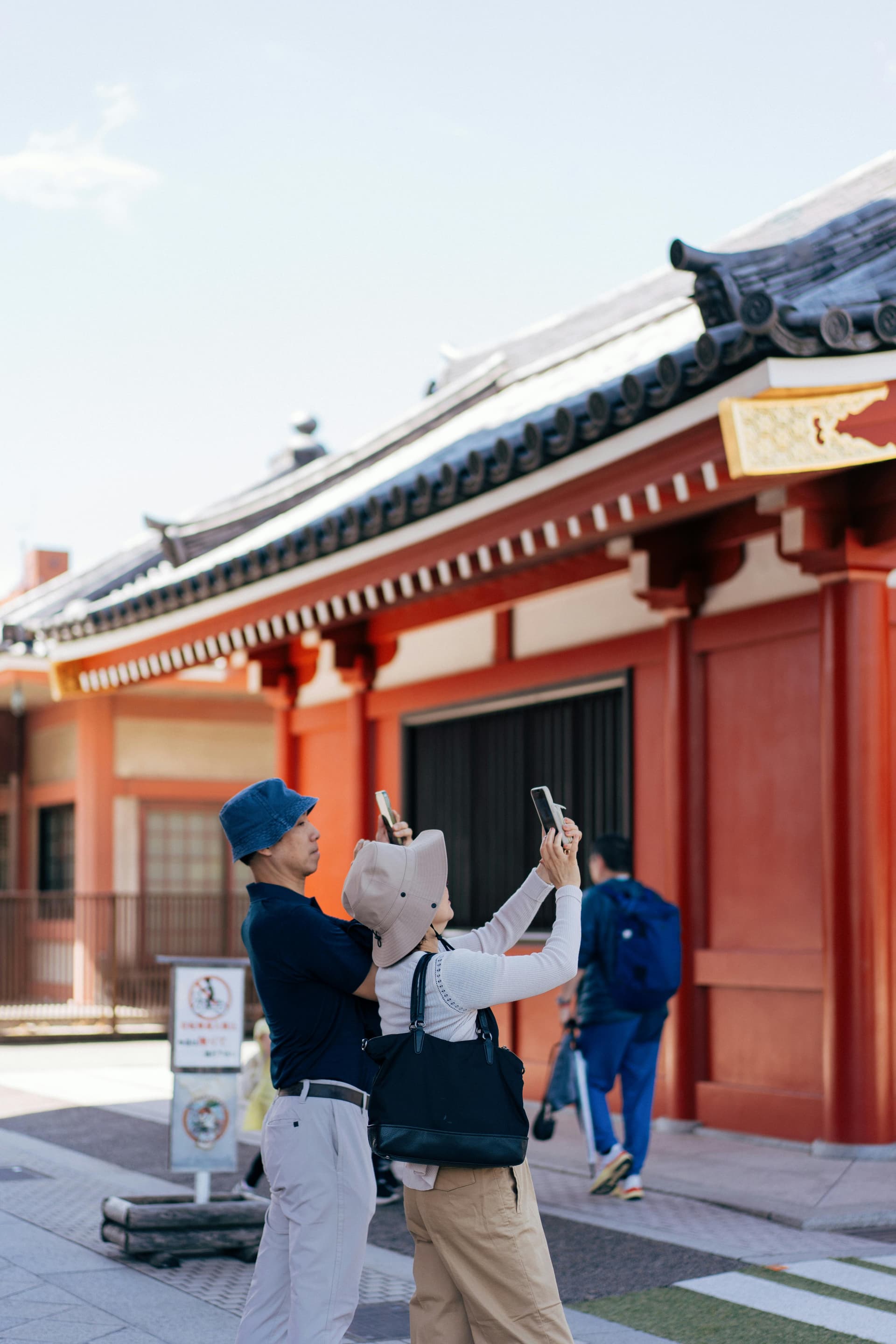
If you're spending the day in Asakusa, wandering the backstreets behind Sensoji, poking into the craft shops off Nakamise, and watching temple life, transport barely comes into it. You're staying within a 2-kilometer radius, so you walk everywhere.
Multi-District Coverage
A loop through Shibuya, Harajuku, Shinjuku, and Asakusa covers 20+ kilometers. Here, transport decides whether you see all four neighborhoods properly or rush the last one because traffic ate the afternoon.
The Real Decision Trigger
Transport becomes a real decision when you're:
-
Covering several districts in one day
-
Dealing with real mobility limits
-
Trying to get the most out of a short day
For one neighborhood in depth, any option works. For several districts, your choice shapes the whole day. Our page on how tour duration affects your options helps with this.
What a Car Actually Costs You
A car runs ¥50,000 for 4 hours and ¥77,000 for 8 hours. It also costs you time and some of the experience.
The Time Math
| Route | Train Time | Car Time | Time Lost |
|---|---|---|---|
| Asakusa → Shibuya | 33-34 min | 45-75 min | +12-41 min |
| Tsukiji → Harajuku | 20-25 min | 25-45 min | +5-20 min |
| Shinjuku → Asakusa | 25-30 min | 35-55 min | +10-25 min |
On every route, the car loses time to traffic and parking. Over a full day across 4-5 districts, that adds up. The train gives you 60-90 more minutes of sightseeing, which is often the difference between seeing four neighborhoods properly and rushing the last one.
The Experience You Skip
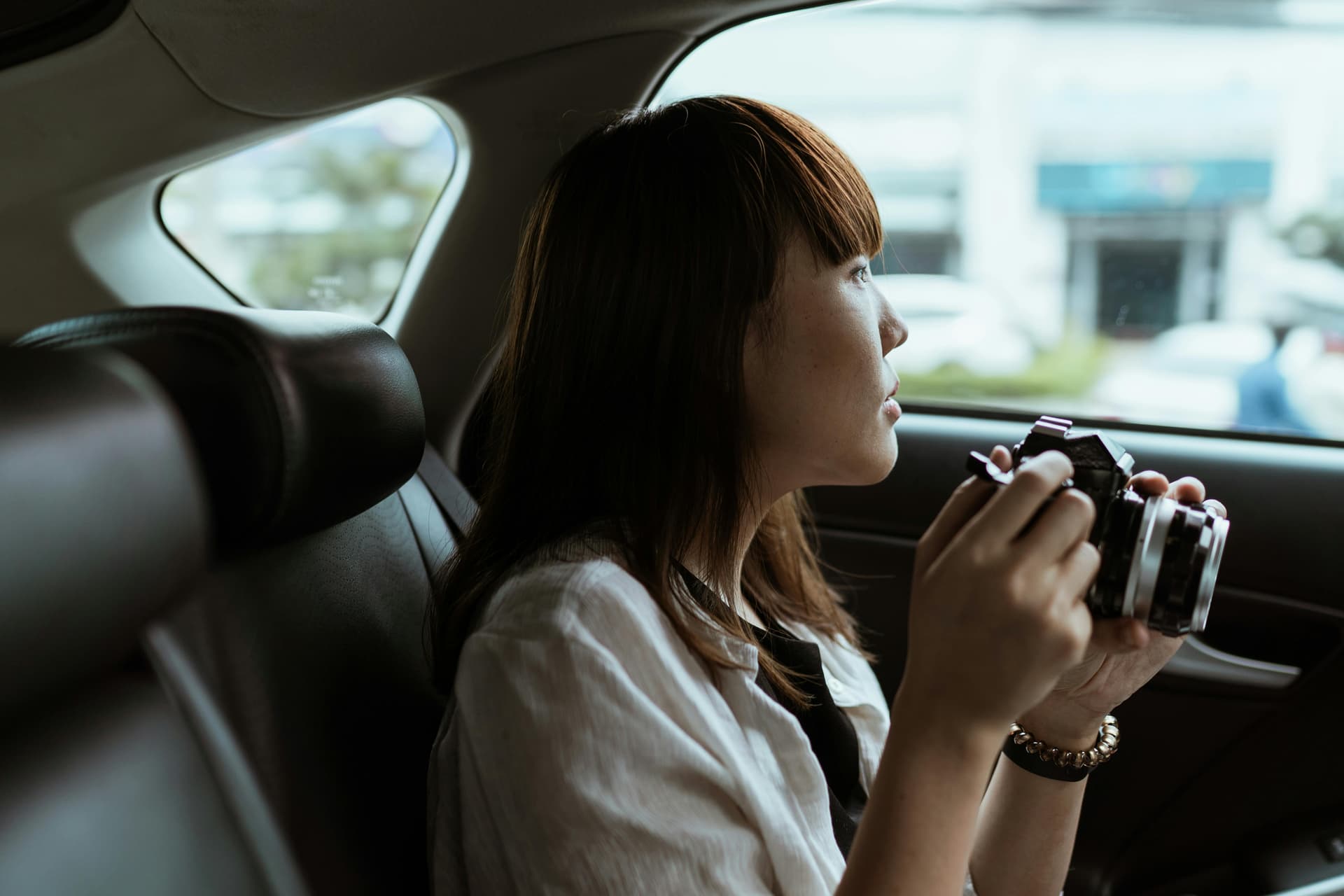
From a car you miss Tokyo's stations: the orderly rush at Shinjuku, underground passages that link whole shopping districts, and 3.6 million passengers a day moving through the world's busiest station like clockwork. You also don't learn how to get around, so you depend on someone else for the rest of your trip. And seeing Shibuya Crossing through a car window is nothing like standing in the middle of it.
The Flexibility You Lose
Say you're walking Harajuku's backstreets and your group spots an interesting alley. On a train day, the guide says "let's check it out." On a car day, the guide is on the phone arranging the driver's pickup.
Parking doesn't help either. Sensoji Temple has no parking, so drivers use the Kaminarimon Underground lot and you walk 5 minutes to the gate anyway. The car spares you the stations and still leaves you walking.
When Car Is the Right Choice
Cars solve particular problems, and it's worth knowing which ones before you pay for comfort.
Genuine Mobility Needs
A car is the right tool for wheelchair users who want to see several districts, older relatives who'd be worn out by station transfers, and anyone whose health makes stairs or long periods of standing impractical. For families with different mobility needs across generations, our Tokyo Together tour is designed for exactly that.
Luggage Logistics
If you're combining a tour with an airport transfer, you have suitcases. You can take them on trains, but dragging bags through Shinjuku Station's 200+ exits and several transfers is a hassle a car avoids.
Large Group Economics
Six adults sharing an 8-hour car charter pay around ¥13,000 each. At that price per person the comfort is easier to justify, as long as the group cares more about air-conditioned rides than stations and accepts that there will be traffic delays.
The traffic doesn't go away. A 20-minute drive at 10am can take 50 minutes at 11:30am, while the Yamanote Line keeps running every 3 minutes. Book a car when one of the situations above applies to you.
Our private car tour guide has the full picture: traffic, pricing, and who really needs a car versus who's better off on foot.
Tokyo Trains: Easier Than the Map Suggests
The subway map scares people. Using the trains is much easier than it looks.
3-Minute Frequency, 3-Minute Waits
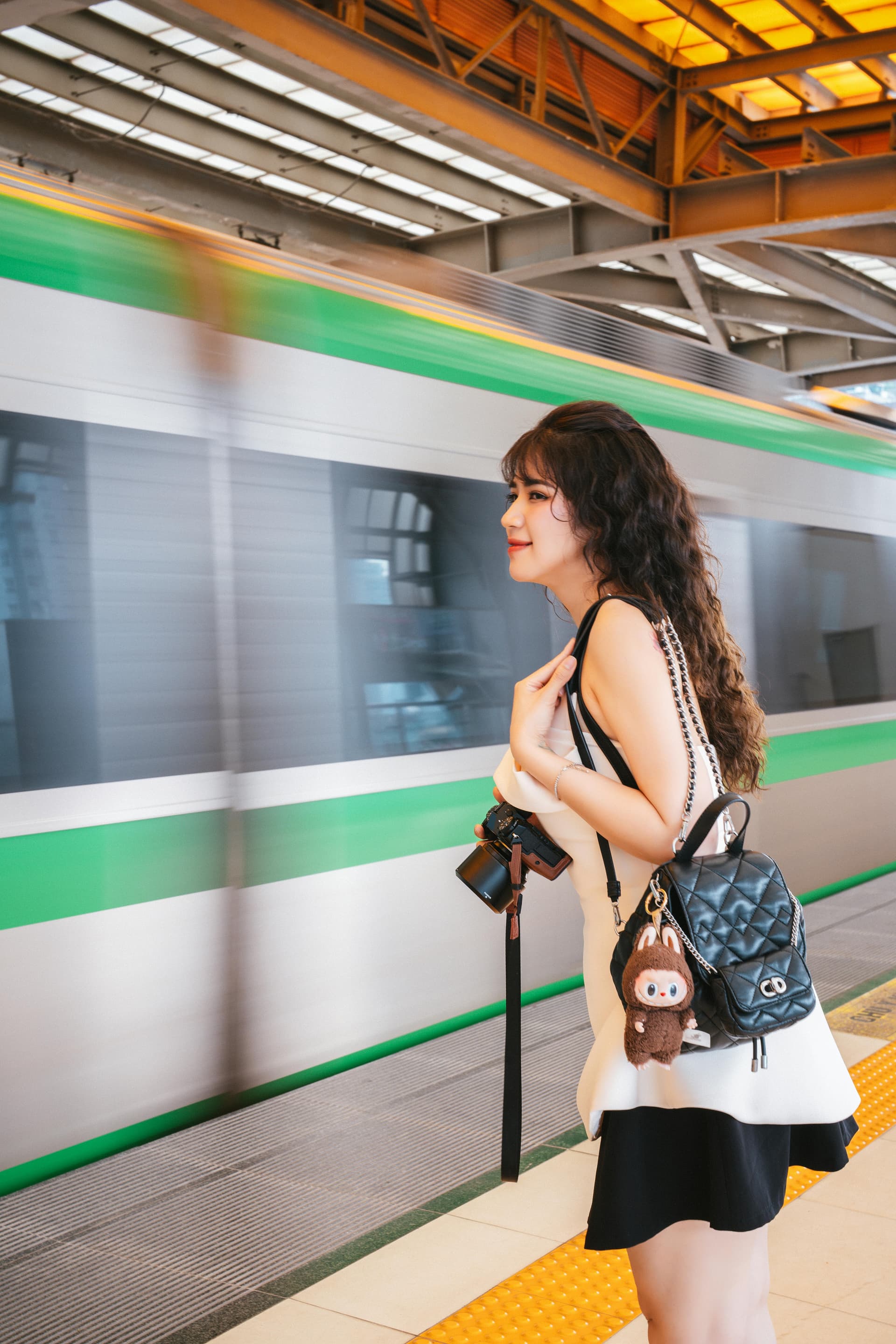
The Yamanote Line runs every 2-4 minutes at peak times and every 3.5-5 minutes off-peak. The Ginza Line runs every 2-3 minutes. You're never really waiting, whereas a "15-minute taxi ride" can stretch to 45 minutes once traffic builds.
English Signage Everywhere That Matters
Every major station (Shibuya, Asakusa, Harajuku, Shinjuku, Tokyo Station) has English on platform numbers, exit signs, and transfer directions, and many add Chinese and Korean. Announcements are in Japanese and English. Lines are color-coded and stations are numbered, so you can find your way without reading anything.
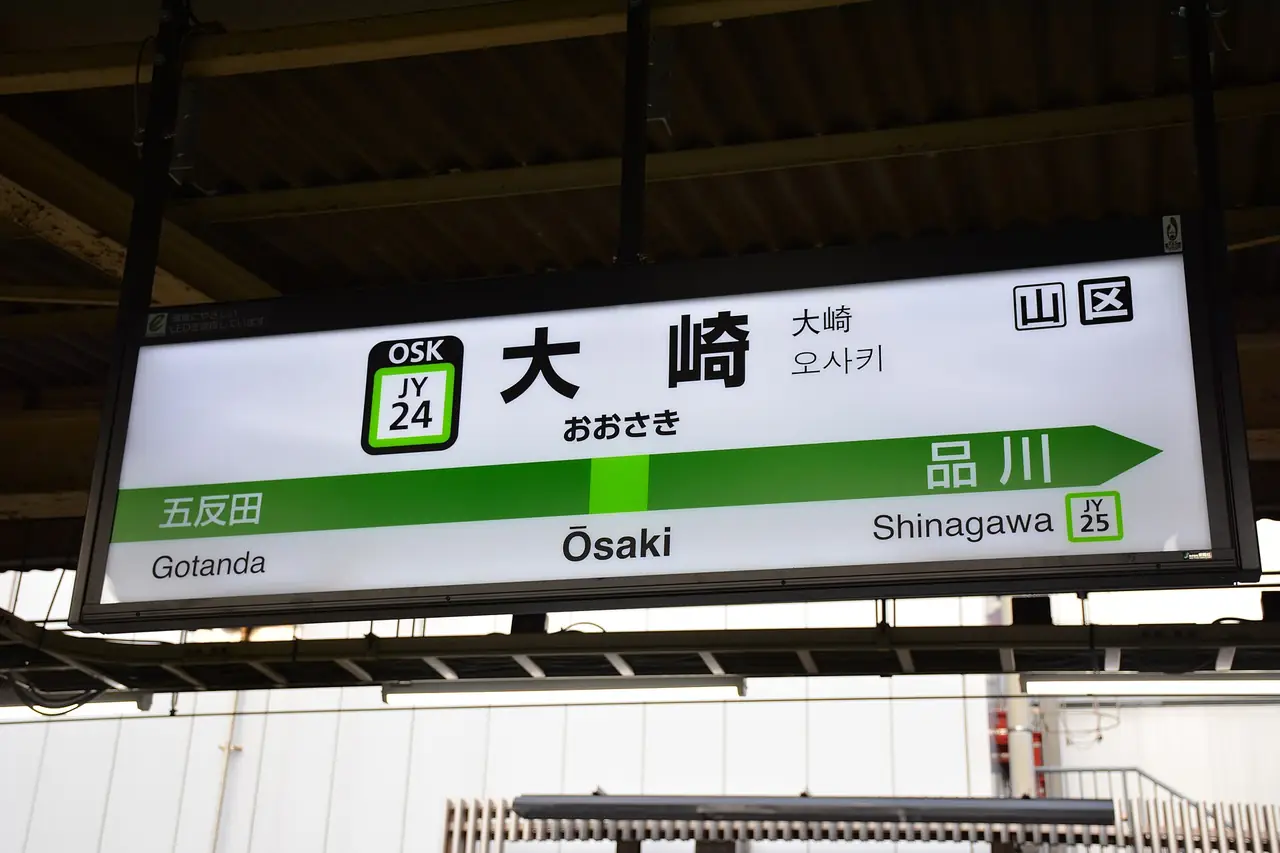
Travelers who expected chaos report the opposite. They arrive "filled with trepidation" and find the trains "a breeze and a pleasure to use."
With a Guide, Getting Lost Is Impossible
With a guide, you don't have to think about the trains at all. Your guide rides them every day and handles the route, the transfers, and which exit to take. You follow along and watch, and by the end of the day you've usually picked up enough to get around on your own for the rest of the trip.
Station Accessibility: What's Actually Possible
Modern Tokyo stations are far more accessible than people assume. Our guide to accessibility options for Tokyo private tours covers the full range of accommodations.
90% Elevator Coverage
About 90% of Tokyo Metro and Toei Subway stations have at least one barrier-free route from street to platform, by elevator, slope, or wheelchair-accessible escalator. Every Toei Subway station has portable wheelchair ramps.
At Asakusa Station on the Ginza Line, Exit 1 has an elevator, 100 meters from the approach to Sensoji Temple. At Shibuya, the JR Yamanote Line has an elevator from the platform to the Hachiko ticket gate, though the station's ongoing renovations make things harder to find. Staff can point you the right way.
What Guides Know About Routes
The elevators are there, but they're often a long way from the main exits, which means longer routes. Guides know which exits have elevators, which transfers involve stairs or level changes, and which order of stops keeps stairs to a minimum. With that knowledge, a route that would be a struggle becomes easy.
The Real Threshold
What matters is whether station transfers would spoil your day. A bit of inconvenience isn't worth ¥77,000 and lost sightseeing time. If getting through stations would wear you out before you reach the first temple, a car makes sense.
Walking Tours: The Depth Trade-Off
A walking-focused tour puts you at street level in a way trains and cars can't. It also covers less ground.
Where Walking Excels
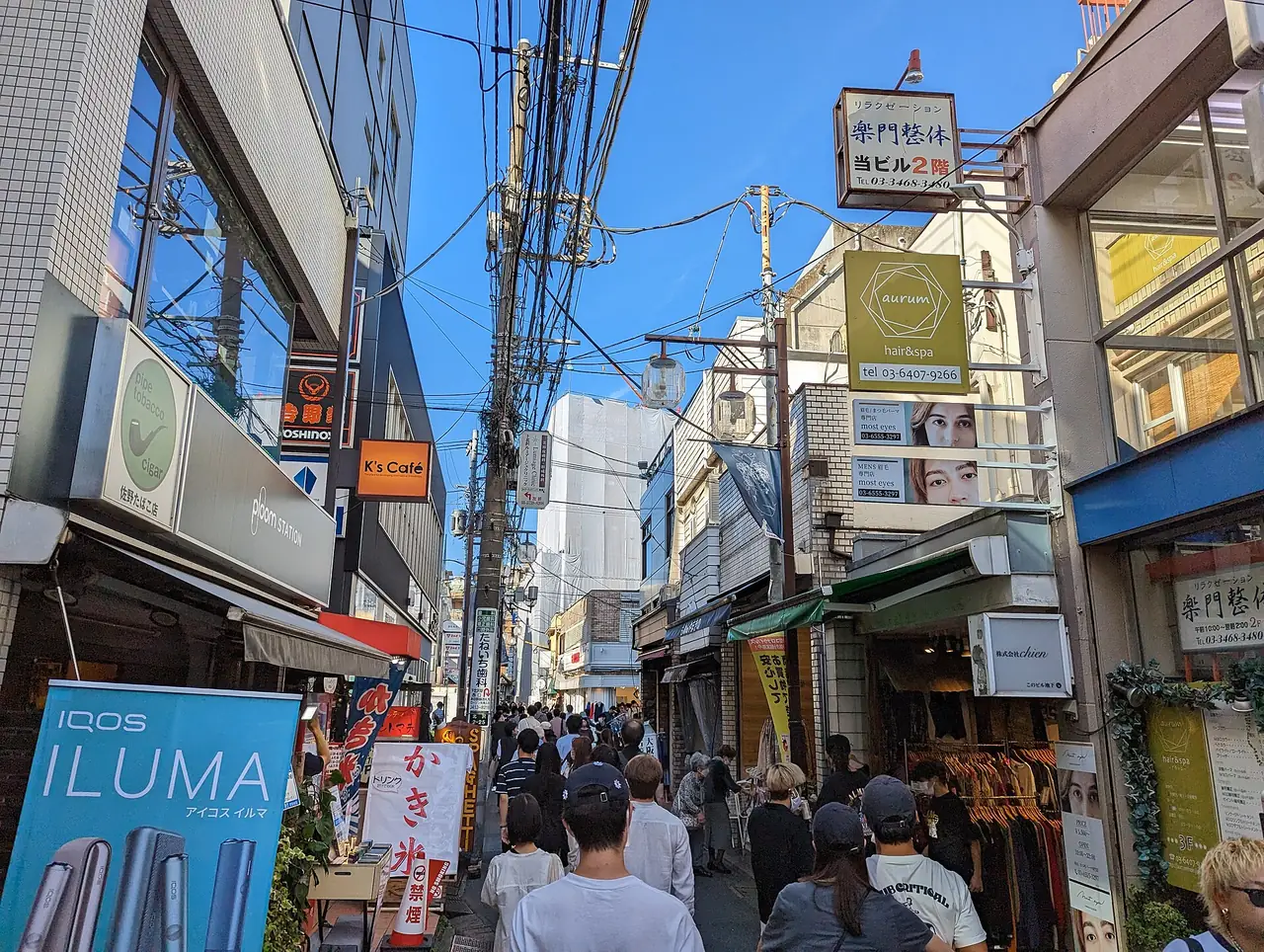
Yanaka's pre-war wooden buildings, the temple backstreets of Asakusa away from the tourist strip, and the narrow alleys of Shimokitazawa are best seen on foot. You stop when something catches your eye, and a photographer can line up a shot without worrying about the driver. You move at the pace of your curiosity. Our Ordinary Tokyo tour is built around this kind of neighborhood walking.
The 2-3 Kilometer Reality
Walking from Asakusa to Shibuya is 8-10 kilometers, or 2 to 2.5 hours on foot. A walking tour covers a 2-3 kilometer radius before stamina runs out, and after 3-4 hours most people want to sit down. A 4-hour walking tour covers 5-8 kilometers; an 8-hour tour covers 10-15 kilometers. Our page on how much walking to expect on a Tokyo private tour breaks down pacing by tour length.
Multiple Days, Multiple Neighborhoods
Walking tours work best when you spread neighborhoods over several days. Day one: Asakusa and Ueno, all on foot. Day two: Shibuya and Harajuku, also on foot. Squeeze both into one walking day and you'll either be exhausted or cut corners. For packing advice, see what to wear and bring on Tokyo private tours.
Our walking tour guide covers the rest: how train and walking legs alternate, realistic step counts, and who these tours suit.
Rush Hour: A Scheduling Problem, Not a Deal-Breaker
Pictures of packed trains push some travelers toward a car. In practice, rush hour is easy to avoid.
The Windows
Morning rush runs from 7:00-9:00 AM and is worst between 7:30-9:00 AM. Evening rush runs from 5:00-7:00 PM and is worst between 5:45-7:00 PM. Mornings are the more crowded of the two.
What Tours Actually Run
Most private tours start around 9:00-10:00 AM and finish by 4:00-6:00 PM, which misses both rush periods. You're on the trains when commuters aren't. Our page on choosing the best time of day for Tokyo private tours covers how timing plays out in different neighborhoods.
If you do end up on a rush-hour train, it's packed but orderly. Trains still come every 2-3 minutes, and you keep moving.
Seasonal Factors: When Weather Changes the Equation
The car-or-train answer changes with the season. Weather that makes walking unpleasant barely affects the trains, but it does change the case for a car.
| Season | Walking/Train Reality | Car Consideration | Recommendation |
|---|---|---|---|
| Summer (Jun–Aug) | 31°C+ with 80% humidity. Walking between stations draining. Underground stations air-conditioned. | Air-conditioned door-to-door comfort. But traffic worse during Obon (Aug 13-16). | Car more justifiable for heat-sensitive travelers. Trains still faster. |
| Rainy season (Jun–early Jul) | Umbrellas awkward on crowded trains. Station transfers mean brief outdoor exposure. | Dry door-to-door. No umbrella juggling. | Car advantage strongest here—but traffic unpredictable in heavy rain. |
| Cherry blossom (late Mar–early Apr) | Trains crowded but functional. Stations near parks extremely busy. | Traffic significantly worse. Routes near Ueno, Chidorigafuchi gridlocked. | Trains win. Car traffic during hanami can double normal times. |
| Golden Week (Apr 29–May 6) | Train crowds match rush hour all day. But trains run on time. | Highway traffic catastrophic. Surface streets congested. | Trains still faster despite crowds. Avoid car travel during GW. |
| Autumn foliage (Nov) | Pleasant walking weather. Garden areas crowded but manageable. | Moderate traffic increase near popular sites. | Best season for walking tours. Car unnecessary unless mobility requires it. |
| Winter (Dec–Feb) | Cold but dry. Underground stations comfortable. Walking brisk but fine. | Comfortable. Traffic relatively light except New Year period. | Either works. Car adds comfort without major time penalty. |
In short, a car is worth more in extreme weather (summer heat, heavy rain) and worth less in peak travel periods (cherry blossom, Golden Week), when traffic cancels out the comfort. Train times stay the same all year: the 34-minute trip from Shibuya to Asakusa is 34 minutes in April and in August.
The Cost Comparison: Real Numbers
Transport Costs for 8-Hour Day
Public Transport (IC Card)
-
Typical daily spend: ¥1,000-1,500 per person
-
Individual trips: ¥150-300 each
-
Occasional taxi for convenience: add ¥1,500-3,000
-
Total estimate: ¥2,500-4,500 per person
Private Car
-
8-hour charter: ¥77,000 total
-
Includes driver, vehicle, fuel
-
Time lost in traffic comes out of your tour hours
The Group Size Crossover
| Group Size | Car Cost per Person | Public Transport per Person |
|---|---|---|
| 2 people | ¥38,500 | ¥2,500-4,500 |
| 4 people | ¥19,250 | ¥2,500-4,500 |
| 6 people | ¥12,833 | ¥2,500-4,500 |
Even with 6 people, the car costs ¥12,833 each, well above the ¥2,500-4,500 for public transport. The gap shrinks as the group grows, but the car stays more expensive. That changes only if comfort or mobility matters more to you than cost. Our page on how group size affects Tokyo private tours covers the other trade-offs.
These are transport costs only. Guide fees are separate whichever way you travel.
The Hybrid Approach: Right Tool for Each Leg
You don't have to pick one mode for the day. Use each where it works best.
Example Full-Day Flow
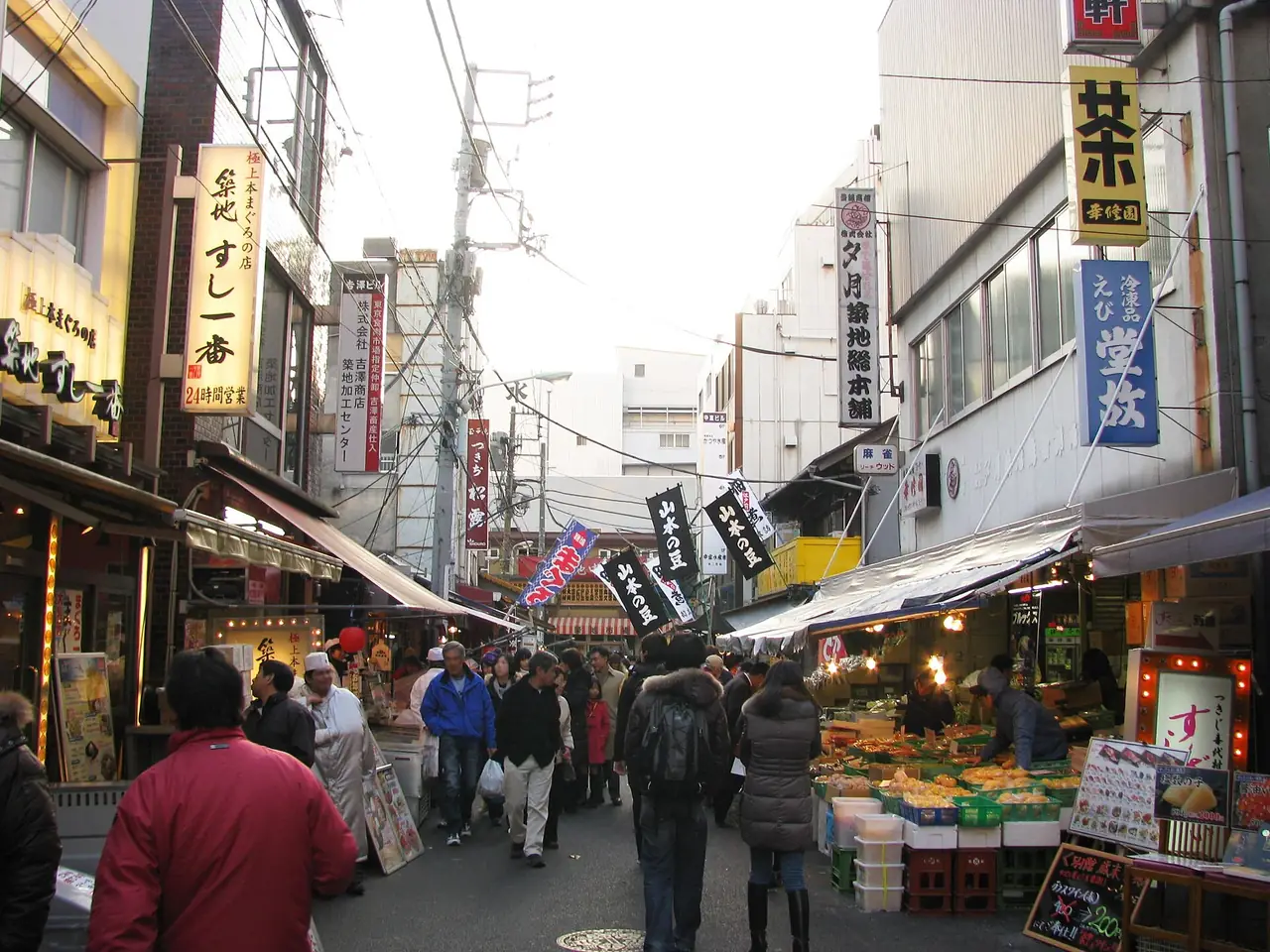
Your guide meets you at the hotel and you take the Hibiya Line to Tsukiji, 20 minutes. Spend 2 hours walking the outer market. Take the train to Asakusa, 25 minutes with one transfer, and explore the temple district and backstreets on foot. Ride the Ginza Line to Omotesando, in the Harajuku shopping district, and walk Omotesando, Cat Street, and Takeshita Street. Then it's one stop on the JR Yamanote to Shibuya, 3 minutes. By late afternoon you're tired, so you take a taxi back to the hotel.
Decision Triggers During the Tour
The guide watches how things are going and adjusts:
-
Group running low on energy → taxi instead of train
-
Connection too tight → a quick taxi
-
Exploring a neighborhood → walk
-
Moving between districts → train, the fastest option
Nothing is fixed in advance. The guide sorts out the logistics as the day goes.
Why This Works
Trains get you between districts quickly, walking lets you see each neighborhood up close, and a taxi helps when you're flagging. It's how Tokyo residents use the city, picking whatever fits the trip at hand. Our Infinite Tokyo tour works this way, changing transport to suit conditions through the day.
Making the Decision: A Framework
Decision Matrix
| Mode | Best For | Key Advantages | Trade-offs |
|---|---|---|---|
| Private Car | Wheelchair users, luggage days, 6+ people prioritizing comfort, medical conditions | Climate-controlled, no station navigation, door-to-door | Traffic delays (60-90 min lost), highest cost (¥77k/8hr), miss station energy |
| Public Transport | No mobility constraints, want max sightseeing time, budget-conscious | Predictably fast (every 2-3 min), 60-90 min time advantage, learn navigation, low cost (¥2,500-4,500/person) | Rush hour crowding possible, station transfers required |
| Walking Focus | 1-2 neighborhoods in depth, photography priority, multiple days available | Street-level immersion, spontaneous stops, deep neighborhood feel | Limited to 2-3 km radius, 3-4 hour stamina limit, can't cover multiple districts |
| Hybrid | Most travelers, flexible needs, mixed group requirements | Right tool for each segment, adjusts to conditions, balances efficiency and comfort | Requires guide coordination, variable costs |
The Short Version
If you have no mobility limits, mix them: trains between districts, walking within neighborhoods, a taxi when you're tired. You'll see more and spend less. First-time visitors often find that a structured first day like our Tokyo Essentials tour gives them the confidence to get around alone afterward.
Whichever mode you pick, a guide who knows Tokyo handles the logistics, so your day goes on the city instead of on getting around it.
Frequently Asked Questions
Is a walking tour or car tour better in Tokyo?
For most travelers, walking. Much of the best of Tokyo, like backstreet izakayas, temple grounds, and the feel of a neighborhood, only works on foot. A car makes sense for mobility limits, VIP service expectations, or far-off places like a Mt. Fuji day trip. For ordinary sightseeing, walk.
How much does a private car tour cost?
A full-day private car with driver costs ¥70,000-100,000 ($470-670) on top of guide fees, which roughly doubles the cost of the tour. That's worth it for accessibility needs or if you want a luxury experience. For ordinary touring it's a lot of money for what it adds.
Can I use trains instead of a car?
Yes, and if you can, you should. Tokyo's trains are fast and reliable and go everywhere tourists want to go. Trains plus walking cover more ground than a car stuck in traffic, and with a guide showing you the system there's very little to learn.
When does a private car make sense?
When someone has mobility challenges (a wheelchair, a walker, very limited stamina), when you have very young children and strollers, when you expect VIP luxury service, or when you're heading outside the train network or want to skip station transfers on trips to Mt. Fuji, Kawagoe, or Nikko.
What's the hybrid approach?
Trains between districts because they're fastest, walking within neighborhoods because that's where the good stuff is, and a taxi when you're tired or running late. Experienced guides work this way, picking the transport that suits the moment instead of sticking with one for the whole day.
Where Hinomaru One Fits
When your guide handles transport, you don't have to decide it in advance. Your guide uses trains between districts, walks you through neighborhoods, and calls a taxi when you're tired, adjusting as the day goes.
At Hinomaru One, we run private Tokyo tours for first-timers and repeat visitors, at an easy pace and built around what you want to see.
Photo credits
- Yamanote Line station sign at Osaki showing station number JY24 and English names: Cheng-en Cheng from Taichung City, Taiwan / Wikimedia Commons, CC BY-SA 2.0, resized
- Shoppers walking a lane of food stalls in the Tsukiji Outer Market: Aimaimyi / Wikimedia Commons, CC BY-SA 3.0, resized


![How Much Is a Tour Guide in Tokyo? [$200–$540/Day, 2026 Guide]](/_next/image?url=%2Fimages%2F37505d69f17f.png&w=1920&q=75&dpl=dpl_2hQXgXQmWb6iVmAB2GvwsWom9dXh)
.jpg)
