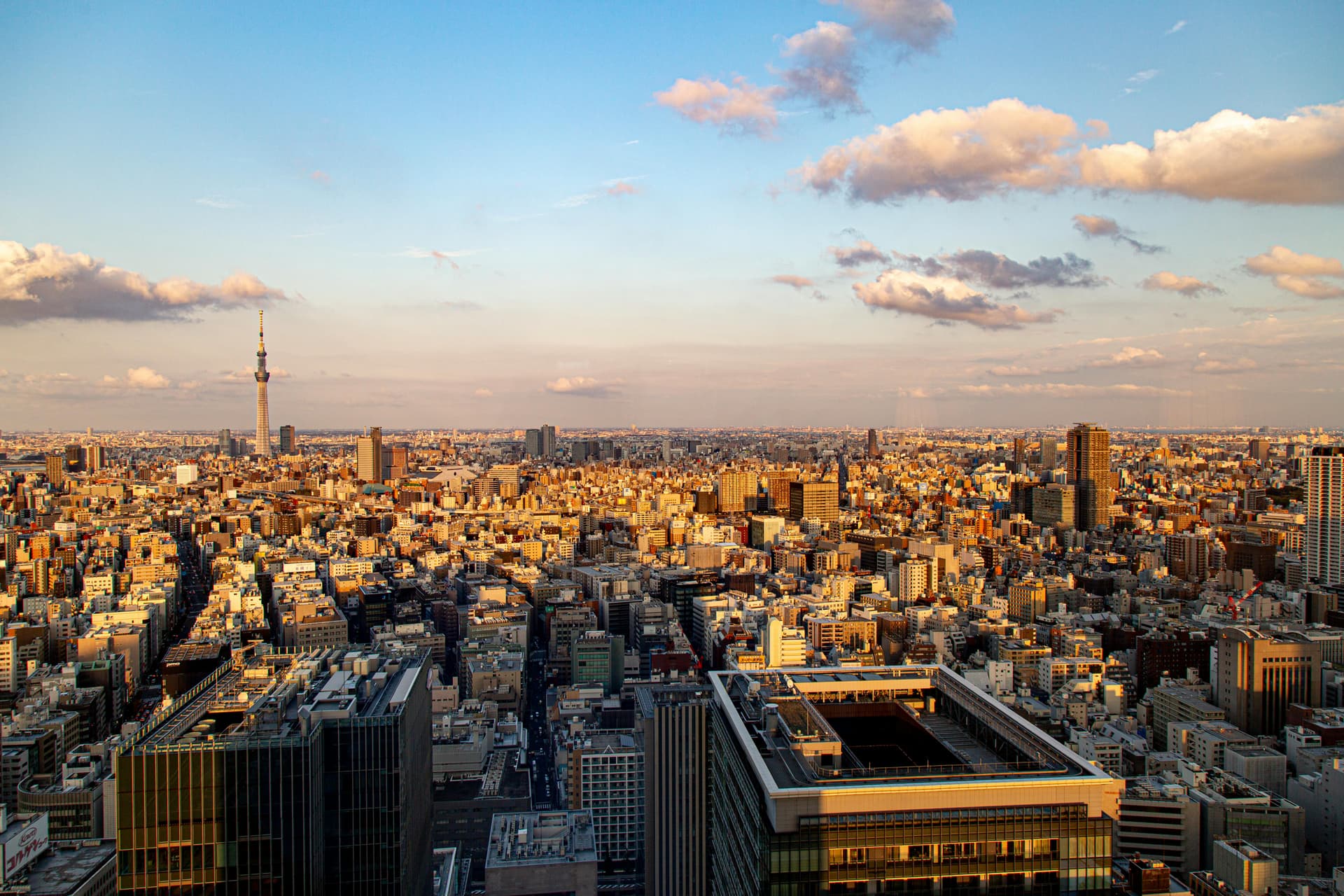
The question isn't "morning or afternoon?" It's "which day of your trip?" Your first 48 hours run on a different clock.
The best time of day for Tokyo tours depends on your body clock, and the question that decides it is which day of your trip you're booking. After a transpacific flight, your first 48 hours run on a different clock from the rest of the trip.
Most tour companies start at 9am by default. That time suits the operator's schedule, and it has little to do with how travelers feel. In the first 48 hours after a transpacific flight, your body has its own plans regardless of what the booking form says.
The 9am Default Is Designed for Guides, Not Guests
Why 9am Became Standard
Tour operators like a predictable day. Starting at 9am means the guide is done by late afternoon, the group is moving after rush hour (7:30-9:30am) has eased, and it fits the assumption that travelers want to "make the most of the day."
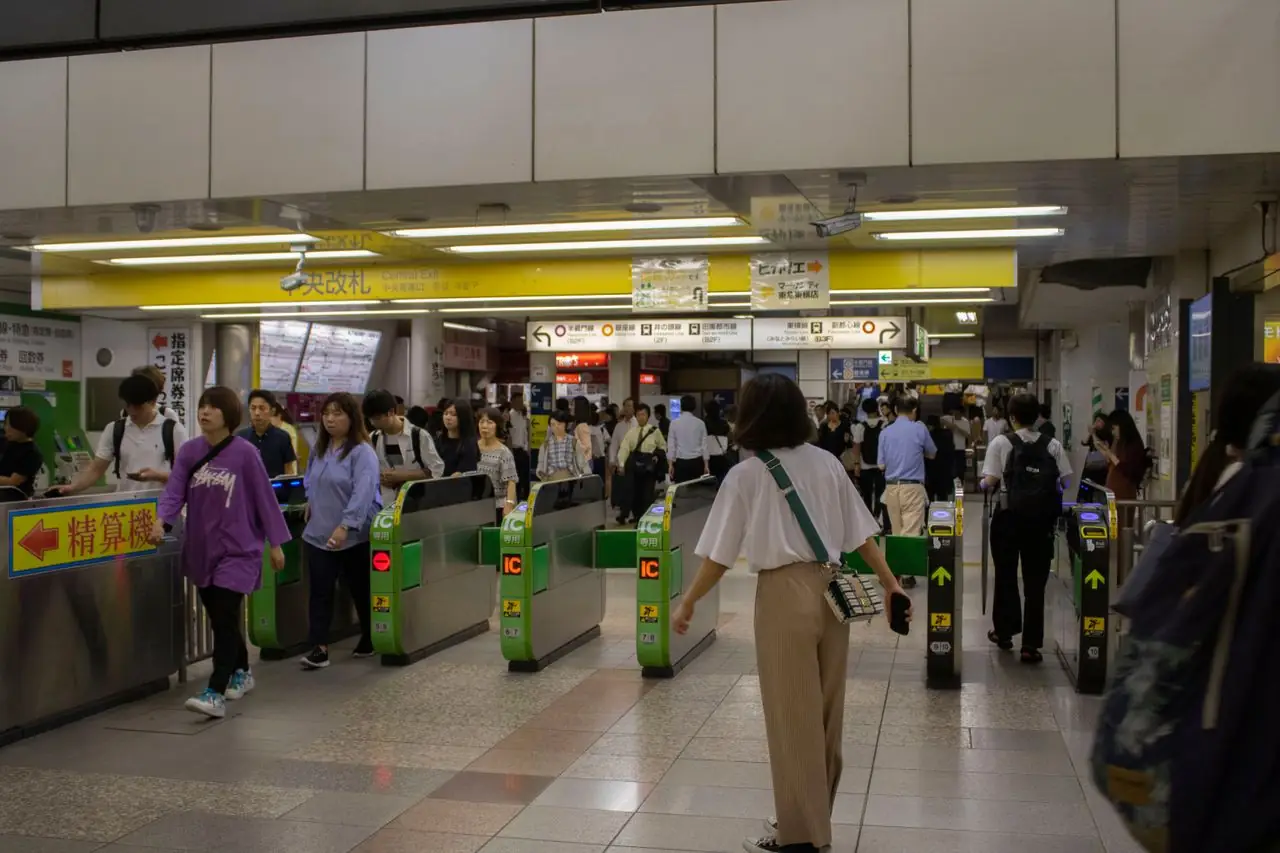
None of that takes into account what crossing 13-16 time zones does to you.
When 9am Works Against You
Land in Tokyo on Day 1, book a 9am tour for Day 2, and you've put an expensive day out right in the window when your body is least predictable. You may not have the energy that day for what you've paid for.
Your First 48 Hours Run on a Different Clock
The Day 1-2 Pattern (Wake Early, Crash by 7)
If you've flown in from the US (a 13-16 hour time difference), the first 48 hours usually go like this:
-
You wake very early, around 3-5am, wide awake and unable to get back to sleep
-
You're fine through the morning, with energy peaking before noon
-
You crash mid-afternoon, and concentration and enthusiasm fall off sharply
-
You're finished by evening and struggle to stay up past 7-8pm
That's circadian biology, and it happens to everyone. Your internal clock shifts roughly one day per time zone crossed. Getting to where you can do normal things takes 3-4 days, and full adjustment takes much longer.
Flying from the US to Japan is westward, which helps: your body clock is being delayed rather than advanced, which is easier. The flight home will be harder.
Day 3-4 and Beyond (Your Rhythm Returns)
By Day 3-4 most people have settled. You'll still wake earlier than at home, but the afternoon crash is milder, you can stay up in the evening again, and you get through a full day without the big swings.
From here a standard 9am-5pm tour is fine.
Why This Changes Everything About Tour Timing
Put the same tour on Day 2 and on Day 4 and you'll have two very different days. The guide and the city are the same both times, and the only thing that changed is you.
We think of it as giving an expensive day the same care you gave to booking the flight that got you here.
Tokyo Runs on Multiple Clocks
Your body isn't the only schedule to work around. Tokyo has its own overlapping hours, and they don't line up with the generic advice that morning is always best.
What Actually Closes (Tsukiji, Shrine Hours)
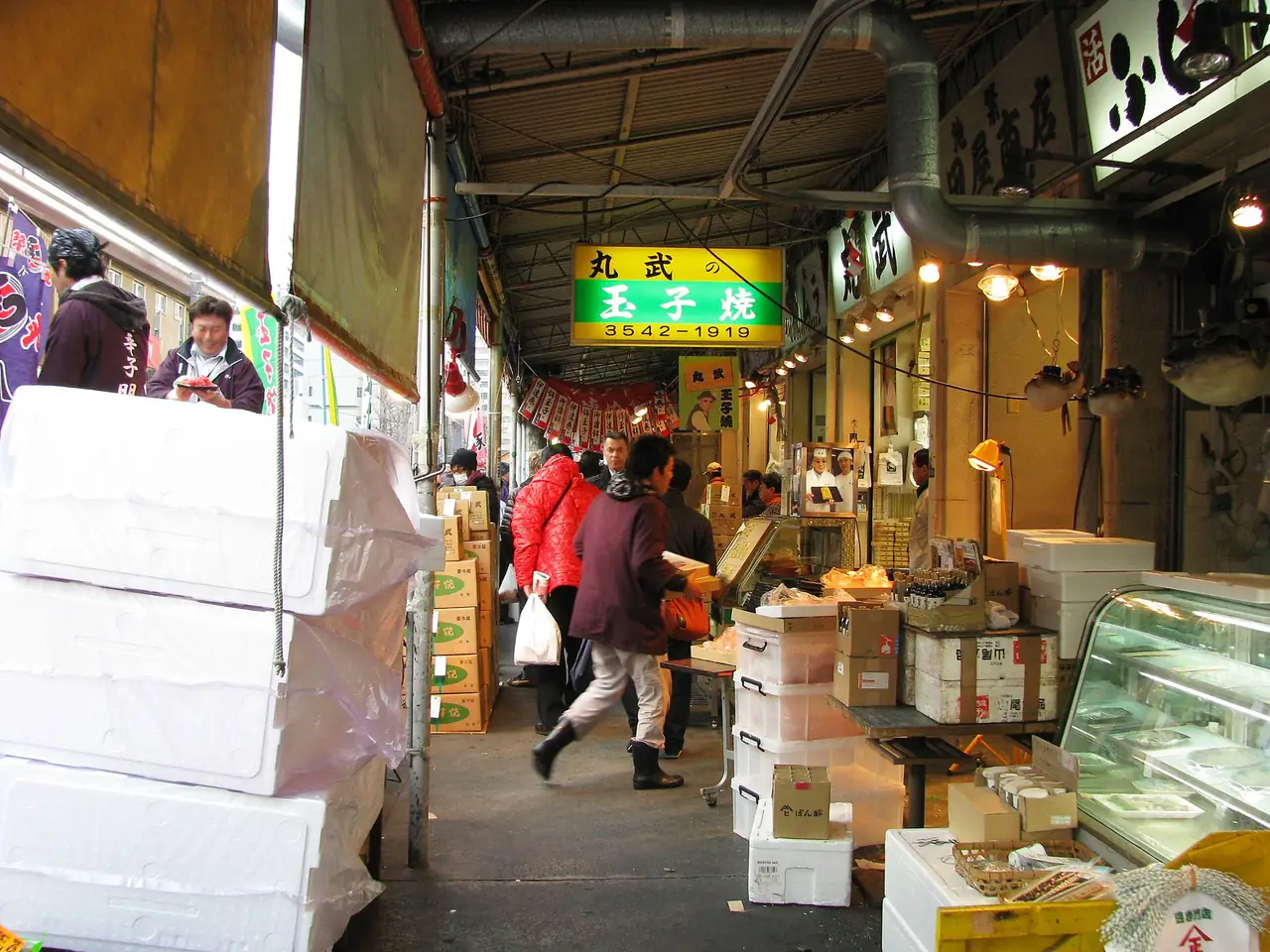
Tsukiji Outer Market is a morning market. Most shops open between 5-6am, breakfast is busiest from 7-9am, plenty of vendors are packing up by noon, and by 2pm the place is mostly closed. If Tsukiji is on your list, the tour has to start early enough to get there while it's running. We go through what a Tsukiji tour covers in a separate guide.
Meiji Shrine opens at sunrise (between 5:00-6:40am depending on season) and closes at sunset (between 4:20-6:30pm). Arrive at 4pm in winter and they'll be closing up.
Sensoji Temple's main hall opens at 6:00am (6:30am October-March) and closes at 5:00pm. The grounds are open 24/7, and the buildings stay lit until 11:00pm.
What Only Comes Alive After Dark (Neon Tokyo)
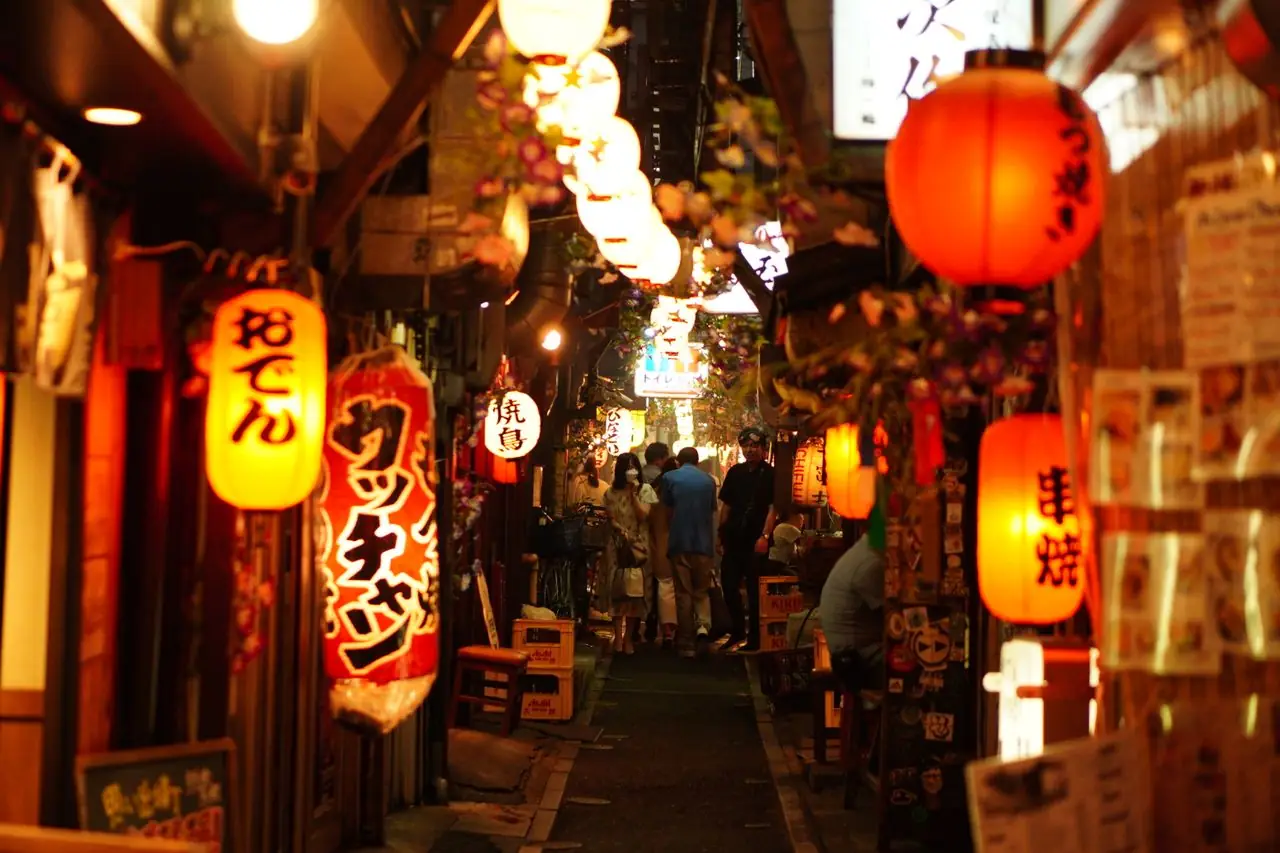
Shibuya and Shinjuku look like different places after sunset. By day they're transit hubs with shopping. After dark the neon comes on, izakayas fill with people coming off work, and the entertainment districts take over.
A Shibuya tour that finishes at 5pm leaves before the neighborhood looks like itself.
Golden Gai, Shinjuku's warren of tiny bars, barely gets going before 8pm. Most bars open around then, and the busiest hours are 10pm-2am. Turn up at 6pm and you'll find empty lanes and closed doors.
The Trade-Off: Nakamise Opens at 10am, Crowds Arrive at 10am
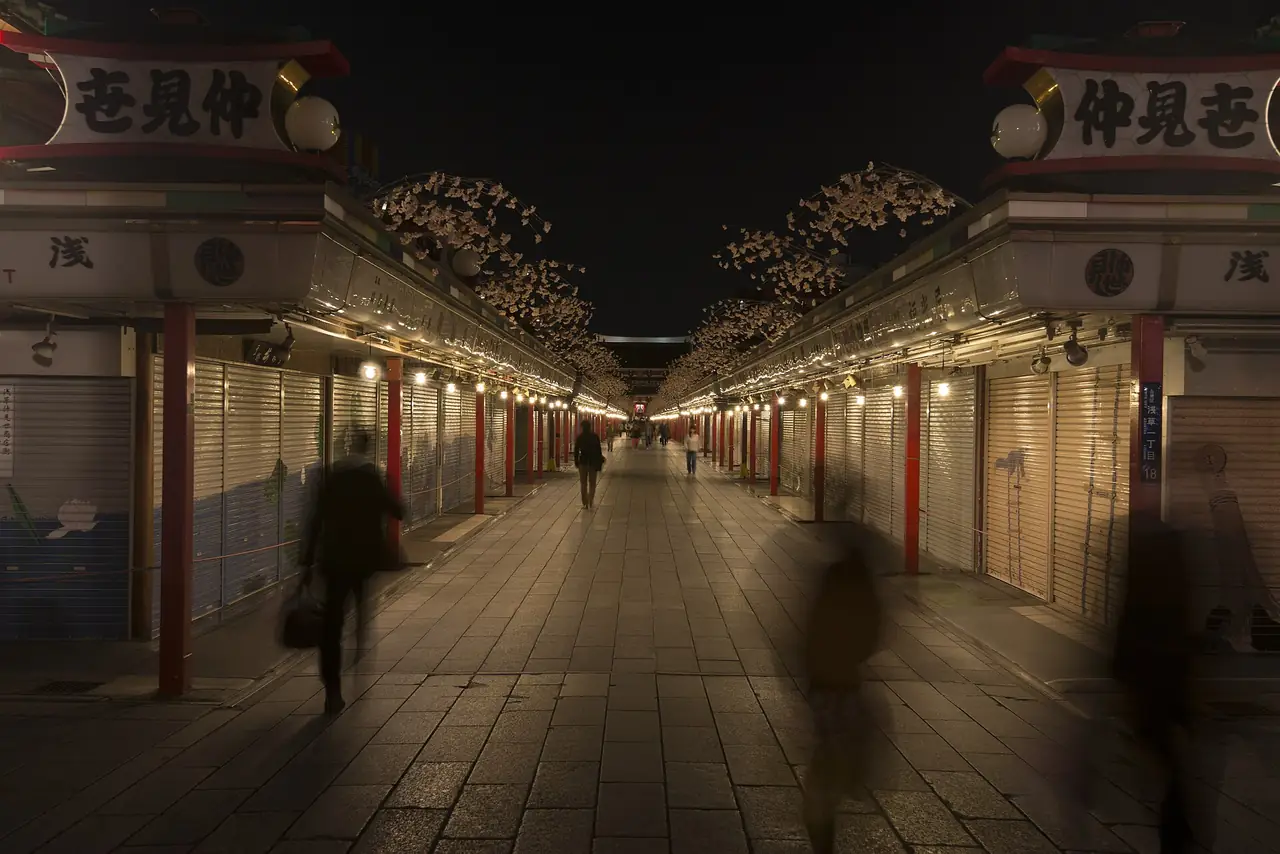
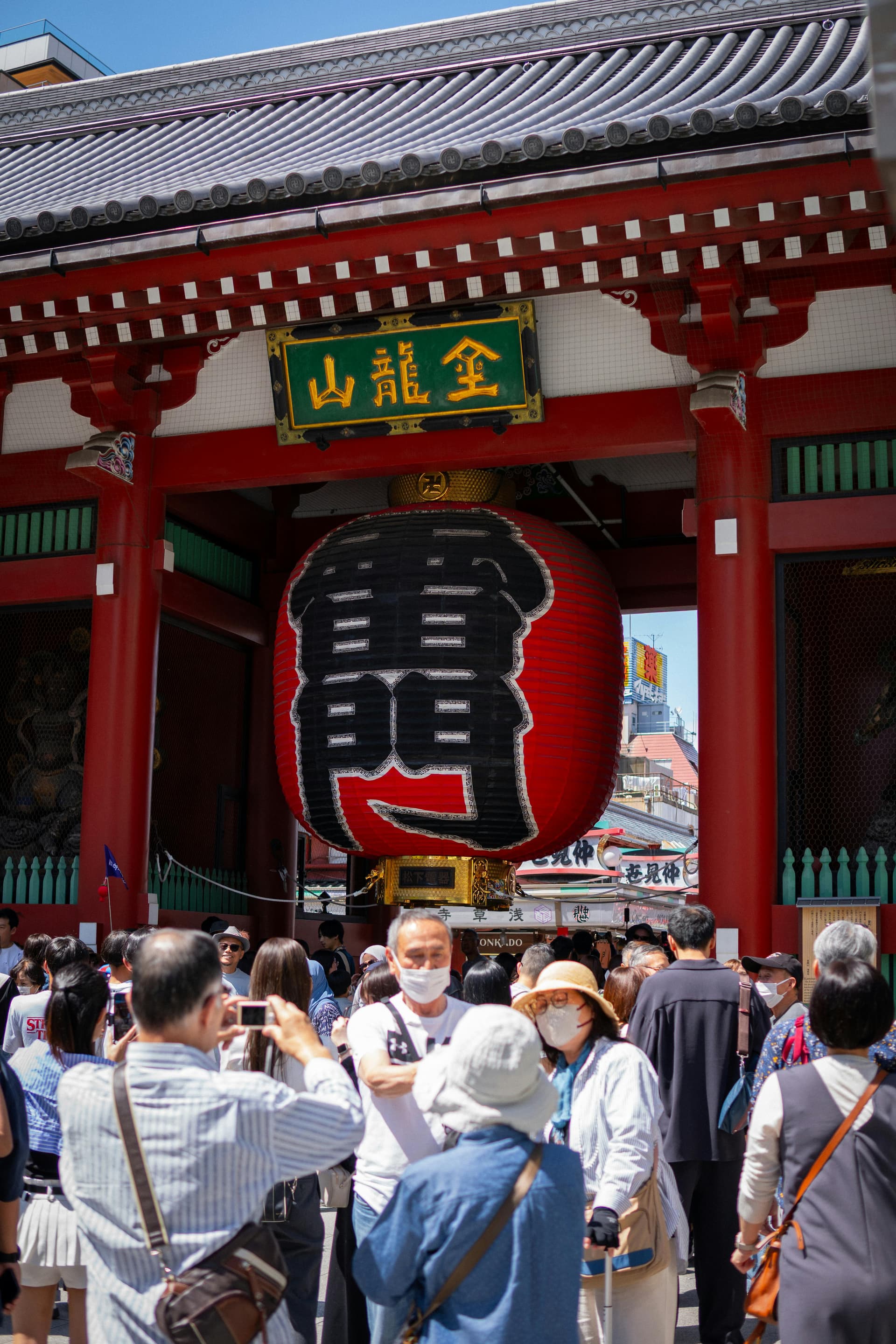
Before 8am Sensoji is quiet, but the shops along Nakamise don't open until 9-10am. Go early and you'll have the temple grounds almost to yourself while the shopping street is still shuttered.
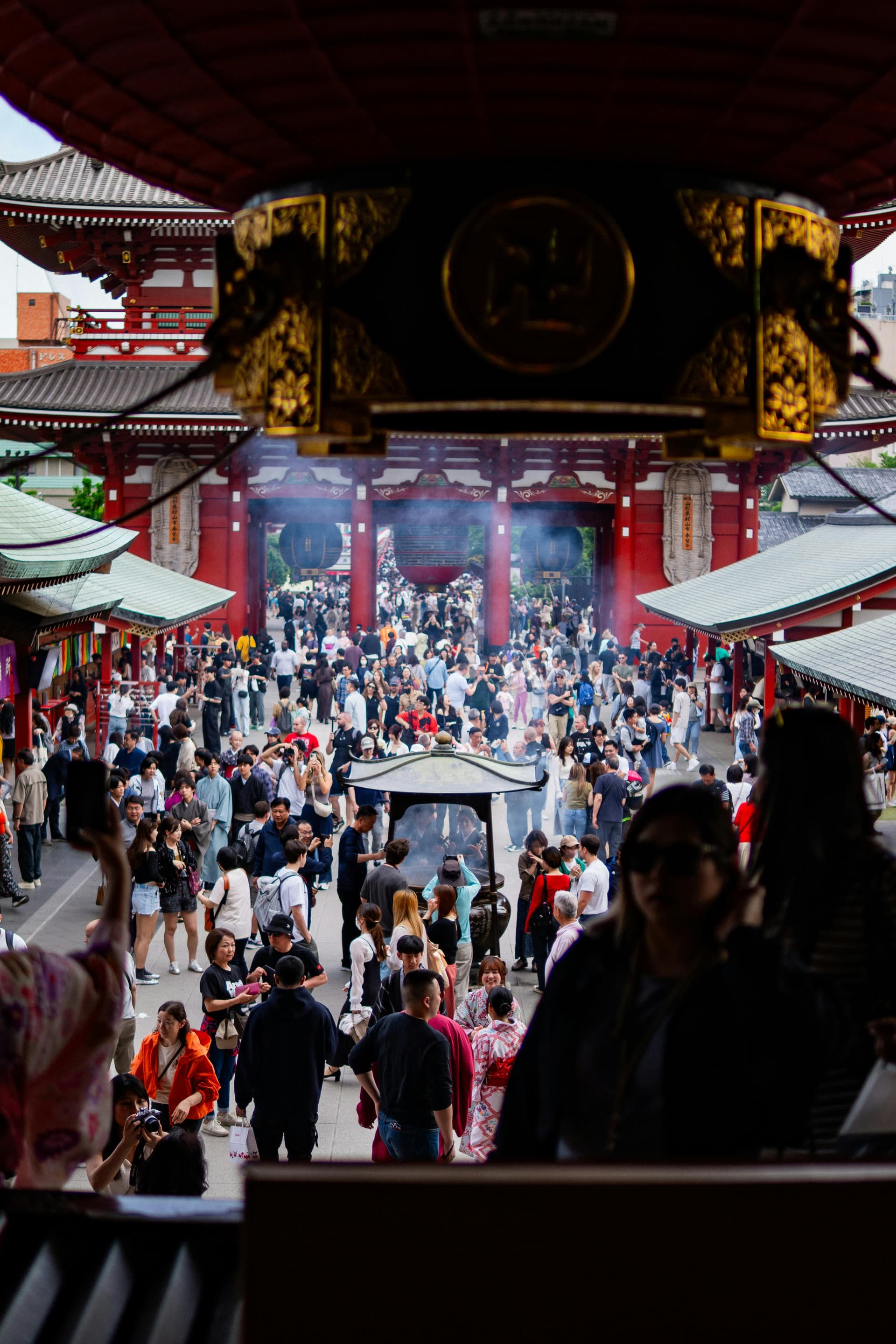
The shops are open by 10am, and so are the crowds. On weekends the worst of it runs 10am-3pm, when Nakamise is close to impassable.
Evening is a third option. The shops shut around 5pm, but the grounds empty out, the lights come on, and the restaurants start opening for dinner. Our guide to Asakusa goes into Sensoji timing in more detail.
No time gets you everything, so pick the trade-off that suits what you care about.
Evening May Be the Sweet Spot You're Overlooking
The usual advice is to go early, beat the crowds and use the daylight. That assumes you've already adjusted and that crowds are your biggest problem.
If you're still adjusting to Tokyo time, evening usually works better.
When the Crowds Leave (And the Lights Come On)
After 5pm the temple crowds thin out and the neon districts wake up. The city that felt like a logistics puzzle at noon starts to look like the Tokyo you came for, which a morning tour booked because it felt sensible can miss entirely.
The Afternoon Start Strategy
On Day 1-2 a standard 9am-5pm tour is the worst choice you can make. It runs straight through your crash and up to the point where you can't stay awake.
Two options work better: a morning tour that finishes by 2pm, before the crash, or an evening tour that starts at 5pm, once you've recovered.
Group Dynamics Change the Equation
What suits a solo traveler is different from what suits a family of four across three generations.
Traveling with Kids (Use Their Jet Lag)
Jet-lagged kids wake even earlier than their parents, so use it. Start early (8-9am) while they're at their best and plan to finish by early afternoon (2-3pm), before anyone falls apart.
A 6-hour tour that ends at 3pm goes much better than an 8-hour day that ends in meltdowns at 5pm. We cover family-specific tour strategies in their own guide.
Traveling with Elderly Family (Protect Their Energy)
Older travelers need more breaks and take longer to get over jet lag. A later start at a slower pace suits them better than an early morning push.
Start at 10am or later, build in a seated lunch, and finish before the evening rush. A half-day format (4 hours) is another good option when energy is limited.
Couples and Friends (Evening Usually Wins)
Couples who want atmosphere get more from an evening tour: temples lit up at night, neon streets, dinner in an izakaya, the Tokyo you've seen in films.
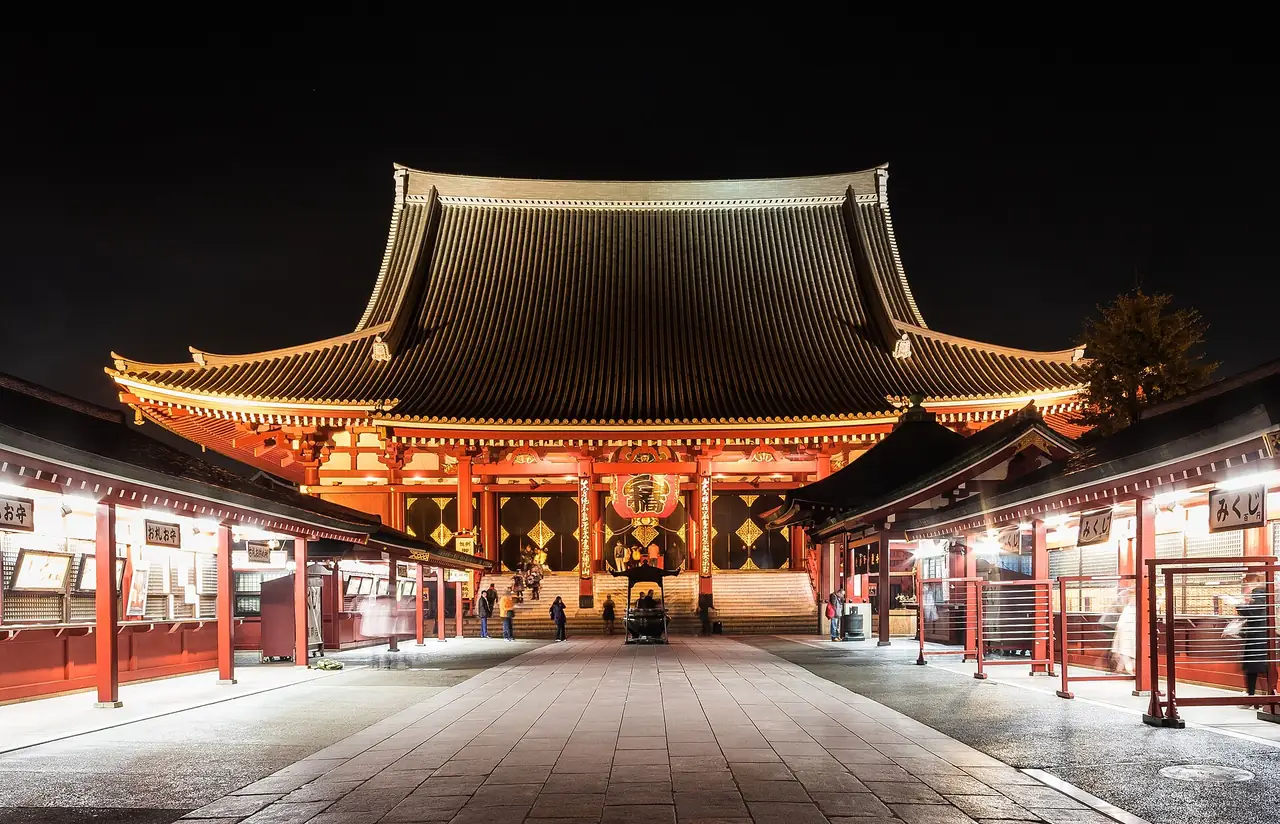
If the mood matters more to you than ticking off sights, start in the late afternoon and let the tour run into the evening.
Matching Tour Products to Their Natural Timing
Some of our tours are tied to a time window and some can move.
Morning-First Tours
Tokyo Essentials starts at 8:45am because it reaches Tsukiji Outer Market at 9:30am, and the market closes by noon-2pm. That's why there's no afternoon version of it.
Tokyo Together (family tour) also starts at 8:45am and reaches Tsukiji at 9:30am. It runs 6 hours and finishes around 3pm, before the family runs out of energy.
Timeless Tokyo and Ordinary Tokyo (8-hour tours) start at 8:45am for the morning light at the historical sites and the bustle of the residential neighborhoods. Ordinary Tokyo ends at 5pm in Yurakucho on purpose, to catch the salarymen heading out after work, which is part of what the tour is about.
Evening Tours
Standing Room Only starts at 6:15-6:30pm and runs until 10:30pm. It's an izakaya crawl through Suginami Ward, and the standing bars, the after-work crowd and the old alleyways only exist after dark, so there's no morning version.
Kushiyaki Confidential starts at 3:45pm and finishes around 9:30pm. Starting late in the afternoon lets you watch daytime Shibuya give way to evening izakaya culture in Ebisu and Nakameguro.
Tokyo Trifecta starts at 1:45pm and ends at 5:30pm in Golden Gai with a toast. The timing is deliberate: Meiji Shrine in daylight, Harajuku's young crowd, then Shinjuku in the early evening as the lanterns come on and the salarymen fill the alleys.
Full-Day Tours (Split the Day Strategically)
With eight hours you decide whether to load the morning or the evening.
Infinite Tokyo (fully custom, 8 hours) can go either way. Start early if Tsukiji matters to you, or start later and run into the evening if the neon districts do.
It comes down to which neighborhoods you care about most. Tsukiji needs the morning and Golden Gai needs the evening, so if you try to fit both into one tour, one of them gets shortchanged.
A Decision Framework
Three Questions That Determine Your Start Time
1. Which day of your trip are you booking?
On Day 1-2 your body clock will undermine a standard schedule, so plan around the crash. From Day 3+ normal timing works, because your rhythm has settled.
2. Does your must-see list include time-locked activities?
Tsukiji is morning only, and Golden Gai and neon Tokyo are evening only. For temples without the shopping, go early morning or evening. For temples with the Nakamise shops, go mid-morning and accept the crowds.
3. What's your group composition?
With kids, start early and finish early. With older relatives, start later, go slower and keep it shorter. Couples usually want the evening for the atmosphere. For several generations at once, think about two half-day tours instead of one full day.
If You're Booking for Day 1 or 2
Pick one of these:
-
Start early and finish early: leave at 8am and wrap up at 2pm, which covers the whole time you're alert.
-
Go in the afternoon or evening: leave at 5pm and finish at 10pm. You sleep through the crash and tour once you've recovered.
-
Book a half day: 4 hours is much easier than 8 while your body clock is off.
Skip 9am-5pm tours, which run through both your crash and the point in the evening where you fade.
If You're Booking for Day 3 or Later
Normal scheduling works now, and you have more choices. If you're comfortable getting around Tokyo on your own by this point, you may not need a guide at all, and we cover when you don't need a private tour in a separate piece.
-
Morning tours for Tsukiji, temples and neighborhoods waking up
-
Afternoon tours for Harajuku and Shibuya, running into the evening
-
Evening tours for izakayas, neon districts and temples lit up at night
-
Full-day tours that put the morning sights and the evening spots in one day
Book around what you most want to see. Start early for Tsukiji and late for Golden Gai. If you want both, book two tours on different days.
Frequently Asked Questions
What is the best time of day for a Tokyo private tour?
It depends on which day of your trip you're booking and what you want to see. On Day 1-2 after a transpacific flight, your body clock will undermine a standard 9am-5pm schedule. Book either an early start that finishes by 2pm, before the afternoon crash, or an evening tour that starts at 5pm. By Day 3-4 your circadian rhythm has settled and standard timing works.
Should I book a morning or afternoon tour in Tokyo?
Morning is best for time-locked places like Tsukiji Outer Market (closes by 2pm) and for families whose jet-lagged kids are up early anyway. Afternoon and evening tours get you the neon districts, izakayas and temples lit up at night, none of which you'll see before dark. If you're still adjusting to Tokyo time, evening is often the better pick because you sleep through the afternoon crash.
How does jet lag affect Tokyo tour timing?
Travelers from the US (13-16 hour time difference) usually wake at 3-5am, feel alert through the morning, crash mid-afternoon, and struggle to stay awake past 7-8pm for the first 48 hours. It takes 3-4 days to adapt enough to function normally. A tour booked into your crash window on Day 1-2 is money badly spent. In your first two days, a half-day format (4 hours) is much easier to manage.
What time do Tokyo attractions open and close?
Tsukiji Outer Market opens at 5am, is busiest 9am-noon, and closes by 2pm. Meiji Shrine opens at sunrise and closes at sunset, as early as 4:20pm in winter. Sensoji Temple's main hall opens at 6am and closes at 5pm. Golden Gai bars open around 8pm and are busiest after 10pm. Many Tokyo restaurants close between lunch and dinner (2-3pm to 5-7pm), and cafes often don't open until 10-11am.
Is an evening tour better than a morning tour in Tokyo?
An evening tour shows you a Tokyo that morning tours never see: Shibuya and Shinjuku under neon, alleys full of izakayas, temples lit up at night, and salarymen out after work. It's a particularly good choice for couples who want atmosphere. You still need a morning tour if Tsukiji Market is on your list, or if you want the temple grounds quiet before the crowds arrive at 10am.
Where Hinomaru One Fits
All our tours have flexible start times. When you book, we ask which day of your trip it is and set the start time around how you'll be feeling. Morning tours can start at 8am or 10am, and evening tours can run well past sunset.
At Hinomaru One, we design private Tokyo tours for first-time and returning travelers, at an unhurried pace and always built around you.
Photo credits
- Shoppers in a covered lane by the Marutake tamagoyaki stall at Tsukiji Outer Market: Aimaimyi / Wikimedia Commons, CC BY-SA 3.0, resized
- Nakamise shopping street at night with the shop shutters pulled down: Maarten Heerlien from Voorschoten, The Netherlands / Wikimedia Commons, CC BY 2.0, resized
- Sensoji main hall lit up at night above a nearly empty temple courtyard: Kakidai / Wikimedia Commons, CC BY-SA 4.0, resized




.jpg)
