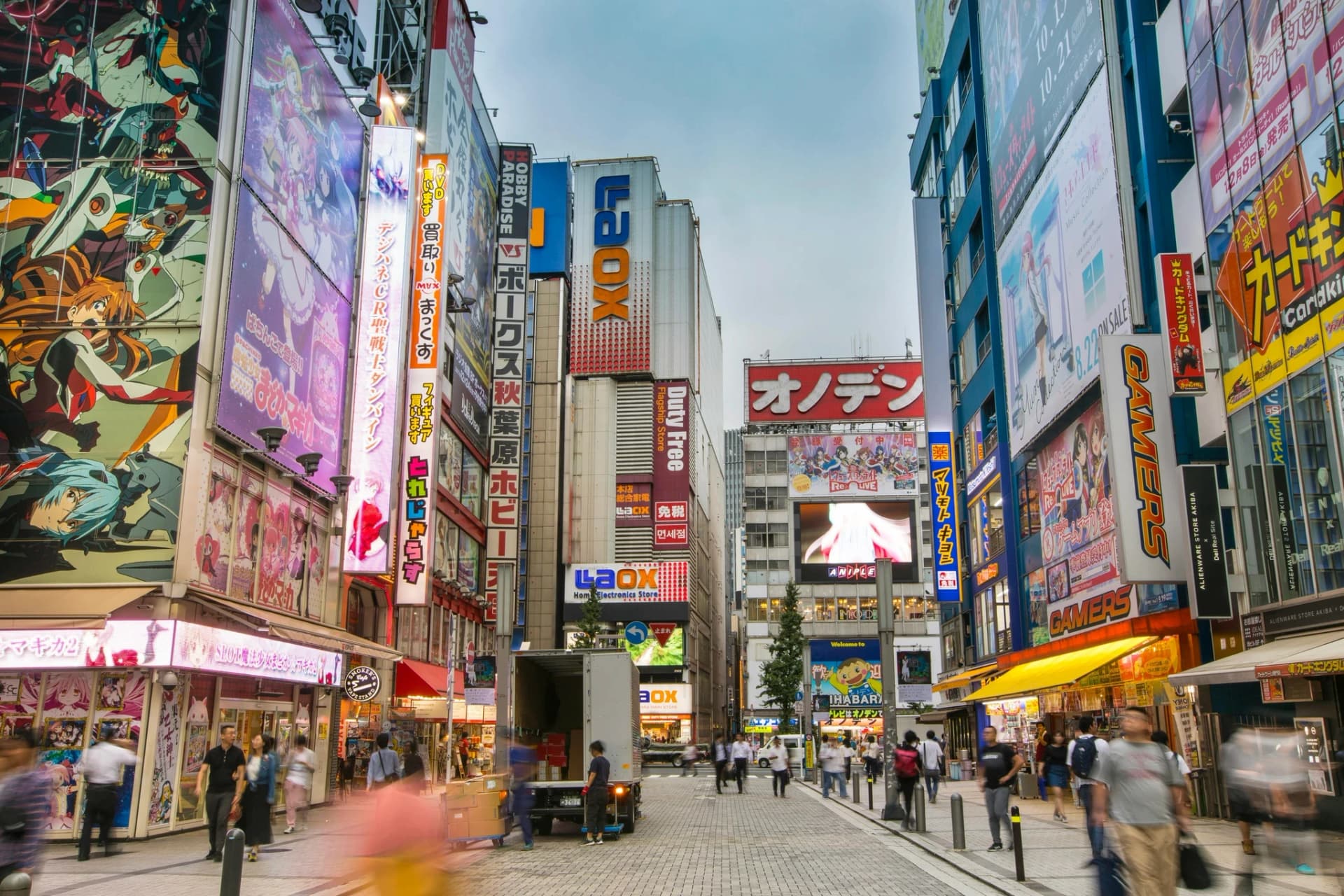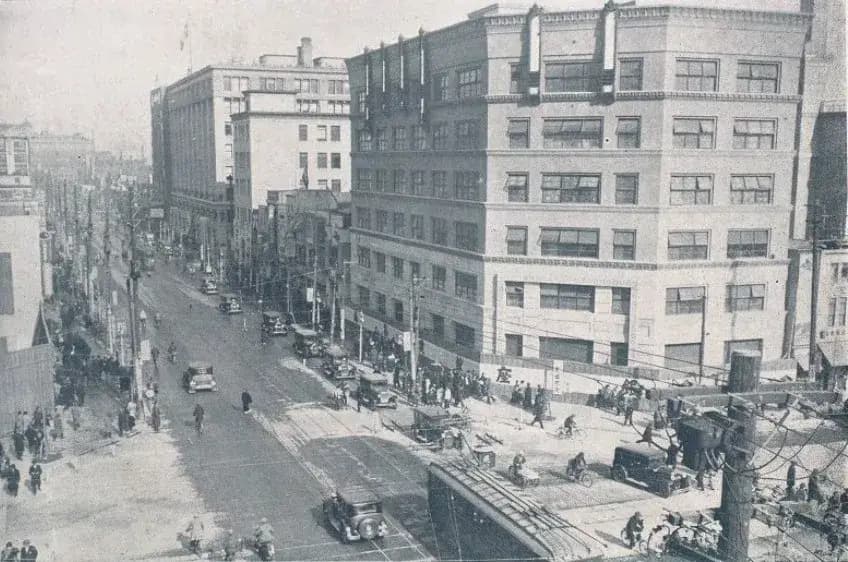
Akihabara is called Electric Town, yet most of it now sells figures and anime. In between came a stretch when it sold computers, and that began with a small favour that turned into a very large one.
A kit nobody at NEC believed in
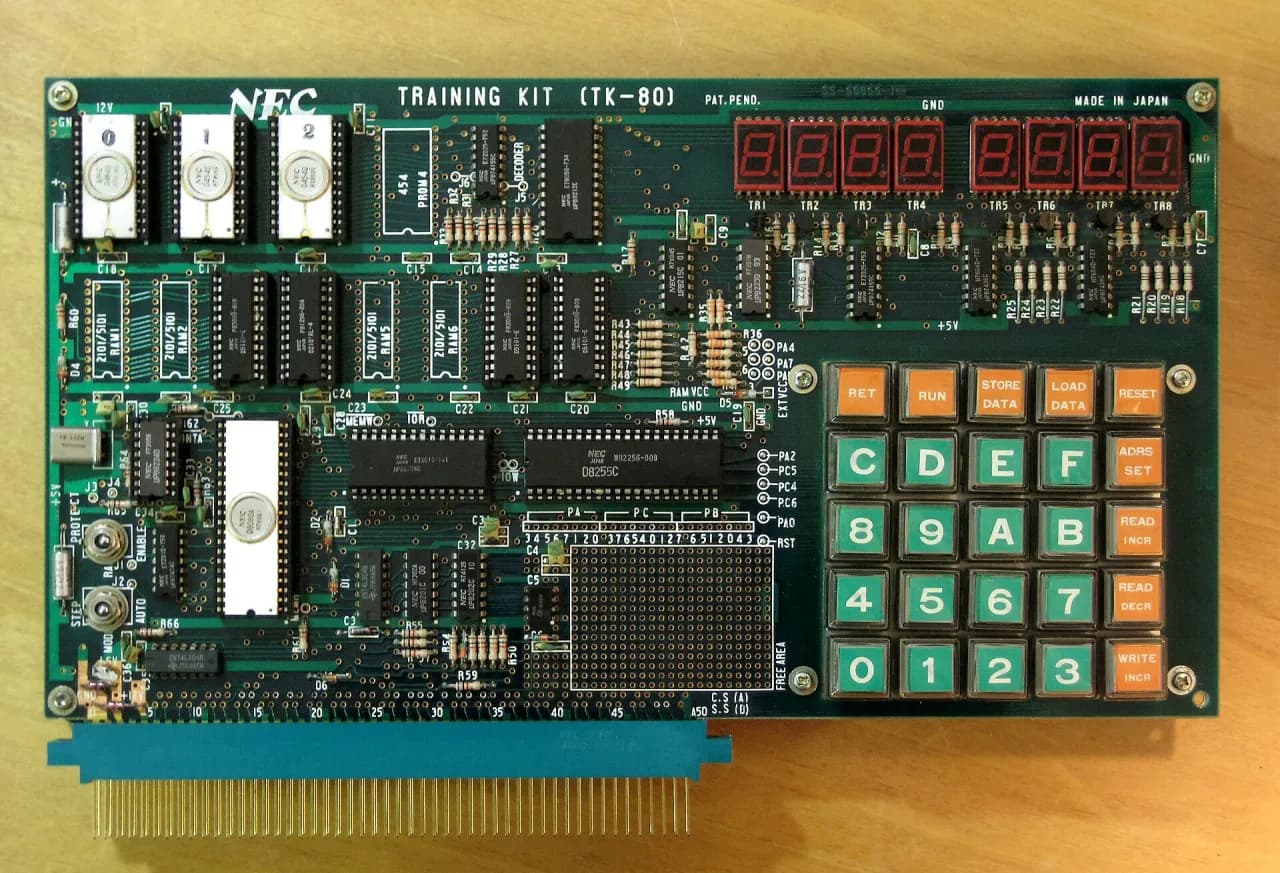
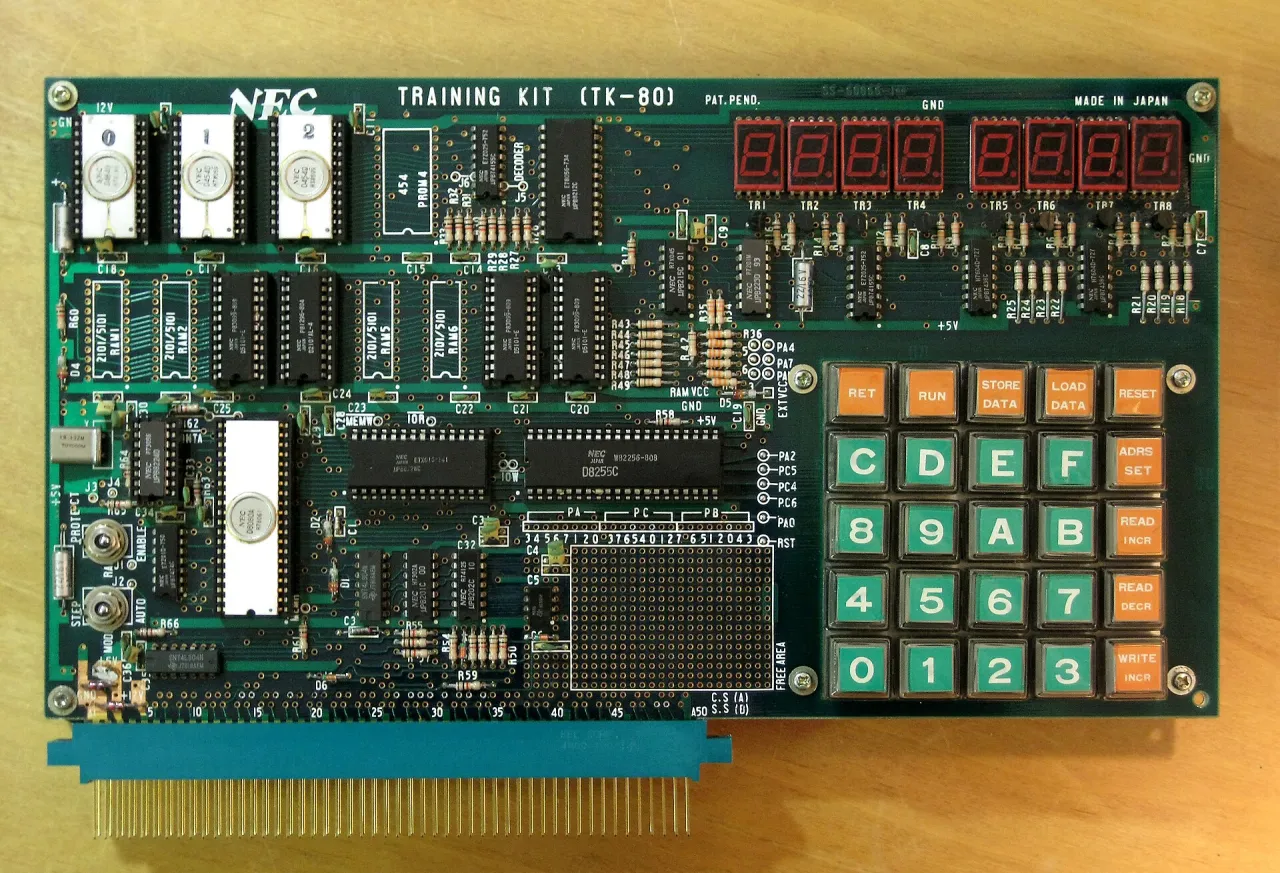
In 1976 Watanabe Kazuo, an engineer at the electronics giant NEC, had a problem. He had built the TK-80, a bare circuit board with eight red digits and a keypad, meant to teach engineers how to use NEC's microchips. PC Watch, a Japanese computer news site, says people inside NEC said "there is no way this will sell". Watanabe later said he hoped for about 200 sales.
He needed a place in Akihabara where people could touch it.
Even a corner would do
Watanabe and a senior NEC colleague, Ouchi, went to Noguchi Shigetsugu. Noguchi was 63 and ran Nihon Denshi Hanbai, the company that distributed NEC's electronic parts. They asked for 3 tsubo, a space of about 10 square metres, on the 7th floor of Radio Kaikan, the building facing Akihabara Station.
Noguchi told PC Watch in 2001 that he turned the size down: "With 3 tsubo, NEC's sign would cry. Go ahead and use 20 or 30." Sources differ on what he finally handed over, 30 or 40 tsubo, so call it ten times what they asked for, or more. The 2021 PC Watch obituary of Watanabe adds that NEC paid nothing towards it.
Noguchi said the neighbouring shopkeepers whispered that he would ruin his shop "over a thing like that". He said something had clicked when he first saw the TK-80, a feeling he had never had before or since.
The queue with lunchboxes
The shop, called Bit-INN, opened in September 1976. On weekends, PC Watch reported, young people arrived in the morning with packed lunches and waited all day for a turn at the keyboard, up to 3,000 on a busy day. NEC staff worked the counter on their days off. The future SoftBank founder Son Masayoshi was among the teenagers who came.
Watanabe remembered visitors NEC never planned for: a pilot, an astronomer working out an eclipse, a nurse who wanted to track hospital medicine ampoules, and a cattle breeder who wanted to time calvings.
Within a year, Watanabe said, other makers copied the idea. PC Watch lists Hitachi, Toshiba, Mitsubishi and Fujitsu as opening showrooms in the same building. Akihabara tilted from home appliances to computers.
The floor today
Bit-INN closed on 31 August 2001, and a plate on the wall read "Japan's personal computers were born at NEC Bit-INN Tokyo and spread across the country". In an interview that year Noguchi, 89, still sounded stung: "Why couldn't we keep even 3 tsubo in that place?"
A figure and model shop took the floor, which is the next turn this tour follows, from computers to anime. The old Radio Kaikan was torn down in 2011 and rebuilt in 2014 (English Wikipedia).
See it yourself
- Radio Kaikan. The building facing the station is the one that held Bit-INN, on the 7th floor of the old building. Your guide can point to roughly where it stood.
- The figure shops. Floor after floor of them are the later chapter of the same story.
Hear it on the tour
Photo credits
- The TK-80 training kit: Akakage / Wikimedia Commons, CC BY-SA 3.0, resized