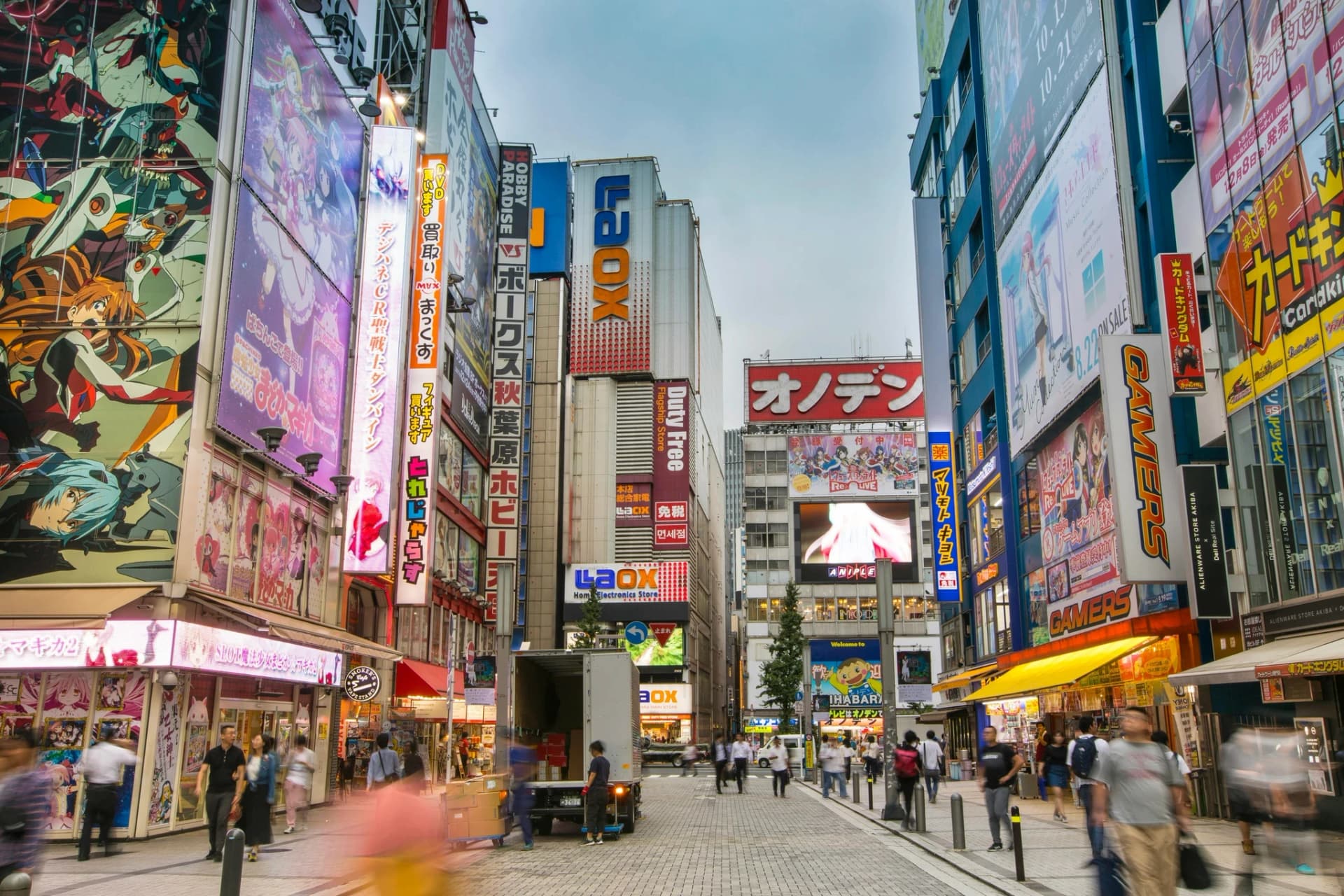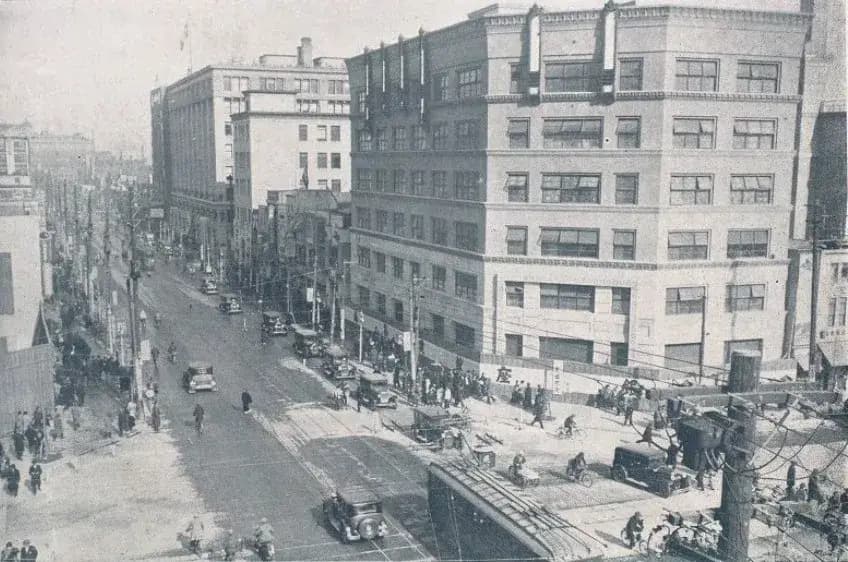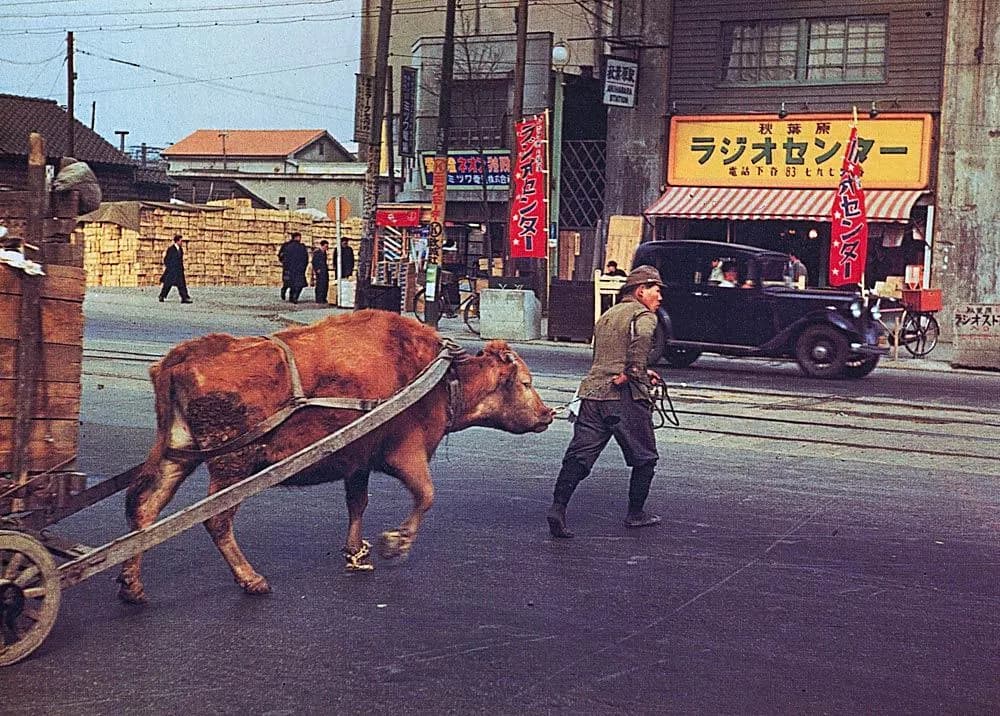
Walk out of Akihabara Station and the oldest electronics stalls are squeezed into the arches under the railway. It looks like an odd place for a shop. It was where ten stallholders ended up when they had nowhere else to go.
A street cleared in 1949
After the war, sellers of radio parts and vacuum tubes worked from open-air stalls around Kanda Ogawamachi and Sudacho. In September 1949 the American-led occupation authorities ordered the street stalls off the roads. The Akihabara trade association says the stallholders asked for a replacement site with a roof.
A roof is what Fujiki Tsuneo, a radio dealer who worked beside them, remembers wanting most. In his memoir he says the stalls were put up every morning and taken down every night, and unsold goods went home in a rucksack. Nobody had the money to build anything.
The arches nobody was queuing for
The trade association says the Tokyo city government, working with the national railway, offered the arches under the Akihabara tracks. The founders of the Radio Store say it took repeated negotiations. Ten of them moved in together in 1949. By their own history, one of them was Abe Yokichi, a navy officer in the war, whom Fujiki remembers as a poor talker, and another was Tanaka Kiyoko, the only woman, who sold dials for radio sets.
The new shops were quiet. The Radio Store's 60th anniversary book says that on cold days the staff warmed themselves around a charcoal brazier in the aisle, and that with so few customers, people were often seen playing catch in front of the shop.
Then a war next door
The book dates the turn to June 1950, when the Korean War began and orders for electronic parts soared. Radio Center and other arcades opened along the tracks over the next years, and the street filled up. The Radio Store itself closed in November 2013 after 64 years.
See it yourself
- Radio Center. Next to the old Radio Store site, under the same tracks, tiny stalls still sell resistors, capacitors and vacuum tubes.
- The aisle. Walk the narrow passage and picture it empty, with a brazier and two shopkeepers throwing a ball.