Ginza's prestige facade hides standing bars (¥200), kissaten (¥600), and free rooftop shrines—but finding them requires navigating basements, language barriers, and discretion culture.
Ginza looks like luxury retail from the street, but behind that polish are standing bars, kissaten, and free rooftop shrines. Yakitori at a standing bar runs ¥200, coffee at a kissaten founded in 1910 is ¥600, and the shrine gardens on top of department stores cost nothing. The hard part is finding them. Many have no signs, a lot of them are in basements, some want an introduction, and on top of that you have the language barrier and a local habit of not advertising.
Most travelers read "luxury shopping district" and either skip Ginza or do it badly: 30 minutes on Chuo-dori looking at window displays, then the verdict that it's boring. Both miss that Ginza is the commercial establishment layer of Tokyo, rebuilt five times since 1872, and its best places are deliberately hard to spot.
Is Ginza Worth Visiting?
What Tourists See vs. What Locals Use
At street level you get wide boulevards, flagship luxury stores, people in formal clothes, and architecture that signals money. That surface is made for window shopping and photo walks.
What locals use is underneath:
-
Standing bars under the elevated Yamanote tracks
-
Depachika food halls in department store basements, with discounts just before closing
-
Kissaten founded in 1910 and 1948 that serve aged coffee beans
-
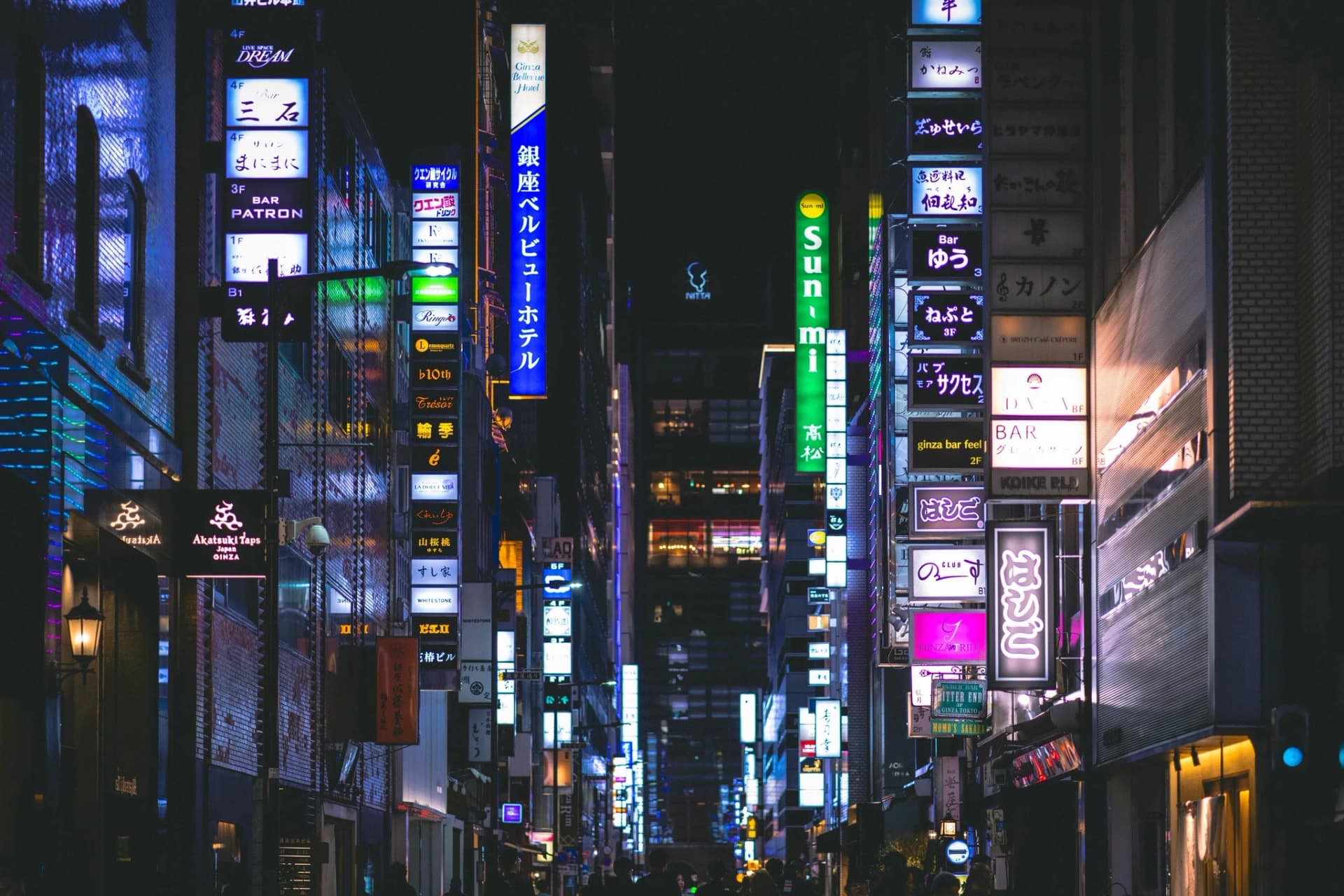
Jazz bars in unsigned B1 basements where you listen to vinyl
-
Cocktail bars with 8 seats and no signs, some booked months ahead
-
Traditional craft shops dating from the 1600s-1800s, tucked inside modern buildings with Japanese-only signs
-
Free rooftop shrine gardens on the 9th and 13th floors, where office workers eat lunch
The gap comes from Ginza's discretion culture. After the 1980s bubble collapsed in 1990, advertising started to look like excess, and the more prestigious a place is, the less it advertises. High-end sushi restaurants have no websites and take reservations 2-6 months ahead through introduction proxies. Jazz bars sit in basements behind unmarked doors. Craft shops like Kyukyodo (founded 1663) are right on the main streets, and tourists walk past because no English sign says what's inside.
The Expense Myth (With Specific Numbers)
| Experience | Price Range | Specifics |
|---|---|---|
| Standing bars (gado-shita) | ¥143-614 per item, under ¥2,000 full evening | Yakitori Ton Ton ¥160/skewer, Marugin ¥143 yakitori, ¥614 beer |
| Kissaten coffee | ¥700-860/cup | Café Paulista ¥860+, Café de l'Ambre ¥700-800, Kissa You omurice ¥1,000-2,000 |
| Depachika bento | ¥600-1,200 (30-50% off before closing) | 30-60 min before 8-9 PM closing at Mitsukoshi and Matsuya |
| Traditional crafts | ¥121-2,000 | Kyukyodo: postcards ¥121, goshuin-cho ¥1,000-2,000, incense ¥1,320-1,650 |
| Rooftop gardens | FREE | Mitsukoshi 9F (Mimeguri Shrine, Shusse Jizo, grass lawn), Ginza Six 4,000m² (7 AM-11 PM) |
| High-end sushi | ¥20,000-50,000+ | Introduction required, 2-6 months advance reservation |
| Upscale bars | ¥2,000-3,000/drink + ¥1,000-1,500 cover | Cocktail bars, hostess bars |
Who Should Visit Ginza (And Who Shouldn't)
Visit Ginza if:
-
You want to understand Tokyo's commercial establishment culture: how it rebuilt itself five times and what it chose to keep
-
You're interested in depachika, kissaten and standing bar culture, or craft shops that have been running for 200-400 years
-
You want to see how post-war reconstruction shaped the discretion economy of modern Tokyo
-
You have limited time and want an efficient way into the accessible layer, but don't have the language or the local knowledge
Skip Ginza if:
-
You're mostly in Tokyo for temples and shrines (Asakusa and Ueno serve you better)
-
You want an "undiscovered neighborhood" feel (Ginza is polished and commercial on purpose)
-
You're after nightlife and clubbing (go to Roppongi or Shibuya instead)
-
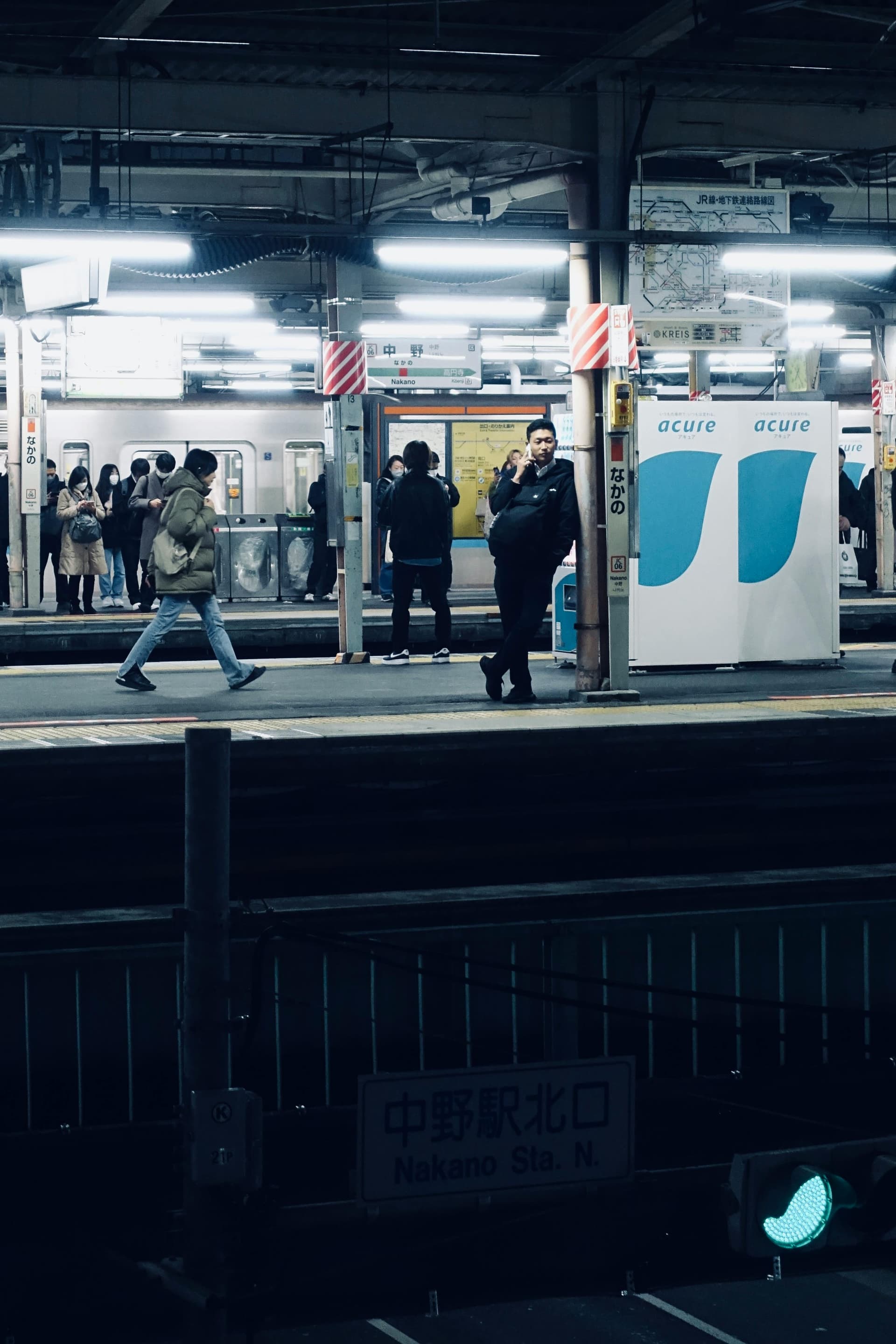
You prefer gritty or alternative Tokyo (try Shimokitazawa or Nakano)
-
Budget is a big concern and you'd rather not deal with language barriers to reach the accessible layer
Keep in mind that the same half-day could go to Asakusa for temple culture, Shibuya for youth culture, or Harajuku for fashion and Meiji Shrine. What Ginza has is establishment polish, and if that isn't what you came to Tokyo for, spend the time elsewhere.
What Makes Ginza Hard to Navigate
Ginza covers only 1 kilometer by 800 meters, but it's extremely dense vertically. Five subway lines run underneath at B3-B4. Department stores go up 12 floors, different elevators serve different sets of floors, and ticket gates separate some elevator banks. The culture also hides its prestigious places on purpose: jazz bars in unsigned B1 spaces, sushi restaurants booked 6 months out, craft shops inside modern buildings with Japanese-only signs.
How Ginza Hides Its Best Experiences (Vertical + Discretion)
After the 1980s bubble collapsed, advertising came to look like excess, and the more prestigious something is, the less it advertises. In Ginza you can see that play out floor by floor.
Ginza's Vertical Architecture:
| Level | What's There | Cost |
|---|---|---|
| Rooftop (9F-13F) | - Shrine gardens, grass lawns- Mitsukoshi, Ginza Six (4,000m²) | FREE |
| Upper floors (3F-8F) | - Luxury brand boutiques- Hostess bars (bubble era)- Private clubs | $$$$ |
| Ground (1F) | - Flagship luxury retail- Craft shops (Japanese-only signage)- Kissaten coffee shops- High-end sushi (introduction required)- Wako clock tower | $ to $$$$ |
| B1 | - Unmarked jazz bars (no exterior signage)- Cosmetics departments- Cocktail bars | $$ to $$$$ |
| B2 | - Depachika food halls- Station connections | $ |
| B3 | - Department store supermarkets- Cheese counters- Premium fruit | $ to $$$ |
| B3-B4 | - Station infrastructure (platforms, ticket gates)- Parking | N/A |
| Under elevated tracks | - Standing bars "gado-shita" (700m Shinbashi-Yurakucho)- Look like storage from street level | $ |
Craft shops at ground level have Japanese-only signs. High-end sushi needs an introduction and 2-6 months' notice, and the restaurants have no websites. Jazz bars sit in B1 with nothing outside to mark them; Bar Evans, Star Bar Ginza, and Jazz & Bar Kiri each seat 8-20 and charge a ¥1,000-1,500 cover. The standing bars under the tracks (Yakitori Ton Ton at ¥160 a skewer, Marugin with ¥143 yakitori) look like storage from the street. The free shrine gardens are on rooftops nine floors up, where tourists never think to look.
Getting around takes some learning too. Different elevators serve different floors, and some mean passing through ticket gates. The usual tourist sees the luxury ground floor, tries one basement level, feels overwhelmed, and leaves. They miss that the affordable layer is both below (B2 depachika at ¥600-1,200, under-track bars at ¥143-200) and above (the free rooftops), with the expensive ground floor in between.
Language Barriers (Beyond Just Menus)
Japanese government tourism surveys rank language as the number one challenge for tourists in Japan. In Ginza it stacks on top of the discretion culture.
| Challenge | What's Hard | Why It Matters |
|---|---|---|
| Depachika | Pointing at food, understanding which stations sell what, knowing peak (3-6 PM) vs. discount hours (30-60 min before 8-9 PM closing). Signs in Japanese, staff have limited English. | Can't optimize timing or navigate B1-B3 levels efficiently |
| Standing bars | Activate after 7-8 PM. "Gado-shita" (below girder): 700m between Shinbashi-Yurakucho. Menus in Japanese. Ordering protocol: stand at counter, order verbally, pay per item or tab at end. | Can't find them (look like storage), can't order, don't know protocols |
| Kissaten | Café Paulista (1910), Café de l'Ambre (1948), Tricolore (1936), Royal (1965) all have specific ordering systems and table protocols. Menus mix Japanese and limited English. | Miss cultural context, can't navigate etiquette differences |
| Craft shops | Kyukyodo has English-speaking staff, but explaining washi paper types, incense varieties, brush hair materials requires translation. | Can buy postcards, but miss deeper understanding of products |
| Introduction system | Even when you know restaurant names, accessing them requires proxy services or hotel concierge connections. | Translation apps can't help here; it's about social connections |
Temporal Complexity (When to Go for What)
| Time | What Activates | Experience Type |
|---|---|---|
| 7-9 AM | Kissaten coffee culture (Café Paulista, Tricolore, Café de l'Ambre). Office workers stop before work. | Quiet Ginza, before retail crowds |
| 10 AM-8 PM | Department stores open. Ground floor luxury retail, depachika basements. Peak crowds 3-6 PM. Staff most helpful 10 AM-noon. | Peak shopping, discount timing 30-60 min before 8-9 PM closing |
| After 8 PM | Stores close, street level empties. Standing bars under tracks activate. Gado-shita comes alive with salarymen filling izakaya for after-work drinks. | Local Ginza: the establishment layer drinks |
| Sundays | Pedestrian zone April-Sept noon-6 PM, Oct-March noon-5 PM. Chuo-dori closes to cars. | Atmospheric, establishment Tokyo at leisure, but not much to do. No festival, no market. |
Timing changes which Ginza you get. Arrive at 2 PM on a Saturday and you hit peak crowds; leave at 8 PM and you miss the standing bars completely, and it's easy to conclude Ginza is "just expensive stores." Come at 9 AM on a weekday, have coffee at a kissaten, and see the depachika before the crowds, and the layers start to make sense.
What Survived By Hiding (Ginza's Reconstruction Psychology)
Ginza has been demolished and rebuilt five times: the 1872 fire, the 1923 Great Kanto Earthquake, the 1945 firebombing in World War II, the 1960s infrastructure modernization, and the 1980s-90s bubble and its collapse. The Wako clock tower (built 1932) is the only building that came through all of it. It isn't the oldest. Tokyo chose to keep it as a symbol of recovery after the earthquake, and when the 1945 firebombing hit, it cracked only three of the dial plates. Each rebuild showed what establishment Tokyo valued at the time, and what lasted mostly did so by staying out of sight.
What Hid in Basements (And Why It's Still There)
Before WWII, Ginza was Tokyo's entertainment district, with 10,000 coffee shops by the 1930s. Wartime austerity closed the theaters in 1944, and jazz bars and café culture went underground, literally into basements, to survive.
Post-war survivors:
-
Jazz bars: Still in B1 (Bar Evans 2005, Jazz & Bar Kiri, Star Bar Ginza 2000). Usually 8-20 seats, no reservations, ¥1,000-1,500 cover.
-
Standing bars: Started after the war under the train tracks. "Gado-shita" (below girder) bars served the salaryman class. Kushiyaki Confidential explores this dining tradition.
-
Kissaten: Café Paulista (1910; Einstein visited in 1922 and John Lennon in the 1970s, and "Ginbura" started here), Café de l'Ambre (1948, "Coffee only," beans aged since the 1950s-70s), Tricolore (1936), Royal (1965). They lasted by serving good coffee to loyal locals.
Traditional Crafts (200-400 Year Businesses)
-
Kyukyodo (1663): Incense, calligraphy supplies, washi paper, goshuin-cho. "Purveyor to Imperial Household Agency"
-
Ibasen (1590): Fans, ukiyo-e
-
Chikusen (1842): Textile dyeing
-
Ozu Washi (1653): Papermaking
-
Kiya (220+ years): Kitchen knives
-
Kuroeya (1689): Lacquerware
-
Haibara (200+ years): Washi products
Kyukyodo is on Chuo-dori, behind a distinctive arched brick entrance. The first floor sells stationery and washi paper. The second floor has incense (including formulas the Imperial family gave the shop in 1877) and calligraphy supplies. Most tourists stay on 1F and never see the supplies for serious practitioners upstairs.
These shops survived by moving into modern buildings when the old neighborhoods came down. English signage is minimal, and the founders' descendants still run many of them.
The Department Store Personalities (And Why Locals Choose Specific Ones)
Ginza has six major department stores within 800 meters. Tourists assume they're interchangeable. Locals pick specific ones for specific things, and knowing which does what is how you make Ginza work. If you're interested in Tokyo's shopping culture more broadly, Tokyo shopping tours cover department stores, vintage districts, and craft neighborhoods.
| Store | Opened | Key Features | When to Use |
|---|---|---|---|
| Mitsukoshi Ginza | 1930 | "The Harrods of Tokyo"Depachika B2-B3: Hakone Akatsukian soba, Dominique Ansel bakery, cheese counters, premium fruit, refrigerated lockers9F rooftop: Mimeguri Shrine, Shusse Jizoson, grass lawn (free), picnic strategy | Traditional wagashi and premium selections. During store hours for 9F rooftop access. Older generation, quality over trendy. |
| Matsuya Ginza | Est. 1869 | Kaiseki dishes, sandwiches, groceries, Maison Kayser bakery. More accessible pricing.Bar Evans (jazz) in B1 behind building. | Accessible pricing, easier navigation. First-time depachika visitors. Younger generation. |
| Ginza Six | 2017 | 4,000m² rooftop (largest), Kakugo Inari Shrine, 7 AM-11 PM access (stores 10:30 AM-8:30 PM)Tsutaya Books, Noh theater basementLuxury brands (Dior, Fendi, Saint Laurent) | Free time before/after shopping hours (7 AM-11 PM rooftop access). Younger establishment class, art-interested, contemporary design. |
| Wako | 1932 | Neo-Renaissance clock tower, survived 1945 firebombing (three cracked dial plates)Only structure surviving all Ginza reconstructionsLuxury watches, jewelry | Architectural interest: photos and understanding Ginza's reconstruction history. Symbol of continuity, not functional daily shopping. |
Depachika discounts at all of these stores start 30-60 min before closing (8-9 PM). Arrive around 7:30-8 PM and food that was ¥1,000-2,000 goes for ¥600-1,200.
The usual mistake is to walk into one department store, see the luxury brands on the ground floor, feel overwhelmed or unwelcome, and leave without trying the depachika or the rooftop, deciding department stores are "all expensive and not for me." Each store serves a different purpose, and the food halls and rooftop gardens sit apart from the luxury retail.
What a Guide Actually Solves (Vs. What You Can Do Alone)
You can see Ginza's buildings on your own. A private guide is useful for three specific problems: getting through the vertical layout and the language barrier at depachika and standing bars, finding unmarked places like jazz bars and craft shops, and using limited time well when you don't know what opens when or which basement level holds what.
Whether those problems matter to you decides whether a guide is worth it. Ginza fits into any Tokyo itinerary, and most tours can be customized to include a few hours here alongside other neighborhoods. For help thinking through when guides add value across Tokyo, see our Tokyo private tour planning guide.
Guide Adds Value When
| Problem Area | What's Hard | What Guide Solves |
|---|---|---|
| Depachika Navigation | Ordering without Japanese across B1-B3 levels, peak (3-6 PM) vs. discount timing (30-60 min before closing), payment protocols | Translation, stall recommendations, timing optimization, choosing Mitsukoshi (traditional) vs. Matsuya (accessible) |
| Standing Bar Access | 700m of gado-shita between Shinbashi-Yurakucho look like storage. No English signage, Japanese menus, unfamiliar protocols | Knows specific bars (Marugin, Yakitori Ton Ton), handles ordering, explains etiquette, timing (after 7 PM when stores close) |
| Jazz Bar Access | B1 basements, no exterior signage, need to know which building. Library-like atmosphere, quiet expectations, dress code (smart casual to semi-formal) | Knows specific bars (Bar Evans, Star Bar Ginza, Jazz & Bar Kiri), explains etiquette, navigates to unmarked B1 entrances, cultural context |
| Kissaten Selection | Which for what: Café Paulista (1910, historical), Café de l'Ambre (1948, aged beans), Tricolore (1936, architecture). Ordering etiquette varies | Historical context, menu navigation, cultural significance of why these survived five rebuilds |
| Craft Shop Access | Zero English signage. Locations inside modern buildings. Product knowledge (washi types, incense varieties, brush materials) | Knows locations (Kyukyodo on Chuo-dori, others in Nihonbashi), translates explanations, 200-400 year survival context |
| Time Optimization | Temporal layers (7-9 AM kissaten, 10 AM-8 PM stores, after 8 PM standing bars) and vertical layers (B1-B4) | Routes through layers efficiently, navigates elevator banks and ticket gates, optimizes 2-4-6 hour allocations |
| Cultural Context | See buildings without understanding history | The five rebuilds, post-bubble discretion culture, post-WWII survival stories, so "expensive shopping" becomes "establishment culture choosing what to preserve" |
If food is your main interest (depachika halls, standing bars, izakaya), Tokyo food tours and izakaya experiences focus on that. For a fully custom itinerary that pairs Ginza with any other part of Tokyo, Infinite Tokyo adapts entirely to what you're interested in.
When You Don't Need a Guide
DIY works fine for:
-
Photo walks (Wako clock tower, the Ginza Six exterior, the Sunday pedestrian zone, all visible from the street)
-
Restaurants you've researched and booked, with the address in hand
-
Surface tourism like window shopping and people-watching
-
Trial-and-error depachika, if you're comfortable pointing and gesturing
Even guides can't solve:
-
High-end sushi reservations (2-6 months ahead, and the "ichigen-san okotowari" system depends on existing relationships. Guides can explain it and recommend proxy services like Pocket Concierge/PLAN, but they can't get you into a fully booked restaurant)
-
Making Ginza "exciting" for nightlife (standing bars are quiet salaryman places, jazz bars feel like libraries, and stores close early. For clubbing, go to Roppongi or Shibuya)
-
Introduction-only places when you aren't a repeat customer (some require existing relationships, and a guide can't get around that unless they personally have the connection. Most of the accessible layer is open to anyone, but the truly exclusive tier has real social barriers)
For travelers new to guided tours, what to expect on a Tokyo tour day covers logistics, pacing, and communication.
There's a structural gap between what tour marketing promises ("VIP access," "exclusive experiences") and what actually gets delivered. See what luxury actually means for private tours for how to judge quality.
Honest Assessment (When Ginza Makes Sense Vs. When It Doesn't)
If you want "authentic neighborhood vibes," go to Yanaka. For youth culture, Shibuya. For temples, Asakusa. If department stores and polished retail are your priority, though, staying in or near Ginza makes shopping logistics significantly easier. What Ginza offers is Tokyo's establishment commercial side, rebuilt five times and run on discretion. Some people find that fascinating and some find it dull.
For comparing different Tokyo experiences, see Tokyo private tour options.
Time Allocation
| Duration | What You'll Cover | Requirements |
|---|---|---|
| 2 hours | Surface walk + one experience (Sunday pedestrian zone OR depachika OR Ginza Six rooftop) | Doable independently |
| Half-day (4 hours) | Depachika, standing bar OR kissaten, rooftop shrine, craft shop | Requires Japanese OR guide. Most visitors find this the right length. Tokyo neighborhood tours can cover Ginza alone or pair it with areas like Tsukiji, or extend east to Toyosu if wholesale infrastructure interests you more than market atmosphere. |
| Full day (6+ hours) | Only if combining with Tsukiji or deeply interested in department store culture | Diminishing returns after 4 hours |
Where Hinomaru One Fits
Our Ginza routes focus on the accessible layer: standing bars under the tracks, the kissaten locals use, depachika at discount hours, and the free rooftop shrines. We handle the basement navigation, translate at craft shops, and fit three experiences into a 4-hour window without wearing you out. On your own, the hard part is knowing which floor of which building to try, and when. That's the part we handle.
At Hinomaru One, we design private Tokyo tours for first-time and seasoned travelers, with plenty of culture and as little stress as we can manage. We don't hurry, we explain what you're looking at, and each tour is built for the people on it.