Shibuya is not one neighborhood but seven overlapping districts, each with a different origin story and a different reason to visit.
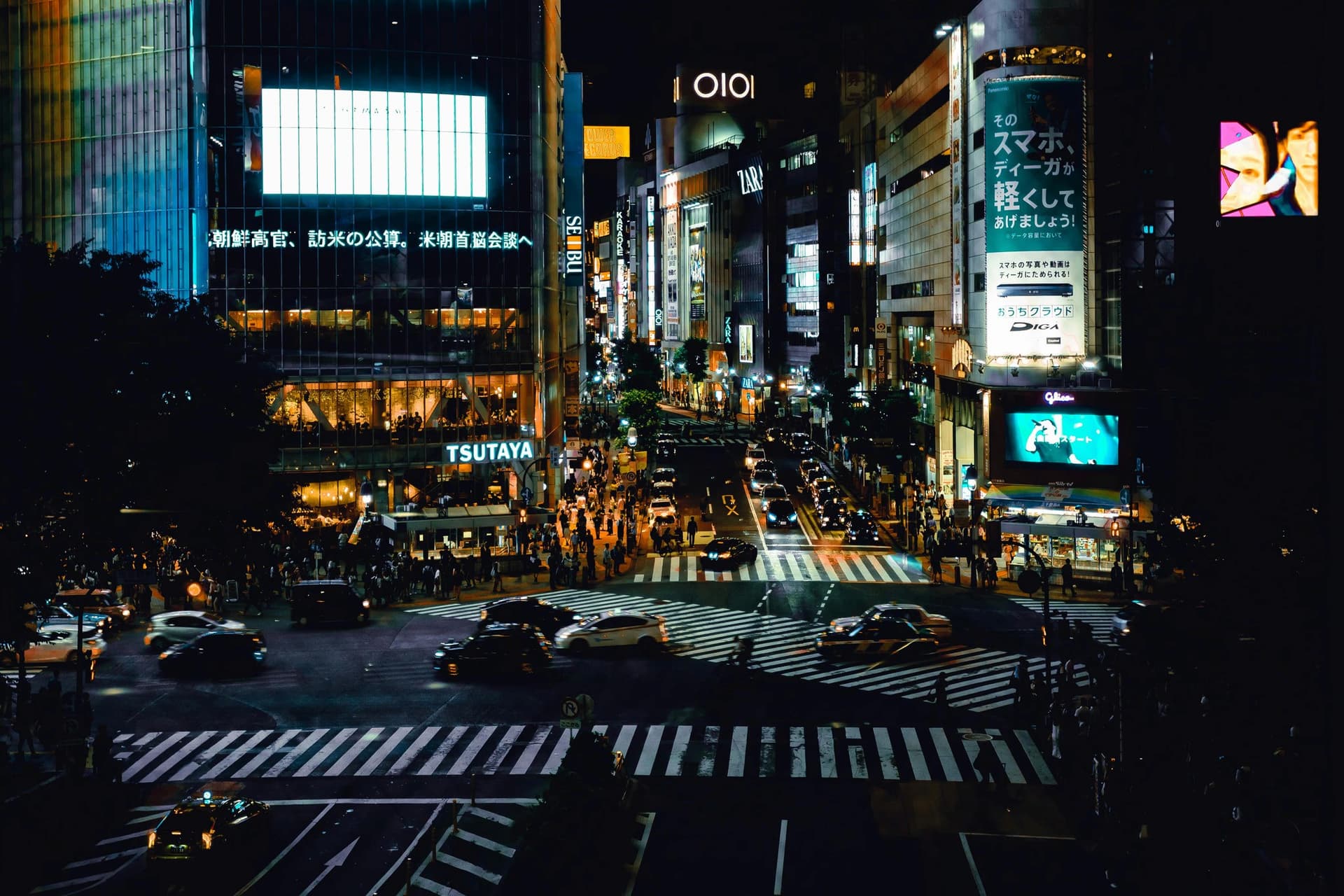
Shibuya's scramble crossing moves up to 3,000 people every two minutes, in eight directions. Most visitors photograph it and leave, which means they miss that the crossing sits where seven separate districts meet, each with its own history and its own version of Tokyo.
Walk five minutes in any direction from Hachiko Exit and you're in a different neighborhood that started life as something else. A buried river became a shopping street, and a military prison site turned into the record shop district. The old geisha quarter is now love hotel hill, and a homeless encampment is a luxury mall. If you know what's on each side of the crossing, you get a lot more out of Shibuya than a photo.
Center-gai: The Street Built on a River
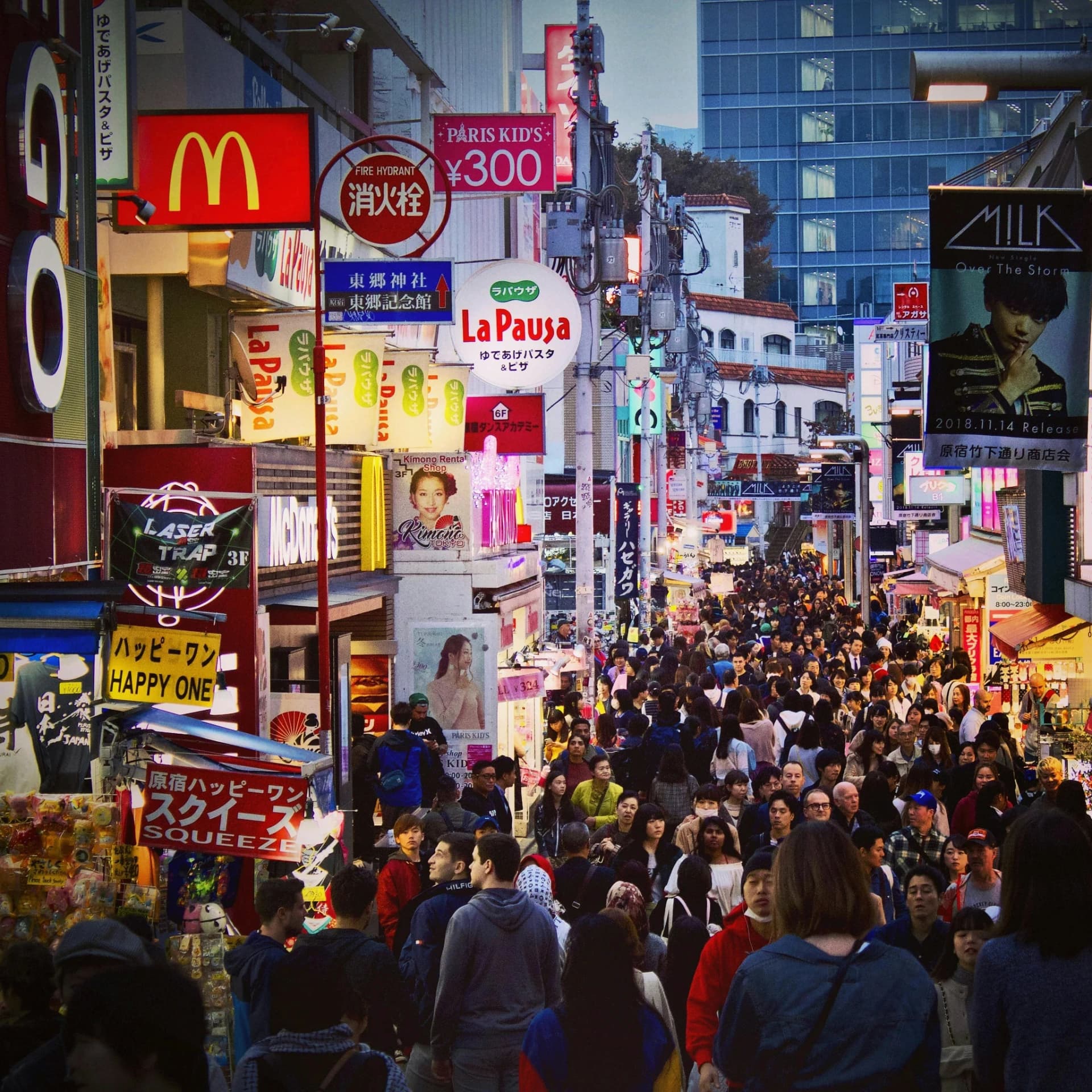
Center-gai is Shibuya's main pedestrian street, running northwest from the crossing. Before 1955 there was no street here. The Udagawa River ran through this corridor, lined with dense housing and no direct road to the station. City planners put the river in a culvert and built Center-gai on top. That's why the street is so wide and curves so gently: it follows the old riverbed exactly.
The name "Center-gai" came from the street sitting at Shibuya's geographic center. In 2011 the local merchants association officially renamed it "Basketball Street," after the nearby National Yoyogi Stadium Second Gymnasium. They were trying to shake the street's reputation as a hangout for delinquent kids and for the gyaru subcultures (ganguro, yamanba) that started here in the 1990s. Nobody took up the new name, and everyone still calls it Center-gai.
Shops on Center-gai turn over roughly every quarter. Fast fashion, bubble tea, whatever food concept is trending: if young Japan is into it, it shows up here first. Since 2019 a local ordinance has banned drinking on the street over Halloween and New Year, after Shibuya Halloween got out of hand and went viral, peaking in 2018.
Udagawacho: Military Prison to Record Shop Capital
Most English-language guides call Udagawacho "the area behind Center-gai." Its history is stranger than that. Before World War II, the land under today's record shops was the Tokyo Garrison Prison, run by the Imperial Army. After Japan surrendered, US occupation forces took the site along with the neighboring Yoyogi drill grounds and built Washington Heights, a gated housing compound for American military families. You needed a US passport to get in.
Washington Heights went back to Japan for the 1964 Olympics, and the land became Yoyogi Park and the Olympic venues. The blocks around it in Udagawacho opened up as commercial real estate. Around 1970 Cisco Records moved out of the Seibu department store basement to a street that came to be called "Cisco Slope." On March 6, 1981, Tower Records opened its Udagawacho flagship. Japanese music fans called it "the record shop Donki" because it was so huge, and Shibuya became where Japan went to buy music. Manhattan Records, DMR, and HMV came after. All through the 1980s, the usual Tokyo music pilgrimage went from Harajuku through Yoyogi Park and into Udagawacho.
So shops selling American rock, jazz, soul, and hip-hop now stand where an imperial military prison once held people, some of whom may have been locked up partly for liking American culture. You can't see any of that from the street, but it's the reason the cluster grew here instead of in Shinjuku or Ikebukuro. Digital music gutted record stores after 2000. Even so, Udagawacho still has more vinyl per square meter than anywhere else in Tokyo, at shops like Face Records, Disk Union, and Technique, and the crate-digging crowd never left.
Dogen-zaka and Maruyamacho: From Geisha Quarter to Love Hotel Hill
Dogen-zaka is the slope that climbs west from the crossing. It's named after Owada Dogen, a thirteenth-century figure who was a bandit or a monk depending on which source you believe. At the top is Maruyamacho, which English guides call "love hotel hill" without ever explaining why approximately 300 love hotels are packed into this particular half square kilometer.
It goes back to 1887, two years after Shibuya Station opened. A successful ryotei (traditional restaurant) set up next to a public bathhouse in Maruyamacho, and a hanamachi grew around it: a geisha entertainment district with kappo dining, sake, and paid companionship. It did well through the Meiji and Taisho periods. As it faded, the women who had been kept as mistresses in the surrounding blocks started renting out rooms by the hour in the houses they'd been given, to keep some income coming in.
The shift from tsurekomi (bring-along) inns to modern love hotels followed Japanese housing. Most homes had no private space for couples, so there was steady, ordinary demand for rooms by the hour. From the 1970s through 1985 came the "deluxe era," with castle facades, merry-go-rounds, and spaceship interiors. A 1985 amusement business law made the buildings tone it down. The district still does the same job, with some changes: some hotels now sell themselves to tourists as cheap accommodation, and others have Instagram-ready rooms for girls' parties.
Dogen-zaka is worth walking just for how much is piled up in one place. Meikyoku Kissa Lion, a jazz kissaten that opened in 1926, is still open on the slope, fifty years older than the PARCO and 109 "department store wars." So you get a hundred-year-old jazz cafe within five minutes of three hundred love hotels and the Shibuya 109 fashion tower, and none of it was planned.
The Redevelopment: What the New Shibuya Actually Is
Tokyu Corporation calls the station's rebuild a "once-in-a-century" redevelopment. It got going after the Toyoko Line moved underground in 2013 and freed up land at street level. The new buildings, lined up along the east and south sides of the station, have changed what people mean when they say they're going to Shibuya.
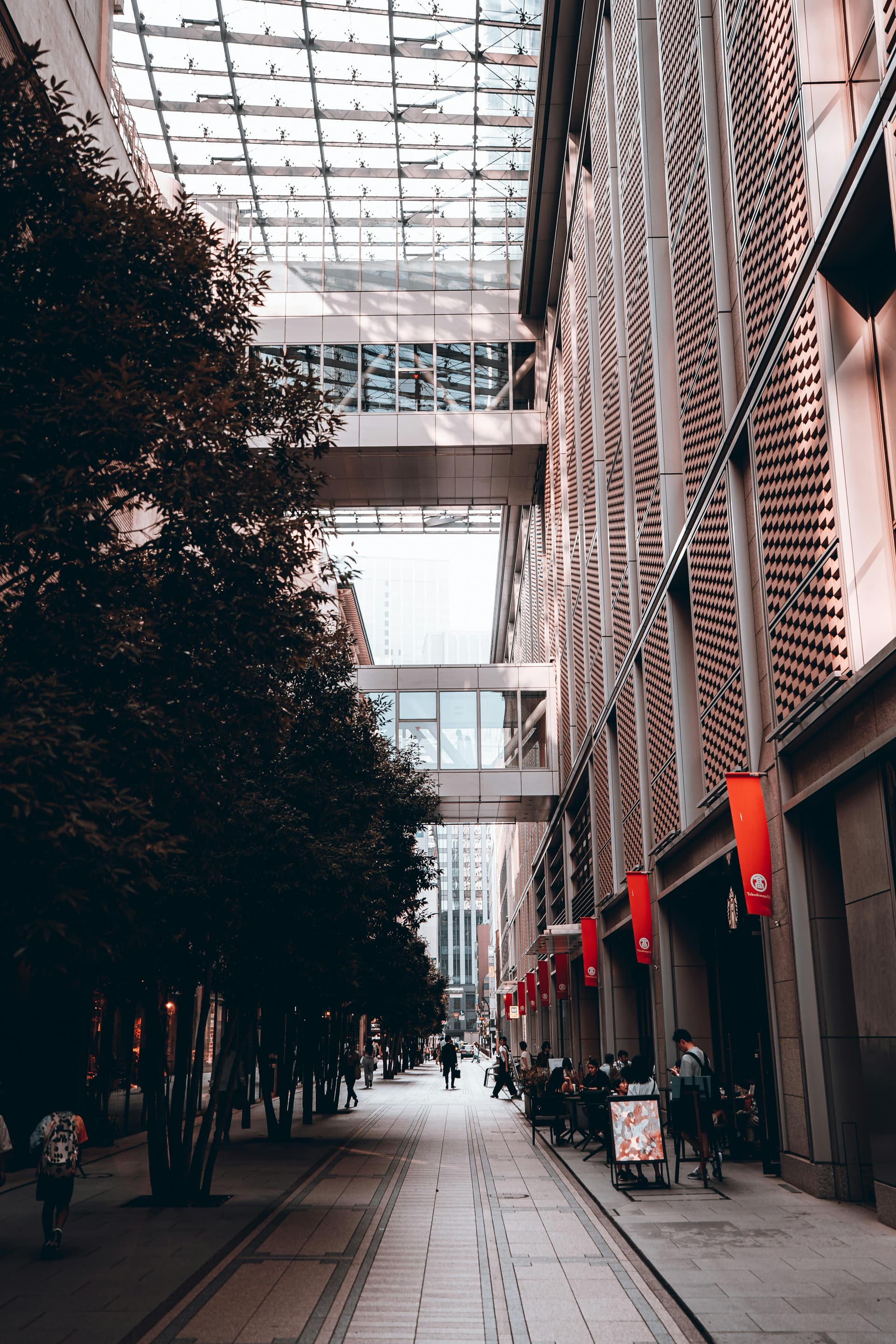
Hikarie opened in 2012 where the old Tokyu Bunka Kaikan (cultural hall) used to be. It has office floors, shops, and "8/," a creative space for exhibitions and events. Shibuya Stream came in 2018, built right on the old Toyoko Line tracks, with a Google Japan office and restaurants facing the restored Shibuya River promenade below.
Scramble Square East Tower, finished in November 2019, is the big one: 229.71 meters, the tallest building in Shibuya, and most people go for Shibuya Sky, the 360-degree open-air observation deck on the roof. Hikarie and Scramble Square are easy to confuse, and they're not the same kind of place. Hikarie is a cultural building with exhibition space and a theater. Scramble Square is a commercial tower built around Shibuya Sky. To see the crossing from above, go to Scramble Square. To see what Shibuya's creative crowd is making, go to Hikarie's 8/ floor.
Sakura Stage opened in 2023 in the Sakuragaoka district south of the station, and a network of elevated walkways called "Urban Core" now ties these buildings together. Scramble Square Phase II (the central and west towers) is due in 2031, so the station area will look half-built for another five years.
Miyashita Park: Who Does a Park Belong To?
The first Miyashita Park opened in 1953. In the 1960s the Shibuya River was routed underground and the park was rebuilt on top of a parking lot, which made it Tokyo's first rooftop park. For fifty years it was public green space, and by the 2000s it was also one of the most visible homeless encampments in central Tokyo.
The park closed for redevelopment in 2017. It reopened in July 2020 as MIYASHITA PARK, a four-story building running 330 meters along Meiji-dori, with a shopping mall on the lower floors, park facilities (skate park, bouldering wall, sand court) on the roof, and a sequence Hotels hotel above that. Whether that's urban renewal or enclosure depends on your politics. The rooftop park itself is good, though. It's free, open to the sky, and gives you a raised green walkway from Shibuya station toward Harajuku.
Tomigaya: The Local Shibuya
Walk ten minutes northwest from the station, past Udagawacho and through the residential blocks, and you're in Tomigaya, which locals call "Okushibu" (deep Shibuya). The change is quick. The neon and the crowds drop away, and you get tree-lined streets, low-rise apartments, and independent shops serving the people who live there.
Tomigaya has the best cafe scene in this part of Tokyo. Fuglen, the Norwegian coffee and cocktail bar, opens at 7am, which is unusual in a city where most cafes open at 10 or 11. Levain has been baking naturally leavened bread since 1984, and people cross the city for it. Minimal is a bean-to-bar chocolate maker whose terrace fills up on weekends. They're for the people who live here, a mix of creative professionals, families, and long-term foreign residents, who keep them busy all year.
Go in the morning, before the station side of Shibuya gets going. Spend the morning in Tomigaya and the afternoon by the station and you'll see residential Tokyo and commercial Tokyo, ten minutes' walk and about fifty years of planning ideas apart.
When to Visit: Timing Each District
The crossing at noon and the crossing at 6pm feel nothing alike. Midday traffic is moderate, mostly tourists and shoppers. The evening rush (5pm-8pm) is when the scramble hits the density it's famous for. At noon you're watching tourists photograph each other, and at 6pm you're watching Tokyo go home.
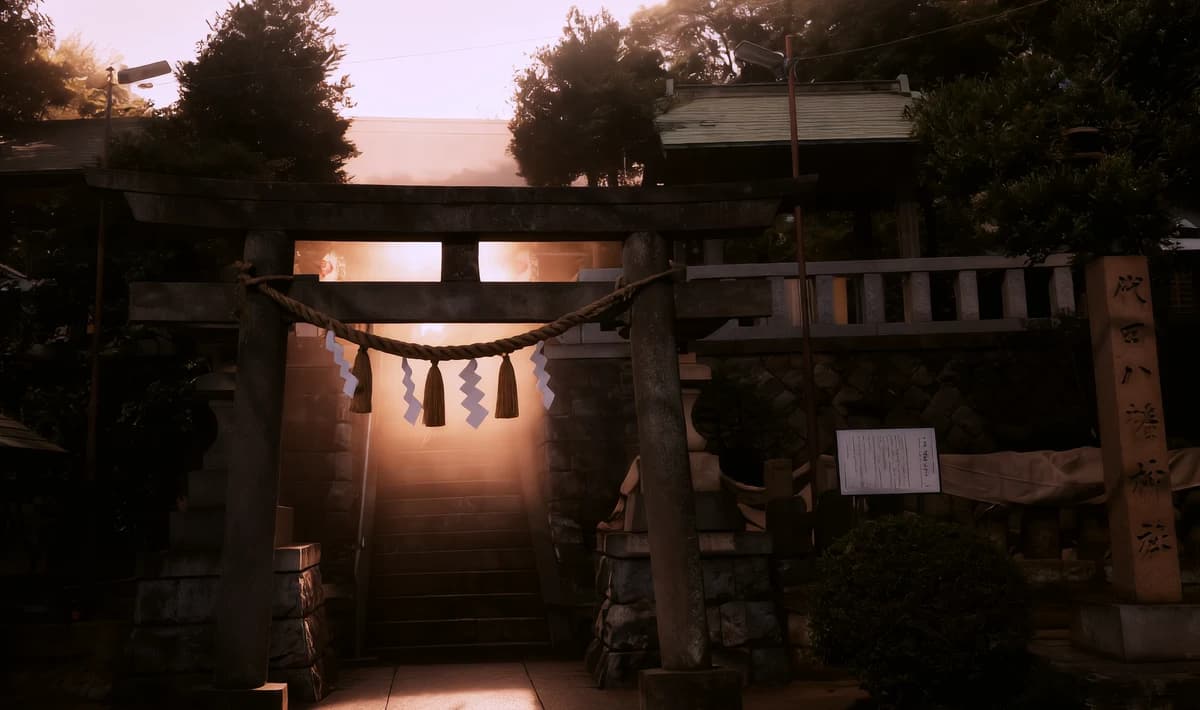
Tomigaya's cafes open early, so start there at 7-8am for the quiet side of Shibuya. Center-gai and Udagawacho are afternoon places, with shops opening from 11am and getting busier through the day. Nonbei Yokocho, the 1950s izakaya alley near Hachiko Exit, has roughly 40 tiny bars that seat 4-8 people each. It opens around 5-6pm and is at its best after dark. A few minutes away, Konno Hachimangu, a shrine founded in 1092 whose current building dates to 1612, still gets office workers dropping by on their lunch break. It's been in use for nine hundred years while the buildings around it change tenants every decade.
Shibuya Sky's sunset slots sell out weeks ahead. If the view from the deck matters to you, book the late-afternoon window. If it doesn't, skip Scramble Square altogether. The crossing is better from street level, where you're in the crowd, than from above, where it looks like a screensaver.
Two Ways to Experience Shibuya's Layers
Because Shibuya is really seven districts, you can do it two ways: pass through it as part of a wider Tokyo day, or spend half a day going district by district.
The Tokyo Trifecta tour (4 hours, from $314 for 2 people) starts at Meiji Jingu, goes through Harajuku and Omotesando, crosses Shibuya Crossing, and carries on to Shinjuku. On that route the crossing is what it is in daily life, the junction between the youth culture districts, and Shibuya is one stop in a day about how Tokyo's west side fits together.
The Infinite Tokyo tour (8 hours, from $550 for 2 people) is fully customizable, so you can build the whole day around Shibuya: Tomigaya's morning cafes, the Udagawacho record shops, Meikyoku Kissa Lion on Dogen-zaka, and Nonbei Yokocho's evening izakayas. The seven districts each run on their own schedule, and your guide picks the ones that suit you and puts them in the right order.
Walk ten minutes south from the station and things calm down a lot. Daikanyama, one stop on the Toyoko Line, has tree-lined streets, independent boutiques, and one of the best bookshops in Japan instead of neon. For more on the streets right around the station, see our places to visit in Shibuya guide.
Frequently Asked Questions
Is Shibuya just the crossing? The crossing is one intersection. Within a ten-minute walk you have seven districts: Center-gai (youth culture on a buried river), Udagawacho (record shops on a former military prison site), Dogen-zaka/Maruyamacho (love hotels that grew out of a geisha quarter), Miyashita Park (a contested park and mall in one), Tomigaya (residential cafe culture), the redevelopment corridor (Hikarie, Scramble Square, Stream), and old Shibuya (Nonbei Yokocho, and Konno Hachimangu shrine, founded 1092). The crossing is where they meet.
How long should I spend in Shibuya? A crossing photo takes five minutes. Getting a feel for Shibuya takes half a day: coffee in Tomigaya in the morning, Center-gai and Udagawacho in the afternoon, drinks at Nonbei Yokocho in the evening. That's about the minimum to see the range. Shibuya Sky adds another two hours with the queue.
Is the love hotel area safe to walk through? Yes, completely. Maruyamacho is well lit, busy with foot traffic, and as safe as any other street in Shibuya. The hotels are discreet on purpose, and unless you're looking for them you'll probably walk through without noticing.
Shibuya Sky vs Scramble Square observation deck: what's the difference? There isn't one. Shibuya Sky is the name of the observation deck on top of Scramble Square East Tower. Standard admission is around 2,000 yen. Book online ahead of time, especially for sunset.
What changed in the redevelopment? Between 2012 and 2025 four big buildings opened (Hikarie, Stream, Scramble Square, Sakura Stage), Miyashita Park came back as a mall with a park on top, and elevated walkways now link them all. Construction around the station isn't done, and Scramble Square Phase II is due in 2031. If you last saw Shibuya before 2019, you won't recognize the east and south sides of the station.
Where Hinomaru One Fits
Our guides choose which Shibuya to show you based on what you want to see. If it's infrastructure, they'll explain why nine train lines produced the scramble and how Seibu and Tokyu shaped the skyline. If it's music, there's Cisco Slope, the Tower Records flagship, and what Udagawacho meant to a generation of Japanese music obsessives. If you'd like the quiet side, it's Tomigaya's cafes in the morning before the shopping streets wake up.
We run private Tokyo tours for first-time and returning visitors, just your own group at your own pace.