"Local" just means they live there. What you need is professional guide skills plus local knowledge — and most platforms deliver only one.
Tokyo private tours with local guides all make the same promise, and the word "local" only tells you the guide lives here. What you actually need is a guide with professional skills and local knowledge, and most platforms give you one of the two.
The phrase "local guide" is on every Tokyo tour listing. It says nothing about whether the guide will notice what you're interested in, do homework before your tour, or get on easily with strangers.
"Local Guide" Just Means They Live There
ToursByLocals, GoWithGuide and Withlocals all call their guides "local." None of them say what the word means in practice.
What "local" actually means on platforms
Born in Tokyo? Lived there 10+ years? Moved there last year? Knows people in the neighborhood, or just knows the train system?
The platforms don't say. Guide bios leave out how long the guide has lived here, and nobody checks. It's a marketing label with no standard behind it.
What it doesn't tell you
The word won't tell you whether someone can explain why salarymen pack into the same izakayas under the Yurakucho train tracks every night. It won't tell you whether they'll notice you pausing at a shop window full of vintage electronics and suggest going in, or whether they went looking for a sword shop in Kanda after you mentioned Japanese blades when you booked. Those are guiding skills, and knowing the streets doesn't supply them.
Professional Skills Are Separate From Local Knowledge
Traveler forums repeat the same complaints. Guides speak English but "aren't so good at interaction, nor have much relatable personality." Many are "retirees who aren't so good at performing." They know Tokyo and struggle with the customer service side.
What makes someone professional
Professional guide skills are customer service skills:
Doing homework. Say you mention wanting to buy a sword. A professional guide looks up the shops in Kanda that sell antique blades, finds one with an English-speaking dealer who can explain tempering, and checks it's open that day. An amateur might know there are sword shops "somewhere."
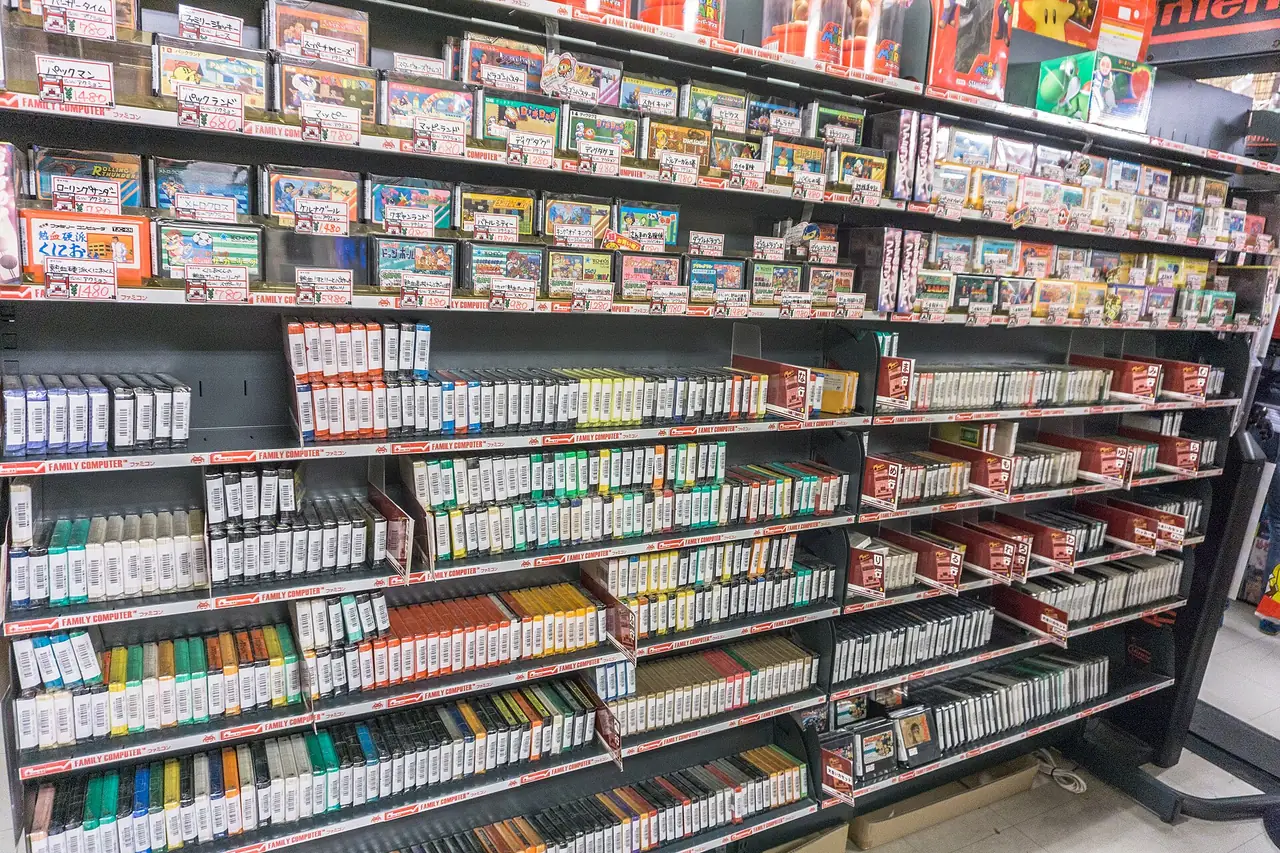
Reading cues. You're walking through Akihabara and you stop at a window of vintage Sony Walkmans and Famicoms in pristine condition. A professional guide sees that, suggests going in, and explains Japan's collectible electronics scene and why old tech gets kept here instead of thrown out. An amateur keeps walking.
Building rapport. The first 30 minutes set the tone for the day. A good guide knows how to put people at ease, polite but happy to make a joke, and can tell whether you want to talk or would rather walk in silence for a while. Guides learn that on the job, wherever they live.
What makes someone genuinely local
Local knowledge comes from living somewhere a long time and knowing people there. A guide who understands the culture can tell you why salarymen gather under particular train tracks at 6 PM: decades of corporate drinking habits have shaped those blocks. You only get that from years of living it. Someone who moved to Tokyo last year knows where things are. Someone who has lived here 20 years knows why they work the way they do. More examples of what cultural translation looks like →
Why you need both
A local without the professional skills knows the city, yet travelers say the day felt "more like a chauffeur service than a guided tour... we had to ask for information at each stop." That guide knows the geography and doesn't pick up on what you care about or change course.
A professional without local roots is good company but lacks the neighborhood ties that make a day different. They stick to a script, and they don't have the mama-san's phone number. In our experience, guides with both are rare.
Most Services Deliver One, Not Both
Tokyo guiding mostly runs on three models.
Marketplace platforms (ToursByLocals, GoWithGuide)
These are gig marketplaces. The guides are independent freelancers who set their own prices and hours and can work for several platforms at the same time.
ToursByLocals takes a 20-25% commission, and GoWithGuide works the same way. Registration is free. Vetting stops at creating a profile, and there's no training.
You book online and the guide turns up on the day. Nobody talks to you beforehand. An algorithm does the matching, with no look at your interests or whether your personalities fit.
Quality swings widely because the only check is the review afterward, and reviews undercount problems. Travelers "feel bad saying anything negative about their actual guiding skills" when the guide was polite but not much use.
Volunteer services (Tokyo Free Guide)
Tokyo Free Guide has 600+ volunteers: retirees, students and residents who guide because they enjoy it. There's no fee, though you cover the guide's transport, entrance fees and meals.
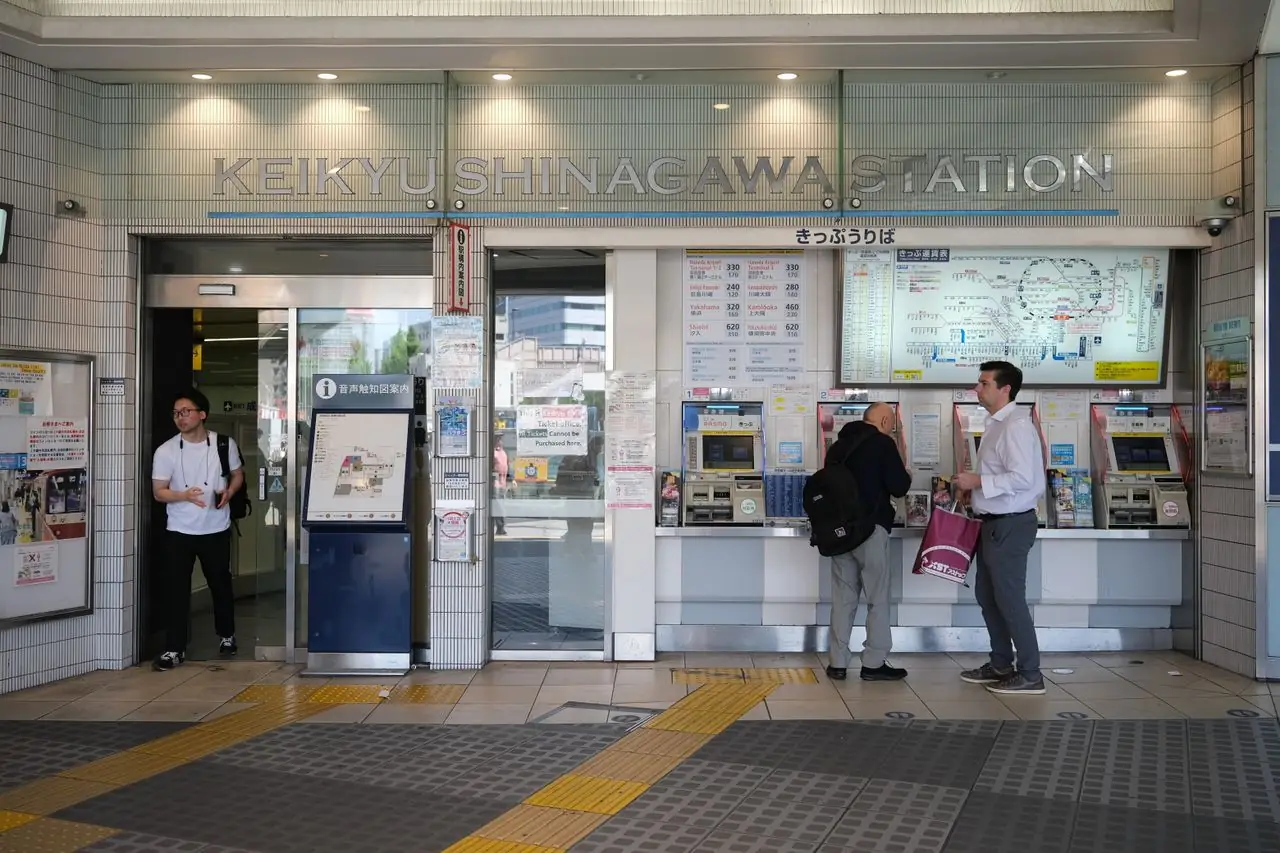
You book 2 months ahead, and only 60% of requests get a guide because it depends on who's free. English varies, you can't choose for personality, groups top out at 6 people, and itineraries bend less than they do on paid services.
Why volunteers sometimes outperform paid guides
Some travelers say their volunteer guides "were MUCH better" than paid tours they booked separately. Volunteers do it because they like showing people their city. Corporate operators hire guides who follow scripts and are clearly at work, and travelers call them "stiff & boring." The good guides in either group have professional skills and actually enjoy the city.
A volunteer who used to work in hospitality or teaching brings those skills along. A corporate guide following company protocol is still local and still stiff, so paid versus free tells you less than you'd think.
What to Ask Before Booking
You usually can't judge a guide until the day itself. Reviews undercount problems, and platform bios leave out residency and vetting.
So ask. Find out whether the guides are employees or freelancers, whether there's a consultation before the tour, how long the guides have lived in Tokyo (10+ years, or born there), and for real examples of the people they know in each neighborhood. If you get a generic "yes" with no specifics, the operator hasn't thought about the difference between guiding skill and living here.
For the fuller checklist, covering guide pay, cancellation policies, peak season capacity and how they communicate, see 10 questions to ask before booking a Tokyo private tour.
Guides Who Do This
Our guides have both. Satoshi lived in America for 20 years before coming back to Tokyo, and that time abroad lets him explain Japan in ways a guide who never left often can't. Rina has led over 500 tours and adapts each one as it goes. She knows Japanese cinema well, and it shapes how she reads a neighborhood and what she notices as she walks through it. Read their full profiles and what cultural translation looks like in practice →
How Booking Works
We start with a consultation, match you with a guide, and plan the day around what you want, whether that's sword shops, drinking culture or a pace that works for kids. A marketplace algorithm skips that homework.
For the full steps and pricing, see how to book a Tokyo private tour.
Honest Limitations
Peak season dates go fast, especially the cherry blossom and November foliage weeks. Guides who prepare before your tour, pay attention during it and have lived in Tokyo for a decade or more with real neighborhood ties cost more than volunteers or marketplace freelancers, and you need to book them earlier. See current booking windows and availability →
Tours Worth Considering
Tokyo Together: a 6-hour tour for multigenerational families, planned so kids, teens, parents and grandparents all get something out of it and nobody spends the day waiting on someone else.
Infinite Tokyo: an 8-hour private tour you can shape however you like, from quiet gardens and design museums to markets and capybara cafés.
Tokyo Essentials: a 6-hour first look at Tsukiji, Asakusa and Shibuya for first-time visitors.
Frequently Asked Questions
What does "local guide" actually mean for Tokyo private tours?
Only that the guide lives in Tokyo. It doesn't tell you how long they've lived there, whether they know people in the neighborhoods, or whether they can tell what interests you and adjust the tour as you go. ToursByLocals and GoWithGuide don't check how long guides have lived here and don't require training. The word is marketing with no standard behind it.
What's the difference between a local guide and a professional guide in Tokyo?
Professional skills mean doing homework before the tour, reading cues during it and building rapport. Local knowledge means a decade or more of living here, neighborhood relationships, and understanding why things work the way they do. Most services give you one. A local without professional skills feels "more like a chauffeur service," and a professional without local roots sticks to a script and lacks the depth that makes a day different.
Are volunteer guides in Tokyo better than paid guides?
Sometimes. Travelers say volunteer guides from services like Tokyo Free Guide "were MUCH better" than paid tours, because volunteers guide for the pleasure of showing off their city. The catch: only 60% of requests get a volunteer, you book 2 months ahead, English varies, and itineraries are less flexible. Volunteers with hospitality or teaching backgrounds tend to beat corporate guides who follow protocol.
What questions should I ask before booking a Tokyo private tour guide?
Ask whether guides are employees or freelancers, whether there's a consultation before the tour, how long the guides have lived in Tokyo (10+ years, or born there), and for concrete examples of their neighborhood relationships. A generic "yes" with no specifics means the operator hasn't separated guiding skill from simply living here. Ask about pay too, since platform commissions of 20-25% wear down guide quality over time.
How much do Tokyo private tour guides cost compared to marketplace platforms?
Marketplace freelancers and volunteers cost less up front. In exchange you get no consultation beforehand, no vetting past a profile, and no matching to your interests. Guides who prepare before your tour, pay attention during it and have a decade or more in Tokyo with real neighborhood ties cost more, and you need to book them earlier, especially in peak seasons like cherry blossom and November foliage.
Where Hinomaru One Fits
Every guide here is "local," so ask whether yours can explain why things work the way they do, translating the culture as well as the words.
Doing homework, reading cues and building rapport are professional skills, separate from local knowledge, and most platforms supply one or the other. Marketplace freelancers go unvetted, volunteer training varies, and corporate operators often lack neighborhood roots.
At Hinomaru One we talk with you first about your interests, whether that's sword shops, drinking culture or a family's pace, and then pick the guide who fits. Our guides have lived in Tokyo for a decade or more and have professional hospitality training, and we keep the pace unhurried.
Photo credits
- Shelves of retro video games at Super Potato in Akihabara: IQRemix from Canada / Wikimedia Commons, CC BY-SA 2.0, resized
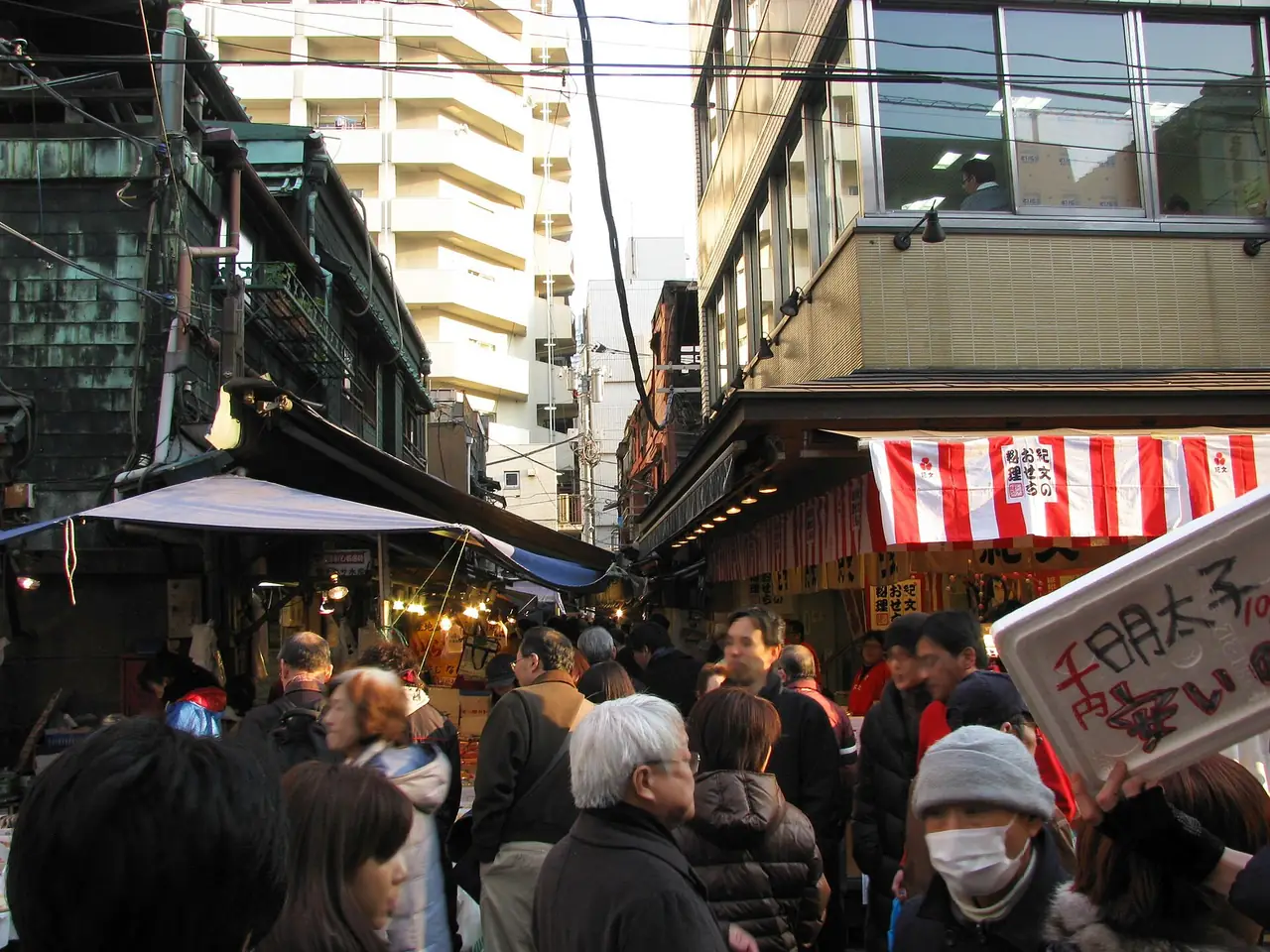
- Shoppers crowding a narrow lane of the Tsukiji Outer Market: Aimaimyi / Wikimedia Commons, CC BY-SA 3.0, resized


.jpg)
