Decide confidently whether to explore Tokyo independently or with a guide based on your pace, itinerary, and travel skills.
Knowing when you don't need a private tour in Tokyo is as useful as knowing when you do — here's how to decide based on your pace, itinerary, and travel skills.
Most Tokyo private tour pages tell you why you need a guide. This one helps you figure out if you actually do — and gives you the tools to go it alone if you don't.
The Question Behind the Question
You're not asking whether Tokyo is hard. You're asking whether you're making Tokyo hard.
That distinction matters. The same city that exhausts a traveler who booked something every hour will feel relaxed to someone who planned one neighborhood per day with open afternoons. Tokyo's difficulty isn't fixed — it scales with the choices you make before you arrive.
One traveler put it this way: "I was afraid of doing nothing, so I booked things every hour. Looking back, the best moments were when I got lost in Yanaka and found a bakery with no sign. I wish I had done more of that."
This isn't a sales page disguised as advice. Most travelers don't need a private tour in Tokyo. The city has excellent English signage, reliable trains, and restaurants that handle non-Japanese speakers every day. Whether you need help depends on your trip design, your group, and what you're optimizing for — not on Tokyo itself. For a direct comparison of what each approach offers, see our breakdown of private tours vs. exploring alone.
What Actually Makes Tokyo Hard (And What Doesn't)
Real friction points (with specifics)
Some parts of Tokyo are challenging. These aren't vague warnings — they're specific friction points with real numbers:
| Friction Point | What Makes It Hard | Who It Affects Most |
|---|---|---|
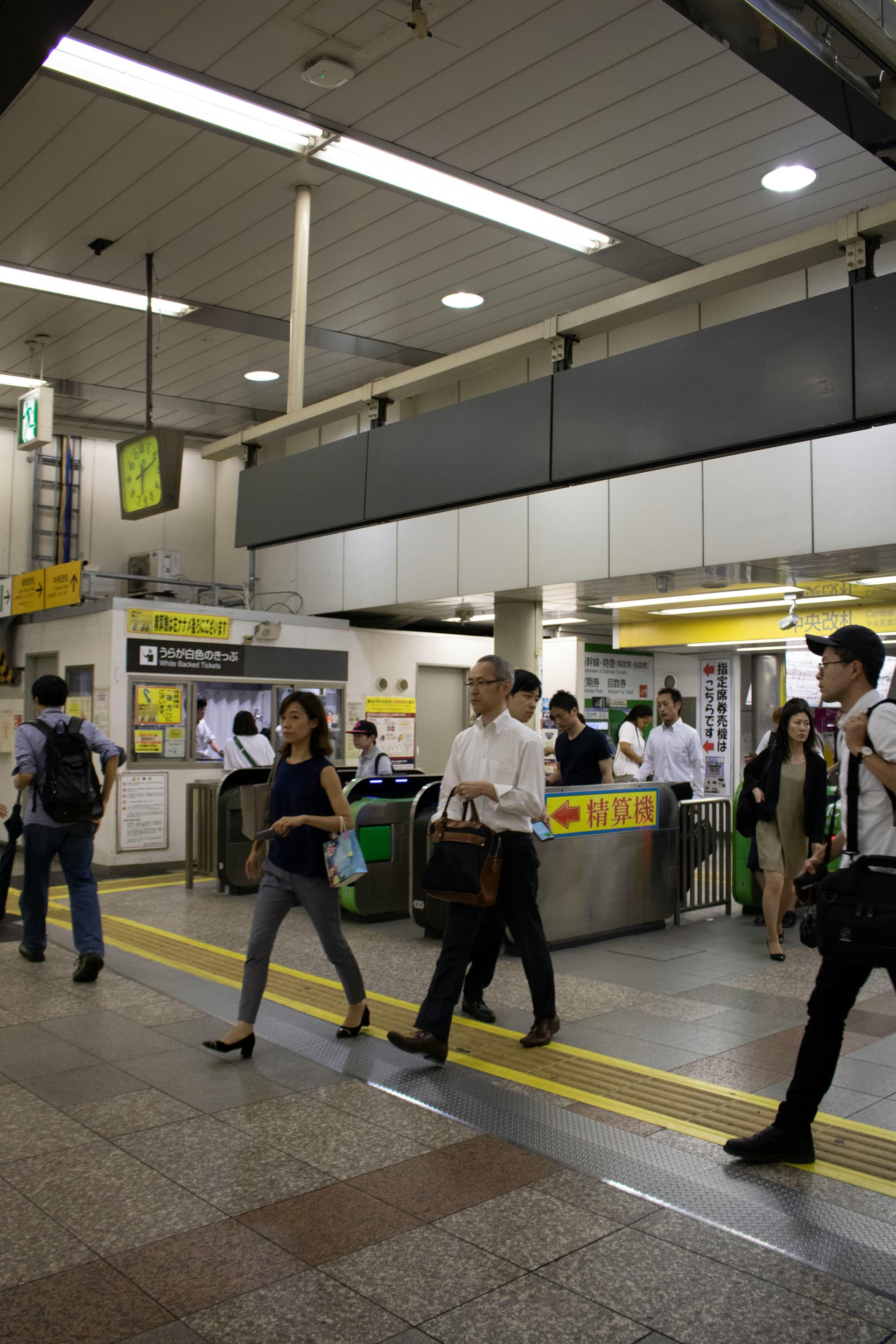
| Shinjuku Station | 200+ exits across 5+ rail operators, 35+ platforms | Everyone on first visit, groups trying to stay together |
| Summer heat | 29-32°C with 76-83% humidity; heat index can reach 35°C+ | Families with children, elderly travelers, anyone with ambitious daily plans |
| Restaurant capacity | Most small izakayas seat 4-8 per party maximum | Groups of 5+, families who want to eat together |
| Station navigation | 10-20 minutes for first-timers to find the right exit at major hubs | First-time visitors, travelers with luggage |
| Shop opening times | Most don't open until 11am; coffee shops often 9-10am | Early risers expecting to "maximize the day" |
What sounds hard but isn't
Some common worries don't match the reality:
The language barrier. In major tourist areas, English-speaking staff work at hotels, train stations, and popular attractions. Translation apps handle most restaurant menus. Many Japanese understand written English but hesitate to speak due to concerns about mistakes. The language barrier is smaller than most travelers expect.
Getting lost. Tokyo is full of quiet, uncrowded districts just minutes from tourist centers — places like Yanaka, Shimokitazawa, and Kagurazaka where most tourists never go. Getting "lost" means a 10-minute correction with Google Maps. The city rewards wandering.
The train system. Google Maps handles Tokyo transit reliably. The system is complex but logical. Once you learn the pattern, navigation becomes routine.
The 24-hour learning curve
Travelers consistently report the same thing: "It took us a day to figure out Tokyo." Then it becomes easy.
The learning curve is steep but short. First-day disorientation — finding the right exit, understanding IC card tap patterns, reading the flow of commuters — gives way to confidence by day two. Tokyo Metro uses consistent signage. Train platforms follow predictable patterns. The systems click once you've used them a few times.
If your trip is three days, that first-day learning curve represents a significant chunk of your time. If you have seven or more days, one day of adjustment is barely noticeable.
Trip Design Is the Variable
Three choices determine whether Tokyo feels easy or exhausting:
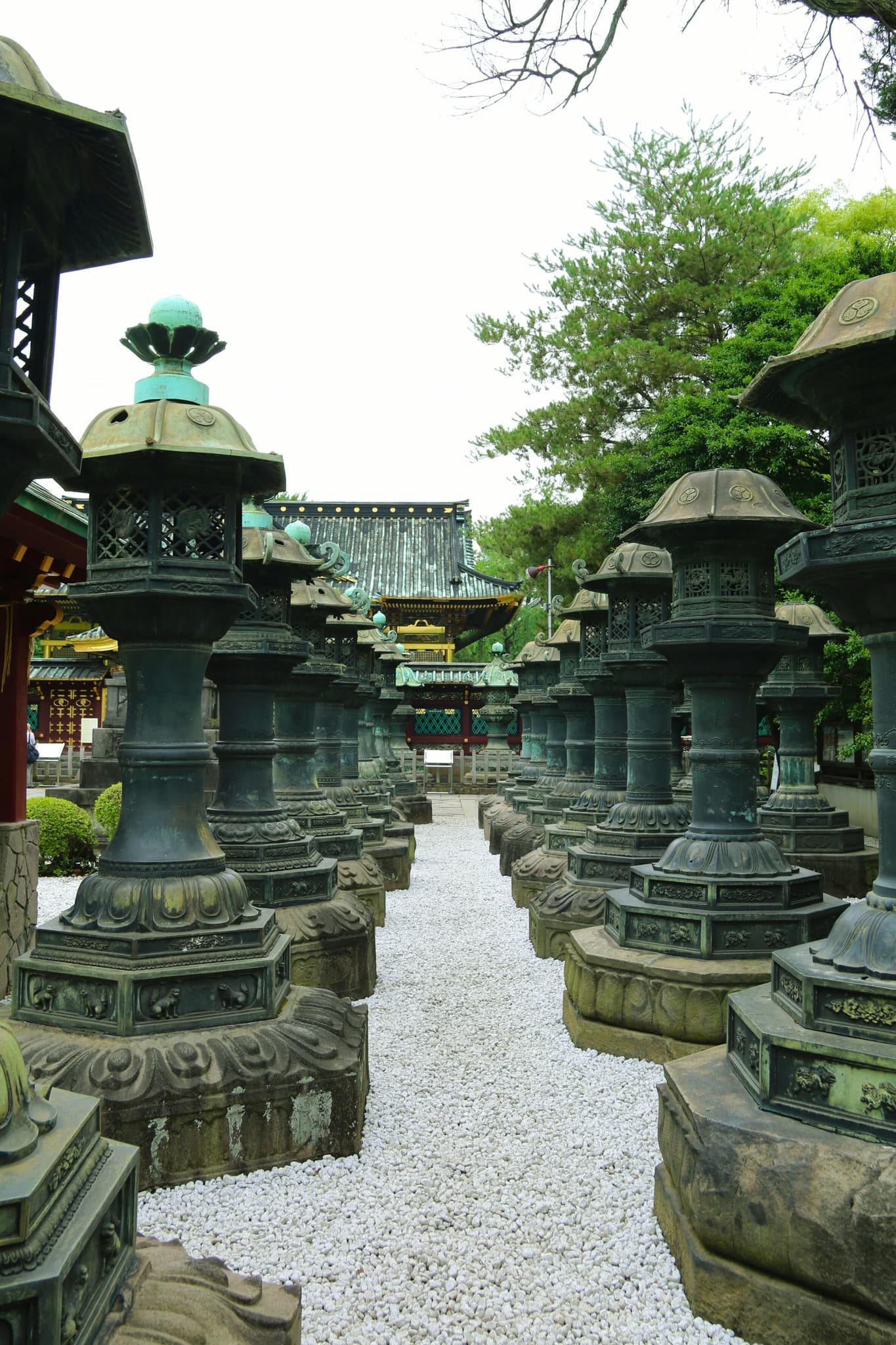
Neighborhood clustering: Staying in Shinjuku makes Harajuku 5 minutes away and Shibuya 7 minutes. It makes Asakusa 45+ minutes with a transfer. Travelers who cluster activities by neighborhood — Asakusa and Ueno on one day, Shibuya and Harajuku on another — spend less time on trains and more time exploring.
Reservation density: TeamLab sells out. Popular omakase needs reservations weeks ahead. But most temples, neighborhoods, and casual restaurants welcome walk-ins. A reservation-heavy itinerary locks you into schedules. A reservation-lite approach lets you adjust based on weather, energy, and discovery.
Hotel location: Your hotel amplifies or reduces every other decision. One local guide puts it this way: "Staying in Shinjuku will be great if your interest is in Harajuku and Shibuya, but not Asakusa and Tokyo Skytree. You'll need to change trains... which leads you to get lost and end up being overwhelmed." Match your hotel to your priorities.
When Party Size Changes the Math
| Party Size | Reality | Guide Value |
|---|---|---|
| Solo / Couples | Easy mode. Restaurants seat you anywhere. Transit needs no coordination. Decisions happen instantly. | Low — flexibility is your advantage |
| Groups of 5-8 | Coordination costs appear. Most izakayas seat 4-8 max — you'll split up or wait. Someone always misses the train door. Pace varies. | Medium — logistics help matters |
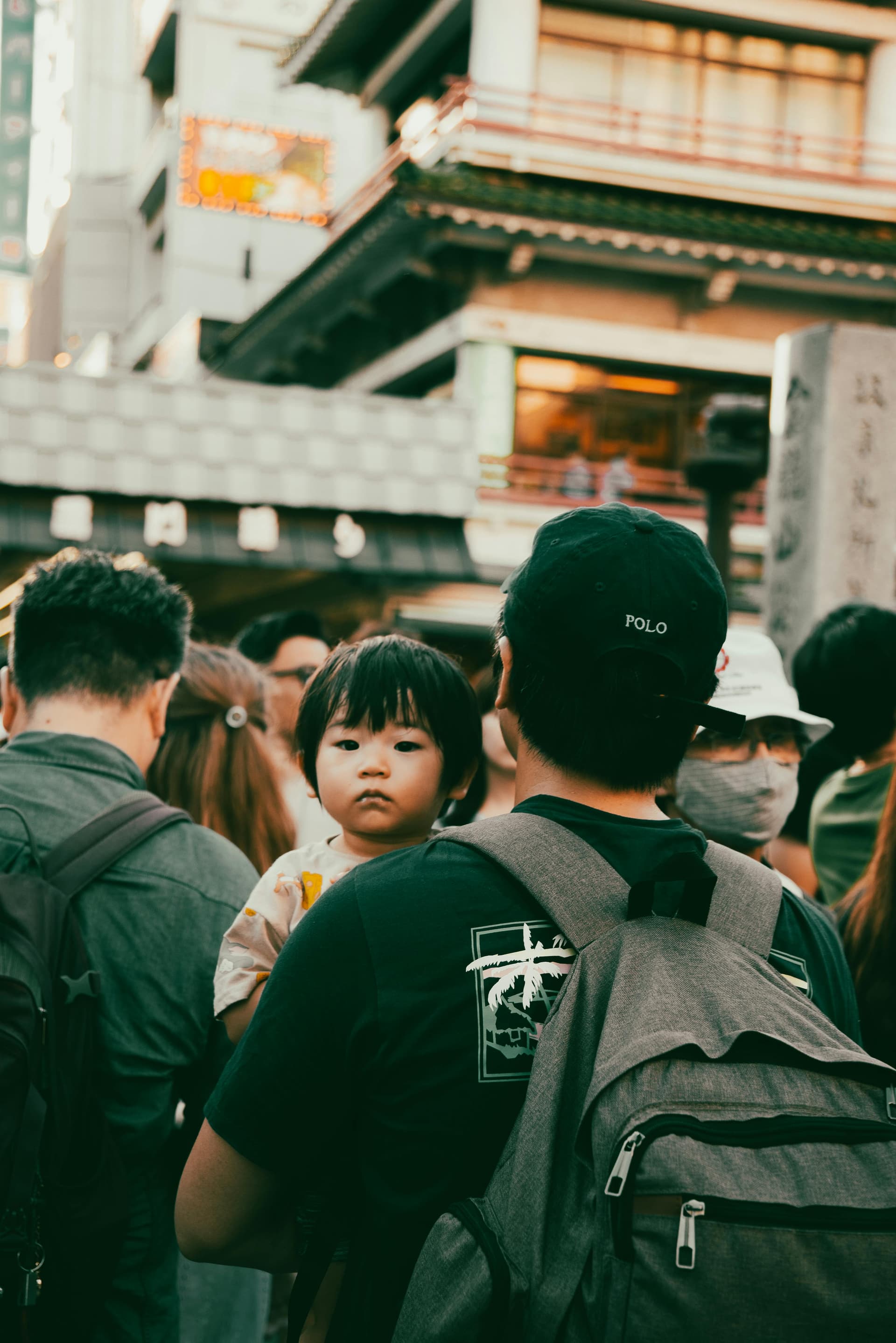
| Multi-generational | Costs compound. A full sightseeing day covers 10-25km on foot. Finding elevator routes takes local knowledge. Energy patterns clash. | Higher — someone needs to manage the puzzle |
For walking expectations, we break down how much walking to expect. For how different traveler types benefit, see who private tours are actually for.
The Self-Assessment: Where Do You Land?
Where you fall on these dimensions determines whether self-guided makes sense.
Signs you'll thrive self-guided
You're fine without a guide if:
-
You're traveling solo or as a couple
-
Your daily plans involve 1-2 neighborhoods, not 4-5
-
You're comfortable with a learning curve on day one
-
You enjoy spontaneous exploration more than curated experiences
-
You have 5+ days in Tokyo (so one adjustment day isn't costly)
-
Your group has similar mobility and energy levels
-
You don't need specific reservations or access
These travelers prefer self-guided because flexibility matters more than curation. The chance to wander, get slightly lost, and discover unexpected things is part of the value.
Signs a guide adds value
A guide is worth considering if:
-
You have 2-3 days and ambitious goals (learning curve costs hurt more)
-
Your group is 5+ people with coordination complexity
-
You're traveling with mixed mobility — young children and elderly together
-
Accessibility matters — wheelchair routes, limited stairs, rest requirements
-
You want specific experiences that require local knowledge or relationships
-
Summer heat plus full itinerary means someone needs to manage logistics
-
You're arriving jet-lagged and starting immediately
These are constraints that change the math.
The hybrid option
Some travelers hire a guide for day one, then self-guide the rest. The guided day handles the learning curve; the remaining days use that knowledge. If you're considering this, our guide to preparing for your Tokyo private tour covers what to look for.
The Cost Math
A full-day private guide in Tokyo runs $400-600 for a small group (2-4 people). Half-day options start around $300. Worth understanding when that makes sense — our Tokyo private tour pricing guide breaks down the full picture.
Self-guided daily costs:
-
Transport: ¥1,000-1,500 with IC card (24-hour Metro pass: ¥600)
-
Food: Variable, but ¥3,000-5,000 covers three meals comfortably
-
Entrance fees: Most temples/shrines free; paid gardens ¥300-500
A self-guided day costs roughly ¥5,000-8,000 ($35-55) per person in hard costs. A guided day adds $100-150 per person for a couple, less per person for larger groups.
When the premium makes sense:
-
Short trips (2-3 days): Learning curve costs eat a larger percentage of your time
-
Large groups: Per-person cost drops significantly; coordination value rises
-
Specific access needs: Accessibility routing, peak-season alternatives, restaurant bookings
-
Time compression: Maximizing limited days has monetary value if you flew across the world
When it doesn't:
-
Solo/couples with 5+ days: You'll figure it out by day two
-
Flexible, low-ambition itineraries: No need to optimize what you're not rushing
-
Repeat visitors: You already know the system
-
Budget-constrained trips: That $400 buys a lot of good meals and experiences
The question isn't "is a guide worth $400?" It's "is a guide worth $400 for my specific situation?" The answer depends on everything above.
Practical Templates for Self-Guided Days
If self-guided works for your situation, these approaches reduce friction.
The neighborhood day (one area, deep exploration)
Pick one neighborhood. Spend the entire day there.
Example — Asakusa day:
-
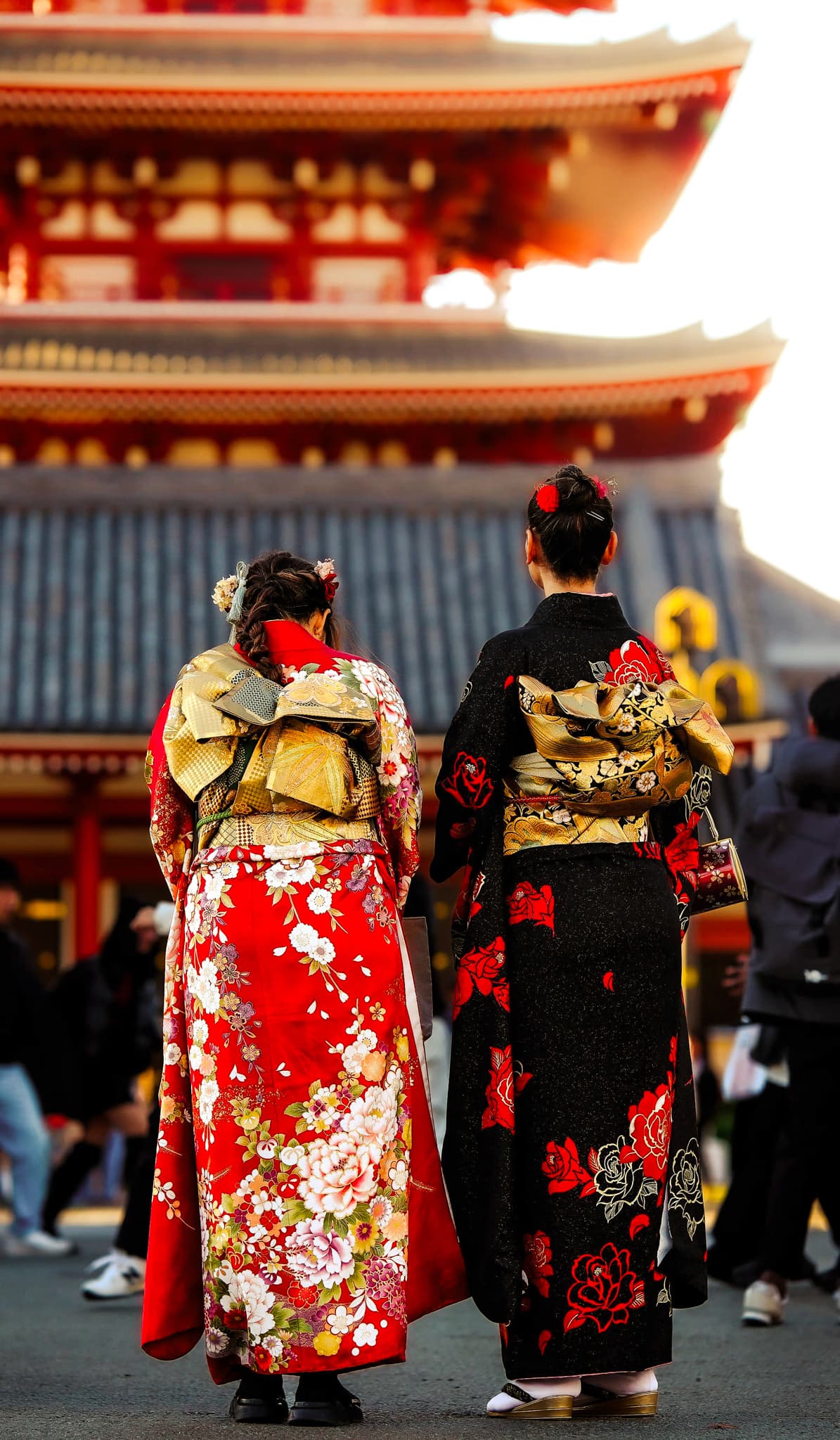
Arrive early (Sensoji Main Hall opens at 6:00am April-September, 6:30am October-March)
-
Temple grounds are accessible 24/7, but Nakamise shops don't open until 9-10am
-
Crowds build by 10am, peak 11am-3pm
-
Early morning is quietest — 6:00-8:00am offers an entirely different experience than midday
One neighborhood means no transit stress, no checking Google Maps every 30 minutes, and natural flow between breakfast, exploration, lunch, more exploration, and dinner. You can always leave if you finish early, but you're not racing a schedule.
Alternative — Shimokitazawa day:
-
5 minutes from Shibuya, 10 from Shinjuku by train
-
Pedestrian-friendly narrow streets with vintage shops, cafes, live music venues
-
No major sights to "accomplish" — the neighborhood rewards wandering
-
Shops open around 11am-noon; cafes earlier
-
Small enough to explore fully in one day without rushing
The orientation day (transit practice + highlights)
Use day one to learn the system while hitting accessible highlights.
Example — Transit orientation day:
-
Start at your hotel station
-
Practice one simple route (your station → Shibuya or Shinjuku)
-
Do one straightforward activity (Meiji Shrine opens at sunrise, closes at sunset)
-
Practice the return route
-
Add one more destination if energy permits
By day two, the transit system feels familiar. You've tapped your IC card a dozen times. You've found an exit at a major station. The learning curve is behind you.
Transport costs for a moderate day: ¥1,000-1,500 with an IC card. If you're making 4+ trips, the 24-hour Tokyo Metro pass (¥600) saves money.
When a Private Tour Is Worth It
A few specifics worth knowing:
Accessibility: At Shinjuku, the East Exit leads directly to Kabukicho but involves stairs — travelers with wheelchairs or strollers need the New South Gate or South Exit, then walk north. Knowing which exit at which station is the kind of detail guides have memorized.
Peak season: Cherry blossom (late March-early April) and autumn foliage (late November) crowds change everything. Famous spots pack out, but less-touristed alternatives exist — Yanaka Cemetery for peaceful hanami, Todoroki Valley for quiet autumn color. Guides who work through multiple seasons know these alternatives.
If you're weighing cost against value, we cover the full worth-it calculation separately. The tour duration decision also matters — shorter trips often benefit more from longer tour days.
Frequently Asked Questions
Who doesn't need a private tour in Tokyo?
Travelers with 7+ days who enjoy independent exploration. Budget-conscious travelers who'd rather spend ¥80,000 on food or hotels. Repeat visitors who know the transit system. Solo travelers who prefer wandering without a schedule. People who find figuring things out part of the fun.
Can I see Tokyo's highlights without a guide?
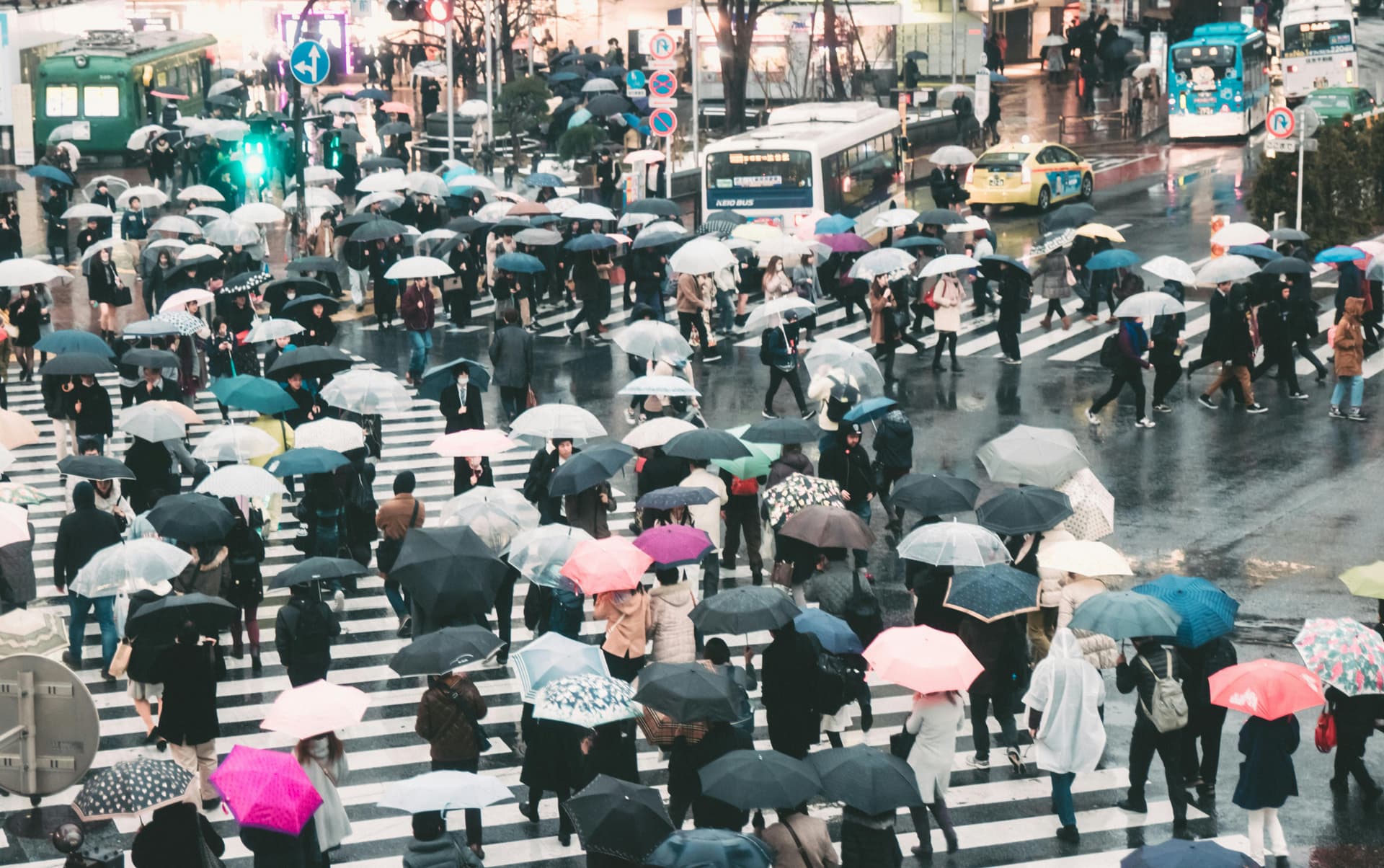
Absolutely. Sensoji, Shibuya Crossing, Meiji Shrine, Tsukiji, Shinjuku—all accessible independently with smartphone navigation. You won't be locked out of major attractions. What you miss without a guide is depth, context, and access to non-tourist spaces.
Is Tokyo easy to navigate alone?
Yes. Trains have English signage, Google Maps works flawlessly, and tourist areas accommodate non-Japanese speakers. The system is logical once you understand it. First-day confusion is normal; by day three, most travelers feel competent.
What's the worst that happens if I skip a guide?
You spend more time figuring things out, miss some context about what you're seeing, and can't access experiences requiring Japanese. Nothing dangerous or disastrous. You'll have a good trip—just potentially less efficient and less deep than it could be.
When should I reconsider hiring a guide?
When your time is limited (3-4 days) and efficiency matters. When your group has coordination challenges (elderly members, children, mixed interests). When you have specific access goals (sushi counter reservations, craft workshops). When someone in your group has accessibility needs.
Where Hinomaru One Fits
For travelers who've decided a guide makes sense — whether for first-day orientation, group coordination, or time compression — we handle the logistics so you experience Tokyo instead of managing it. Hotel pickup, transit navigation, accessible routes, and pacing are built in. You finish the day knowing how the city works.
At Hinomaru One, we design culturally rich, stress-free private Tokyo tours for first-time and seasoned travelers. Unrushed. Insightful. Always customized.