Halal Food in Tokyo
A halal sign on a menu can mean three different things. How to tell certification from Muslim-friendly wording, what to ask, and where the prayer rooms are.
Where pork and alcohol hide
Alcohol can be in sauces made with mirin and cooking sake. Pork can be in lard and gelatin, or in pans and fryer oil shared with pork dishes.
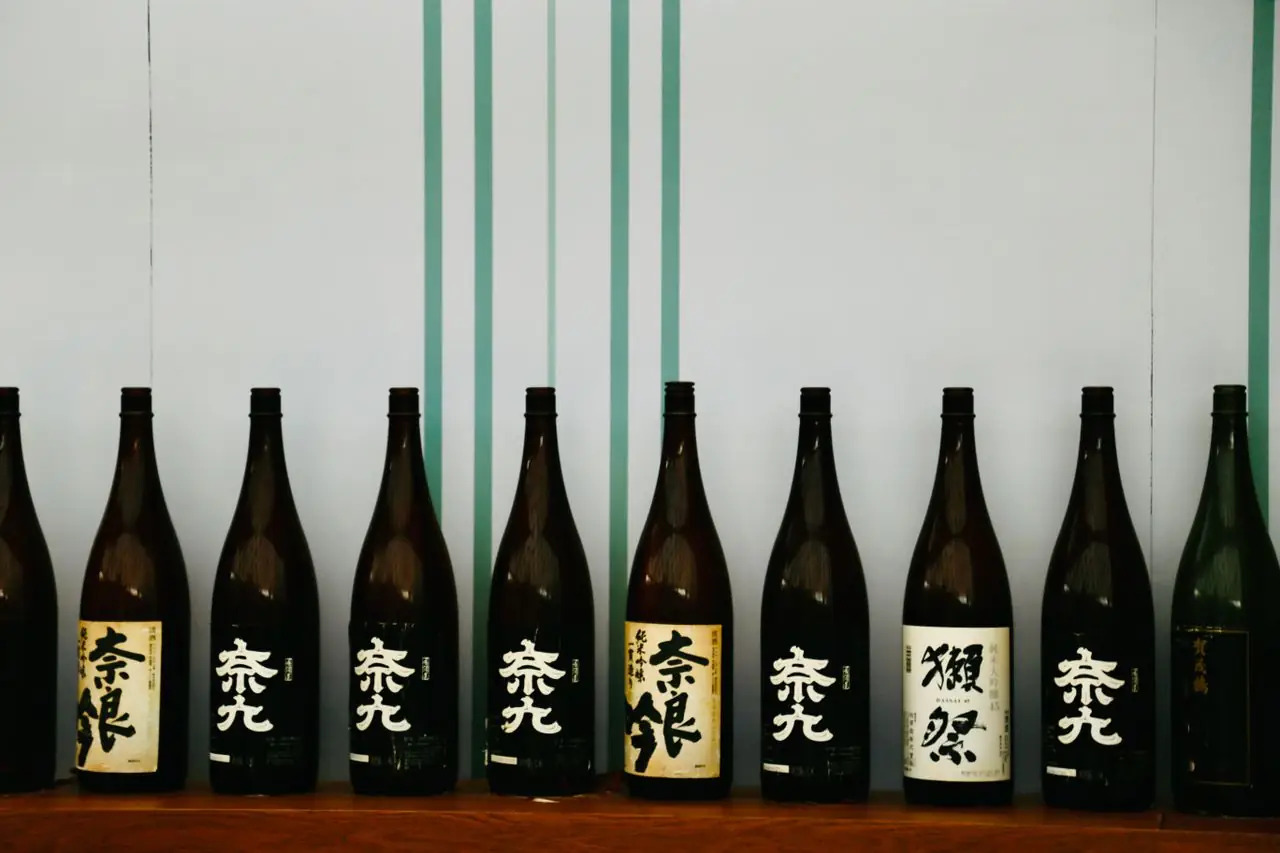 Sauces
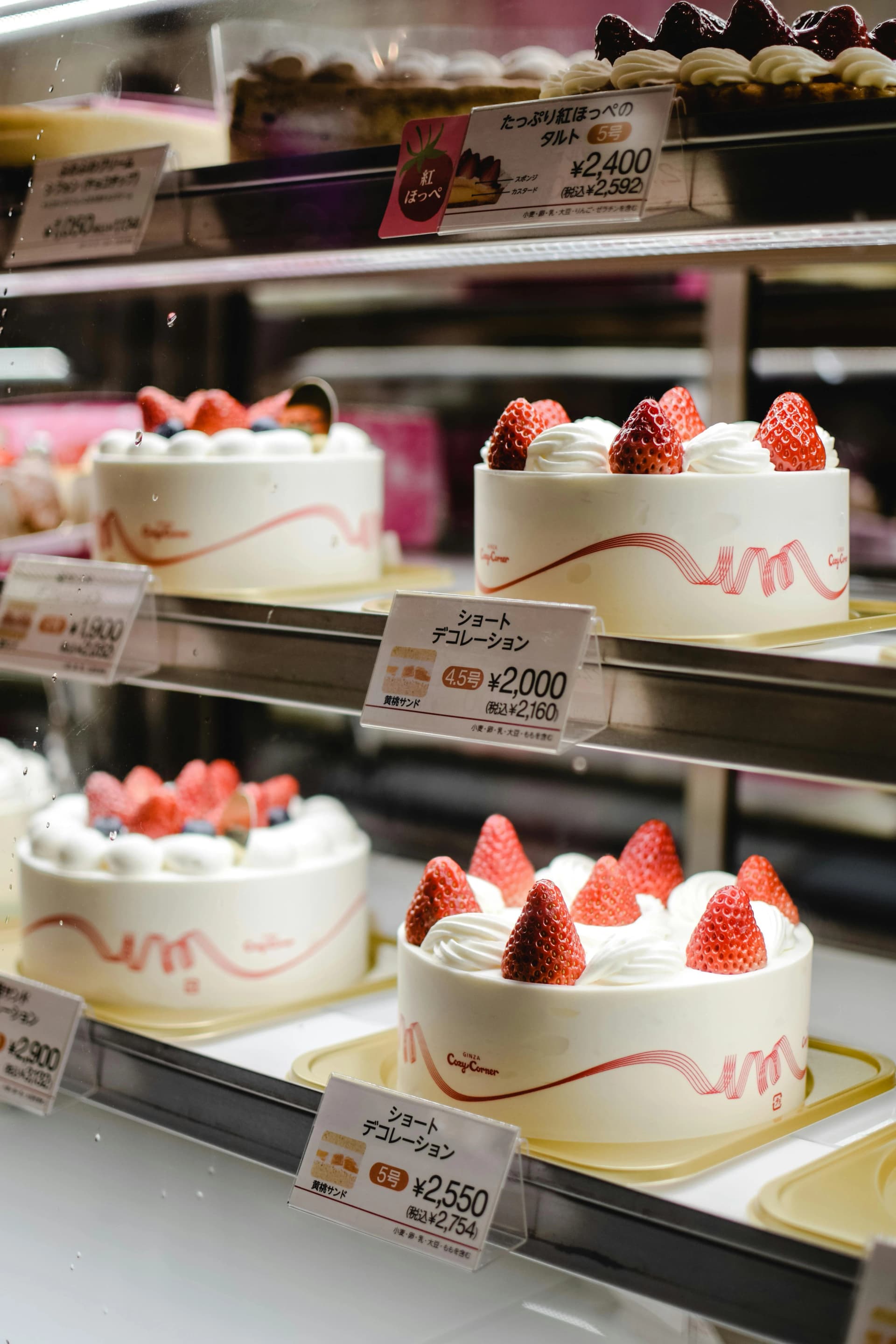
 Lard and gelatin
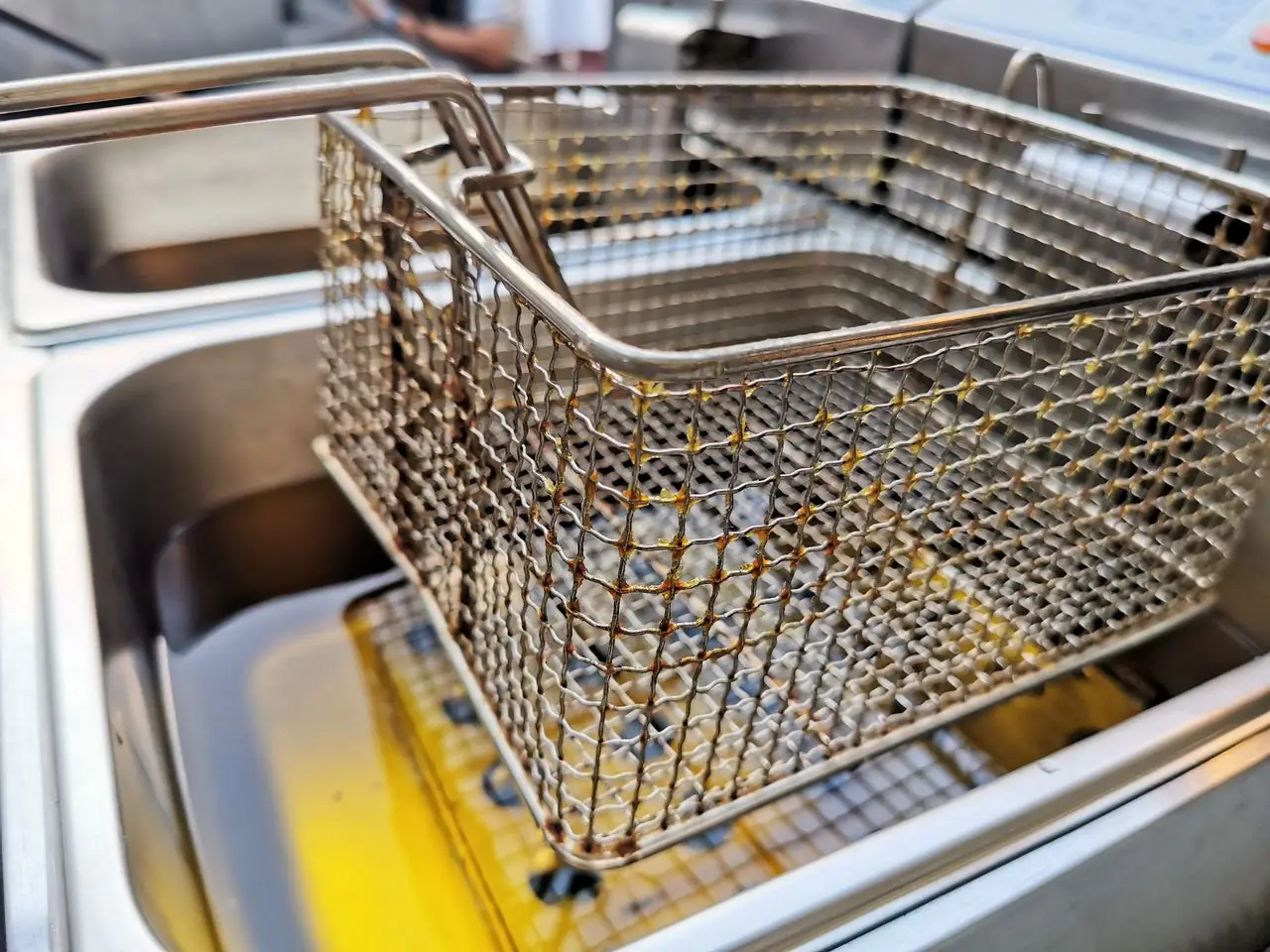 Pans and fryer oil
Swipe for more
Show this to the kitchen
Send these by email or show them on a phone. The Japanese is for staff who do not read English.
Five questions
Japanese, with English below- ハラール認証はお店全体ですか、一部のメニューだけですか。Is the whole restaurant certified, or only some dishes or ingredients?
- 認証団体はどこですか。証明書を見せてもらえますか。Who is the certifier, and can I see the certificate?
- 肉はハラール認証のものですか。ラードやゼラチンなど豚由来の原料は使っていますか。Is the meat halal-certified, and are pork or pork-derived items such as lard and gelatin used anywhere in the kitchen?
- 料理にみりんや料理酒などのアルコールを使っていますか。お酒は提供していますか。Is alcohol used in cooking or served?
- 豚肉を使う料理と調理器具や揚げ油は共通ですか。Are the pans, fryer oil and utensils shared with pork dishes?
The fourth question needs a word of explanation. Travelers hold different views on alcohol that is used in cooking. Decide your own position first, then ask.
Three labels, three levels of evidence
Tokyo has a growing number of restaurants that cook for Muslim visitors, and the wording they use is not consistent. One restaurant says “halal certified”, the next says “halal friendly”, a third says “Muslim friendly”, and all three can appear in the same search result. They mean different things, and it is worth knowing which one you are looking at before you plan a day around it.
- “Halal certified”
- A certification body has audited the restaurant or its dishes and issued a certificate. Ask for: the certifier's name, the certificate, its scope and its expiry date.
- “Halal ingredients” or “halal-certified seasonings”
- The supplier's products are certified; the kitchen itself may not be. Ask: whether the kitchen, the meat and the cooking oil are covered too.
- “Muslim friendly” or “halal friendly”
- The restaurant avoids pork and alcohol or offers some suitable dishes; no outside audit is implied. Ask: exactly which dishes, and how the kitchen handles pork and alcohol.
Who issues certificates, and two cautions about directories
Several bodies issue halal certificates in Japan, and each applies its own rules. The Japan Halal Association says it is approved by certifiers in Malaysia (JAKIM), Singapore (MUIS), Indonesia (BPJPH), Turkey, the Gulf countries and the UAE. The Japan Halal Foundation says it has mutual recognition with JAKIM and MUIS and publishes a list of certified shops. The Japan National Tourism Organization's guide points visitors to restaurants certified by Japan Muslim Association and to the Halal Gourmet Japan directory.
Halal Gourmet Japan is a directory, not a certifier, although it marks listings with the month they were verified (for example “HGJ Verified August 2026” on some Tokyo entries). The Japan Halal Association's public list covers only companies that agree to be published, so a venue missing from it is not evidence either way.
Three places we checked
All checks below were made on 22 November 2026. We looked for a certification record from a certifier, a statement on the venue's own site, and signs that the venue is operating. We did not eat at these venues for this article.
Menus, hours and certificates change, so ask for the current certificate when you book. This is a planning guide. Whether a given meal meets your own standard is for you and the restaurant to settle, and we do not guarantee any venue.
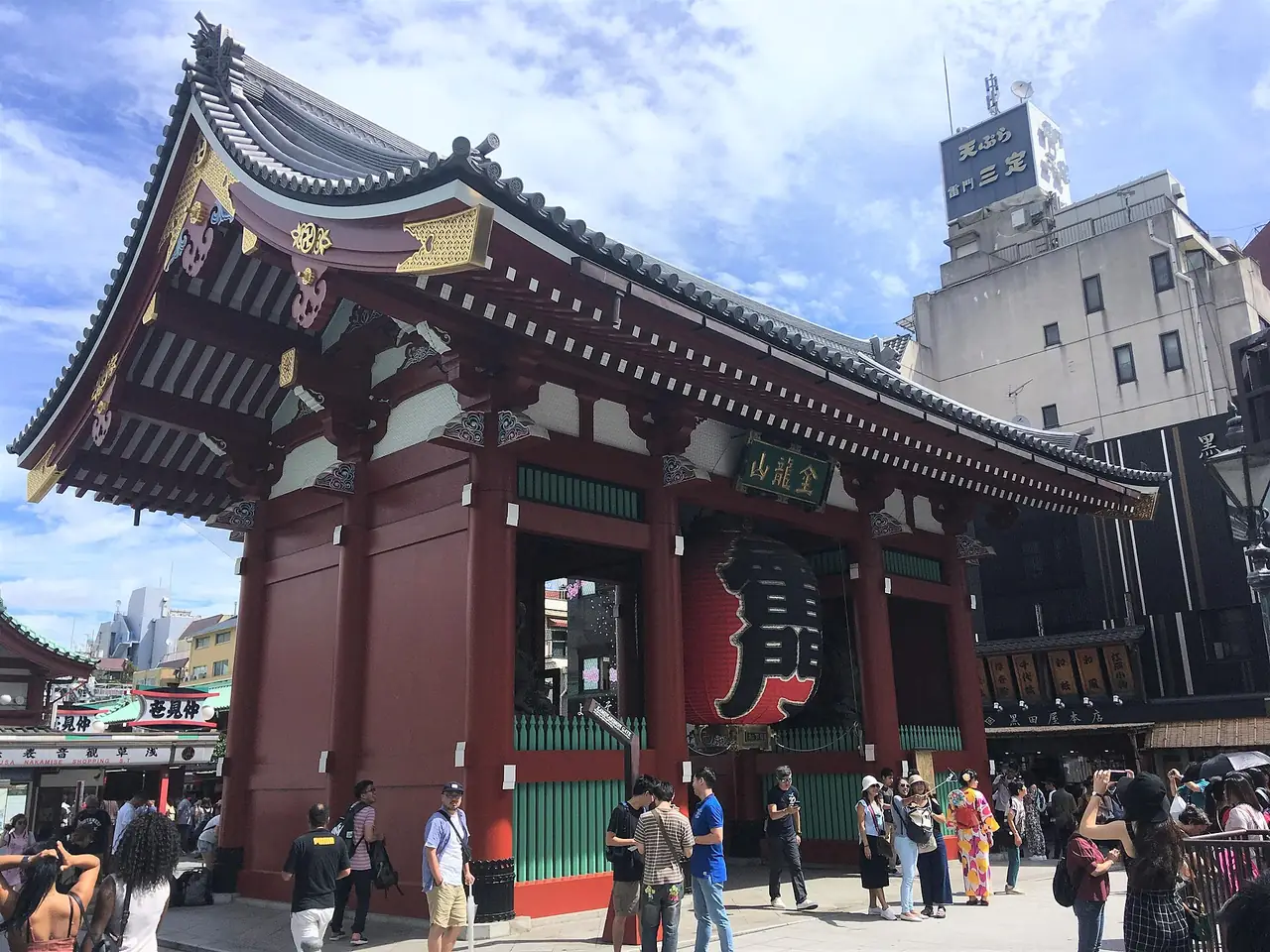
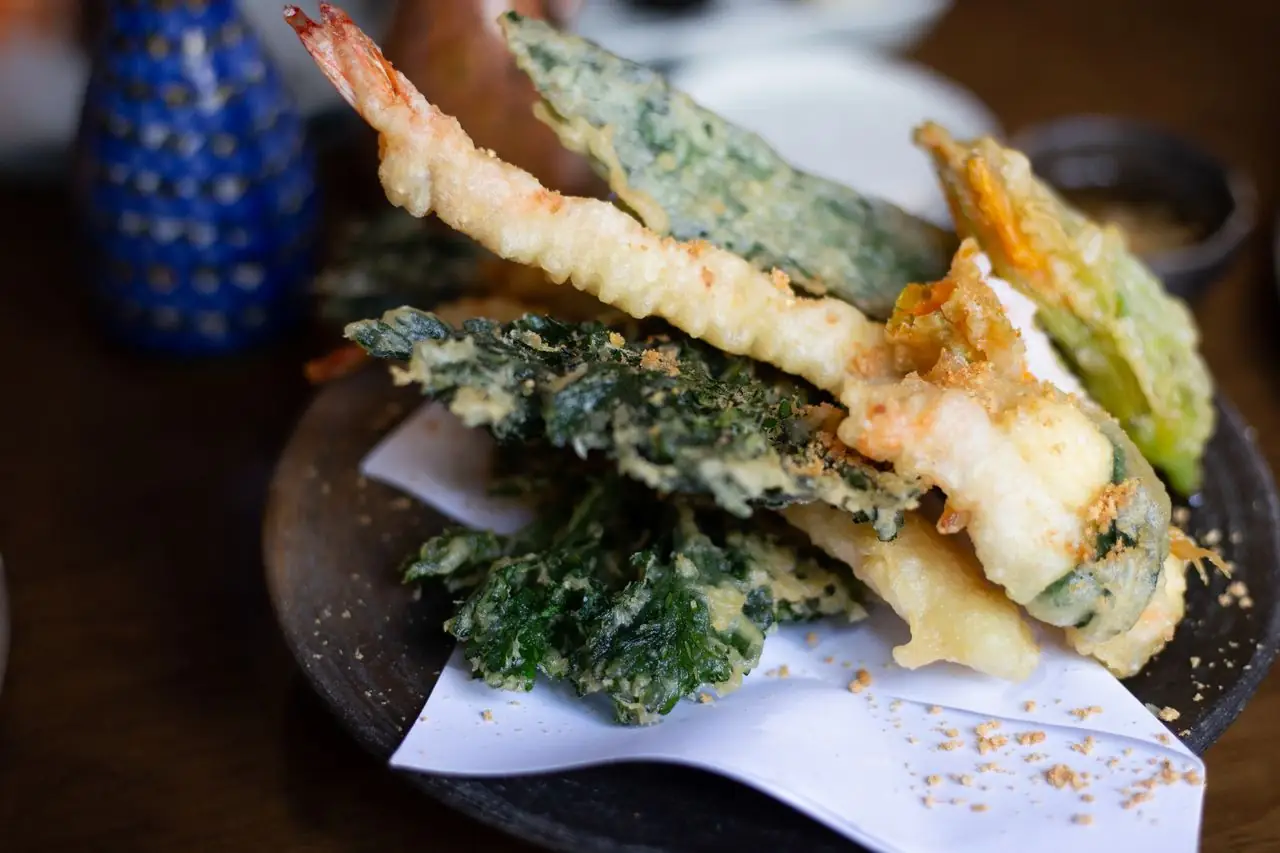
Tempura Asakusa SAKURA
Its own site says all food items are halal certified and gluten-free, with vegetarian options. Status: documented certification, certifier named by the Japan Halal Foundation record.
What we did not check: alcohol on the drinks menu, and the certificate's expiry date.
Checked 22 Nov 2026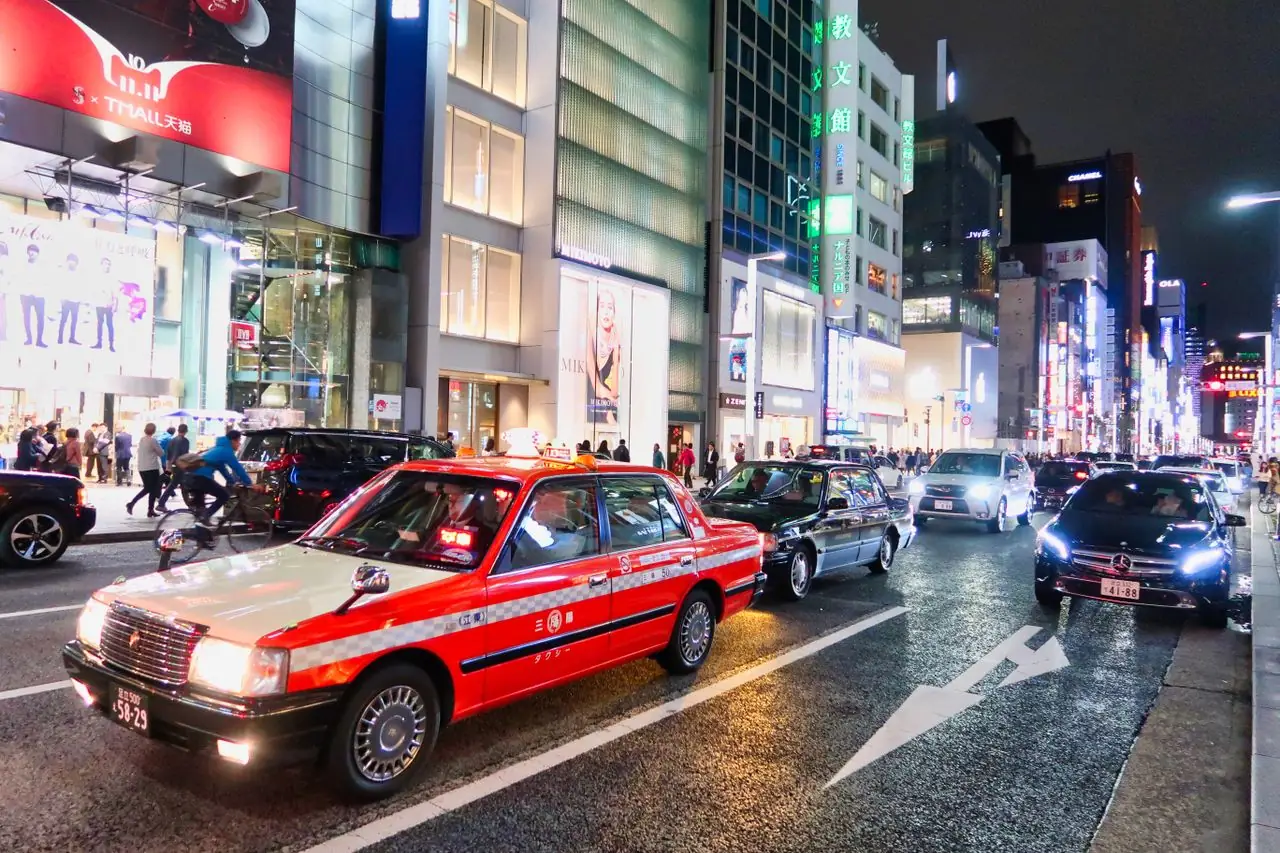
Tendon Ginza Itsuki
A tendon (tempura rice bowl) specialist. Status: listed by the Japan Halal Foundation; its record page does not state the certification wording, so ask to see the certificate.
What we did not check: the certificate's expiry date, and whether alcohol is served.
Checked 22 Nov 2026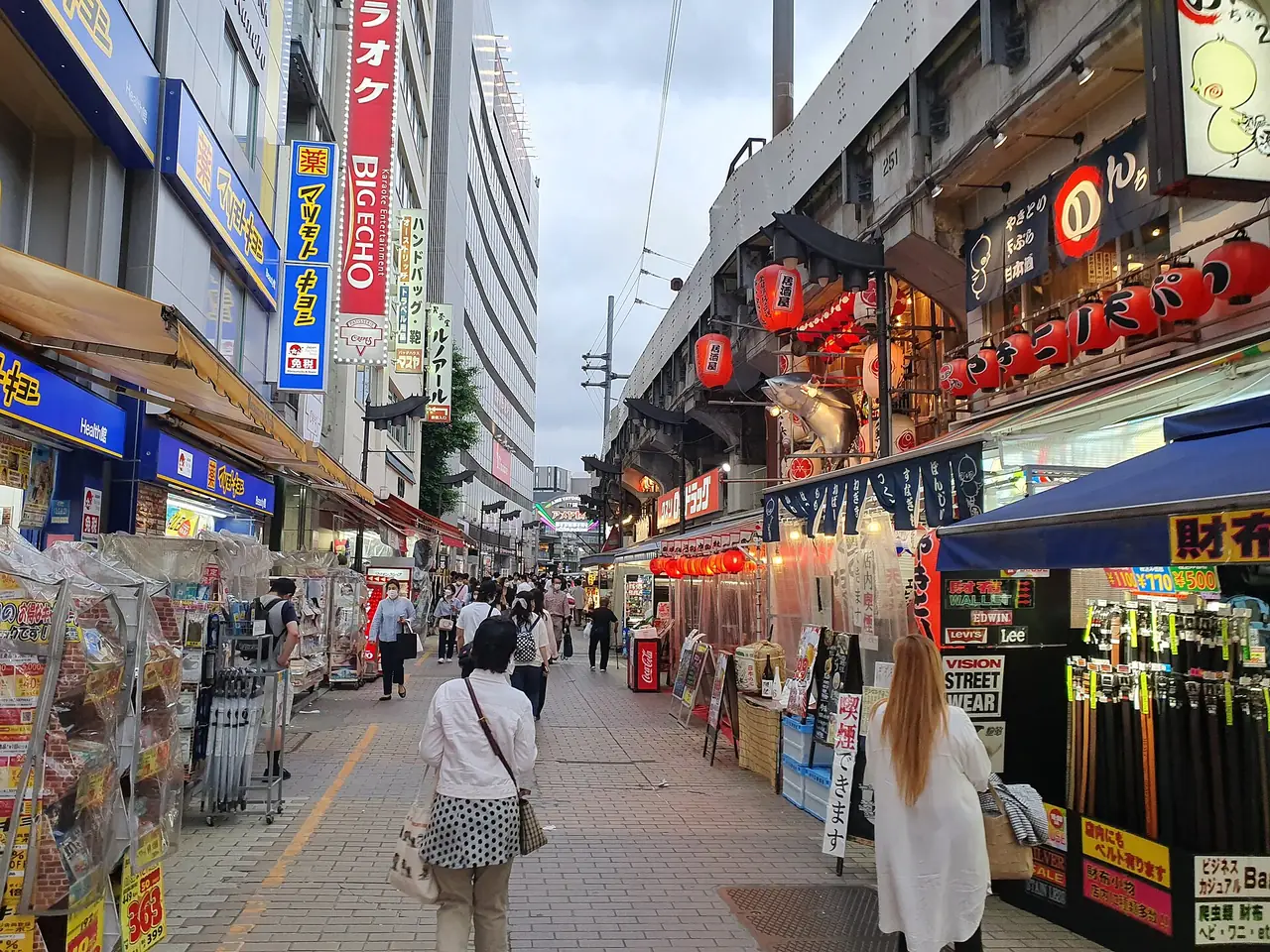
Shinjuku-tei halal wagyu ramen
The operating company's own page for the group says the ramen uses halal-certified seasonings and ingredients, no pork and no alcohol, with a prayer space. Status: we could not confirm the certifier or the certificate's scope from the pages we read. Ask the branch which body certified it before you rely on the label.
Checked 22 Nov 2026What we checked at each place
- Tempura Asakusa SAKURA is a tempura restaurant in the Kaminarimon area, about a minute's walk from Asakusa Station. The Japan Halal Foundation's certified-shops record for the restaurant says the same as its site (“all meals are halal certified”). A TableCheck booking page was taking reservations on 22 November 2026, which is our evidence that it is trading now. The latest news item on the restaurant's own site is dated December 2024, so the site itself is not a 2026 source.
- Tendon Ginza Itsuki: the Japan Halal Foundation's shop list has records for two Ginza branches, including the Tokyu Plaza Ginza branch on the second basement floor. The operating company's news page posted a notice on 18 November 2026 about changed opening hours for Ginza Itsuki, so the brand is trading this month. The notice does not say which branch, so call before going.
- Shinjuku-tei is useful mainly because its wording differs between pages. The TableCheck booking page for its Ueno Park branch calls the ramen “100% halal certified” and mentions a prayer space, and the Ginza, Shinjuku and Shibuya branches carry the same “Halal Certified” tag there. Those statements are not identical, and the company's own page describes ingredients rather than the whole kitchen. The Shibuya branch's own page lists hours of 13:00 to 21:00, Tuesday to Sunday, closed Mondays.
We have no verified halal venue to name in Harajuku, and for Shinjuku and Shibuya the only venue we found is the ramen group above, and its certification is unconfirmed. A short list we can stand behind is better than a long one we cannot.
Prayer rooms at airports and major stations
| Place | What the operator's page says | Checked |
|---|---|---|
| Haneda Terminal 1 | No prayer room. Use another terminal | 22 Nov 2026 |
| Haneda Terminal 2 | International departures: two rooms on 3F before security, two rooms on 2F after security | 22 Nov 2026 |
| Haneda Terminal 3 | Two rooms on 3F before security | 22 Nov 2026 |
| Narita Terminal 1 | Central Building, 2F after security (international) and 3F before security | 22 Nov 2026 |
| Narita Terminal 2 | Main Building, 1F before security and 1F after security (international) | 22 Nov 2026 |
| Narita Terminal 3 | Main Building, 2F before security and 3F after security (international) | 22 Nov 2026 |
| Tokyo Station | Inside JR East Travel Service Center Tokyo Station, Marunouchi North exit. Seats about two people, has a washing facility, kept locked, ask staff by intercom. Listed hours 10:00 to 17:00 | Page undated, 22 Nov 2026 |
| Masjid Nusantara Akihabara | A small mosque in a building on the fifth floor, about two minutes from Iwamotocho Station and seven from Akihabara. Listed hours 10:00 to 20:00 | Page undated, 22 Nov 2026 |
The Tokyo Station and Masjid Nusantara entries come from the Chiyoda City tourism association's visitor site, whose pages carry no date. The Tokyo Station page still mentions COVID-era hour changes, so confirm that the room is open on the day.
Planning a halal day
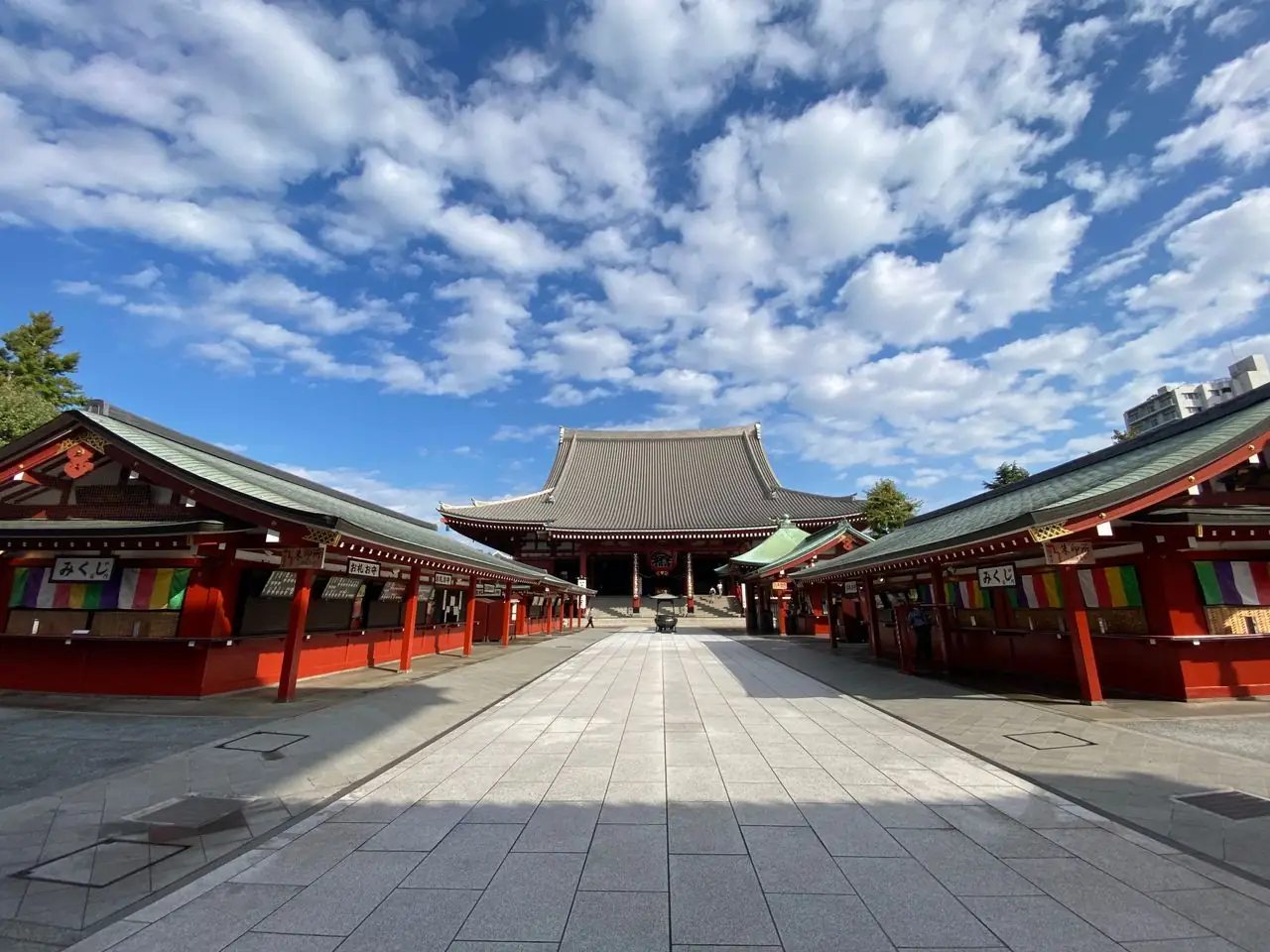
Start from the meal, then build the route around it. In Asakusa, a lunch at a certified tempura restaurant fits easily between Senso-ji in the morning and the river walk in the afternoon. In Ginza, once you have seen the certificate, an early dinner of tendon leaves the evening free. Avoid planning two meals in neighborhoods where you have no confirmed option, and bring snacks you have checked yourself for the gap days.
Book ahead. Tempura Asakusa SAKURA recommends advance reservations, and small venues fill quickly. Mention your requirements in the booking message, and keep the certificate details on your phone.
What a private guide changes
On the day, your guide can ask the five questions above in Japanese, read the certificate with you if there is one, and tell you plainly when a venue's wording is looser than its label. That conversation is hard to do through a translation app at a busy counter.
A food tour built around halal requirements
Our private food tour can be built around halal requirements. It is a custom 4 or 6 hour tour planned around what your group eats and does not eat, and you can ask about halal planning before you book. Tell us how strict your standard is, including your position on alcohol in cooking, and we will say honestly what we can and cannot arrange.
See the private food tourSources
- Japan Halal Foundation, certified shops and records for Tempura Asakusa SAKURA and Tendon Ginza Itsuki Tokyu Plaza, checked 22 November 2026.
- Japan Halal Association, home page and published certified companies, checked 22 November 2026.
- Japan National Tourism Organization, Vegetarian and vegan guide (section on halal and kosher) and Japan's Muslim-friendly tourism, checked 22 November 2026.
- Tempura Asakusa SAKURA, official site and TableCheck page, checked 22 November 2026.
- Grand Cuisine, news, checked 22 November 2026.
- TableCheck, halal restaurants in Ueno, and Emry, Shinjuku-tei halal ramen, checked 22 November 2026.
- Halal Gourmet Japan, Tokyo restaurants and prayer spaces, checked 22 November 2026.
- Haneda Airport Passenger Terminal, prayer rooms, and Narita International Airport, prayer room, checked 22 November 2026.
- Chiyoda City Tourism Association, Tokyo Station prayer room and Masjid Nusantara Akihabara, checked 22 November 2026.
Photo credits
Christophe95 / Wikimedia Commons, CC BY-SA 4.0. Photos resized.