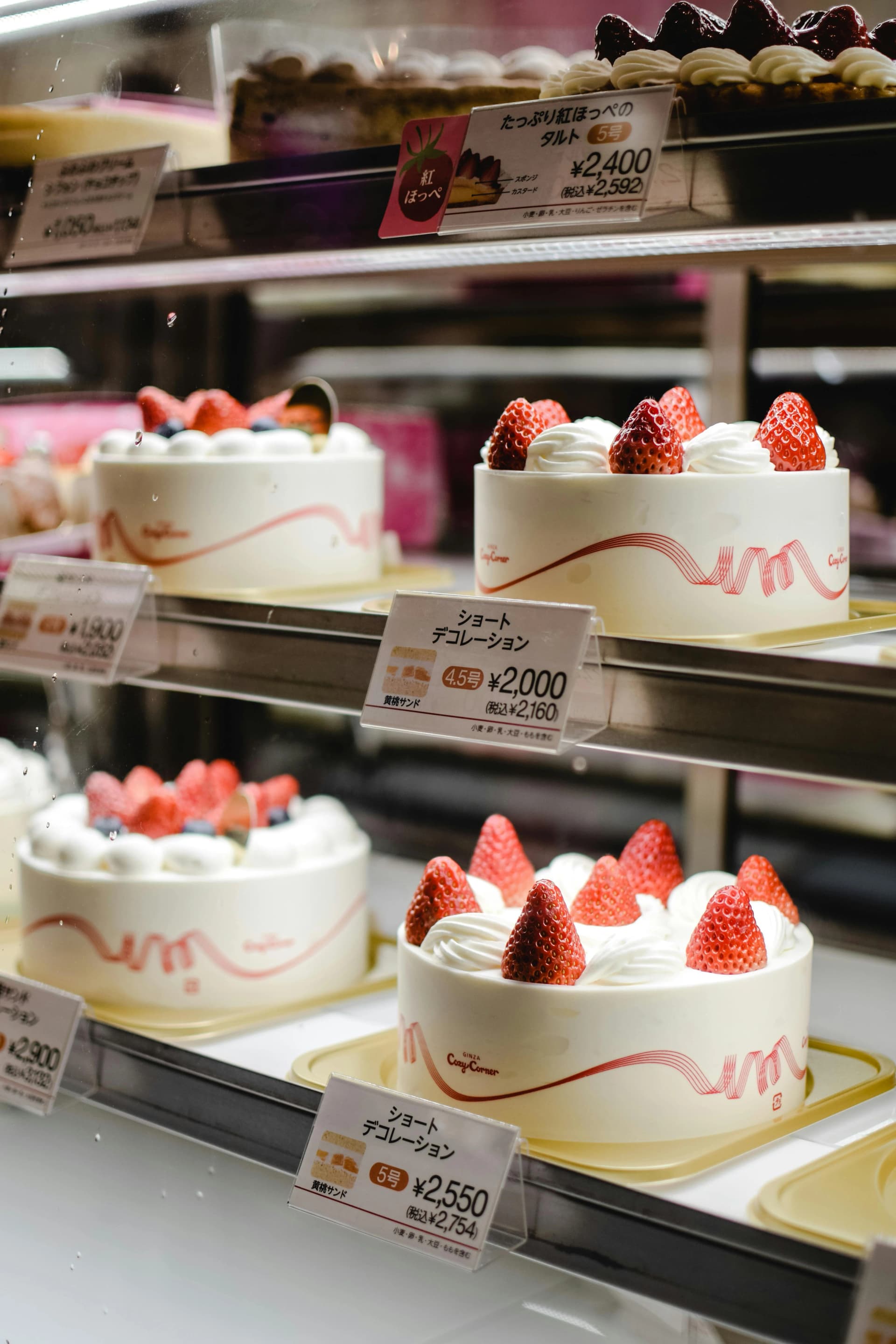
Most visitors walk through a depachika once, buy some mochi, and move on. That's a perfectly fine experience. You saw the glass cases, you tried a sample, you spent ¥800 on something wrapped in beautiful paper. Good trip.
But there's another way to use depachika. The people who know how it works, who know which floor to hit at 6 PM on a weekday for discounted bento, which store functions as a national archive of regional wagashi, which counters are running a two-week seasonal fair from Hokkaido this month. Those people are getting significantly more out of the same building.
This is the guide that explains how depachika actually works. Not the "hidden gem" version. Depachika aren't hidden. They're under every major department store in Tokyo. The gap is that most English-language guides describe them as "fancy food courts" and leave it there, which misses almost everything interesting about them. If you're planning what to eat in Tokyo, this sits alongside the full food scene overview as one of the experiences worth understanding properly before you go.
What Depachika Actually Is
The word is a contraction: "depa" from depato (department store), "chika" from chika (basement). Every major department store in Japan has a food floor in the basement, usually B1, sometimes extending to B2. The concept dates back to the 1950s and 60s, with Nihombashi Mitsukoshi among the pioneers.
These are not supermarkets. A depachika is a curated collection of food brands, artisan producers, patisseries, and regional specialty shops, all under one roof. The curation is the point. Each counter has been selected, and the selection reflects decades of relationships between the department store and its vendors.
The reason the quality standard is so high comes down to one thing: gift culture. Depachika exist primarily because Japanese people buy food gifts constantly. For colleagues, for clients, for family after a trip, for seasonal obligations like ochugen and oseibo. When you're buying something that represents you to your boss's boss, it needs to be perfect. The wrapping, the brand, the presentation, the taste. Depachika evolved to serve this standard, and everything on the floor benefits from it, including the ¥500 bento you grab for dinner.
Most depachika organize into three zones. The sozai section handles prepared foods: bento, sushi, tempura, grilled fish, salads, side dishes. This is where you eat. The sweets and wagashi section covers both traditional Japanese confections and Western-style patisserie. This is where you buy gifts. The third zone handles premium ingredients and specialty items: imported cheeses, olive oils, premium sake, luxury fruit. The zones blur at the edges, but understanding this layout saves you twenty minutes of confused wandering on your first visit.
The Top Tokyo Depachika
Isetan Shinjuku (B1/B2)
Isetan is the depachika that everyone who lives in Tokyo has an opinion about, and most of those opinions are positive. It runs 151 food vendors across two basement floors. B1 handles sweets, wagashi, and gift items. B2 is sozai, prepared foods, fresh produce, and the alcohol section.
What makes Isetan different is rotation. The floor changes constantly. Chef collaborations cycle through the Kitchen Stage, where working chefs do live cooking demonstrations and sell limited-run dishes. Exclusive items appear for a week and disappear. The sweets counter introduces new seasonal lines every month. If you visit Isetan twice, a month apart, the floor will look noticeably different.
Specific things worth buying: the black pork shumai from PAOPAO at ¥148 each (handmade daily, consistently the bestseller), Matsusaka beef minced cutlet from Kakiyasu Dining at ¥486 (sells out most days by late afternoon), and whatever the current seasonal wagashi is. The imported cheese section on B2 is one of the best curated in Tokyo.
Isetan gets crowded. Weekday evenings and weekends are packed. Go on a weekday morning if you want space to browse. The staff are attentive and many speak English, which makes this a good first depachika if you've never visited one.
Nihombashi Mitsukoshi (B1/B2)
Nihombashi Mitsukoshi is the oldest department store in Japan, founded in 1673. Its depachika reflects that history. Where Isetan chases trends, Mitsukoshi curates tradition. The B1 floor functions as something close to a national food archive: regional specialties from prefectures across Japan, traditional wagashi makers who have been operating for generations, premium teas, luxury fruit.
This is the depachika for omiyage. If you need to buy a gift that signals quality, taste, and cultural awareness, Mitsukoshi Nihombashi is where Tokyo residents go. The fruit sandwich counter is excellent. The wagashi selection is the deepest in the city, with makers you won't find at other depachika.
The store also runs the best regional fairs (bussan-ten) in Tokyo. These are rotating pop-up events, typically lasting one to two weeks, where food producers from a specific prefecture set up temporary counters. During a Hokkaido fair, for example, you'll find dairy producers, seafood smokers, and confectioners from across the island, many of whom never sell in Tokyo otherwise. Check the Mitsukoshi website before your visit to see what's running.
The atmosphere skews older and more formal than Isetan. The customer base is predominantly 40+. Crowds are high but orderly. English signage exists but is less comprehensive than at Isetan or Ginza Mitsukoshi.
Shibuya Hikarie ShinQs (B2/B3)
ShinQs at Shibuya Hikarie is consistently praised for its customer service. The staff here are trained to guide, not sell. If you ask what's good today, they'll give you an actual answer. If you're buying a gift, they'll help you match it to the occasion.
The selection skews modern. You'll find more patisserie and Western-influenced confections here than traditional wagashi. Pierre Hermé macarons at ¥150 to ¥200 each, Juchheim Baumkuchen, Yokumoku egg sandwiches. The original blend coffees are good.
ShinQs also has something most depachika lack: a proper eating area. Shibuya Stand, on the food floor, provides stools and counter space where you can sit down with your purchases. In most depachika, eating means finding a bench somewhere outside the food floor. Here, it's built in.
This is the best depachika for someone who wants guidance. If the idea of navigating 150 counters in a language you don't speak feels overwhelming, start here. The service makes the difference.
Ginza Mitsukoshi (B2)
Ginza Mitsukoshi carries the same Mitsukoshi name as the Nihombashi flagship, but the experience is different. This location is smaller, more curated, and aimed at a younger demographic. Think 30-something professionals picking up something beautiful on the way home, rather than the grand, archival atmosphere of Nihombashi.
The strengths are in the overlap between traditional and modern. Ginza Kimuraya, the bakery that invented anpan (sweet bean bread) in 1874, has a counter here. Ginza West pastries, exclusive Ginza Yoshida vinegar, and a prepared foods section that leans toward refined deli items rather than bulk bento.
This is a good depachika for luxury gift buying. The wrapping, the presentation, and the brand names all carry Ginza weight. It's less crowded than Isetan and more manageable than Nihombashi Mitsukoshi. If you're staying in Ginza or passing through, it's worth thirty minutes.
English signage is good here. Staff at most counters can handle basic English transactions.
Daimaru Tokyo (B1)
Daimaru sits directly inside Tokyo Station, which makes it the depachika you'll visit whether you planned to or not. If you're catching a shinkansen, you'll pass through it. This shapes everything about the place: the selection, the pace, the customer base.
The standout is bento. Daimaru calls part of its food floor "Bento Street," and it stocks hundreds of bento and ekiben (train lunch boxes) varieties. Ekiben culture is a whole category of Japanese food built around the idea that your train journey deserves a proper meal. Each region has signature ekiben, and Daimaru collects them. You can buy a Hokkaido crab bento, a Nagoya miso katsu bento, and a Kyoto-style saba bento all within a five-minute walk.
The "Rare Sweets Tokyo" section carries limited-edition regional treats that rotate regularly. The atmosphere is fast and commuter-focused. This is not a browsing depachika. People move with purpose. But if you have 20 minutes before a train and want to eat well on board, there is no better place in the city.
Daimaru also runs end-of-day discounts aggressively, with prepared foods marked down in the last hour before close.
Matsuya Ginza (B1)
Matsuya is the smaller, quieter alternative to Ginza Mitsukoshi, located just a few blocks away. It's less famous and less crowded, which is exactly why some people prefer it.
The depachika here has a strong imported foods section and a well-edited selection of wagashi. It lacks the scale of Isetan or the heritage weight of Nihombashi Mitsukoshi, but the browsing experience is more relaxed. If you've already visited one of the major depachika and want a calmer comparison, Matsuya is a good second stop.
Comparison Table
| Depachika | Location | Best for | Standout section | Hours |
|---|---|---|---|---|
| Isetan Shinjuku | Shinjuku Station (East Exit) | Trends, chef collaborations, sozai | Kitchen Stage demos, 151 vendors | 10:00–20:00 |
| Nihombashi Mitsukoshi | Mitsukoshimae Station | Regional specialties, omiyage, wagashi | Regional fairs (bussan-ten) | 10:00–19:30 |
| Shibuya Hikarie ShinQs | Shibuya Station (direct connect) | First-timers, service, modern sweets | Shibuya Stand eating area | 11:00–21:00 |
| Ginza Mitsukoshi | Ginza Station | Luxury gifts, refined browsing | Ginza Kimuraya anpan | 10:00–20:00 |
| Daimaru Tokyo | Tokyo Station (Yaesu side) | Train bento, last-minute shopping | Bento Street (hundreds of types) | 10:00–21:00 |
| Matsuya Ginza | Ginza-itchome Station | Quiet browsing, imported foods | Wagashi selection | 10:00–20:00 |
What to Buy: A Category Guide
Wagashi
The artisan wagashi counter is the cultural heart of any depachika. Wagashi are traditional Japanese sweets, and the best ones are made fresh, sold the same day, and shaped to reflect the current season. In spring you'll see pale pink cherry blossom mochi. In autumn, chestnut-shaped yokan. The craft is precise, and the price reflects it: expect ¥300 to ¥1,500 per piece, with gift boxes running ¥1,500 to ¥3,000.
What separates good wagashi from average wagashi is texture and subtlety. The bean paste should be smooth, the mochi should have give without being sticky, the sweetness should be restrained. Nihombashi Mitsukoshi has the deepest wagashi selection in Tokyo. If you're buying wagashi as a gift, this is where to go.
Sozai (Prepared Foods)
The sozai section is where depachika functions as a meal. Sushi, tempura, grilled fish, korokke (croquettes), salads, rice balls, and fully assembled bento. Quality ranges from solid everyday food to items prepared by chefs with Michelin recognition. A good bento runs ¥1,000 to ¥2,500. Individual side dishes cost ¥300 to ¥900. Isetan's B2 and Daimaru Tokyo are the two strongest sozai floors.
The key detail: sozai is where the end-of-day discounts happen. More on that below.
Sweets and Patisserie
The Western-influenced confection counters sit alongside the wagashi but operate in a different register. French-trained pastry chefs producing millefeuille and tarts next to Japanese confectioners making castella and dorayaki. The line between the two traditions blurs constantly. You'll find Japanese interpretations of French pastry that are arguably better than the originals, and French techniques applied to Japanese ingredients like matcha, yuzu, and hojicha.
Price range is ¥300 to ¥800 for individual pastries, with elaborate gift boxes reaching ¥3,000+. Pierre Hermé macarons at ShinQs, Juchheim Baumkuchen, Bel Amer chocolates at Isetan. These counters are designed for gifting, so the packaging is always immaculate.
Regional Specialties
This is the category that makes Nihombashi Mitsukoshi irreplaceable. Omiyage culture, the practice of bringing back food gifts from a trip, drives an entire economy of regional specialties. Every prefecture in Japan has signature foods, and the depachika regional section collects them in one place. During a bussan-ten fair, producers from Hokkaido, Okinawa, or Kyushu set up temporary counters and sell products that normally require a trip to their home region.
Even outside of fair season, the permanent regional sections carry items you won't find at a regular grocery store or convenience shop. This is one of the genuinely unique aspects of depachika shopping.
Sake and Beverages
Depachika sake sections are curated differently from liquor stores. The selection is smaller but more carefully chosen, often featuring seasonal releases, small-batch producers, and exclusive bottlings. Staff can typically explain what they're selling and make recommendations based on your taste. Expect ¥1,500 to ¥5,000 for a good bottle. Isetan Shinjuku has one of the strongest alcohol sections, covering sake, Japanese whisky, craft beer, and wine.
The End-of-Day Strategy
This is the thing most English-language guides either skip or mention in passing. It's the single most useful piece of information in this article.
Most depachika discount their prepared foods in the final 30 to 60 minutes before closing. The discounts range from 10 to 30 percent. Staff walk through the sozai section applying small yellow or red discount stickers to bento, sushi trays, tempura sets, salads, and other prepared items. The stores want to clear perishable inventory. The food was made that day, it's still excellent, and it needs to sell before close.
The timing varies. Stores closing at 20:00 typically start marking down around 19:00 to 19:30. Daimaru Tokyo, which closes at 21:00, starts around 20:00. Weekdays are better than weekends because fewer people are competing for the same items.
Here's how to use this: arrive 30 to 60 minutes before closing, go straight to the sozai section, and look for the stickers. You can assemble a dinner of sushi, grilled fish, and sides that would cost ¥3,000 at full price for ¥2,000 or less. This is what Tokyo office workers do on the way home. It's not a travel hack. It's just how the system works.
What doesn't get discounted: wagashi, gift items, premium ingredients, and anything in sealed packaging with a longer shelf life. The discounts apply to fresh prepared foods that won't survive until tomorrow.
Seasonal Fairs and Limited Editions
Depachika floors are not static. They change every few weeks. The mechanism is the bussan-ten (物産展), a rotating regional fair where food producers from a specific area of Japan set up temporary counters for one to two weeks.
In spring, you'll see Kyoto wagashi makers and cherry blossom sweets across every depachika. Summer brings kakigori (shaved ice) from specialist producers and stamina-boosting dishes built around garlic and spice. Autumn means new sake releases, Hokkaido dairy, and chestnut everything. Winter is the busiest season: New Year gift sets, Christmas patisserie, fukubukuro (lucky bags with ¥5,000 worth of food for ¥2,000).
The seasonal fairs are a major reason Japanese locals visit depachika repeatedly. A Nihombashi Mitsukoshi Hokkaido fair draws crowds that queue before the store opens.
How to know what's on: check the store's website or Instagram account the week before you visit. Most department stores maintain a dedicated events page listing current and upcoming fairs. This is how depachika regulars shop. They check what's running, then decide which store to visit that week.
How to Navigate Without Japanese
The practical reality is that depachika are easier to navigate without Japanese than most restaurants. The food is displayed in glass cases. Prices are on tags. You can see exactly what you're buying before you commit to anything.
Samples help. Most counters put out small bites for people to try, and accepting a sample is completely normal. Take one, eat it, decide. If you want something, point at it and say "kore wo hitotsu kudasai" (one of these, please). For quantities, hold up fingers. This covers about 95 percent of transactions.
The only situation where Japanese becomes genuinely useful is gift customization. If you need items packed separately, or you want a specific type of wrapping (noshi paper for formal gifts, for example), you'll need to communicate that. At Isetan and Ginza Mitsukoshi, English-speaking staff are usually available. At other locations, the Google Translate camera does a reasonable job with signage and packaging labels.
Don't eat while walking through the depachika. It's a Japanese custom, not a rule, but people will notice. Find a bench, use the designated eating area if one exists (ShinQs has Shibuya Stand), or take your food outside.
Making the Most of a Visit
If you only visit one depachika, make it Isetan Shinjuku for the widest selection or Nihombashi Mitsukoshi for the deepest cultural experience. If you're passing through Tokyo Station, Daimaru is automatic. If you want guidance and don't want to feel lost, ShinQs at Shibuya Hikarie has staff who will walk you through it.
For the best value, visit on a weekday evening during the discount window. For the best selection, go on a weekday morning when nothing has sold out yet and staff have time to talk.
The seasonal fairs are worth planning around if you know when they're running. A Hokkaido fair at Nihombashi Mitsukoshi or a Kyushu fair at Isetan is a different experience from a regular visit. Check the store websites before you go.
If you want someone to walk you through the best floors and explain what you're looking at, a private food tour covers the depachika alongside Tokyo's street food and standing bars.
If the patisserie counters in the depachika spark an interest, Jiyugaoka takes that obsession further. The neighborhood is where Japan's mont-blanc cake originated in 1933, and it now has the highest concentration of specialist patisseries in Tokyo.