Food Allergies in Tokyo
What to share before you go, how to get a card a kitchen can read, what Japan's allergen labels do and do not cover, and who to call if something goes wrong.
This guide is planning information drawn from official sources, not medical advice. Your own doctor decides what you can eat and what you should carry, so ask them before you travel.
Where the risk hides
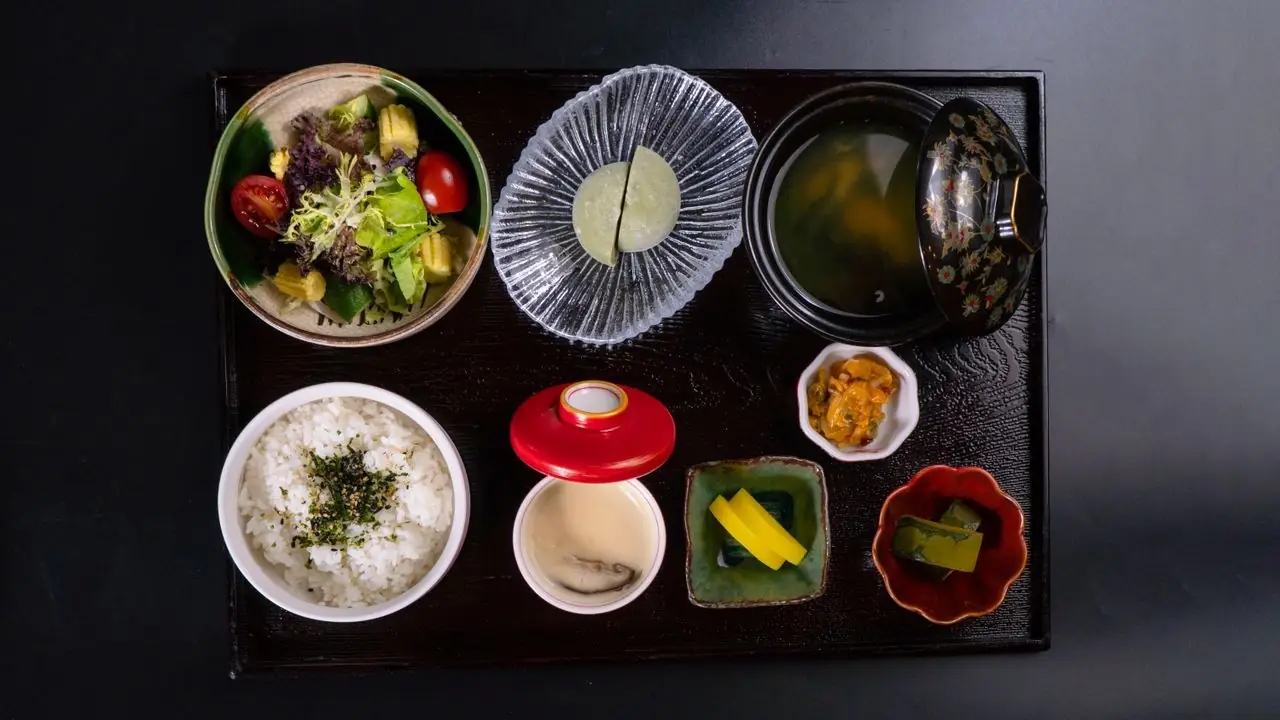
Travelling to Tokyo with a food allergy is manageable when you plan the conversation before you sit down. The risk is rarely the main ingredient. It is the sauce, the stock, the frying oil or the grill.
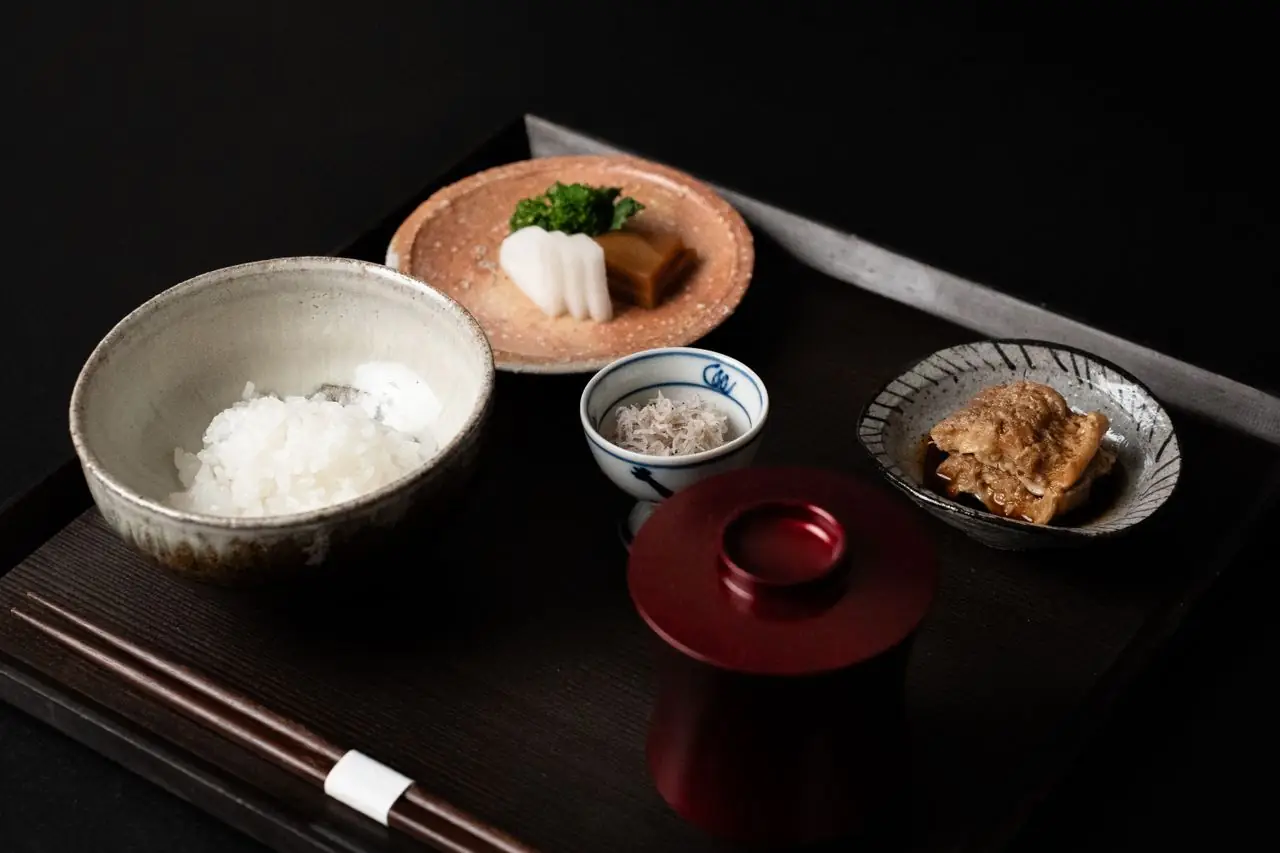
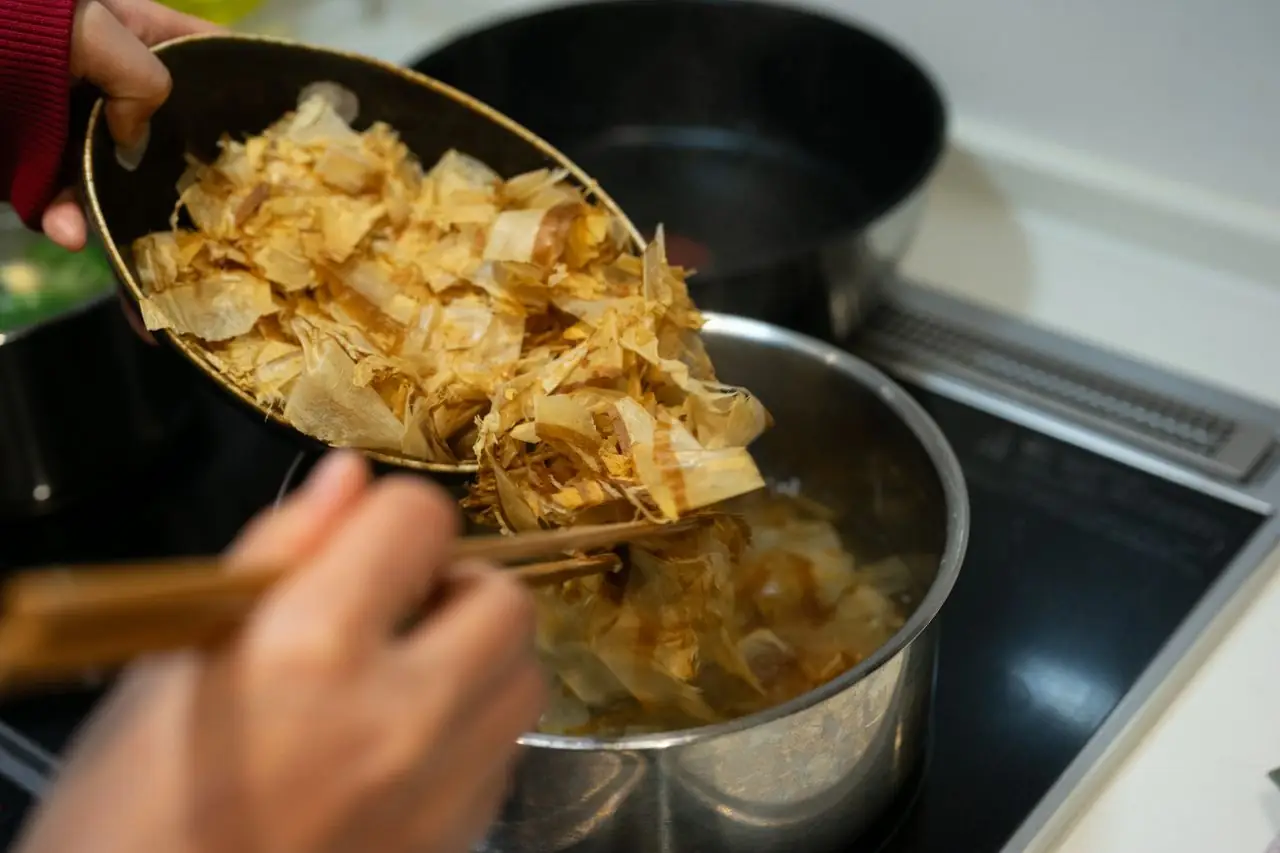 The stock
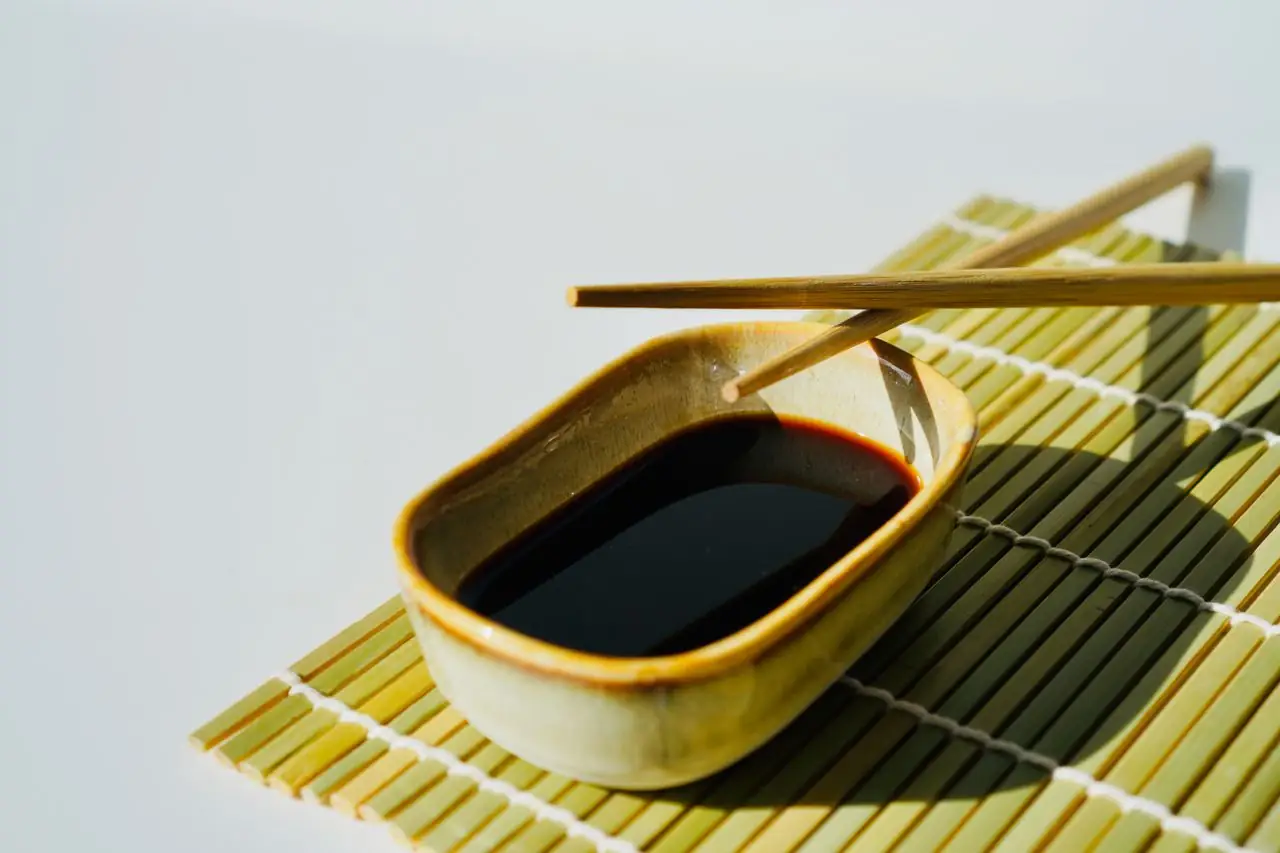 The sauce
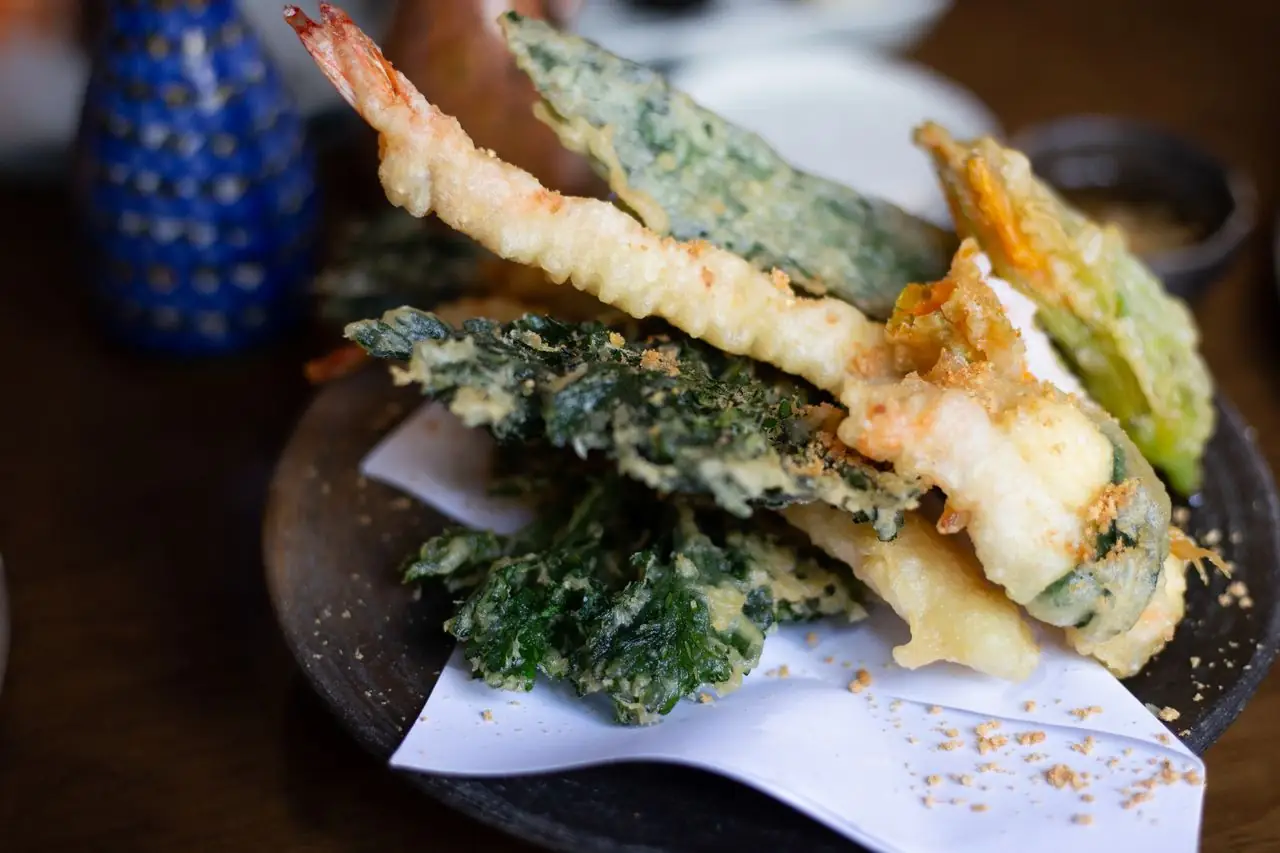
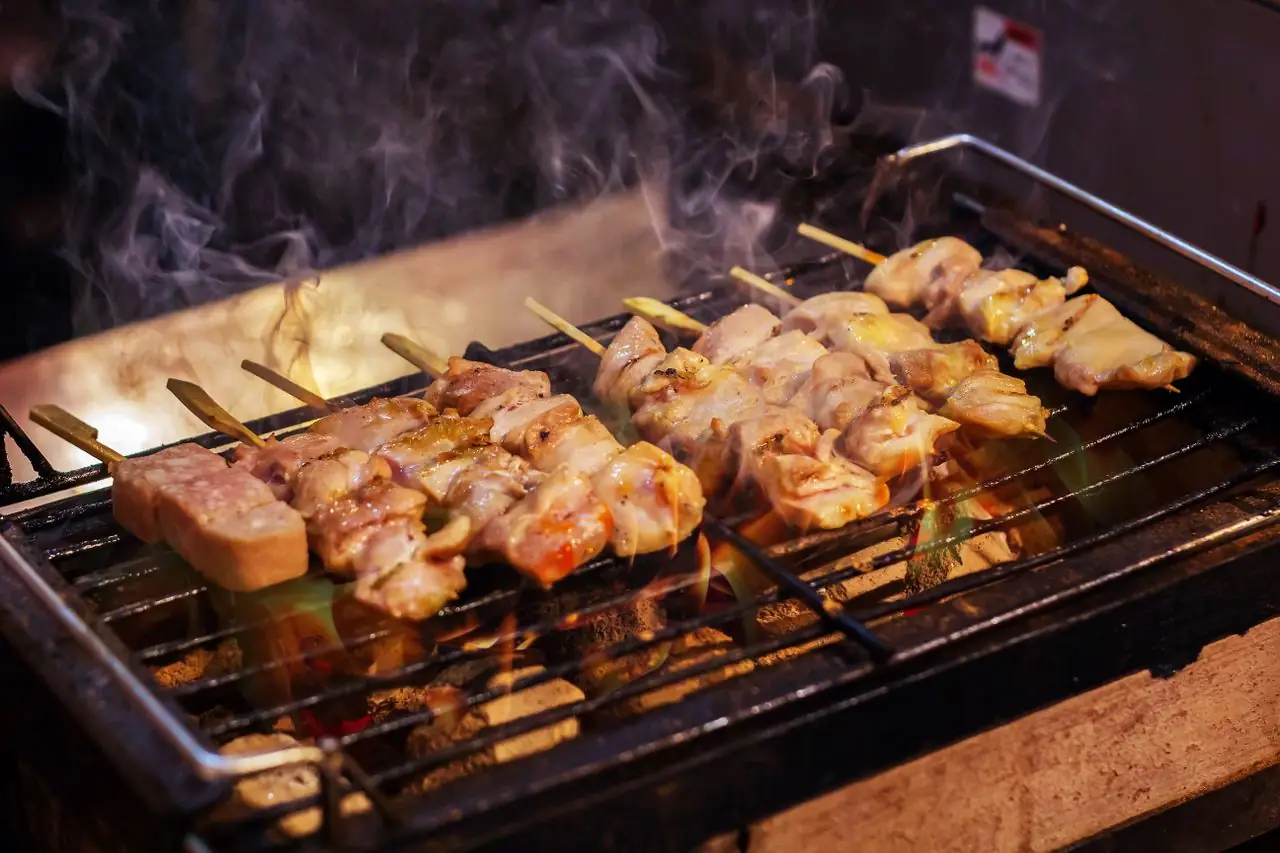 The oil and the grill
Swipe for more
Our gluten-free guide explains the wheat side in detail.
Getting an accurate translated allergy card
A card is only as good as its Japanese. A phrase run through a translation app may be grammatical and still mean something different from what you intend, especially for “trace amounts” and “cross-contact”.
Four questions
Japanese, with English below- 私は___のアレルギーがあります。I have an allergy to ___.
- この料理に___は入っていますか。Does this dish contain ___?
- 同じ調理器具や油を使っていますか。Do you use the same utensils or oil?
- この料理に出汁や醤油は入っていますか。Is there stock or soy sauce in this?
These are the nine mandatory allergens in Japanese, so you can recognise them on a label or a menu.
- 卵: egg (tamago)
- 乳: milk (nyu)
- 小麦: wheat (komugi)
- そば: buckwheat (soba)
- 落花生: peanut (rakkasei)
- えび: shrimp (ebi)
- かに: crab (kani)
- くるみ: walnut (kurumi)
- カシューナッツ: cashew nut (kashu nattsu)
To say the four questions aloud:
- Watashi wa ___ no arerugii ga arimasu.
- Kono ryori ni ___ wa haitte imasu ka.
- Onaji chori-gu ya abura o tsukatte imasu ka.
- Kono ryori ni dashi ya shoyu wa haitte imasu ka.
Start with the official sheet
The Consumer Affairs Agency publishes a Food Allergy Communication Sheet in English, Chinese, Korean and Japanese. It shows pictograms for the specified foods, and you tick the ones that apply to you before showing it to the shop or restaurant staff. The agency says to download the PDF first, because the check boxes do not work if you open it in a browser, and it recommends Adobe Reader.
On that 2024 sheet cashew is still in the recommended list. It has been mandatory since 1 April 2026. The sheet remains a clear way to communicate the common allergens. For an allergen that is not on it, you need your own card.
Write your own for anything else
Fish other than salmon and mackerel are not on Japan's allergen lists. Neither are clams, oysters or scallops, or mustard. Mark the sheet for what it covers and add a line in Japanese for the rest.
Have the card checked by a Japanese speaker before you travel. Your doctor's office, a hotel concierge or your guide can do this. Include:
- the allergen's name in Japanese,
- a request to avoid even small amounts if that applies to you,
- a request to check stock, sauces, oil and utensils, and
- a short description of what happens if you eat it.
How Japanese allergen labelling works
Japan's allergen labels cover packaged food, not restaurant meals. For a restaurant meal, the answer comes from the cook, so prepare the question in Japanese before you arrive.
Japan's food labelling standards, administered by the Consumer Affairs Agency, divide allergens into two groups. The figures below are from the agency's April 2026 summary.
- Mandatory (9)
- Shrimp, cashew nut, crab, walnut, wheat, buckwheat, egg, milk and peanut. A packaged processed food that contains one of these must say so.
- Recommended (20)
- Almond, abalone, squid, salmon roe, orange, kiwi fruit, beef, sesame, salmon, mackerel, soybean, chicken, banana, pistachio, pork, macadamia nut, peach, yam, apple and gelatin. Makers are encouraged to label these, and some do not.
The mandatory list grows over time. Walnut was added by a 2023 notice, and cashew nut was added on 1 April 2026. A guidebook or sheet from a few years ago may show an older list.
How allergens appear on a pack
On a pack, allergens can appear next to the ingredient they came from, for example “butter (contains milk)”, or all together in a bracket at the end, for example “(contains egg and soybean in part)”. The rules accept some alternative spellings. Egg may be written as 卵, たまご or 玉子 and still counts.
Two rules matter for cross-contact. The agency does not allow a vague “it may contain” statement. For packaged food where cross-contact cannot be ruled out, it recommends a cautionary note such as “this product is made in a factory that also produces products containing ___”.
What the labels do not cover
The labelling rules apply to packaged processed food. The agency's page does not describe an equivalent rule for restaurant meals, and the agency is currently surveying restaurants about how they give allergy information. A restaurant may be willing and able to tell you what is in a dish, but you cannot count on it.
Allergens outside the two lists have no labelling rule at all. If your allergy is to something not on the lists, ask more questions, and consider whether a packaged product is the better choice.
In an emergency
Dial 119 for an ambulance.
The Fire and Disaster Management Agency's English guide to the ambulance service says: “Dial 119 to call an ambulance”. The call centre staff may talk you through first aid by phone, and the guide suggests sending a helper to the place where the ambulance will arrive.
The agency's guide says you should call 119 without hesitation for sudden difficulty breathing, for unconsciousness or confusion, and for a swallowing problem with difficulty breathing. The Consumer Affairs Agency lists anaphylactic shock, including impaired consciousness and low blood pressure, among the severe symptoms of food allergy. If your doctor has prescribed emergency medicine, follow their instructions for it, and call 119.
If you are unsure whether to call, the agency's guide suggests contacting an emergency advice centre on #7119. The Tokyo Fire Department lists its own #7119 service. We could not confirm from official pages whether either answers in English, so do not rely on it when time matters.
Have these ready, per the same guide: passport, health insurance card, cash, shoes and your current medication with its schedule. When the ambulance arrives, tell the crew how the illness began, any changes before they arrived, any emergency measures already taken, and the patient's chronic conditions and usual medicine.
Hospitals and clinics with English support
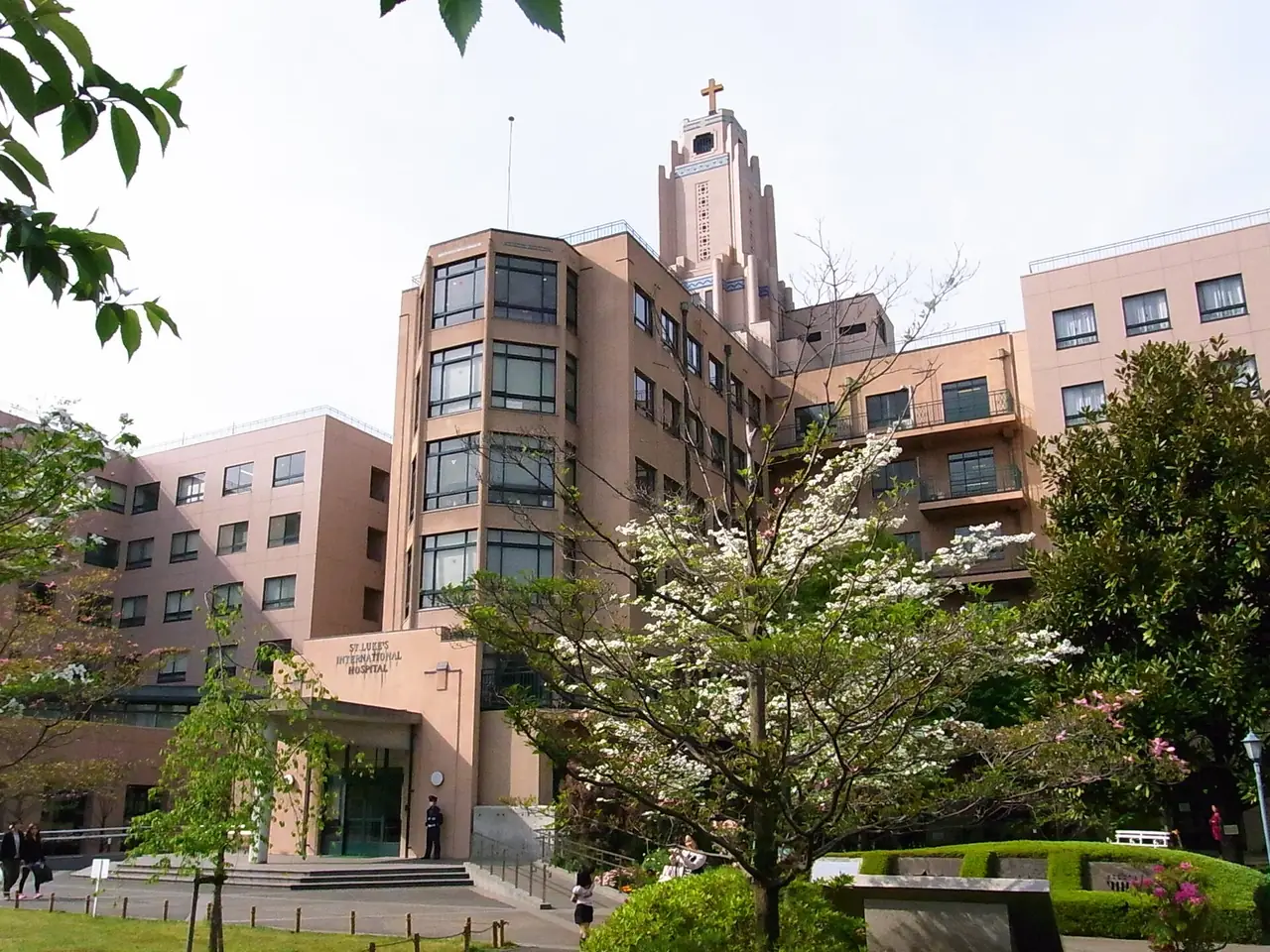
St. Luke's International Hospital
Has an English site that lists an International Department and describes international accreditation and Japan International Hospitals certification. The International Department's email on the site is 5931@luke.ac.jp.
We could not confirm its emergency intake hours from the site, so use it for planning, and let the 119 crew choose the receiving hospital.
Checked 22 Nov 2026
Tokyo Medical and Surgical Clinic
Staffed by physicians from several English-speaking countries and lists out-of-hours urgent consultations.
It is a clinic, not a hospital emergency department, and it states that it is not part of the Japanese National Health Insurance system, so expect to pay and claim from your insurer.
Checked 22 Nov 2026What we checked at each place
- St. Luke's International Hospital: we read its English site on 22 November 2026. It lists an International Department and describes international accreditation and Japan International Hospitals certification. We could not confirm its emergency intake hours from the site.
- Tokyo Medical and Surgical Clinic: we read its official site on 22 November 2026. It says the clinic is staffed by physicians from several English-speaking countries and lists out-of-hours urgent consultations. It states that it is not part of the Japanese National Health Insurance system.
Check your travel insurance before you travel for what it covers in Japan, and keep the insurer's assistance number on your card.
What to share before a tour
Send this to your guide before the day, and again at the first meeting. Written details survive a busy morning better than a conversation.
- The allergens, named exactly. “Tree nuts” is too broad to act on. Say walnut, cashew or almond, and say fish, shellfish and shrimp separately if they differ for you.
- How strict you need to be. Does a trace matter, or is a dish without the ingredient enough? Does cooking oil, a shared grill or steam from another pot matter?
- Your reaction history, as your doctor has described it. Give the guide the same words your doctor uses, so they can pass them on in an emergency.
- What you carry and how it should be used. If your doctor has prescribed emergency medicine, say where it is kept and what your doctor told you to do with it.
- Foods you already know are safe. A short list helps a guide choose quickly.
- Who in the group is affected. Say whether it is one person or several, and whether any are children.
- Contact details. Your hotel name, a phone number that works in Japan and your travel insurer's assistance number.
Mention any restaurants you have your heart set on.
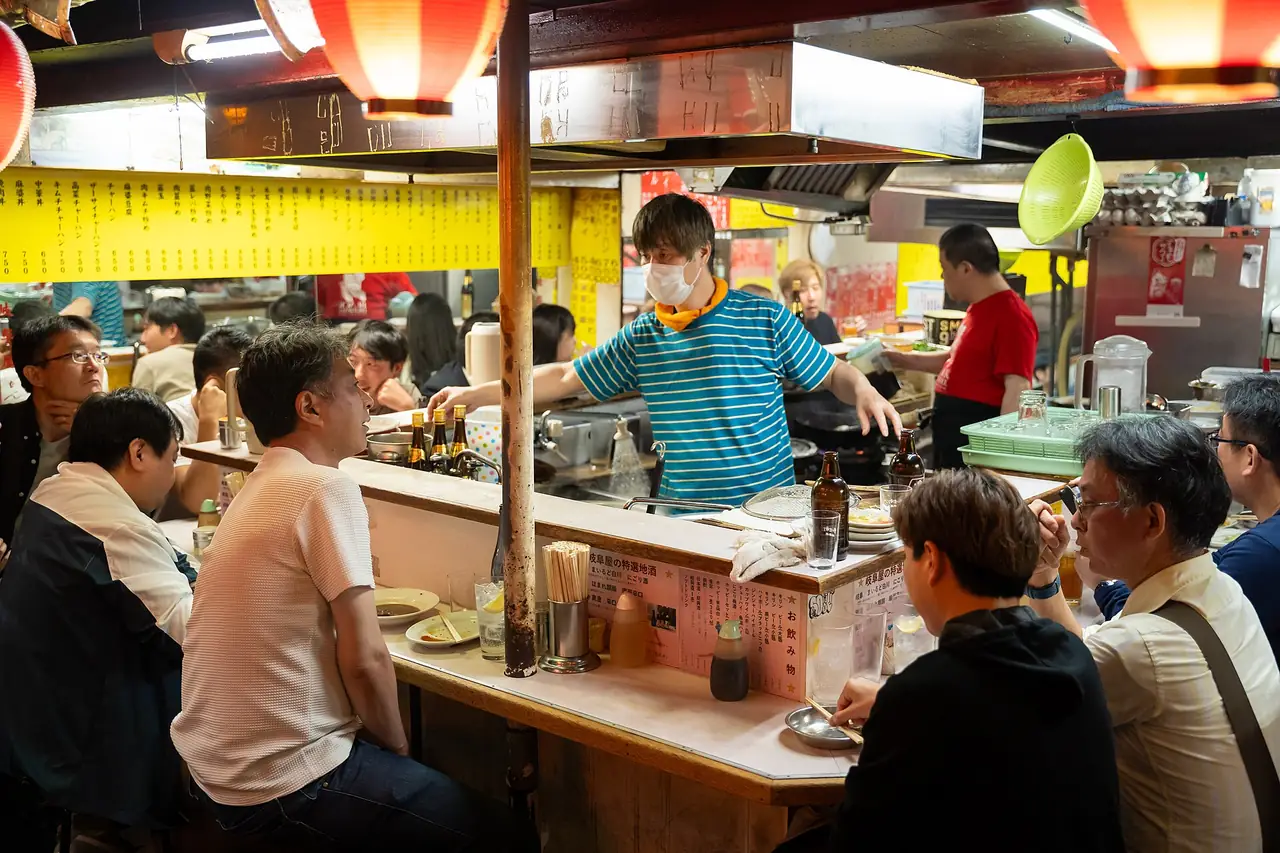
When a venue cannot confirm
Sometimes the answer you get is not one you can act on. Treat these as a no:
- The staff cannot say what is in the sauce, the stock or the coating.
- The reply is “probably fine”, “we will do our best” or a smile with no detail.
- The dish is made in a shared pot, fryer or grill and the staff will not separate it.
- The staff cannot tell you how a dish was made and nobody in the kitchen is available.
A fixed-menu counter may say it cannot adjust the course. That is a useful answer. It is better to leave than to eat a meal nobody can vouch for. A backup, such as a packaged food with a clear label, takes the pressure off the decision.
A food tour built around your allergy
Our private food tour is a custom 4 or 6 hour tour planned around what your group likes and does not eat. Share the details above in advance, and the guide plans the route and speaks to each kitchen for you. For serious allergies, tell us before booking: a guide can ask questions but cannot make a kitchen safe. We cannot guarantee any kitchen's practices and will say so if a venue cannot answer, in which case we change the plan.
For more on ordering in Japanese, see our guide to the language barrier in Tokyo.
See the private food tourSources
- Consumer Affairs Agency, food allergy labelling information (Japanese), read 22 November 2026: caa.go.jp
- Consumer Affairs Agency, allergen labelling summary sheet, April 2026 (Japanese): PDF
- Consumer Affairs Agency, food labelling page in English with the Food Allergy Communication Sheet (2024 version), read 22 November 2026: caa.go.jp/en
- Fire and Disaster Management Agency, Making the Most of the Ambulance Service (English, updated April 2024): PDF
- Tokyo Fire Department, emergency pages listing the #7119 advice centre (Japanese), read 22 November 2026: tfd.metro.tokyo.lg.jp
- St. Luke's International Hospital, English site, read 22 November 2026: hospital.luke.ac.jp/eng
- Tokyo Medical and Surgical Clinic, official site, read 22 November 2026: tmsc.jp
Photo credits
江戸村のとくぞう / Wikimedia Commons, CC BY-SA 4.0 · David Kernan / Wikimedia Commons, CC BY 4.0 · Dick Thomas Johnson from Tokyo, Japan / Wikimedia Commons, CC BY 2.0. Photos resized.