Gluten-Free Tokyo
Soy sauce, tsuyu, barley miso, tempura batter and panko all carry wheat or barley. Here is where it hides, what to ask, and two restaurants we checked.
This guide is planning information, not medical advice. Wheat allergy and coeliac disease are different conditions with different needs, so ask your own doctor what applies to you before you travel.
Where wheat hides
Japanese cooking uses wheat in places a menu never mentions. Rice is the staple, but wheat sits inside the sauces that make Japanese food taste Japanese. A plain-looking grilled fish can carry a soy sauce glaze, and a bowl of “simple” noodle soup can have a wheat-based broth.
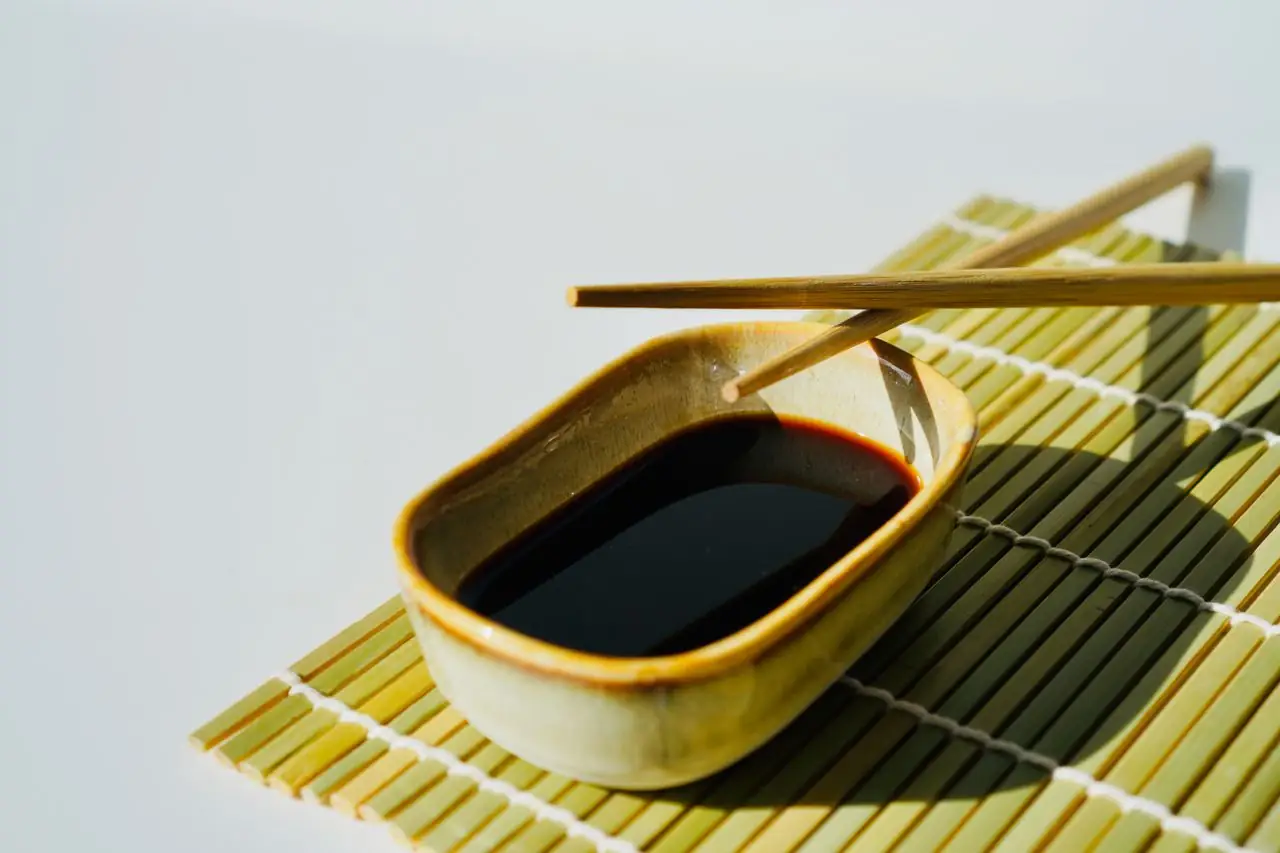 Soy sauce (shoyu)
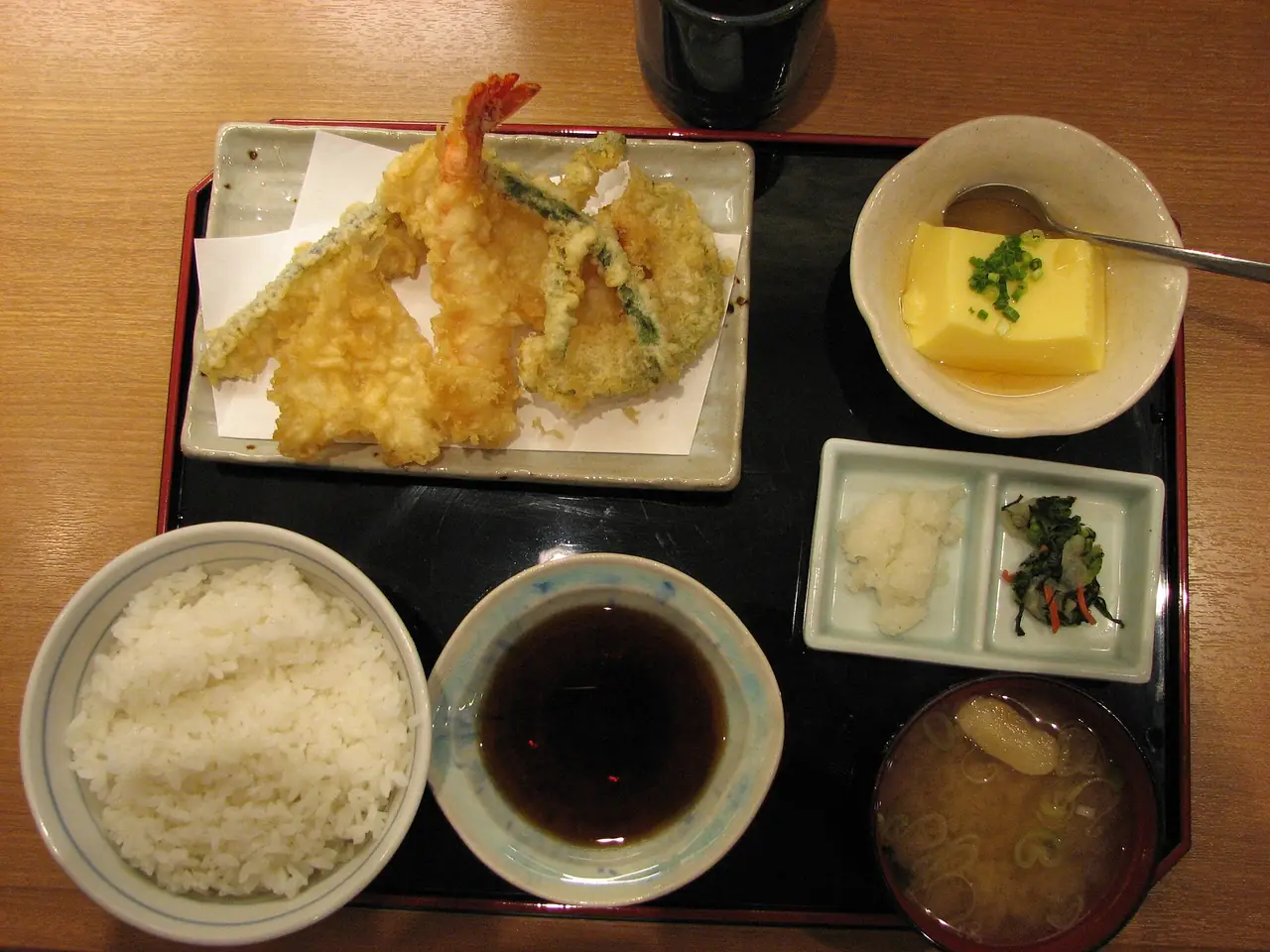 Mentsuyu and tsuyu
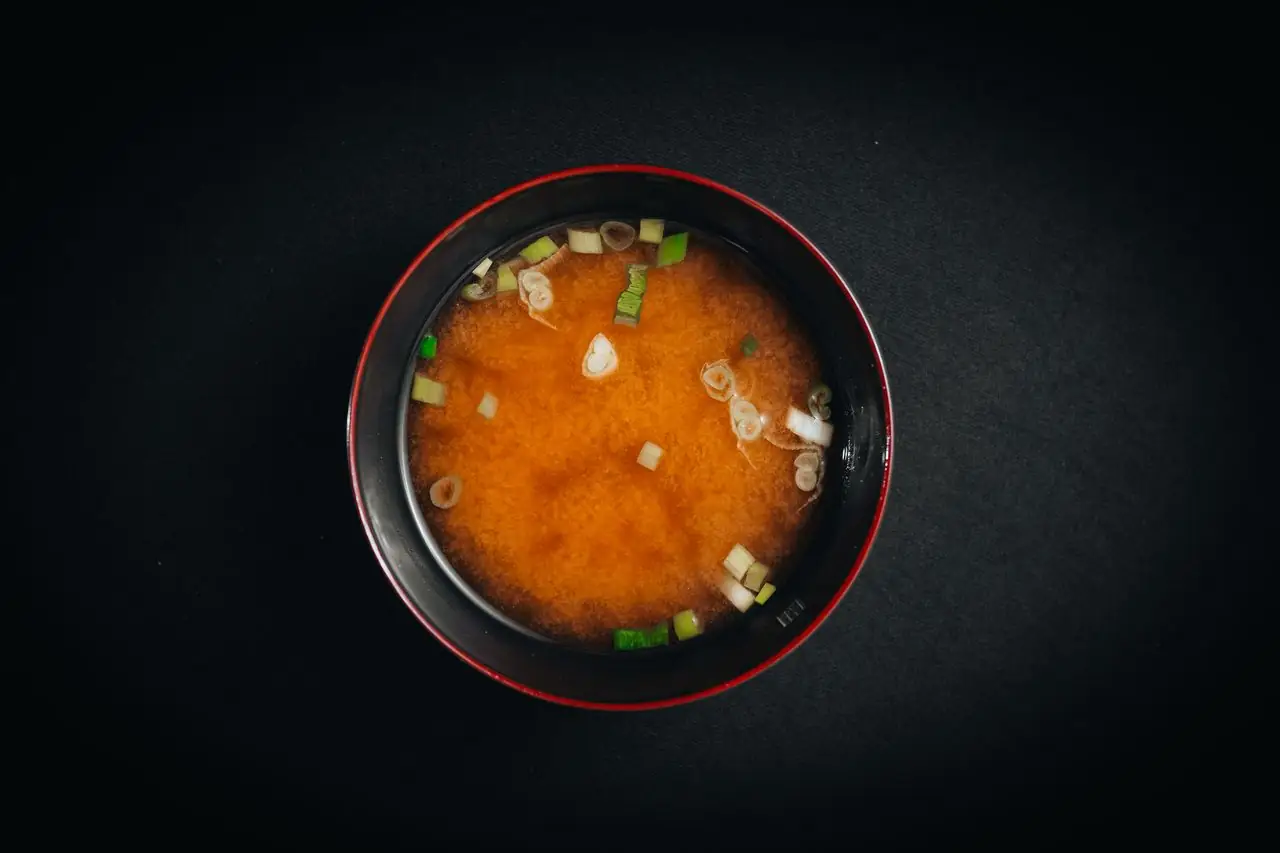 Miso
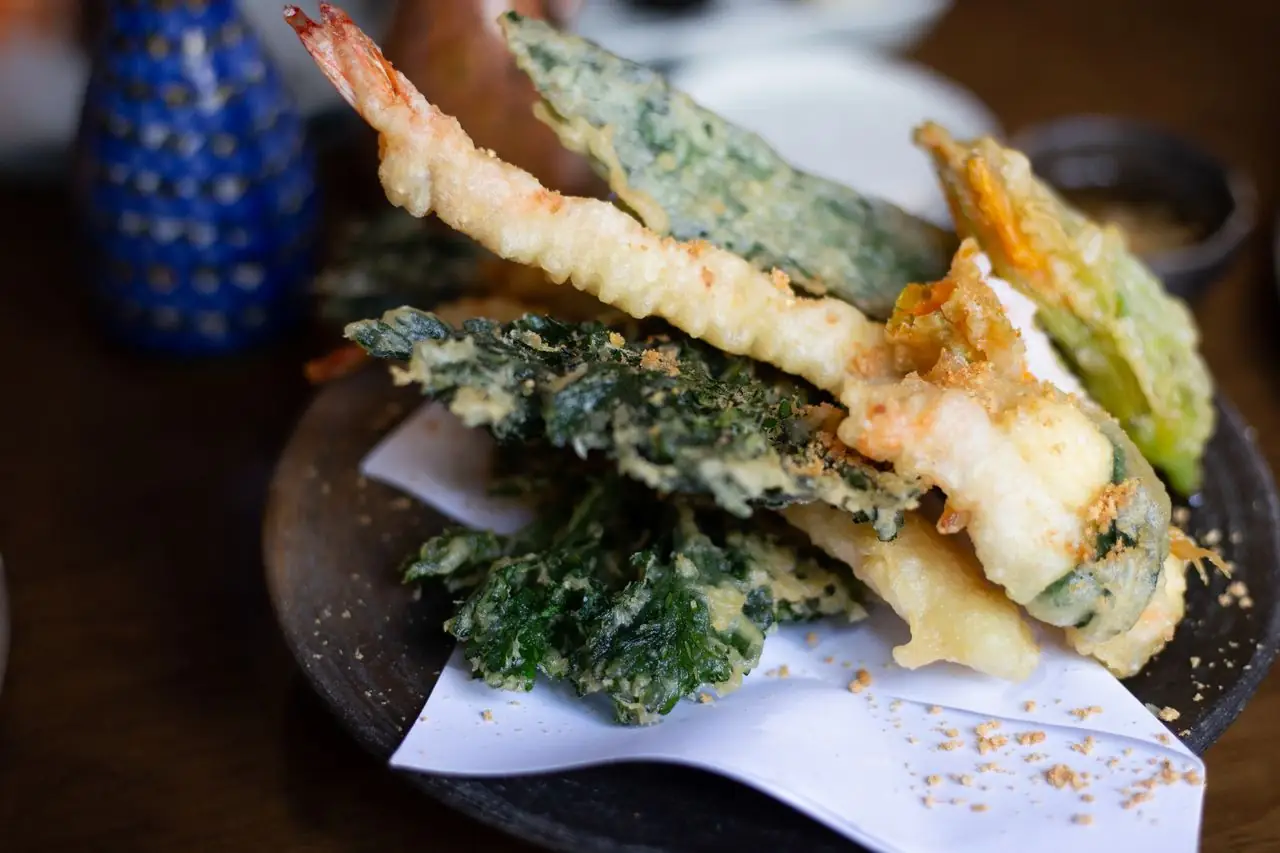
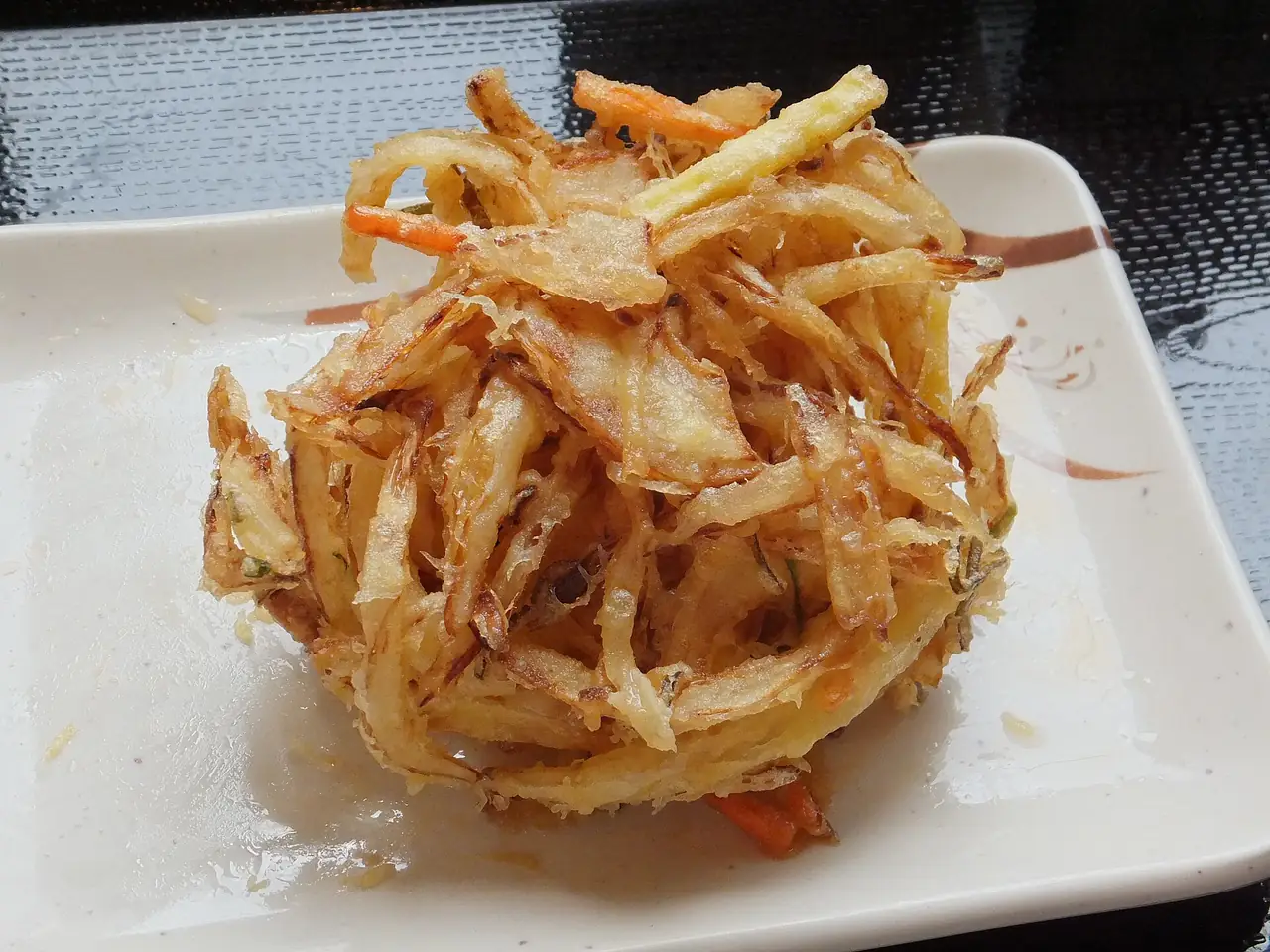 Tempura
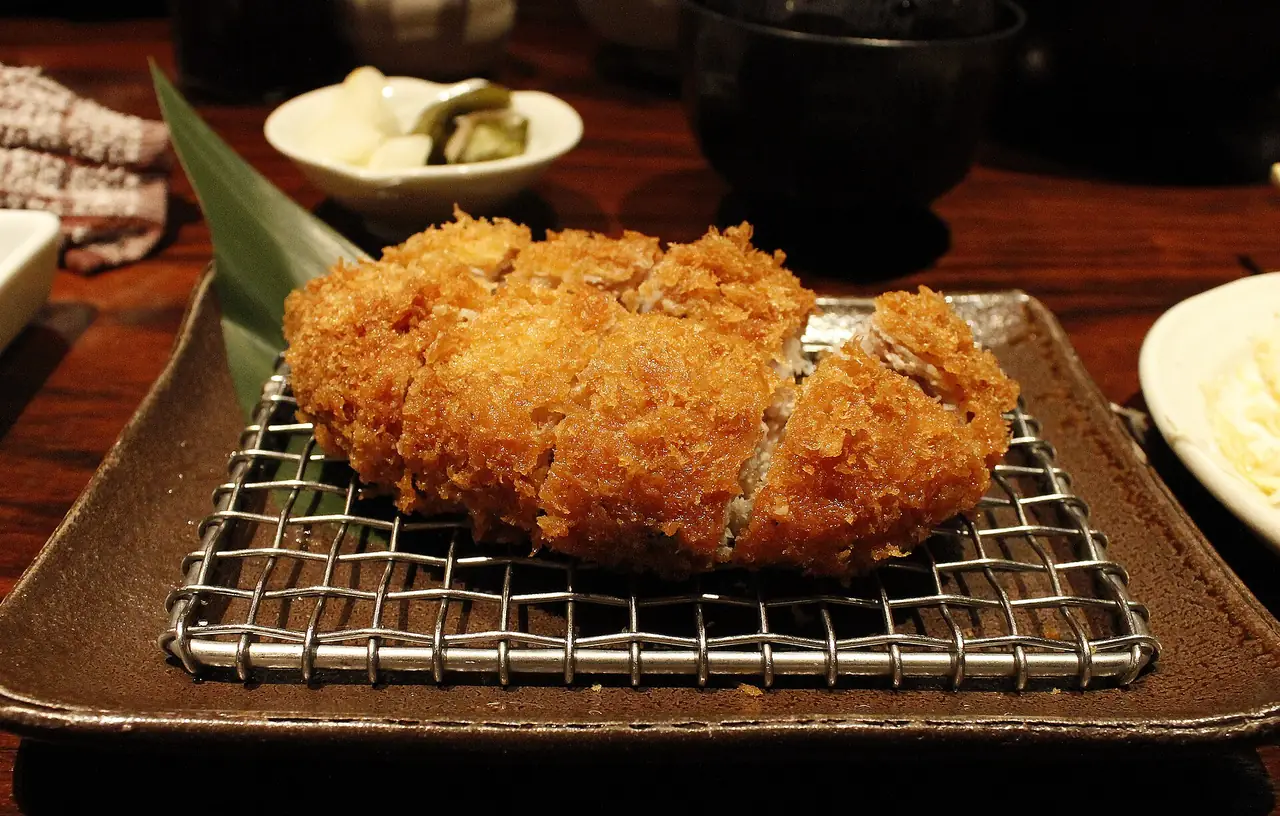 Panko
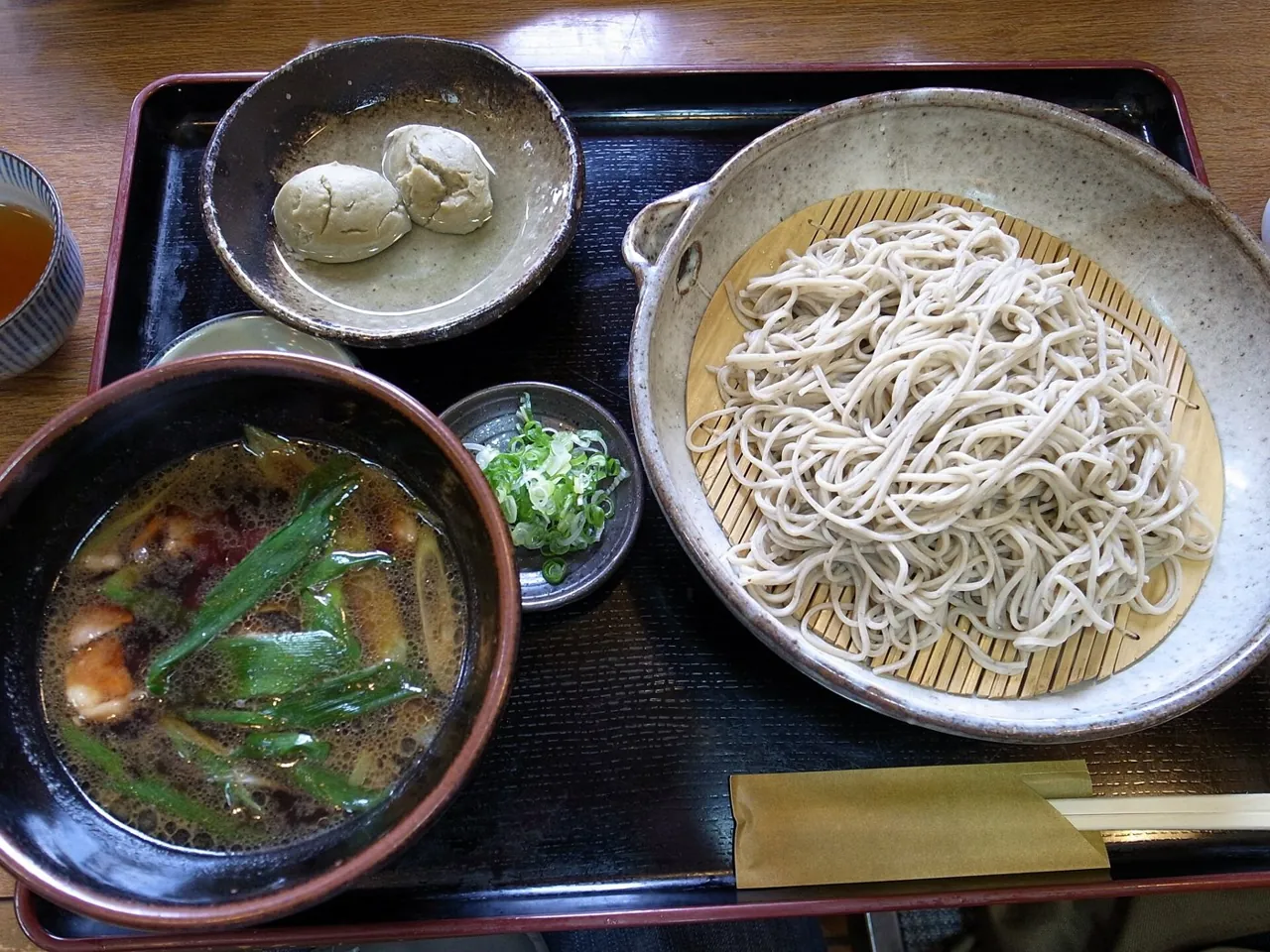 Soba
Swipe for more
- Tamari
- Japanese Wikipedia says products sold as tamari are often made with no wheat or only a small amount. Some contain wheat, so a bottle called tamari is not automatically wheat-free.
- Rice-flour products
- Rice bread and rice-flour cookies can contain gluten or wheat flour. The Consumer Affairs Agency issued a warning after allergic reactions to products labelled as rice flour.
Ramen, udon, gyoza wrappers, okonomiyaki and takoyaki are all made from wheat flour, so they are off the list unless a restaurant tells you otherwise for a specific dish. Teriyaki, yakitori tare and most simmered dishes (nimono) rely on soy sauce, and a marinade or glaze rarely appears on the menu as an ingredient.
The soy sauce and barley miso added to a broth are the usual sources, so a clear-looking soup can still contain wheat or barley.
Where each of these comes from
- Soy sauce: Kikkoman Soy Sauce Museum; Japanese Wikipedia.
- Tamari, mentsuyu and tsuyu, tempura, panko: Japanese Wikipedia.
- Miso: Japanese Wikipedia, citing the JAS standard.
- Soba: Japanese Wikipedia; Consumer Affairs Agency.
- Rice-flour products: Consumer Affairs Agency.
Show this to the kitchen
Screenshot this card and show it at the counter, one line at a time.
Three questions
Japanese, with English below- この料理に小麦、大麦、醤油、味噌、または粉類は入っていますか。Does this dish contain wheat, barley, soy sauce, miso or flour of any kind?
- 専用のグリル、フライパン、揚げ油、鍋で調理していますか。それとも他の料理と共用ですか。Is it cooked on its own grill, pan, fryer or pot, or is the equipment shared?
- 醤油を使わずに作れますか。Can it be made without soy sauce?
Words to look for on a label
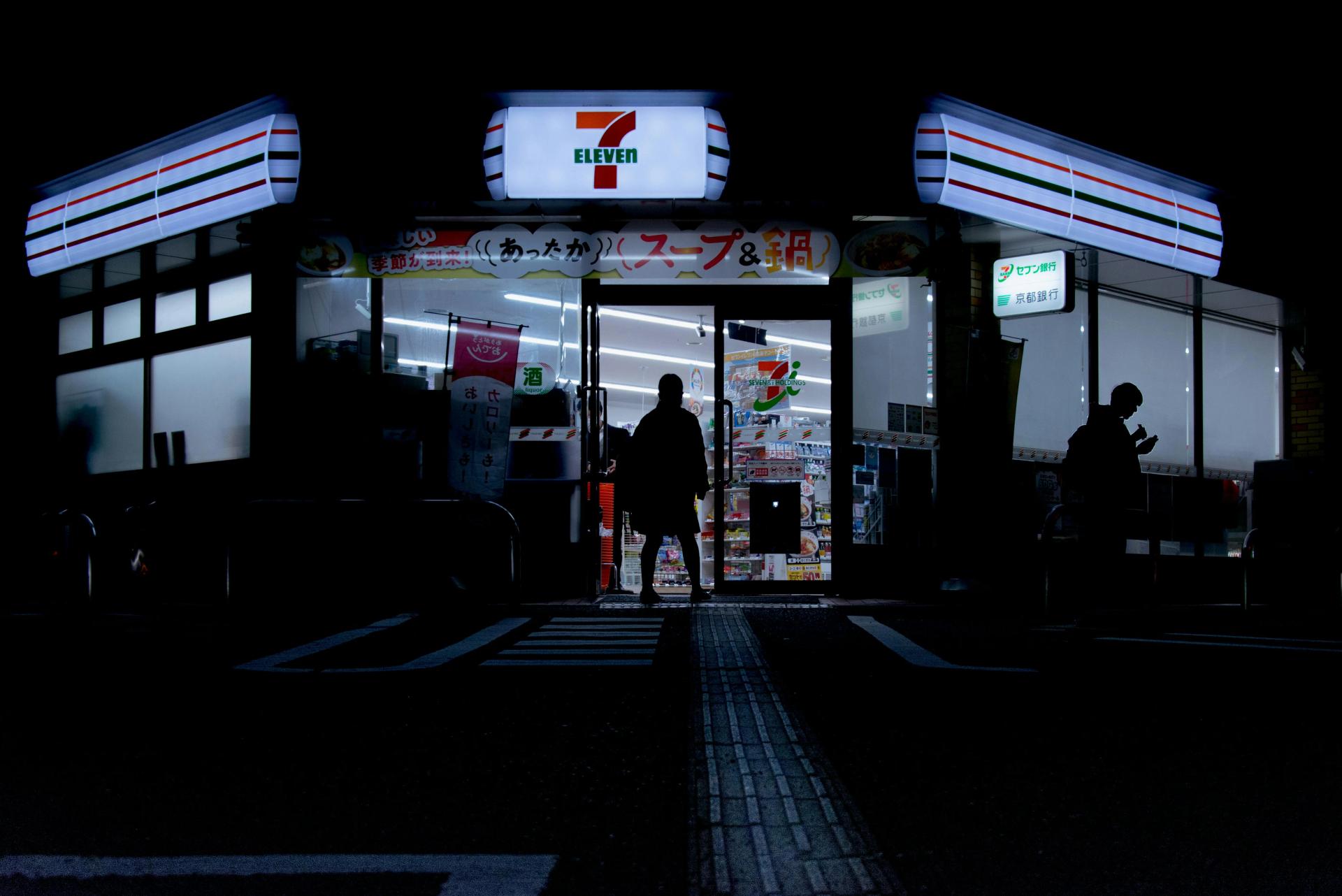
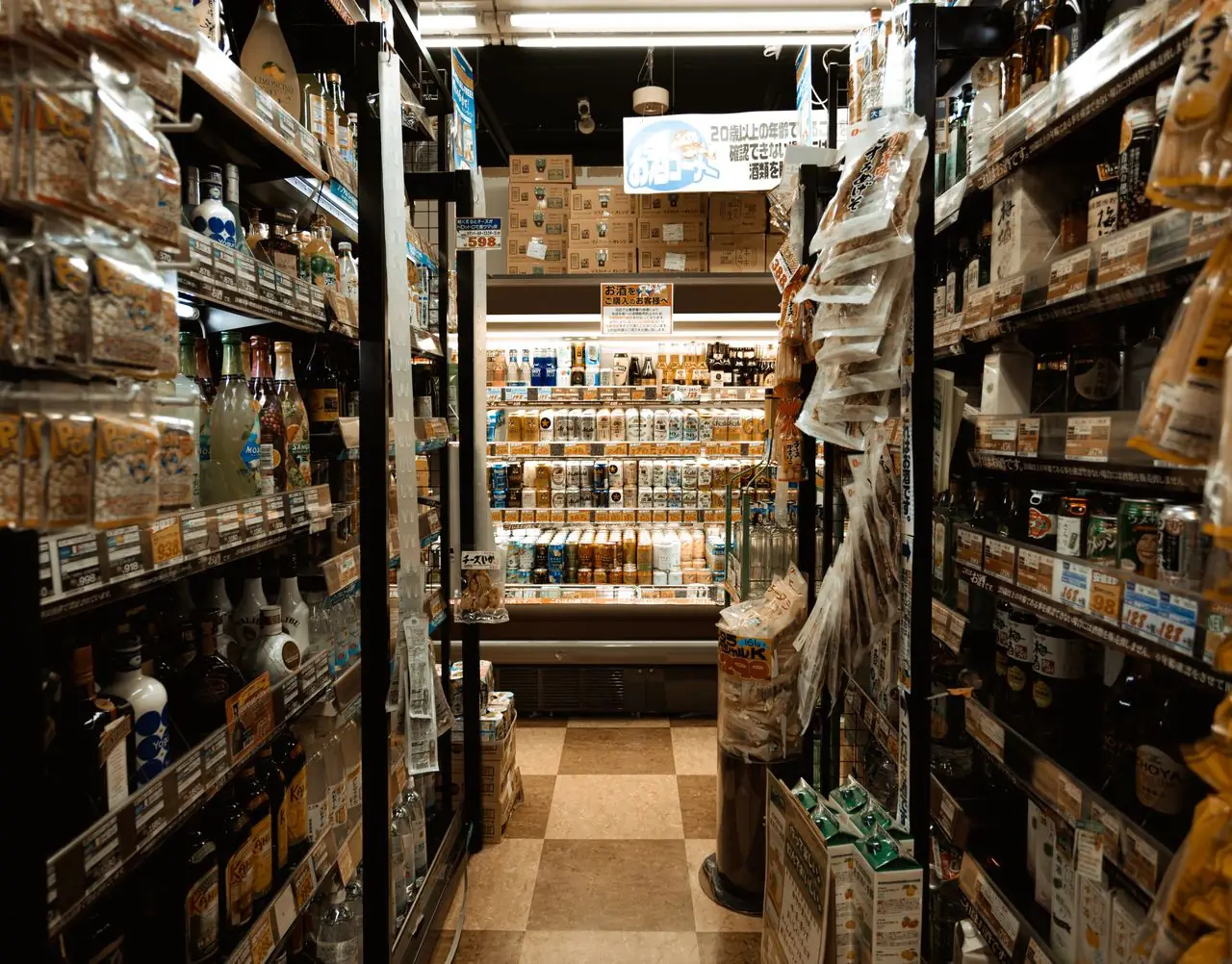
Convenience stores and supermarkets are easier than restaurants because of the labelling rules. Look for the Japanese words:
- 小麦: komugi, wheat
- 大麦: omugi, barley
- グルテン: guruten, gluten
- 一部に小麦を含む: contains wheat in part
The wheat declaration is mandatory, so a missing one means the maker declared no wheat, although the agency's warning shows mistakes have happened. Barley will appear as 大麦 in the ingredient list if it is used, and it will not be flagged as an allergen. A product labelled as rice flour can still list gluten, as the agency's warning shows. At in-store bakeries without labels, the agency's advice is to ask the shop staff about ingredients.
The recipe and the kitchen are separate questions
Suitability is about the recipe: does this dish contain wheat or barley? Cross-contact is about the kitchen: did anything gluten-containing touch it on the way to your table?
- Passes the recipe, fails the kitchen
- Plain grilled chicken with salt is wheat-free as a recipe, and it is not safe for someone with coeliac disease if it sat on a grill that was just used for a soy-glazed skewer.
- Fails the recipe
- Tempura vegetables fail on the batter.
- Passes the batter, can still fail
- Rice-flour tempura passes on the batter and can still fail if the oil is shared with wheat-flour tempura.
The staff may not be able to answer the second question on the card with confidence. Small counters often run one grill and one fryer all night. If the honest answer is “shared”, that is information you can use to decide.
What the rules cover
The Consumer Affairs Agency's allergen rules cover packaged processed food. As of April 2026, wheat is one of nine mandatory allergens, so a packaged item containing wheat must say so. Barley and rye are not on the mandatory list or the recommended list. For cross-contact, the agency recommends a caution such as “this product is made in a factory that also produces products containing wheat”, and it does not permit a vague “may contain” statement.
The agency's allergen page describes these rules for packaged food. It does not describe an equivalent rule for meals served in a restaurant, and the agency is currently running a survey of restaurants about how they give allergy information. For restaurant meals the answer comes from the person cooking, not from a label.
Two restaurants we checked
We chose venues that describe gluten-free cooking on their own sites, and we read those sites ourselves. Neither is a guarantee. Each statement below is what the venue says, not what we tested.
No restaurant, including the two below, can promise a kitchen free of cross-contact on your behalf.
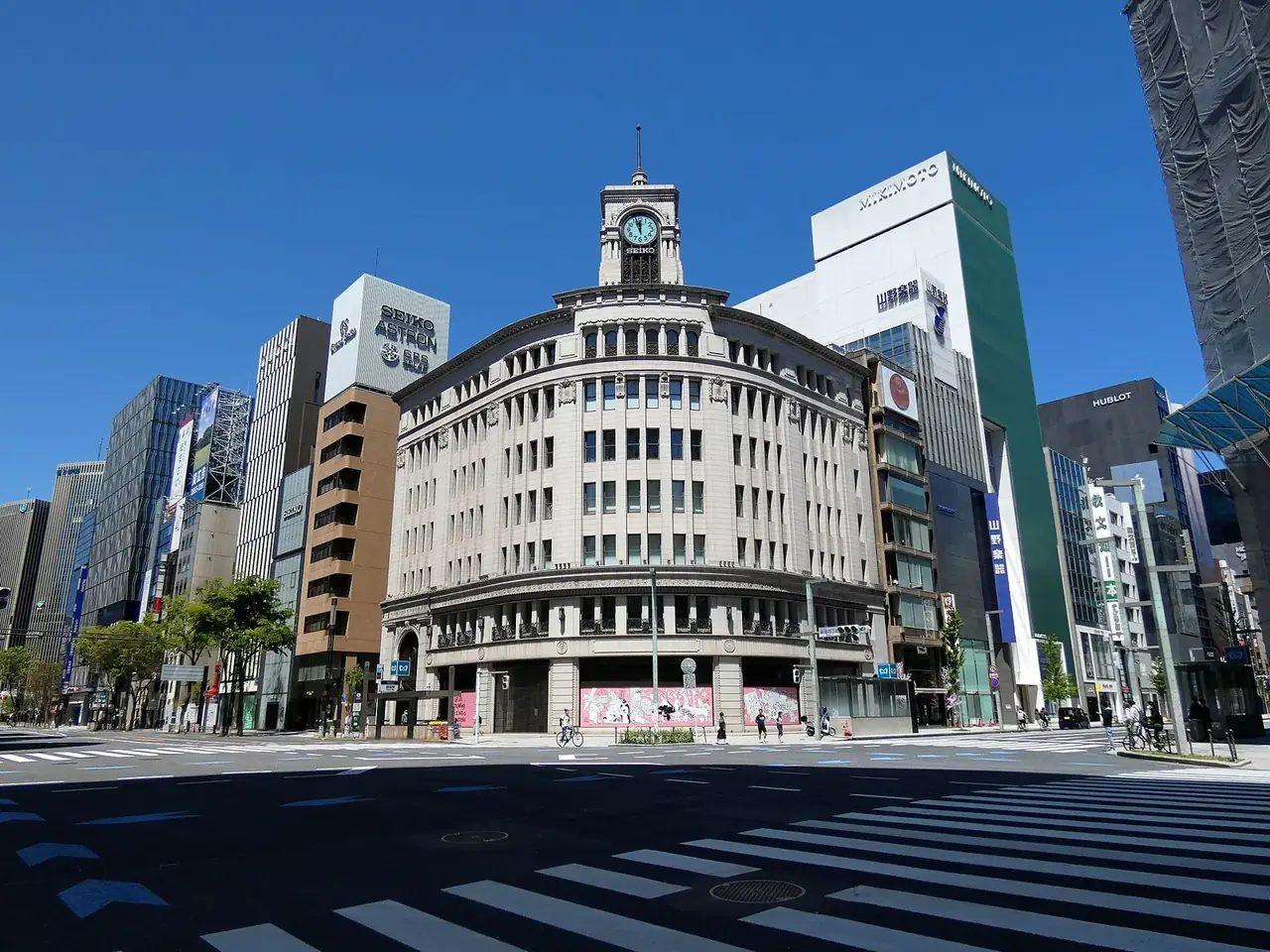
AIN SOPH. GINZA
The Ginza main shop is entirely vegan, and the page says many dishes are gluten-free, naming its signature pancakes. It says some dishes can be changed to a version without garlic, onion and leek.
The same page says the factory and shops also handle other allergens, and asks guests with allergies to talk to staff. “Gluten-free” here describes the menu items. The site does not state that the kitchen is free of gluten.
Checked 22 Nov 2026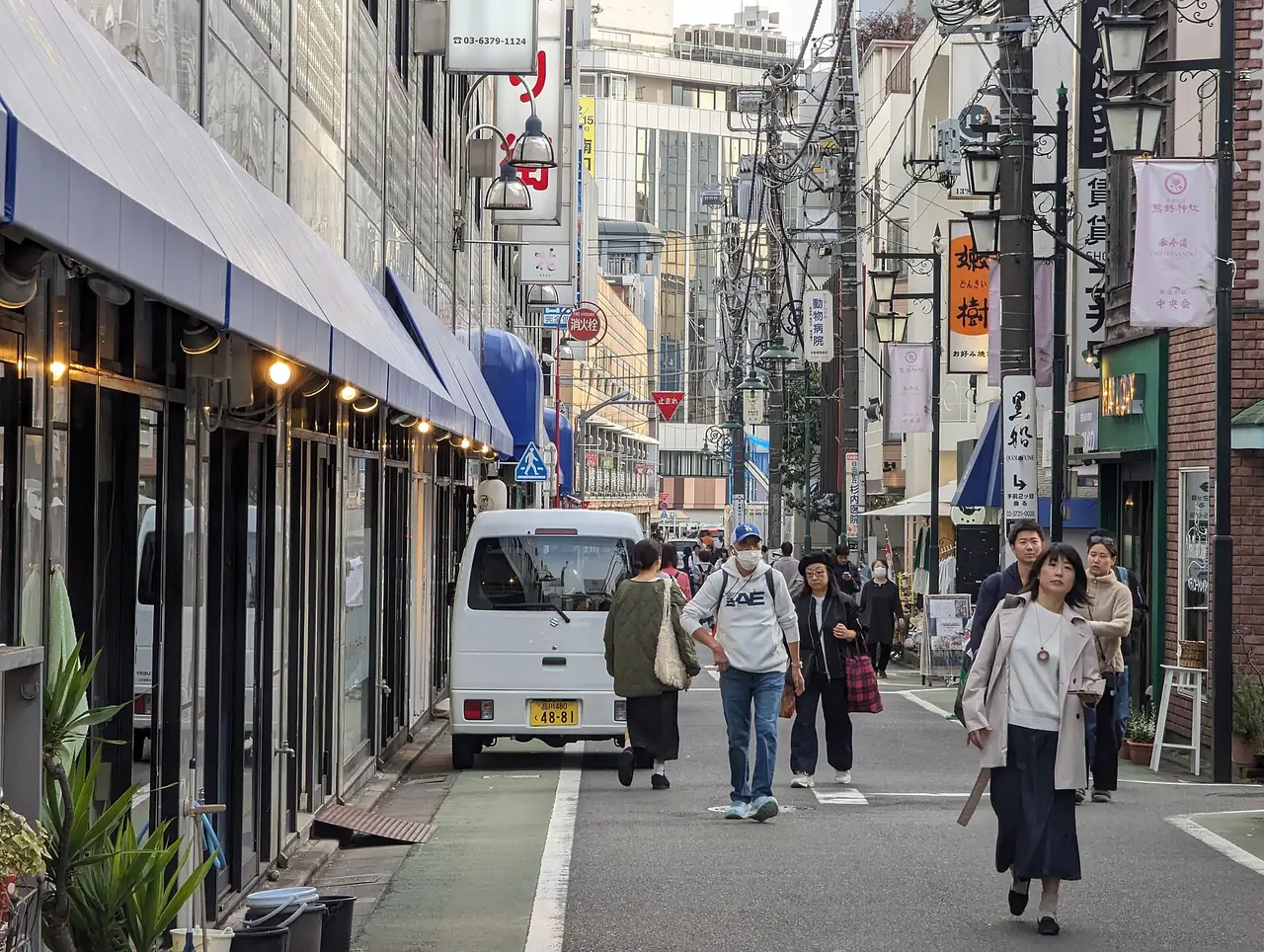
T's Restaurant
It describes itself as a vegan, gluten-free restaurant and says it prepares gluten-free, allergy-friendly and Muslim-friendly dishes so a mixed group can share one table.
The menu includes plant-based versions of ramen, gyoza, karaage and curry. Ask which of those are made without wheat, and do not assume it from the word vegan.
Checked 22 Nov 2026What we checked at each place
- AIN SOPH. GINZA, checked 22 November 2026 on the restaurant's official site. 4-12-1 Ginza, a 1 minute walk from exit 3 of Higashi-Ginza Station. The restaurant is on floors 2 to 4 and the patisserie on floor 1. Weekday hours were 11:30 to 16:00 and 17:00 to 21:00, with weekend breakfast from 8:00. Reservations by phone on 050-3134-4241 or online. The site says opening hours can change, so confirm on the day.
- T's Restaurant, Jiyugaoka, checked 22 November 2026 on the restaurant's official site. The site carried news dated 28 October 2026 and a 17th anniversary post from September 2026. 2-9-6 Jiyugaoka, Meguro, in the basement of the Luz Jiyugaoka building, 3 to 4 minutes from the front exit of Jiyugaoka Station. Open 11:30 to 21:00 with last orders at 20:30. Reservations by phone on 03-3717-0831.
- A warning from the T's Restaurant site: the restaurant posted a notice in April 2026 that other shops use a similar name and logo. Check the address before you go.
We did not include other restaurants because we could not confirm a gluten-free claim and a 2026 opening from an official page. A shorter list we can stand behind is more useful than a long one with gaps.
Writing to a restaurant before you book
Many small restaurants answer a short message better than a long one. Keep it to what changes the answer:
- Say what you need to avoid and why, in one line: “I cannot eat wheat or barley.”
- Say whether trace amounts matter: “I need food cooked separately from wheat” or “a recipe without wheat is enough”.
- Ask for the names of the dishes they would cook for you, not a yes or no.
- Ask whether the grill, fryer or pot is shared.
- Ask for their answer in writing, so you can show it at the table.
If the reply is vague, treat it as a no. A restaurant that says “we will do our best” has told you it cannot confirm. A hotel concierge can phone a venue for you, and a Japanese-speaking guide can speak to the cook directly.
What to do on the day
Carry a translated card for your allergy or condition, and see our guide to food allergies in Tokyo for how to get an accurate one. Skip fried foods and sauced dishes when you cannot ask. If you have coeliac disease, ask about every dish, including ones that look plain, because shared grills, fryers and boards are common.
If you have a reaction, follow the emergency steps in the allergy guide and call 119.
What a private guide changes
If you would like help with the asking, our private food tour can be built around what your group cannot eat. Tell us the diet in advance and we plan the route around places that can talk it through with you, with a guide who speaks to the kitchen on your behalf.
A food tour built around the diet
See the private food tour for how it works. We cannot guarantee any kitchen's practices, and we will say so if a place cannot answer your questions.
You can also read how wheat shows up in tempura and tonkatsu, the two fried dishes that most often catch visitors out.
See the private food tourSources
- Kikkoman Soy Sauce Museum, Making Soy Sauce (ingredients: soybeans, wheat, salt, water), read 22 November 2026: kikkoman.com
- Consumer Affairs Agency, food allergy labelling information in Japanese (mandatory and recommended items as of April 2026; survey of restaurants), read 22 November 2026: caa.go.jp
- Consumer Affairs Agency, allergen labelling summary sheet (April 2026): PDF
- Consumer Affairs Agency, warning on wheat allergy and rice-flour products (2015): PDF
- Japanese Wikipedia: 醤油, たまり醤油, めんつゆ, 味噌, 天ぷら, パン粉, 蕎麦, read 22 November 2026
- AIN SOPH. GINZA official page, checked 22 November 2026: ain-soph.jp/ginza
- AIN SOPH. locations page, checked 22 November 2026: ain-soph.jp/locations
- T's Restaurant official site, checked 22 November 2026: ts-restaurant.jp
Photo credits
Ian Muttoo from Tokyo / Wikimedia Commons, CC BY-SA 2.0 · Lombroso / Wikimedia Commons, CC BY-SA 3.0 · Minseong Kim / Wikimedia Commons, CC BY-SA 4.0 · pelican / Wikimedia Commons, CC BY-SA 2.0. Photos resized.