Vegan and Vegetarian Tokyo
Most dishes that look meat-free here are cooked in fish stock. How to check dashi and sauces, and where we found verified meals in the neighborhoods our private tours cover.
Where the fish and meat hide
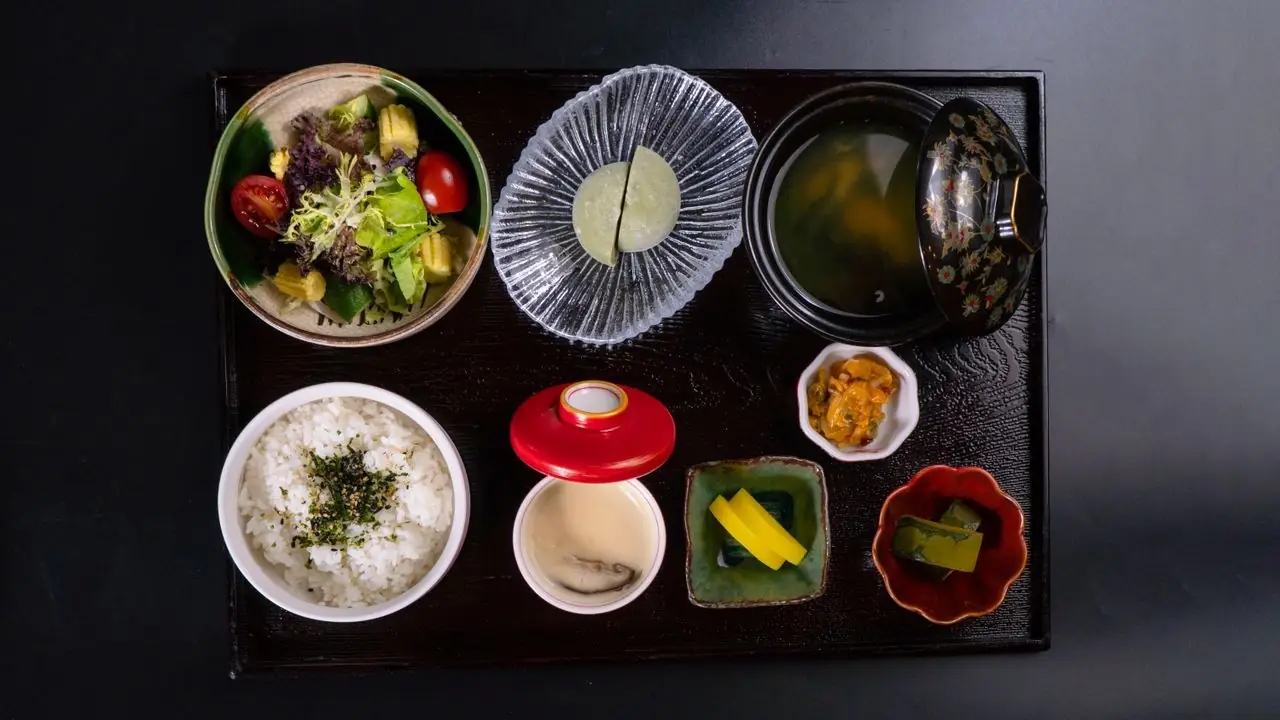
Eating vegetarian or vegan in Tokyo is easier than it was ten years ago, and still harder than the menus suggest. The usual trap is invisible: a bowl of vegetables, tofu or noodles that looks plant-based but is built on fish stock.
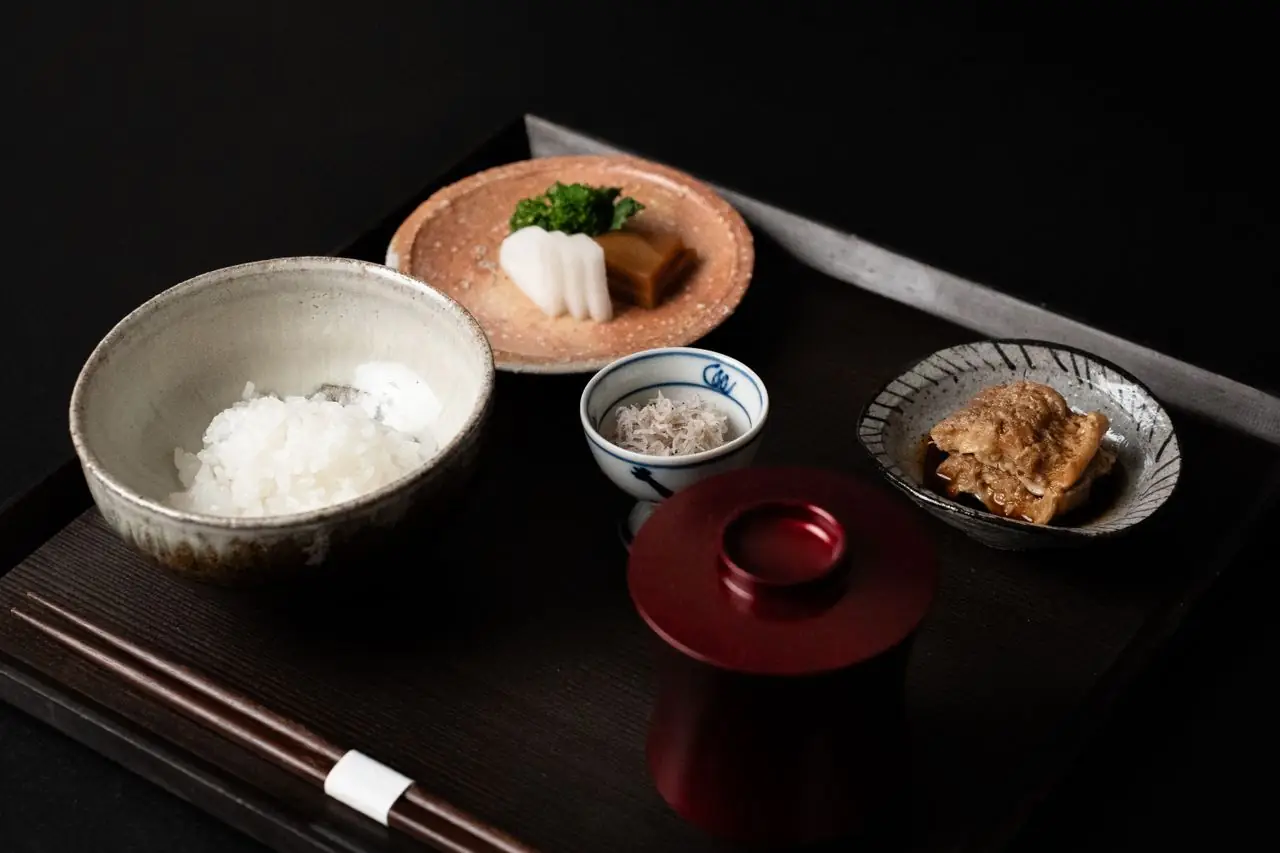
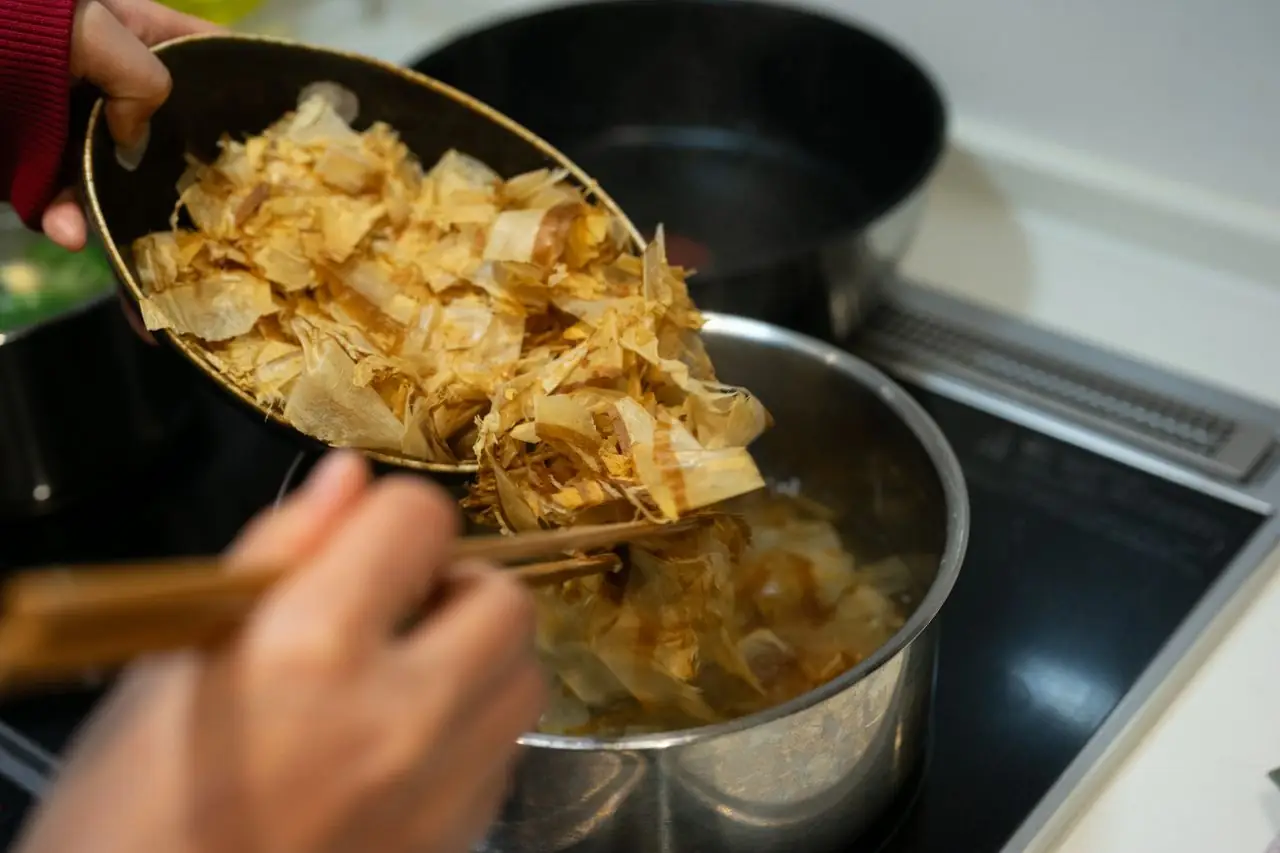 Dashi
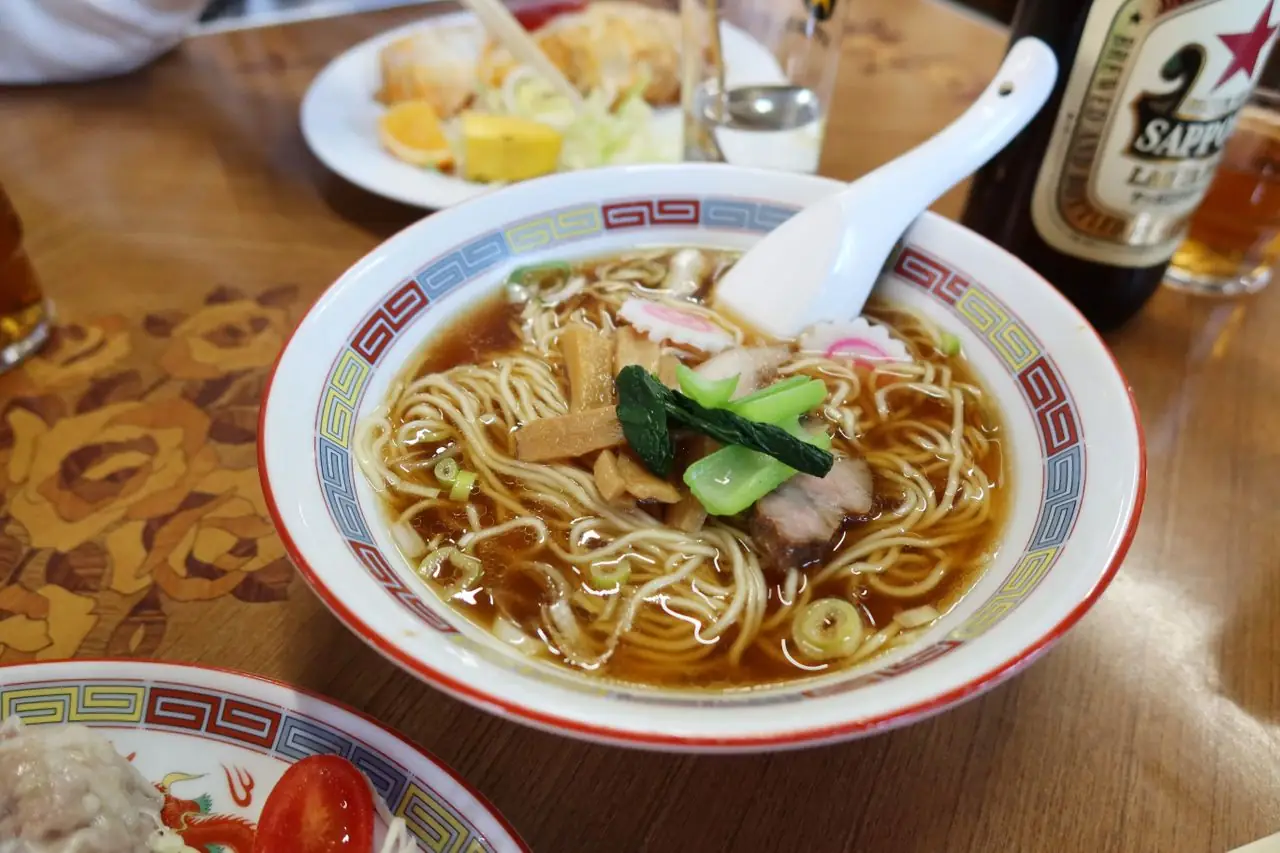 Ramen
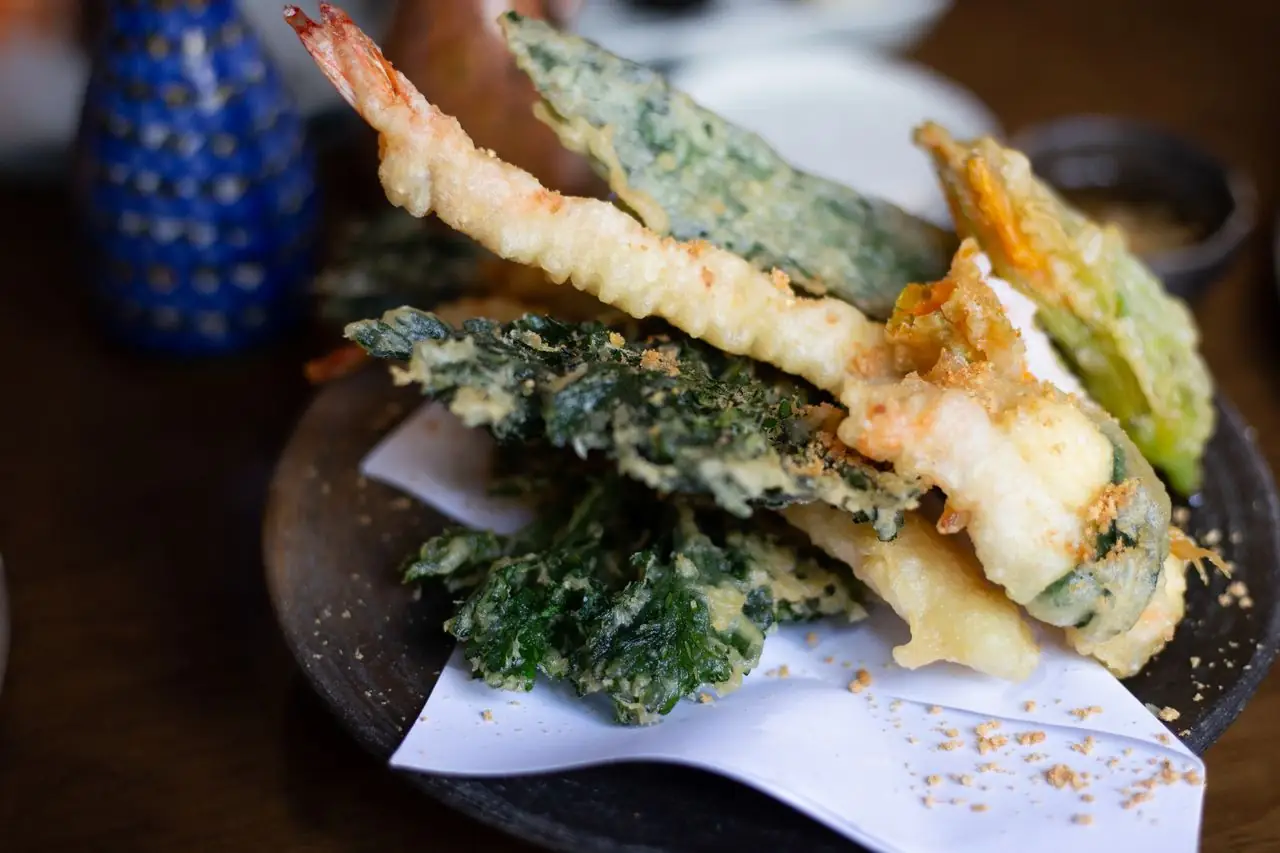
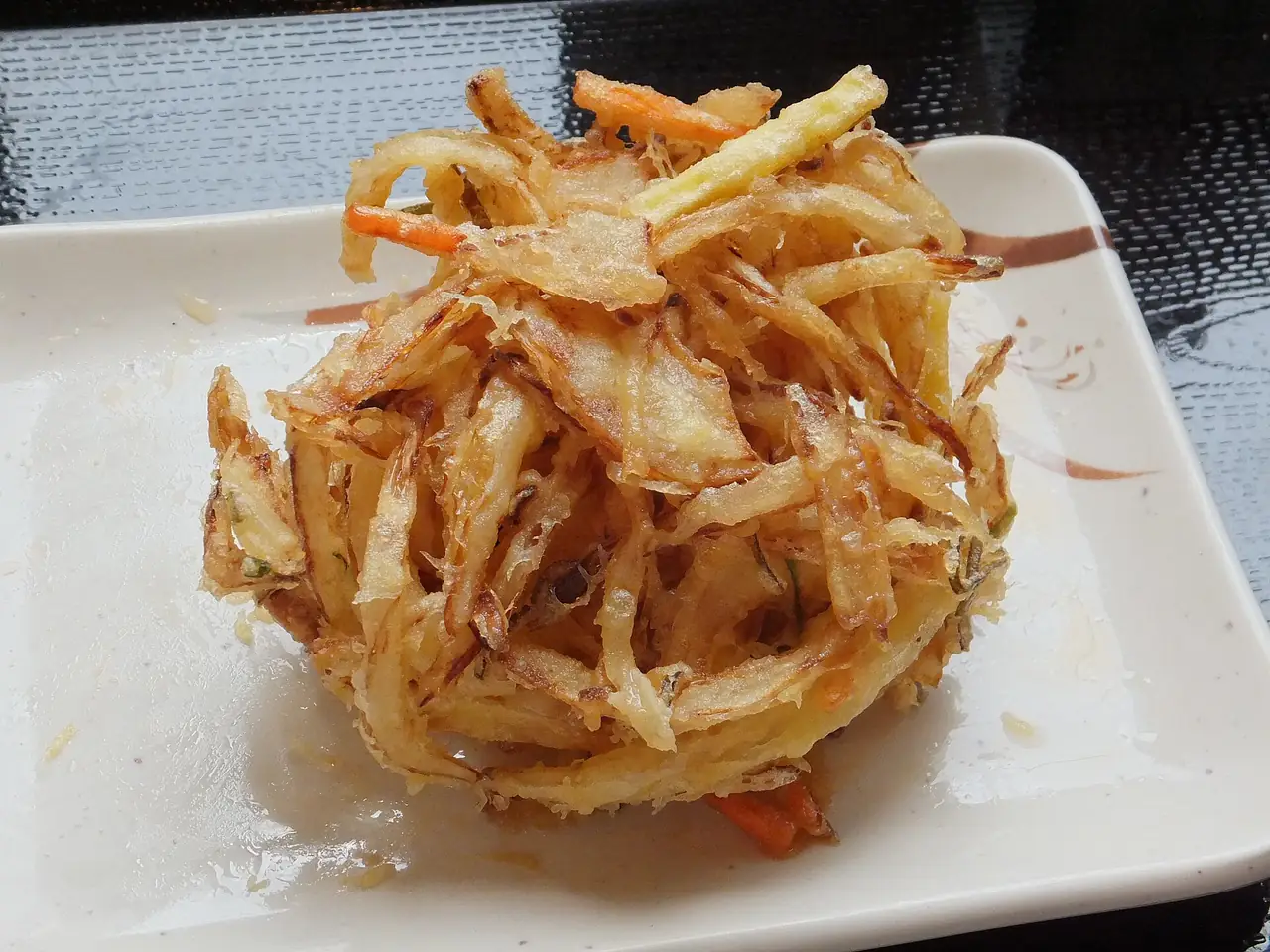 Fried food
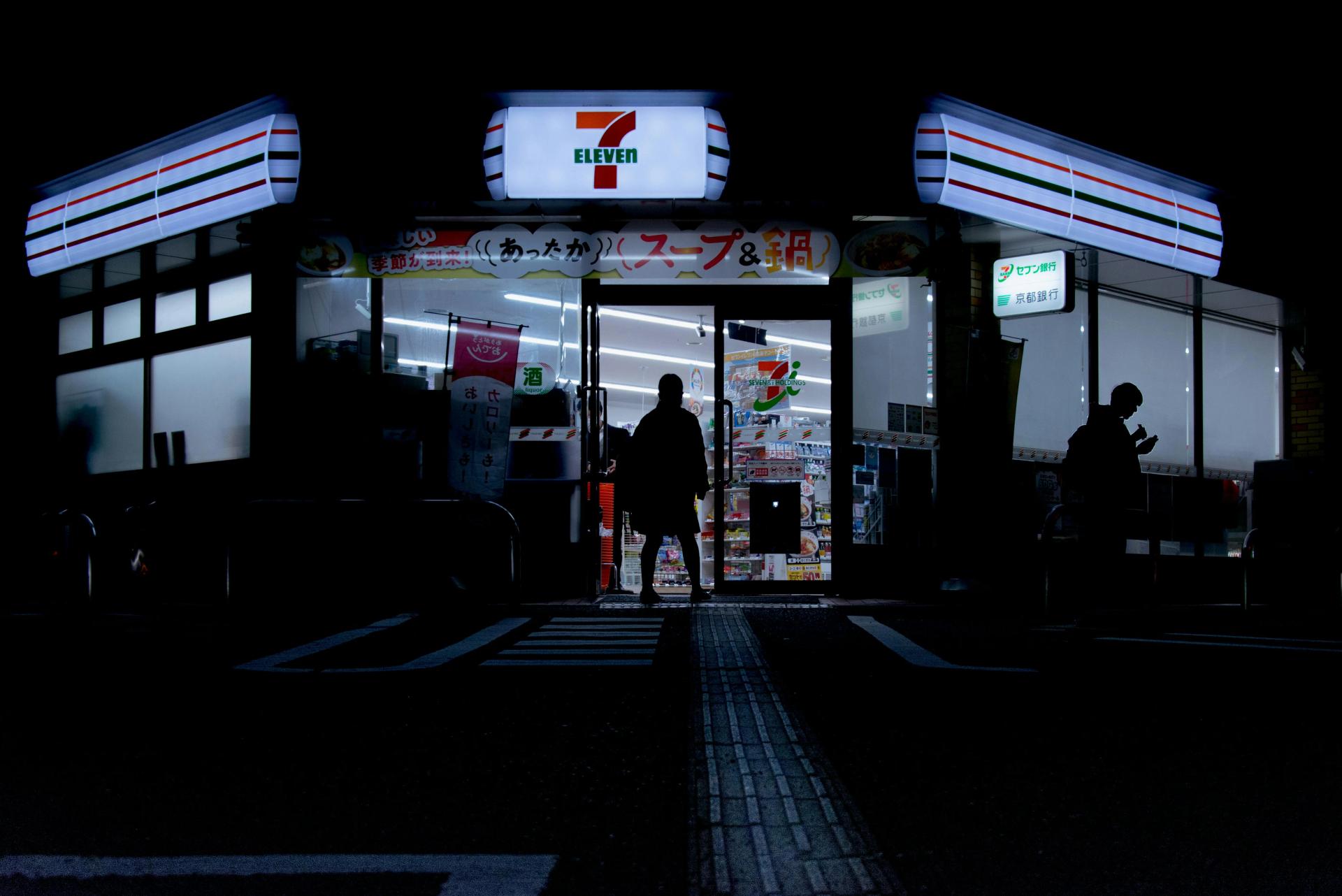
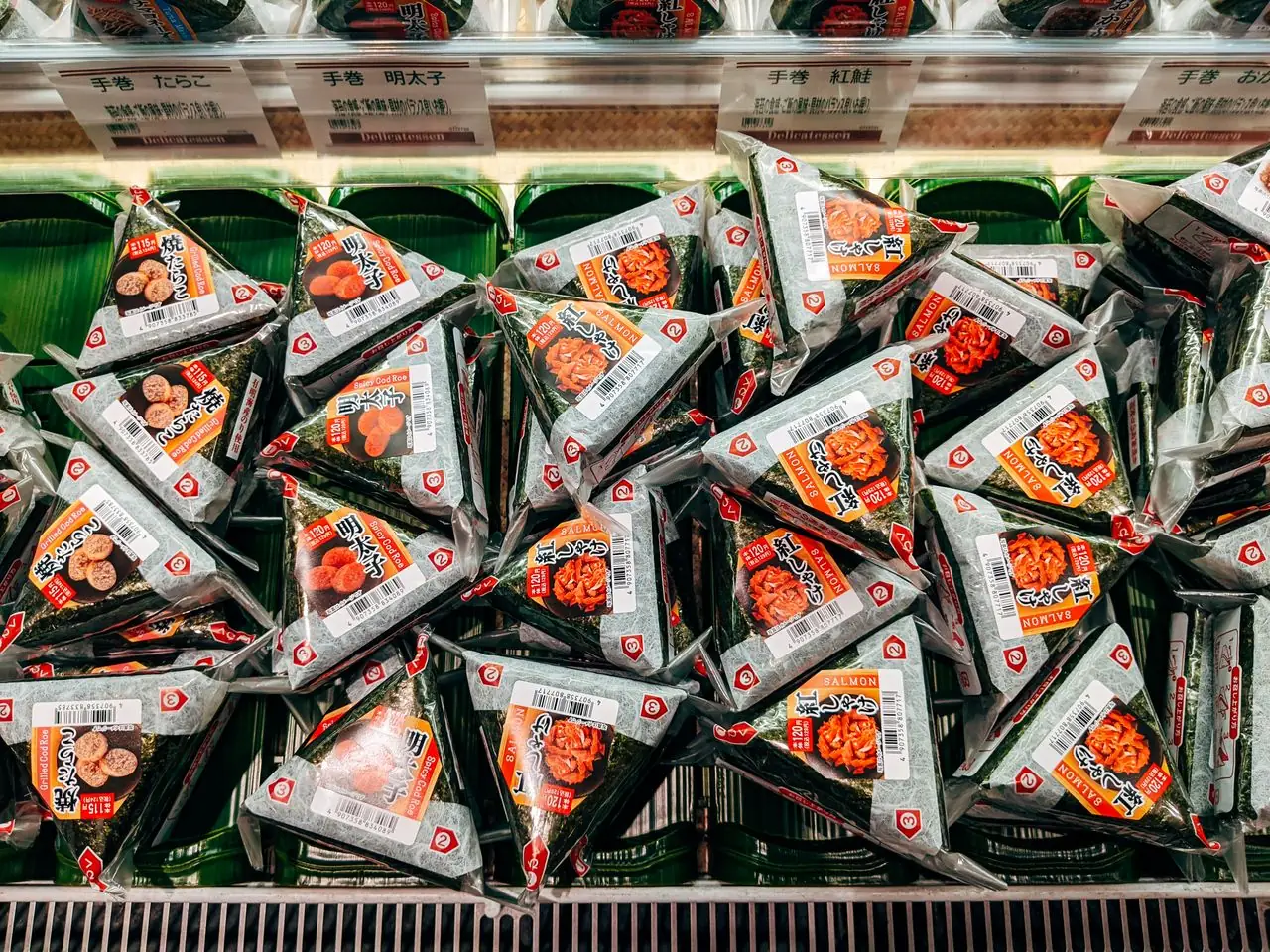 Convenience stores
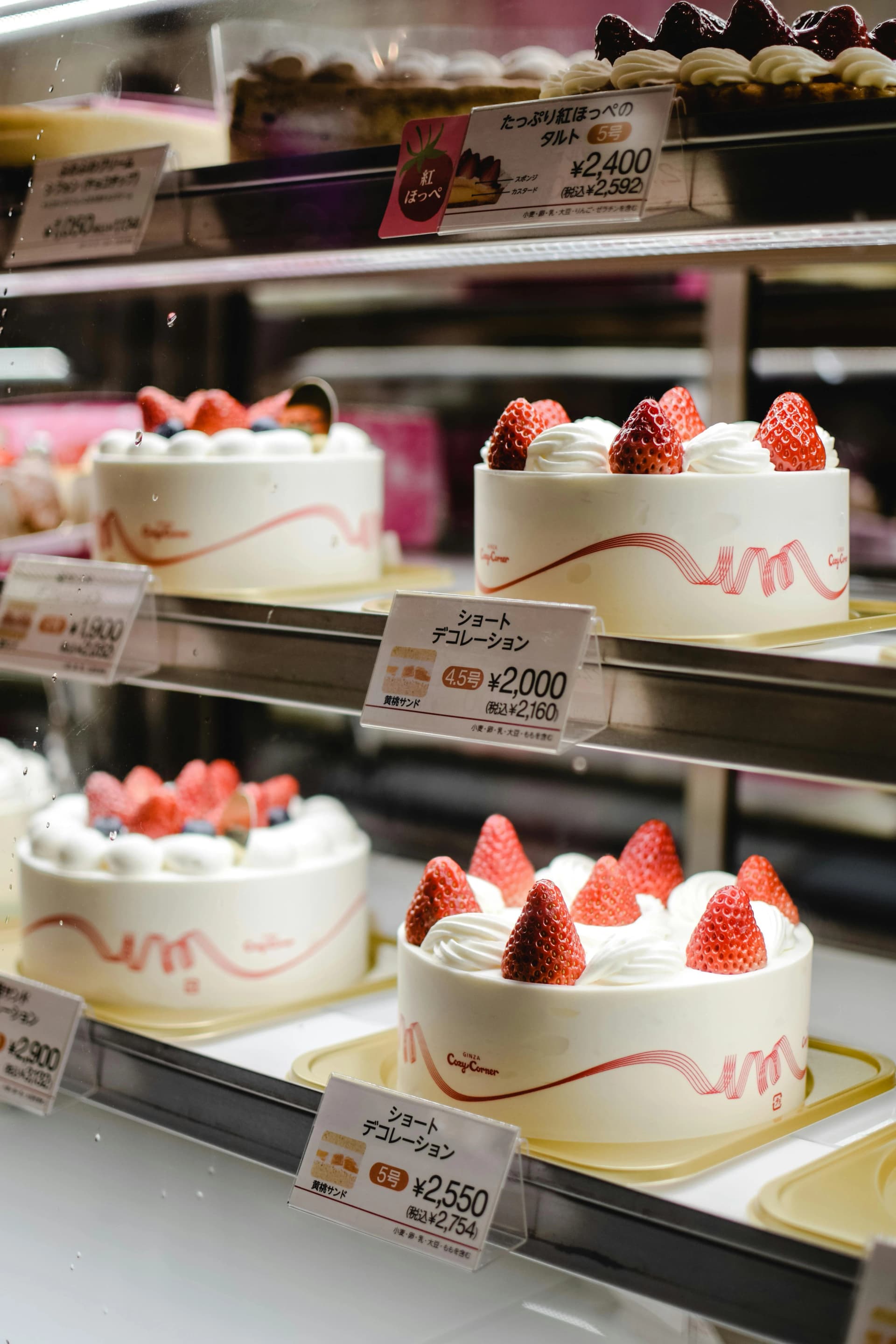
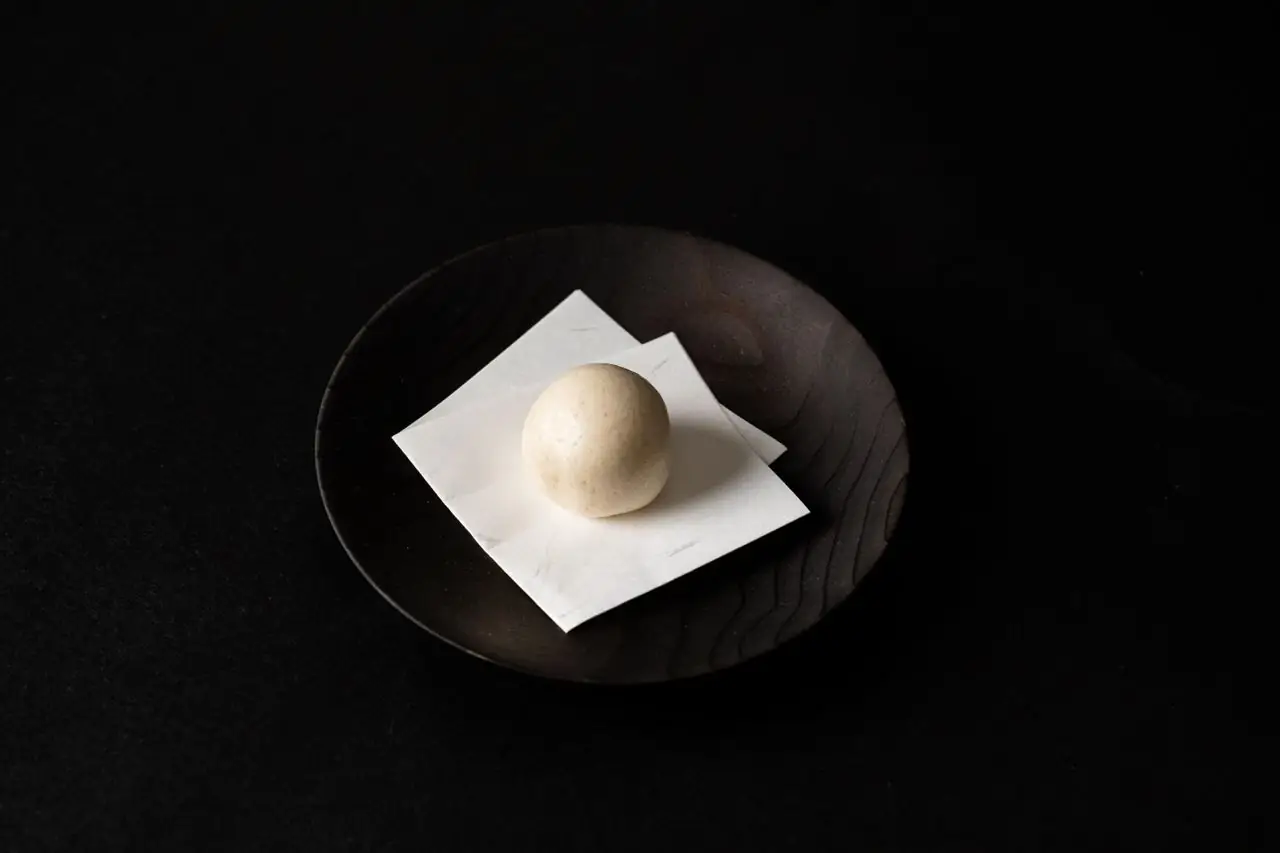 Sweets
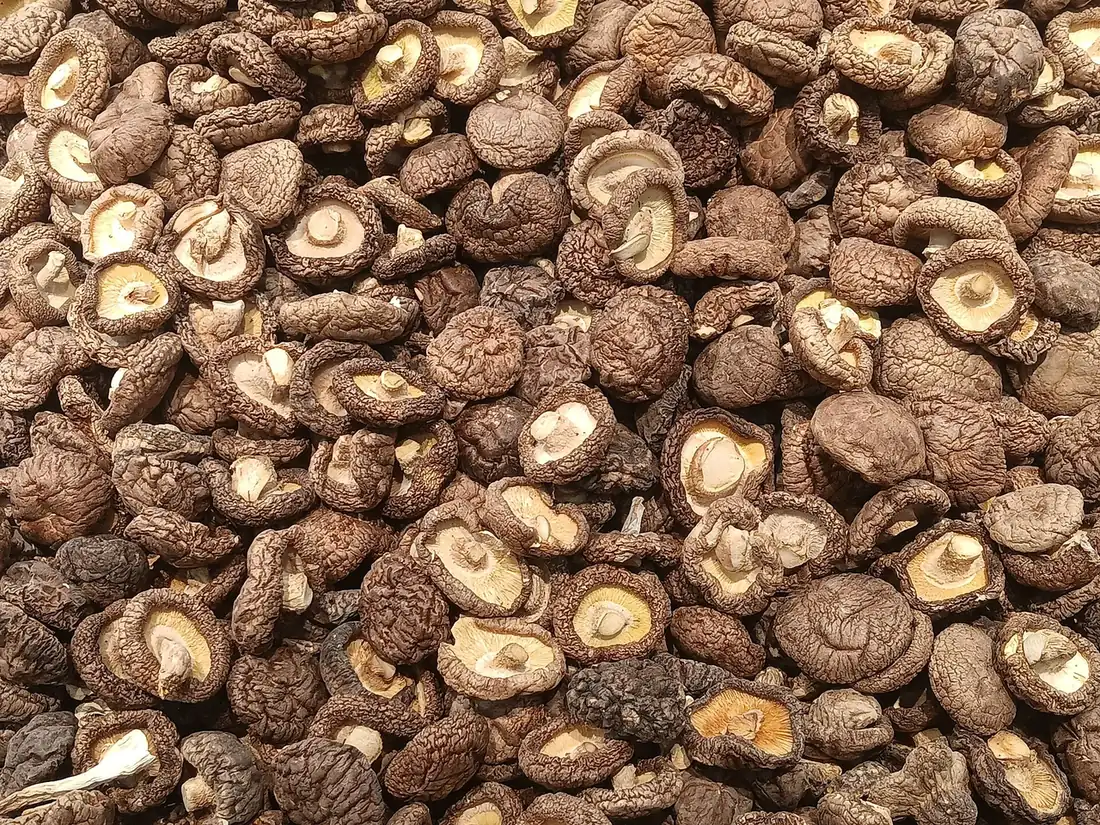 The vegan kind
Swipe for more
More on dashi and ramen
Dashi is the base of miso soup, simmered vegetables, noodle broth, tempura dipping sauce, many dressings and a lot of home-style cooking. The classic version is made from kombu (kelp) and katsuobushi (dried bonito flakes). Another common version uses niboshi, small dried sardines. Neither shows up on an English menu unless the restaurant is writing for visitors.
Dashi made only from kombu and dried shiitake mushrooms is vegan, and the Yoroiya vegan ramen below is made that way.
Even a “vegetable” ramen can use a shared pot or an animal-based seasoning oil.
Show this to the kitchen
Screenshot it. The first answer is often a polite yes, so ask each question.
Three questions
Japanese, with English below- 出汁にかつお節や煮干しは入っていますか。Does the broth or dashi contain bonito or dried fish?
- 肉、魚、卵、乳製品を使わずに作れますか。Can this be made without meat, fish, egg and dairy?
- ソースやタレに動物性のものは入っていますか。Do the sauce and dressing contain anything from animals?
Vegetarian and vegan mean different things here
A kitchen may take ベジタリアン (vegetarian) to mean “no meat” and still use fish stock. ヴィーガン (vegan) is clearer where a venue advertises it. Treat both words as the start of a conversation.
- Vegetarian
- Check every time: dashi, bonito flakes, fish sauce, meat extract in soups and sauces, and whether the kitchen counts fish stock as “vegetarian”.
- Vegan
- Check every time: egg in noodles, honey, dairy in sweets, animal fat in fried food.
Okonomiyaki, takoyaki and certification stickers
Bonito flakes are a standard topping on okonomiyaki and takoyaki, and the batter often contains dashi.
The national tourism organization's guide points to official vegan and vegetarian stickers from Japanese certifying groups, and to finders such as Happy Cow. Do not expect stickers outside specialist venues.
Six places we checked
Each checked against the venue's own website on 22 November 2026. Checked means operating, and we read what it says about plant-based food. It does not mean we ate there for this article. It does not mean a kitchen can promise zero cross-contact.
Every venue below carries the date we checked it. Menus, hours and kitchens change, so confirm before you travel. Nothing here is a guarantee that a dish suits your diet or your allergies; the restaurant is the only party that knows what is in the pot.
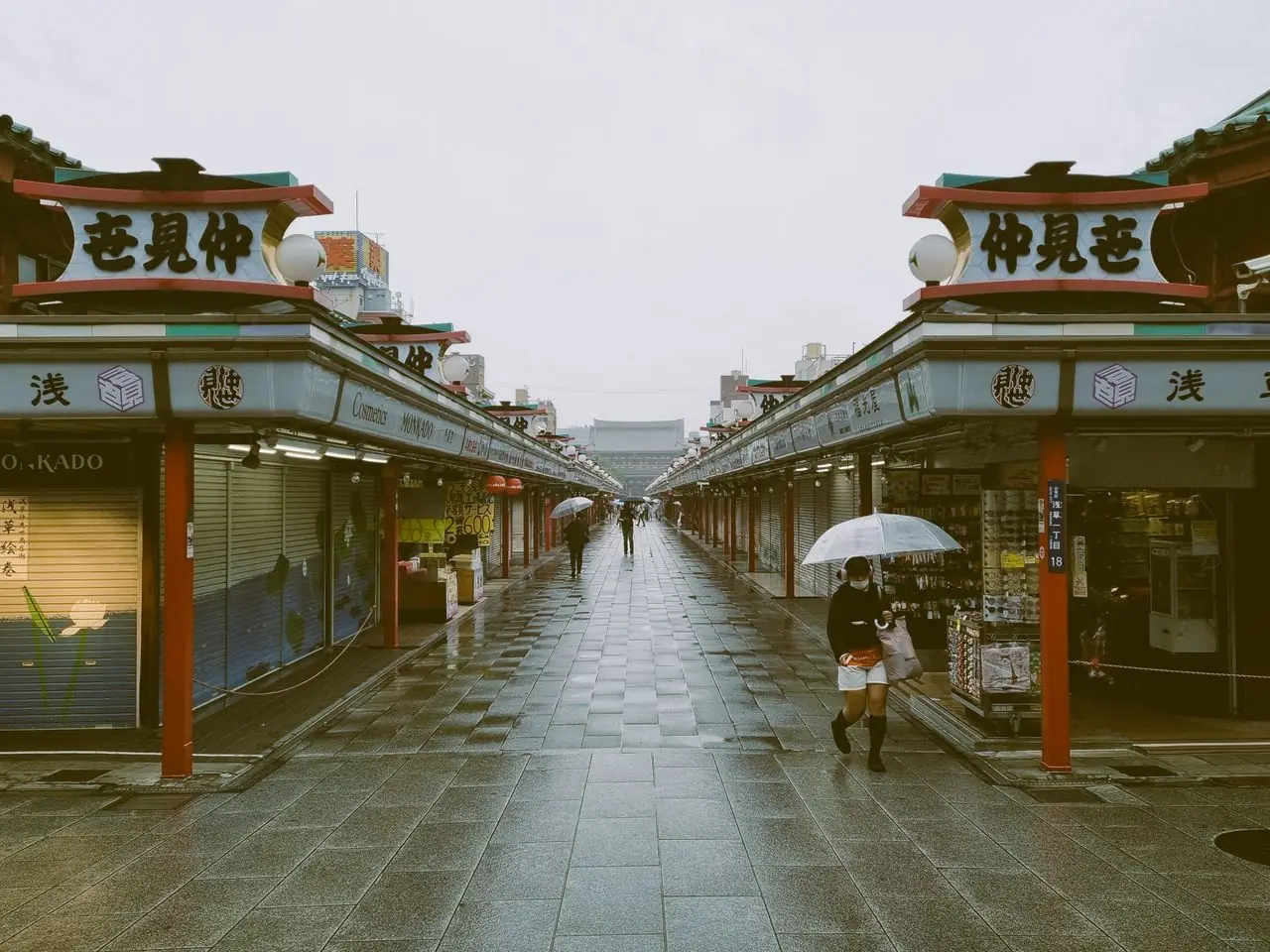
Asakusa Meidai Ramen Yoroiya
Vegan ramen, ¥1,400. Napa cabbage, onion, shiitake, kombu and carrot soup; egg-free noodles.
The menu does not say whether it is cooked on shared equipment. Ask.
Checked 22 Nov 2026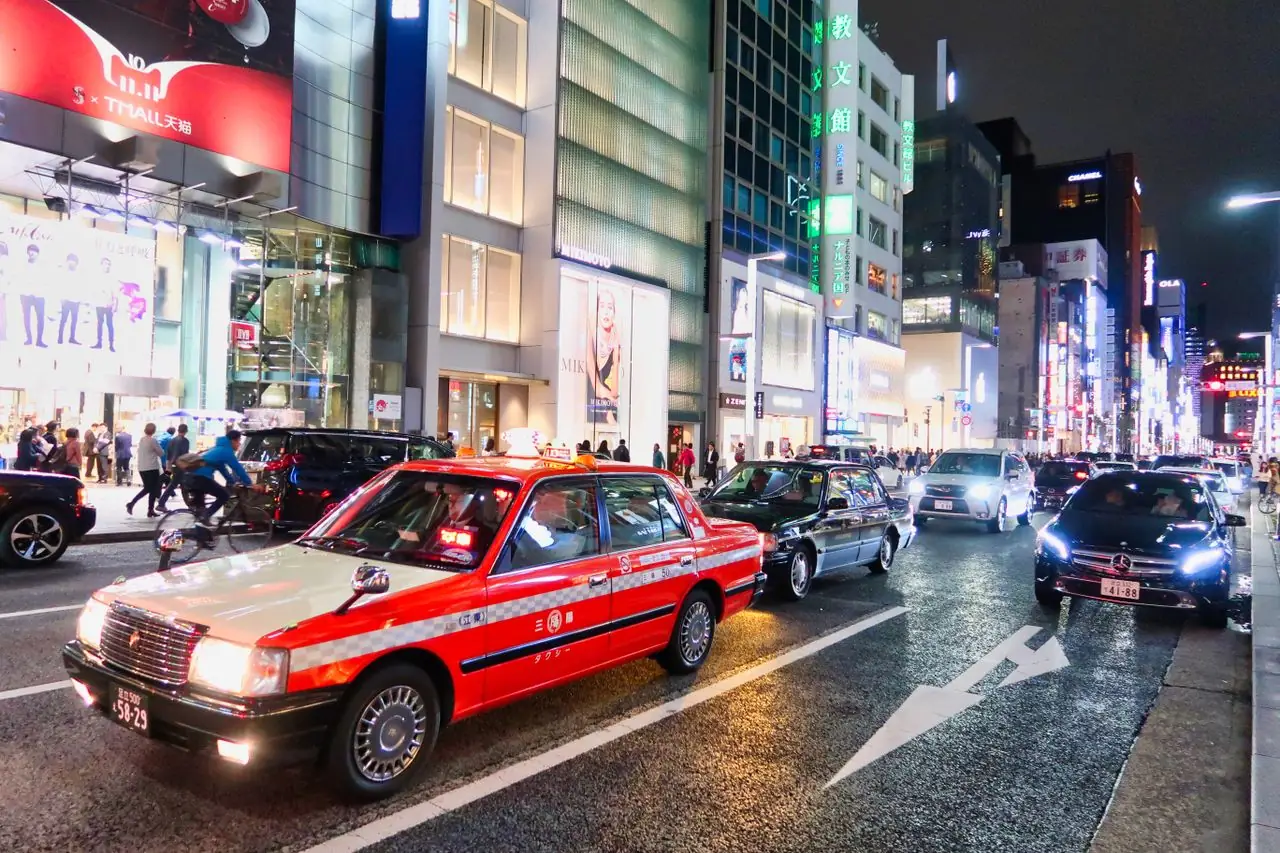
AIN SOPH. Ginza
Fully vegan: no meat, fish, dairy or eggs. Many gluten-free dishes; allium-free on request.
One order per person. Cancellation fees on reservations.
Checked 22 Nov 2026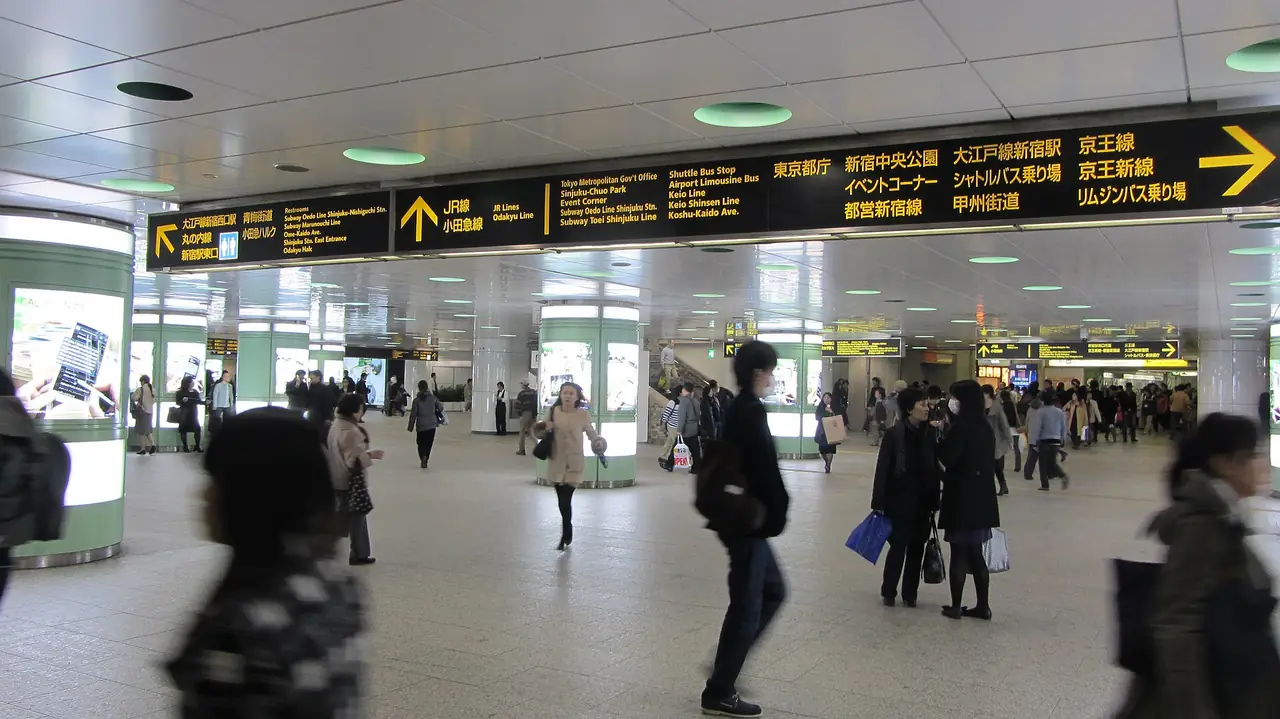
AIN SOPH. Journey Shinjuku
Every item vegan, at exit C5 of Shinjuku-sanchome Station.
Online booking only. No same-day lunch reservations.
Checked 22 Nov 2026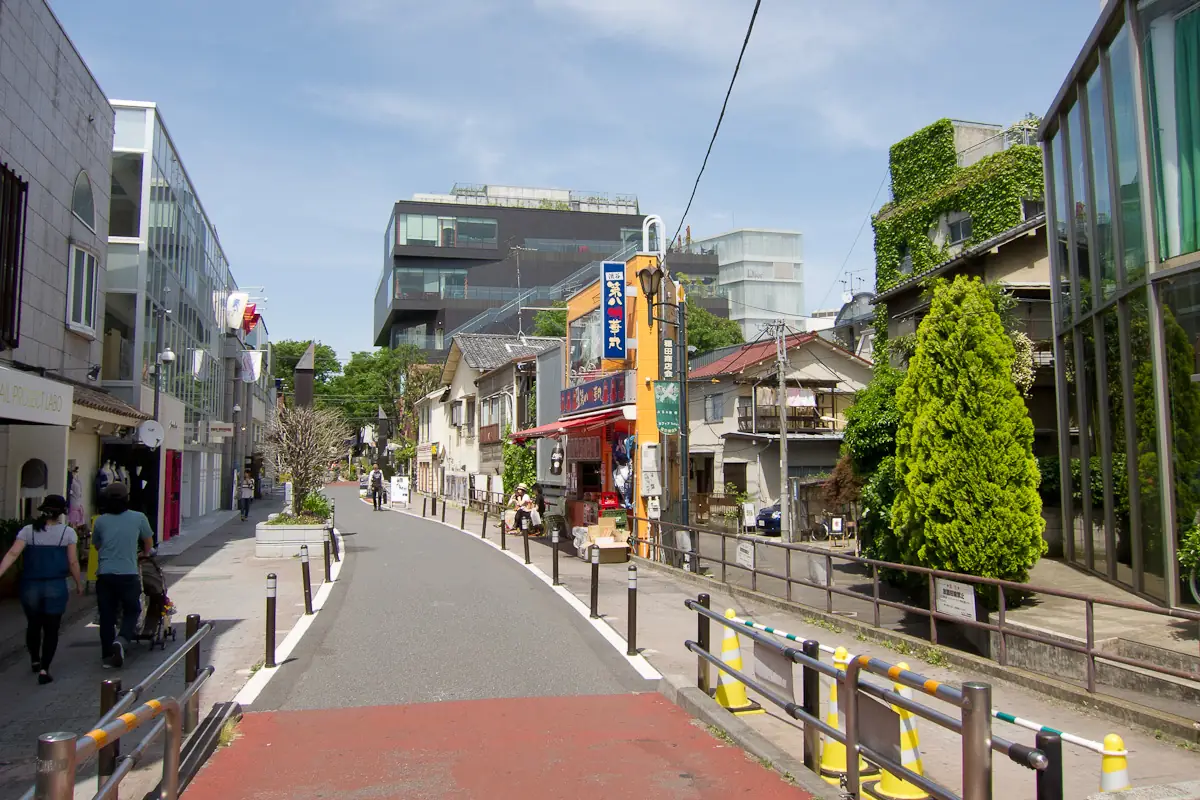
AFURI Harajuku
Rainbow Vegan Ramen: vegetable soup, egg-free noodles made with lotus root.
The other bowls use chicken and fish dashi. Say vegan clearly and confirm the toppings.
Checked 22 Nov 2026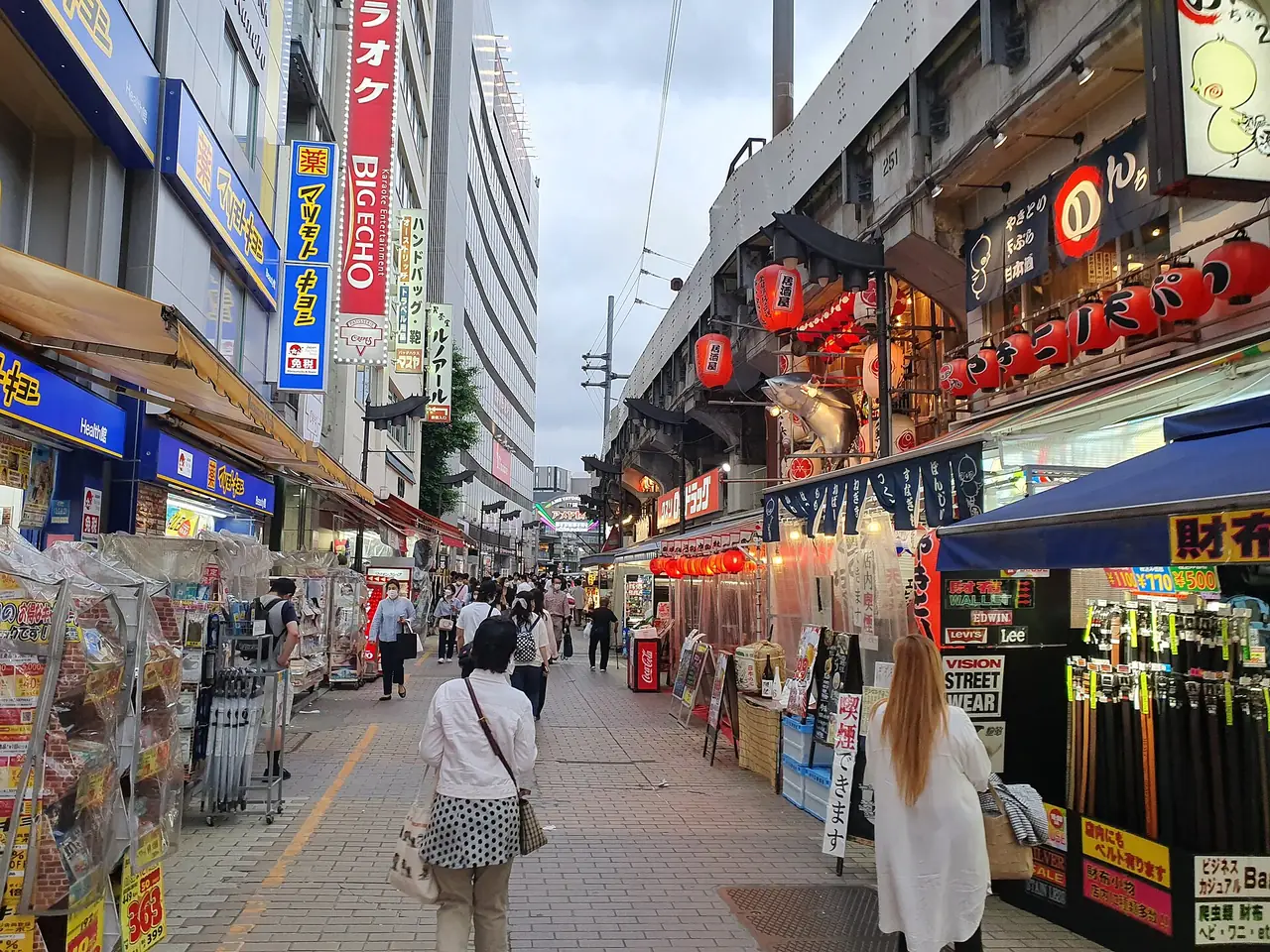
T's TanTan Ecute Ueno
Vegan ramen with no meat, seafood, dairy or egg. 3F of JR Ueno Station, near the Iriya exit.
Inside the ticket gates, so you need a ticket or IC card. Its store page carries no date.
Checked 22 Nov 2026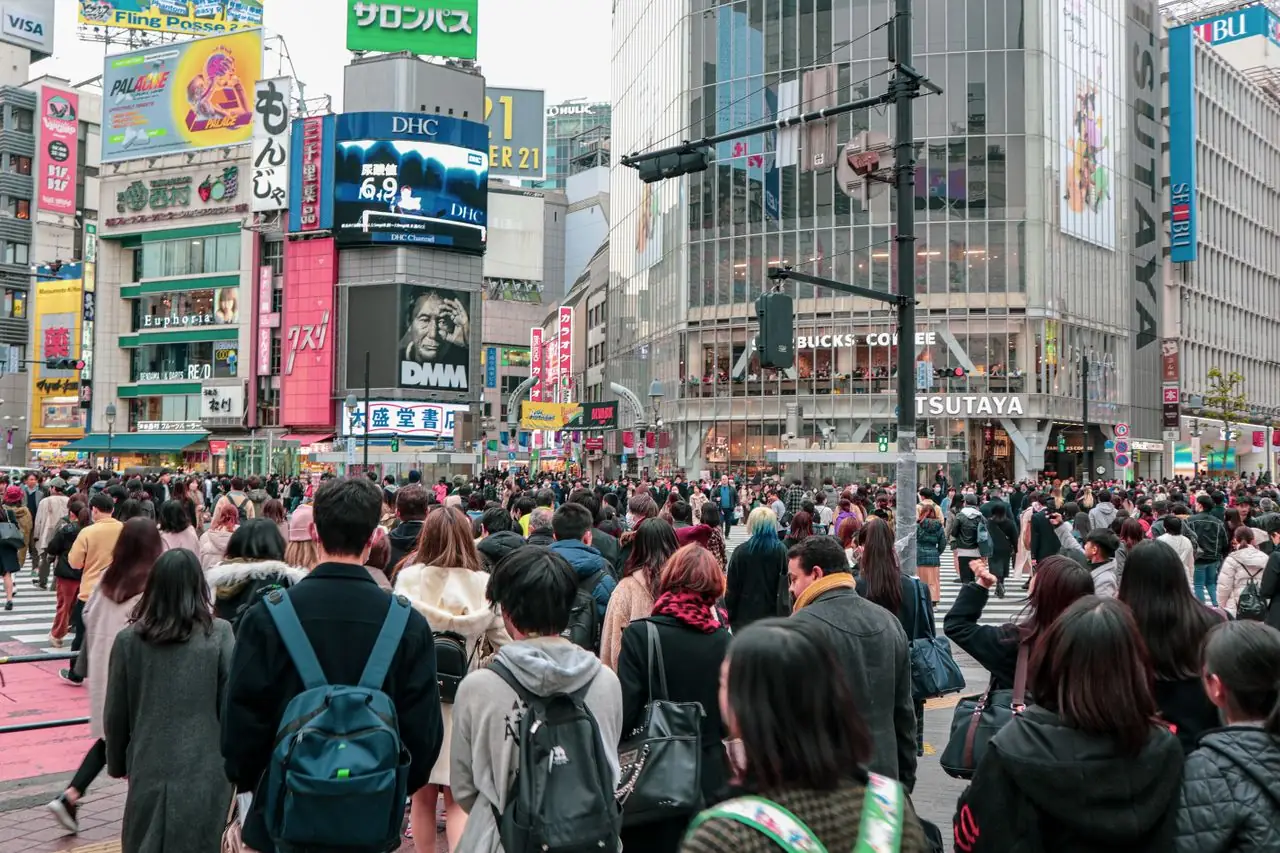
Yaoya Cafe SHIBUYA
Vegetable-focused, not vegan. Vegan and vegetarian courses at ¥3,000, ¥4,000 and ¥5,000.
Tell them your diet when you book, not at the table.
Checked 22 Nov 2026What we checked at each place
- Yoroiya posted a change of opening hours on 2 November 2026, so it was operating this month.
- AIN SOPH. news posts are dated November 2026 for both branches.
- AFURI's news page has posts up to 6 November 2026. Rainbow Vegan Ramen is not served at Yokohama Joinus or ZUND-BAR.
- T's TanTan is listed as an operating branch on the T's Restaurant website. Check the JR East Ecute Ueno directory on the day.
- Yaoya Cafe's reservation site was live on 22 November 2026.
- Where they are: Yoroiya is on Denboin-dori. AIN SOPH. Ginza is one minute on foot from Higashi-Ginza Station, with a patisserie on the ground floor and a restaurant above. AFURI Harajuku is at Sendagaya 3-63-1. Yaoya Cafe SHIBUYA is in the Dogenzaka area about three minutes from Shibuya Station by its own account.
- At Yaoya Cafe the menu changes daily and uses seasonal farm produce, and cheese is part of the concept. The restaurant states that vegan, vegetarian and lacto-vegetarian meals can be prepared if you say so when booking.
We found no verified plant-based venue we would add for another neighborhood this time; a shorter list we trust is better than a long list we cannot stand behind.
How to plan a day
- Eat the main meal at a venue that is vegan or built around vegetables, where you are not negotiating the stock.
- Keep the second meal simple: fruit, rice balls with pickled plum or kombu, edamame, salads and tofu from a convenience store, read from the label.
- Book dinner ahead and tell the restaurant what you eat when you book.
Pair neighborhoods as you would for sightseeing. Asakusa and Ueno sit on the same line, so they share a morning. Harajuku and Shibuya make one day. Shinjuku and Ginza are easy anchors for an evening.
What a private guide changes
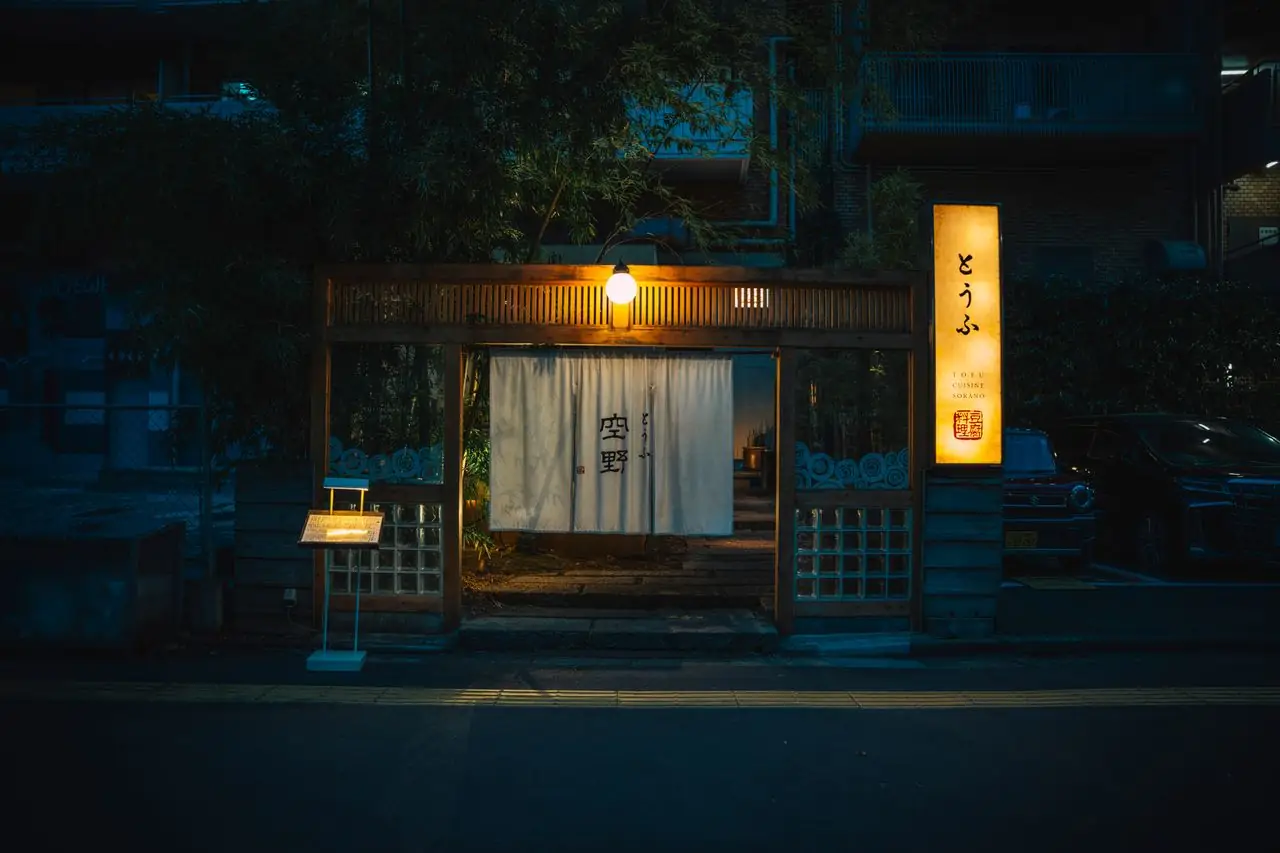
A guide asks the kitchen in Japanese and follows up, because the first answer is often a polite yes. They read the menu with you, including the sauce descriptions and daily specials that translation apps garble. And they choose the route so that meals fall at places that can handle your diet, and move you on if a kitchen says it cannot.
A food tour built around what you eat
Our private food tour is a custom 4 or 6 hour tour planned around what your group likes and does not eat. For serious allergies, tell us before booking: a guide can ask questions but cannot make a kitchen safe.
See the private food tourSources
- Japan National Tourism Organization, Vegetarian and vegan guide, checked 22 November 2026: dashi in natto sauce, fish fillings in rice balls, vegan and vegetarian certification stickers, restaurant finders.
- Asakusa Meidai Ramen Yoroiya, vegan ramen menu page and home page, checked 22 November 2026.
- AIN SOPH., Ginza, Journey Shinjuku and news, checked 22 November 2026.
- AFURI, menu, shops and press, checked 22 November 2026.
- T's Restaurant, T's TanTan store list, checked 22 November 2026.
- Yaoya Cafe SHIBUYA, official site and reservation site, checked 22 November 2026.
Photo credits
Lombroso / Wikimedia Commons, CC BY-SA 3.0 · François Nguyen / Wikimedia Commons, CC BY 2.0 · Thomas Woodtli from Zürich, Switzerland / Wikimedia Commons, CC BY 2.0 · Rs1421 / Wikimedia Commons, CC BY-SA 3.0. Photos resized.