Tour companies fall into categories: mass-market efficiency (Viator, JTB), cultural depth (Arigato Japan), boutique private (Hinomaru One), and luxury access (Abercrombie & Kent). Match your trip goals to the category, not just the price.
The best tour company for Japan is whichever one sells the thing you want most, whether that's efficiency, depth, a low price, or access. Below is what each kind of company delivers in practice, from the mass-market booking platforms to boutique private guides, and what you give up with each.
Each type is good at one or two of those four things and weaker at the rest.
The Categories (Not the Brands)
It's easier to compare types of operator before comparing names. Japan's tour operators fall into four groups.
Mass-market platforms (Viator, ToursByLocals, GetYourGuide) are aggregators that connect travelers with local guides. They run at high volume, quality varies, and the experiences tend to be standardized.
Large agencies (JTB, HIS, Club Tourism) are the Japanese giants selling package tours. Logistics are reliable, itineraries are fixed, and most of what they sell is group travel.
Specialists (Arigato Japan, Context Travel) are niche operators built around one theme, such as food or culture. Expect curated experiences, smaller groups, and guides who know their topic.
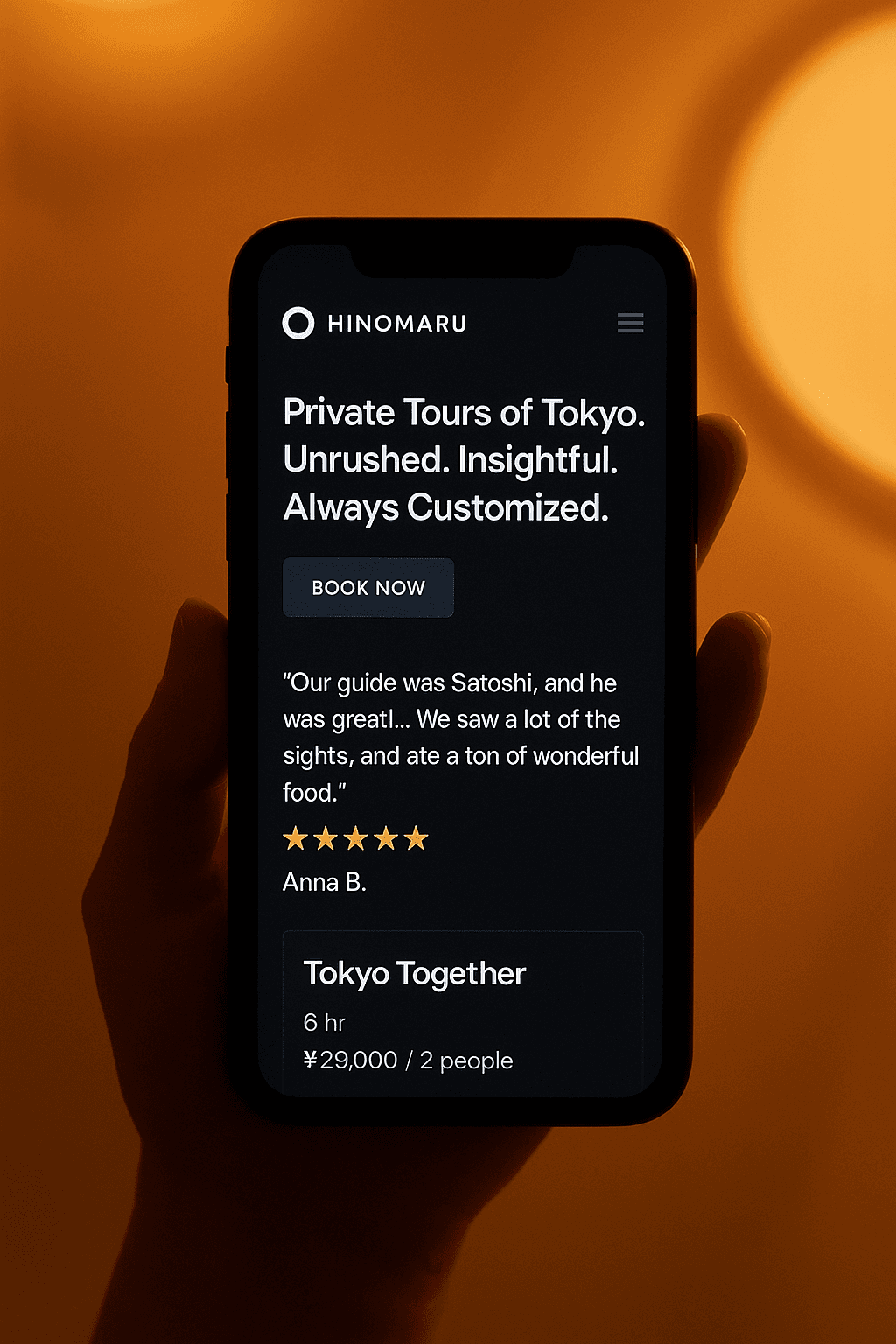
Boutique private (Hinomaru One, similar operators) means custom-designed private tours. They're flexible, go deeper into the culture, and you deal with your guide directly.
The "best" company is the one whose category fits your trip. A traveler who's in Japan for the food won't get what they need from JTB. A solo visitor on a tight schedule may find Arigato Japan's group tours slow next to a private guide.
Mass-Market Platforms: Viator, ToursByLocals, GetYourGuide
What They Actually Deliver
Strictly speaking these are booking platforms, not tour companies. They put travelers in touch with independent guides.
Viator (owned by TripAdvisor) and ToursByLocals list thousands of guides across Japan. You browse, compare prices, and book through the site, but the person you're actually hiring is the guide, not Viator.
What you get:
- A wide selection (hundreds of Tokyo guides)
- Prices you can compare upfront
- Reviews from earlier travelers
- Dispute resolution through the platform
What you trade off:
- Uneven quality, because guides aren't vetted to one standard
- Generic experiences, since popular tours get standardized
- No continuity: each booking is a one-off transaction with no ongoing relationship
- Platform fees built into the price
When This Category Works
Mass-market platforms suit travelers who:
- Like to browse options and compare prices
- Are comfortable judging a guide from reviews
- Care more about convenience than depth
- Don't mind if the day feels a bit templated
They fall short when you want:
- Quality you can count on
- Cultural depth past the obvious sights
- A guide who understands your particular interests
- Coordination across several days or regions
Red Flags on Platforms
- Guides whose descriptions read as copy-pasted
- Several identical tours from different "companies" (often one operator repackaged)
- Prices that look too low (good guides cost more)
- No mention of certification or training
Large Agencies: JTB, HIS, Club Tourism
What They Actually Deliver
JTB is Japan's largest travel agency, and HIS and Club Tourism compete at the same level. They are very good at logistics.
JTBロイヤルロード銀座 is JTB's luxury division. You book a consultation in a salon, and experienced planners design packages around high-quality small group tours.
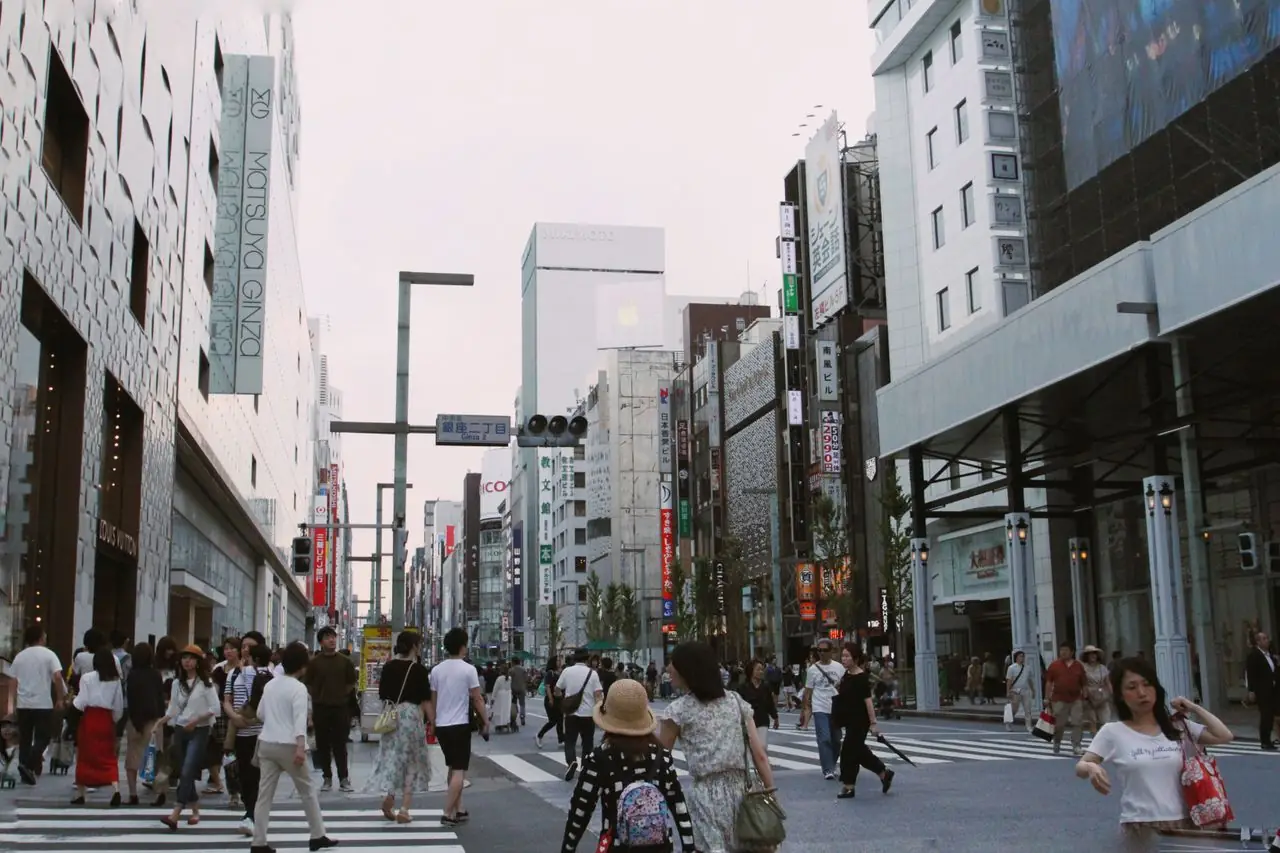
What you get:
- Reliability from decades of running tours
- Convenience, with flights, hotels, transfers, and some meals bundled together
- Support through established channels when something goes wrong
- English-speaking guides if you ask for them
What you trade off:
- Fixed itineraries, since going off-plan isn't how they work
- Group pace, with shared buses and timed stops
- Little customization: "flexibility" usually means picking between preset options
- Higher prices in peak season, because group tours are priced on demand
When This Category Works
Large agencies suit travelers who:
- Want flights, hotels, and transfers all handled
- Are comfortable on a fixed schedule
- Travel in groups and don't mind sharing the experience
- Put reliability and an established operation first
- Are in Japan for the first time and want a "package experience"
They fall short when you want:
- Control over where you go and how long you stay
- Cultural depth beyond the surface sights
- Private time without other tourists around
- To change plans on the spot because of weather, mood, or something you found
The Luxury Division Distinction
JTBロイヤルロード銀座 sits between the mass market and the boutique operators. Quality is higher, groups are smaller, and the planning is more attentive, but it's still a package. You choose from experiences someone else designed rather than building your own.
Specialists: Arigato Japan, Context Travel, JGA
Arigato Japan — Food Focus
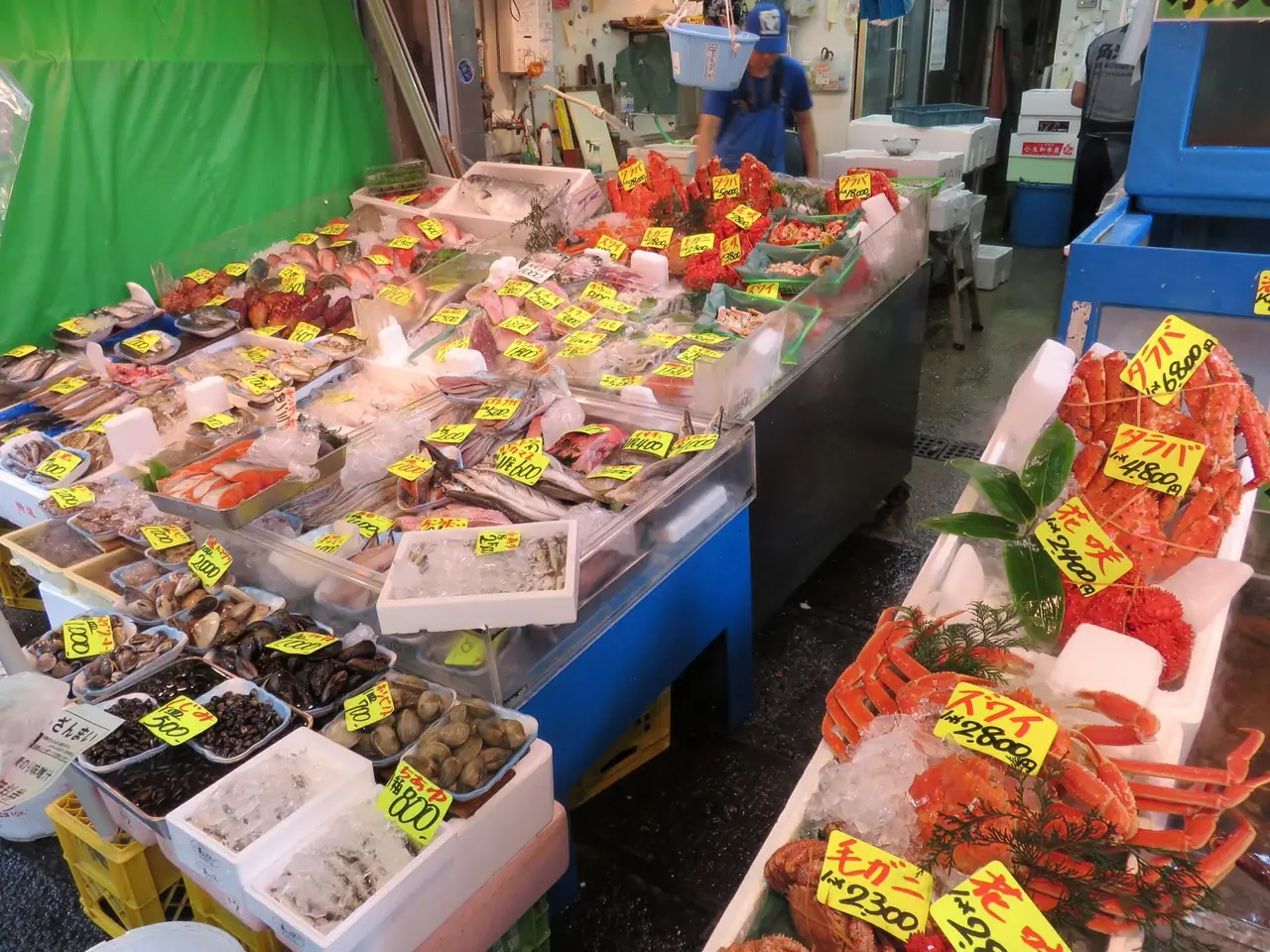
Arigato Japan made its name on food tours. Its curated culinary outings cover market visits, restaurant access, and introductions to people who cook.
What you get:
- Guides who know Tokyo's food scene well
- Restaurant relationships already in place
- Itineraries designed around food
- Smaller groups than the big agencies
What you trade off:
- A narrow theme: they do food, not general cultural immersion
- Group format, so even "small group" means strangers at your table
- Less flexibility, since curated experiences follow a set structure
Arigato Japan is right if food is your main reason for being in Tokyo. If you also want architecture, history, or crafts with your meals, you're outside what they do best.
Context Travel — Cultural Depth
Context Travel bills itself as "scholar-led." Its guides include academics, historians, and subject experts.
What you get:
- Guides whose expertise goes well past tourism
- Context for what you're looking at
- Small groups (typically 6 or fewer)
- Tours that don't follow a template
What you trade off:
- Higher prices, because expertise costs more
- Limited availability, since there are only so many scholar guides
- An academic tone that may not suit casual travelers
- Depth over breadth (good for some trips, wrong for others)
Context Travel suits people who want to understand what they're seeing. If you'd rather cover a lot of sights efficiently, it's the wrong format.
JGA (Japan Guide Association) — Certification Access
JGA isn't a tour company either. It's the organization that connects travelers with government-certified guides (通訳案内士, the licensed interpreter-guides).
Booking through JGA gets you a certified professional, but you're choosing an individual guide, not a designed experience, so the quality comes down entirely to who you pick.
What you get:
- Certified guides who passed the national exam
- A direct relationship with your guide
- Freedom to design the day together with the guide
What you trade off:
- No operation behind the guide, so you handle the logistics
- Quality that depends on the guide, who will vary in style, knowledge, and fit
- No platform in the middle if there's a dispute
Boutique Private: Hinomaru One and Similar Operators
What We Actually Deliver
Boutique private operators fall between the mass-market platforms and the luxury agencies. You deal with us directly, with no aggregator in the middle. We design each tour for the people taking it, and we price by what the day is worth.
Hinomaru One builds private tours around cultural immersion. We want you to come away understanding Tokyo a bit better as well as having seen it.
What you get:
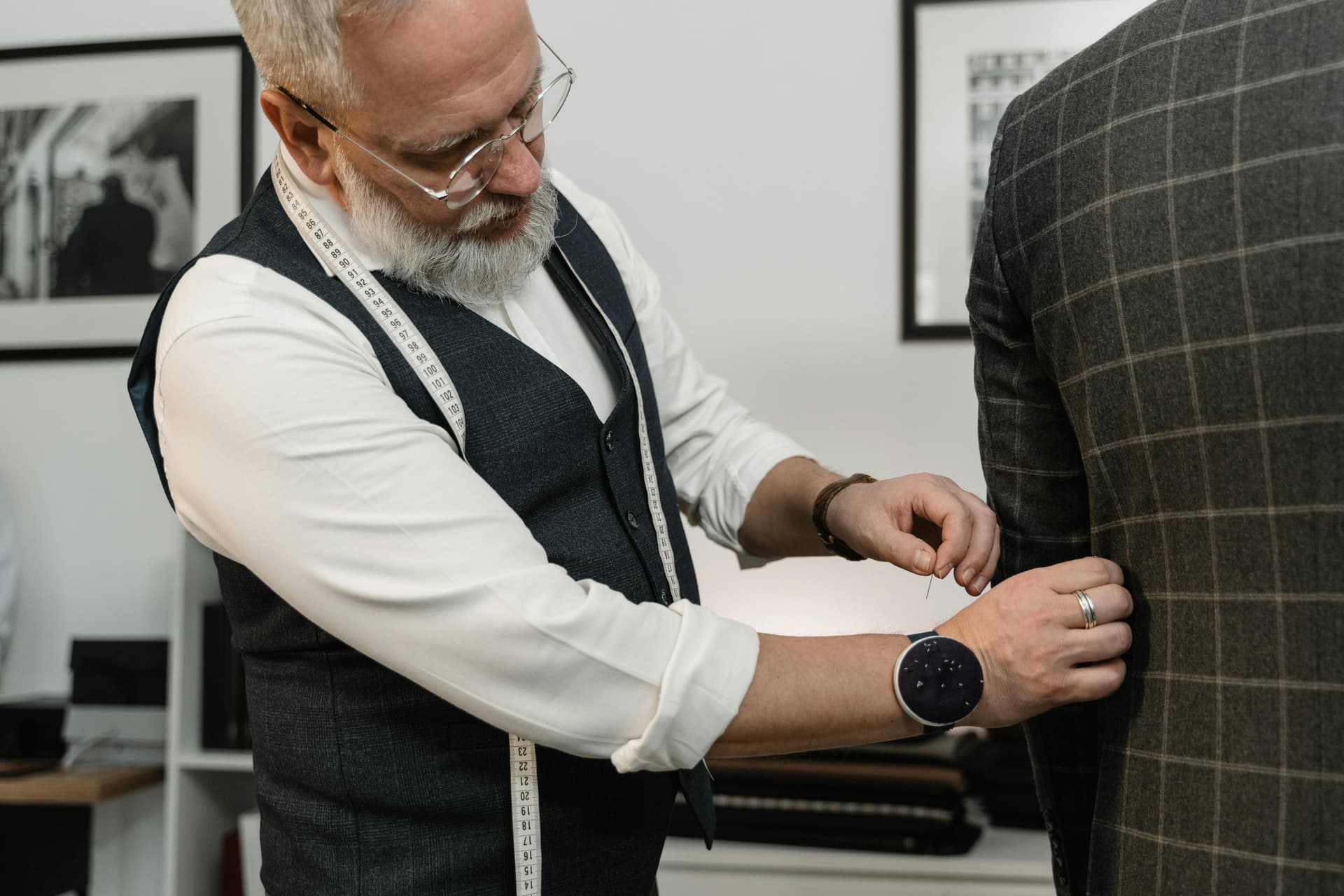
- An itinerary built around your interests instead of a preset template
- One guide who knows your whole trip, instead of a new person each day
- Context from guides who explain what you're seeing as well as how to get there
- Access off the tourist circuit, through artisans, vendors, and restaurants you won't find on the platforms
- Changes on the day, in real time, based on what you're finding
What you trade off:
- A higher per-person cost than group tours
- You book your own flights and hotels (we don't bundle)
- It takes some back and forth, because we need to understand what you want
- It isn't "luxury" in the hotel-and-car sense, since our focus is the experience
When This Category Works
Boutique private suits travelers who:
- Want cultural depth as well as the sights
- Would rather be private than in a group
- Like being able to change plans when they find something
- Want an ongoing relationship with a guide, not a one-off booking
- Have particular interests (architecture, food, crafts) that generic templates don't cover
It falls short when you want:
- Flights, hotels, and transfers bundled in
- The lowest possible price
- A shared group experience
- A fixed, predictable schedule
Luxury Operators: Abercrombie & Kent
What They Actually Deliver
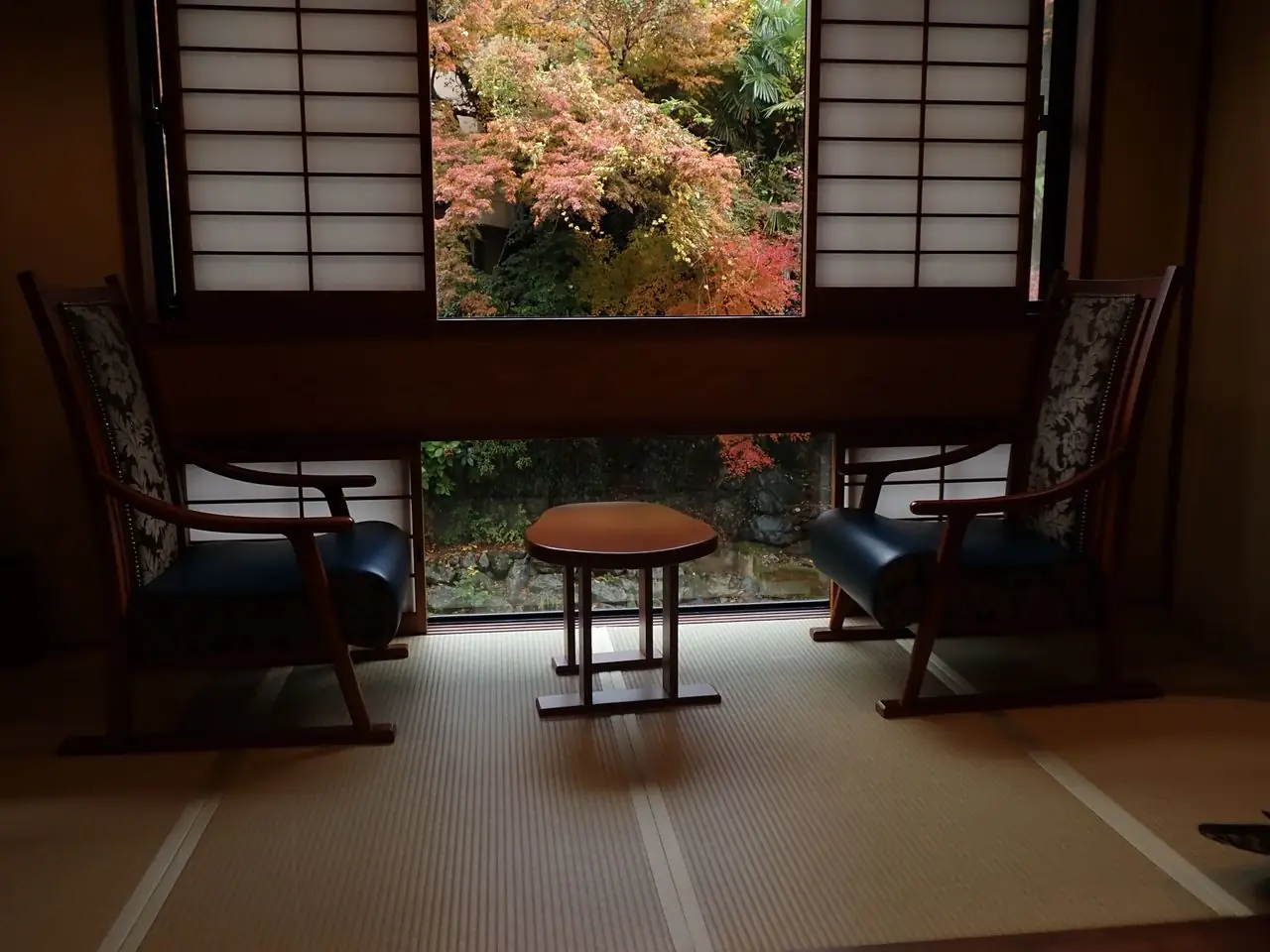
Abercrombie & Kent (A&K) works for royalty and Hollywood stars. This is the very top end of travel: private jets, exclusive access, Michelin dining, luxury ryokan.
What you get:
- Everything arranged, with nothing left for you to sort out
- Temples, experiences, and venues that standard tours can't get into
- High-end cars, premium hotels, and fine dining
- Dedicated staff the whole way through
What you trade off:
- Prices that reflect status as much as value (expect $1,000+ per day per person)
- Less cultural immersion, because the focus is comfort and access more than understanding
- A level of display some travelers find ostentatious
A&K is for travelers who want the highest-end trip and can pay for it. If you want to understand Japan at a reasonable price, look elsewhere.
Comparison Table: What Each Category Emphasizes
| Category | Best For | Trade-off | Representative |
|---|---|---|---|
| Mass-market platforms | Price comparison, browsing convenience, one-off tours | Quality variance, generic experiences, no relationship | Viator, ToursByLocals |
| Large agencies | All-inclusive packages, reliability, group travel | Fixed schedules, limited customization, group dynamics | JTB, HIS, Club Tourism |
| Specialists | Topic depth (food, history, culture), curated expertise | Theme limitation, small group format, pricing higher than mass-market | Arigato Japan, Context Travel |
| Boutique private | Cultural immersion, custom design, flexibility, guide relationship | Higher cost than groups, you handle flights/hotels | Hinomaru One |
| Luxury operators | Complete handling, exclusive access, status experience | High pricing, luxury over depth | Abercrombie & Kent |
What to Look For When Choosing
Certification Matters
Japan has a national guide certification, the 通訳案内士 (Interpreter-Guide License). To get it, guides pass a government exam on language and knowledge.
You don't need the license to work as a guide, so plenty of guides don't have one. The ones who do have at least proven a baseline of competence.
Ask whether the guides are certified. It won't guarantee a good day, but it does set a minimum.
Flexibility Claims vs Reality
Lots of operators say they're flexible, and few of them are.
Ask them: "If I want to stay longer at one stop and skip another, can we do that on the day?"
- Mass-market platforms: The guide may say yes, but the way the platform works discourages changes.
- Large agencies: The schedule is fixed, and flexibility means choosing from preset options.
- Specialists: Some flexibility, within the theme.
- Boutique private: Yes. The day changes based on what you're finding.
The Hidden Cost of "Low Price"
A cheap tour often means:
- A shorter day (4 hours vs 8)
- More tourists per guide (group vs private)
- A generic route (the popular sights, not much depth)
- A one-off transaction with no relationship
A $150 group tour and a $400 private tour are different products, so comparing their prices tells you little. Compare within a category.
Red Flags Across All Categories
- No mention of guide qualifications. Good operators tell you who leads their tours.
- Generic descriptions with nothing specific. Copy-pasted text usually means a templated tour.
- No conversation about customization. If they never ask what you want, they aren't designing anything for you.
- Prices with no breakdown. If you can't see what's included, ask.
- Reviews that all sound the same. Platforms sometimes inflate ratings.
When Each Type Is Right
Choose Mass-Market Platforms When:
- You want to browse and compare before you book
- You're comfortable judging quality from reviews
- Your trip is short and you want to cover ground efficiently
- Price is the first thing you filter on
Choose Large Agencies When:
- You want flights, hotels, and transfers handled
- A fixed schedule suits you
- You're traveling in a group and want shared logistics
- Reliability matters more to you than customization
Choose Specialists When:
- You have one focus (food, history, architecture)
- You want expertise in that topic beyond general tourism
- Small groups suit how you travel
- Their curated experiences match your interests
Choose Boutique Private When:
- You want to understand the culture in some depth
- You want privacy, with no strangers in your group
- You want to be able to change plans when you find something
- You want a relationship with a guide rather than a one-off booking
- Your interests don't fit a generic template
Choose Luxury Operators When:
- Budget isn't a constraint
- You need everything arranged for you
- Exclusive access matters more to you than cultural depth
- You want the most high-end experience available
The Honest Answer
No one tour company is best for Japan. The best choice is the category that fits what you want from the trip:
- Efficiency and coverage at low cost: Mass-market platforms
- Reliable packages with everything handled: Large agencies
- Topic depth in a specific domain: Specialists
- Cultural immersion with flexibility and relationship: Boutique private
- Maximum luxury and exclusive access: Luxury operators
Hinomaru One is a boutique private operator. We aren't the cheapest and we aren't the most luxurious. We suit travelers who want depth, flexibility, and the same guide relationship throughout their trip.
If that sounds like you, Tokyo Essentials is our foundation tour, with reservations, logistics, and cultural context for travelers who want more than a surface look. For a full day deeper into the culture, Timeless Tokyo builds on it with traditional neighborhoods and introductions to artisans.
If your goals fit one of the other categories, book with them instead.
Photo credits
- Crabs, shellfish and fresh seafood on ice at a stall in Tsukiji Outer Market: Aw1805 / Wikimedia Commons, CC BY-SA 3.0, resized
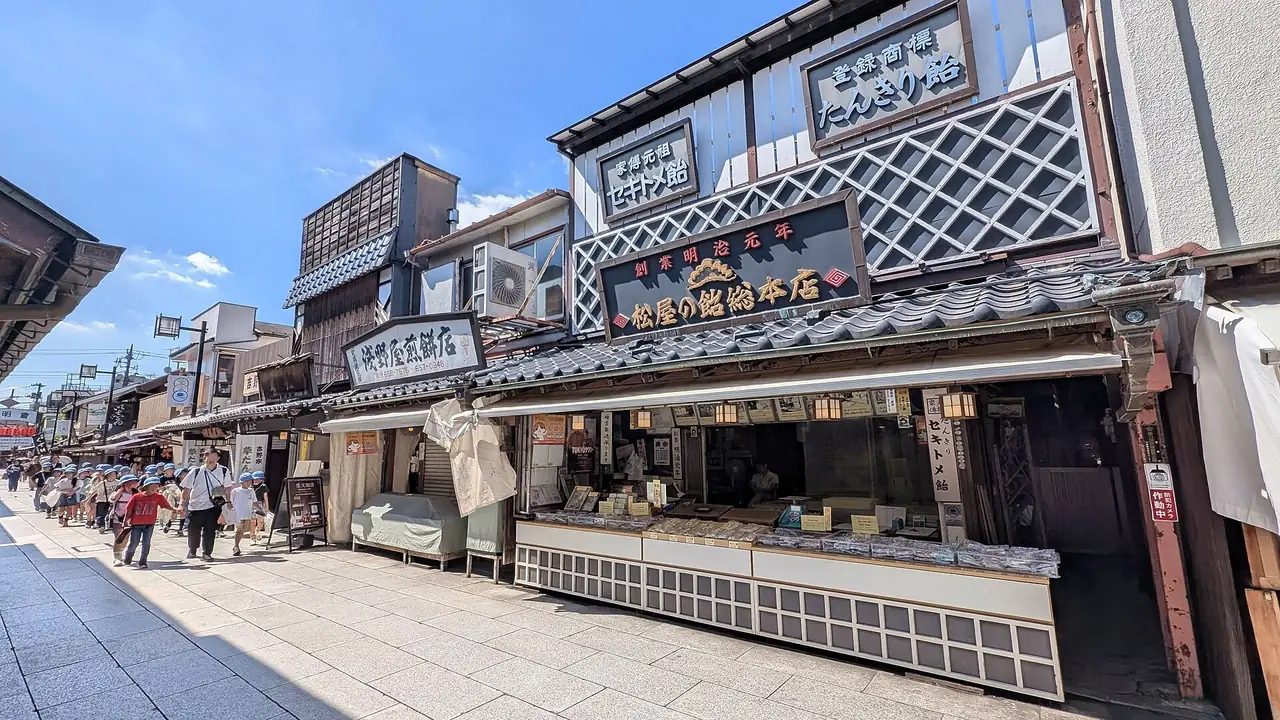
- Old wooden shopfronts along the Taishakuten approach street in Shibamata, Tokyo: Souka Kinmei / Wikimedia Commons, CC BY 4.0, resized