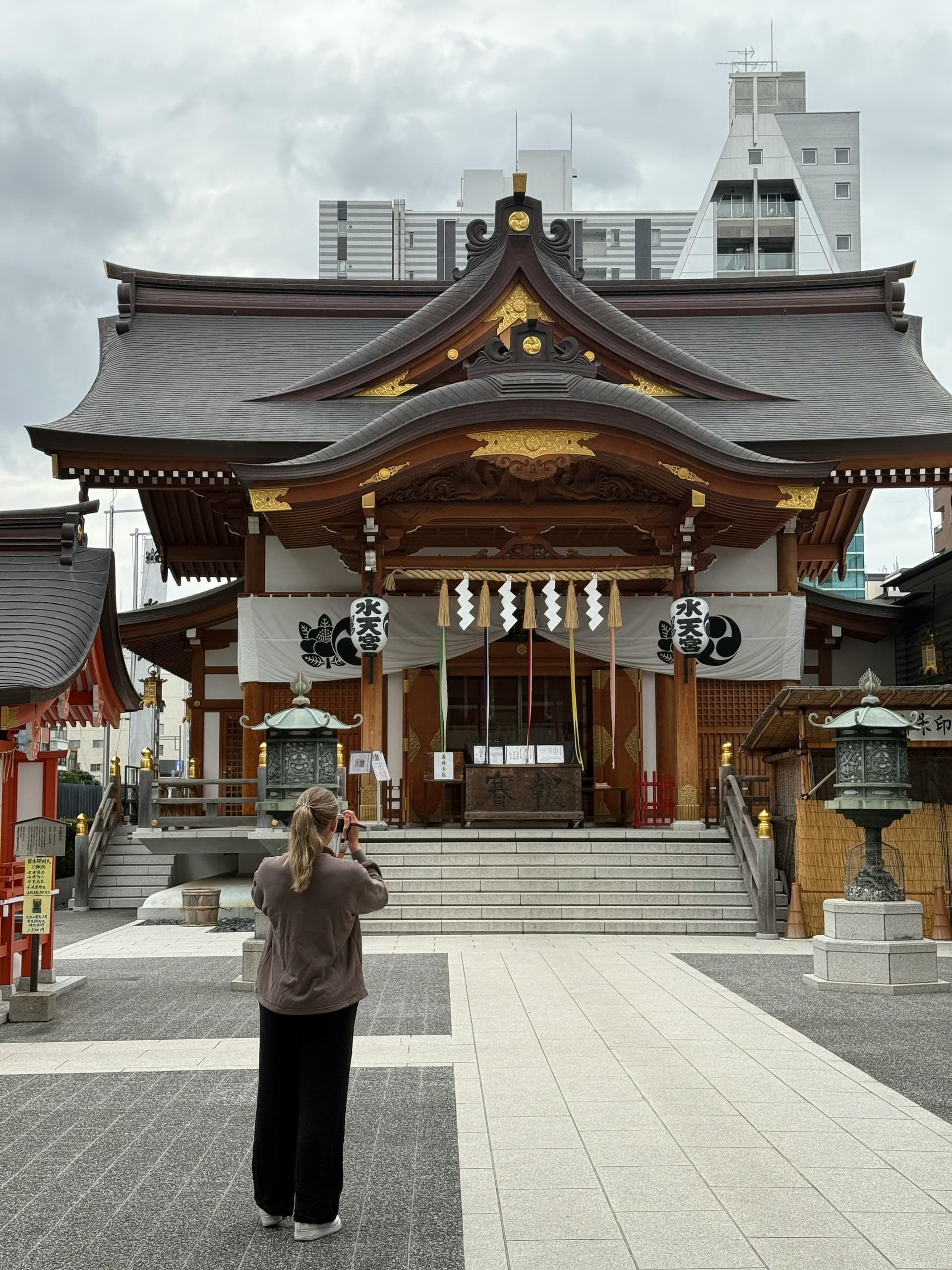
"Can I hire a guide" is actually three questions — and the one that matters most is the one nobody answers.
Hire a private guide in Tokyo and you'll pay $200-$800/day. Thousands of guides work here, booking takes minutes, and most tours confirm within 24 hours.
"Can I hire a guide" hides three questions. Yes, you can, and that part is easy.
Whether you should book comes down to two harder questions: does it fit your budget, and does it make sense for your trip? Most guides will happily say "yes" to the first and skip the second.
The Three Questions Behind "Can I Hire a Guide"
When someone searches "can I hire a private guide in Tokyo," they're usually rolling three separate questions into one. Pulling them apart makes the decision easier.
Question one: Is it possible?
Yes. Thousands of guides work in Tokyo, from nationally licensed professionals to unlicensed locals offering walking tours. Unlicensed guiding has been fully legal in Japan since 2018. Finding a guide won't be your problem.
Question two: Can I afford it?
That depends on your budget and group size. A full-day walking tour runs ¥40,000-50,000 ($270-330) for a couple. Add a private car and driver and you're at $770-1,400+. The cost per person drops a lot with bigger groups. Most travelers can afford a guide if they want one. Whether it's the best use of that money is a separate matter.
Question three: Should I?
Most of what you'll read online skips this one. Guides want you to book, platforms want you to book, and nobody has much reason to tell you when a guide would make your trip worse. We will.
What Private Guides in Tokyo Actually Cost
Private guides in Tokyo charge anywhere from $35-45 per hour to $280-600 per full day. A range that wide doesn't tell you much on its own.
Hourly vs daily rates
Half-day walking tours (4 hours) cost ¥27,000-34,000 ($180-230) for small groups. Full-day tours (7-8 hours) run ¥38,000-48,000 ($260-320) on foot, or $770-1,400+ with a private car and driver.
For a couple, a full-day walking tour comes to $140-160 per person. For a family of four it drops to $80-90 per person, so the bigger your group, the better the deal.
What's included (and what isn't)
The base price covers the guide's time and knowledge. It usually doesn't cover:
-
Your transportation costs (¥1,000-2,000 per person for a day pass)
-
Entrance fees at shrines, museums, and gardens
-
Food and drinks
-
The guide's lunch and transportation (¥2,000-5,000 additional)
Some operators build the guide's expenses into the base rate, and others expect you to pay as you go. There's no industry standard, so ask before you book.
Why prices vary so much
A full-day car tour with Hello! Tokyo Tours runs $1,290-1,700 depending on group size. A full-day walking tour with JCulture Guide costs ¥48,000 ($320) for 2-4 people. That's a 4x difference.
The main reasons:
-
Walking vs private car (a car adds ¥50,000-77,000)
-
Licensed vs unlicensed guide (less of a factor than you'd expect)
-
How the operator positions itself (premium vs budget)
-
Platform commissions (aggregators take 20-30%)
Booking direct isn't always cheaper. Some operators charge more for direct bookings because aggregator volume lets them discount, while others pass the savings on to you. There's no consistent rule. For a deeper breakdown, see our guide to tour pricing and what guides actually cost.
Seasonal pricing patterns
Guide prices in Tokyo don't swing with the season the way hotels and flights do. Availability does, and that changes what you can get.
| Season | Guide Pricing | What Actually Changes |
|---|---|---|
| Cherry blossom (late Mar–early Apr) | Same rates | The best guides book out 4-8 weeks ahead. Last-minute bookings get whoever's left. |
| Golden Week (Apr 29–May 6) | Same rates | Domestic travel surges, and some guides take family vacations. Limited availability. |
| Summer (Jun–Aug) | Same rates | Rainy season (Jun–Jul) and extreme heat cut demand. Booking is easier, but tours are less comfortable. |
| Autumn foliage (mid-Nov) | Same rates | High demand for garden and temple tours. Book 3-4 weeks ahead for popular routes. |
| New Year (Dec 28–Jan 3) | Same rates or unavailable | Many guides take the holiday off. Limited options. |
| Off-peak (Jan–Feb, May post-GW, Sep) | Same rates | Best availability and more guides to choose from, with some room for last-minute requests. |
In peak season you pay in choice, booking whoever's free instead of whoever fits best. In cherry blossom season, experienced guides with strong reviews fill their calendars first, and travelers booking two weeks out often get newer guides or ones whose specialties don't match.
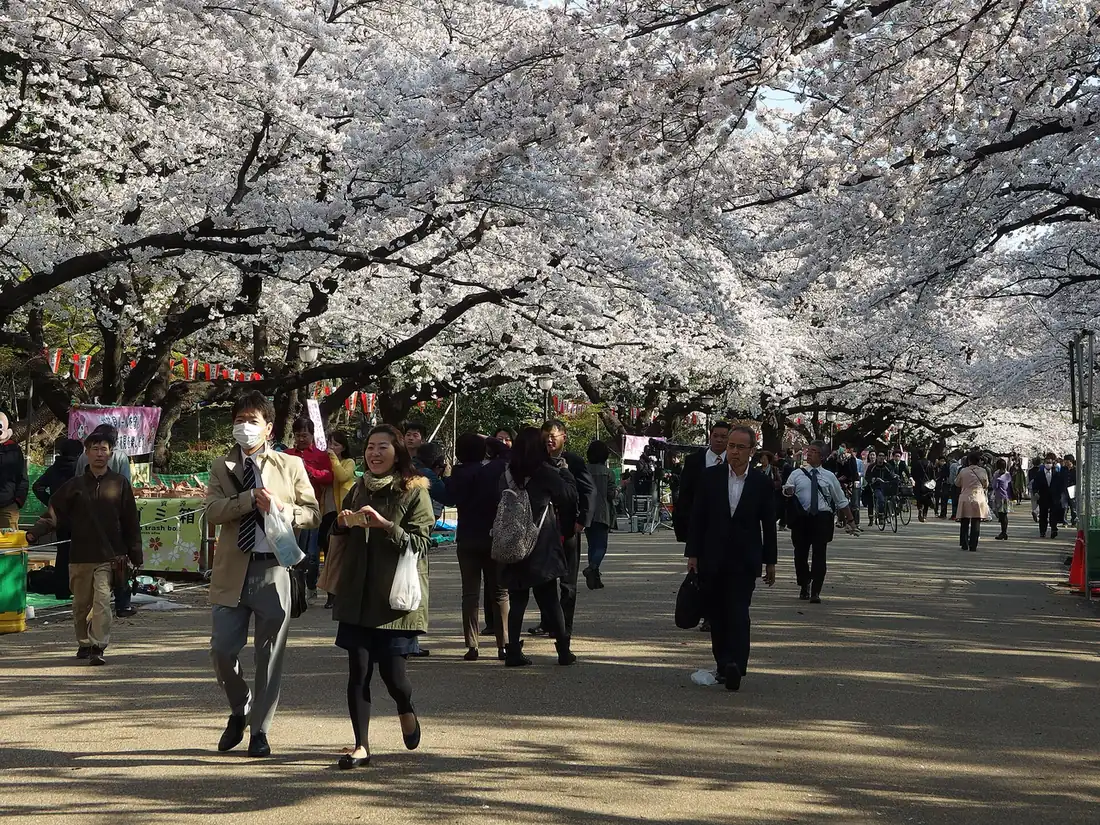
At Hinomaru One we don't raise prices by season, but we do recommend booking 4-6 weeks ahead in peak periods so a guide is free on the dates you want.
"Licensed" Doesn't Mean What You Think
Japan has a national licensing exam for tour guides, and a lot of travelers assume that makes licensed guides more qualified. It's more complicated than that.
What the license tests
The exam covers Japanese history, geography, culture, and tourism regulations. Most sections are in Japanese. The English component tests to roughly Eiken Grade 2, which is B1-B2 on the CEFR scale, or upper-intermediate.
B1-B2 English is enough to explain the basics. It isn't enough for the easy, natural conversation that makes a tour worth remembering.
What it doesn't test
The exam says nothing about:
-
Interpersonal skills
-
Adaptability when plans change
-
Ability to read your energy and adjust pace
-
Storytelling or engagement style
-
Depth of neighborhood-level knowledge
A guide can pass the national exam and still struggle to keep a conversation interesting for eight hours.
What actually predicts a good experience
How a guide communicates before the tour tells you more than their credentials. How fast do they reply to your first message? Do they ask about your interests or just pitch their standard tour? Do they make specific suggestions or stay vague?
Reviews help if you read them for specifics. "Great guide!" tells you nothing. "She noticed we were flagging after lunch and suggested a coffee stop before the next temple" tells you a lot. We've written more about what licensing actually tells you.
When a Guide Actually Makes Sense
Not everyone needs a guide. In some situations, though, a guide makes the whole rest of the trip better.
The first-day multiplier
If you're in Tokyo for 4-7 days, book a guide for day one, mostly for what you'll learn.
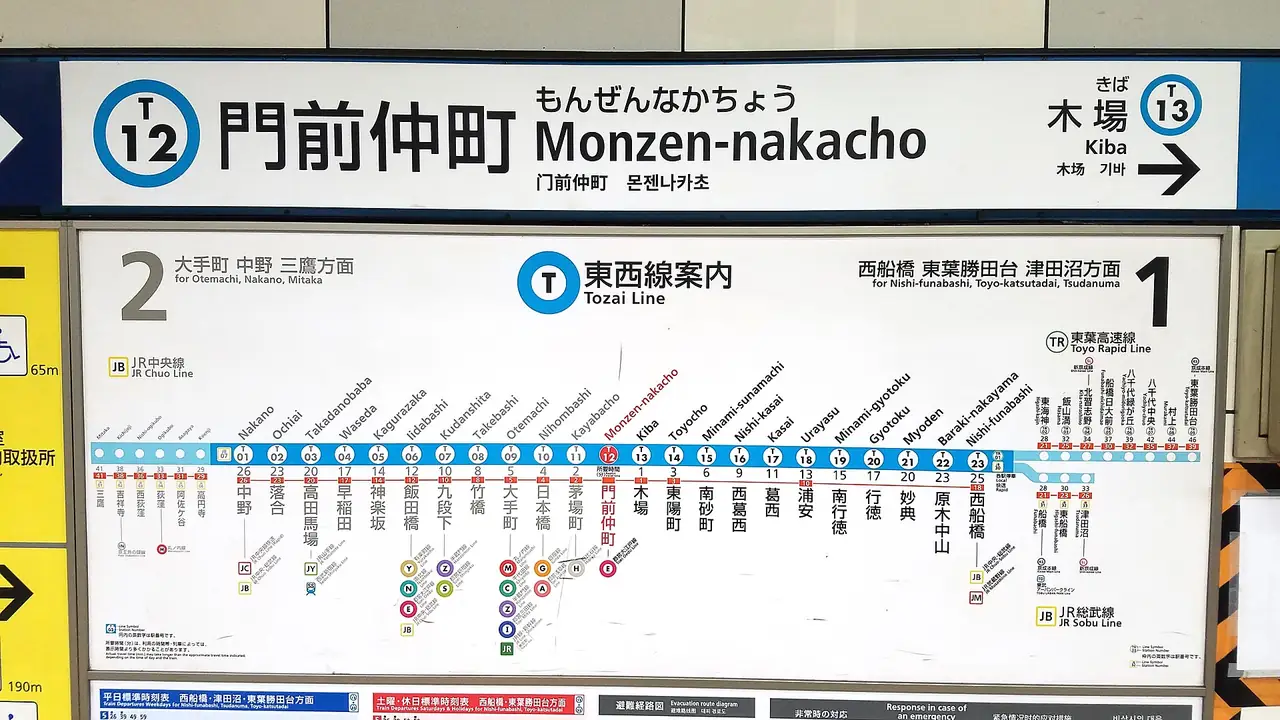
Travelers say a guided first day gave them "the confidence to navigate on our own" for the rest of the trip. The guide shows you how the metro works, how to read station maps, and where to find lunch, and you spend the next six days using it.
First-time visitors lose 2-3 hours daily to navigation confusion, indecision, and small mistakes. A guide on day one shortens that learning curve, and the days after it go more smoothly.
When food is the priority
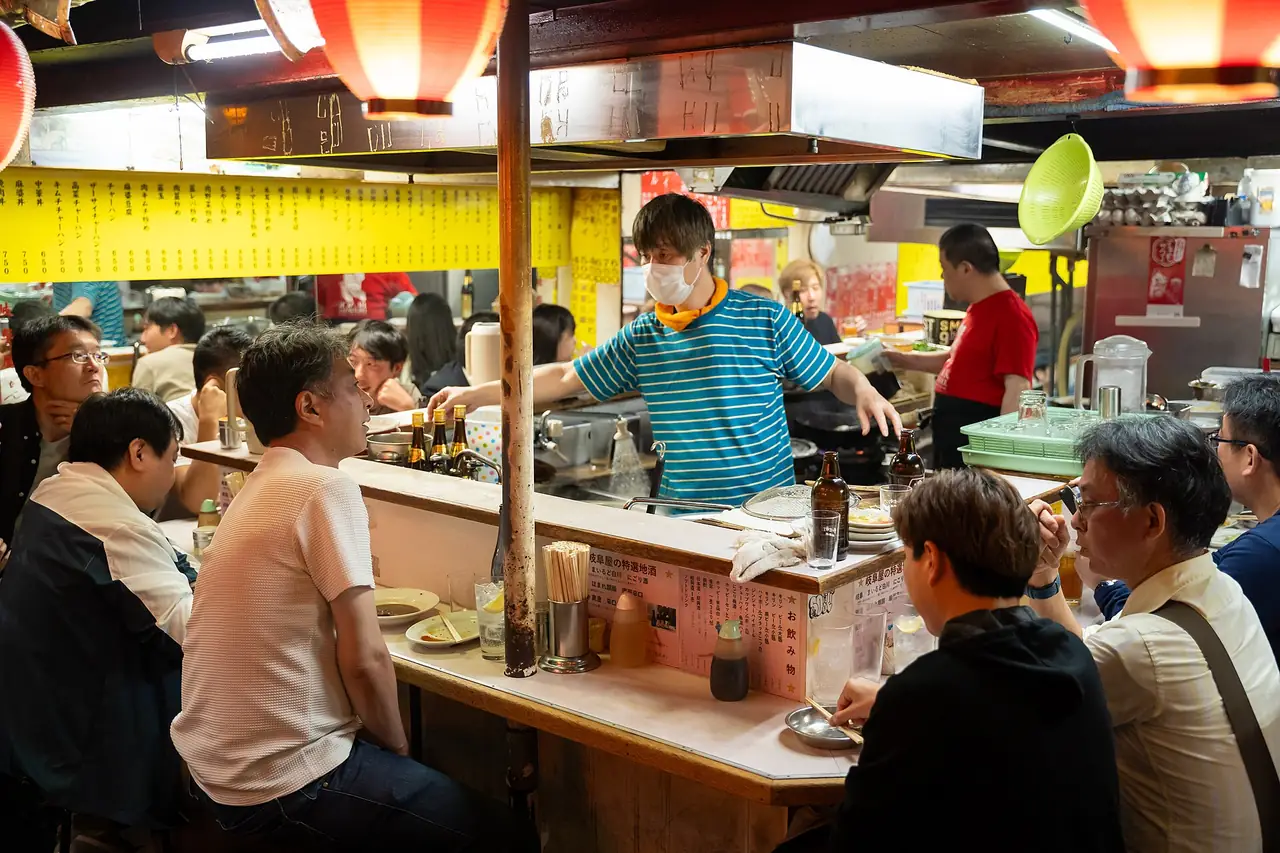
If your trip is built around eating, a guide gets you into places you'd struggle with alone. The best izakayas don't have English menus, and some have no menu at all. A guide who knows the owner can get you seated at a counter that would otherwise wave you away. See our food-focused tour options if this is your priority.
When logistics matter more than sightseeing
Young children, elderly family members, or mobility constraints change the math. A guide who knows which stations have elevators, where the accessible bathrooms are, and how to pace a day for different energy levels sorts out problems before they happen.
When you're optimizing for depth, not breadth
If you're short on days and have specific interests, like Edo-period history, contemporary architecture, or underground jazz bars, a specialist guide will find things you'd never turn up on Google.
When You Don't Need One
Tokyo is easier to get around than most first-timers expect. The English signage is excellent, Google Maps works, and the metro makes sense within 48 hours. If you're on a multi-week trip, coming back for another visit, or really enjoy figuring things out yourself, a guide can make the trip worse.
We've written a full guide to when you don't need a private tour.
If you've decided a guide does make sense, the next job is finding a good one, which is harder than it sounds.
Half the Guides in Tokyo Aren't Very Good
Experienced travelers say it openly: "At least half (or more) of the guides in Japan aren't really up for the task." Plenty speak decent English and know the facts but struggle with the human side and can't adapt when you change plans.
Why reviews aren't enough
A 4.8-star rating means most people were satisfied. Reviews average everyone's experience, so they tell you a guide is unlikely to be bad and very little about whether you'll get on with this one.
A guide with 200 five-star reviews might still bore you to tears if their style doesn't suit you.
What platforms can't surface
No booking platform tests for:
-
How a guide handles a cranky teenager
-
Whether they'll adjust the pace when you're exhausted
-
If they'll suggest cutting a temple visit when they notice you're more interested in food
-
How they respond when your question isn't in their prepared material
These are what separate an adequate guide from an excellent one, and you can't see any of them until you're on the tour.
How to Find the Good Half
Guides who pass your checks before booking are the ones most likely to do well on the day.
The communication test
Before you book, message the guide or operator with a specific question about your interests. Then watch how they answer.
Good signs:
-
Response within 24-48 hours
-
They ask about YOUR preferences before pitching
-
Specific suggestions based on what you share
-
Willingness to discuss alternatives
Warning signs:
-
Generic copy-paste responses
-
Only describes their standard tours
-
No questions about your interests
-
Pushy about a specific itinerary
Travel forums say the same: "Any guide worth their salt will communicate effectively with you to plan a day... I generally contact a few, and see who responds promptly." For a complete list, see questions to ask before booking.
Reading reviews for real signals
Skip the star ratings and read the text for stories.
Look for specific things the guide did: "Olivier found us a great spot for lunch," "She adjusted when we changed our minds," "He noticed we were flagging and suggested a coffee break."
Be wary of very short reviews ("Great!"), first-time reviewers with nothing but superlatives, and reviews that describe the sights instead of what the guide added.
If several negative reviews mention the same problem, such as "rushed us through" or "didn't listen to what we wanted," believe them. More on reading reviews effectively.
Aggregators vs marketplaces vs direct
How you book decides how much you can check beforehand.
| Platform Type | Examples | Pre-booking Contact | Guide Selection |
|---|---|---|---|
| Aggregators | Viator, GetYourGuide | No | Assigned after booking (sometimes the night before) |
| Marketplaces | ToursByLocals, GoWithGuide | Yes | You choose from profiles and reviews |
| Direct/independent | Guide's own website | Yes | Full control, but you have to find them yourself |
On an aggregator, if you don't like the guide you're assigned, it's too late. Some tours get canceled at the last minute when no guide is available. Marketplaces let you run the communication test above before you commit.
If You're Ready to Book
Once you've found a guide or platform that passes your checks, booking is simple. Most platforms confirm instantly, and independent guides reply within 24-48 hours. Expect to pay a deposit (usually 50%), with the balance due before or on the day of the tour.
We've written a complete guide to the booking process.
Cancellation and Payment
You can cancel free up to 24 hours before your tour for a full refund. Inside 24 hours it's non-refundable, because the guide has blocked out the whole day for you.
We take all major credit cards through Stripe, charged in USD at booking. Full payment secures your slot.
If the experience falls short of the quality we promised, we'll refund you in full or give you your next tour free.
Frequently Asked Questions
Can I hire a private guide in Tokyo?
Yes. Thousands of guides work in Tokyo, from nationally licensed professionals to unlicensed locals offering walking tours. Unlicensed guiding has been fully legal in Japan since 2018. You can book through aggregators like Viator, marketplaces like ToursByLocals, or directly with tour companies.
How much does a private guide in Tokyo cost?
A half-day walking tour (4 hours) costs ¥27,000–34,000 ($180–230) for small groups. A full-day tour (7–8 hours) runs ¥38,000–48,000 ($260–320) on foot, or $770–1,400+ with a private car and driver. The cost per person falls a lot with bigger groups, and a family of four pays $80–90 per person for a full day.
Is it easy to book a guide in Tokyo?
Yes. Most platforms confirm instantly, and independent guides reply within 24–48 hours. Finding a guide is easy, and finding a good one takes more work. In peak seasons like cherry blossom (late March to early April), the best guides book out 4–8 weeks ahead. Off-peak, you can often book within a week.
Do I need a licensed tour guide in Tokyo?
No. Japan's national guiding license tests history, geography, and tourism regulations, but the English component only goes up to upper-intermediate. The license says nothing about interpersonal skills, adaptability, or storytelling. How a guide communicates before booking, and what detailed reviews say, predict quality better than credentials do.
How far in advance should I book a Tokyo guide?
For cherry blossom season or autumn foliage, book 4–8 weeks ahead to get the guide you want. Off-peak months (January and February, May after Golden Week, September) are the most flexible, and you can sometimes book a week out. At any time of year, booking earlier gives you more guides to choose from instead of whoever's free.
Can I employ a private guide in Tokyo?
Yes. In practice "hiring" and "employing" a guide in Tokyo mean the same thing: you contract a guide for a set number of hours or days, you pay for their time, and they work only for your group. There's no employment paperwork, because it's a service contract and not a job. Most guides work as sole traders and take bookings through their own sites or platforms like ToursByLocals.
Is it easy to get a guide in Tokyo?
Very. Tokyo has one of the densest concentrations of English-speaking private guides of any city in Asia. Aggregators like Viator list hundreds of options, and marketplaces like ToursByLocals let you contact guides directly before you commit. In off-peak months you can often find and book a good guide within a week. It only gets hard in cherry blossom season (late March to early April), when the best guides fill up 4–8 weeks out.
Can I hire a shopping guide in Tokyo?
Yes, and it helps more than most people expect. Many of Tokyo's best shops are in basements, unmarked buildings, and multi-story complexes where even the elevator buttons are in Japanese. A private shopping tour pairs you with a guide who knows which floors carry authenticated vintage in Shimokitazawa, can find their way around Nakano Broadway's specialist dealers, handles the Japanese for condition questions and price negotiations, and gets you through Harajuku's stacked shops efficiently. It's most useful for serious vintage, streetwear, or collectibles shopping, where finding the right seller matters.
Where Hinomaru One Fits
You can message us before booking to ask questions, tell us your interests, and see how we respond. Our pricing shows the exact rate for your group size up front. Guide expenses are included, so there are no surprise costs on the day. If a first-day orientation tour sounds right, that's our specialty.
At Hinomaru One, we plan relaxed private Tokyo tours full of cultural context for first-time and returning travelers, at an unhurried pace and customized every time.
Photo credits
- Visitors crowding the cherry blossom avenue in Ueno Park during peak bloom: Guilhem Vellut from Annecy, France / Wikimedia Commons, CC BY 2.0, resized
- Diners at a small counter bar with handwritten Japanese menus in Omoide Yokocho, Shinjuku: Dick Thomas Johnson from Tokyo, Japan / Wikimedia Commons, CC BY 2.0, resized
- Bilingual station sign and line map on the Tozai Line platform at Monzen-Nakacho: LERK / Wikimedia Commons, CC BY-SA 4.0, resized


![How Much Is a Tour Guide in Tokyo? [$200–$540/Day, 2026 Guide]](/_next/image?url=%2Fimages%2F37505d69f17f.png&w=1920&q=75&dpl=dpl_2hQXgXQmWb6iVmAB2GvwsWom9dXh)
.jpg)
.jpg)
