Tour problems aren't random—they're predictable by business model. These questions reveal structural differences invisible in marketing.
Ask these 10 questions before booking a Tokyo private tour and you'll learn what the marketing copy leaves out. Most tour problems can be predicted from the operator's business model, and the right questions show you how that model will shape your day.
You've decided a private tour is how you want to see Tokyo. The trouble is that most tour listings look much the same. They all promise "personalized experiences" and "expert guides," and prices run from $500 to over $1,000. The day you actually get can be very different from one company to the next, and you won't see why until you ask. When you're comparing private tours in Tokyo, the right questions separate operators who deliver from the ones who just use the same words.
The twelve questions below work as a checklist for the things platforms don't advertise: how guides are assigned and paid, how your special needs get passed along, and what happens when something goes wrong. Those details decide whether you get a mediocre guide rushing between bookings or a good one who has prepared for you.
Post-payment guide assignment, guides squeezed by commission, messages that never reach the guide, bait-and-switch: these problems cluster according to how a company is organized. The questions below let you spot the pattern before you pay.
Question 1: Who Will Actually Be My Guide — And How Do You Verify It?
This matters most, and it has two parts: when you find out who your guide is, and how you confirm that the person who turns up is the one you booked.
When Guide Identity Is Revealed
| Platform Type | When You Know Your Guide | How Assignment Works |
|---|---|---|
| Aggregator(Viator, GetYourGuide, Klook) | After payment24-48 hours before tour | Platform assigns whoever's available. If no guide found, cancellation + refund (but you've lost booking time). |
| Marketplace(ToursByLocals, WithLocals) | Before paymentYou select specific guide | You see profile, reviews, qualifications upfront. Guide you choose is guide you get. |
| Direct Company | Varies by company | Some assign after consultation (24-48 hours). Others show roster before payment. |
Keeping the guide a mystery until 48 hours before is a business choice. Other models tell you sooner, which takes most of the last-minute uncertainty away.
Identity Verification Systems
Once a guide is assigned, how do you confirm the person meeting you is the one in the profile?
Check whether the company shows current photos of its guides. Some platforms put guide faces on their profiles, and others use generic avatars.
Checking credentials varies too. Licensed guides in Japan hold the national Tour Guide-Interpreter license (通訳案内士), though enforcement is patchy and many guides work without one. Ask how the company checks credentials beyond what the guide reports about themselves.
A no-swap guarantee protects you from last-minute substitutions. If your guide becomes unavailable through illness or an emergency, what happens? Do you get a comparable replacement with notice, or does a stranger who knows nothing about your needs show up unannounced?
Introduction emails help. If the company introduces your guide by email or WhatsApp 24-48 hours before the tour, you'll recognize the right person when you meet.
What Happens When Guides Cancel
Guides do cancel. One traveler booked a 9-hour private bus tour well in advance, and the guide cancelled without warning the day before, which left them hunting for a replacement at the last minute.
Booking through a big platform won't prevent it, so ask about the backup system. Does the company have employee guides it can reassign, or relationships with backup contractors? Or does it just cancel your tour?
Ask directly: "What happens if my assigned guide becomes unavailable? How much notice do I get, and how is the replacement selected?"
Question 2: What Qualifications Does the Guide Have?
"Expert guide" means different things at different companies. Some guides are university students earning extra money, and others are career professionals with advanced degrees in history or culture. Vague credentials won't tell you which you're getting.
English Fluency Levels
"English-speaking guide" can mean enough English to give directions, or enough to explain cultural nuance and handle detailed questions. Ask for specifics: "How would you describe the guide's English fluency level?"
Guides who grew up bilingual or studied in an English-speaking country are usually more fluent than those who learned English in classes as adults. How much that matters depends on whether you want casual conversation or deep cultural explanation. Our page on what English fluency levels mean in practice helps set realistic expectations.
Professional Experience vs. Expat Knowledge
Formal training helps with historical and cultural accuracy. Guides with degrees in Japanese history, anthropology, or tourism studies bring academic rigor to what they explain.
Expats bring something else. Long-term foreign residents know what confuses visitors, what needs context, and what feels overwhelming, because they've been through it themselves, and that makes them good at bridging the gap.
Years of professional guiding tell you someone has lasted in the job. A guide with 5+ years has worked out how to pace a day, handle crowds, and read a group's energy, and has seen what works over hundreds of tours.
Ask: "What's your guide's background? Formal training, years living in Tokyo, years guiding professionally?"
The best guides have both: cultural expertise from study or long residency, and years of tours behind them.
What Good vs. Mediocre Knowledge Looks Like
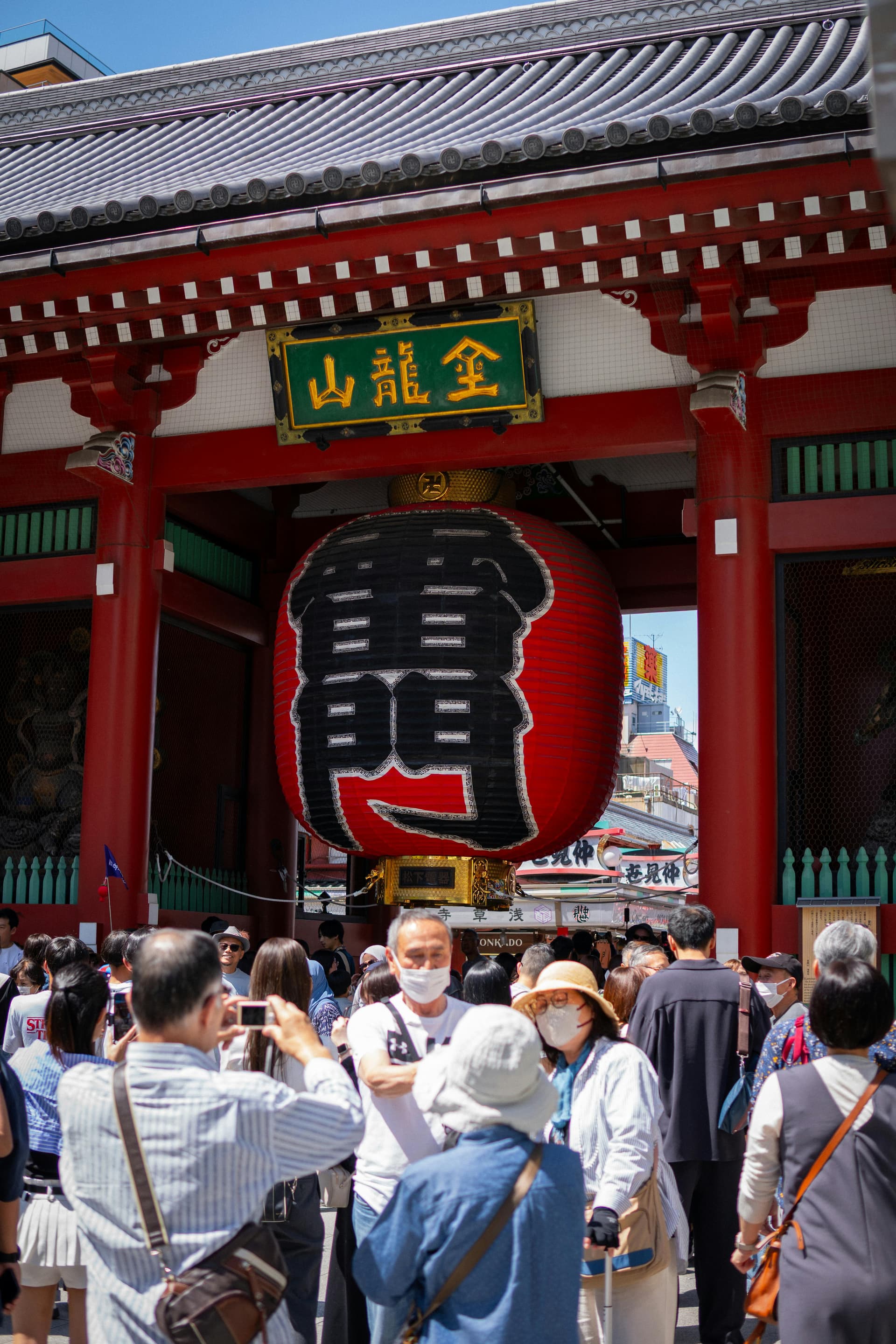
A mediocre guide knows facts: "This is Senso-ji Temple, Tokyo's oldest temple, founded in 628 AD."
A good guide knows context: "Senso-ji was a fishing village temple before Tokyo existed. The fact that this survived while the Imperial Palace burned multiple times tells you something about Edo-period power structures. Religious institutions held different status than political ones."
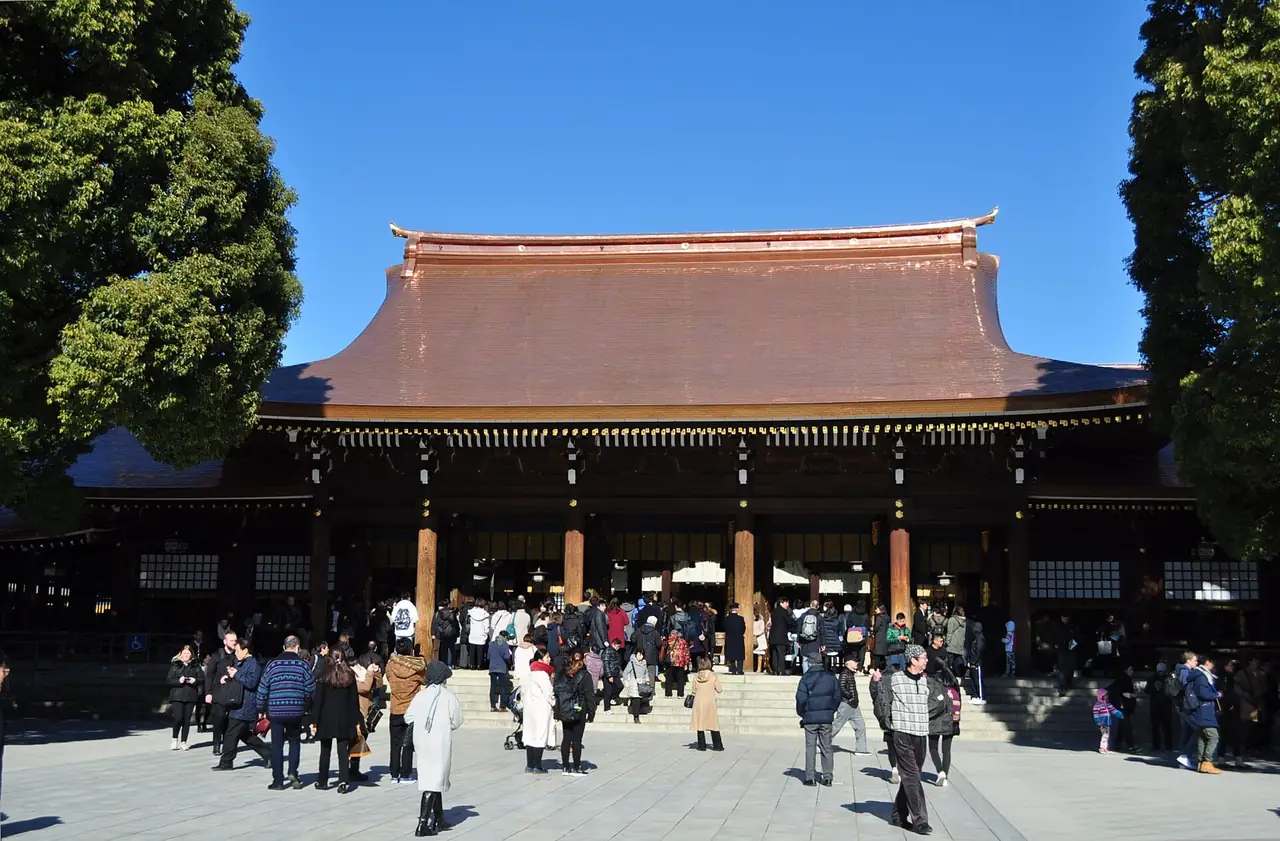
The etiquette differs from Shinto shrines, too. At Meiji Shrine you bow twice, clap twice, and bow once. At Sensoji, there's no clapping, because the ritual is Buddhist.
You see the difference when you ask something unexpected. Ask "Why is there a gate but no wall?" and a mediocre guide may not know, while a knowledgeable one explains what temple gates mean symbolically as well as what they do.
You can't always judge this before booking, but asking about background gives you a fair idea of depth. As for what licensing actually means for guide quality, it matters less than most people assume.
Question 3: Is This a Fixed Itinerary or Truly Customizable?
Every private tour claims to be customized, but how flexible they really are varies a lot. Some companies swap destinations in and out of a template, and others start from nothing.
Template Swapping vs. True Customization
Template swapping looks like this:
"6-Hour Tokyo Highlights Tour: Visit Senso-ji Temple, Imperial Palace, Meiji Jingu Shrine. Lunch at Harajuku. Select your must-see spots from our list to create your customized itinerary."
The structure is fixed: a temple in the morning, the palace at midday, a shrine in the afternoon, lunch in a shopping district. You pick which temple, palace, or shrine from a set list, and the timing is standard. The company can run this with any guide, because the framework never changes.
True customization looks like this:
"After booking, our concierge team reaches out via email or WhatsApp to discuss your interests. Do you care about spiritual calm at shrines, food adventures, modern design, quirky cafés, traditional gardens? Your guide then curates an 8-hour itinerary hitting 5-6 locations that balance your specific interests."
Here the day is built around what you care about, with no template. If you want three hours at Tsukiji Market learning about fish, the guide plans everything else around that. To work, this needs a planning process before the tour.
Pre-Tour Planning Infrastructure
Real customization means talking before the tour. That means:
-
A consultation call or a detailed email exchange before the day
-
A guide assigned early enough (24-48 hours minimum) to build the itinerary
-
A concierge team or guide who asks specific questions: "What's your energy level? Walking pace? Interest depth vs. breadth? Any must-sees? Any definite no-gos?"
If the first message after booking is "Where would you like to go tomorrow?", you're looking at template swapping with destinations picked at the last minute.
Timeline Expectations
Proper customization takes time. Book 48 hours before the tour and expect limited flexibility, because the guide can only work with what you manage to tell them quickly.
Book 2-4 weeks ahead and there's time to go back and forth. The guide can research your interests, propose a detailed itinerary, and adjust it based on what you say.
Ask: "When and how does the customization conversation happen? Do I speak with my guide before the tour, or does someone else handle planning?" Our page on how real customization works in practice explains what it takes.
Question 4: What's Included in the Price?
Private tour prices come in layers. The advertised rate may cover the guide's time and leave out meals, transport, and entrance fees. Knowing what's included saves you surprise costs.
What's Included vs. Not Included
| ✅ Included in Tour Price | ❌ You Pay Separately |
|---|---|
| Guide's professional fee (time and expertise) | Your own transportation (train/subway tickets) |
| Guide's transportation costs | Your own meals and drinks |
| Pre-tour consultation or planning (if offered) | Guide's meals (if you eat together) |
| Hotel pickup/drop-off within central Tokyo | Entrance fees and activity costs (temples, museums, experiences) |
| Guide's entrance fees (if you enter paid sites together) |
So if you eat at three stalls in the Tsukiji Outer Market, you pay for your food and the guide's, if they join you. At a paid garden (¥300-500 typical), you pay both entrance fees.
Transportation Models
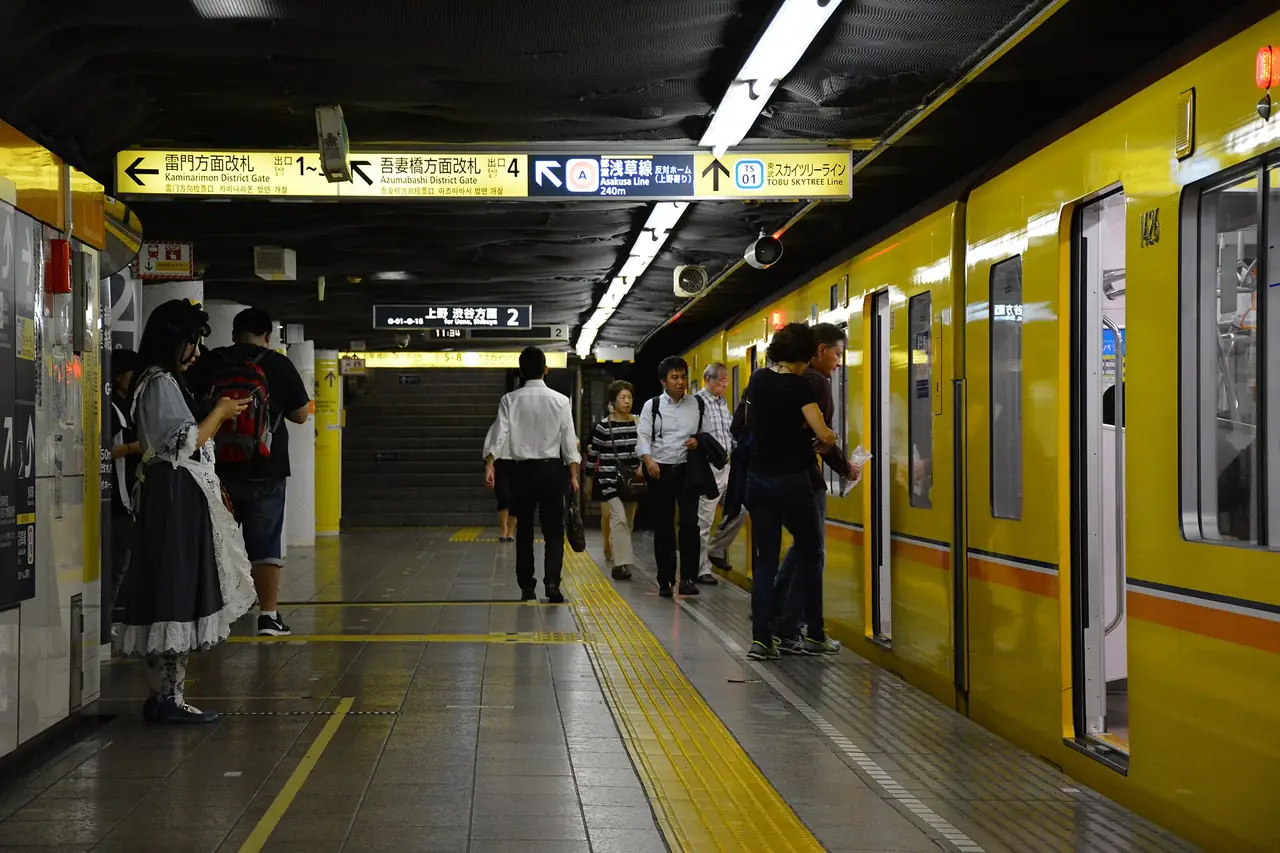
Most Tokyo private tours use trains and the subway plus walking. That's how people in Tokyo get around, and it's efficient for most routes.
Some companies offer private car service for an extra fee (approximately ¥77,000 / $520 for an 8-hour tour in a Toyota Alphard). A car makes sense for:
-
Places spread far apart that would take several train transfers
-
Guests with mobility concerns who'd be more comfortable in a vehicle
-
Tours with heavy luggage
Many of the best places, though, like neighborhood markets, narrow temple paths, and pedestrian shopping streets, can't be reached by car.
Per-Person vs. Per-Group Pricing
Private tours are priced per group, with capacity ranges:
| Group Size | Total Price | Per-Person Cost |
|---|---|---|
| 1 person | $500 | $500 |
| 2 people | $550 | $275 |
| 4 people | $708 | $177 |
| 8 people | $1,016 | $127 |
The group pays one total price. The per-person cost falls as the group grows, because more people are splitting the guide's fee.
Ask for the full scale: "What's the total price for 1 person, 2 people, 4 people, 6 people, 8 people?" That shows you whether one more person brings the per-person cost down much.
Hidden Costs to Ask About
-
Pickup outside central Tokyo: may cost extra, or cut into tour time because of the travel
-
Extended hours: what does it cost to add 1-2 hours to the standard length?
-
Special requests: do dietary needs, accessibility changes, or child-focused routes cost extra?
A transparent company answers these directly. If the pricing is murky or "depends on what you want," treat that as a warning. Our page on typical Tokyo tour guide costs gives you a baseline for judging whether a price is reasonable.

Question 5: How Does Communication Work?
How a company handles messages decides whether your needs reach your guide or get lost along the way.
Platform Routing Chains
On aggregator platforms (Viator, GetYourGuide, Klook), your messages go through the platform's customer service. You message the platform, the platform messages the tour operator, and the operator messages the guide.
You get direct contact with your guide 24-48 hours before the tour or on the day itself, so until then there are several layers between you and the person running your tour.
A question like "My daughter has mobility issues. Can we adjust pacing?" or "I have a severe shellfish allergy. Can we avoid seafood markets?" may not reach the guide until after your booking is confirmed.
Direct Communication Models
Some companies put you in touch with your guide soon after booking. The guide contacts you on WhatsApp or by email to introduce themselves and talk about the tour.
Travelers notice. Plenty of reviews say things like "Our guide contacted us shortly after booking" or "The guide reached out before the tour," as if it were unusual, which suggests many companies don't do it.
Concierge Model
A third approach separates planning from guiding. A concierge team handles the planning and works out your needs, then briefs the guide before the tour.
It works when:
-
The concierge asks detailed questions about your needs
-
Everything gets passed to the guide in a written briefing, not a verbal summary
-
The guide gets the briefing with enough time to prepare
It falls apart when:
-
The concierge collects information and doesn't pass it on
-
The guide gets the briefing 1 hour before the tour with no time to prepare
-
Your specific requests ("avoid crowds," "focus on food," "wheelchair accessible routes") never make it into the briefing
Ask: "Who do I communicate with before the tour: my actual guide or a booking team? How does information about my needs reach the guide?"
Response Time Expectations
A 24-hour response time during business hours is reasonable for questions before the tour.
Instant messaging on WhatsApp on the day matters if you're running late or need to change where you meet.
If everything goes through an email support queue with 48-hour response times, and you have an urgent question the day before your tour, the system itself is the problem.
Question 6: What's the Cancellation Policy?
A cancellation policy balances your flexibility against the company protecting its income. It's worth knowing before you book if your plans might change.
Standard Policy Patterns
| Platform Type | Typical Cancellation Window | Notes |
|---|---|---|
| Aggregator(Viator, GetYourGuide) | 24-48 hours for full refund | Policies vary by individual operator. Check specific tour terms, not platform's general policy. |
| Marketplace(ToursByLocals) | 48-72 hours for full refund(some require 7-14 days) | Individual guides set their own policies. Review before booking. |
| Direct Operators | 24-72 hours for full refund | Companies with full-time employee guides: 24-48 hours (more flexible)Companies with freelance contractors: 48-72 hours |
Within-24-Hours Policies
Most companies won't refund a booking within 24 hours of the start. That protects guides who've blocked out the day and turned down other work.
Some give a partial refund (50%) if you cancel within 24 hours but not in the last few hours before the start.
Weather rules vary. Tokyo tours go ahead rain or shine, with guides switching to indoor options. Severe weather such as a typhoon may mean a full refund or a new date, but ordinary rain doesn't count.
Modification vs. Cancellation
Some companies let you change the date, time, or group size up to 24 hours before for a full refund or credit, and treat changes more leniently than cancellations.
Ask: "Can I change the date or time after booking? Is that handled differently than full cancellation?"
What Happens with Partial No-Shows
If you book for 4 people and only 2 come, you pay the full 4-person price. You're paying for the guide's time and the reserved spots, not per head.
If your group gets smaller, tell the company as soon as you can. Some will lower the price if you give enough notice (24-48 hours).
Question 7: How Are Guides Compensated?
How guides are paid shows up directly in your day. Guides squeezed by commission rush through tours and take several bookings a day to hit their income. Guides who are paid well can put quality ahead of volume.
Platform Commission Impact
Aggregator platforms (Viator, GetYourGuide, Klook) take 20-30% of the booking price in commission from tour operators. Premium placement programs can push that up to 40%.
Operators aren't happy about it. One tourism marketing agency professional called raising commissions for visibility a "shameful" practice and said platforms were causing "the death of OTAs for many operators, as it is simply no longer viable."
The commission puts the squeeze on everyone. A $600 tour hands $120-180 to the platform, and the operator has to pay the guide, cover overhead, and make a profit from what's left.
When commission cuts lower a guide's base pay, the guide makes it up by working more tours a day. Industry sources confirm this: guides "frequently provide several trips each day" when base pay is low, and 12-15 hour work days become common.
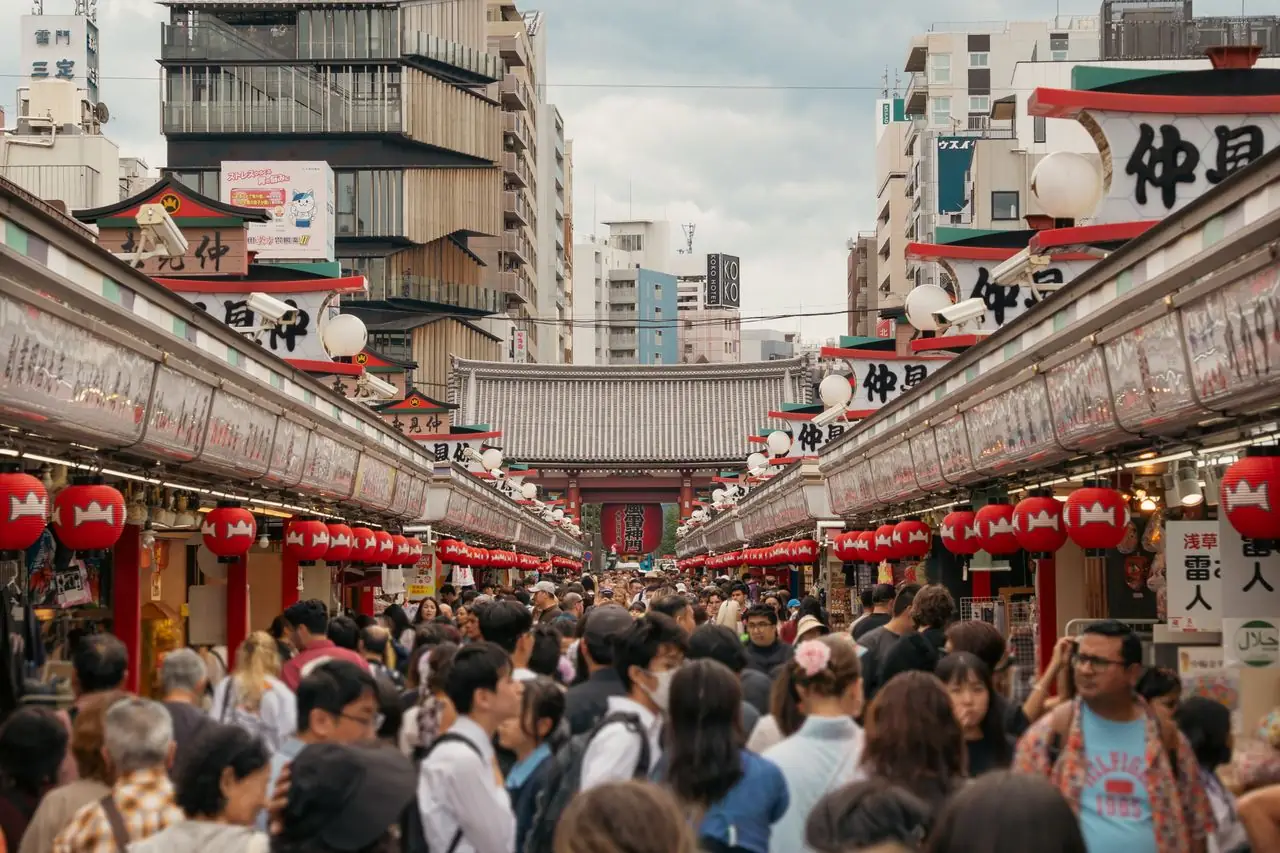
With one tour a day, a guide has time to prepare, look into your interests, rest, and show up with energy. With two or more, they're rushing from one booking to the next and probably haven't read your consultation notes.
Direct Booking Economics
Some platforms take a percentage rather than a fixed fee, so a €100 tour pays €20 in commission and a €200 tour pays €40 for the same platform work. Operators see this as unfair: the platform does the same work and takes twice as much.
Travelers who know this act on it. Forum advice often says: "Find the tour company name via the platform listing, then book directly with them. Most will have a lower price if you book directly."
Some operators find Google Ads cheaper than platform commissions for winning customers, which suggests the platforms aren't worth their fees for everyone.
Employee Guides vs. Contractor Models
Companies with full-time employee guides pay salaries and benefits and guarantee hours. Their guides have a stable income and no reason to chase tour volume.
Companies using freelance contractors, and marketplace platforms, pay per tour. Guides earn only when booked, so there's pressure to take every tour whether or not they've had time to prepare or rest.
Ask: "Are your guides employees or independent contractors? How are they compensated: per tour or salary?"
Why This Matters to You
You can't see any of this in a tour listing. Two tours priced at $600 can give you very different days:
-
Tour A: booked through an aggregator. The operator pays 25% commission, the guide's pay is cut, and the guide works 2-3 tours a day and arrives without having read your notes.
-
Tour B: booked directly with the tour company. No commission, the guide is paid a fair wage, works 1 tour a day, and spent 30 minutes before your tour going over your consultation and reading up on your interests.
Marketing won't always tell you which is which, but asking about pay and whether guides are employees gets you most of the way.
Question 8: What Happens If I'm Not Satisfied?
Reviews record how people felt afterwards. A satisfaction guarantee deals with problems during the tour or straight after it.
Proactive vs. Reactive Accountability
Reactive accountability means that when something goes wrong, you leave a bad review. The company might reply, might offer credit, or might ignore it. Future travelers get your warning, and you get nothing resolved.
Proactive accountability means the company offers a satisfaction guarantee. If you're unhappy during the tour, you contact them right away and they deal with it. If the tour falls short, you get a refund or a replacement tour.
A guarantee works when:
-
Contacting them is easy (a WhatsApp number, not an email support queue)
-
They respond fast (within hours, not days)
-
The fix is real: a refund, credit, or a redo, more than an apology
What Guarantees Actually Cover
Read the terms. Does "satisfaction guarantee" mean:
-
A full refund if you're unhappy for any reason?
-
A refund only if the guide doesn't show or the tour is cancelled?
-
Credit toward a future tour instead of a refund?
-
The company reads your review and decides case by case?
"We stand behind our tours" and "Your satisfaction is our priority" are marketing lines and guarantee nothing.
"Full refund if you're not satisfied" or "Contact us during the tour if anything isn't right and we'll fix it immediately" is specific enough to hold a company to.
Mid-Tour vs. Post-Tour Resolution
If something goes wrong during the tour (the guide is late, unprepared, or rude, or their English is weaker than advertised), can you get it sorted out then and there?
Some companies have on-call support. You message a WhatsApp number, someone answers within minutes, and they step in: they call the guide, send a backup, or let you end early with a refund.
Other companies want a review after the tour and then decide case by case, which does nothing for you on the day.
Ask: "What happens if I'm not satisfied during the tour? Who do I contact, and what's the expected response time?"
Tour policies and guarantees vary widely, so find out what protection you actually have before you book.
Platform Mediation Issues
On marketplace platforms, where you book individual freelance guides, any dispute goes through the platform, which sits between you and the guide.
If a guide doesn't show up or does a poor job, you contact the platform. It investigates, contacts the guide, weighs both sides, and decides. That can take days or weeks.
Because it's a marketplace rather than a company with employee guides, the platform has limited control. It can't switch you to a different guide mid-tour, and while it can refund you, it can't promise a replacement tour at short notice. That comes with the marketplace model, whatever the platform's policies say.
Question 9: How Does the Company Handle Peak Season?
Cherry blossom season (late March-early April) and fall foliage (November) stretch every company. Demand jumps and the number of guides stays the same, and how a company copes shows you what it prioritizes.
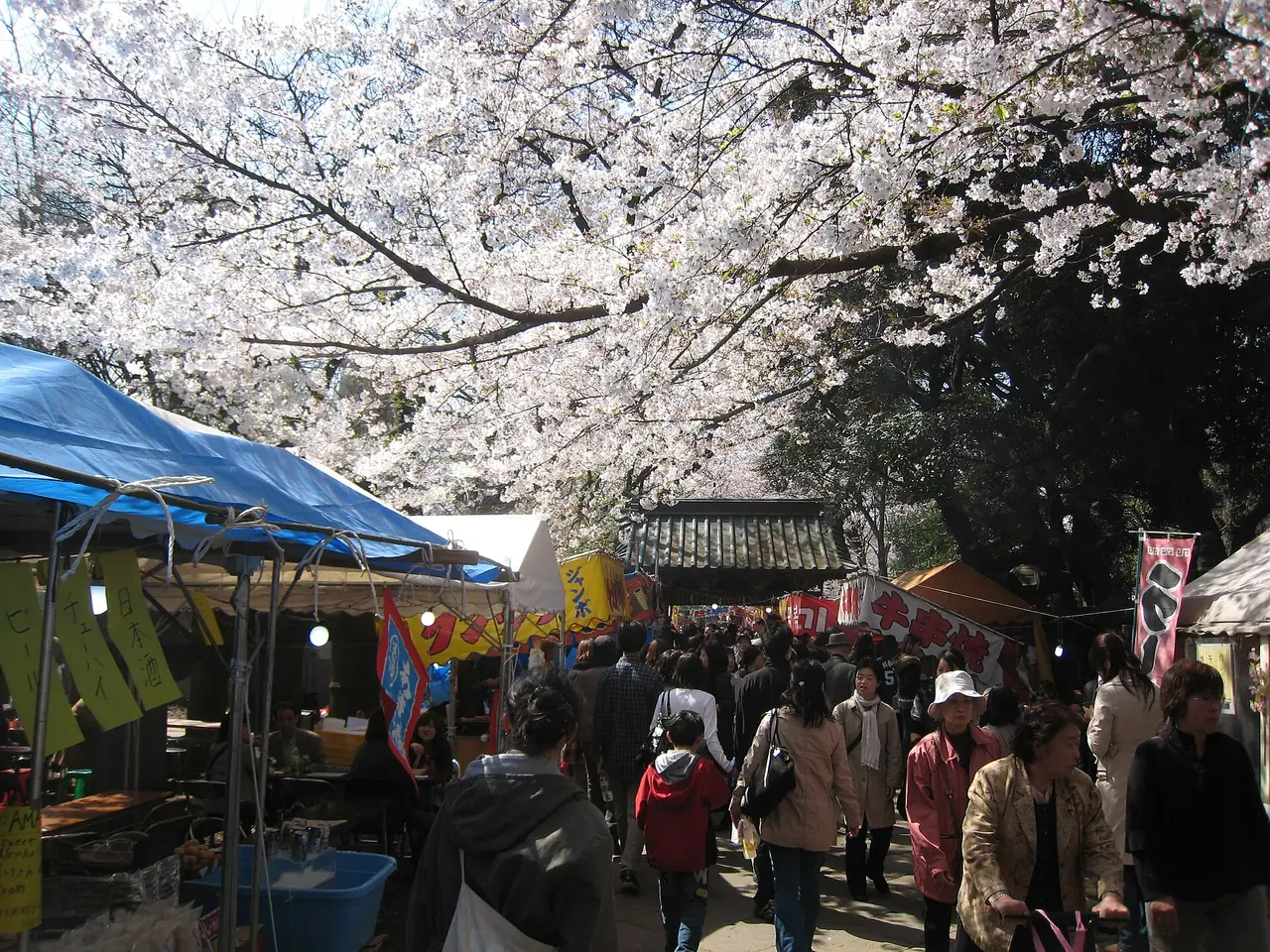
Capacity Management Approaches
Some maximize volume: they take every booking and assign whoever's free, so quality gets patchy as guides work as many hours as they can with little time to prepare.
Others set capacity limits: they stop taking bookings once their employee guides are fully booked, and keep preparation time and standards up even if it means turning money away.
Peak season shows up the difference between business models. Companies with employee guides have fixed capacity and can't produce new guides during cherry blossom weeks. Companies drawing on freelance pools can scale up by adding guides, but those guides may be inexperienced or unfamiliar with the company's standards.
Guide Availability Patterns
In peak season, the experienced guides get booked first. If you book late (2-3 weeks before arrival in cherry blossom season), the guides still free may be:
-
Newer guides with less experience
-
Guides who've already done several tours that week and are tired
-
Guides who don't normally work for the company and are taking overflow bookings
That isn't always bad. New guides can be excellent, and overflow guides may be experienced freelancers. It does make the result less predictable.
In peak season, book early (2-3 months in advance) to get the company's main guides.
Quality Dilution Warning Signs
Ask: "How many tours does each guide lead per week during peak season?"
"As many as they're comfortable with" or "It depends on demand" points to a company chasing volume.
"We limit each guide to 5-6 tours per week maximum to maintain preparation time and energy levels" points to one managing capacity.
Also ask: "Do you bring in additional guides during peak season, or work with your core team?"
If they scale up a lot, ask how they train the extra guides and keep quality consistent.
Peak Season Booking Timeline
For cherry blossom season, book 2-3 months ahead to get the best guides and the most flexibility on the itinerary.
Fall foliage is a little less crowded but still worth booking 1-2 months ahead.
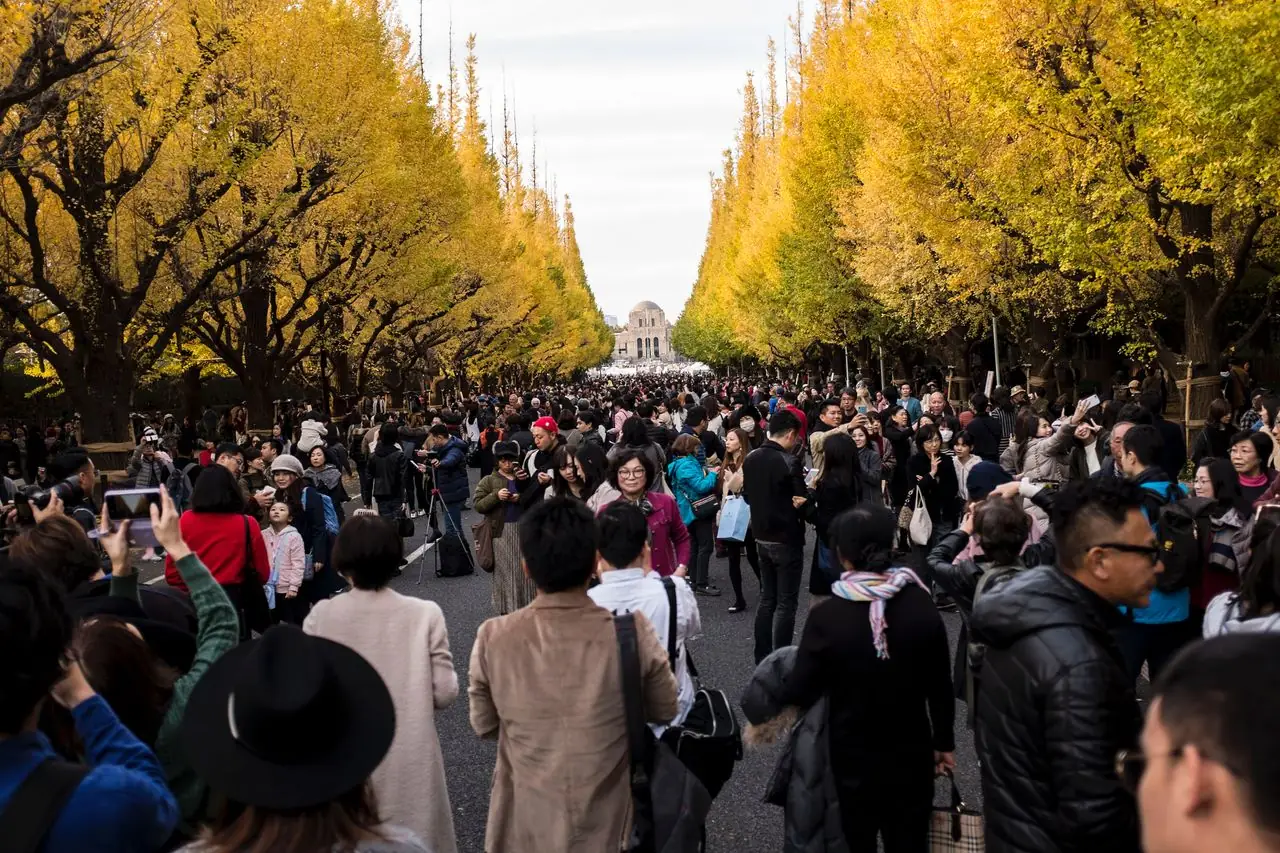
Off-peak (summer, winter), you can book at shorter notice (1-2 weeks) without giving up much. When to book during peak season depends on how flexible you are and how much risk you'll accept.
Question 10: Can I See Examples of Actual Itineraries?
Marketing copy talks in generalities. A real itinerary shows you how well a company plans.
Template vs. Quality Planning
A template itinerary looks like this:
6-Hour Tokyo Highlights Tour
-
9:00am: Meet at hotel
-
9:30am: Asakusa (Senso-ji Temple)
-
11:00am: Imperial Palace (Outer Garden, Nijubashi Bridge)
-
12:30pm: Lunch at Harajuku (Takeshita-dori shopping)
-
2:00pm: Meiji Jingu Shrine
-
3:00pm: Tour end
Note: "Please select your must-see spots from a list in the tour information to create your customized itinerary."
That's a tourist checklist in fixed time blocks. "Customizing" means picking a temple, palace, or shrine from an approved list. Nothing explains why these places go together, there's no planning before the tour, and there's no sign of flexibility.
Good planning looks like this:
8-Hour Customized Tokyo Experience
"After booking, our concierge team reaches out to discuss your interests. Based on your consultation, your guide curates an itinerary hitting 5-6 locations that balance your specific interests.
Example interests and corresponding route possibilities:
-
Food adventures → Tsukiji Outer Market, Yanaka Ginza neighborhood eats, ramen masterclass
-
Spiritual calm → Hie Jinja shrine, Rikugien Garden, traditional tea house
-
Modern design → 21_21 Design Sight museum, Daikanyama architecture, design district shopping
-
Quirky experiences → Animal cafés, themed shops, subculture neighborhoods
Suggested stops are examples. Your actual route is built around what excites you. Your guide plans 5-6 major destinations based on your pre-tour consultation."
What makes it better:
-
Real place names (Yanaka Ginza, Hie Jinja, 21_21 Design Sight, Daikanyama) instead of a generic "temple" or "market"
-
A reason for each grouping (your interests decide the route)
-
A consultation before the tour
-
Flexibility stated outright
-
A realistic pace (5-6 places in 8 hours, not 10 crammed in)
Specificity Check
| ✅ Quality Itineraries Include | ❌ Template Itineraries Use |
|---|---|
| Actual place names (Fuunji ramen shop, not "a ramen spot") | Generic categories ("temple," "shrine," "market") |
| Neighborhood names (Yanaka, not "traditional area") | Fixed timing without reasoning |
| Reasoning for pacing ("5-6 locations balances depth vs. breadth") | "Select from our list" as customization method |
| Acknowledgment of tradeoffs ("More stops = each will be shorter") | No mention of preparation or consultation |
Ask: "Can you show me an example of a recently planned custom itinerary? Not the template. An actual route planned for a real guest, with location names and reasoning."
If they can't or won't, their planning probably stops at swapping items in a template. What guests say in reviews helps here too, as long as the reviews give specifics and not just "amazing!"
Question 11: What's the Difference Between a Tour Company and an Independent Guide?
Booking problems cluster by business model. If you know the main types, you can predict the risks of each and pick the one that suits you.
Business Model Categories
| Model | Examples | How It Works | Risk Patterns | Benefits |
|---|---|---|---|---|
| Aggregator(Platform → Operator → Guide) | Viator, GetYourGuide, Klook | You book through a platform that connects you with tour operators. The operator assigns a guide from their pool. Platform charges 20-30% commission (up to 40% for premium placement). | • Post-payment guide assignment (24-48 hours before)• Commission pressure → guides may work multiple tours/day• Communication routes through platform customer service• Platform scale doesn't prevent guide cancellations | • Wide selection of operators and tours• Platform customer support infrastructure• Reviews across many guides |
| Marketplace(Platform → Freelance Guide) | ToursByLocals, WithLocals, Travel Curious | Freelance guides list themselves on a platform. You select and book a specific guide. Platform charges ~25% commission but guide is visible before booking. | • Guide quality variance (each runs own business)• No centralized quality control• Single point of failure (if guide cancels, no reassignment)• Commission still affects guide economics | • Guide choice and visibility before booking• Direct relationship with guide• Reviews specific to individual guide |
| Direct Company(Company → Employee Guide) | Licensed guide services, specialty tour companies, Hinomaru One | You book directly with a tour company that employs or contracts guides. No platform commission. Company assigns guide after consultation. | • Guide assigned post-booking (with consultation first)• Company size determines guide variety | • No platform commission → better guide compensation• Company accountability (employee guides)• Pre-tour consultation infrastructure common• Communication reaches guide reliably |
| Independent Guide(Direct Hire) | Individual licensed guides, volunteer guide networks | You hire a guide directly. No platform, no company. Guide keeps 100% of fee. | • Single point of failure (if guide cancels, no backup)• No institutional accountability• Payment/booking protection depends on method used | • Direct relationship and communication• No commission markup• Guide retains full economic value |
Matching Model to Your Priorities
An aggregator suits you if you want the widest choice and platform customer support, and you don't mind getting your guide assigned after payment for a standard type of tour.
A marketplace suits you if you want to see and choose your guide before booking, care more about a direct relationship with the guide than a company standing behind them, and can live with quality varying from guide to guide.
A direct company suits you if you want a company accountable for the tour without platform commission eating into it, value consultation and preparation before the day, and prefer employee guides to freelance pools.
An independent guide suits you if someone you trust has recommended a specific excellent guide, you want a direct relationship with someone fully invested in the tour, and you're comfortable with no backup if that one person can't make it.
Question 12: Should I Choose a Large Tour Company or Small Operator?
Size comes with tradeoffs, and which way to go depends on your trip.
Large vs. Small Operator Tradeoffs
| Large Operators (50+ guides) | Small Operators (1-10 guides) | |
|---|---|---|
| Examples | JTB (founded 1912), Odysseys Unlimited, MT Sobek, G Adventures | Hinomaru One, Saiyu Travel (since 1973), Magical Trip, specialty boutiques |
| Strengths | • Infrastructure and systems• Variety and specialization• Backup capacity• Scale efficiencies | • Owner care and accountability• Consistency• Direct communication• Flexibility |
| Challenges | • Guide inconsistency• Bureaucracy• Volume optimization pressure• Less owner accountability | • Limited capacity• Single point of failure risk• Less infrastructure• Less variety |
| Best for | Complex multi-day trips requiring extensive logistics, specific specializations, peak season reliability | Consistent quality, direct communication, intimate groups, off-peak booking |
Mid-Size Sweet Spot
Mid-size operators (10-50 guides) often do well: they're big enough for proper systems and backup, and small enough that the owner is still involved and quality stays consistent.
Watch Out For
Large operators during peak season: quality can slip when volume pressure is high. Ask when guides are assigned and whether they bring in overflow guides during cherry blossom season.
Small operators for complex multi-city trips: they may not have the systems to coordinate a trip across many locations.
The Volunteer Guide Counterexample
One traveler's experience cuts against the idea that you get what you pay for. They compared a paid platform tour with a volunteer guide from the Tokyo Free Guide network, and found the volunteer "MUCH better": "very authentic, very good English, a lovely experience."
A volunteer who loved showing people Tokyo and matched the traveler's interests did better than a paid guide from an established company. One review won't make volunteers the safer bet, but it does suggest that fit, preparation, and real care matter more than price or company size.
Company Size Doesn't Predict Guide Reliability
A big platform doesn't stop guides from cancelling. One traveler booked through an established platform well in advance, and the guide cancelled without warning the day before, leaving them hunting for a replacement.
Backup systems matter more than size. Does the company have employee guides it can reassign, or relationships with vetted backup contractors? Will it tell you early enough to find an alternative?
Ask directly: "If my assigned guide becomes unavailable, what's your backup process? How much notice do I get?"
What Should a Private Tour Cost? (Price Expectations)
Before you compare, it helps to know what drives the price:
Tokyo Private Tour Price Ranges (2025-2026)
| Tour Type | Duration | Price Range | What You Get |
|---|---|---|---|
| Budget/volunteer | 2-4 hours | $0-100 | Basic orientation, language help, variable quality |
| Platform economy | 4-6 hours | $150-300 | Standard routes, guide assigned by algorithm, platform fees included |
| Mid-range operators | 6-8 hours | $400-600 | Customization, consultation, professional guides |
| Premium/specialist | 6-8 hours | $600-1,000+ | Expert guides, exclusive access, extensive pre-planning |
What Affects Price
Duration: half-day (4 hours) vs full-day (8 hours) makes the biggest difference. Expect a half day to cost roughly 30-40% less.
Group size: most operators charge per group (1-8 people), not per person. A $500 tour for 2 people is $250/person, and the same tour for 6 people is $83/person.
Specialization: architecture, photography, or JDM car culture tours need guides with specific expertise, so expect a 20-30% premium over general cultural tours.
Platform fees: aggregators (Viator, GetYourGuide) add 20-30% to operator prices. Booking direct often saves you that markup.
The "Too Cheap" Warning
A full day for under $150 should make you ask:
- Is the guide being paid fairly?
- Is this their main job or a side gig?
- How much preparation time is built in?
- Will they be rushing off to another tour?
Guides can only be paid properly if prices allow it. When a tour is far cheaper than the competition, something has been squeezed, usually the guide's time or preparation.
The "Too Expensive" Reality Check
Above $800 for a standard cultural tour (not counting car service or specialist access), ask what you're paying extra for:
- Exclusive access to venues that takes relationships?
- Expert credentials (licensed interpreter-guide, academic background)?
- More planning than a typical consultation?
- Meals or experiences included?
If the only answer is premium branding, you may be paying for the image.
Price vs Value Calculation
A $500 tour that saves you 3 hours of navigation a day, gets you into restaurants you couldn't book, and explains what you're looking at is a different purchase from a $200 tour that walks you past famous landmarks. Either can be the right one, as long as you know which you're buying.

For detailed Hinomaru One pricing, see our Tokyo private tour pricing guide.
Frequently Asked Questions
What questions should I ask before booking a Tokyo private tour?
Start with guide assignment (when you find out who your guide is and how that's verified), qualifications (English fluency, professional experience, cultural knowledge), how deep the customization goes (swapping items in a template, or an itinerary built from scratch), and what the price includes. Then ask how communication works, what the cancellation policy is, and how the company handles peak season.
How much does a private tour guide cost in Tokyo?
Tokyo private tours run from $150-300 for a 4-6 hour platform economy tour, to $400-600 for mid-range operators with customization and consultation, to $600-1,000+ for premium specialist experiences. Most operators charge per group, not per person: a $550 tour for 2 people is $275 each, and the same tour for 4 people comes to about $177 each.
What is the cancellation policy for Tokyo private tours?
Most Tokyo tour companies give a full refund if you cancel 24-48 hours before the tour, and within 24 hours is usually non-refundable. Aggregators like Viator and GetYourGuide usually allow 24-48 hours, while marketplace guides may want 48-72 hours or more. Weather rules vary. Most tours go ahead rain or shine, but severe weather like a typhoon may mean a new date or a full refund.
How do I know if my Tokyo tour guide is qualified?
Ask about the guide's English (conversational or excellent), how long they've guided professionally (5+ years shows they've lasted), and their background (formal training in Japanese history or culture, years living in Tokyo). Licensed guides hold Japan's national Tour Guide-Interpreter license, though many excellent guides work without one. The best sign is whether a guide can give context and handle unexpected questions, beyond reciting facts.
Should I book through an aggregator platform or directly with a tour company?
Aggregators (Viator, GetYourGuide) give you a wide choice and platform support, but they assign guides after payment and take 20-30% commission, which can cut into guide pay. Booking directly with a tour company removes the commission, often means better pay and more preparation time for the guide, and usually comes with better consultation before the tour. Marketplace platforms (ToursByLocals) let you choose your guide before booking, but no company stands behind the guide.
How Hinomaru One Is Different
Hinomaru One is a direct company with a concierge team, which sets it apart from aggregators, marketplaces, and large operators in a few concrete ways.
| Aspect | Typical Approach | Hinomaru One |
|---|---|---|
| Guide Assignment | Post-payment assignment 24-48 hours before (aggregators)ORGuide selection before payment (marketplaces) | Guide assigned 24-48 hours after booking via consultation. You know guide's name before tour date. Assignment tied to consultation, not random availability. |
| Compensation | Platform commission (20-30%) reduces guide pay → pressure for multiple tours/day | No platform commission. Sustainable wages allow guides to focus on one tour per day with preparation time built in. |
| Communication | Platform customer service routingORDirect guide contact (varies) | Concierge team handles pre-tour planning separately from guiding. Documented briefing system transfers your needs to guide with time to prepare. Direct contact (email, WhatsApp) immediately after booking. |
| Customization | Template swapping ("select from our list")ORLast-minute "where do you want to go?" | Every tour built from consultation. No fixed itineraries. Guide curates 5-6 locations based on your specific interests (e.g., Tsukiji + Yanaka Ginza + Hie Jinja + Rikugien for food + spiritual calm). |
| Satisfaction | Reactive: Leave review, company may respondORPlatform mediation (days/weeks) | Proactive: Satisfaction guarantee with on-call WhatsApp support during tours. Immediate intervention if something isn't right. |
| Cancellation | Varies: 24-72 hours (most)Platform-dependent | 24-hour window for full refund. More flexible than many direct operators (48-72 hours) but protects guides' scheduled time. |
| Peak Season | Volume maximization (accept all bookings, use overflow guides)ORMarketplace variance | Fixed capacity. Stop accepting bookings when guides fully scheduled. No overflow contractors. Means booking 2-3 months ahead during cherry blossom/fall seasons. |
Explore our guided experiences to see what this looks like in practice, from the Tokyo Essentials tour for a first-day orientation to the Infinite Tokyo tour for travelers who want a fully customized deep dive.
What This Doesn't Solve
Our model still has tradeoffs:
-
A smaller guide roster, with less variety than large operators or marketplace platforms
-
Guides assigned after booking, whereas marketplaces show you guides before you book
-
Fixed capacity in peak season, so less flexibility than operators who scale up
We chose consistent quality and proper preparation over a big roster and unlimited capacity.
Parting Thoughts
Ask these questions before you book. Companies with a real system give confident, specific answers. Vague answers or dodging suggest weaknesses you'll run into after you've paid.
What the questions tell you is whether a company's setup matches what you want. Getting your guide assigned after payment is fine if you'd rather have a wide choice than certainty, and commission-based platforms have their place if you value their pooled reviews and support.
Most booking problems come from decisions you can find out about in advance: how guides are paid, when they're assigned, how messages reach them, and what backup exists. The right questions bring those out before you commit.
Final Word
Photo credits
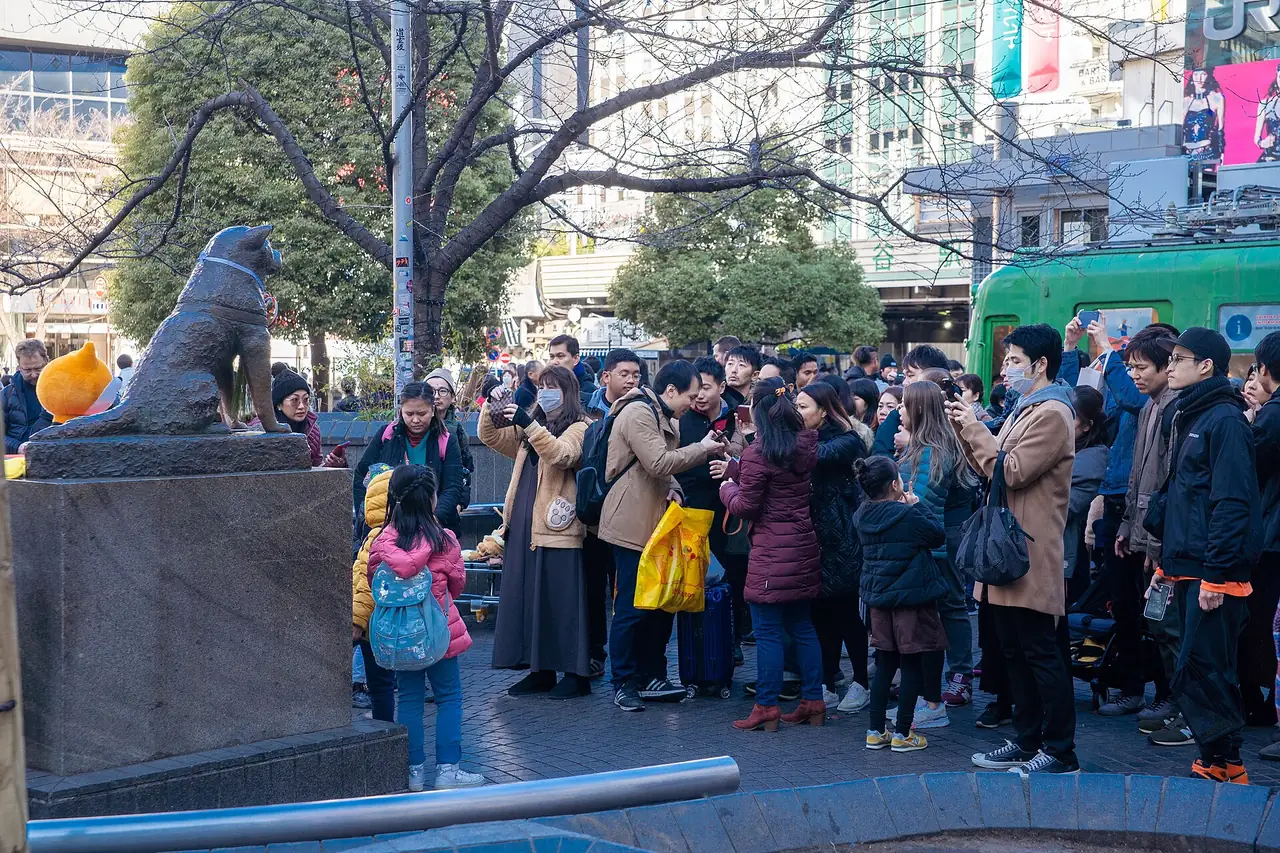
- Crowds gathered beside the Hachiko statue, a popular meeting spot outside Shibuya Station: Dick Thomas Johnson from Tokyo, Japan / Wikimedia Commons, CC BY 2.0, resized
- Worshippers gathered before the main hall of Meiji Shrine on a clear day: 江戸村のとくぞう / Wikimedia Commons, CC BY-SA 4.0, resized
- Passengers boarding a yellow Ginza Line subway train at an underground Tokyo platform: Cheng-en Cheng from Taichung City, Taiwan / Wikimedia Commons, CC BY-SA 2.0, resized




.jpg)

