Navigate Tokyo's retail and dining landscape with fluent Japanese assistance—for travelers who need a concierge, not a cultural tour guide.
Bilingual concierge Tokyo service is for experienced travelers who already know the city. What you need is someone fluent in Japanese, and you can skip the sightseeing guide.
You Already Know Tokyo. That's Not the Problem.
You've been here before. Nobody needs to explain Shibuya Crossing to you or walk you through the trains. You tap your Suica card without thinking, you've eaten ramen at 2am, and you've found your way through Shinjuku Station.
The gap is someone who speaks fluent Japanese and can help you get your list done.
Think of the vintage shop where you're after 1990s Levi's in a particular waist and inseam, the restaurant that only takes bookings by phone in Japanese, or the specialty store where you have a detailed question and pointing and smiling won't get you an answer. A translation app won't get you far in any of them.
This page is for experienced Tokyo visitors with a specific agenda who keep running into the language wall. If it's your first time in Tokyo and you want an introduction to the city, this isn't the right fit, though Tokyo Essentials might be.
What Translation Apps Actually Can't Do
With an app you can order food by pointing at a picture, read the station signs, and get simple answers to simple questions. Google Translate handles the transactional side of travel well enough. Past that, it falls down.
Ordering food vs. asking about ingredients
Pointing at a menu works until you have a dietary restriction to explain, a question about how something is cooked, or want to know what today's "seasonal recommendation" actually is. The app gets the meaning across and loses the detail.
Reading signs vs. detailed product conversations
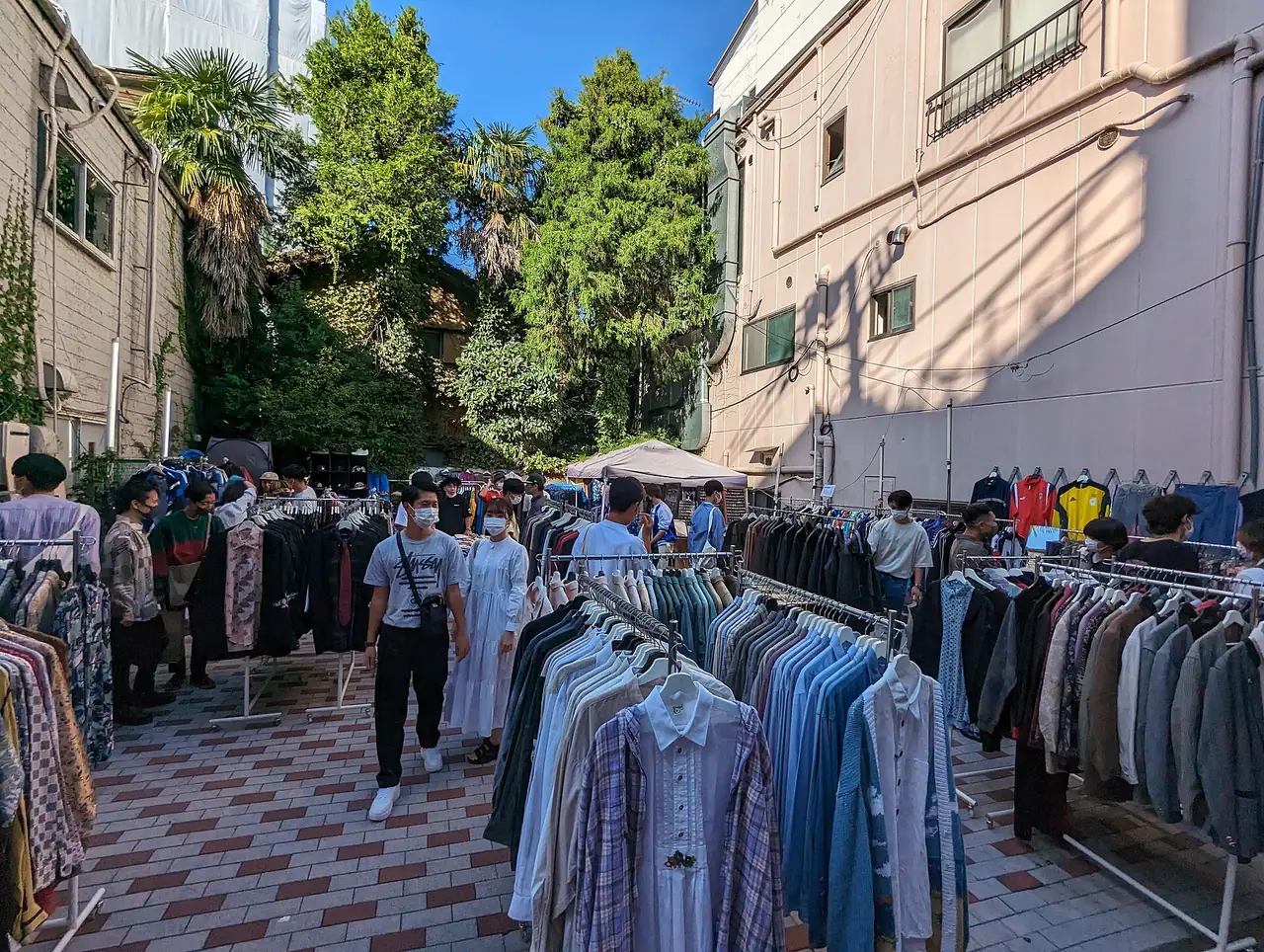
At a Shimokitazawa vintage shop like Haight & Ashbury or Caka, the question isn't "how much?" You want to know what decade a piece is from, how the stitching is holding up, and whether the listed measurements allow for the difference between vintage and modern sizing. That takes a back-and-forth, and an app gives you one-way output with no real conversation.
Why phone reservations are still a wall
Seventy percent of Japanese restaurants have no plans to serve inbound tourists, and the main reason they give is the language barrier. Most still want reservations by phone. Booking sites like Tabelog exist, but the English version charges ¥440 per booking, and plenty of restaurants aren't on it at all.
A popular izakaya like Shokudo Todaka is booked more than a year out, and cancellations are announced through Japanese-language channels. Your hotel concierge can help with some bookings. If you have particular timing, a dietary restriction to explain, or a restaurant that won't work with concierges, you're back on the phone, and the automated phone systems don't speak English.
Not an Interpreter. Not a Cultural Tour.
Why interpreters are the wrong fit
Professional interpreters in Tokyo charge $132-400 per day. They have the language skills but not the local shopping and dining knowledge.
Interpreter services market themselves for business meetings, medical appointments, legal consultations, and house hunting. Their websites talk about "student-teacher conferences," "clinic visits," and "commercial arrangements," and some say outright that they don't do personal escort work.
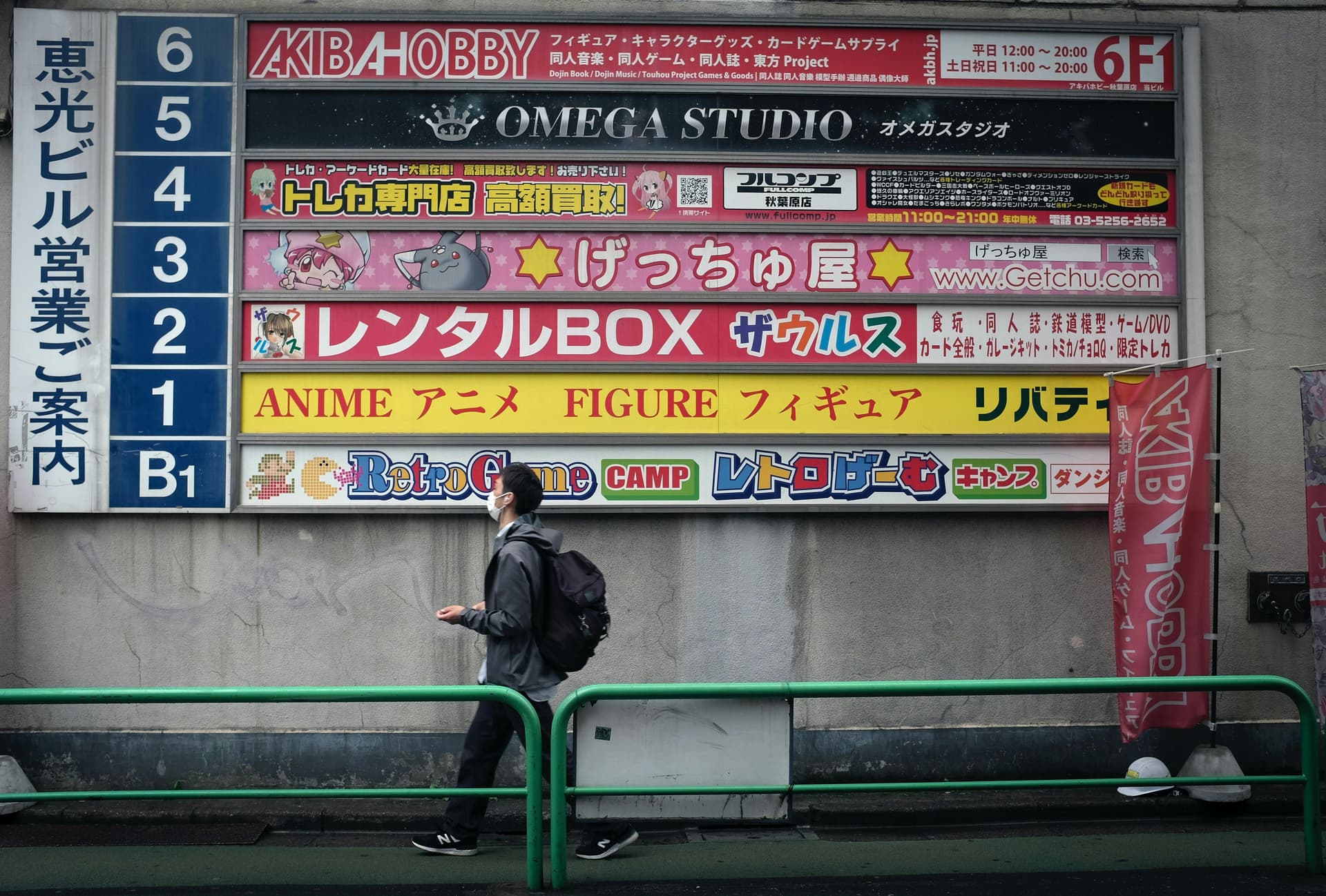
They also won't know which Shimokitazawa shops stock American vintage denim, which Akihabara floors have the retro gaming gear you want, or how to get through a phone booking for a 12-seat yakitori counter. They translate what you say and leave choosing where to go to you.
Why a standard private tour misses the point
Private tour operators assume it's your first visit. Their marketing promises to explain "customs" and "history and culture" and to help you "navigate train stations." Customization means picking a preset theme: food tour or cultural tour, Asakusa or Shibuya.
You want someone who speaks Japanese, knows the shops, and helps you do the specific things you already came to do. Shrine history and train lessons can stay out of it. We designed Infinite Tokyo for that. (If food is your main interest, our Tokyo food tours page covers dedicated food days.)
What You Actually Get for Eight Hours
Infinite Tokyo is an 8-hour day with a bilingual guide whose job is to help you get through your list.
Before the day: what we research and prepare
After you book, there's a consultation where you tell us what you're trying to do. Maybe that's tracking down particular vintage pieces in Shimokitazawa, finding a specific audio setup in Akihabara, or getting into a restaurant that only books by phone.
Your guide does the legwork beforehand, calling shops to check stock, making the phone reservations, and planning the logistics so the day runs smoothly. That pre-tour customization is a standard part of Infinite Tokyo.
During the day: how execution works
Your guide does the Japanese, which covers:
-
Detailed product conversations with shop staff (measurements, condition, why something is priced the way it is)
-
Live translation at restaurants (dietary restrictions, menu questions, recommendations)
-
Phone calls on the spot when plans change
-
Situations where nobody speaks English
You stay part of the conversation the whole time, with your guide translating as it happens.
The kinds of tasks that work well
It works best when you have specific goals that need someone who speaks Japanese:
-
Vintage hunting: New York Joe Exchange, Flamingo, or Chicago in Shimokitazawa, or Caka and Haight & Ashbury for higher-end finds. Your guide talks era, condition, measurements, and price with the staff.
-
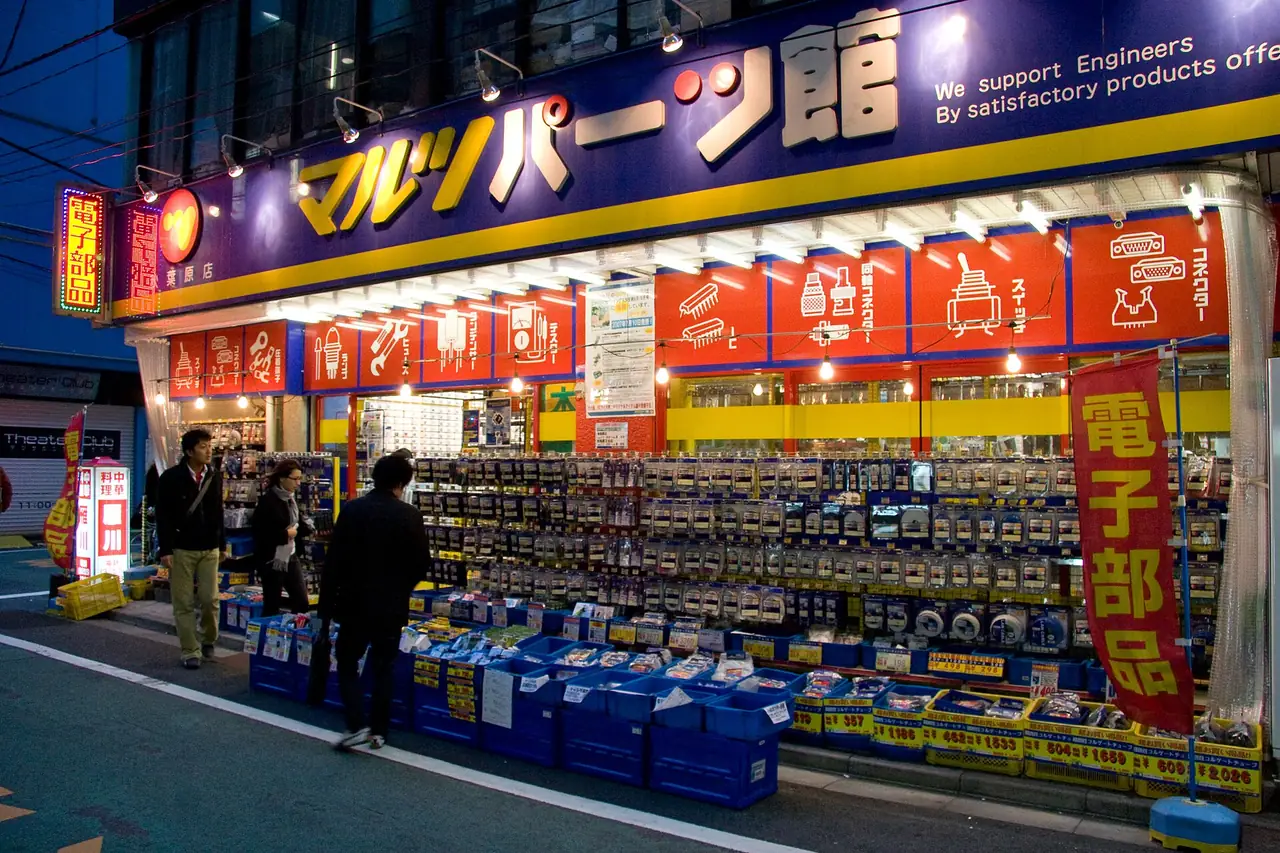
Specialty retail: Audio gear at e-earphone in Akihabara, or Japanese denim at Hinoya in Ueno. Anywhere detailed product knowledge matters.
-
Restaurant bookings: Phone-only reservations, waitlists, and cancellation systems.
-
Collector errands: Particular releases, limited items, and shops where you have to know what to ask for.
-
Retirement celebrations: for when the day should mark a milestone and be more than a way to fill the hours.
If shopping is your main focus, the page on shopping with guided support has more options.
There are limits. A guide can't conjure stock that isn't there, can't promise you'll find the exact item, and can't get you VIP access to places that don't offer it. The guide makes it possible to try, and what you come home with depends on what's actually out there.
What This Costs
We explain how Tokyo private tour pricing works across the industry on a separate page. Below is the cost of Infinite Tokyo itself.
The price structure
Infinite Tokyo costs from $500 for a solo traveler up to $1,016 for a group of 8.
Two people pay $550 for the full 8-hour day.
What affects the total
The price mostly depends on group size. The base rate includes:
-
8 hours with a bilingual guide
-
Pre-tour consultation and research
-
On-call concierge support
-
Hotel pickup coordination
Transport, food, shopping, and entry fees aren't included. You pay those as you go.
How to Book
You book Infinite Tokyo on our guided experiences page. After that:
-
We send you a consultation request so you can tell us your goals and priorities
-
Your guide researches and prepares around your agenda
-
The day is planned around what you want to get done
This does need input from you. If you don't know what you want to do, the day won't have much direction, so come with goals. We cover the logistics separately.
If you can't tell whether this fits, get in touch. We'll say honestly whether Infinite Tokyo makes sense for you or whether something else would suit you better.
Why Not a "Concierge Package"?
We don't sell a fixed "concierge package," because the help you need depends on your agenda. A vintage shopping day, a run of luxury boutique requests, and a day built around restaurant reservations all look different. We add bilingual concierge service to whichever tour matches your goal.
Frequently Asked Questions
What does a bilingual concierge service in Tokyo actually do?
A bilingual concierge spends the day helping you get specific things done. That means detailed conversations at vintage shops, phone-only restaurant reservations in Japanese, and translating on the spot wherever nobody speaks English. They also know the shopping and dining scene, so they can help you plan where to go as well as translate.
How is a bilingual concierge different from a tour guide?
A standard tour guide assumes it's your first time in Tokyo and spends the day explaining customs, history, and how to get around. A bilingual concierge like Infinite Tokyo assumes you know the city and need someone fluent in Japanese to get your agenda done, whether that's finding particular vintage pieces, booking restaurants that only take phone reservations, or having detailed conversations at specialty stores.
Can translation apps replace a bilingual concierge?
Apps handle the basics, like ordering by pointing, reading signs, and asking simple questions. They struggle with detail: explaining a dietary restriction, discussing a vintage garment's measurements and era, asking why something costs what it does, or getting through a phone reservation. All of those need a back-and-forth conversation, which an app can't hold.
How much does Infinite Tokyo cost as a concierge service?
Infinite Tokyo costs from $500 for a solo traveler to $1,016 for a group of 8, for a full 8-hour day. Two people pay $550. That includes a bilingual guide, the pre-tour consultation and research, on-call concierge support, and hotel pickup coordination. Transport, food, and shopping are paid separately.
What kind of tasks work best with a bilingual concierge?
Anything that needs Japanese: hunting particular vintage pieces in Shimokitazawa, talking audio specs at Akihabara specialty stores, booking phone-only restaurants, collector errands for limited items, and any situation where pointing and smiling won't get you what you came for. Your guide researches ahead, calls shops to check stock, and plans the logistics.
Where Hinomaru One Fits
Infinite Tokyo was built for this. In the consultation you tell us your goals: the shops, the restaurants, the specific items. Your guide researches ahead, makes the calls, and works through the list with you on the day, so the language barrier stops being your problem.
At Hinomaru One, we design unhurried, culturally grounded private Tokyo tours for first-time and returning travelers, and every one is customized.
Photo credits
- Shoppers browsing an electronic parts store front lined with components in Akihabara at dusk: KimonBerlin / Wikimedia Commons, CC BY-SA 2.0, resized



.jpg)