Experience Tokyo's legendary JDM scene—from Daikoku PA meets to midnight Wangan runs—with proper access, timing, and cultural navigation.
Private JDM tour vs self drive Tokyo vs going solo: those are the three ways to see Tokyo's car culture, and for visitors without Japanese or a Japanese driver's license, only one of them reliably works.
| Option | Access | Cost | Realistic? |
|---|---|---|---|
| Self-drive rental | Limited (IDP rules, left-side traffic, no GPS in English) | $100-200/day + tolls | Risky without Japan driving experience |
| Solo public meets | Blocked (Daikoku & Tatsumi are highway-only, no transit) | $0 | Not feasible |
| Private guided tour | Full access (driver + English + cultural navigation) | $520+ | The only reliable option |
Understanding Tokyo's JDM Reality Check
If you're coming with Tokyo Drift or Initial D in your head, picturing underground drift races in Shibuya and Wangan battles at 3 AM, the real thing will surprise you.
Those scenes were based on real subcultures. Illegal highway racing did happen, and touge drifting still goes on in the mountains outside the city. You won't wander into a live-action Tokyo Drift set, though. Street racing in Tokyo is deep underground and actively policed, you can't just find it, and you shouldn't go looking.
What surprises most visitors is how calm and orderly the meets are. People come for the community and the cars. Daikoku PA feels like a car club gathering: people chat politely, engines mostly stay off, and everyone is respectful. If you're hoping for drag races or drift stunts in the parking lot, you'll be disappointed, because that kind of behavior gets the place shut down. People turn up to look at good work and talk about it, a bit like a museum that drives in for the evening.
The Physical Access Problem
Tokyo's public transit will get you almost anywhere by train. The most important car culture spots are the big exception.
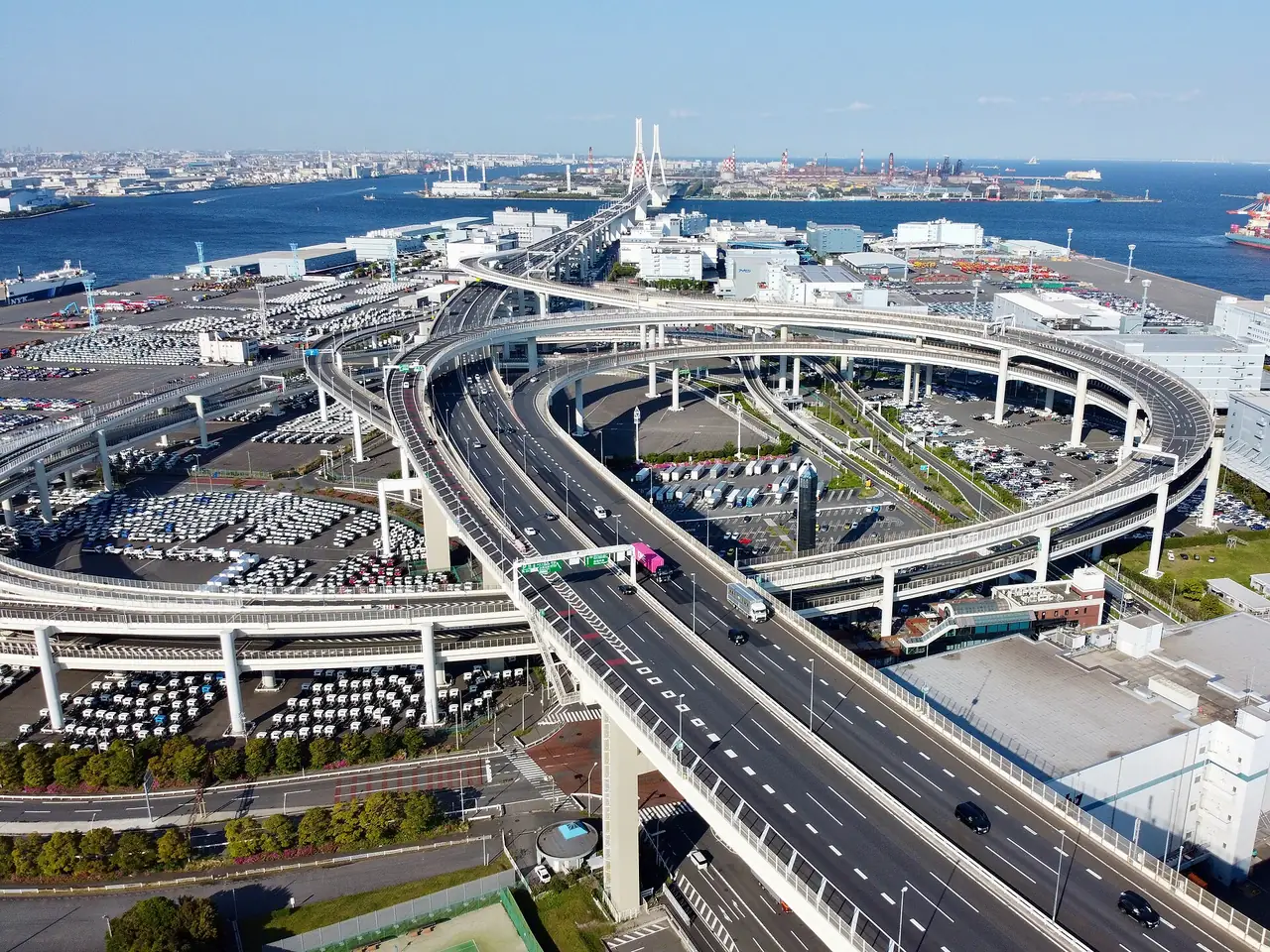
Daikoku Futo Parking Area and Tatsumi Parking Area, the two famous meet spots, are literally on expressways. There's no pedestrian access and no train station nearby. Taxis won't take you, because the driver won't wait at a highway rest area and you'd be stranded on an expressway. A car is the only way in.
| Location | Access | Distance from Central Tokyo | Transit Option |
|---|---|---|---|
| Daikoku PA | Bayshore Route expressway, Yokohama Bay | 30-40 min by car | None—highway only |
| Tatsumi PA | Shuto Expressway, within Tokyo | 15-25 min by car | None—highway only |
Even the places you can technically reach by train, like tuning shops and showrooms, are spread across Tokyo and Yokohama. Linking them by train and still making the evening meets turns into a logistics puzzle that eats time you don't have.
A private car with driver (Toyota Alphard or similar) adds $520 to the tour, and you can't skip it. For more on how car tours work in Tokyo, see our guide to private car tours.
Timing Tokyo's Organic Car Culture
Tokyo's car meets don't have schedules or published times. They're informal gatherings that come together on their own, with no guarantee anyone shows up.
| Factor | Daikoku PA | Tatsumi PA |
|---|---|---|
| Peak nights | Friday/Saturday | Weeknights |
| Peak hours | 9-11 PM | Late night |
| Typical turnout | Larger crowds, more variety | Smaller, more consistent |
| Vibe | Main event energy | Intimate gatherings |
| Risk factors | Police closures common, weather-dependent | Less policed, still weather-dependent |
| Sunday option | Early morning sometimes active | Rare |
You can't turn up on any night and expect hundreds of cars. You need some flexibility, and you need someone who knows the patterns, checks conditions and has a backup plan. Otherwise there's a real chance you drive out to a closed parking area.
Most sightseeing doesn't work like this. Museums keep fixed hours and temples are always there. Car meets happen when they happen.
What You'll Actually Do (And What You Won't)
At Car Meets
A highway rest area meet is basically an open-air car show. You can walk around, look at the cars, take photos, and talk to owners if they seem open to it.
Look but don't touch unless someone invites you. People don't usually let strangers sit in their cars or ask for rides. These are private owners at a social gathering, not an organized event. Plenty of them are friendly, though, and happy to talk through their build if you approach them respectfully.
| ✓ Acceptable | ✗ Not Acceptable |
|---|---|
| Walking around freely | Revving engines |
| Taking photos (ask for close-ups) | Burnouts or drifting in lot |
| Chatting if owners are welcoming | Touching cars without permission |
| Admiring builds respectfully | Loud/boisterous behavior |
| Asking about modifications politely | Asking to sit in cars without introduction |
The lineup changes every night, so no two visits look the same.
Shops and Showrooms
| Destination | Location | What You'll See | Hours | Time Needed |
|---|---|---|---|---|
| A PIT Autobacs | Shinonome, Tokyo (15-20 min from center) | Auto parts megastore, live garage behind glass, mechanics installing turbos/suspension/exhaust, café | Standard retail | 1-2 hours |
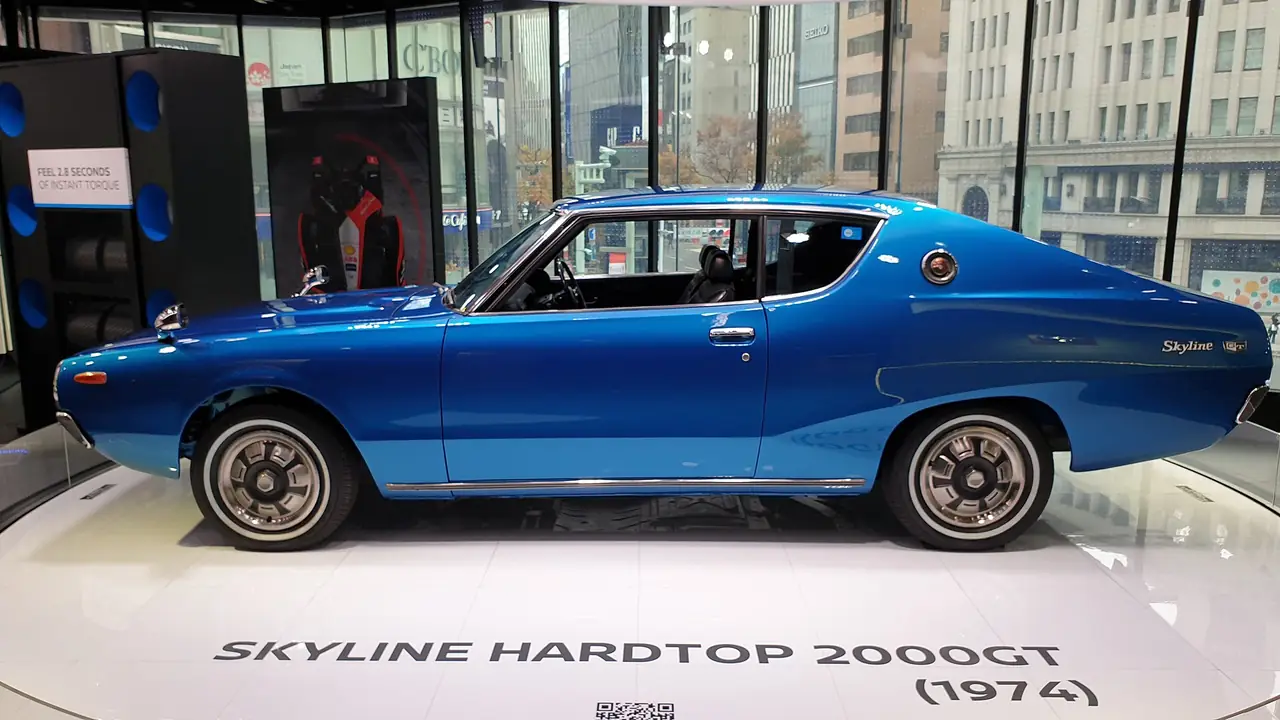
| Nissan Crossing | Ginza | Concept cars, GT-R NISMO, electric prototypes, VR simulators, sit inside vehicles | 10am-8pm daily (irregular holidays) | 30 min |
| Spoon Type One | Suginami, west Tokyo (25 min from Shinjuku) | Spoon Civic EK9, S2000, race Integras, mezzanine garage view, merchandise | Weekdays 10am-7pm | 20 min |
| NISMO Omori Factory | Tsurumi, Yokohama (30 min from Tokyo) | GT500 racecars, restored R32 GT-Rs, racing engines, rebuild workshop | Sat-Sun 10am-5pm only | 30-45 min |
NISMO often wants an email ahead of time for guided visits. You can also walk to Spoon in 10 min from Ogikubo Station.
What's Not Realistic
| Expectation | Reality |
|---|---|
| Driving JDM cars yourself | This isn't a rental or driving experience |
| Visiting private tuner workshops (Top Secret, RE Amemiya) | Generally not open for casual visits |
| Seeing specific cars guaranteed | Meets are organic—you see what shows up |
| Participating in street racing or underground runs | Not part of this, period |
The Cultural Navigation Layer
Most of the enthusiasts at meets don't speak much English. If you want to hear about someone's build, the story behind the car or what they've modified, you need someone who can have that conversation in Japanese.
The etiquette isn't obvious either. There are unwritten rules about approaching cars, taking photos and talking to owners. Loud behavior gets you ignored. Touching a car without permission is offensive. Revving engines or showing off is out (yes, at a car meet, and nobody misses the irony).
Walk up to someone's spotless R34 Skyline and ask "can I sit in it?" without any introduction and you'll get a cold shoulder. You also have to read whether an owner's body language says "happy to talk about my build" or "I'm here with my crew," and that takes some cultural fluency.
Who This Tour Actually Works For
Serious JDM Enthusiasts
You know an R32 from an R34 and why a Veilside kit matters. You've watched Best Motoring clips or followed Keiichi Tsuchiya's career. You want to stand in the places you've read about, walk the same Daikoku PA that hosted the famous meets, and see cars that would never be street legal back home.
The tour gives you access, context and someone to handle the navigation. It won't teach you what JDM means. If you need "JDM" explained, start with YouTube. This is for people who already get it and want to see it in person.
Photographers and Content Creators
You want to shoot Tokyo's car culture as it really is: the meets, the roads, the atmosphere, where the neon city meets the car scene. That takes proper access, the right timing for light (blue hour at Daikoku PA is spectacular), and someone who can get you permission to photograph cars and their owners.
We plan around your shots, position you where the backgrounds are best, and handle asking owners whether you can shoot their cars up close.
Who Should Skip This
| If You... | Why It's Not Ideal |
|---|---|
| Think cars are "cool" but lack real JDM context | Experience is rich for enthusiasts, expensive evening for casual observers |
| Need guaranteed specific cars or outcomes | Meets are organic and unpredictable |
| Want daytime scheduling | Meets happen at night |
| Expect driving experiences | This is access and observation, not rentals |
Most of the fun is recognizing things: "That's a Veilside RX-7 like Tokyo Drift." "Those are real Spoon parts, not replicas." "He's running a GReddy setup, and I had the same turbo on my car." Without that background, you'll miss most of what's there.

What This Investment Actually Covers
| Component | Cost | Notes |
|---|---|---|
| Base tour (8 hours) | $550 | For group of 2 |
| Private car + driver | $520 | Toyota Alphard or similar |
| Total | ~$1,070 | $535/person for 2 people |
Not included:
-
Shuto Expressway tolls (multiple segments add up)
-
Parking fees where applicable
-
Food/drinks during tour
-
Entrance fees (Nissan Crossing is free; some locations may charge)
-
Shopping at parts stores
Why it costs what it does:
| Factor | Why It Matters |
|---|---|
| Evening/night timing | Most tours don't operate these hours |
| Private car requirement | No public transit alternative exists |
| Cultural access | Language skills + etiquette knowledge |
| Unpredictability management | Maximizing odds with backup plans |
| Subculture expertise | Navigating a scene notoriously difficult for outsiders |
For groups of 3-4, the cost per person drops a lot, since the base tour and car cost the same whatever the group size (up to what the vehicle holds). If you're deciding whether a specialist tour like this is worth the money, we've written about how to evaluate if private tours are worth it.
Ready to Book Your JDM Tour?
The tour has its own page with full pricing, the itinerary and instant booking. View the JDM Tokyo tour →
How Booking and Coordination Actually Works
This is a version of the JDM Tokyo tour customized for car enthusiasts. It runs the same way as our other tours: an expert guide who handles the cultural side, flexible timing, and a day built entirely around your interests.
The Process
| Step | What Happens |
|---|---|
| 1. Contact with dates | Day of week matters a lot. Friday/Saturday for Daikoku PA; weeknights if you want more Tatsumi PA. See our Tokyo tour planning guide. |
| 2. Scouting | We check recent meet patterns, verify shop hours, look at the weather, time the evening around what's likely to be happening, and line up backups. |
| 3. Feasibility confirmation | An honest read on what's possible and what's wishful. If your dates don't line up with meets, we'll say so and suggest changes. |
| 4. Car arrangement | We book the driver and vehicle and brief them on the route and the late finish. |
| 5. Experience design | Nissan or Honda focus? Photography first? As much meet time as possible, or a mix with shop visits? We build it around your priorities. See our guide to customizing your Tokyo tour. |
This Isn't a Fixed Itinerary
Since nobody can predict the car scene, we plan your evening around what's actually going on while you're here.
If Daikoku PA is quiet and we hear Tatsumi is busy, we go to Tatsumi. If the weather kills the meets but a shop has a special event on, we head there. If you're hooked on what you're seeing at A PIT Autobacs and want more time, we rearrange the rest of the evening.
We'd rather get you the best access the conditions allow than stick to a set route that no longer makes sense.
Why We Can Actually Deliver This
We're car enthusiasts who know Tokyo, and we design these tours ourselves.
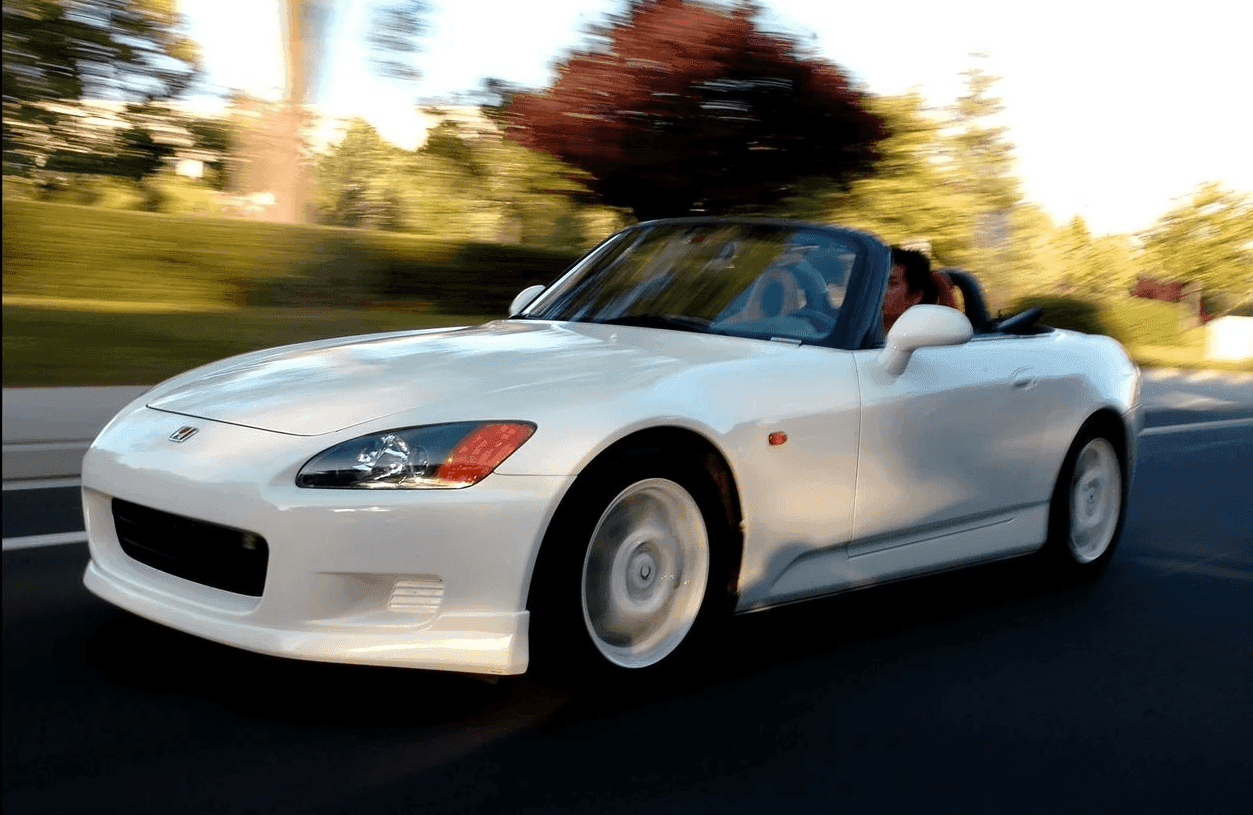
One of us owned a Championship White S2000 AP2 with Championship White wheels, a red interior imported from Japan and an HKS exhaust, the kind of period-correct build you only put together if you understand JDM culture. We have friends who are deep into Spoon, we've argued about stock versus modified, and we know why a Mugen shift knob or a titanium strut tower bar mattered for more than the performance gain.
We aren't professional mechanics. We know what JDM fans care about because we are JDM fans. We also know how to run specialist tours in Tokyo, because we've spent years learning how the city works: timing, access, language, etiquette and logistics.
That combination gets you into a scene that's notoriously hard for outsiders to get into, with people who notice the details you'd notice.
The evening is timed around when meets actually happen. We handle the etiquette, the social side and every language barrier so you can join in respectfully, and we already know which shops welcome visitors and which don't. Even the drive on the Shuto Expressway counts as part of the experience.
We'll also tell you plainly what's realistic. If conditions look bad for meets on the night you're free, we'll say so and help you decide whether to go ahead, change dates, or adjust what you expect. We'd rather be upfront than promise something we can't control.
Frequently Asked Questions
How do I book a private JDM tour in Tokyo?
Contact a tour operator with your travel dates. The day of the week matters a lot, because Daikoku PA meets peak on Friday and Saturday nights while Tatsumi PA is better on weeknights. The operator checks recent meet patterns and shop hours, then plans the evening around what's actually happening while you're there. You'll need a private car with driver ($520), since the meet spots are on expressways with no public transit. Book through Infinite Tokyo (8-hour custom format), from $550 for 2 people.
What do you see on a Tokyo JDM car tour?
The main event is the highway rest area meets at Daikoku PA and Tatsumi PA, where you walk among modified JDM cars, photograph builds and talk to owners (your guide handles the language). You can also visit tuning shops and showrooms like A PIT Autobacs (live garage behind glass), NISMO Omori Factory (GT500 race cars, restored R32 GT-Rs), Spoon Type One (the famous Honda tuner) and Nissan Crossing in Ginza. You're there to look and appreciate, so you won't drive the cars or take part in any racing.
When do Tokyo car meets happen at Daikoku PA?
Daikoku PA is busiest on Friday and Saturday nights, peaking between 9-11pm. Tatsumi PA tends to be better on weeknights, with smaller and more intimate gatherings. Meets come together on their own and depend on the weather, so on any given night they might be shut down by police, rained out or just quiet. There are no published schedules and no guaranteed turnout. A guide who knows the patterns, checks conditions in real time and has backup plans makes the difference between seeing the scene and pulling into an empty parking area.
How much does a Tokyo JDM tour cost?
About $1,070 for a group of 2 ($535 per person): $550 for the 8-hour base tour plus $520 for the private car and driver you need (Toyota Alphard or similar). Shuto Expressway tolls, parking fees, food and drinks, and anything you buy at parts stores aren't included. For groups of 3-4, the cost per person drops a lot, because the base tour and car cost the same whatever the group size.
Is the Tokyo JDM tour suitable for casual car fans?
We designed it for serious JDM enthusiasts who already know the culture: people who can tell an R32 from an R34 and know why a Veilside kit or Spoon parts matter. You're paying for recognition and access, and there's no beginner lesson built in. Someone who thinks cars are "cool" but doesn't know JDM may find it an expensive evening without much payoff. If you need "JDM" explained, this probably isn't the tour for you.
Where Hinomaru One Fits
Most of our tours are cultural days for families, first-time visitors, and travelers who want to explore Tokyo's neighborhoods, food and history at a comfortable pace. They run in the daytime, don't need a private car, and are built around easy, low-stress logistics.
The JDM tour runs in the evening and late at night, when meets happen, and can't work without a private car and driver. We aim it at car enthusiasts who already know JDM and understand what they're looking at and why it matters. Casual visitors usually get less out of it.
| Works Well For | Not Ideal For |
|---|---|
| Already know JDM culture, want proper Tokyo access | Looking for guaranteed outcomes |
| Specific automotive interests (GT-Rs, Type Rs, tuning culture, Wangan mythology) | Need daytime scheduling |
| Accept inherent unpredictability as part of organic subculture | Casual "cars are cool" tourism |
| Value cultural facilitation over rigid itineraries | Want driving experiences, not observation |
It's worth the money if you know what you're getting access to and why that access is hard to come by.
JDM Tour Practical Details
Cancellation and Refund Policies
JDM tours follow our standard cancellation policy, with one important caveat:
| Cancellation Window | Refund |
|---|---|
| 24+ hours before tour | Full refund |
| Within 24 hours | Non-refundable |
| Weather/meet cancellation | Reschedule or full refund |
The caveat: if the meets don't happen on your night (police closure, bad weather, or just a slow night), we'll talk through the options:
- Reschedule to another night during your trip if possible
- Pivot to alternative JDM experiences (tuning shops, showrooms, Wangan drive)
- Partial refund if no meaningful alternative exists
We tell you upfront that meets aren't guaranteed, and booking means you accept that. What we do guarantee is proper access and expertise when the scene is active.
Group Size Limitations
JDM tours work best with small groups:
| Group Size | Vehicle | Notes |
|---|---|---|
| 1-2 people | Sedan or standard car | Ideal for intimate experience |
| 3-4 people | Standard car or van | Works well, still intimate |
| 5-6 people | Van required | Maximum for single-vehicle experience |
| 7+ people | Not recommended | Splits group, loses intimacy, awkward at meets |
We cap groups at 6 because at Daikoku PA and Tatsumi PA you're observing, not on an organized tour. A big group walking through draws attention and changes the mood. Small groups blend in and have better conversations with owners.
Larger groups can split across several nights, or accept that only some of the group goes to the meets while the rest do other JDM activities.
Getting Started
Every JDM tour is fully custom and built through Infinite Tokyo. Start there, or send us your travel dates by chat or email. We'll talk about what's realistic for your visit and plan the evening from there.
Because we're fitting evening and night timing around meets that don't run to a schedule, reach out as far in advance as possible so there's room to adjust.
Photo credits
- A 1974 Nissan Skyline 2000GT on display at the Nissan Crossing showroom in Ginza: Cabeza2000 / Wikimedia Commons, CC BY-SA 4.0, resized


_at_Nissan_Crossing_showroom_in_Ginza,_Tokyo_(Dec_2019).jpg)