Tokyo's best experiences exist in spaces built for 12 people. Group size determines whether you access them or settle for tourist-friendly alternatives.
Tokyo tour group size matters more than most travelers realize—Tokyo's best experiences exist in spaces built for 12 people. Your group size determines whether you access intimate venues or settle for tourist-friendly alternatives that can handle larger numbers.
Private tours technically accommodate groups of 1-8 people. But Tokyo's most memorable experiences exist in spaces built for 12 people total. Your group size determines whether you access them or settle for tourist-friendly alternatives that can handle the volume.
8 Counter Seats, No Tables
Where Tokyo's Character Lives
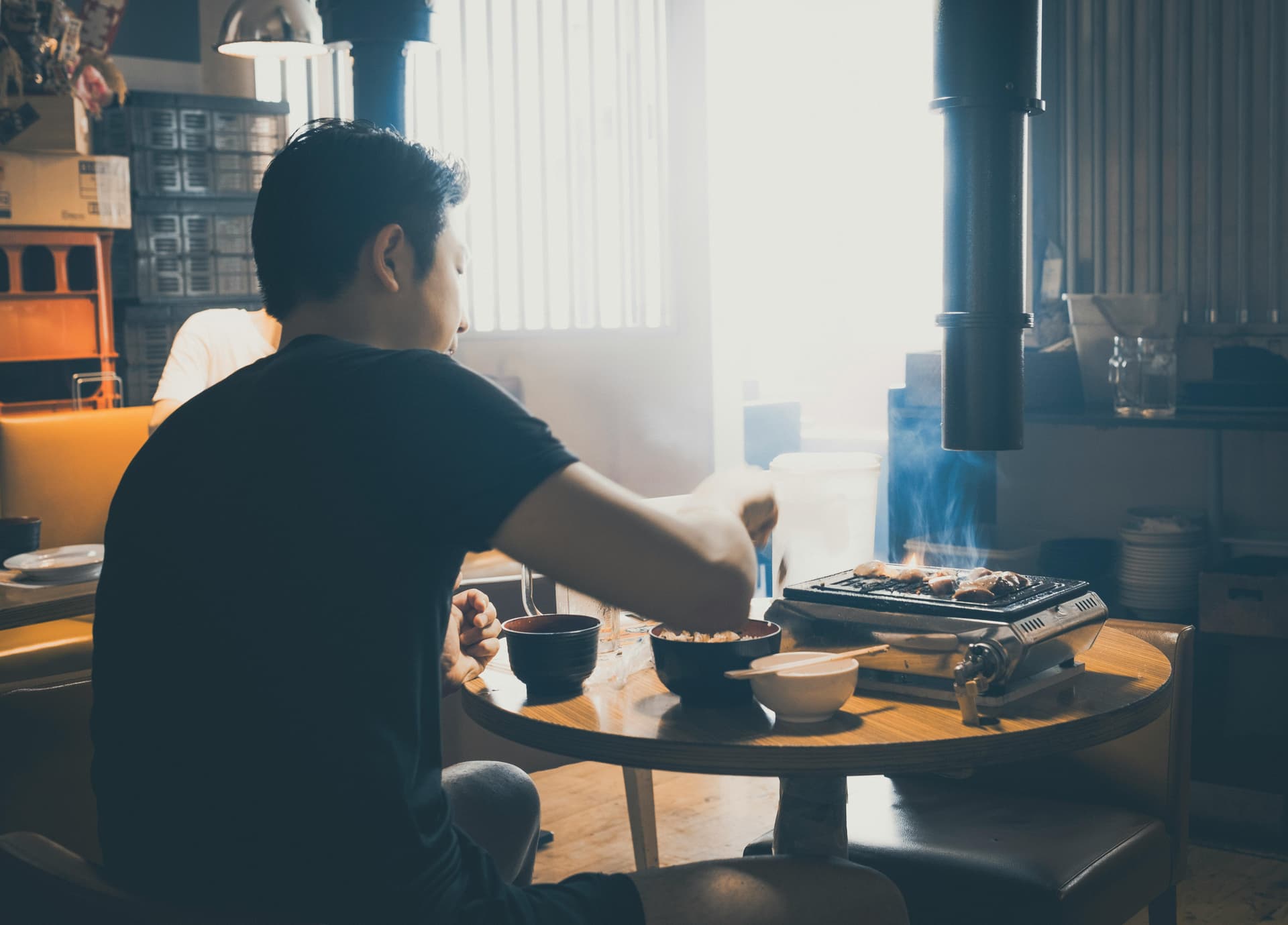
Tokyo's character concentrates in small spaces. The acclaimed ramen shops, the standing bars where salarymen decompress, knife shops like Kamata in Kappabashi—these places weren't built for tour groups. They were built for neighborhood regulars who come alone or in pairs.
Golden Gai packs over 200 bars into six narrow alleys. Each bar seats 4-8 people. Some fit only 5-6 customers at a time. The intimate scale is the entire point.
Ramen shops follow the same logic. Ginza Hachigo has 6 counter seats. Shiosoba Jiku has 7. Teuchi Asama in Nakameguro has 9. Even well-known shops like Nakiryu—Michelin-starred—have just 10 seats. Most ramen counters seat 6-14 people total, designed for solo diners and couples eating in a row, not groups gathered around a table.
Yokocho alley venues seat 10 people or fewer. Some have only counter seating. Others are tachinomi—standing bars with no seats at all.
What "Accommodate" Actually Means
When a tour company says they "accommodate groups up to 8," they mean they can technically move 8 people through the city together. They don't mean 8 people can access everything Tokyo offers.
A 6-seat ramen counter doesn't expand because you called ahead. Many of these places don't take reservations at all. The constraint isn't policy—it's physics.
This matters because these small venues aren't a niche category. They represent how Tokyo actually works. The city's best eating and drinking happens at a scale that assumes you're traveling in twos and threes, not sixes and eights.
The Thresholds That Actually Matter
Group size isn't binary. There are specific thresholds where the experience shifts.
2-4 People: Full Access
Groups of 2-4 people can go anywhere. Counter seats at ramen shops. Standing bars in yokocho alleys. The tiny sushi place your guide discovered last year. Nothing is off-limits because of headcount.
Your guide functions as a cultural interpreter at this size. Conversations happen naturally. Questions get answered in real time. The guide can detour when something interesting appears—a festival preparation, a craftsman at work, a seasonal dish that just showed up.
Taxis work spontaneously. Trains require no coordination. The math is simple. If you're in this range, tours like Tokyo Essentials or Infinite Tokyo can take you anywhere.
5-6 People: Compromises Begin
At 5-6 people, venue options start narrowing. Seating becomes "significantly more challenging" for parties larger than four. Some restaurants require advance notice. The tiny sushi counter is off the list unless you're willing to split up.
Our food tours cap at 6 guests for this reason. The pathways are narrow. The venues are small. Taking more people means choosing different venues—ones that can handle the volume but lose the intimacy. It's the ceiling for accessing the standing sushi bars, neighborhood sake counters, and local izakayas that make tours like Kushiyaki Confidential and Standing Room Only worth taking.
At this size, splitting becomes a real option. Four people at one ramen counter, two at another. Same experience, same neighborhood, reuniting afterward. This is normal in Tokyo—not a compromise.
7-8 People: Different Experience Entirely
At 7-8 people, you're optimizing for togetherness, not access. The ramen counter isn't an option. Golden Gai works only if you're comfortable splitting into separate bars. The guide shifts from interpreter to logistics coordinator.
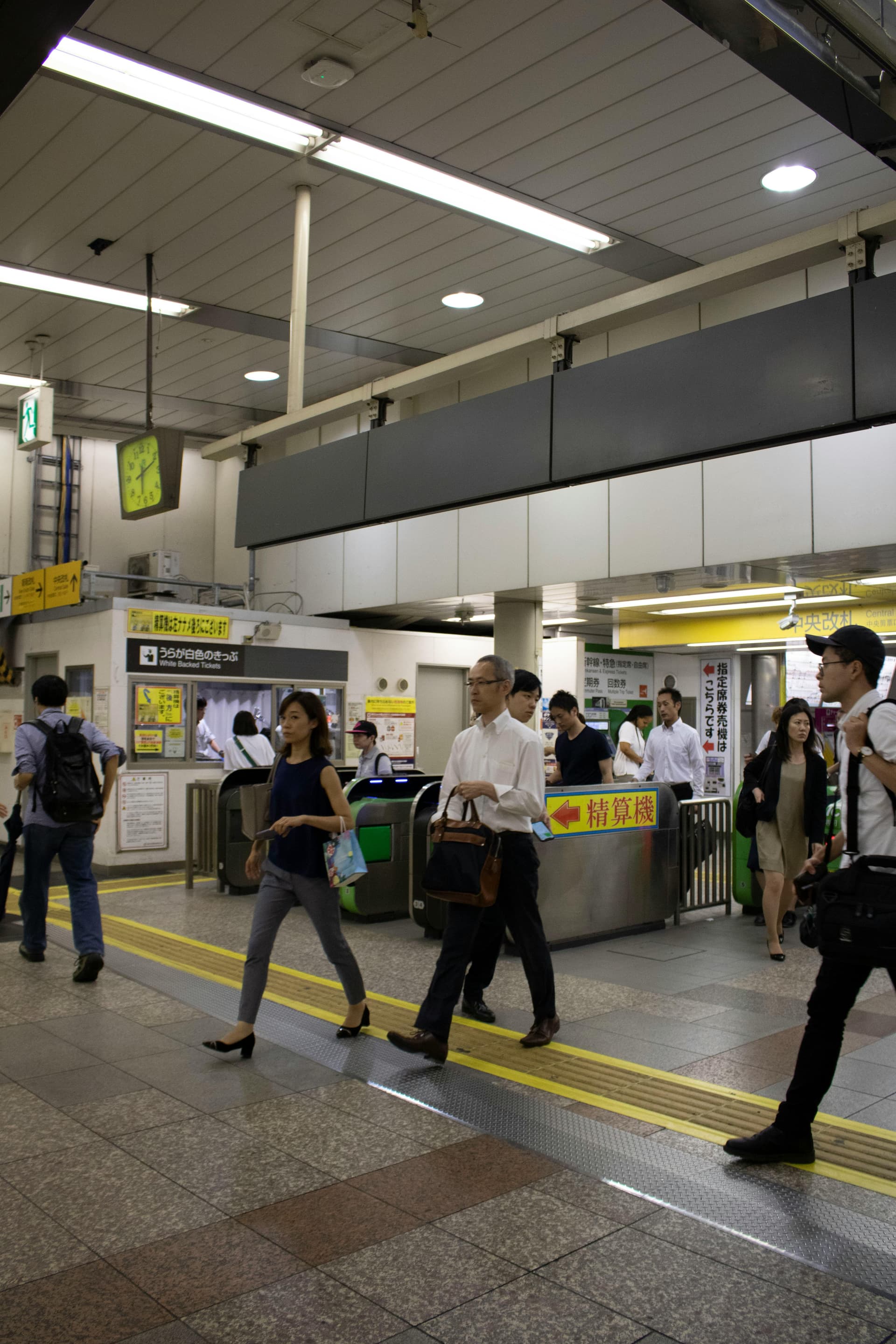
Transit math changes. Getting 8 people through Shinjuku Station during rush hour adds 5-10 minutes per transit segment. Over a day with 6 train rides, that's 30-60 minutes spent on coordination—time that would otherwise go to actual experiences.
The experience isn't worse. It's different. The venues that work for 8 people—izakayas with private rooms, restaurants with large tables, outdoor sights—are legitimate parts of Tokyo. But they're not the intimate, counter-based, locals-only places that smaller groups can access.
When Splitting Your Group Makes Sense
The Two-Guide Math
If you're traveling with 6-8 people and want access to small venues, two guides with two groups solves the problem. The cost doesn't quite double—two Tokyo Essentials tours run $774 instead of $430, with a 10% courtesy discount for booking both. The experience quality, though, fully doubles.
Two groups of 3-4 people each can go anywhere. Both groups get the ramen counter, the standing bar, the knife shop that fits 6 customers at a time. Both guides function as interpreters, not coordinators. Neither group compromises on venue selection.
The hybrid approach works too. Split for the food experiences where counter seating matters. Reunite for Meiji Shrine, where space isn't a constraint. Same people, same trip, different formations based on what each segment requires. Customization options expand significantly when group size allows flexibility.
Groups naturally split at small venues anyway. Even with one guide, you'll end up at separate counters in an izakaya or different tables in a restaurant. It's how Tokyo dining works. Framing it as "splitting up" makes it sound like defeat. It's actually adaptation.
When Staying Together Matters More
Sometimes togetherness trumps access. Family reunions. Milestone celebrations. Groups where the whole point is sharing every moment together. Families with children often fall into this category.
This is legitimate. The 6-seat ramen counter isn't the only way to experience Tokyo. The experience you have together at a larger venue may matter more than the experience you'd have apart at a smaller one.
The question is whether you're making that trade consciously or discovering it on day one when the guide explains why certain places aren't options.
When Accessibility Shapes Group Dynamics
Groups that include wheelchair users or travelers with limited mobility face a different calculation. The venue access question shifts from "can 8 people fit?" to "can everyone in our group access this space?"
Tokyo's small venues often have stairs, narrow doorways, or standing-only formats that don't work for wheelchairs or mobility aids. The 6-seat ramen counter might fit your group numerically but require steps to reach. Yokocho alleys are narrow and crowded.
For mixed-mobility groups:
- Accessible venues become the filter: Rather than "which small places can we squeeze into," the question becomes "which quality venues work for everyone." This often means fewer compromises on group size because the accessible options tend to be larger establishments anyway.
- Two-guide splits work differently: You might split by mobility needs rather than pure headcount—one group taking the stairs to the intimate izakaya, another staying at an accessible restaurant nearby.
- Major sights remain the equalizer: Sensoji Temple, Meiji Shrine, and most major attractions are wheelchair accessible. Gardens vary (Shinjuku Gyoen yes, Rikugien limited). The itinerary adjusts to prioritize places everyone can enjoy together.
Tell us upfront if accessibility matters for anyone in your group. It changes which venues we recommend and how we plan the day—better to design around it than discover limitations in real time. For comprehensive guidance, see accessibility in Tokyo with a private tour.
When 8 People Is the Right Call
Major Sights Handle Crowds
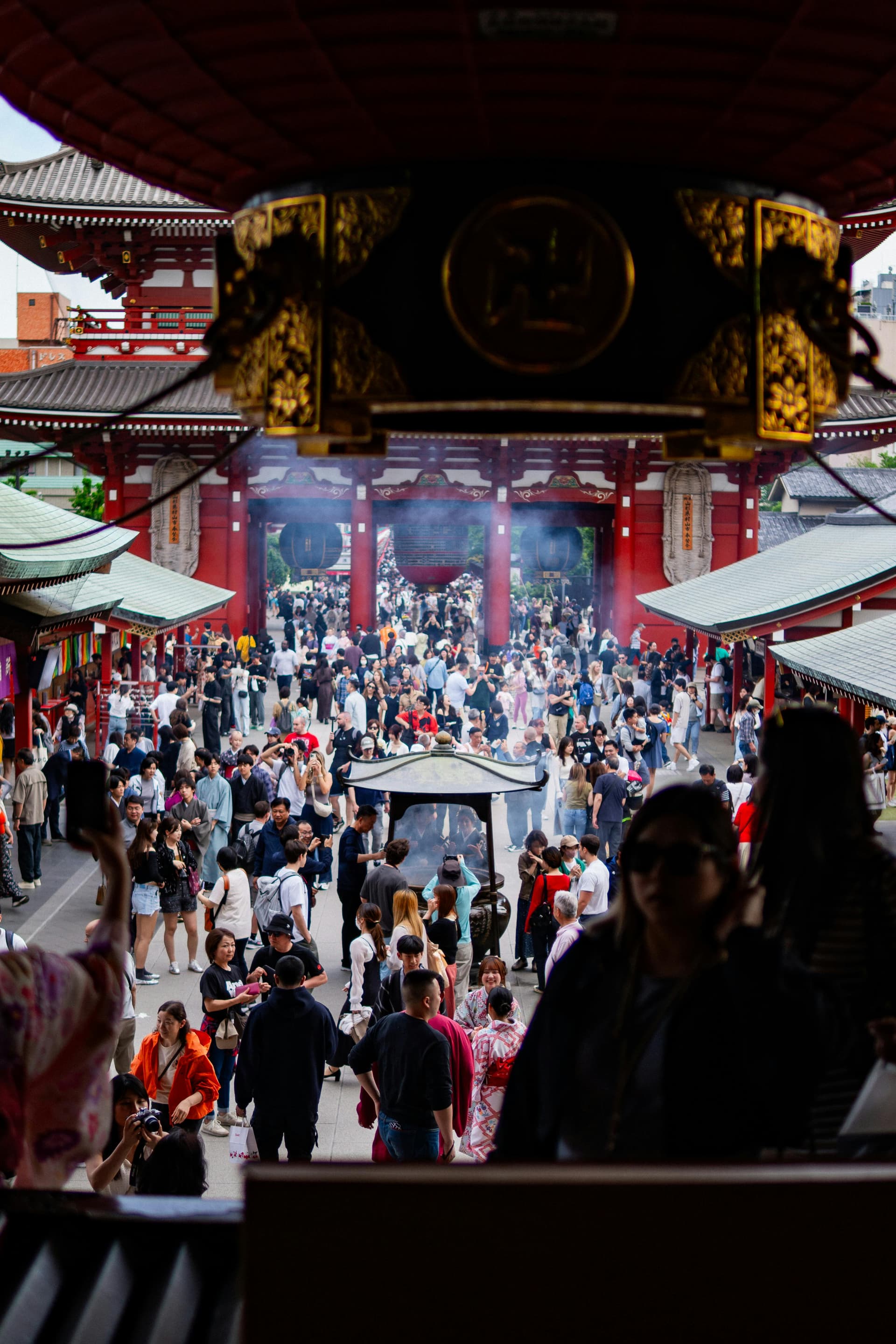
Sensoji Temple attracts thousands of visitors daily. Meiji Shrine's massive complex spreads people across wide forested paths. The Imperial Palace East Gardens have room to spare.
Major outdoor sights don't have the capacity constraints that affect restaurants. Your group of 8 fits as easily as a group of 2. The guide can gather everyone, share context, and let people explore without the logistics overhead that smaller venues create.
If your priority is Tokyo's famous landmarks—temples, shrines, gardens, observation decks, museums—group size matters less. These places were built to handle crowds. For some itineraries focused on major sights, you may not need a private tour at all.
Budget Reality
Private tours cost real money. Splitting into two smaller groups nearly doubles the guide cost, even with the courtesy discount. For some groups, the math doesn't work.
A group of 8 paying for one guide gets a genuine Tokyo experience. It's not the same experience as a group of 3, but it's not a consolation prize either. Temples, gardens, neighborhood walks, larger restaurants with excellent food—plenty of Tokyo works at any group size.
The honest framing: larger groups trade venue access for cost efficiency and togetherness. If you understand that trade, you can make it consciously instead of discovering it mid-trip.
Transportation Logistics by Group Size
Trains: The 4-Person Threshold
Tokyo's trains handle groups of 2-4 easily. You board together, stand together, exit together. The guide ensures everyone makes it through the fare gates and onto the right train. Simple.
At 5-6 people, trains get trickier. Rush hour (7:30-9:30am, 5-8pm) means you might not all fit in the same car. The guide boards last to ensure nobody gets left behind, but keeping visual contact through packed carriages requires effort.
At 7-8 people, trains become a coordination exercise. The guide picks less crowded cars near the ends of trains, counts heads at every transfer, and avoids underground labyrinths like Shinjuku Station during peak hours. Manageable, but noticeably more logistically intensive.
| Group Size | Train Reality |
|---|---|
| 2-4 | Seamless. No special coordination needed. |
| 5-6 | Works fine outside rush hour. Tighter during peak times. |
| 7-8 | Doable but requires guide attention. Avoid complex transfers during rush hour. |
Taxis: The 4-Seat Reality
Standard Tokyo taxis seat 4 passengers. One person in front, three in back. That's a hard limit.
For groups of 5-8, options include:
- Two taxis: Driver follows lead taxi. Guide confirms destination with both drivers in Japanese. Works well for point-to-point transfers.
- Large taxi (jumbo taxi): Seats up to 9 passengers. Must be reserved in advance—you won't hail one on the street. Guide books these when itinerary requires taxi transfers for large groups.
- Hired car service: Private car tours include vehicles sized for your group, avoiding the split-taxi problem entirely.
For walking-focused tours, the taxi question mainly affects emergency pickups or end-of-day returns when legs are tired. Two taxis work fine for occasional use. If your group needs frequent taxi transfers, consider whether a car tour makes more sense.
Private Car Tours: Sized to Your Group
Private car tours solve transportation logistics entirely. The vehicle fits everyone. No train navigation, no split taxis, no counting heads at transfers. Door-to-door between locations.
The tradeoff: walking tour flexibility. Car tours work better for groups prioritizing comfort and efficiency over street-level exploration. You won't wander through markets or duck into yokocho alleys the same way you would on foot.
For groups of 6-8 where venue access isn't the priority but staying together is, a car tour often makes more practical sense than coordinating trains and multiple taxis.
The Decision That Matters
What Are You Optimizing For?
The questions that actually matter:
-
Is accessing small, counter-based venues a priority, or are you happy with restaurants that seat larger groups?
-
Does your group need to stay together for every moment, or can you split for some experiences and reunite for others?
-
Are you willing to pay for two guides to preserve access, or is one guide the right budget decision?
There's no wrong answer. But there's a better answer for your specific group.
How to Tell Us
When you reach out, share your group size, whether togetherness or access matters more, and whether the budget has flexibility for two guides.
We'll design the approach that fits. Sometimes that's one guide with a group of 8 focused on major sights. Sometimes it's two guides with split groups accessing everything. Sometimes it's something in between.
The worst outcome is discovering the trade-offs on day one. The best outcome is making those decisions now, before you book.
Frequently Asked Questions
What's the ideal group size for a private tour?
2-4 people is the sweet spot. You fit easily into restaurants, don't need to split for venues with capacity limits, and maintain intimate conversation with your guide. Beyond 4, you start facing access trade-offs.
Can a group of 8 do a food tour?
With modifications. Most quality restaurants cap at 4-6 for counter seating. Groups of 8 either split into two seatings, visit different restaurants simultaneously with two guides, or accept that some venues won't work. Discuss this explicitly during booking.
Does pricing increase with group size?
Per-group pricing means larger groups pay more total but less per person. A couple pays a base rate; a group of 6 pays somewhat more total, but divided by 6, each person pays significantly less. The per-person economics improve with size even as total cost increases.
Should we split into two groups with two guides?
Consider this when: access matters more than togetherness, your group has divergent interests, or you want everyone to experience intimate venues. Two guides cost more but let everyone access the best spots without compromise.
What if our group has very different interests?
Options: alternating whose interests drive each segment, splitting the day into halves focused on different themes, or splitting into sub-groups with different guides. Discuss during consultation—guides can design routes that give everyone something they care about.
Where Hinomaru One Fits
Our tours run 2-8 people, with 2-4 as the sweet spot for venue access. Food tours cap at 6—the ceiling for counter seating at the places worth visiting. Per-group pricing means larger parties pay less per person, not more. Two-guide options available when access matters more than cost.
At Hinomaru One, we design culturally rich, stress-free private Tokyo tours for first-time and seasoned travelers. Unrushed. Insightful. Always customized.