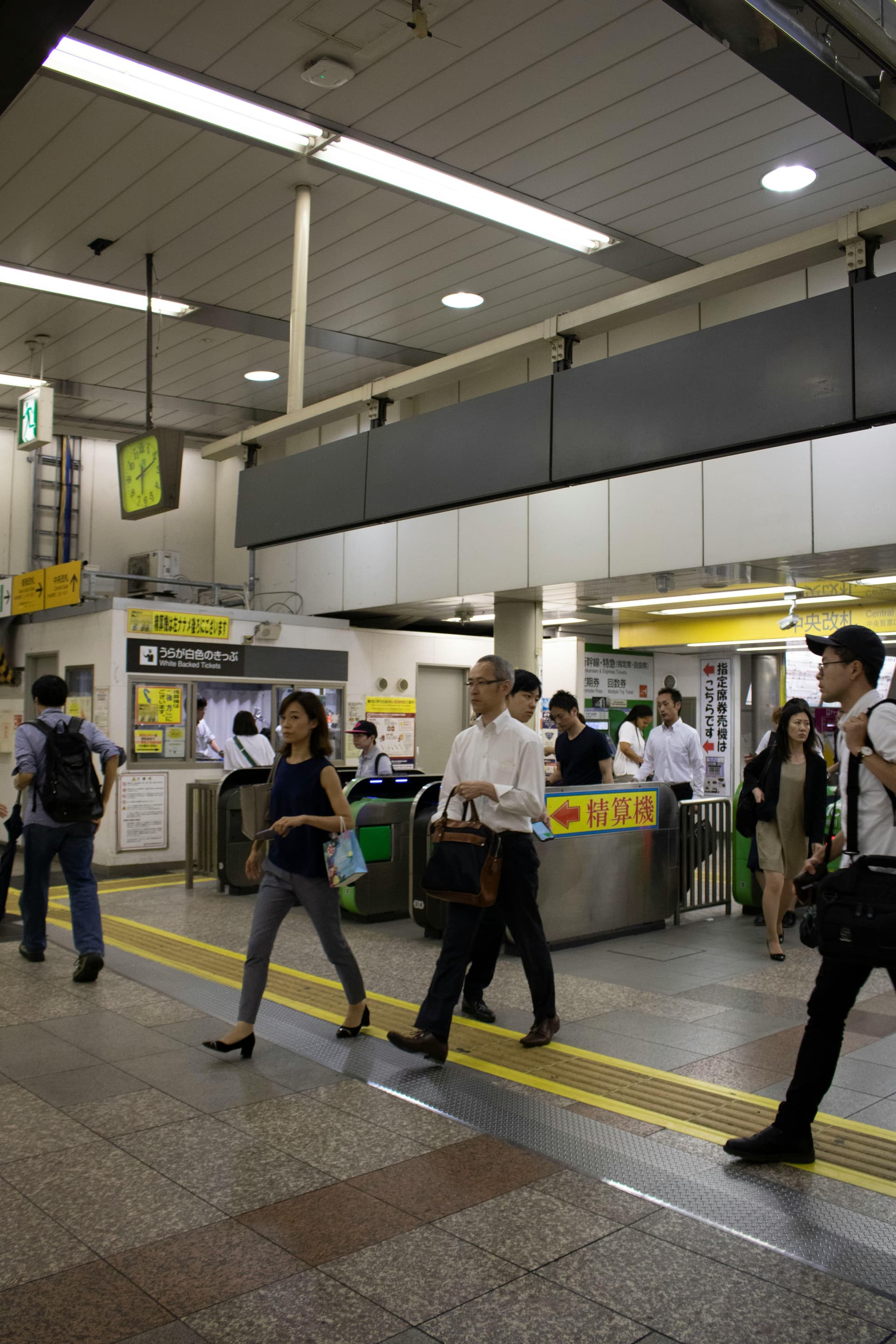
The problem isn't your timing. It's whether the booking system confirms your guide immediately or makes you wait and hope.
To book last-minute Tokyo tours that actually happen, worry less about your timing and more about whether the booking system confirms your guide immediately or leaves you waiting and hoping.
If you're reading this, you probably need a Tokyo private tour soon and suspect you've left it too late. "Book well in advance" is useless advice when your trip is next week.
Some systems sell a tour before anyone has confirmed a guide is free. Others show real-time availability, so the slot you see is actually open. That difference matters far more than how many days you have left.
If you've sat in "request pending" limbo, or had a tour cancelled at the last minute, blame the booking system.
Why "Instant Confirmation" Doesn't Mean What You Think
You'll see "instant confirmation" on almost every tour listing online, and it sounds reassuring. On many platforms it means less than you'd expect.
What Actually Happens After You Click "Book"
On aggregator platforms like Viator and GetYourGuide, "instant confirmation" means they received your booking request and processed your payment. Nobody has been assigned to guide your tour yet.
The platform takes the booking and charges your card, then passes the job to local operators, who find a guide from a freelance pool. You never see any of this.
The 24-48 Hour Gap
On these platforms, guides get assigned 24-48 hours before the tour date. That's when operators are out finding someone for your booking.
If they can't find anyone, the tour is cancelled. You get a refund, and now you're hunting for alternatives with even less time.
Platform documentation says non-instant bookings can take up to 48 hours to confirm, and even the "instant confirmation" listings have fine print about when a guide gets assigned.
When This Becomes Your Problem
Book weeks ahead and none of this touches you, because the 24-48 hour assignment window closes long before your tour date.
Book within 72 hours of the tour, though, and you're inside that window. You might get confirmed, or you might get cancelled with barely enough time to make other plans.
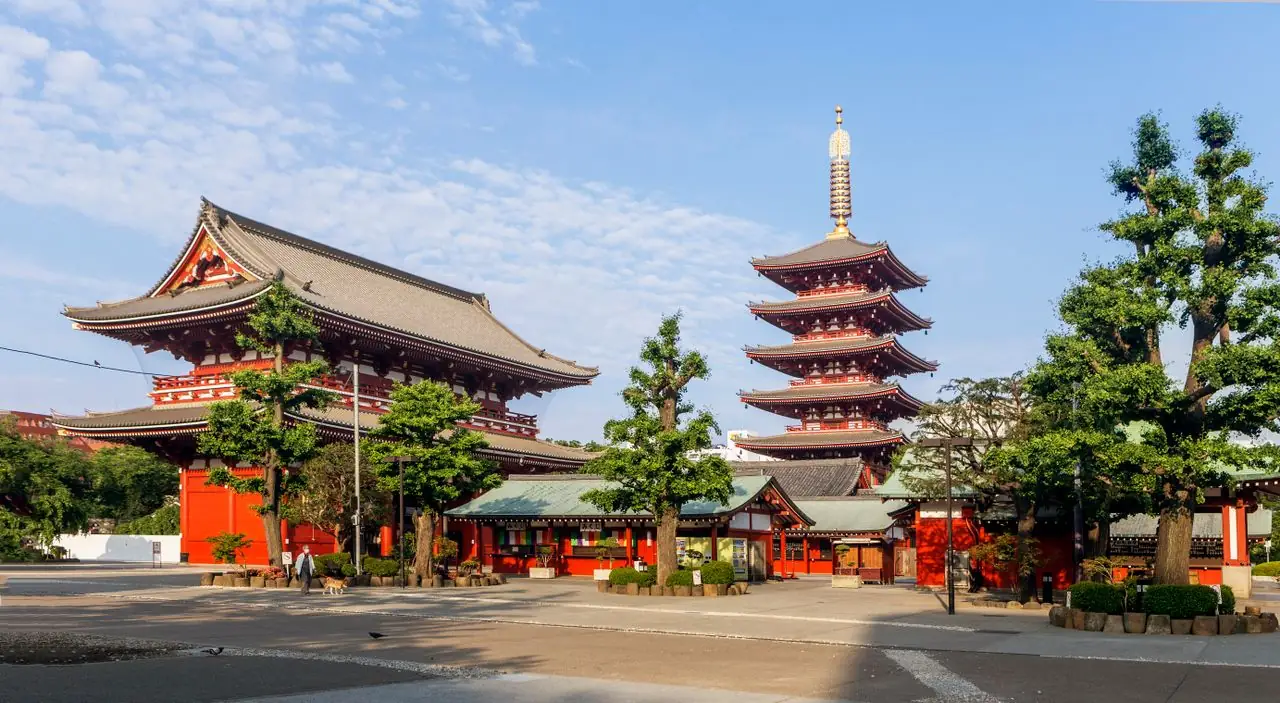
What Real-Time Availability Actually Looks Like
Real-time booking systems take their availability from actual guide schedules, so a guide exists before the sale.
The Calendar Test
These systems plug straight into guide calendars. When a guide blocks off a day, whether for a tour or something personal, that day drops out of the available slots. When they're free, the slot shows up.
So what you see while browsing is really open. There's no middleman confirming it afterward and no pending status while someone checks whether a guide exists.
What "Book = Confirmed" Actually Means
On a real-time system, finishing a booking reserves a guide for your tour. The confirmation is backed by an actual person's schedule.
That's why operators like this can take bookings as late as 24 hours before the tour starts. The system already knows who's available, so there's nothing left to confirm after the fact.
How to Spot This When Booking
Signs you're dealing with a real-time system:
-
Immediate confirmation email with booking details (not "request received")
-
No "pending" or "waiting for confirmation" status
-
Specific minimum lead times stated clearly (like "24 hours" rather than "contact us")
-
Guide introduction provided shortly after booking
If you have to wait days to find out whether your tour is on, it isn't a real-time system.
We built Hinomaru One's booking system this way, which is how we can confirm tours as late as 24 hours out.
See which tours you can still book at the last minute with instant confirmation.
48 Hours vs. 24 Hours vs. Same-Day: What's Actually Possible
How much lead time you have changes what's realistic.
| Lead Time | Aggregator Platforms | Real-Time Systems |
|---|---|---|
| 48+ hours | Works (time for guide assignment) | Works (full consultation) |
| 24-48 hours | Unreliable (inside assignment window) | Works (compressed consultation) |
| Same-day | Won't work | Possible if guide available |
48+ Hours: Full Options
With 48 hours or more, either approach works. Aggregators have time to assign a guide, and direct operators have time to consult with you.
With that much notice you can:
-
Choose from multiple tour types and durations
-
Have a proper pre-tour consultation about your interests
-
Receive guide introduction before your tour date
-
Make adjustments if your initial choice doesn't fit
In that consultation the operator learns your preferences, dietary restrictions, mobility needs and must-see priorities.
24-48 Hours: Possible But Compressed
Inside 48 hours, aggregator platforms get unreliable because you're in their guide assignment window. Book on Tuesday afternoon for a Thursday morning tour and it might go ahead, or it might be cancelled on Wednesday night.
Direct operators with real-time systems still work here, but the consultation gets squeezed. Instead of a back-and-forth about your interests, you cover the essentials: pickup location, meeting time, dietary restrictions, must-sees.
Same-Day: When It Works (and When It Doesn't)
A same-day private tour can happen if:
-
The operator uses real-time availability (not request-based booking)
-
A guide happens to be free that day
-
You can communicate quickly (not waiting for email responses)
Operators that take same-day inquiries do it by phone or message, for tours starting later that day. Nothing is guaranteed; you're asking whether anyone happens to be free.
In busy periods same-day availability is rare, whatever the booking system. In slower weeks you'll often get lucky.
One catch: even operators who take short-notice bookings online need at least 24 hours of lead time through their booking system. For a true same-day tour you have to contact them directly. At Hinomaru One that means WhatsApp or the live chat on our website, and we answer urgent requests the same day.
Late March Through Early April: The Honest Exception
All of the above assumes a normal week. Cherry blossom season isn't one.
Why This Period Is Different
From late March through early April, there genuinely aren't enough private guides to go around in Tokyo. In 2024, full bloom came around April 4. For 2025, forecasts put it around March 30-31. (The Japan Meteorological Corporation updates its forecasts each January, so check again closer to your dates.)
Guide availability gets tight in those peak weeks. Tokyo only has so many experienced English-speaking guides, local operators lock theirs in early, and by peak bloom most are booked.
How Far Ahead You Actually Need
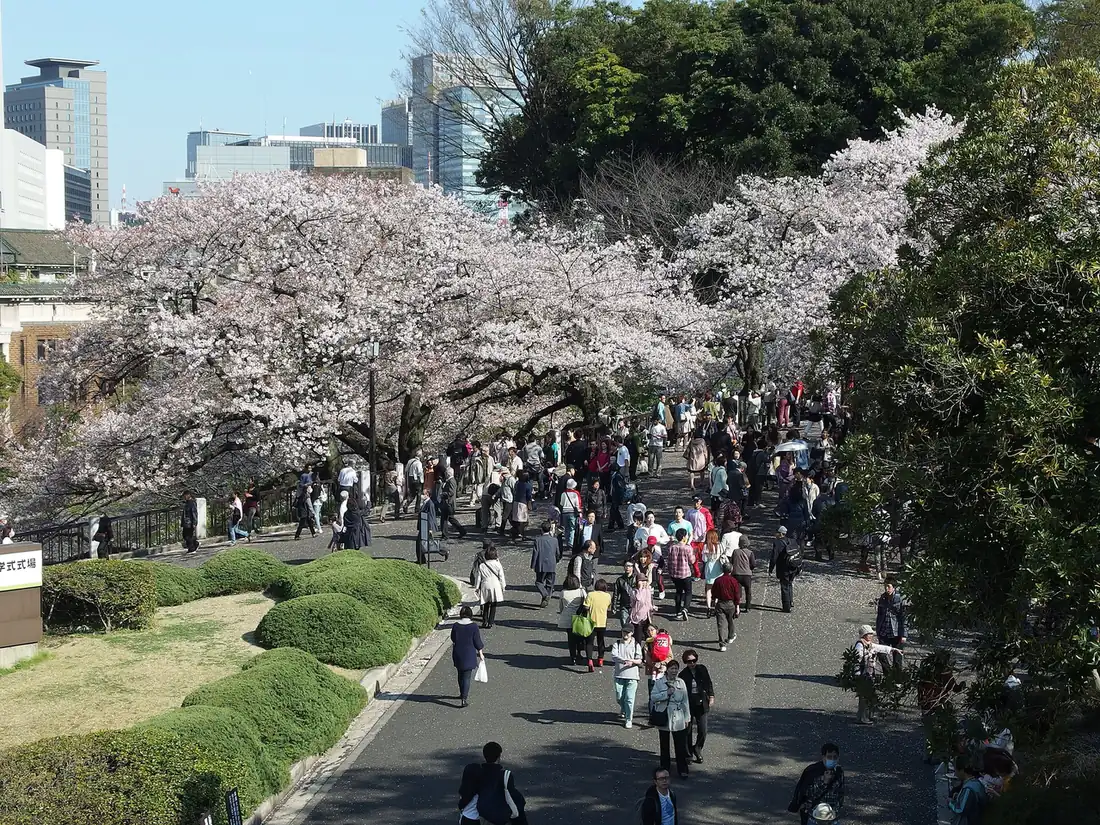
For the peak cherry blossom weeks (the last week of March through the first week of April), plan on 2-4 weeks minimum. Some travelers book 6-12 months ahead.
The shoulder weeks in mid-March or mid-April are more forgiving. It's still spring and you'll still see blossoms, without fighting peak-week demand.
November's Similar Constraints
Autumn foliage, especially mid-to-late November, works the same way. It's less intense than cherry blossom season, but guide capacity is still finite and the popular weeks still fill early.
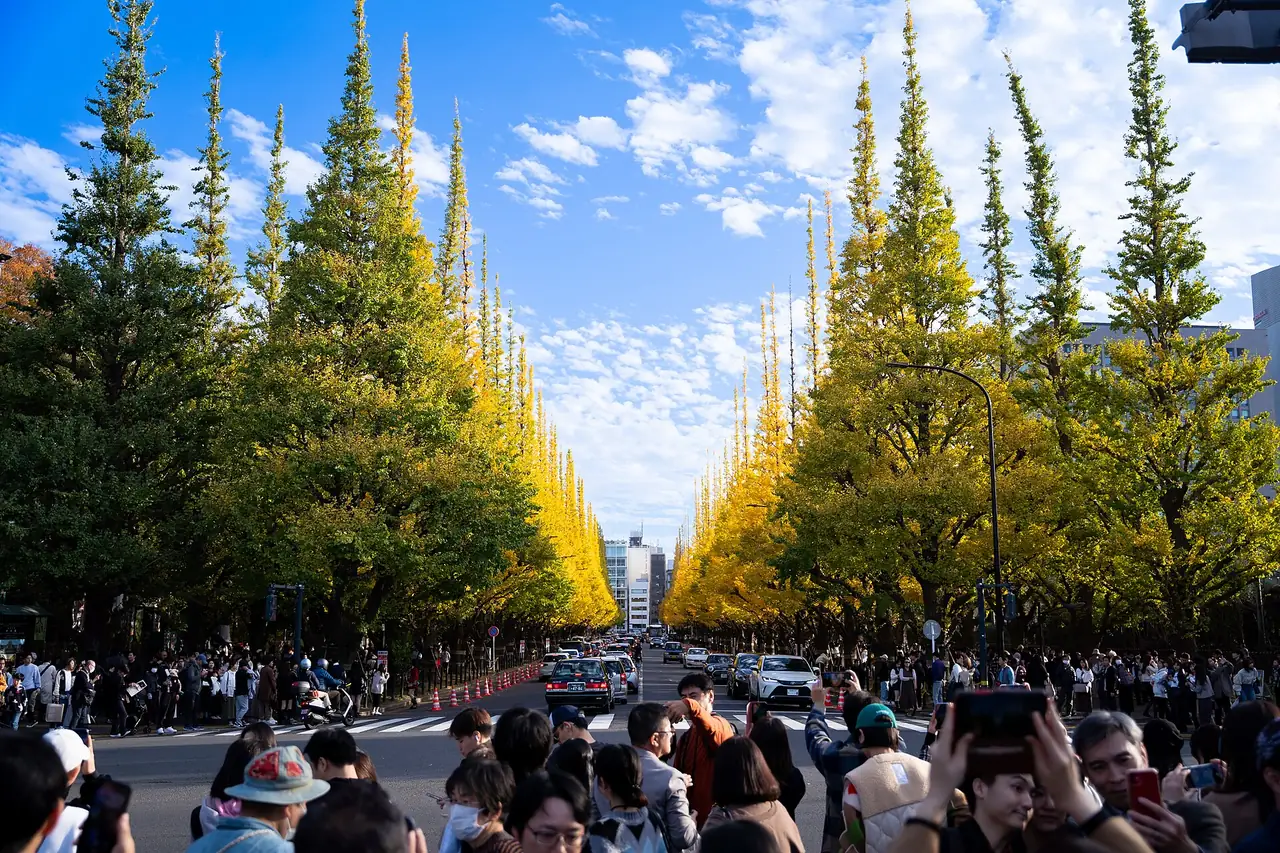
If your trip lands in one of these windows, booking last minute gets genuinely hard. A real-time system helps, but it can't produce guides who don't exist.
What Happens After You Book on Short Notice
The experience itself holds up on short notice. What changes is how much planning happens beforehand.
The Compressed Consultation
After you book, a concierge runs the usual post-booking consultation process, cut down to the essentials when time is short:
-
Pickup location and exact meeting spot
-
Meeting time
-
Number of guests (if changed from booking)
-
Any dietary restrictions or accessibility needs
-
One or two must-see priorities
What You Can Still Customize
Guides are assigned after booking, based on what you tell us. Even with 24-48 hours notice, operators match guides to guests: a food-focused traveler gets a guide who knows food, and a family with kids gets someone used to children.
You won't sit down and design a bespoke itinerary together. You will get to say what matters most, and on the day your guide adjusts for weather, energy levels and whatever catches your interest, the same as on any other booking.
Your Next Step
If you're ready, check availability directly. A real-time system shows what's actually open, with no waiting for confirmation and no pending status.
If you're still comparing operators, look for specific lead times, instant confirmation, and guide details before tour day. Plenty of operators advertise last-minute booking; those three things tell you whose system can actually deliver it.
Frequently Asked Questions
Can I book a Tokyo private tour last-minute?
Yes. Tokyo has a big guide market, and you can find last-minute availability even in peak season, but you give up choice. At 72+ hours ahead you'll have a reasonable selection. Under 24 hours, you're picking from whoever is free rather than whoever suits you best.
How late can I book?
Some platforms take same-day bookings, but same-day means no pre-tour consultation, no customization, and whatever guides are left over. For a good experience, book at least 72 hours ahead, and earlier if you can.
Will last-minute tours be worse quality?
Not necessarily worse, but less well matched. When you book ahead, operators match a guide's expertise to your interests. Book last minute and you get whoever is available. That guide might be excellent, or a poor fit for what you want, and it comes down to luck.
What if I need to book within 24 hours?
Look for real-time availability (not request-based booking), instant confirmation, and operators with several guides. Aggregator platforms (Viator, GetYourGuide) do keep inventory for last-minute bookings. Expect very little customization.
Should I just skip the tour if I can't book in advance?
Not necessarily. For a lot of travelers, a last-minute tour with a decent guide still beats finding their own way around. Just set your expectations: you'll get a competent guide, though maybe not a perfect match. On a short trip where time is tight, even an imperfect tour is worth having.
Where Hinomaru One Fits
You've already seen how our booking works: real-time availability, instant confirmation, and no assignment window, so the tour you book is the tour you get.
At Hinomaru One, we design private Tokyo tours for first-time and seasoned travelers, with plenty of cultural context and none of the stress. Every one is customized and none of them are rushed.
Photo credits
- Crowds walking under full cherry blossoms near Chidorigafuchi in central Tokyo: Guilhem Vellut from Annecy, France / Wikimedia Commons, CC BY 2.0, resized
- Crowds on the golden ginkgo avenue at Meiji Jingu Gaien in late autumn: Dick Thomas Johnson from Tokyo, Japan / Wikimedia Commons, CC BY 2.0, resized


.jpg)
.jpg)