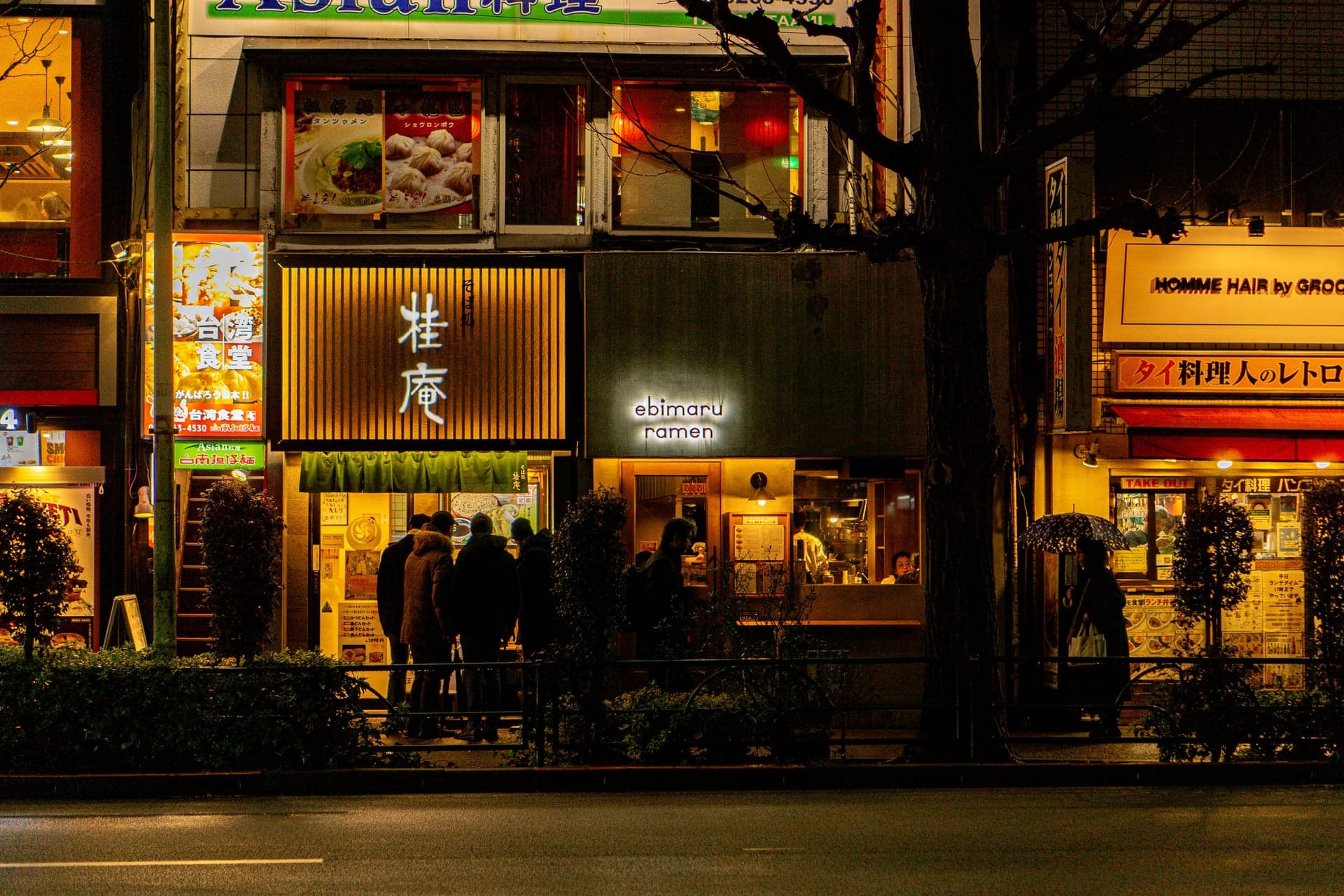
Tokyo has the world's best restaurants. Getting into them is another matter entirely.
The Tokyo restaurants worth flying for mostly don't have nice websites or OpenTable reservations. Tokyo has more Michelin stars than any city on Earth, and the tables people care about are the ones where you call at exactly noon on the first day of the month, know someone who knows the chef, or turn up at 5am to stand in line.
Every place below is documented, reviewed, and famous within Japan. What keeps visitors out is language, connections, timing, and reservation systems that screen out tourists.
The Access Problem
Western food writing tends to treat a restaurant as something you choose. At the top end in Tokyo, the restaurant chooses you, and it has several ways of doing it:
- Phone-only reservations, often in Japanese, during narrow windows (the first of the month, midnight releases)
- Introduction systems, where a regular has to vouch for you
- Membership requirements at some places, which now effectively shut out new customers
- Cash-only policies, common at older institutions and a real problem for travelers who don't carry ¥40,000 in cash
- No-show policies, where some places charge your credit card for the full meal if you miss your slot
The restaurants have reasons for this. A small counter with 8 seats can't absorb a no-show. The chef can't walk you through an omakase in broken English, and the place can't keep its standards if every customer needs the cultural context translated as the meal goes.
To eat at these places, you need months of planning, Japanese fluency, or someone who has both. Tokyo Essentials takes care of the access side (reservations, logistics, explaining the customs) so you can focus on eating.
Ultra-Premium: The Impossible Reservations
People plan whole trips around these restaurants. Whether they're objectively "best" is debatable. They are the hardest to get into, and they carry the most cultural weight.
鳥しき (Torishiki)
Meguro | Tabelog 4.42 | ¥30,000-40,000 | Michelin 1★
Torishiki is known as "日本一予約の取れない焼鳥屋" (Japan's most impossible-to-book yakitori restaurant). It has twelve counter seats. Reservations open on the first of each month, by phone only, with no online booking, no email, and no concierge workaround. The chef grills in front of you in near-silence, and by the end you've had a lesson in chicken anatomy.
You don't choose what you eat. You show up and get 25-30 courses over two hours. If you're a foreigner with no Japanese, the reservation call is the first hurdle.
鮨さいとう (Sushi Saito)
Roppongi | Tabelog 4.5+ | ¥50,000+ | Formerly 3 Michelin stars
Nine seats, and membership-only now. To come back, you have to have eaten there before and been invited back by the chef. The Azabudai branch releases reservations at midnight Japanese time, and those slots are gone in seconds.
Saito lost its 3 Michelin stars because it became too exclusive for the guide's criteria; the quality didn't drop. Many people still consider it the best sushi counter in Tokyo. You just can't get in.
かんだ (Kanda)
Toranomon | ¥Variable | 15+ consecutive Michelin 3-star years | Invitation-only
Chef Hiroyuki Kanda runs what may be the most refined kaiseki restaurant in Tokyo, and one of the most private. It doesn't take phone reservations from first-time diners. An existing regular has to introduce you.
The room is a plain cube of wood and light. After 15 consecutive 3-star years, the cooking is precise enough that a single piece of grilled fish can take 40 minutes. Almost no foreigners eat here without connections.
龍吟 (Nihonryori RyuGin)
Tokyo Midtown Hibiya | ¥80,000-100,000 | 3 Michelin stars 2025
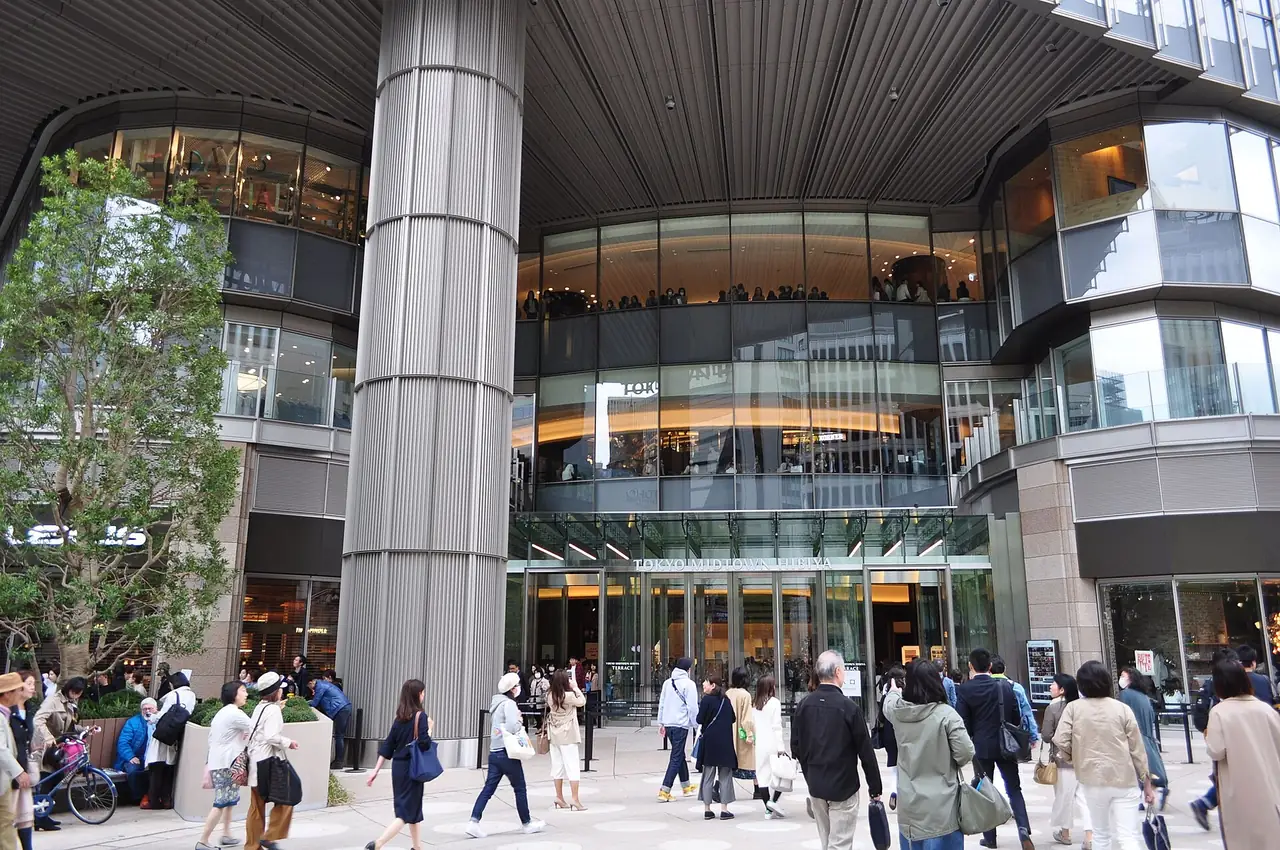
RyuGin moved from Roppongi to Tokyo Midtown Hibiya around 2021, into a glass cube overlooking Hibiya Park. Reservations open at noon on the first of each month for dates two months out, and you're up against every food-obsessed person in Japan for maybe 20 seats per service.
The tasting menu applies molecular techniques to classical kaiseki, and some dishes come in custom-made vessels you're meant to pick up and handle. If you get a reservation, you have to confirm it by phone in Japanese the day before. Miss that call and the booking is cancelled.
鮨よしたけ (Sushi Yoshitake)
Ginza | Tabelog 4.22 | ¥60,000-80,000 | Was 3 Michelin stars (2012-2023)
Yoshitake held 3 Michelin stars for 12 years, dropped to 2 stars in 2024, and withdrew from the guide entirely in 2025. The withdrawal says it doesn't need Michelin's approval, and it's as hard to book as ever.
The style is edomae sushi focused on aged fish: tuna aged for weeks, kohada marinated to exact specifications. The counter seats eight. You get a reservation by calling in Japanese at the right time, or through a luxury hotel concierge who has a relationship with the restaurant, and even then a seat isn't guaranteed.
World's 50 Best: International Recognition
These restaurants are famous worldwide, and oddly that makes them easier to book than the top Japanese institutions. They have English-speaking staff, international PR, and reservation systems built for guests from abroad.
SÉZANNE
Four Seasons Marunouchi | #7 World's 50 Best 2025, #1 Asia's Best 2025, 3 Michelin stars (new in 2025) | Daniel Calvert (British chef)
SÉZANNE is the newest 3-star in Tokyo, and Calvert is the first British chef to earn three stars in Japan. The food is French cooking with Japanese ingredients: Hokkaido venison, A5 wagyu, seasonal vegetables from Kyoto. The dining room is on the 7th floor of the Four Seasons and looks over the Imperial Palace moat.
Reservations are hard but possible, through the Four Seasons concierge, luxury travel agencies, or the restaurant's own booking system. Staff speak English. It's expensive, though not at Torishiki's level. Among Tokyo's top restaurants this is the "accessible" end, if your idea of accessible includes a ¥50,000 tasting menu.
NARISAWA
Minato-ku | #21 World's 50 Best | 2 Michelin stars + Green Star | Tabelog 4.30
Chef Yoshihiro Narisawa pioneered "innovative satoyama cuisine," built around Japanese landscapes, foraged ingredients, and environmental sustainability, which is what the Green Star recognizes. The cooking has some theater to it: bread baked at the table in hot stones, dishes that "bloom" when the sauce is poured.
You can book online through the restaurant's English website, which makes NARISAWA one of the few top Tokyo restaurants with a booking system that works for international guests. The downside is that you'll be surrounded by other tourists instead of Japanese regulars. The food is excellent, and the room feels less intimate than the places above.
Florilège
Azabudai Hills | #36 World's 50 Best | 2 Michelin stars | Tabelog 3.87
Florilège moved to Azabudai Hills in 2023 from a smaller space in Shibuya. Chef Hiroyasu Kawate serves modern French food with Japanese influences, small plates that lean on vegetables and look striking. The new space is bigger and easier to book than the old one.
By the standards of Tokyo's top tier, Florilège is easy: online reservations (with some patience), an English menu and service, and prices below the 3-star level. Its Tabelog score (3.87) is lower than the Japanese institutions' because Tabelog users tend to prefer pure Japanese cuisine to French fusion. For a Western visitor, it's one of the easiest of the "best restaurants in Tokyo" to actually eat at.
傳 (Den)
Jingumae | 2 Michelin stars | Tabelog 4.35
Den was #1 on Asia's 50 Best in 2022. It's still #22 on Asia's 2025 list, though it missed the global top 50. It's famous for chef Zaiyu Hasegawa's playful kaiseki, which ignores a lot of the rules: dishes that look like salads and turn out to hide other components, unexpected textures, jokes on the plate.
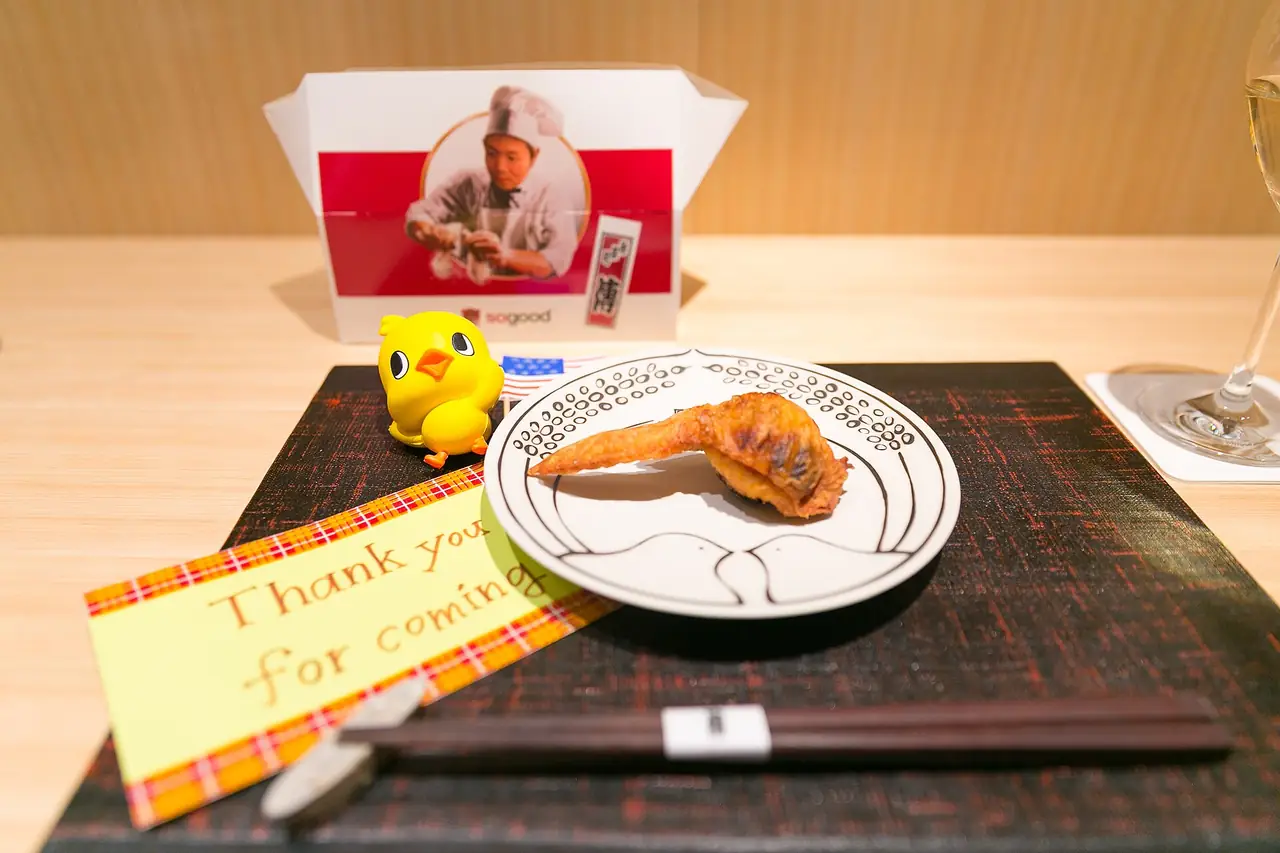
Reservations are by phone, in Japanese, only, which sets it well apart from NARISAWA and Florilège. Den is a Japanese institution that runs on Japanese terms and doesn't cater to international tourists, so you have to call in Japanese at the right time. Its Tabelog score (4.35) is one of the highest in Tokyo, and Japanese diners love it. Compare Den with NARISAWA if you want to see how "international top 50" differs from "Japanese top 50."
Tabelog Legends: What Japanese Diners Actually Care About
Tabelog is Japan's dominant restaurant review site. Scores above 4.0 are rare, and above 4.5 is legendary. The restaurants below score higher on Tabelog than most Michelin 3-stars, and they're harder to book too.
Yakitori
かさ原 (Kasahara) | Kagurazaka | Tabelog 4.55 | ¥30,000-40,000 | 3 Gold awards
Yes, Kasahara scores higher on Tabelog than Torishiki. It's a tiny counter restaurant in Kagurazaka, and many people think its yakitori is the best in Tokyo. It holds three Tabelog Gold awards, the site's highest honor. To get in, you book months ahead, in Japanese, through a phone-only system.
鳥さわ22 (Torisawa22) | Introduction-only | Awa-ori chicken
First-time visitors can't book Torisawa22. It runs on an introduction system, so a regular has to vouch for you. The specialty is Awa-ori chicken, a heritage breed from Tokushima.
Ramen
麦苗 (Muginae) | Tabelog 4.09 | Additive-free chicken broth
Most Tokyo ramen is built on standard industrial soup bases. At Muginae, the chef makes a pure chicken broth from scratch every day with no additives or shortcuts. The ramen is cleaner, subtler, and more expensive than the usual bowl, and the wait can go past 2 hours.
しば田 (Shibata) | Tabelog 4.01 | Moved to Komae in 2024
Shibata is one of the highest-rated ramen shops in Tokyo. In 2024 it moved from its original location to Komae in western Tokyo, which thinned the crowds a little. The quality held, and ramen fans still travel an hour from central Tokyo for a bowl. There are no reservations, so you queue.
Soba
手打蕎麦 じゆうさん (Jiyusan) | Higashi-Nagasaki | Tabelog 4.01
Handmade soba in a residential neighborhood far from the tourist areas. The noodles are cut fresh for each order, and mass-produced soba can't match the texture. Booking is manageable, but you'll spend 40 minutes on trains each way to get there.
蕎麦おさめ (Osame) | Mejiro | Tabelog 3.94
Osame is near Mejiro Station, in a quiet corner of central Tokyo, and serves classic Edo-style soba with close attention to texture. The problem is space. There are maybe 12 seats, and even with quick turnover you'll wait at peak times. Cash only.
Tempura
たきや (Takiya) | Azabu-Juban | Tabelog 4.52 | "Steam-like" texture | Former Ritz-Carlton chef
Takiya has one of the highest Tabelog scores in Tokyo. The chef trained at the Ritz-Carlton before opening his own place. His tempura has an unusual "steam-like" texture, lighter and softer than the crisp batter you'd expect. Reservations are by phone, in Japanese only, and hard to get.
てんぷら深町 (Tempura Fukamachi) | Kyobashi | Tabelog 4.11 | 50 years
A 50-year-old institution serving classic tempura done perfectly, with nothing flashy. They serve a fixed number of customers per service, and once those slots are gone, you're out of luck. Cash only.
てんぷら近藤 (Tempura Kondo) | Ginza | Tabelog 4.08 | Vegetable-focused
Kondo is known for treating vegetable tempura as seriously as seafood. The chef spent years working out techniques for eggplant, corn, and seasonal vegetables, and they hold their own against his shrimp and fish. Being in Ginza makes it easier to reach than some, but reservations are still hard to get, and there's not much English.
Lunch Value: Eating at Michelin Places for Less
Several high-end Tokyo restaurants serve lunch at 40-65% below their dinner prices. The food is often the same or close to it. In exchange you get a shorter menu, a more casual room, and a faster pace.
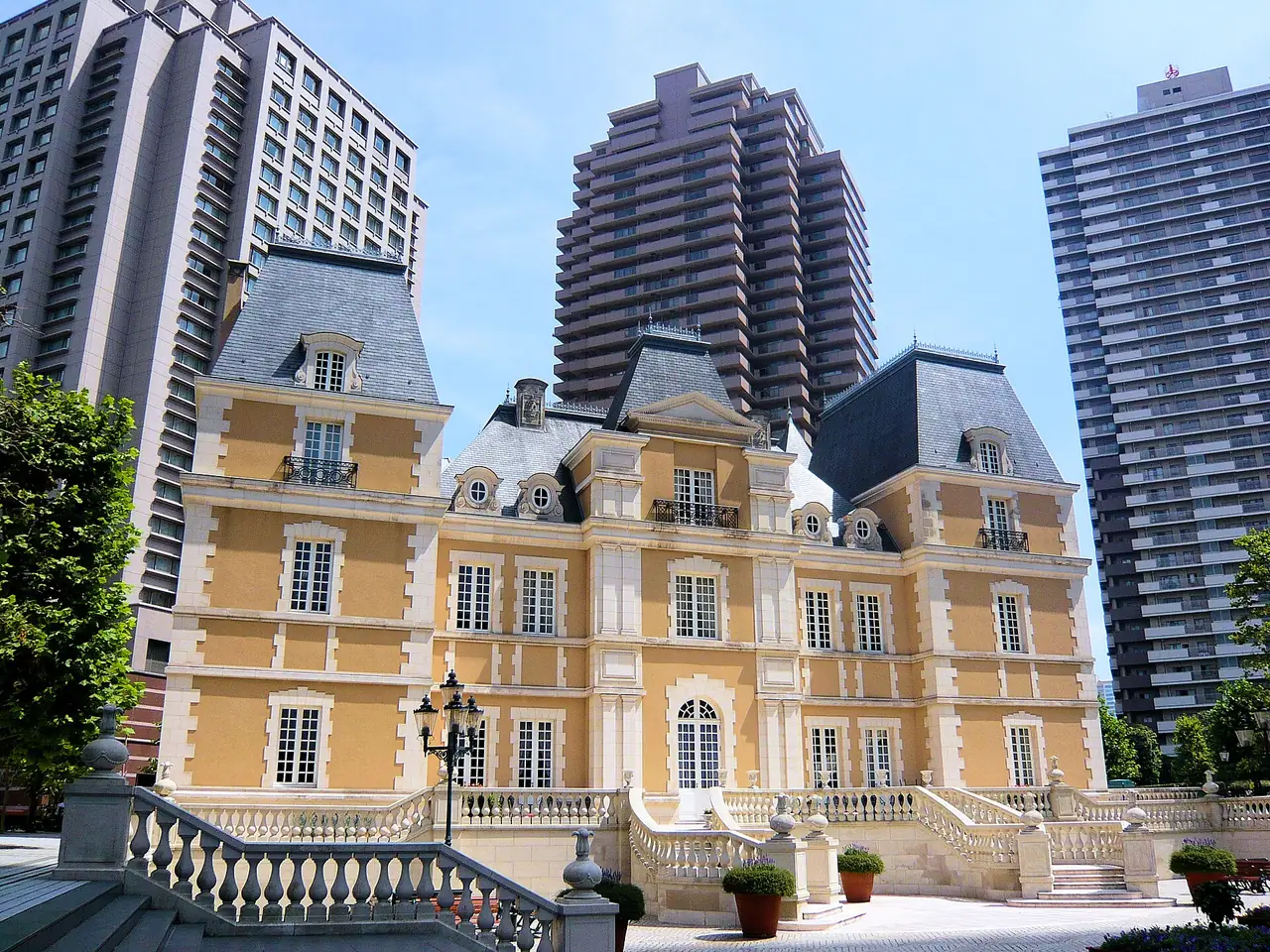
Joël Robuchon: ¥7,150 lunch vs ~¥20,000 dinner (65% savings). The late Joël Robuchon's Tokyo restaurant still serves very precise French haute cuisine, and lunch here costs less than a mid-range dinner in Paris.
銀座レカン (Ginza L'Equateur): ¥10,000-18,000 lunch vs ¥22,000-34,000 dinner. French cooking with Japanese ingredients. Local office workers fill the lunch service, so book well ahead.
l'intemporel: ¥8,800 lunch vs ~¥20,000 dinner. Modern French in a minimalist room. For cooking at this level, the lunch set is one of the best deals in Tokyo. Reservations open 60 days out and fill within hours.
Restaurant L'aube: ¥7,260 lunch vs ~¥15,000-20,000 dinner. Classic French technique in a quiet residential corner of Tokyo. You'll see few tourists at lunch, mostly locals who've been coming for years.
abysse: ¥7,000 lunch vs ~¥15,000 dinner. French food centered on seafood, in a casual setting. The lunch menu is short and shows off what the chef does with fish. Walk-ins are sometimes possible, but book if you can.
Cash-Only Institutions
Some of Tokyo's best restaurants don't take credit cards, and they don't intend to. Locals pay cash, and tourists who don't carry enough yen get turned away.
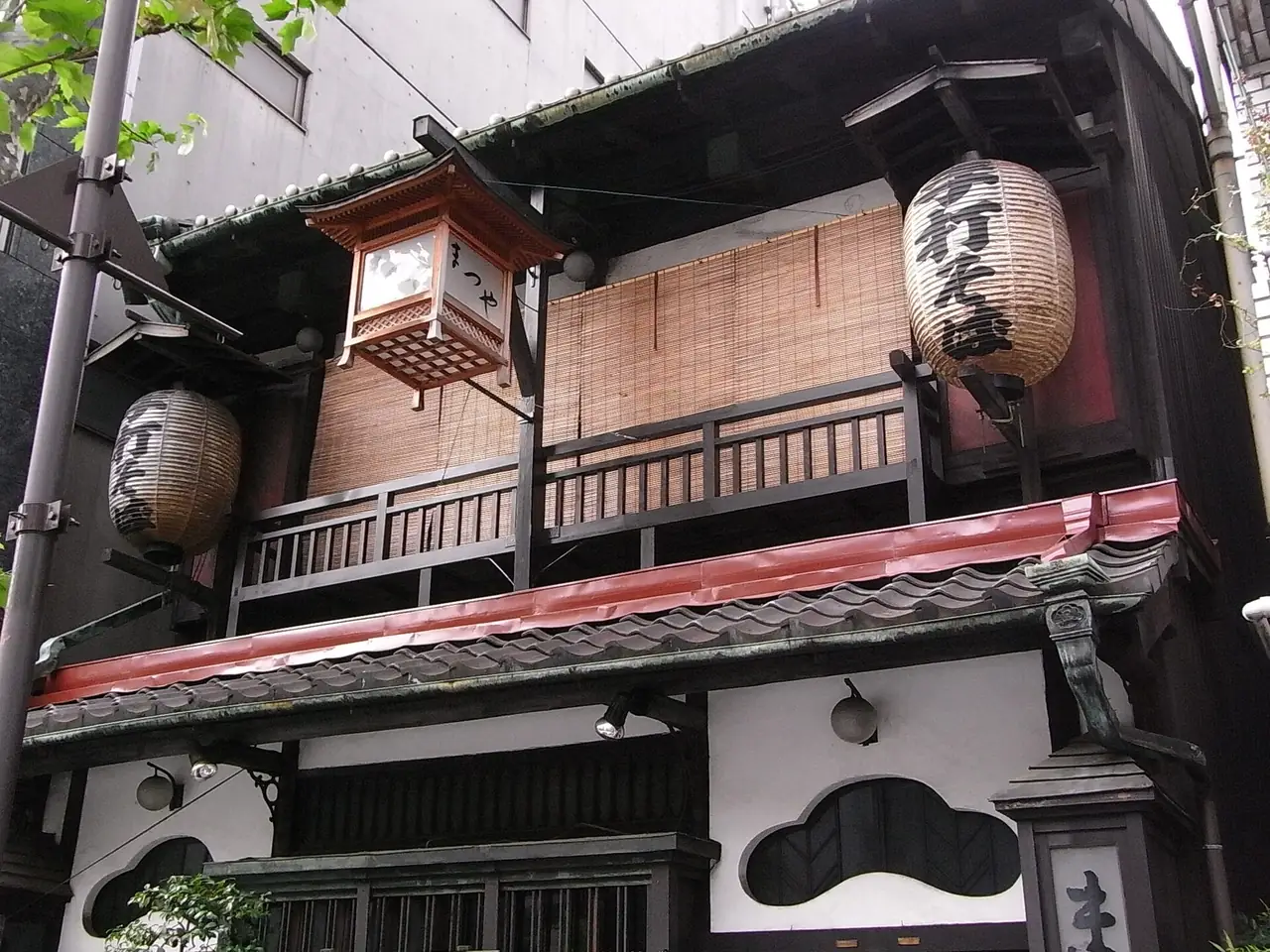
松屋神田 (Matsuya Kanda): Kanda, handmade soba since 1884. It's one of Tokyo's oldest soba shops, and the noodles are still made by hand every morning using techniques passed down through generations. Walk-ins are accepted, and pointing works fine for ordering. What catches people out is payment: it's cash only, and a full meal with sake can run ¥8,000-10,000.
とん吉 (Tonkyu): Near Senso-ji, tonkatsu. A tonkatsu specialist in Asakusa, within walking distance of Senso-ji. The pork comes from specific farms and is breaded fresh and fried to order. It's cash only, and at peak tourist hours the line can run past an hour.
The Access Gap
Every restaurant above is written up in English. You can read about them on Eater, Tabelog, and food blogs. Reading about them doesn't get you a table, though.
Most Western visitors to Tokyo eat at restaurants they can book online (OpenTable, TableCheck, the hotel concierge), restaurants with English websites and menus, and restaurants in guidebooks and tourist areas. There's nothing wrong with those, but they aren't the restaurants that define Tokyo's food culture. The places above run on Japanese terms: phone calls in Japanese, relationships built over years, and introduction systems that screen for cultural fit.
If you want to eat at them without spending months learning how their reservations work, you have three options:
-
Stay at a luxury hotel. The Peninsula, Aman, and Four Seasons all have concierge desks with restaurant relationships. This works for maybe 30% of the places above.
-
Hire a specialist. Services like TableAll and Viifly book for foreigners at a markup. They don't work with every restaurant, and the most exclusive places (Torishiki, Saito) may still be out of reach.
-
Go with someone who has access, whether that's a guide, a local friend, or a service that specializes in getting people into restaurants.
Kushiyaki Confidential covers yakitori and other grill restaurants, including places like Torishiki that are normally closed to people who don't speak Japanese. Standing Room Only covers standing bar culture, the tachinomi and izakaya where locals actually drink. Both are built around getting you through the door, more than around a list of dishes.
Conclusion
Tokyo has the best restaurants in the world and the most convoluted reservation systems, so knowing about a restaurant gets you less far here than anywhere else.
The 25 restaurants above are worth the flight, the planning, the language barrier, and the months of lead time. You just can't reach them through the channels you'd use in New York, Paris, or London.
Most people would love to eat at Torishiki or Kanda or Sushi Saito. Fewer are willing to do what it takes to get a seat.
If you are, start planning six months out, and either learn the reservation systems or hire someone who knows them. If you aren't, that's fine too. Tokyo has thousands of excellent restaurants that don't need months of planning. Just keep in mind that "I ate at a restaurant with a Michelin star" and "I ate at one of Tokyo's best restaurants" overlap less than you'd think.
Photo credits
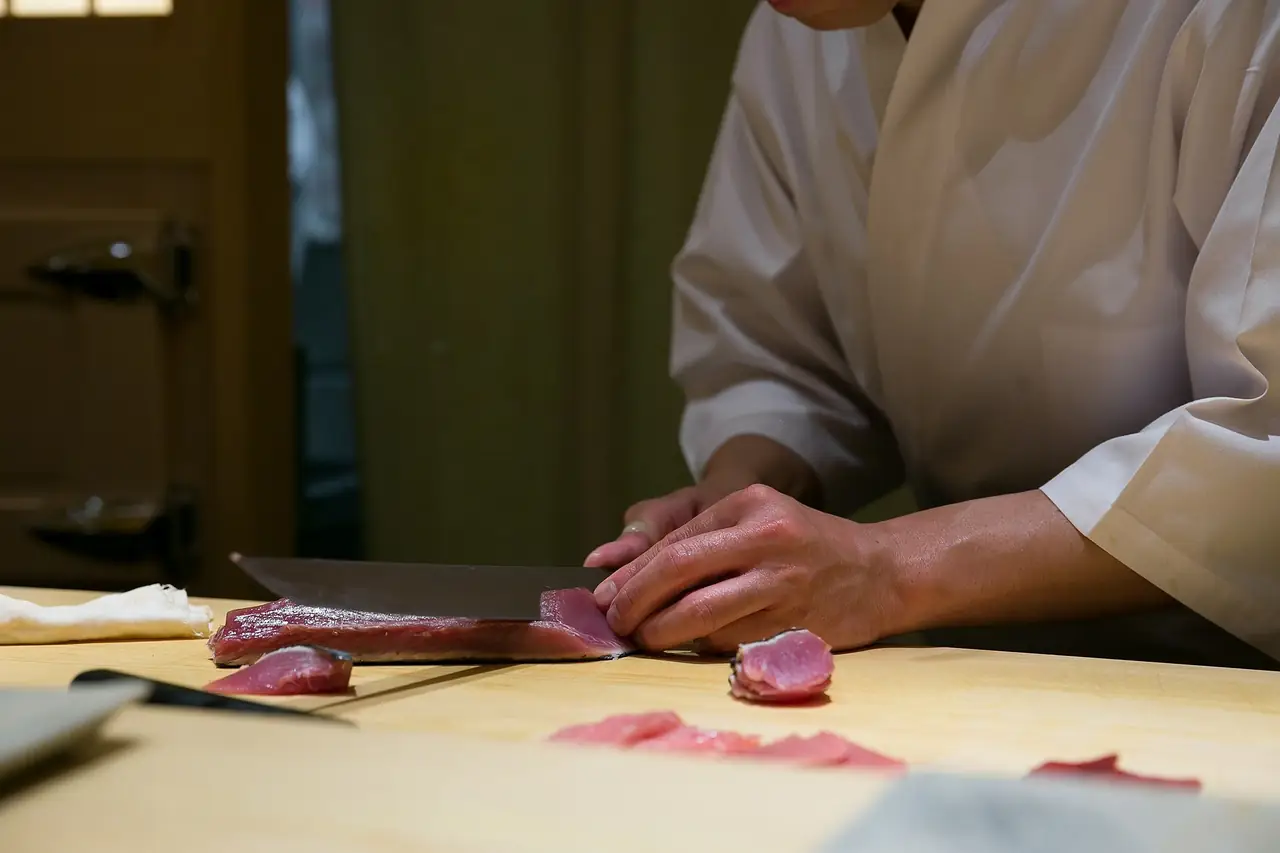
- A chef at Sushi Saito slicing tuna on the wooden sushi counter: City Foodsters / Wikimedia Commons, CC BY 2.0, resized
- The glass entrance of Tokyo Midtown Hibiya, the building RyuGin moved into: 江戸村のとくぞう / Wikimedia Commons, CC BY-SA 4.0, resized
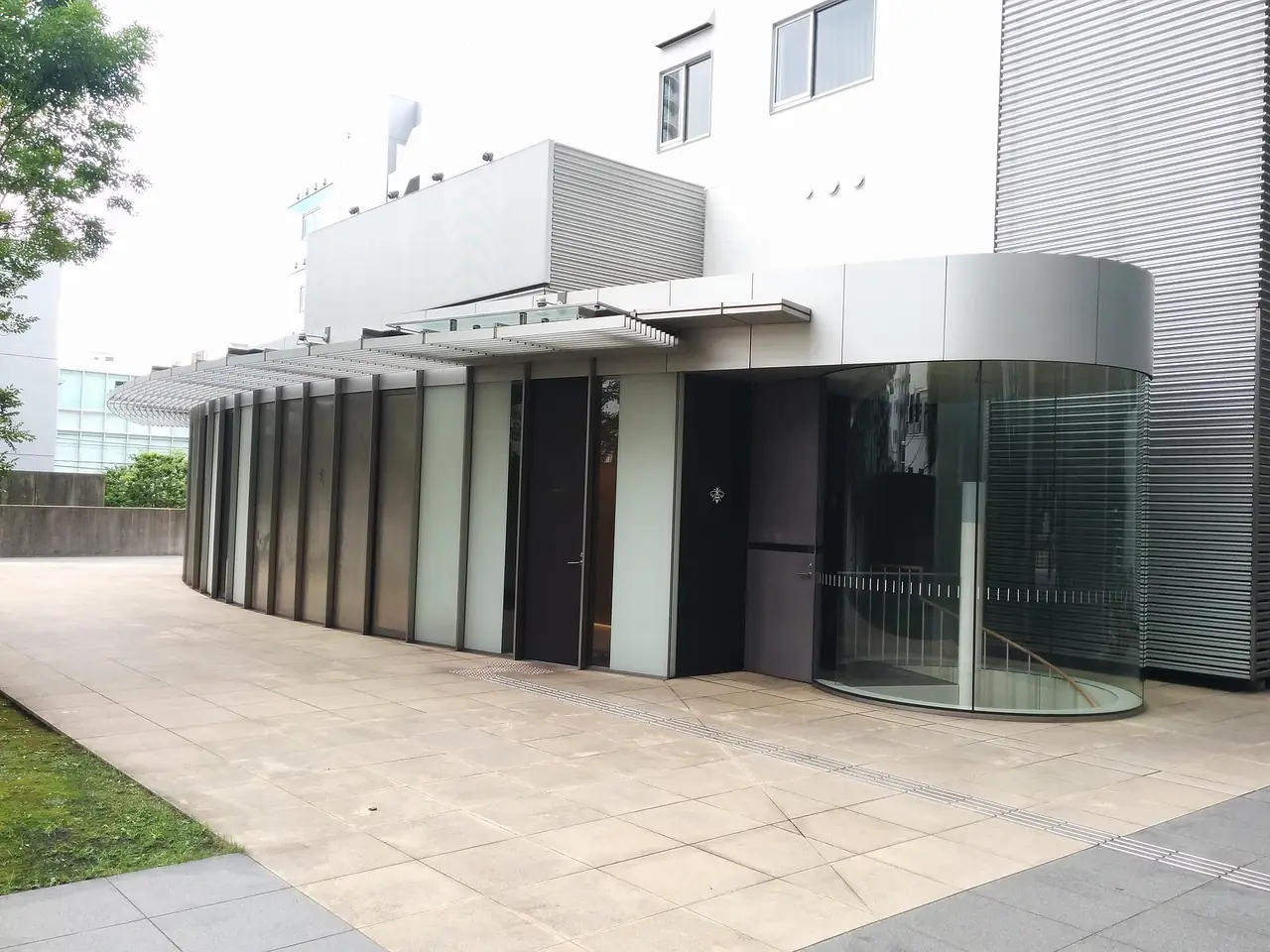
- The curved glass and stone frontage of NARISAWA restaurant in Minami-Aoyama: Pocsywe / Wikimedia Commons, CC BY-SA 4.0, resized
- Den's playful stuffed fried chicken wing served in a branded box with a thank-you note: City Foodsters / Wikimedia Commons, CC BY 2.0, resized
- The French chateau at Yebisu Garden Place that houses Joël Robuchon's Tokyo restaurant: Stéfan Le Dû (Commons User Page) / Wikimedia Commons, CC BY-SA 2.0, resized
- The traditional wooden facade and lanterns of Kanda Matsuya soba shop: 江戸村のとくぞう (Edomura no Tokuzo) / Wikimedia Commons, CC BY-SA 4.0, resized
.jpg)


.jpg)

