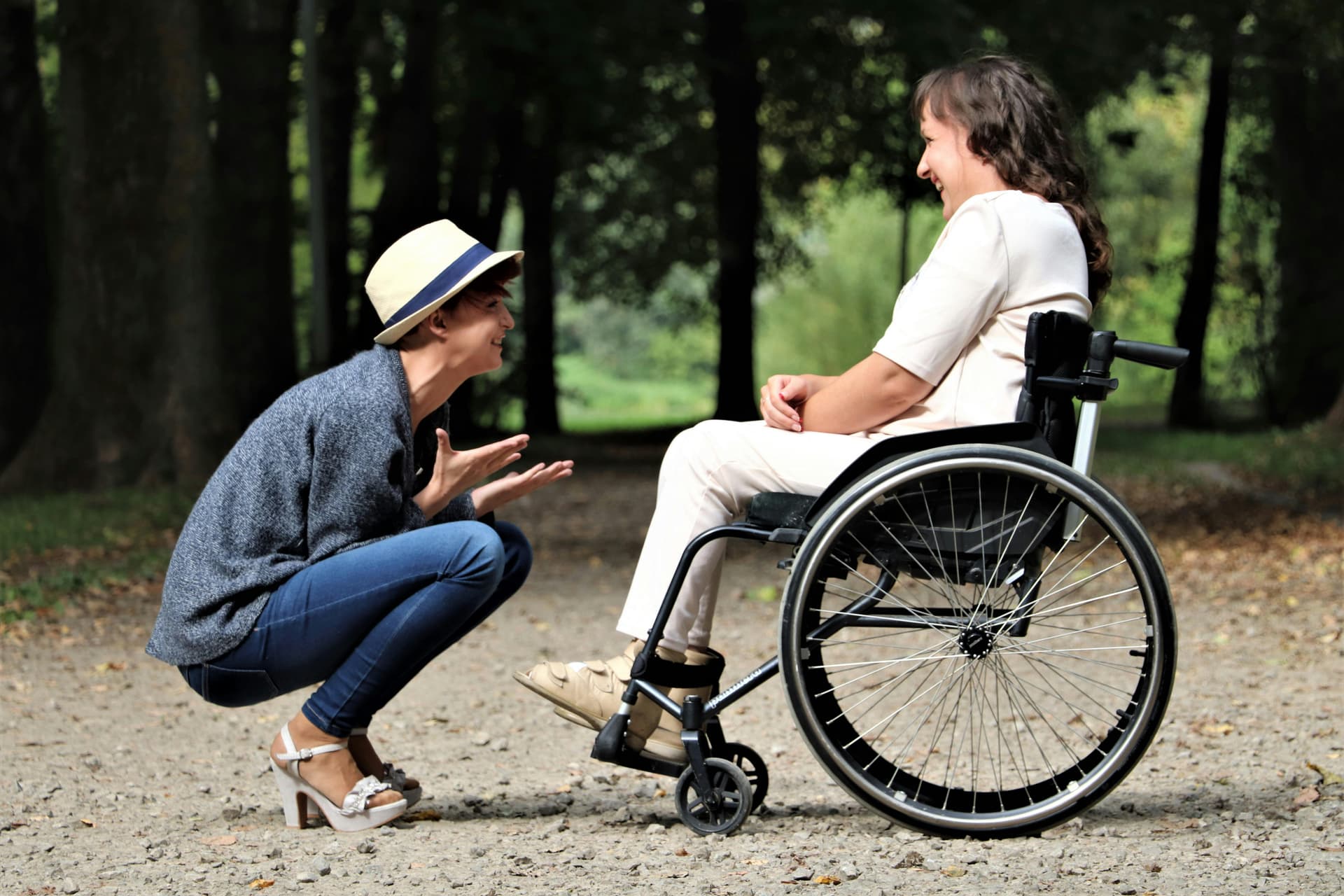
Tokyo's accessibility isn't about infrastructure — it's about knowing which station exits have elevators, which restaurants are actually navigable, and which routes avoid hidden barriers.
Accessibility in Tokyo with a private tour mostly comes down to information. Elevators exist at 98% of stations, but a guide knows which exit has the elevator, which restaurant layouts work, and which routes avoid hidden stairs.
Tokyo has elevators in 98% of its subway stations. The hard part is finding the exit that has one, the restaurant with a bathroom you can reach, and the temple route that skips the hidden stairs. Everyone gets the same infrastructure. A Tokyo trip stays manageable when someone has already mapped the accessible 30%, so you aren't wandering through the inaccessible 70% and hoping the published information is right.
Tokyo's Accessibility Is Real — But Conditional
The Infrastructure Does Exist
Tokyo Metro finished installing elevators at 177 of 180 stations by 2020, which is 98% coverage. Toei Subway went further and put elevators in all of its stations. The Oedo Line, Tokyo's newest, has boarding slopes at every station, at every door near the wheelchair areas. The Yamanote Line, which loops through the major tourist spots, has elevators almost everywhere. Even the Ginza Line, the city's oldest, has been heavily renovated.
The elevators exist and so do the accessible routes. Station staff bring portable ramps for boarding and call ahead so someone is waiting at your destination station. Wheelchair-accessible taxis charge the standard meter rate with no premium.
Why "98% Accessible" Is Misleading
Tokyo Metro defines "one-route" as a station that "assures one or more route connecting the 'Ground to Gate to Platform' using an elevator, slope, stairlift, or a wheelchair-accessible escalator." A station counts as accessible with exactly one such route.
That single accessible path is rarely near the main entrance. The elevator could sit inside a department store with an underground passage to the station, or three blocks from where you expected it. At Ebisu Station, a wheelchair user reported it took nearly an hour to find the elevator. Once you know where it is, the station is perfectly usable. The first time takes local knowledge or a lot of patience.
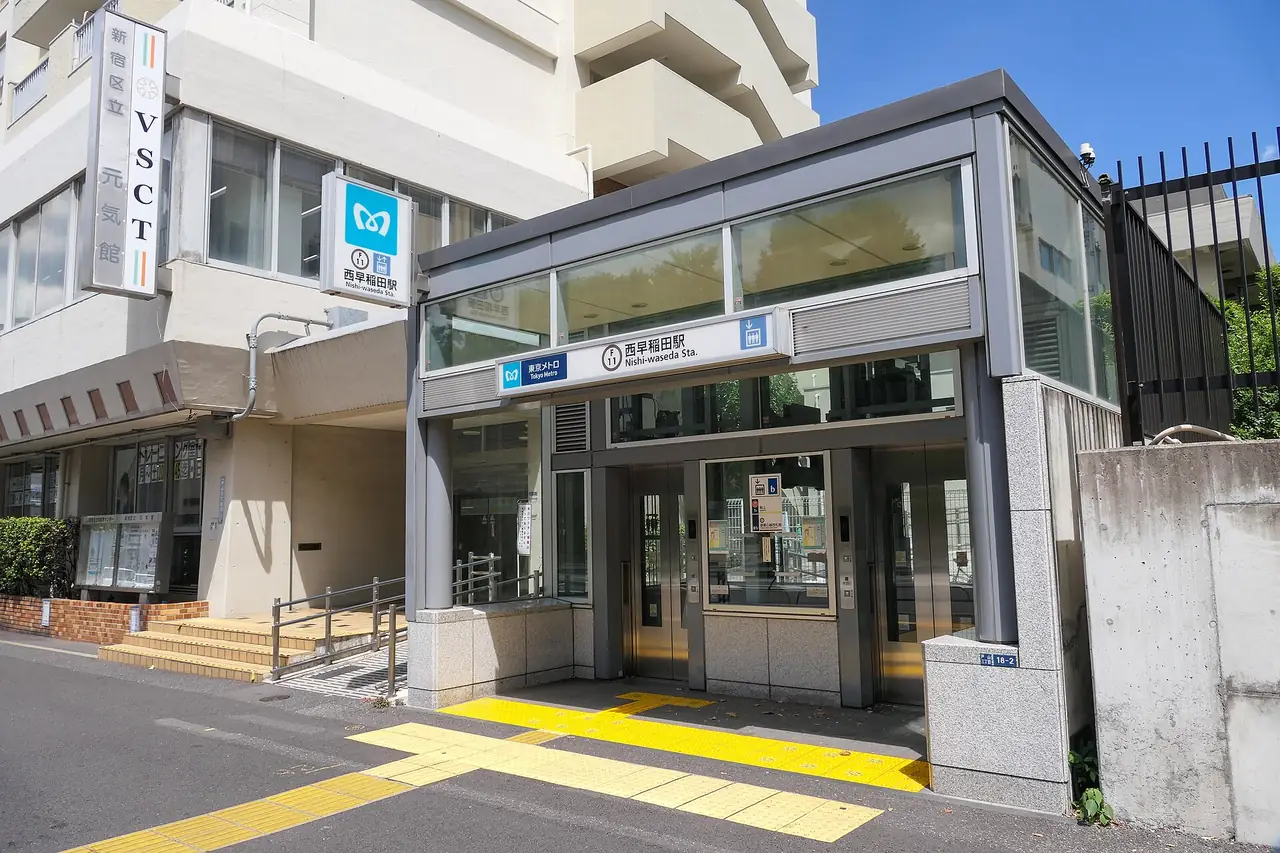
Rush hour makes it worse. Elevators that exist on paper are practically unusable when packed with commuters between 7-9 AM and 5-7 PM. Before 7 AM the crowd pressure drops.
The Four Accessibility Gaps No One Tells You About
| Gap | What Exists | What's Missing | Result |
|---|---|---|---|
| Station Elevators | 98% of stations have elevators | Location info, signage to elevator entrance from street | Spending 30-60 min finding elevator that's "inside a department store passageway" |
| Restaurant "Accessibility" | Many restaurants labeled "accessible" | Standard definition of what accessible means | Level 1 ("we won't refuse you"), Level 2 ("flat entrance"), or Level 3 ("designed for wheelchairs"), and you can't tell which until you arrive |
| Temple Routes | Accessible paths exist at major sites | Published info on which entrance to use | Attempting 700m gravel main path vs knowing about paved side entrance |
| Timing | Elevators work during off-peak hours | Real-time usability during rush hour | Accessible at 7 AM, effectively unusable at 8 AM when packed with commuters |
Gap 1: Station Elevator Access
Station elevators tend to be inside commercial buildings or department stores, with underground passageways down to the platform. They are not at the obvious entrance or next to the main ticket gates.
Asakusa has several stations on different lines. Ginza Line Exit 1 has an elevator, but come out of a different line without checking and you get stairs. Harajuku Station has an elevator only at the Omotesando entrance, while the main entrance has limited or no elevator access. Tokyo Station has 15+ elevators across multiple levels, and reaching the right one takes either a detailed station map or someone who knows the route. Shinjuku's elevators cluster around the South Exit and New South Exit, but with 200+ exits overall, finding them without guidance takes time.
Station staff help once you reach the ticket gate. Finding the elevator entrance from street level is the hard part.
Gap 2: Restaurant "Accessibility"
Tokyo has no standard definition of an "accessible restaurant." The label covers a spectrum:
-
Level 1: "We won't turn you away." There is a step at the entrance, a tight doorway, and tables close together.
-
Level 2: "Flat entrance." The bathroom is down a flight of stairs and the space is still cramped.
-
Level 3: "Actually designed for wheelchairs." This is rare outside chains (Gusto, Saizeriya, Jonathan's), hotels, and department stores.
Hotel "accessible" rooms have the same problem. One traveler found the shower controls out of reach from a wheelchair. Another "lost count of the number of hotels" that claimed accessibility but had no true roll-in shower.
The most reliable wheelchair-accessible dining is on the restaurant floors of department stores (Takashimaya, Isetan, Mitsukoshi) and in family restaurant chains. They are less intimate than neighborhood spots, but you know what you'll get.
Gap 3: Temple Routes
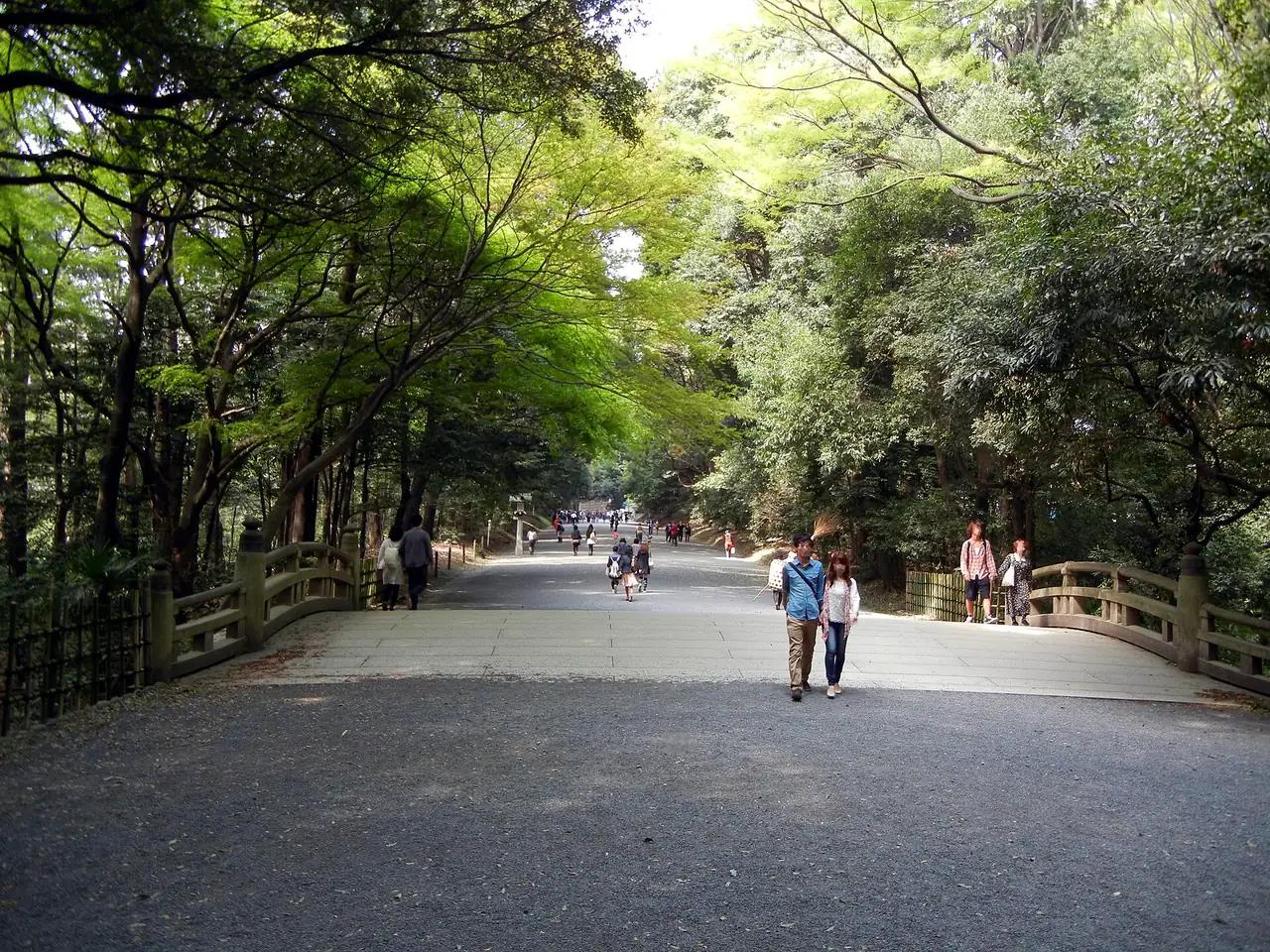
Meiji Shrine's main approach is a 700-meter gravel path. Electric wheelchairs manage it, and manual wheelchairs struggle. The side garden entrances have better surfaces.
The same thing happens at temples and shrines across Tokyo. The ceremonial entrance is rarely the accessible one, and the accessible path isn't on tourist maps.
Gap 4: Timing Dependencies
An elevator that works at 7 AM is effectively out of reach at 8 AM when rush hour hits. Tokyo Skytree's observation deck is physically accessible, but the huge crowds create navigation problems that have nothing to do with ramps or elevators.
For detailed timing strategies, see Best Time of Day for Tokyo Private Tours.
What Private Guides Actually Do (It's Not What You Think)
| Station Staff Provide | Private Guides Provide |
|---|---|
| Portable ramps for boarding | Knowing which exit has the elevator |
| Escort to platform via staff elevators | Which restaurants are Level 3 accessible |
| Call ahead to transfer/destination stations | Which temple entrance avoids gravel |
| Physical assistance at ticket gates | Backup plans when first choice fails |
You don't need a private guide for physical assistance. Station staff handle that across Tokyo Metro and JR lines. A guide fills the information gap: the documented accessible 30%, so barriers are known before you reach them.
Most of that work happens before the tour:
-
Elevator locations confirmed before the tour, not found during it
-
Restaurant doorways measured, bathroom accessibility verified by phone
-
Route tested in advance with timing documented
-
Backup routes identified for every segment
When you arrive at Asakusa Station, the guide doesn't help you board the train. Station staff do that. The guide makes sure you exit at the entrance that has the elevator (Exit 1 on the Ginza Line) and not the one that requires stairs.
When Tokyo's Accessibility Challenges Physical Mobility
What Elevator Coverage Doesn't Solve
Elevators get you to the platform. They do nothing for gravel paths at shrines, crowds at tourist sites, or the distances between destinations.
Tokyo keeps improving its infrastructure, but Yanaka's narrow streets and centuries-old temple grounds have kept their old layout, and much of it isn't accessible.
The Accessibility/Authenticity Tradeoff
The most reliable wheelchair-accessible restaurants are chains and department stores. The most atmospheric spots, such as Kagurazaka's hillside alleys, Yanaka's izakayas, and family-run neighborhood cafes, have steps, tight doorways, or cramped interiors. Omoide Yokocho and Golden Gai in Shinjuku, with their narrow lanes and tiny counter-only bars, aren't wheelchair accessible at all.
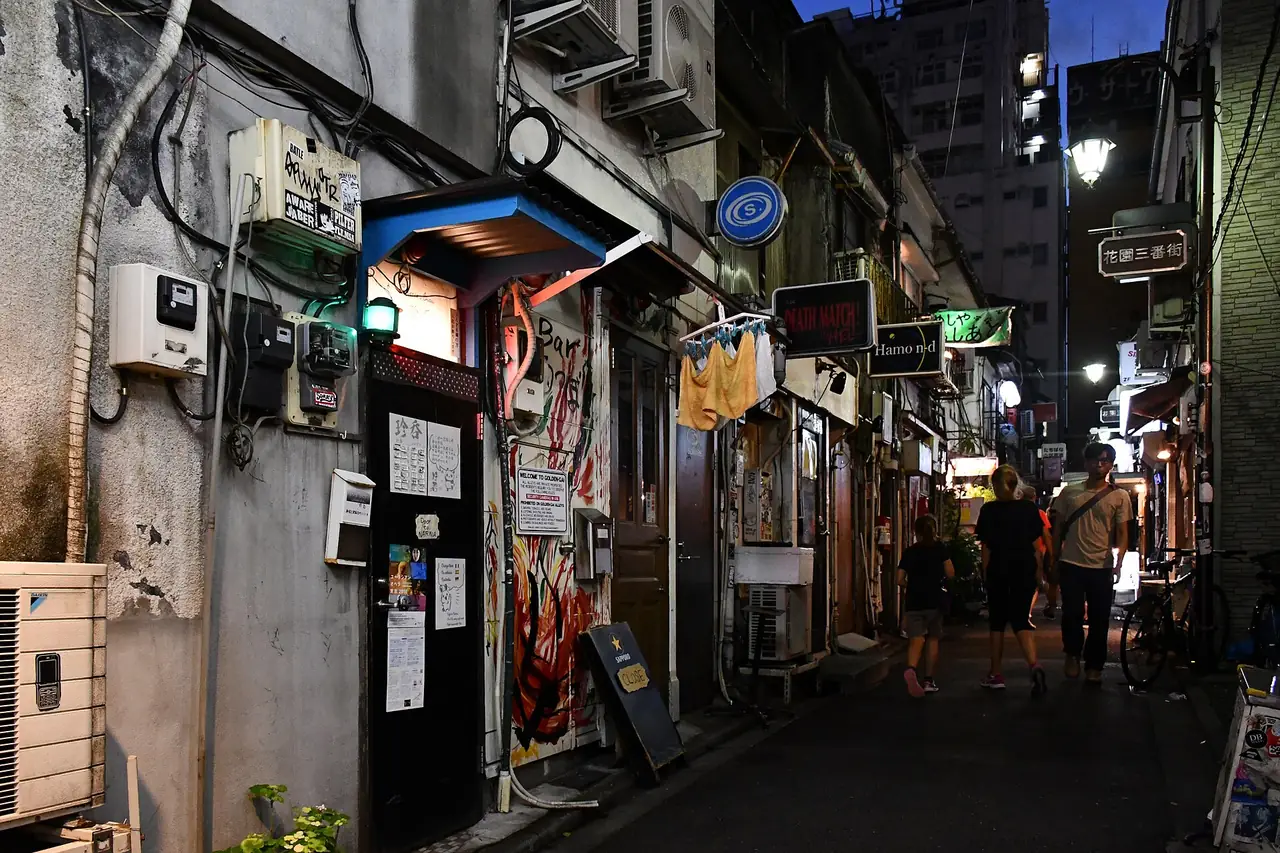
Neighborhoods split the same way. Modern Tokyo (Roppongi, Shibuya, areas near major stations) has newer buildings and consistent elevator access. Old Tokyo (Yanaka, parts of Asakusa's side streets) has narrow sidewalks and uneven terrain.
A private guide can't remove that tradeoff. They tell you about it in advance so you can decide which experiences are worth the effort.
Different Mobility Needs, Different Tokyo Challenges
Tokyo's accessibility infrastructure treats different mobility needs differently. That matters especially for elderly travelers and families with young children.
Multigenerational groups have a harder job: routing for mobility needs while keeping kids engaged and managing everyone's energy. We cover that in our multigenerational Tokyo tour guide.
Wheelchairs need elevator routes and flat surfaces. Major temples, department stores, modern neighborhoods, and observation decks (Shibuya Sky, Tokyo Skytree) work well. Gravel paths, narrow restaurant aisles, and traditional neighborhood alleys don't.
Walkers and canes can manage stairs with railings but need rest breaks and stable surfaces. Long distances without places to sit and uneven temple grounds are where they struggle.
Limited stamina calls for shorter segments with breaks built in. Rushed itineraries and long stretches of walking don't work. For pacing, see full-day vs half-day tours.
We plan the route around your specific constraint, whatever a venue's "accessible" label says. Tokyo is more accessible than its reputation suggests, but it isn't barrier-free, and planning mostly buys you predictability.
Accessibility Beyond Physical Mobility — Anxiety and Sensory Needs
Why Tokyo Triggers Anxiety
Tokyo is huge, and that makes navigation uncertain. The train system is enormous, the crowds are dense, the language barrier is real, and every decision (which exit, which line, whether this restaurant is appropriate) carries some risk in a foreign city.
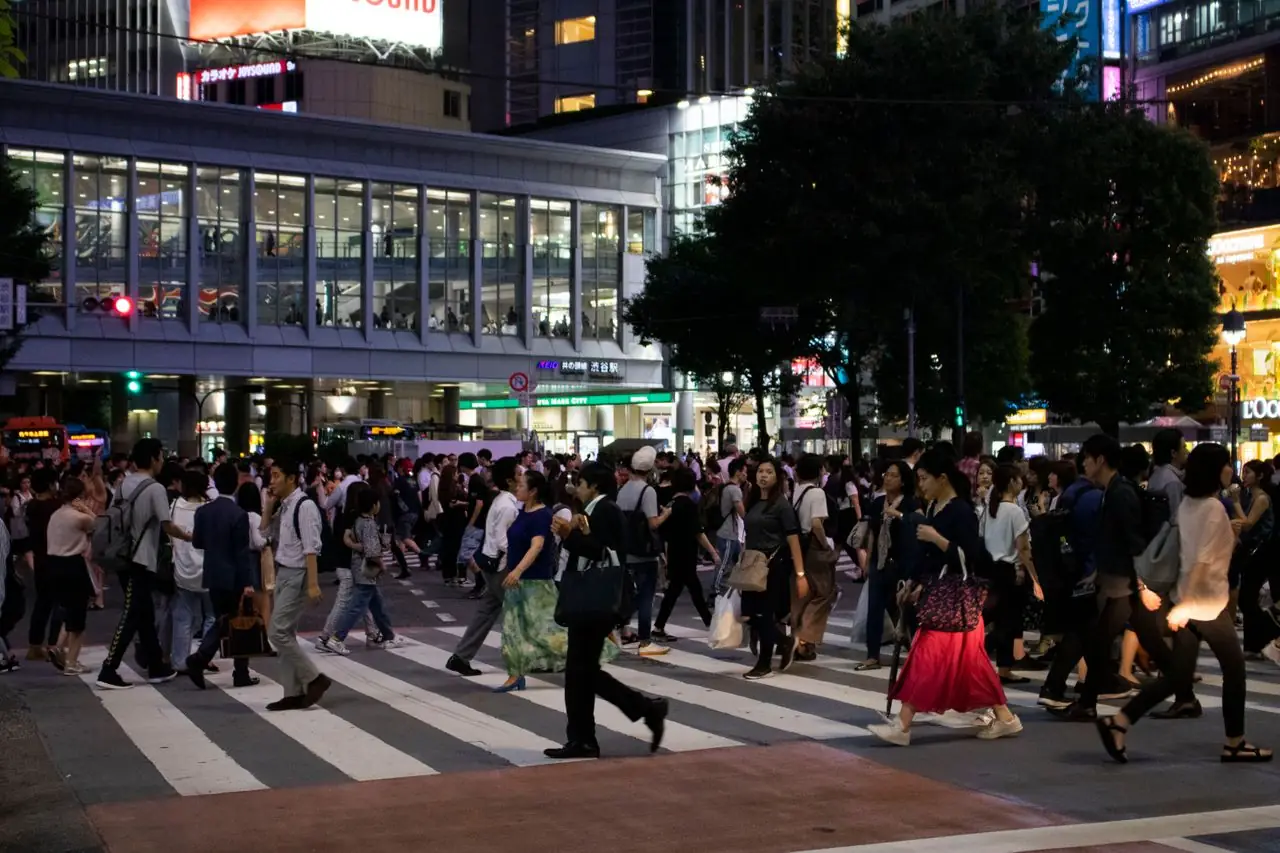
For travelers with crowd anxiety, a fear of getting lost, or discomfort with social interaction, Tokyo hits every trigger: thousands of people at Shibuya Crossing, 50+ exit stations without clear English signage, menus you can't read, tight rush-hour trains, constant sensory input. The infrastructure can be fully accessible and the environment still overwhelming.
How Private Tours Reduce Sensory Overload
-
Early morning timing: 7 AM starts at Meiji Shrine or Tsukiji mean fewer people, a quieter atmosphere, and less sensory input
-
Smaller stations first: Starting one stop away from Shinjuku (50+ exits, 3.5M daily passengers) makes for a gentler first navigation
-
Built-in breaks: Rest is part of the pacing, so you don't have to ask for it. For sensory processing challenges, breaks prevent overload
-
Escape routes planned: Knowing where the quiet spots and bathrooms are takes away the "what if I need to leave?" worry
-
Controlled pacing: One familiar person managing logistics beats a day of new interactions with strangers
The Social Anxiety Paradox
Hiring a stranger as a guide sounds like it would raise anxiety. The alternative is a day of unplanned interactions: asking for directions, ordering food, sorting out misunderstandings. For many people each of those brief exchanges with a stranger drains more energy than one longer relationship with a consistent person.
Talking things through before the tour sets expectations, so you don't have to disclose anything on the spot. For a sense of how tour days actually unfold, see what to expect on your Tokyo tour day. It doesn't work for everyone. Some people prefer their independence.
When Private Tours Help Anxiety (And When They Don't)
A private tour reduces anxiety when you've communicated your needs in advance, the guide offers breaks without being asked, the timing avoids peak crowds, and you're more comfortable with one consistent person than with many brief stranger interactions.
It adds anxiety when expectations weren't communicated, the guide sticks to a rigid itinerary, or spending extended time with a stranger outweighs your other triggers. See preparing for your Tokyo private tour for how to set expectations before day one.
How Hinomaru One Plans for Accessibility
We document mobility needs, anxiety considerations, and accessibility requirements during booking, and we don't hand them to a guide the morning of the tour. A concierge team does the pre-tour planning separately from the guides, so the accessibility information is tracked centrally.
During booking we gather specifics: wheelchair dimensions, transfer ability, stamina level, bathroom frequency, crowd tolerance, sensory triggers, companion support. We do this by talking with you.
Then every destination gets verified:
Stations: Which exit has elevator access, where the elevator is (building name, floor, corridor), and a backup if the primary is out of service.
Restaurants: Someone calls ahead. "Our guest uses a 28-inch wheelchair. Is your doorway wide enough? Where is your bathroom? Does it have grab bars?" Department store restaurants (Takashimaya, Isetan) get used when predictable accessibility matters more than neighborhood atmosphere.
Temples: Which entrance to use (Meiji Shrine side gardens vs main gravel approach), surface types, distances, and timing with rest breaks.
The result is a record of routes that reliably work. The planning process is part of tours like the Tokyo Together Tour for multi-generational groups with varying accessibility needs, and the Tokyo Essentials Tour for comprehensive accessible Tokyo exploration.
When You Don't Need a Private Guide
Tokyo's infrastructure works well for many independent travelers, including solo wheelchair users with strong stamina, people comfortable with transit systems, and anyone who enjoys figuring things out. For a detailed breakdown of when DIY works and when it doesn't, see When You Don't Need a Private Tour in Tokyo.
The Real Cost of Getting It Wrong
Exhaustion compounds over several days. People fall on uneven surfaces. Overexerting yourself early can ruin the rest of the trip. Two to six hours a day go to problem-solving instead of Tokyo: finding elevators, backtracking when routes fail, discovering a restaurant is inaccessible after you've arrived.
The money adds up too: accessible taxis (¥2,000-5,000 per cross-town ride when transit fails), abandoned reservations after you find access problems, entrance fees for attractions you can't use. Over a week that's ¥20,000-50,000 ($140-350) in inefficiency, more than advance planning costs.
Tokyo's accessibility is conditional, and the gaps aren't obvious. The reliable 30% looks identical to the inaccessible 70% until you try it. A guide closes the information gap that makes those barriers unpredictable. If you'd rather spend the trip on the city than on logistical puzzles, here's how to book.
Frequently Asked Questions
Is Tokyo accessible for wheelchair users?
Conditionally. Major stations have elevators, but not at every exit. Newer areas (Roppongi, Odaiba) are more accessible than older neighborhoods (Yanaka, Asakusa back streets). Accessible Tokyo exists, and finding it takes advance planning and specific knowledge.
Can a private tour help with mobility challenges?
Yes. Guides identify elevator-accessible routes, know which temples have ramps, arrange accessible transportation, pace the day around your stamina, and have backup plans when routes fail. The value is that you stop solving problems all day.
Do I need to disclose my disability before booking?
You should, so you can be planned for and not screened out. The more an operator knows (wheelchair dimensions, stamina levels, sensory considerations, bathroom frequency), the better the routes they design.
What about invisible disabilities?
Same principle: share what helps the guide serve you better. Autism spectrum considerations, chronic fatigue, anxiety around crowds, PTSD triggers all shape the pacing, the route, and how the guide approaches the day.
How much does accessibility planning cost?
Typically nothing extra. It's built into the tour price, and good operators include accessibility consultation as standard service. A guide's knowledge of accessible routes doesn't cost more than their knowledge of any other routes.
Where Hinomaru One Fits
Accessibility planning happens during booking, not on the day. We document wheelchair dimensions, stamina levels, sensory triggers, and bathroom frequency in advance, then verify every destination by calling restaurants, confirming elevator locations, and testing routes. You arrive knowing which paths work.
At Hinomaru One, we design unrushed private Tokyo tours for first-time and seasoned travelers, and every one is customized.
Photo credits
- Standalone elevator exit for Nishi-Waseda Station on the Tokyo Metro Fukutoshin Line: MaedaAkihiko / Wikimedia Commons, CC BY-SA 4.0, resized
- Narrow alley lined with tiny bars in Golden Gai, Shinjuku, at dusk: Gzzz / Wikimedia Commons, CC BY-SA 4.0, resized
- Wide gravel approach path through the forest at Meiji Shrine: ペン太 / Wikimedia Commons, CC BY-SA 3.0, resized



.jpg)
