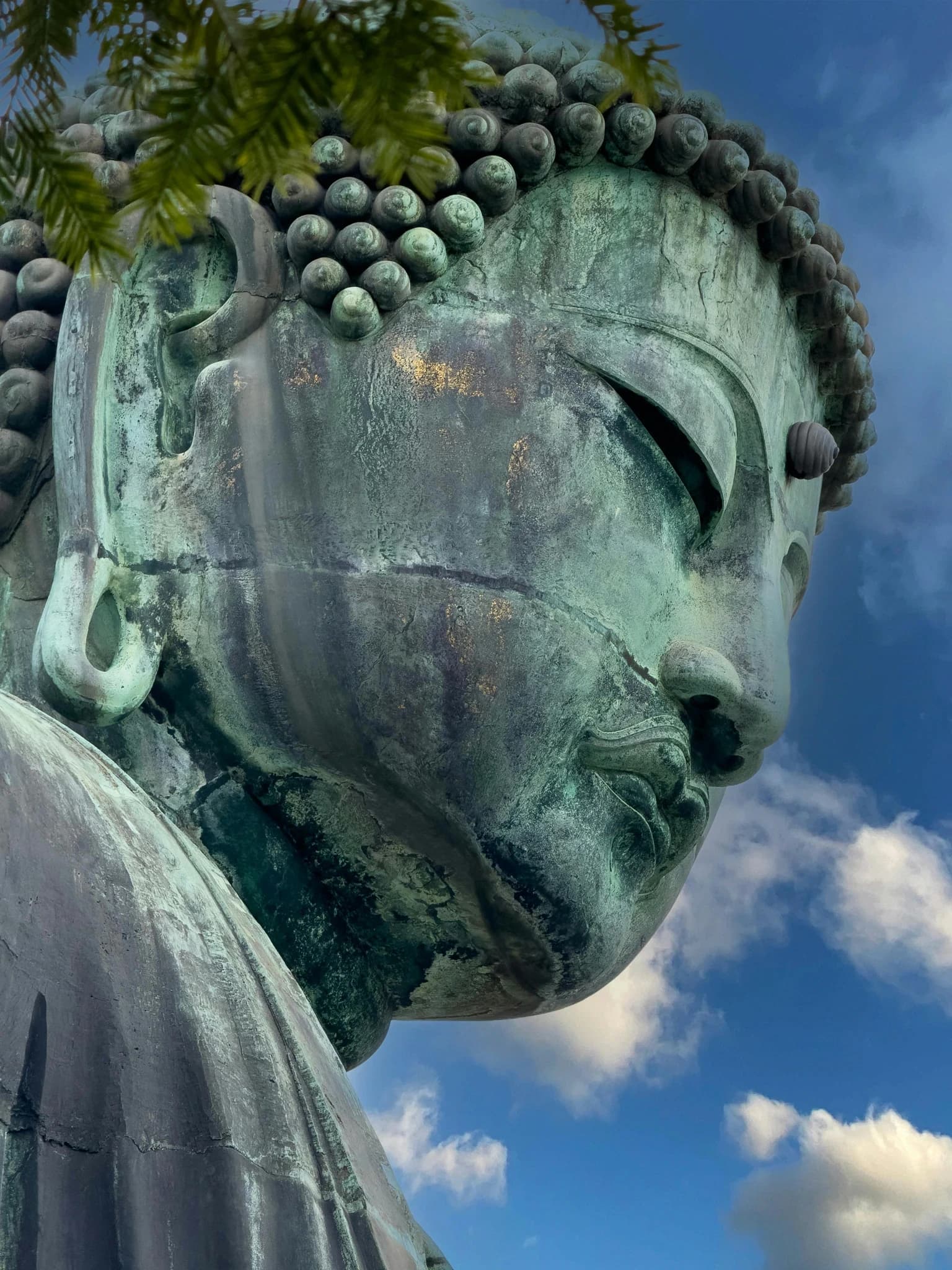
The travelers who enjoyed Kamakura most saw fewer temples, not more. Temple fatigue is real — even if you love temples.
A Kamakura day trip goes best for the people who see fewer temples. Temple fatigue is real, and it gets people who love temples too.
Every Kamakura itinerary says the same thing: see the Great Buddha, visit Hasedera Temple, explore Tsurugaoka Hachimangu, then add Hokokuji, Kenchoji, Engakuji, and maybe Enoshima if you have time.
Planning from home, more temples feels like more value, and a packed day feels like you got your money's worth.
Those itineraries don't mention that Kamakura has over 65 temples and 15+ shrines. One visitor who tried to see ten of them walked 8.14 kilometers and was so worn out they fell asleep in a coffee shop for two hours in the middle of the afternoon.
The travelers who enjoyed Kamakura most saw less, and many of them had a guide who knew when to stop.
Three Temples Is Enough (Most Travelers Don't Believe This Until It's Too Late)
The Temple Fatigue Trap
It hits fast. Even visitors who love Japanese history describe the same arc: after the second or third temple, interest falls off. The buildings blur together, nobody reads the signs anymore, and the photos get taken out of duty.
One traveler put it bluntly: "After seeing a couple of the major temples and castles, my desire to see anymore dropped precipitously. It became very much a 'seen one, seen them all' case."
The legs and the head are both full by then, and it happens to people who came genuinely interested.
What 8.14 Kilometers Actually Feels Like
Japan-guide's full-day Kamakura route is about 5 kilometers on foot. Add extra temple stops and you're at 8 or more. The visitor who covered ten temple sites logged 8.14 kilometers, which is over 5 miles before you count any stairs.
On top of the walking you're finding your way through unfamiliar streets, reading Japanese signs, and deciding what to do next. By mid-afternoon plenty of visitors say they're "completely shattered."
One visitor on TripAdvisor wrote: "I was so tired that at Renoir coffee shop where I went in for refuge, I fell asleep for nearly 2 hours."
When "Just One More" Becomes a Mistake
Adding one more temple always feels small at the time. Hokokuji's bamboo grove is only fifteen minutes away. Zeniarai Benzaiten is "just a quick detour." Engakuji is right by the station.
Each of those costs 30-60 minutes of walking, standing, and stairs, though. By the fourth or fifth temple most people are getting through it rather than taking anything in.
The visitors who rated their Kamakura day highest mostly did the same thing. They saw two or three major sites, had a slow lunch, and left time to wander Komachi-dori or sit by the sea.
Tuesday Kamakura and Saturday Kamakura Are Different Destinations
The Weekend Crowd Reality
Kamakura is a popular weekend escape for people who live in Tokyo, and the gap between weekday and weekend crowds is huge.
One June Sunday visitor reported: "Enoden was crowded, we barely fit in the first one. Hydrangea queue was 90 minutes, we did not wait."
On weekends and public holidays the traffic is hectic, restaurant waits get longer, and the temples lose most of their calm.
People who know Kamakura all say the same thing: go on a weekday. Tuesday through Thursday is quietest. Monday still has weekend spillover, and on Friday the weekend crowd starts arriving early.
Seasonal Math: Hydrangeas vs. Elbow Room
The prettiest seasons in Kamakura are also the busiest:
-
Hydrangea season (June): The hillsides at Hasedera and Meigetsuin go purple and blue, and the line for the hydrangea path can run an hour or more.
-
Cherry blossom season (late March-early April): Sakura line the approach to Hachimangu, and the crowds jump.
-
Autumn foliage (November): The temples turn red and gold, and visitor numbers climb with them.
-
New Year (hatsumode): Tens of thousands come to Hachimangu for their first shrine visit of the year.
The autumn crowds are part of the wider Tokyo fall touring calculus. The cool weather that makes temple walking pleasant is the same thing that sends domestic tourists to every well-known foliage spot.
If you want room to move, go on an off-season weekday and accept plainer scenery.
What a Focused Kamakura Day Actually Looks Like
The 4-Hour Framework
A half day can cover three major sites without rushing. Most guided Kamakura tours run something like this, and it suits most travelers. Our duration guide covers how tour length affects experience in more detail.
| Time | What You're Doing |
|---|---|
| 9:00 AM | Arrive Kamakura Station, walk to Hachimangu (10 min) |
| 9:15–10:00 AM | Tsurugaoka Hachimangu: main hall, lotus ponds, approach |
| 10:00–10:15 AM | Enoden to Hase (or taxi if feet are tired) |
| 10:30–11:30 AM | Hasedera Temple: gardens, Kannon statue, ocean views |
| 11:45 AM–12:30 PM | Kotoku-in (Great Buddha). 30-45 min is plenty. Extra ¥50 to go inside. |
| 12:30 PM | Lunch on Komachi-dori or near Hase. Try shirasu (whitebait), the local specialty. |
Total: ~2.5 hours site time | 3-4 km walking
That leaves room for browsing and snacks at an easy pace, and you're on the train home before your feet give out.
The 6-Hour Framework
A relaxed full day adds one site and a proper lunch:
| Time | What You're Doing |
|---|---|
| 8:30 AM | Arrive Kita-Kamakura Station |
| 8:45–9:30 AM | Engakuji Temple, one of Kamakura's Five Great Zen Temples |
| 9:45–10:45 AM | Tsurugaoka Hachimangu Shrine |
| 11:00 AM–12:00 PM | Lunch on Komachi-dori. Kamakura Wasen (seafood donburi, run by a fish wholesaler) or any spot serving fresh shirasu. |
| 12:30–1:30 PM | Hasedera Temple |
| 1:45–2:30 PM | Kotoku-in (Great Buddha) |
| 2:30–3:00 PM | Yuigahama Beach or shops near Hase |
| 3:00 PM | Depart |
Total: ~4 hours site time | 5-6 km walking
What We Leave Out (And Why)
These all show up on "complete Kamakura" lists, and here's why we keep them out of the focused plans:
-
Hokokuji (Bamboo Temple): Lovely, but it adds 20+ minutes of transit each way. It works better as its own visit.
-
Zeniarai Benzaiten: The coin-washing shrine is a steep 15-minute hike. Worth it if you're fit, skippable if you're not.
-
Enoshima Island: Often paired with Kamakura, and it adds 2-3 hours to the day. That's usually where the exhaustion comes from.
-
Kenchoji: Impressive, and quite similar in feel to Engakuji. Pick one.
We like all four. We'd still rather you see three places properly than six in a hurry.
The Physical Reality Nobody Mentions
The Walking Math
A minimal Kamakura visit (the Buddha, Hasedera, and one more site) means 3-4 kilometers of walking. A full temple circuit gets to 8 kilometers. For comparison, see how much walking to expect on Tokyo private tours.
Five kilometers is roughly 6,500 steps, and that's before stairs, standing around at each site, and walking inside the temple grounds.
The Enoden train cuts some distance around Hase, but you'll still walk between stations and sites.
Stairs and Temple Access
Hasedera is built into a hillside. The main halls are partway up, reached by stone stairs through the gardens, and the observation deck with the ocean view is higher again.
Kotoku-in (the Buddha) is mercifully flat. Tsurugaoka Hachimangu has a grand staircase up to the main hall, with ramps for accessibility.
All those stairs add up over a day. If anyone in your group has bad knees or limited mobility, allow extra time and think about skipping the hillside temples.
Expect to take your shoes off and put them back on once or twice if you go into the halls. In summer heat that gets tiring, and in winter the floors are cold.
Weather Variables
Kamakura is on the coast, so summer humidity is intense. One visitor described being "completely shattered by walking under heat and humidity."
Spring (March-May, before the rainy season) and autumn (October-November) are the best walking weather. Winter is cold but fine. In summer you need frequent breaks, plenty of water, and a slower pace than you planned.
Rain doesn't close the temples, but the stone paths get slippery and juggling an umbrella slows everything down.
Your Guide Isn't There to Explain the Buddha
The Pacing Problem a Guide Solves
Most Kamakura guides sell themselves on cultural knowledge: what Zen Buddhism means, the symbolism in temple architecture, stories about the Kamakura shogunate.
That's nice to have, but the bigger difference a guide makes in Kamakura is pacing.
It's hard to put limits on yourself. On your own, "just one more temple" always sounds reasonable. A guide who has walked this route hundreds of times knows when another stop will make the day worse.
What a Guide Handles for You
Beyond pacing, a guide takes care of the small logistics that pile up over a day:
-
Route optimization: Which temple first, given crowds and opening times
-
Transit calls: Enoden, walk, or taxi
-
Lunch logistics: Where to get fresh shirasu without a 45-minute queue
-
Energy reading: Noticing your group is fading before you notice it yourself
-
Weather pivots: Changing the plan when afternoon rain comes in
You could work all of this out yourself. Each decision takes a bit of energy, though, and by mid-afternoon you've spent a lot of it.
When "We've Seen Enough" Is What You Need to Hear
People who over-plan Kamakura tend not to trust themselves to stop. They've done the research, made a must-see list, and feel they have to tick off every item.
A guide gives you permission to stop. When your energy drops at temple three, the guide won't push for temple four. They'll suggest lunch, or a bench by the ocean, or an earlier train back, because watching how you're doing is the job. The schedule bends. If you're trying to work out whether a guided day suits how you travel, see our guide to choosing a Tokyo private tour.
What It Costs (And What You're Getting)
Side by side, for a group of four:
| Guided Tour (group of 4) | DIY | |
|---|---|---|
| Per-person cost | ¥7,500–15,000 (~$50–100) | ¥4,000–5,500 (~$27–37) |
| Logistics | Handled for you | You figure it out |
| Pacing | Guide reads your energy | Up to your own discipline |
| Route decisions | Adjusted on the fly | Planned in advance (or improvised) |
| Best for | First-timers, mixed groups, over-planners | Experienced Japan travelers, solo, budget-focused |
Guided Tour Investment
Private Kamakura day tours cost ¥30,000–60,000+ for a group, depending on length and what's included. Our pricing guide explains how Tokyo private tour pricing works.
That usually covers:
-
The guide for the full day
-
Planning the itinerary and adjusting the pace as you go
-
Local knowledge and restaurant suggestions
-
Someone else dealing with logistics
What you pay separately:
-
Train tickets (¥1,900 round trip per person)
-
Temple admission (¥300 Buddha, ¥400 Hasedera)
-
Meals
Check the fine print. Some operators include transport and some don't, and admission fees are sometimes bundled and sometimes listed separately.
The DIY Breakdown
If you're deciding whether a guide is worth it, this is what doing it yourself costs:
| Item | Cost |
|---|---|
| Train from Tokyo (round trip) | ¥1,900 (~$13) |
| Temple admissions (Buddha ¥300 + Hasedera ¥400) | ¥700 (~$5) |
| Enoden rides | ¥200–650 |
| Lunch | ¥1,000–2,000 (~$7–14) |
| Total per person | ¥4,000–5,500 (~$27–37) |
Budget pass option: The Enoshima-Kamakura Free Pass from Shinjuku is ¥1,640 and covers the round-trip train plus unlimited Enoden rides.
DIY is clearly cheaper. The question is whether handing off the pacing and the logistics is worth the difference for your group. Our piece on how to decide if a private tour fits your trip walks through it.
Who Gets the Most Value from a Guide
A guide makes the biggest difference for:
-
Travelers who know they over-schedule
-
Anyone who wants the day handled, not managed
If you're traveling solo and happy to improvise, or you've been to Japan enough to trust your own pacing, the numbers look different. For most groups on a first or second Japan trip, though, the guide pays for itself in how the day feels. There's a longer comparison in private tour vs. exploring alone.
Making the Right Choice for Your Trip
Seeing fewer temples at a sensible pace works whether or not you take a guide. What's left is choosing the format that suits your group.
| Guided tour fits best when... | DIY works well when... |
|---|---|
| Traveling with mixed energy levels or ages | Solo traveler who enjoys figuring things out |
| You want someone else handling logistics | You've done enough Japan travel to trust your pacing |
| You tend to over-plan and struggle to stop | Budget flexibility is limited |
| This is your first or second Japan trip | You specifically want unstructured exploration |
Either can be the right call. People enjoy Kamakura most when they pick the format that fits who they're traveling with, even if another one looked better on paper.
If you're still deciding, our complete guide to choosing a Tokyo private tour goes through it step by step.
A Note on Guided Kamakura Tours
Hinomaru One operates only in Tokyo, and our registration doesn't extend to Kamakura. If you want a guided day there, we work with partner operators we trust and can refer you. Email us at service@hinomaru.one and we'll recommend someone.
For your Tokyo days, we plan private tours around culture and an unhurried pace, for first-time visitors and people who've been before, and every one is customized. Timeless Tokyo follows the same idea of seeing fewer things properly.
This guide is published by Hinomaru One, a Tokyo-based private tour operator.