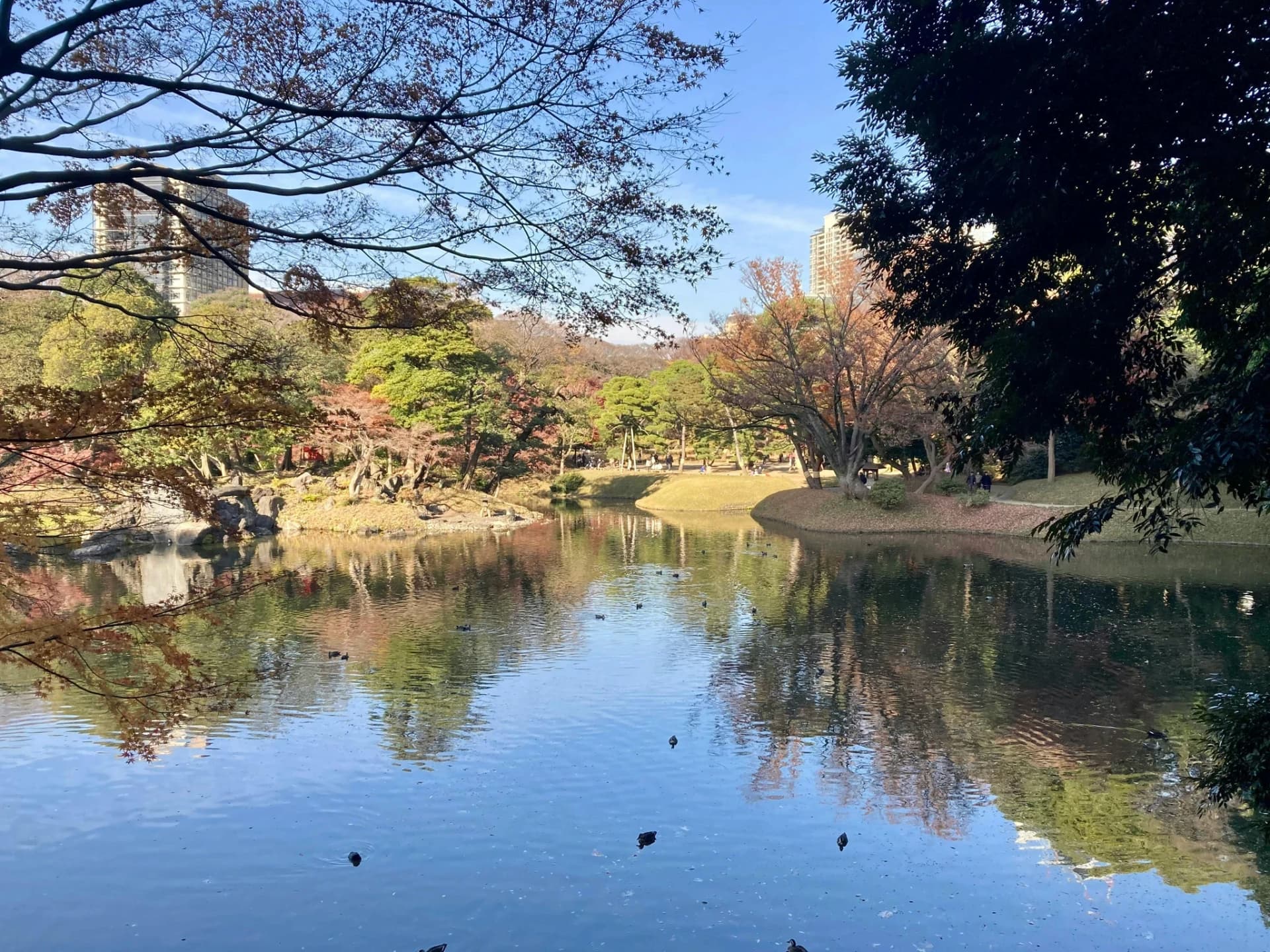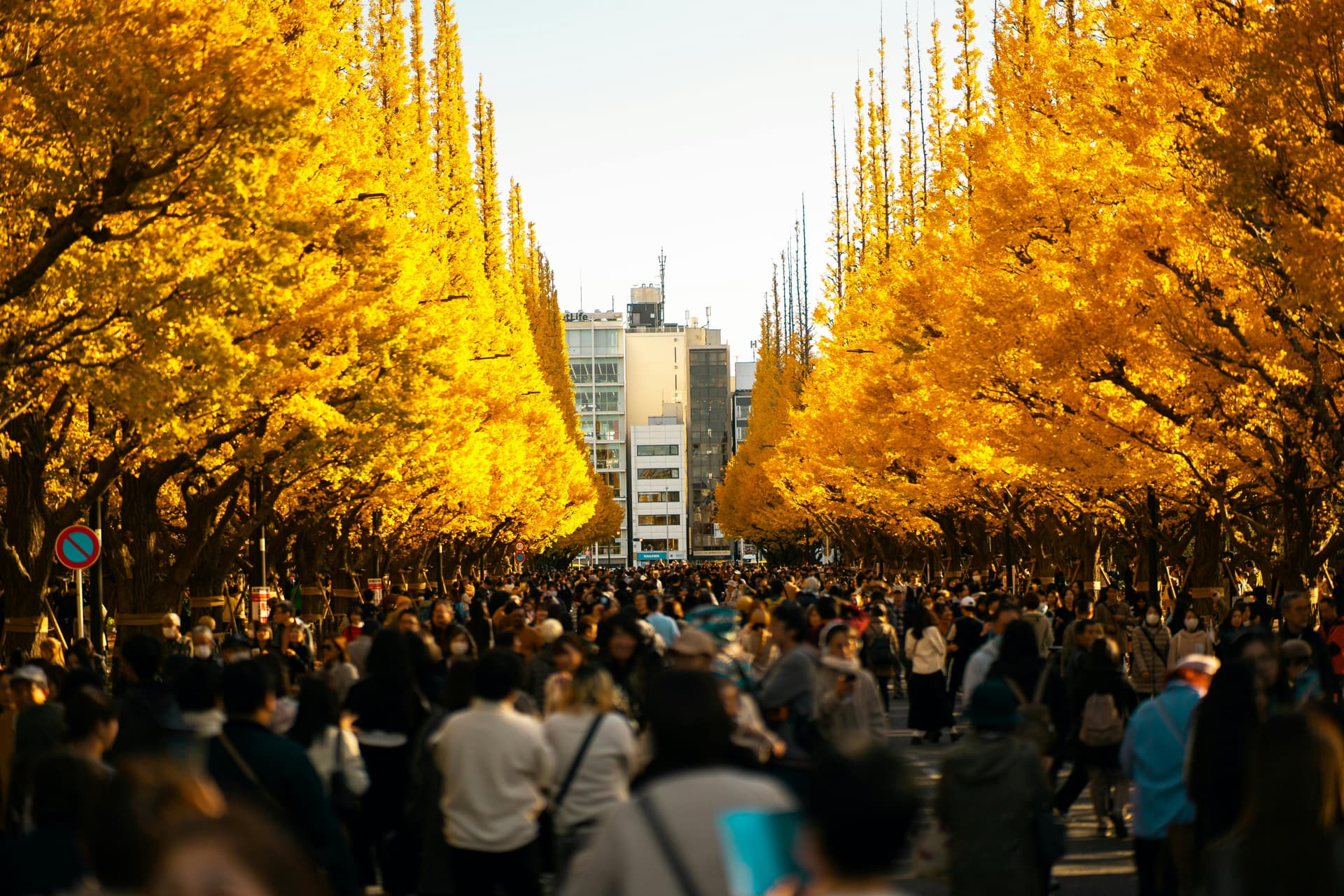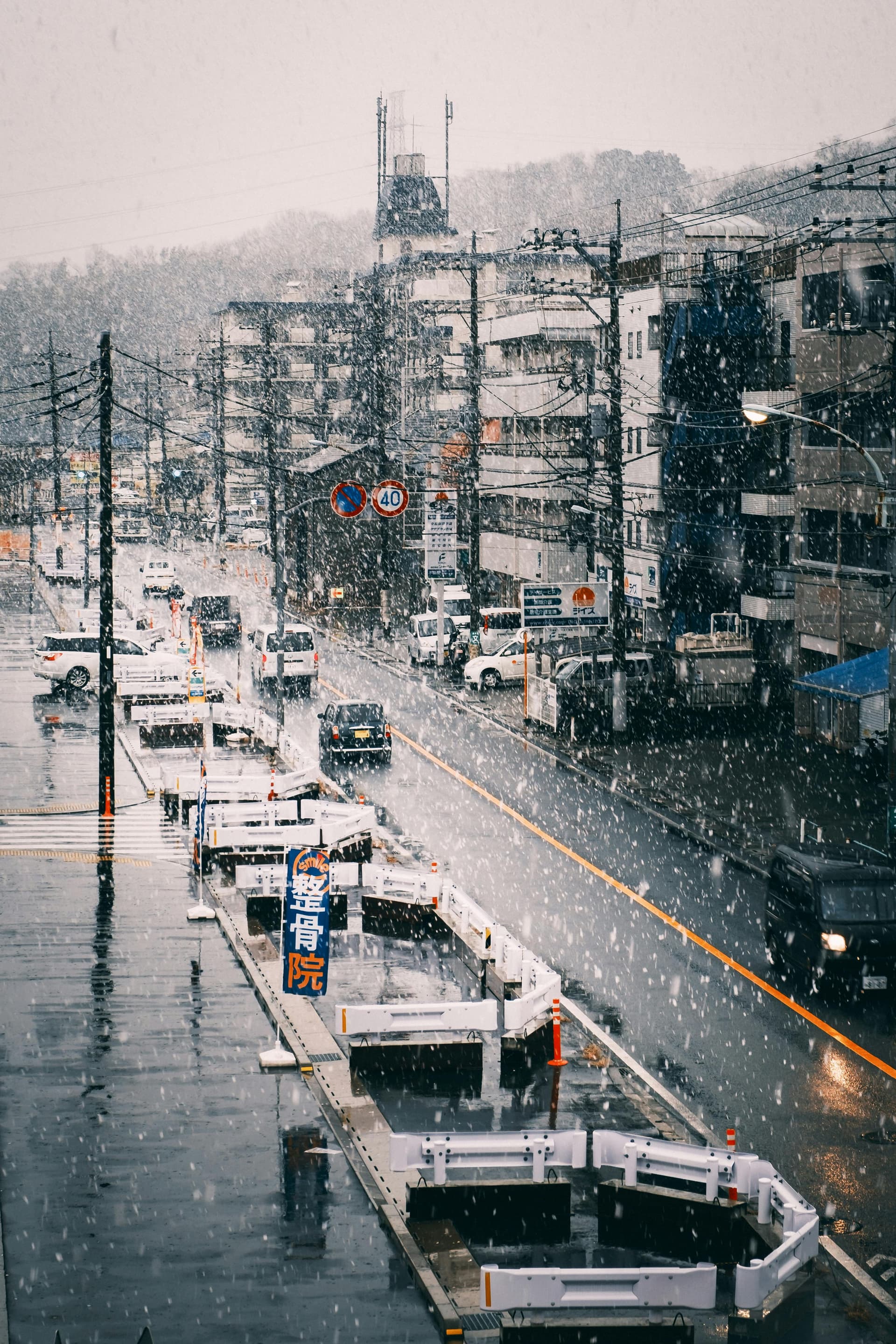
Winter is premium touring season: 40% fewer tourists, six hours of daylight, and clear skies make guides more valuable, not less.
Tokyo in winter is a good time to tour with a guide. There are 40% fewer tourists and the skies are clear, and with only six hours of daylight a guide is worth more to you than in any other season.
Most travelers book Tokyo private tours for spring or fall. Winter might suit a guided day better, and the short days and the cold are part of the reason. With smaller crowds and clearer skies on top of that, winter is one of the best times to tour Tokyo with a guide.
What Winter Tours Actually Are (Not Illuminations and Hot Pot)
The way winter tours are marketed and the way a winter day actually goes are quite different.
The Marketing Version (What Winter Tour Sites Say)
Search for Tokyo winter tours and you'll get the same pitch every time: illuminations, hot pot, winter festivals, seasonal food. Cozy izakayas, light displays, New Year celebrations, maybe snow if you're lucky.
Those things exist, but they leave out most of what decides how your day goes.
Why Illuminations Aren't a Value Proposition
Illuminations are free, they're on Google Maps, and they run for weeks or months. To find Roppongi's lights or the Tokyo Midtown displays, all you need is a phone and a train.
Hot pot restaurants are open all year. Izakayas serve the same grilled yakitori in December as in June. Calling them a "winter experience" is marketing.
Winter festivals happen on set dates and are well covered online. A guide doesn't get you into anything you couldn't find yourself, because none of the seasonal stuff that gets promoted needs local knowledge.
What Actually Creates Value in Winter
A winter guide is useful for the same reasons as in any other season. You're visiting temples, neighborhoods, food districts, and cultural sites that are there all year. The conditions you see them in are what change.
You have six hours of usable daylight instead of ten. It's 2-8°C. Crowds are 40% smaller than in spring. Restaurants that want four weeks' notice in April will take you with two days' notice in January.
The guide's job in winter is to make the most of short days and keep the cold from wearing you down, so you don't lose hours to logistics when each hour is worth more.
Six Hours Changes the Math
| Month | Sunset Time | Usable Touring Hours |
|---|---|---|
| Late December | 4:28pm | ~6 hours (10am-4pm) |
| Early January | 4:43pm | ~6 hours (10am-4pm) |
| Late February | 5:29pm | ~6 hours (10am-4pm) |
Temple and shrine grounds stay open later, but once the light goes around 4:30pm the touring gets much worse. Photos come out dim, you can't read the plaques or see the buildings properly, and you're finding your way in twilight.
So the usable day runs roughly 10am to 4pm, six hours. In summer it's 8am to 6pm or later, ten hours or more.
What Six Hours Actually Feels Like
With ten hours you can afford mistakes. Thirty minutes lost on the wrong train line is no disaster. An hour wandering around looking for lunch is fine. You'll get through Shinjuku Station eventually.
With six hours, mistakes stack up. Taking the wrong line from Shibuya costs 7% of your day. Wandering Harajuku looking for one particular restaurant eats another 15%. By hour four the cold is getting to you, you're slower at following directions, and small wrong turns start to snowball. Lose two hours in summer and it's 20% of your day. In winter it's 33%.
Why Wasted Time Compounds in Winter
Each winter hour gets you less than the one before. At 10am it's 8°C, you're fresh, and you get a lot done. At 3pm it's still 8-10°C, but your feet hurt and your decisions are slower, so you get much less done.
That's why early mistakes hurt so much: they eat into the hours when you still had energy. Taking the direct Ginza Line from Shibuya to Asakusa (34 minutes) instead of a route with several transfers that adds 15-20 minutes saves energy for later in the day. Knowing the Tokyo subway system helps, but in winter even confident navigators get something out of a guide who knows the routes.
The Cold Fatigue No One Mentions
Four or five hours in at 8°C, your decisions get worse. You're slower reading train maps, less willing to walk an extra ten minutes to the better restaurant, and quicker to say "let's just go back to the hotel."
That's your body, and there's nothing weak about it. Cold uses up mental energy. A guide spots this before you do and plans breaks ahead of time, usually a 15-minute indoor warm-up every 90 minutes, timed for when your pace starts to drop anyway.
You'll still get cold. The breaks are there to head off the decision fatigue that makes people quit early, or spend their last two hours stumbling over choices that would have been easy while they were warm.
The 40% Difference (What the Numbers Mean)
Tokyo gets 40% fewer tourists in winter than in spring or autumn. You notice it. In your photo of Senso-ji's main hall, that's 15 people instead of 50. Meiji Shrine on a January morning is easy to walk through, and in April it can be close to impassable.
Hotel prices drop 30-50% compared with the spring peak. Guides who need 6-8 weeks' notice during cherry blossoms can often take you with 2-3 weeks' notice in winter. Availability is only one part of planning your private tour, but it helps.
Fewer people means you can get into places and do things that peak season doesn't allow. For crowd patterns through the year, see our guide to avoiding crowds in Tokyo.
What Lower Crowds Actually Unlock
With 40% fewer tourists around:
-
At temples, you can read the plaques without being pushed along. At Senso-ji there's time to notice details and ask questions. At the smaller shrines in Yanaka, you're often the only visitors.
-
Your photos don't have strangers in the background. You wait thirty seconds for a clear shot, not thirty minutes.
-
Popular restaurants that need 2-4 weeks' notice during cherry blossom season will book you with 1-3 days' notice in winter, and many mid-range places take walk-ins.
-
Staff have time to explain the menu instead of rushing your order. Shop staff will actually talk with you, and museum docents aren't busy herding crowds.
Dining Access: The Winter Advantage
If you want high-end dining or have particular restaurants in mind, winter is a very different story. Some places take walk-ins that they don't between March and May. Some take reservations the same week when they'd want six weeks' notice in spring.
If you're a food-focused traveler who has struggled to book in high season, that alone is a reason to come in winter.
What Guides Do Differently in Winter (Routing, Not Activities)
Same Destinations, Different Precision
A guide won't take you anywhere different in winter. You still see Asakusa's temples, Harajuku's neighborhoods, Tsukiji's food stalls, and Shibuya's streets.
The routing is what tightens up. In summer, with ten hours, you can get through 5-7 neighborhoods if you keep moving. In winter, with six, it's 3-4 neighborhoods and the connections between them have to be tight. Our Tokyo private tour itineraries show how this works across different tour lengths.
Take Asakusa to Ueno. It's 5 minutes on the Ginza Line, or 25-30 minutes walking along the Sumida River. In summer the walk might be worth it for the view. In winter, saving those 20-25 minutes pays off for the rest of the day.
Guides also plan start times around Tokyo's winter temperatures. The warmest hours are 11am to 2pm (8-10°C). Starting at 10am puts the walking-heavy neighborhoods in the warmest part of the day and leaves indoor-friendly places, like department store food floors and covered shopping streets, for the afternoon when it gets colder. Timeless Tokyo, for example, leans on covered markets and a mix of indoor and outdoor stops for exactly this reason.
The Break Strategy Most Travelers Miss
In winter your energy drops about every 90 minutes. Guides build 10-15 minute indoor breaks into the route before you need them, at places like:
-
Department store food floors
-
Cafes near stations (near Asakusa, places like Fuglen, with two floors to warm up in, work well)
-
Covered shopping arcades
Besides warming you up, the break resets your decision-making before the cold makes you slow or cranky.
Most travelers notice they need a break once they're already tired, and by then they've spent 20 minutes doing everything worse. Guides schedule the break at the 90-minute mark, before you feel you need it.
What "Time Protection" Actually Means
Time protection means heading off the small disasters that can wreck half your day: turning up at a closed venue, getting lost in Shinjuku while you're cold and tired, wandering for lunch when you need to sit down NOW.
Four hours in, at 8°C, facing Shinjuku's 200+ exits on a transfer, you'll take twenty minutes to sort out what would have taken five at 10am. A simple route turns into 15-30 minutes of hassle when you're cold and worn out. You slow down, get annoyed, and give up and take a taxi, which costs money and kills the momentum that keeps an afternoon going.
A guide gets you through these choke points at the moment you're least able to handle them, knowing the exit and hearing about the delayed train before you've stood on the platform for fifteen minutes. When the first lunch choice has a 45-minute wait, there's a backup. None of these problems is unique to winter, but each one costs more when the day is six hours long.
If you want to see how guides build winter days around all this, our guide to Tokyo private tour options explains how the different tour formats deal with winter.
The Clarity Advantage (Why Winter Sees Mt. Fuji)
68% vs. 10%: The Fuji Visibility Data
| Season | Visibility from Tokyo | Difference |
|---|---|---|
| Winter (December) | 68% | 7x better |
| Summer | 10-20% | Baseline |
Winter air is drier and clearer, so what's usually lost in haze comes into sharp view. November through February have the most clear-sky days of the year. In summer, rain, humidity, and typhoon season cut visibility so much that seeing Fuji from Tokyo is unlikely even when the weather feels fine.
Fuji has snow on top from November through May, so winter views are clearer and more striking too: a white peak against blue sky, where in summer you'd see a bare brown volcanic cone.
Where Clear Skies Matter Most
Observation decks that promise Fuji views "on clear days" in summer become reliable in winter. For winter Fuji viewing, the Tokyo Metropolitan Government Building's South Observatory is the one to use. It's free, 202 meters up, and its southwest-facing deck has the clearest view west. Mornings give you the best odds, when the air is coolest and least hazy.
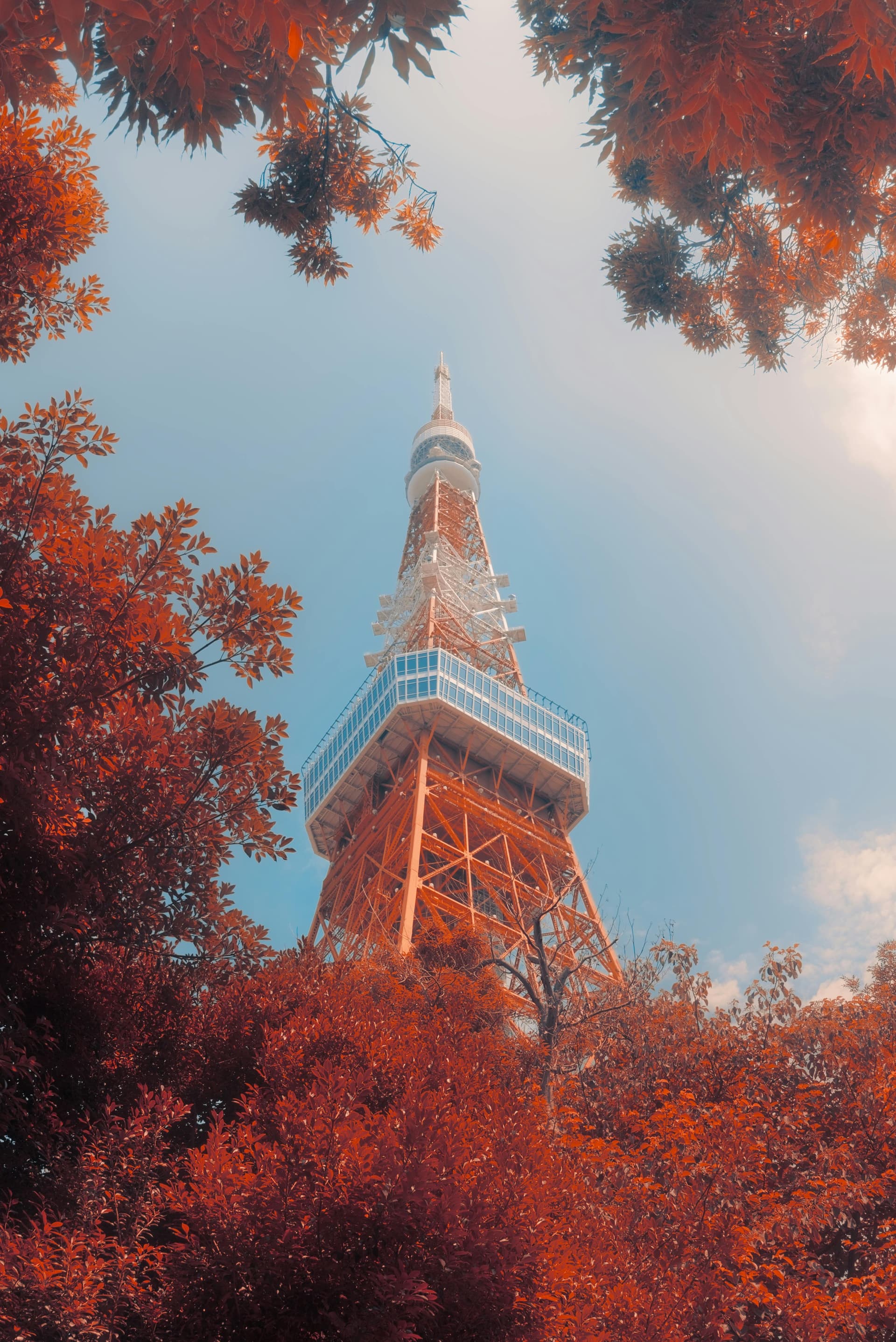
Tokyo Skytree and Tokyo Tower also have Fuji views, but the government building is free and has a good record in winter, so it's the practical pick if you want the best chance.
Why Observation Decks Work Better in Winter
Day trips to Hakone or Kawaguchiko go from "maybe we'll see Fuji" to "we probably will." Lake Ashi, the ropeway to Owakudani, and the pirate ship cruise in Hakone all have Fuji as the backdrop, and in winter you can see it 50%+ of days, against 20% in summer.
Guides know which viewpoints work on which days, where to stand for photos, and when to skip an outdoor deck because the clouds make it pointless.
If you're planning a dedicated Mt. Fuji day trip, winter gives you the best chance.
When Winter Tours Make Sense (The Honest Filter)
When Winter Tours Deliver Maximum Value
A winter guide is worth the most when you're short on time. Short trips (4-7 days) need to run efficiently. If you're spending limited PTO, losing a day to confusion or exhaustion is 14-20% of your whole time in Japan.
| Winter Tours Work Best For | DIY Makes More Sense For |
|---|---|
| Short trips (4-7 days): No buffer for wasted time | Extended trips (10+ days): Room for mistakes and learning |
| First-time visitors: Navigation, language, and cold all at once | Confident DIY travelers: Comfortable with foreign cities and metro systems |
| Value time over money: $500-1,000 to avoid wasting what the trip cost | Budget-focused: Would rather keep the $500-1,000 |
| Limited PTO: Every wasted day hurts | High cold tolerance and good navigation: Can handle hour-five fatigue |
Doing it yourself is harder in winter than most people expect, because the cold makes small hassles bigger. A hotel "only 13 minutes from the station" gets painful on your second or third trip out that day, when you're already cold and tired. Navigation apps don't count the time spent buying tickets, finding platforms, or working out signs that are partly in Japanese, so add 15-20 minutes to whatever Google Maps tells you.
If your time matters more to you than the money, a guide pays for itself. A full-day guide costs $500-1,000 depending on group size and tour length, and our Tokyo private tour pricing guide has the full breakdown. Losing a whole day wastes a share of everything you spent to get to Tokyo, from flights to hotels to that night's room.
The Winter Window: Mid-January to February
The best stretch for winter touring is mid-January through February. You miss the New Year crowds (December 28-January 3), get the full benefit of winter visibility, and still have 40% fewer tourists before the spring arrivals start.
| Period | Sunset Time | Pros | Cons |
|---|---|---|---|
| Early December | 4:28pm | Decent weather | Shortest days, New Year approaches |
| Late February | 5:29pm | More daylight | Crowds start to return as spring nears |
| Mid-Jan to Mid-Feb | ~5:00pm | Workable daylight, lowest crowds, clearest skies, steady weather | Best overall |
If you've decided winter touring suits your trip, our guide to booking Tokyo private tours covers the process and timing.
Where Hinomaru One Fits
We plan winter routes closely: 6-hour itineraries built around the warmest hours, breaks placed where you'll need them, and backup plans for when fatigue hits at hour four. You won't be hunting for an exit in Shinjuku while cold and tired. Tours start at your hotel, we handle the logistics, and your short daylight goes to the things you came to see.
Hinomaru One runs customized private Tokyo tours for first-time and seasoned travelers, at a pace that never feels rushed.