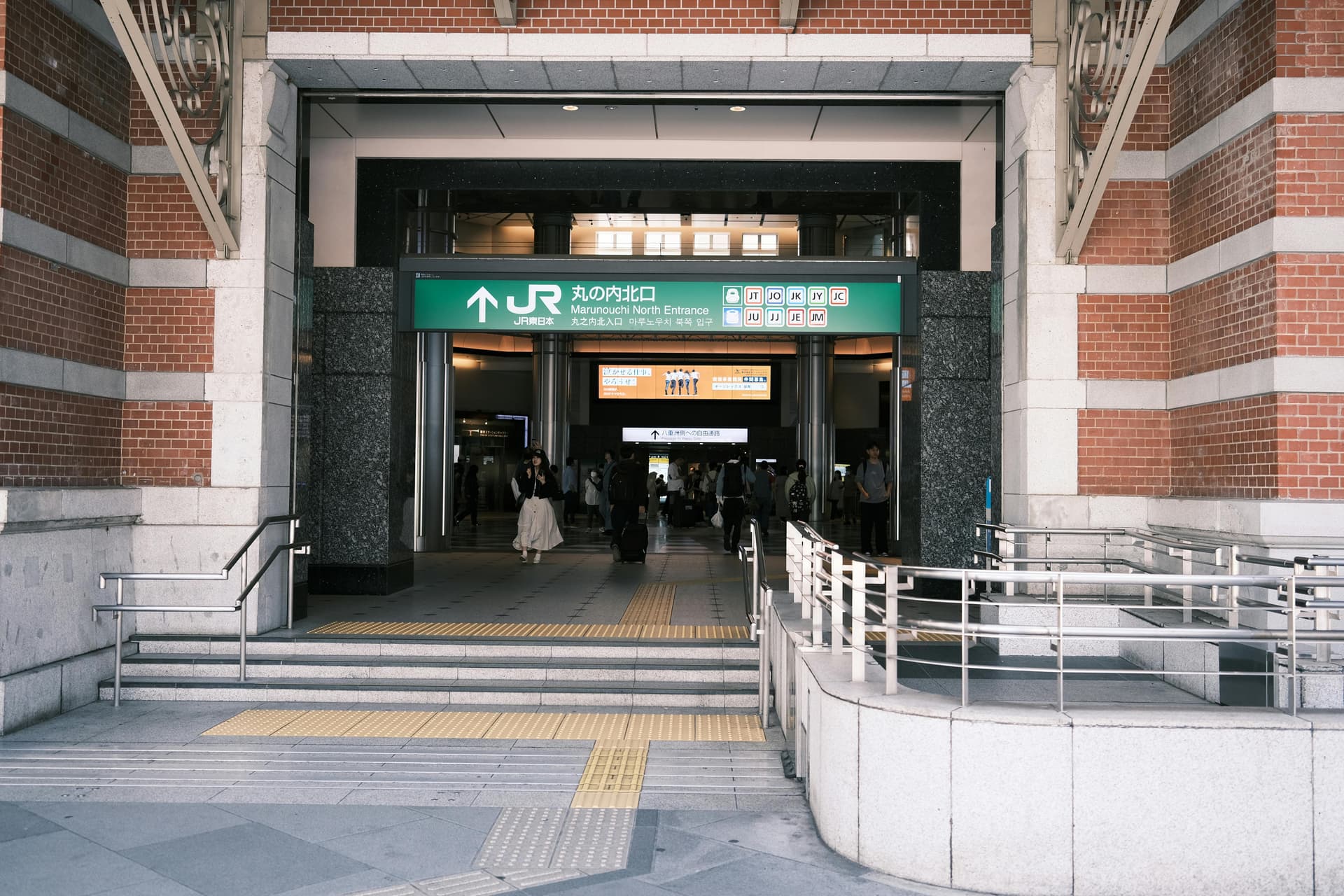
See Tokyo Station as a destination, not just a place to pass through.
The best things to do in Tokyo Station only reveal themselves when you stop treating it as a place to pass through and start treating it as a destination.
Tokyo Station isn't one building—it's a multi-layered city underground. Most visitors underestimate how long it takes to cross from one side to the other, find a specific restaurant, or make a transfer. What looks like a simple connection on a map can consume 30-45 minutes when you factor in crowds, navigation, and the station's actual scale.
This isn't a design flaw. It's the result of Tokyo Station serving as the country's central rail hub while also functioning as a major shopping and dining destination. Understanding the station's structure before you arrive turns potential stress into strategic advantage.
Understanding the Station Layout: Why It's Complex
The primary mistake visitors make is treating Tokyo Station as a single entity. It is a collection of distinct, layered zones, each serving a different purpose. Understanding the function of each area is more important than memorizing a list of shops. The two main sides, the historic Marunouchi (west) and the modern Yaesu (east), are worlds apart in both function and feel.
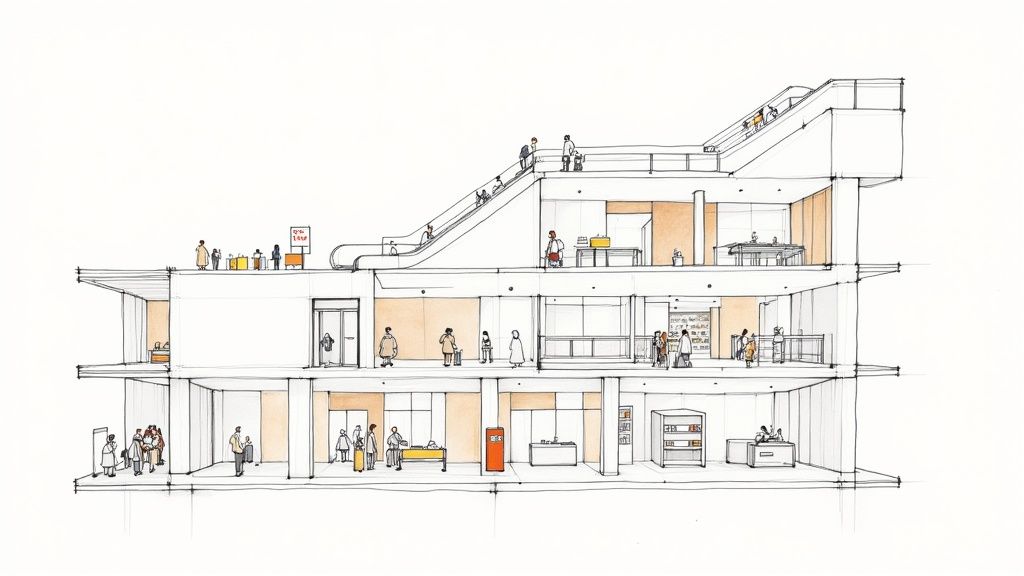 A common misunderstanding is that "underground" is one continuous mall. In reality, it is a labyrinth of separate, interconnected complexes like Gransta, First Avenue Tokyo Station, and Yaesu Chikagai ("Yaechika"). Each has its own layout and logic. Navigating between them without surfacing to reorient is a skill that takes locals months to acquire. For time-constrained travelers, especially families managing luggage or those with mobility concerns, attempting to explore spontaneously often leads to fatigue and missed connections.
For Food and Dining: The Trade-off Between Choice and Time
Tokyo Station is a culinary hub, but its density of options creates a paradox of choice. Where visitors tend to misjudge is in underestimating the time required to locate a specific restaurant and wait in line.
-
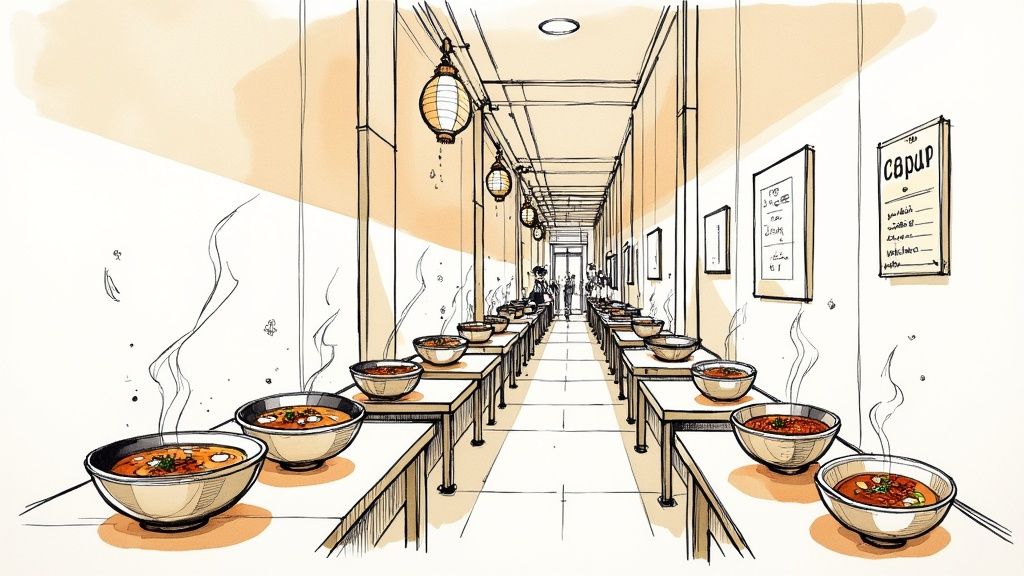
Tokyo Ramen Street (Yaesu B1F): A collection of eight acclaimed ramen shops. The misconception is that you can quickly grab a bowl. The reality is that popular spots like Rokurinsha have queues that can exceed an hour during peak lunch (12:00-13:30) and dinner (18:00-20:00) times. This is not fast food.
-
Gransta Tokyo (B1F): The best location for high-quality ekiben (boxed meals for trains) and gourmet souvenirs. The friction here is navigating the sheer volume of shoppers. It’s a targeted mission, not a casual browse, especially before Shinkansen departure times.
-
Kurobei Yokocho & Kitchen Street (Yaesu 1F/2F): Offer a wider range of sit-down Japanese cuisine. These are better for a more relaxed meal but are still subject to commuter rushes. Some establishments here evoke Tokyo’s standing bar drinking culture on hinomaru.one in their efficient, focused service.
Travelers with dietary restrictions face particular challenges. While options exist, identifying them requires navigating Japanese-only menus or complex ingredient lists in a high-pressure, fast-moving environment.
For Shopping and Souvenirs: Curated vs. Local Experiences
Shopping in Tokyo Station is not a monolithic experience. The type of store and the atmosphere change dramatically depending on where you are.
-
Gransta and First Avenue Tokyo Station: These areas are curated for tourists and gift-buyers. They are clean, well-signed in English, and offer premium, beautifully packaged goods. This is where you find exclusive Tokyo sweets and character merchandise.
-
Yaesu Underground Mall ("Yaechika"): One of Tokyo’s oldest subterranean malls, Yaechika offers a more local experience. The corridors are narrower, shops are smaller, and it serves the daily needs of office workers. Finding a specific shop here without a map is difficult.
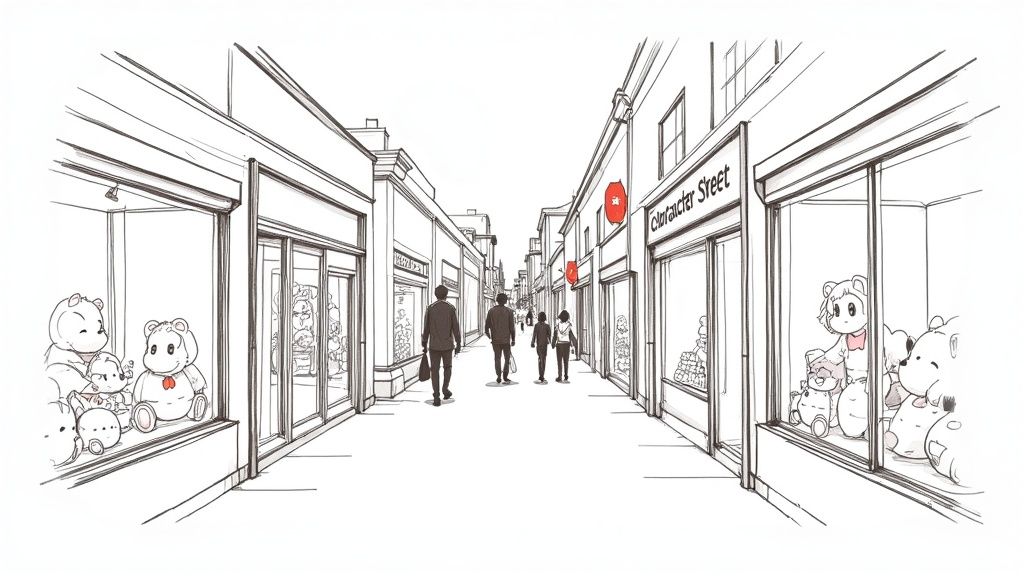
Another common misunderstanding is the purpose of Tokyo Character Street. While a draw for families, its narrow corridor becomes intensely crowded by midday. For parents managing young children, the experience can quickly turn from exciting to stressful. A visit right at its 10:00 opening is the only way to browse comfortably. Those seeking a broader context for such pop culture might explore options like Tokyo's anime and manga tours in dedicated neighborhoods like Akihabara.
For Culture and Architecture: The Two Faces of the Station
The station is a living museum, but appreciating it requires knowing where to stand. The contrast between its two main exits tells a story of Tokyo's history.
-
Marunouchi Side (West): The historic facade. The restored 1914 red-brick building houses the Tokyo Station Hotel and faces the Imperial Palace Outer Garden. The best views are from the Marunouchi Central Plaza, especially in the early morning before crowds gather.
-
Yaesu Side (East): The modern face. Dominated by the soaring "GranRoof" and sleek skyscrapers, it represents post-war and contemporary Japan.
Many visitors see one side but not the other, missing the architectural dialogue. Similarly, the Tokyo Station Gallery offers curated exhibitions, but finding it amidst the northern corridors requires deliberate navigation. This is often overlooked by travelers focused solely on their departure platform. The history here connects directly to its imperial neighbor; a deeper understanding can be found in a visitor guide to the Tokyo Imperial Palace.
How Much Time Do You Actually Need?
| Activity | Time Required | Key Considerations |
|---|---|---|
| Pure transit (train transfer) | 10-15 minutes | Add 5-10 minutes if unfamiliar or with luggage |
| Quick ekiben stop at Gransta | 15-30 minutes | Pre-departure windows draw heavy crowds |
| Ramen Street meal | 45-90 minutes | Rokurinsha: 40-60 min queues at peak (12:00-13:30, 18:00-20:00); arrive 11:00-11:30 or 14:00+ to cut wait |
| Character Street visit | 20-30 minutes (opening) to 45+ minutes (midday) | B1 corridor fills with families by midday |
| Underground shopping (multiple zones) | 60-90 minutes | Targeted shopping, not browsing |
| Architecture and culture walk | 45-60 minutes | Marunouchi facade + Yaesu side + Gallery |
The gap between "stopping by" and "exploring" is larger than most visitors expect. Tokyo Station rewards dedicated time, not rushed attempts.
Luggage and Mobility: The Hidden Constraints
Coin lockers are everywhere at Tokyo Station—over 100 locations across Marunouchi, Yaesu, and B1 underground passages. But availability is the issue, not quantity.
Locker sizes and costs:
| Size | Dimensions | Cost per Day |
|---|---|---|
| Small | ~35cm × 34cm × 57cm | ¥300-¥500 |
| Medium | ~57cm × 34cm × 57cm | ¥500-¥700 |
| Large | ~103-117cm × 34cm × 57cm | ¥700-¥900 |
Larger lockers fill first. By mid-morning on weekdays and throughout weekends, finding a large locker becomes chance-dependent.
Peak locker saturation times:
| Time Period | Saturation Level | Reason | Strategy |
|---|---|---|---|
| 7:00-9:00am weekdays | Very High | Morning commute + business travelers | Arrive before 7:00am or after 10:00am |
| Before major Shinkansen departures | High | Travelers stowing bags before boarding | Check departure schedule, avoid 30-60 min windows before popular trains |
| Weekends (all day) | High | Tourist traffic throughout | Use luggage forwarding if large bags needed |
| Afternoons (2:00-5:00pm) | Moderate | Lower turnover period | Better availability window |
Locker locations by availability:
| Location | Accessibility | Typical Availability | Notes |
|---|---|---|---|
| Marunouchi Central Gate | Easy | High turnover | Most convenient for Imperial Palace side |
| Yaesu South Gate | Easy | High turnover | Best for Yaesu-side exits |
| B1 underground passages | Moderate | Moderate | Scattered throughout shopping areas |
| B4 near Sobu Line | Difficult | Best availability | Less accessible but emptier |
Luggage forwarding alternatives:
| Service | Provider | Hours | Storage Cost | Delivery Options | Same-Day Cutoff |
|---|---|---|---|---|---|
| Storage only | Sagawa service desk | 7:00am-9:00pm | ¥800/day | N/A | N/A |
| Hotel delivery | Sagawa service desk | 7:00am-9:00pm | Varies by destination | Same-day or next-day | Drop off by 11:00am for same-day |
This works when lockers are full or your bag exceeds locker capacity. For a complete overview of luggage storage options across Tokyo, including other major stations and neighborhoods, the broader infrastructure follows similar patterns.
Elevators exist throughout the station, but they're rarely on the most direct route between platforms. The trade-off: accessibility routing adds 5-10 minutes to any transfer. For wheelchair users or travelers with significant mobility constraints, this buffer is mandatory. For travelers where mobility is a primary concern throughout their Tokyo visit, understanding how accessibility works across the city's major sites becomes essential to planning. Similarly, tours designed for comfortable pacing and accessibility address the specific routing challenges that escalate at major transit hubs.
Activities with luggage:
| Activity | With Luggage | Without Luggage | Consideration |
|---|---|---|---|
| Ramen Street dining | Challenging | Easy | Limited space, need locker first |
| Character Street browsing | Impractical | Comfortable | Narrow corridor doesn't accommodate rolling bags |
| Gransta shopping | Manageable | Easy | Wider passages, but still crowded |
| Marunouchi/Yaesu crossing | Difficult | Straightforward | Multiple level changes, long distances |
| Tokyo Station Gallery | Impractical | Comfortable | Navigation through narrow corridors |
| Quick ekiben purchase | Manageable | Easy | Short stop possible if lockers full |
Food Strategy: Navigating the Dining Paradox
Tokyo Station's food density creates decision paralysis. Too many good options compress into too little space. The solution is knowing which area serves which need.
| Dining Area | Location | Style | Cost | Wait Time | Best For |
|---|---|---|---|---|---|
| Tokyo Ramen Street | B1, Yaesu (First Avenue) | 8 specialist ramen shops | ¥800-¥1,500 | 40-60 min at peak (12:00-13:30, 18:00-20:00); shorter at 11:00-11:30 or 14:00+ | Ramen enthusiasts willing to queue |
| Gransta Tokyo | B1 and 1F | Ekiben (bento boxes), sweets, snacks | ¥1,000-¥2,000 | Minimal (grab-and-go) | Pre-Shinkansen travelers |
| Kurobei Yokocho | B1, Gransta Yaekita | Sit-down izakaya in lantern-lit corridor | Varies | Moderate, peaks 18:00-20:00 | Relaxed meals, traditional atmosphere |
Queue strategy matters more than restaurant selection at Ramen Street. Arriving at 11:00-11:30 (before the lunch rush peaks) or 14:00+ (after) cuts wait times by half.
Key area operating hours:
| Area | Weekdays | Weekends/Holidays | Notes |
|---|---|---|---|
| Tokyo Ramen Street | 11:00am-10:30pm | 11:00am-10:30pm | Some shops open 7:30am |
| Gransta Tokyo | 8:00am-10:00pm | 8:00am-9:00pm | Sunday/holidays close earlier |
| Character Street | ~8:00am-10:00pm | ~8:00am-10:00pm | Follows Gransta hours generally |
| Sagawa Luggage Service | 7:00am-9:00pm | 7:00am-9:00pm | Same-day delivery if drop-off by 11:00am |
| Tokyo Station Gallery | Varies by exhibition | Varies by exhibition | Typically closed Mondays |
Notable Ramen Street shops:
| Shop | Specialty | Typical Wait | Best For |
|---|---|---|---|
| Rokurinsha | Tsukemen (dipping noodles) | 40-60 min at peak | Those willing to queue for Tokyo's most famous tsukemen |
| Soranoiro | Vegan and vegetarian ramen | 15-30 min | Dietary restrictions, lighter options |
| Kizo | Hokkaido-style miso ramen | 15-30 min | Rich, hearty miso broth |
Ramen Street queue timing strategy:
| Your Arrival Time | Expected Wait (Rokurinsha) | Expected Wait (Other Shops) | Overall Experience | Recommendation |
|---|---|---|---|---|
| 11:00-11:30am | 15-25 minutes | 5-15 minutes | Best window | Ideal for beating lunch rush |
| 11:30am-12:00pm | 25-40 minutes | 10-20 minutes | Building crowds | Still acceptable |
| 12:00-13:30pm | 40-60+ minutes | 20-35 minutes | Peak lunch rush | Avoid unless committed |
| 13:30-14:00pm | 30-45 minutes | 15-25 minutes | Declining | Transitional period |
| 14:00-17:00pm | 15-30 minutes | 5-15 minutes | Low crowds | Excellent off-peak window |
| 17:00-18:00pm | 20-35 minutes | 10-20 minutes | Dinner building | Manageable |
| 18:00-20:00pm | 40-60+ minutes | 20-35 minutes | Peak dinner rush | Avoid unless committed |
| After 20:00pm | 15-30 minutes | 5-15 minutes | Winding down | Good if shops still open |
Navigating dietary restrictions:
| Area | English Menu Support | Dietary Flexibility | Navigation Difficulty |
|---|---|---|---|
| Major Ramen Street shops | Good | Limited (set menus) | Moderate |
| Gransta Tokyo | Good | Moderate (variety helps) | Easy |
| Kurobei Yokocho | Variable | Moderate | Moderate |
| Yaechika shops | Poor | Limited | Difficult |
Identifying allergens or specific ingredients in smaller shops requires either Japanese reading ability or willingness to navigate uncertainty. This menu navigation challenge isn't unique to Tokyo Station—it's representative of how language barriers surface throughout Tokyo's food culture, especially in neighborhood spots where English support is minimal.