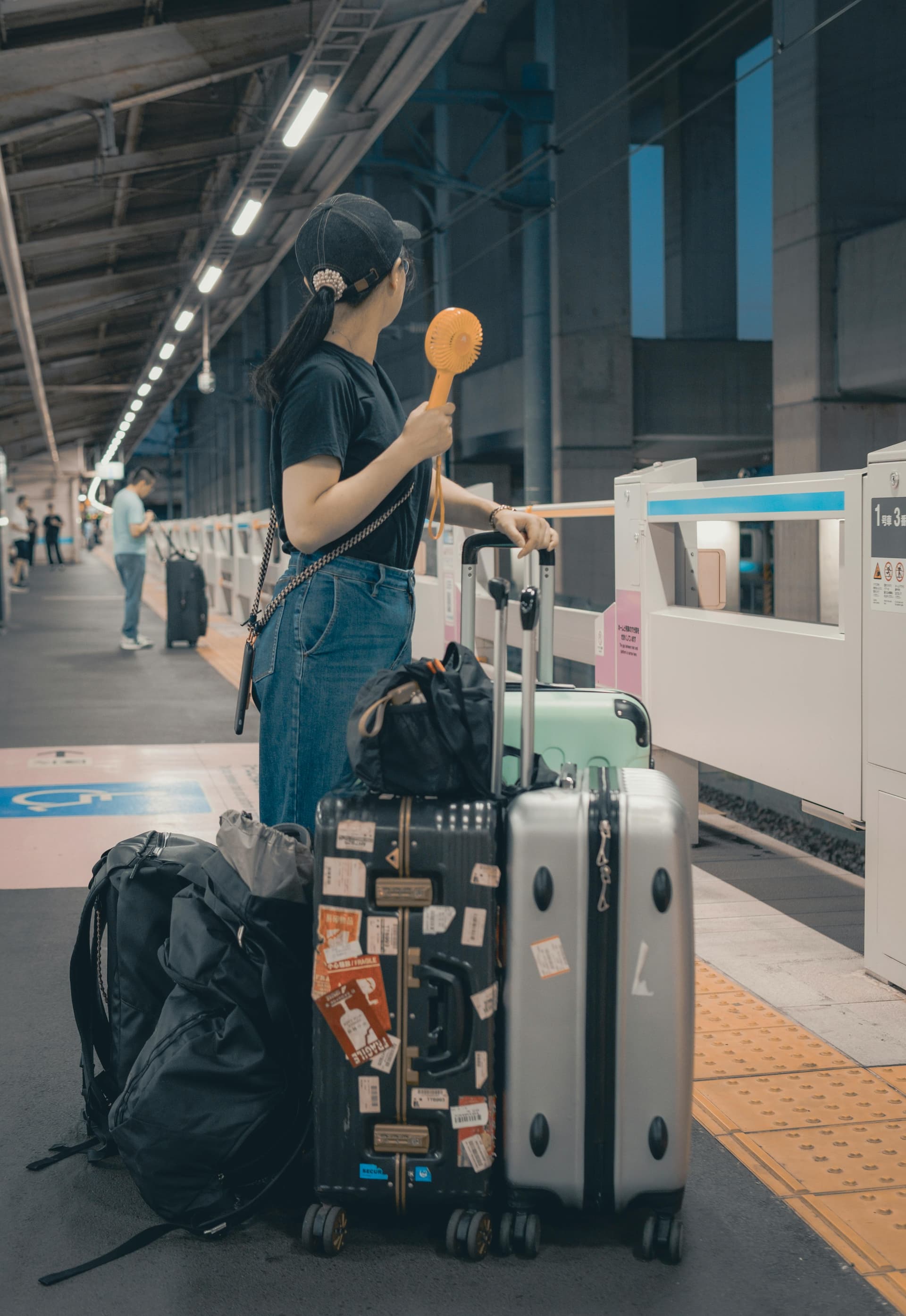
Store your bags in Tokyo with clearer expectations and fewer surprises.
Luggage storage in Tokyo runs on three distinct systems, each with its own trade-offs — understanding them sets clearer expectations and prevents surprises.
Tokyo's luggage storage landscape has three distinct systems, each with its own trade-offs. Coin lockers work for short-term storage if you find one available and your bag fits. Storage services like ecbo cloak handle oversized items and multi-day needs. Hotels hold bags on checkout day, but with timing and liability constraints.
Most travelers end up using more than one. You might use a locker in the morning, switch to a storage service for the afternoon when you need flexibility, then leave bags at your hotel before dinner. Understanding when each system breaks down prevents the scramble that happens when your first choice fails.
The Three Storage Systems
Which Storage Method to Use:
| Situation | Best Option | Why |
|---|---|---|
| Short-term (2-6 hours), standard luggage | Coin lockers | Self-service, 24/7 access, lowest cost |
| Oversized bags, golf clubs, ski equipment | Storage services | Accept items lockers reject |
| Multi-day storage (3+ days) | Storage services or forwarding | More economical than daily locker fees |
| Arriving before hotel check-in, same hotel | Hotel storage | Free, convenient if staying there |
| Complex multi-stop itinerary | Luggage forwarding | Eliminates carrying bags entirely |
| Weekend in tourist areas (Shibuya, Asakusa) | Storage services (book ahead) | Lockers fill by 10am |
| Late-night bag retrieval needed | Coin lockers | 24/7 access vs shop business hours |
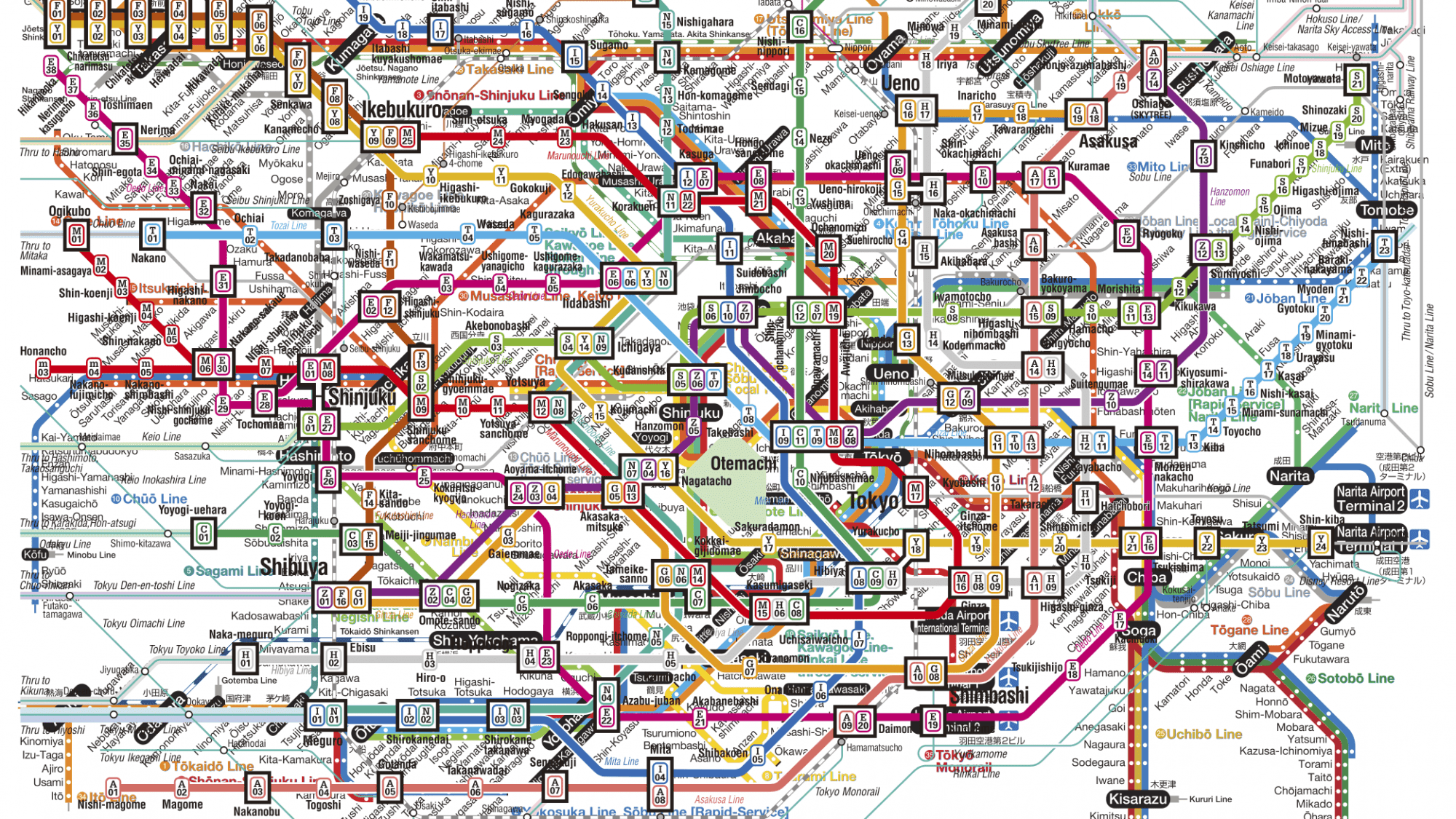
Coin lockers dominate Tokyo stations—Tokyo Station alone has over 1,500. They're self-service, available 24/7, and cost ¥300-¥1,000 per day depending on size. You insert bags, pay via IC card (Suica/PASMO) or cash, and retrieve them anytime the station is accessible. Understanding how Tokyo's transit system connects helps when you need to move between stations to find available lockers.
The problem: lockers fill fast at tourist-heavy stations, especially 10am-noon when travelers check out. Large lockers that fit full-size suitcases are scarce. Arrive at Shibuya Station on a Saturday morning expecting to find space for your 28-inch suitcase, and you're competing with hundreds of other travelers who had the same plan.
Storage services operate through partner shops—cafes, convenience stores, retail locations. ecbo cloak has the widest Tokyo coverage, particularly in Shibuya, Shinjuku, and Asakusa. You book via app, drop bags at the shop, and pick them up during business hours. Costs run ¥400-¥500 for small bags, ¥700-¥800 for suitcases per day.
These services accept what lockers reject: oversized luggage, golf clubs, ski equipment, baby strollers. The catch: you're bound by shop hours, not 24/7 locker access. If your partner cafe closes at 7pm, you pick up by 7pm.
Hotel storage works if you're staying there. Most Tokyo hotels hold luggage on checkout day and many accept bags before check-in. Business hotels and international chains handle this routinely, though smaller properties may have space constraints.
Hotels don't fully insure stored luggage. If you're checking out at 11am with an 8pm flight, hotel storage keeps bags off your back for the day. But if you're arriving at 6am when check-in is 3pm, not all hotels accommodate early arrivals as readily as noon arrivals. Language helps but isn't always necessary—showing your reservation usually suffices.
Station Lockers: Where They Are and When They Fill
Tokyo Station splits into Yaesu (east) and Marunouchi (west) sides. Yaesu has higher locker density, concentrated near the Yaesu North Exit, Central Exit, and underground passages. Marunouchi side serves Imperial Palace access with lockers at the Central Gate and Underground North Exit.
The station has 1,500+ lockers total, but on weekday mornings and during peak travel seasons (Golden Week, New Year), large lockers disappear by 10am.
Shinjuku Station, the world's busiest, has 3,600+ lockers distributed across East Exit, West Exit, and South Exit zones. East Exit lockers sit near Lumine Est and inside ticket gates. West Exit has multiple underground plaza locations. South Exit includes basement levels and the New South Exit area.
The station's complexity means lockers exist everywhere, but finding them requires understanding Tokyo's station layouts. Different exits have different concentrations—if one bank is full, walk to another exit rather than giving up.
Shibuya Station lockers cluster at Hachiko Exit and underground levels (B1F, B2F). The Tokyu/Tokyo Metro underground concourse between the first and second basement floors holds significant locker banks. Tourist Information Desk area (Hanzomon Line) also has lockers, though fewer.
Shibuya's ongoing redevelopment means some locker locations shift, but core areas remain accessible.
Other major stations:
-
Ueno: Inside JR ticket gates and outside near Keisei Ueno Station. The Asakusa Exit passage has many large-size lockers.
-
Ikebukuro: Multiple locker banks throughout the station at various exits.
-
Asakusa: Station lockers available, serving both Sensoji temple visitors and transit passengers.
JR stations generally have more lockers than Metro-only stations. Rush hour (8-9am, 6-8pm weekdays) and weekend mornings are worst for availability. Tourist areas fill earlier on Saturdays.
Most modern lockers accept IC cards (Suica, PASMO, plus regional cards like ICOCA, Kitaca, TOICA). Older banks may be cash-only with 100-yen coins. Touch-panel lockers provide English instructions.
Access runs 24/7 at most stations, though some station areas close overnight. Check specific exit access hours if retrieving bags late.
Size and Cost Reality
Tokyo coin lockers come in four standard sizes:
| Size | Dimensions (H × W × D) | Cost per Day |
|---|---|---|
| Small | 35cm × 34cm × 57cm | ¥300-¥400 |
| Medium | 57cm × 34cm × 57cm | ¥500-¥600 |
| Large | 117cm × 34cm × 57cm | ¥700-¥800 |
| Extra-large | 117-177cm × 34-35cm × 57cm | ¥900-¥1,000 |
Pricing is per calendar day (midnight to midnight), not per 24 hours. If you store bags at 10pm and retrieve them at 9am the next morning, you pay for two days.
The size trap: "large" lockers hold a height of 117cm, but standard airline check-in suitcases often exceed this when standing upright. A typical 28-inch (71cm) suitcase works, but 32-inch bags push limits. Families with multiple large bags need multiple lockers or should switch to storage services. If you're traveling with young children and managing strollers plus bags, the logistics compound quickly.
Extra-large lockers exist at major transit hubs (Tokyo Station, Shinjuku, Haneda/Narita airports) but represent a tiny fraction of available lockers. By 11am on busy days, they're gone.
Golf bags, ski equipment, and oversized luggage frequently don't fit standard coin lockers at all. This is when storage services become the primary option, not a backup.
Luggage Storage Services vs Lockers
ecbo cloak operates through partner shops across Tokyo—cafes, retail stores, convenience stores, even post offices. You book via app, receive confirmation, drop bags at the shop during business hours, and retrieve them within the same window.
Storage Service Comparison:
| Service | Small Bags | Large Bags/Suitcases | Coverage | Booking |
|---|---|---|---|---|
| ecbo cloak | ¥400-¥500/day | ¥700-¥800/day | Widest (Shibuya, Shinjuku, Asakusa strongest) | App, English interface |
| Radical Storage | ¥750/item | ¥750/item | Good coverage in tourist areas | App, English interface |
| Nannybag | ¥750/item | ¥750/item | Multiple locations | App, English interface |
| Bounce | ¥700/item | ¥700/item | Growing network | App, English interface |
| Vertoe | ¥700/item | ¥700/item | Select locations | App, English interface |
This matches or undercuts large locker costs while accepting items lockers reject. Multi-day storage at the same daily rate often beats paying locker fees repeatedly, especially for 3+ day trips.
Coverage is densest in Shibuya, Shinjuku, and Asakusa. Residential neighborhoods (Nakameguro, Kichijoji, Shimokitazawa) have thinner coverage. Tourist-heavy areas have multiple options, but residential zones might have one or two partner shops.
The booking process takes minutes: create account, search location, select drop-off time, pay via credit card. Partner shops display user reviews and ratings, which provides verification that anonymous lockers lack.
The constraint: you're bound by shop hours. A cafe closing at 7pm means 7pm pickup. Unlike 24/7 locker access, you coordinate around business hours. Late-night retrieval doesn't work.
Storage services shine for oversized items, baby strollers, musical instruments, and situations where locker scarcity is likely. They're not a fallback—they're often the better first choice for travelers with large bags or flexible schedules.
Hotel Luggage Holds: What to Expect
Most Tokyo hotels hold luggage on checkout day. Check out at 11am, leave bags at the front desk, explore the city, and retrieve them before your evening departure. Business hotels and international chains handle this routinely.
Many hotels also accept bags before check-in, though policies vary. Arriving at noon when check-in is 3pm usually works smoothly. Arriving at 6am pushes boundaries—some hotels accommodate, others suggest returning closer to check-in time.
Hotels don't fully insure stored luggage. They provide space and basic oversight, but valuables should stay with you. If you're carrying expensive camera equipment or electronics, don't assume hotel storage equals vault security.
Timing matters: you must retrieve bags the same day, typically before the front desk closes (often 11pm or midnight). Hotels aren't multi-day storage facilities. If you need overnight holds across multiple days, that's a special arrangement, not standard service.
Space limitations exist. Large groups with 10+ bags might overwhelm smaller properties. Oversized items (surfboards, large equipment) may not fit standard storage areas. Calling ahead prevents the "sorry, we don't have space" conversation on arrival.
Business hotels in central Tokyo handle luggage storage routinely and staff expect the request. Smaller ryokans or budget accommodations outside central areas may have stricter policies or limited space. Hotel location and type affect storage flexibility.
Language helps but isn't essential. Showing your reservation and gesturing at bags communicates the request. "Nimotsu azukemasu ka?" (Can you hold my luggage?) works if you want the phrase.
For shopping-heavy trips, the simplest bag management strategy is base selection: stay near your main shopping district so midday drop-offs become walking distance rather than transit decisions. Our shopping accommodation guide covers which bases work for which shopping styles.
Neighborhood-by-Neighborhood Locker Access
| Neighborhood | Locker Situation | Peak Fill Time | Alternative Strategy |
|---|---|---|---|
| Shinjuku | Lockers at every major exit (East, West, South). 3,600+ total. | Weekday mornings, weekend afternoons | Walk between exits if one area is full |
| Shibuya | Hachiko Exit + underground levels (B1F, B2F) | Before 10am on weekends | Descend to basement levels when street-level fills |
| Tokyo Station | 1,500+ lockers. Yaesu side (highest density), Marunouchi side | 10am during peak seasons (Golden Week, New Year) | Best bet for large lockers; use as base |
| Ueno | Park-side and station-side. Many large lockers at Asakusa Exit passage | High turnover due to museums/zoo traffic | Good for suitcases; better than smaller stations |
| Asakusa | Station lockers for Sensoji Temple visitors | 11am-noon as day-trippers arrive | Arrive before 10am or use storage services |
| Harajuku | Limited at Harajuku Station itself | Constant demand from Takeshita Street traffic | Walk 5 min to Meiji-Jingumae Station instead |
| Akihabara | Available but fewer than major hubs | Weekends (anime/electronics tourism) | Plan for weekend scarcity |
| Ikebukuro | Multiple banks at various exits | Standard rush hour patterns | Similar to other major stations |
| Ginza | Minimal in shopping district | N/A | Walk 10 min to Tokyo Station or use storage services |
| Residential (Nakameguro, Kichijoji, Shimokitazawa) | Minimal to none | N/A | Store at nearest major JR station or use ecbo cloak |
When to walk to a bigger station: If you're at a residential station or small Metro stop with no lockers, walking 5-10 minutes to the nearest JR hub often yields better results than hoping for availability at a minor station.
Airport and Long-Distance Travel Considerations
Airport Locker Comparison:
| Airport | Terminal Locations | Locker Pricing | Max Storage | Distance to Tokyo | Best For |
|---|---|---|---|---|---|
| Narita | T1 (South/North Wing 1F, 4F), T2 (3F), T3 (limited) | Small ¥400/day, Large ¥800/day | 8 days | ~60-90 min by train | International arrivals with time before hotel check-in |
| Haneda | All terminals (T1, T2, T3) with 24/7 access | Similar to Narita | 8 days | 15-30 min to central Tokyo | Quick storage/retrieval, same-day trips |
Both airports offer staffed baggage storage counters (Haneda: 5am-midnight). Touch-panel lockers accept IC cards at both locations.
Luggage delivery services (Yamato Transport, JAL ABC) operate from airport counters. Same-day delivery to Tokyo hotels costs more than standard forwarding but eliminates the return trip to retrieve bags.
Tokyo Station:
Bullet train (shinkansen) transfers create heavy locker demand. If you're traveling to Kyoto or Osaka and have a 2-hour layover in Tokyo, station lockers work for quick sightseeing. Peak travel seasons (Golden Week, New Year) see saturation—lockers fill by morning.
Alternative: use luggage forwarding to send bags directly to your next hotel, eliminating station storage entirely.
Day trips from Tokyo:
Leaving bags in Tokyo while visiting Nikko, Kamakura, or Hakone makes sense. Store at your hotel if you're returning same day. If changing hotels, use Tokyo Station or Shinjuku Station lockers, or forward bags to your next accommodation via takuhaibin.
When luggage forwarding beats lockers:
Multi-city trips (Tokyo → Kyoto → Osaka) work better with forwarding. Yamato Transport and Japan Post offer next-day delivery for ¥1,500-¥2,600 per bag between major cities. Same-day delivery within Tokyo costs ¥1,500-¥2,500 if dropped at airports before late morning cutoff.
This eliminates locker management across multiple days. You drop bags at a convenience store (7-Eleven, FamilyMart, Lawson), specify delivery date and hotel, and your bags arrive the next day. Most Tokyo hotels accept forwarded luggage before guest check-in.
What to Do When Lockers Are Full
Immediate alternatives when lockers are occupied:
Check nearby stations: Major hubs like Shinjuku and Tokyo Station have lockers at multiple exits. If one bank is full, walk to another exit rather than giving up.
Open storage service app: ecbo cloak, Radical Storage, or Bounce can be booked immediately. Partner shops within walking distance often have availability when station lockers don't.
Ask your hotel: If you're staying nearby, hotels sometimes hold bags even before official check-in time. Worth trying.
Tourist information centers: Major stations (Shinjuku, Tokyo, Shibuya) have information desks that can direct you to less obvious locker locations or storage services.
Timing matters. Rush hour (8-9am and 6-8pm weekdays) is worst for locker hunting. Mid-morning after rush hour or early afternoon often sees turnover as travelers retrieve bags.
Weekend patterns: Lockers in tourist areas (Asakusa, Shibuya, Harajuku) fill earlier on Saturdays. By noon, large lockers are usually gone. Residential station lockers may have better availability.
Station staff respond to "koin rokkaa" (coin locker) plus a hand gesture indicating size. They'll point you to the nearest bank or suggest alternatives if everything's full. If you're arriving with luggage before hotel check-in and navigating language barriers while jet-lagged, the coordination becomes exponentially harder.
Sometimes the answer is wait. Lockers turn over as people retrieve bags. 30 minutes of patience often opens options that didn't exist earlier. This works better at high-traffic stations (Tokyo, Shinjuku) than smaller locations.
The mistake: forcing your itinerary to accommodate locker hunting. If you've spent 45 minutes searching for a locker, switching to a storage service or adjusting plans saves time and stress.
Multi-Day Storage and Forwarding Services
Luggage forwarding (takuhaibin) eliminates carrying bags between cities. Yamato Transport dominates the market, with Japan Post and Sagawa Express as alternatives.
How it works:
Drop bags at a convenience store (7-Eleven, FamilyMart, Lawson), hotel front desk, or airport counter. Fill out a waybill with destination hotel address. Pay the fee. Bags arrive next day in most cases.
Luggage Forwarding Costs and Timing:
| Route | Cost per Bag | Delivery Time | Best For |
|---|---|---|---|
| Tokyo to Osaka/Kyoto | ¥1,500-¥2,600 | Next day | Inter-city travel, eliminating bag carrying on shinkansen |
| Within Tokyo (23 wards) | ¥1,500-¥2,500 | Same day (if dropped before late morning) | Hotel changes, multi-stop itineraries |
| Airport to Tokyo hotels | Variable | Same day (morning drop-off) | Immediate sightseeing after arrival |
| Tokyo to Hokkaido/Okinawa | ¥2,500-¥3,500 | 2 days | Long-distance travel |
When forwarding makes sense:
Inter-city travel. Instead of dragging bags from Tokyo to Kyoto on the shinkansen, you forward them. Your bags arrive at the Kyoto hotel while you ride the train unencumbered.
Hotel changes within Tokyo. Checking out of Shinjuku hotel, spending the day sightseeing, then checking into Asakusa hotel later works better when bags forward automatically.
Multi-day itineraries with day trips. You're based in Tokyo but doing day trips to Nikko or Kamakura. Forward main luggage to your next hotel, carry a day pack only. When you're coordinating early checkout, a full-day itinerary, and evening departure logistics, having someone handle both the touring and the bag management removes the entire coordination layer.
Most hotels coordinate forwarded luggage routinely. Staff accept deliveries before guest arrival. You arrive at check-in, and your bags are waiting.
For 3+ day storage:
Storage services often beat repeated daily locker fees. If you're in Tokyo for a week but taking a 3-day side trip to Osaka, storage services charge the same ¥700-¥800/day rate without requiring daily locker management. ecbo cloak partner shops can hold bags for extended periods depending on shop policy.
Japanese business traveler practice:
Forwarding is standard, not exotic. Businesspeople traveling Osaka-Tokyo-Fukuoka routes forward luggage routinely. The system exists because it works, not as a tourist novelty.
This guide is published by Hinomaru One, a Tokyo-based private tour operator.