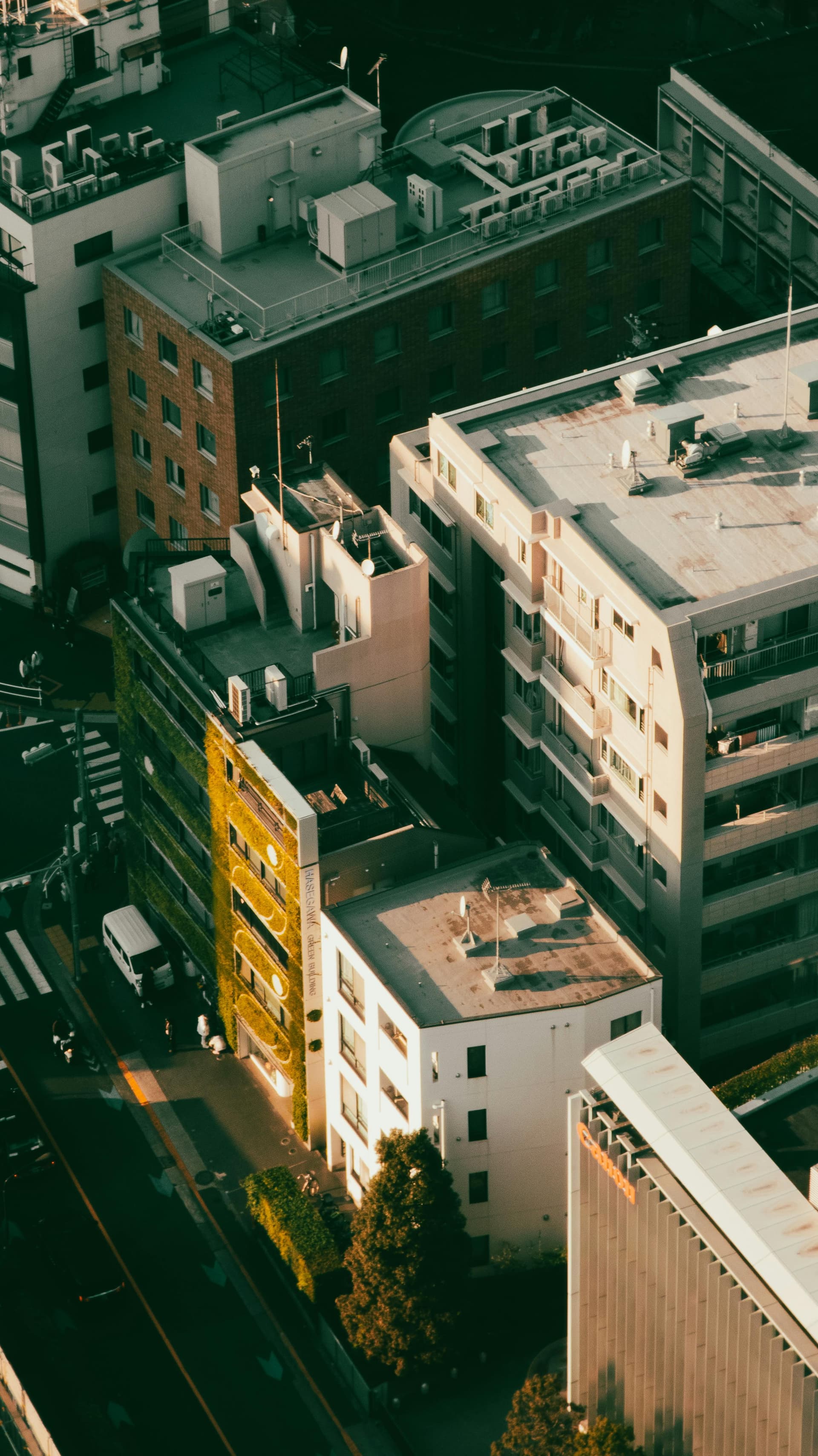
Stretch your yen further by staying in Tokyo neighborhoods that balance value, convenience, and culture.
Where to stay in Tokyo on a budget isn't just about finding the cheapest nightly rate — stretch your yen further by staying in neighborhoods that balance value, transit convenience, and real local character.
Budget accommodation in Tokyo isn't just about the nightly rate—it's about total trip cost. If you want the big-picture accommodation guide first, start with the main Tokyo base guide.
A ¥5,000/night room in a poorly-connected area can cost more than a ¥8,000/night room near a major station. The math is simple: two extra ¥400 train rides per day adds ¥800 daily. Over a week, you've erased your savings. Miss one last train and pay ¥6,000-¥8,000 for a taxi from Shibuya to somewhere like Kita-Senju, and you've blown your budget for several nights.
What makes a budget base actually work
A good budget base isn’t just “cheap.” It’s predictable.
1) Fewer transfers beats shorter minutes. A one-seat or one-transfer route usually feels easier (and is harder to mess up) than a “fast on paper” route with multiple line changes.
2) The station approach matters. “700 meters from the station” can still mean tunnels, stairs, or the wrong exit. Your goal is a simple, repeatable walk you won’t resent twice a day.
3) Last-train reality protects your budget. If you’ll be out late, the “real price” of a base is whether you can get home without taxis.
What Budget Actually Means
| Budget Level | Price Range | What You Get |
|---|---|---|
| True budget | ¥4,000-¥8,000/night | Hostel dorms, capsule hotels, basic business hotels in value areas |
| Mid-budget | ¥8,000-¥12,000/night | Private rooms in better-located budget hotels with standard amenities |
Value means you maintain convenience while spending less. The goal is avoiding hidden costs: excessive transfers, long station walks, late-night taxi fallbacks, or exhausting daily commutes that drain time and energy.
Choose Your Accommodation Type
Budget travelers in Tokyo need to understand what they're actually getting at each price point.
| Type | Price Range | What You Get | Best For | Trade-offs |
|---|---|---|---|---|
| Budget Hotels | ¥6,000-¥10,000/night | Small private rooms (10-15㎡), private bathroom, WiFi, AC, TV, fridge, kettle, basic toiletries | Couples, solo travelers wanting privacy, anyone needing personal space | Rooms are compact; breakfast costs extra (¥2,000-¥2,500) |
| Hostel Dorms | ¥3,000-¥5,000/night | Shared rooms (4-12 beds), shared bathrooms, lockers, common areas, sometimes free breakfast | Solo travelers, social travelers, anyone prioritizing low cost | No privacy, shared facilities, can be noisy |
| Hostel Private Rooms | ¥6,000-¥8,000/night | Private room with hostel amenities | Solo or couples wanting privacy at hostel prices | Smaller than hotel rooms, shared bathrooms in some properties |
| Capsule Hotels | ¥4,000-¥10,000/night | Pod-style unit, shared bathrooms, coin lockers, sometimes public baths | Solo travelers comfortable with minimal space, those wanting the capsule experience | No room to spread out, prices have increased, couples can't stay together |
| Airbnb/Rentals | Varies widely | Full apartment or private space, kitchen access | Groups splitting costs, 5+ night stays, travelers wanting kitchen | Cleaning fees (¥5,000-¥10,000+), often farther from stations, service charges add up |
Value Neighborhoods by Transport Logic
These neighborhoods balance price with connectivity. For broader context on Tokyo's neighborhood character, see our neighborhoods guide.
| Neighborhood | Key Lines | Character | Where to Stay | Best For |
|---|---|---|---|---|
| Kita-Senju(¥5,000-¥8,000) | JR Jōban, Metro Hibiya/Chiyoda, Tobu Skytree, Tsukuba Express | Strong interchange density, not tourist core, calmer evenings, straightforward station | Limited specific properties documented | Longer stays, quieter base, excellent connectivity |
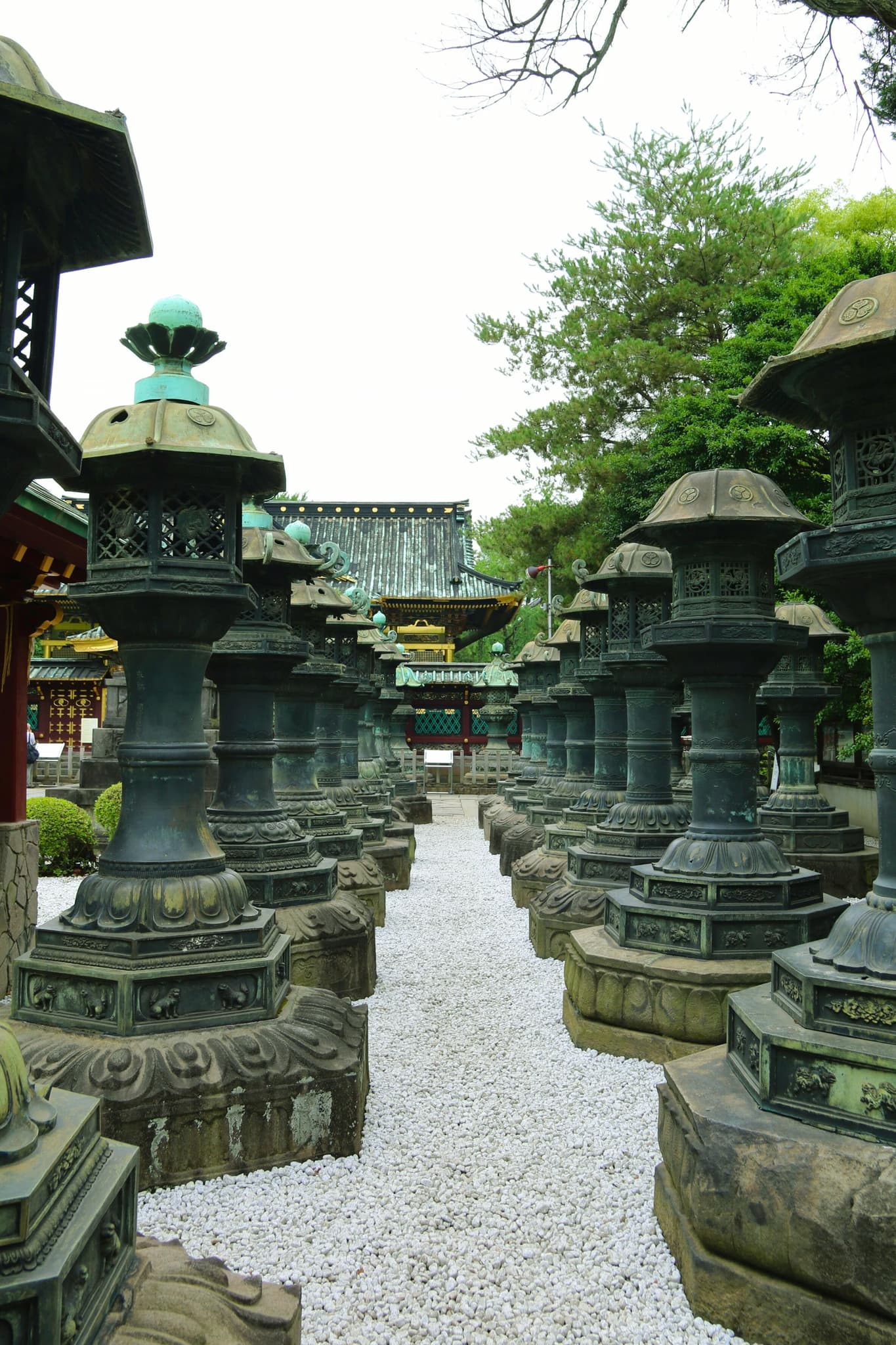
| Ueno/Okachimachi(¥6,000-¥10,000) | Yamanote, JR Utsunomiya/Takasaki/Jōban, Metro Ginza/Hibiya, Keisei (Narita) | Utilitarian not atmospheric, straightforward navigation, budget food in Ameyoko | APA Hotel Ueno Okachimachi Station South, Tokyo Ueno Touganeya Hotel, Grids Tokyo Ueno Hotel & Hostel, Sakura Cross Hotel Ueno Okachimachi | First-timers, straightforward access, early starts |
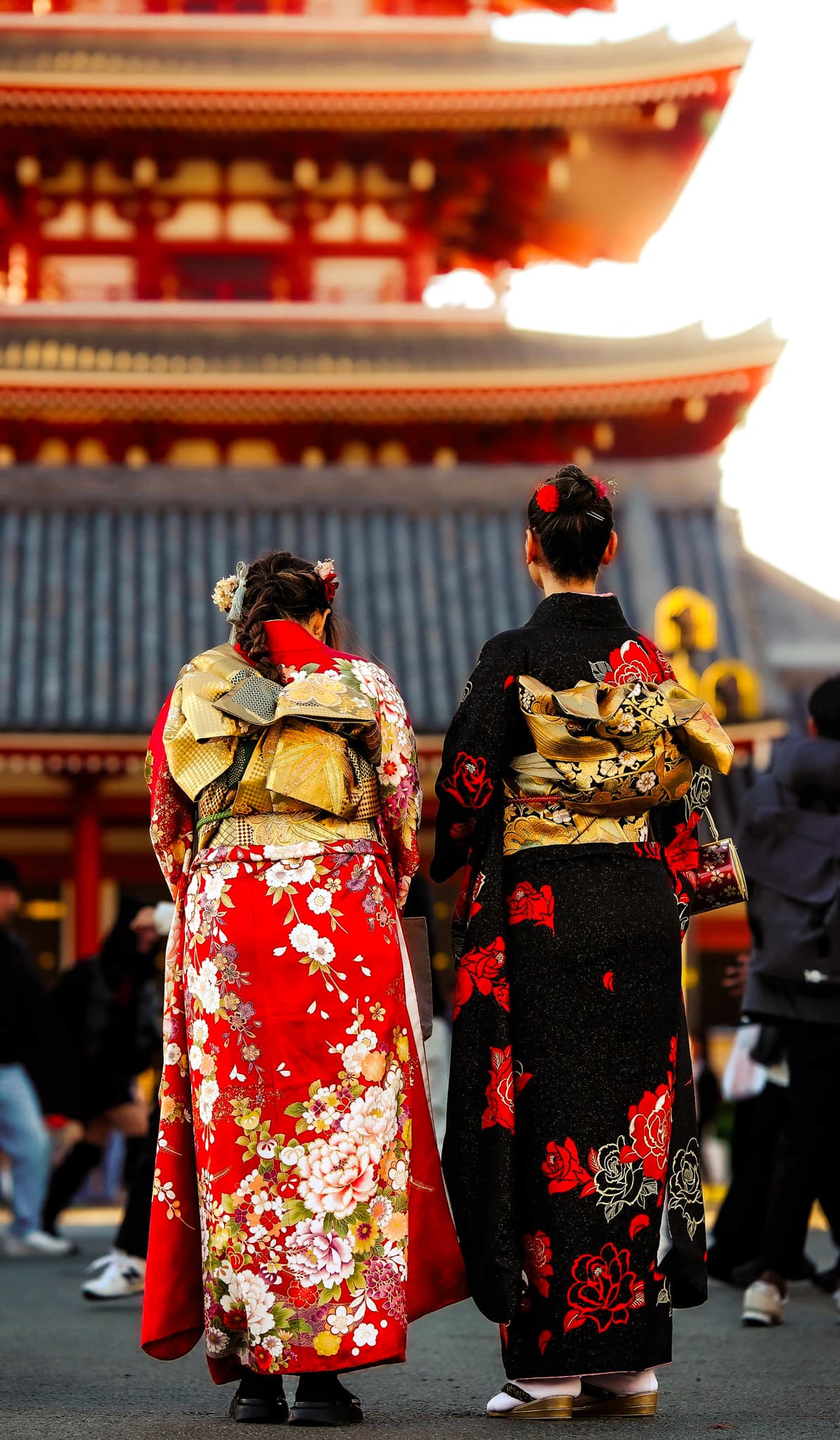
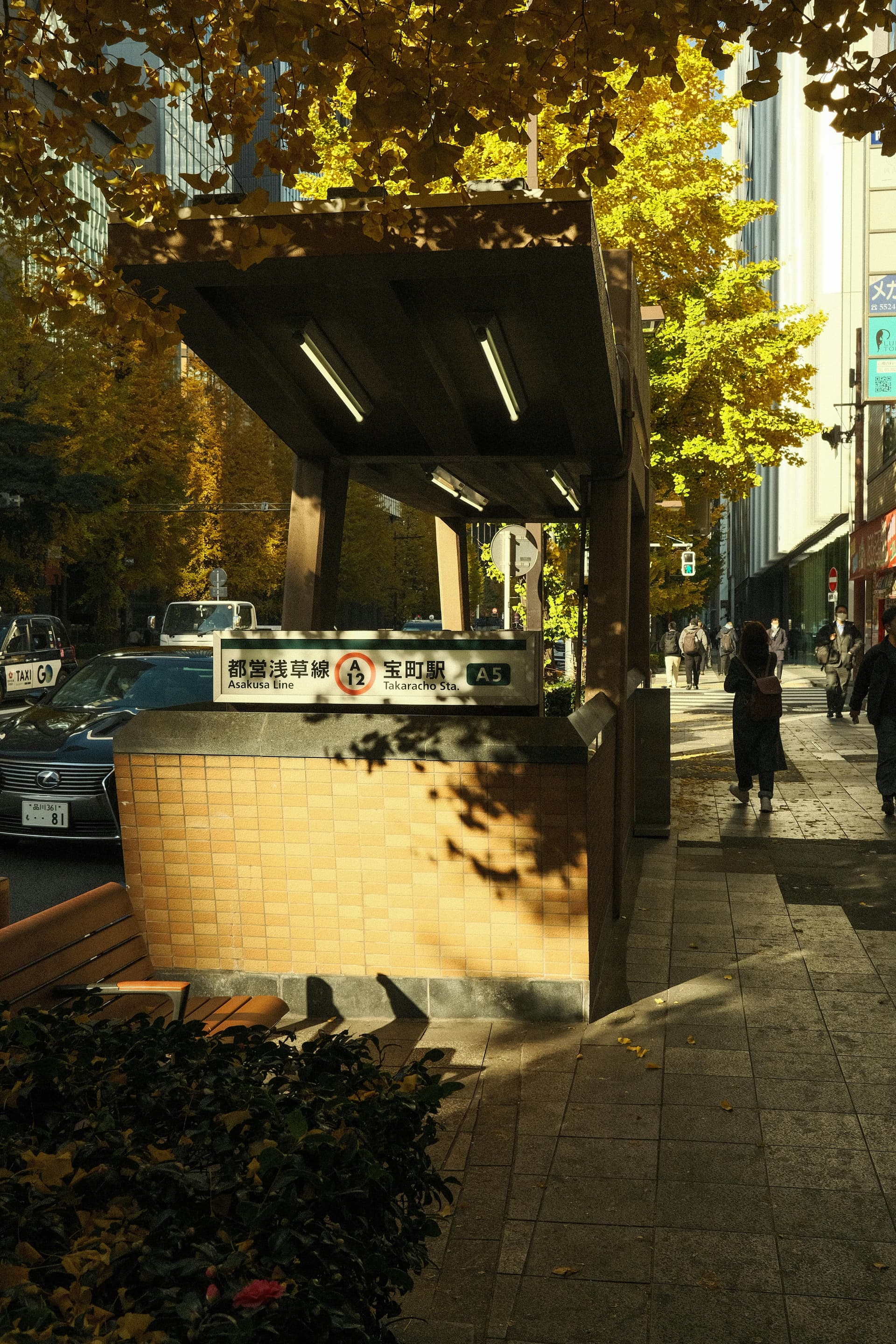
| Asakusa/Kuramae(¥5,000-¥9,000) | Ginza, Toei Asakusa, Tobu Skytree, Toei Ōedo (Kuramae) | Traditional streets, walkable evenings, local rhythm, 2-3 transfers to some areas | Asakusa Ryokan Toukaisou (¥4,000-¥6,000), Onyado Nono Asakusa, Resol Poshtel Tokyo Asakusa, APA Hotel Asakusa Kaminarimon | Neighborhood character, walkable exploration, atmosphere over convenience |
| Ikebukuro(¥6,000-¥10,000) | Yamanote, JR lines, Metro Marunouchi/Yurakucho/Fukutoshin, Tobu Tōjō, Seibu Ikebukuro | Major hub, sprawling station, 5-10 min station navigation, more budget options than Shinjuku/Shibuya | Kimi Ryokan, Super Hotel Ikebukuro West Exit, Sakura Hotel Ikebukuro Hostel, Tokyu Stay Ikebukuro | Hub access at lower cost, comfortable with station complexity |
| Nakano(¥6,000-¥9,000) | JR Chūō (Rapid), Chūō-Sōbu, Metro Tōzai | Normal neighborhood feel, 5 min to Shinjuku, everyday Tokyo, mid-sized straightforward station | Check Booking Websites | Longer stays, repeat visitors, quieter nights, local dining |
| Kinshichō(¥6,000-¥9,000) | JR Sōbu (Rapid), Chūō-Sōbu, Metro Hanzōmon | East/central practical value, feel varies block by block, busy commuter station | MIMARU Tokyo Kinshicho (apartment-style) | Connected east/central base, families needing apartment space |
Station complexity notes:
-
Straightforward: Kita-Senju, Nakano, Kuramae (smaller stations)
-
Moderate: Ueno (large but well-signed), Asakusa (multiple exits for temple/river)
-
Complex: Ikebukuro (learn your exit, wrong choice = 10+ min detours)
Asakusa and Nakano reward deeper familiarization—a neighborhood-focused tour can help you find affordable local spots and markets that aren't obvious on first visit.
If you're staying in a value area and don't want to waste your first day on navigation confusion, a short orientation with a guide can prevent expensive mistakes. Budget-conscious travelers especially benefit—one wrong taxi or series of failed transfers can cost more than the guide would have. See the Tokyo private tour planning guide for decision support.
How to Read Tokyo Accommodation Listings
Tokyo listings require translation skills.
| Listing Phrase | What It Usually Means | What to Check |
|---|---|---|
| "5 minutes from station" | 5 minutes from one specific exit (maybe not yours) | Which exit? Hotel that's 5 min from Exit A might be 15 min from Exit B through underground passages |
| "Near station" | Vague—could be 5 minutes, could be 15 | Exact walking distance? Any stairs, overpasses, confusing intersections? |
| "300 meters from station" | Straight-line distance, ignoring vertical | Check for stairs, overpasses, underground passages that triple effective time |
| "Conveniently located" | Marketing speak without specifics | Which stations and lines exactly? Distance to each? |
| "Quiet area" | Sometimes means isolated or far from action | How far from stations? Last train access? Evening safety? |
Google Maps reality check: Walking times are generally accurate for surface streets but don't reflect station navigation complexity. Add 5 minutes if your route involves entering/exiting a major station. Our Tokyo transport guide covers station navigation in more detail.
Always check: (1) Which station exit is closest? (2) Exact walking route on satellite view. (3) Hotel mentions specific exit name ("3 minutes from East Exit") = good sign.
Red Flags in Listings
| Warning Sign | What It Usually Means |
|---|---|
| "Conveniently located" without naming specific stations | Far from stations or confusing access |
| Distance listed but no mention of which station exit | Access might be from the wrong side of station |
| Property significantly cheaper than area average | Location compromise, difficult access, or quality issues |
| Requires bus from station | Hidden in listing, adds time and complexity |
| "Quiet area" (with no other location details) | Isolated or far from evening activity |
Essential Questions Before Booking
| Question | Why It Matters |
|---|---|
| Which station exit is closest to the property? | Wrong exit can add 10-15 minutes through underground passages |
| Are there stairs between station and property, or is there elevator access? | Critical for luggage, mobility, daily convenience |
| What's the last train time on the lines I'll use most? | Missing last train from budget areas = expensive taxis |
| Is there 24-hour access to the building? | Some budget properties lock doors late at night |
When to Compromise vs When to Pay More
Budget accommodation location works differently depending on your trip profile.
Trip length considerations:
| Trip Length | Strategy | Why | Potential Savings |
|---|---|---|---|
| 1-3 days | Prioritize location over savings | No time to learn complex routes | Extra ¥2,000-¥3,000/night for straightforward access pays for itself |
| 5-7 days | Budget locations work well | First day or two feel complex, then it clicks | ¥15,000-¥20,000 saved over the week |
| 10+ days | Budget areas make excellent sense | Learn local spots, optimize routes, feel like temporary resident | Time investment in learning area fully pays off |
Recommendation for shorter trips: Consider Ueno, which balances budget prices with simple connectivity.
Traveler type considerations:
| Traveler Type | Best Options | Key Considerations |
|---|---|---|
| Solo travelers | Hostels, capsule hotels, budget hotels | Maximum flexibility, can optimize for pure value |
| Couples | Budget hotel private rooms, hostel private rooms | Hostel private rooms often cheaper than hotels with similar privacy |
| Families | Apartment-style hotels (MIMARU), larger rooms | Transport convenience matters more—can't split up easily, worth paying extra for straightforward access |
| Mobility needs | Central locations, elevator access | Budget areas often have more stairs, fewer elevators, longer walks—better location isn't optional |
| Early risers | Any budget location works well | Using trains during off-peak times with simpler routes |
| Night owls | Central locations or budget with taxi acceptance | Missing last trains from budget areas means expensive taxis—pay more to stay central or budget for taxis |
Season matters: Summer heat makes long station walks miserable. Winter cold does the same. Budget locations with 10-15 minute station approaches feel fine in spring/fall, exhausting in extreme weather.
Booking Platforms and Timing
Best platforms for Tokyo budget accommodation:
| Platform | Strengths | Best For |
|---|---|---|
| Booking.com | Strong inventory, often no upfront payment, free cancellation on many properties | General hotel bookings, English interface |
| Agoda | Competitive Asia rates, sometimes beats Booking.com on identical properties | Price comparison, budget hotels |
| Hostelworld | Most comprehensive hostel listings | Hostel-specific bookings, dorms and private rooms |
| Rakuten Travel | Local Japanese inventory, sometimes exclusive properties | Travelers comfortable with Japanese interface |
Compare across platforms—same property can vary ¥1,000-¥2,000/night between sites.
When to book:
| Trip Type | Book When | Why | What Happens If You're Late |
|---|---|---|---|
| General trips | 3-6 months ahead | Most Tokyo hotels open booking 6 months out | Budget properties in good locations disappear first |
| Cherry blossom season (late March-early April) | 6-12 months ahead | Budget accommodation books out by previous fall | Prices surge 50-100% (¥6,000 hotel → ¥15,000-¥20,000) |
| Fall foliage (November) | 3-6 months ahead | Less extreme than cherry blossom but still elevated demand | Prices rise but not as dramatically as spring |
| Last-minute (within 2-4 weeks) | Now (risky) | Budget options disappear fast | Limited choices, higher prices, possibly no availability |
Cherry blossom reality check: Budget accommodation during peak bloom books out by the previous fall. Some travelers recommend booking by December for April travel. Not exaggerating.
Cancellation policies: Budget accommodations often allow free cancellation 24-48 hours before arrival. Peak season properties may require prepayment with no cancellation. Read policies carefully—flexibility costs nothing to check.
This guide is published by Hinomaru One, a Tokyo-based private tour operator.