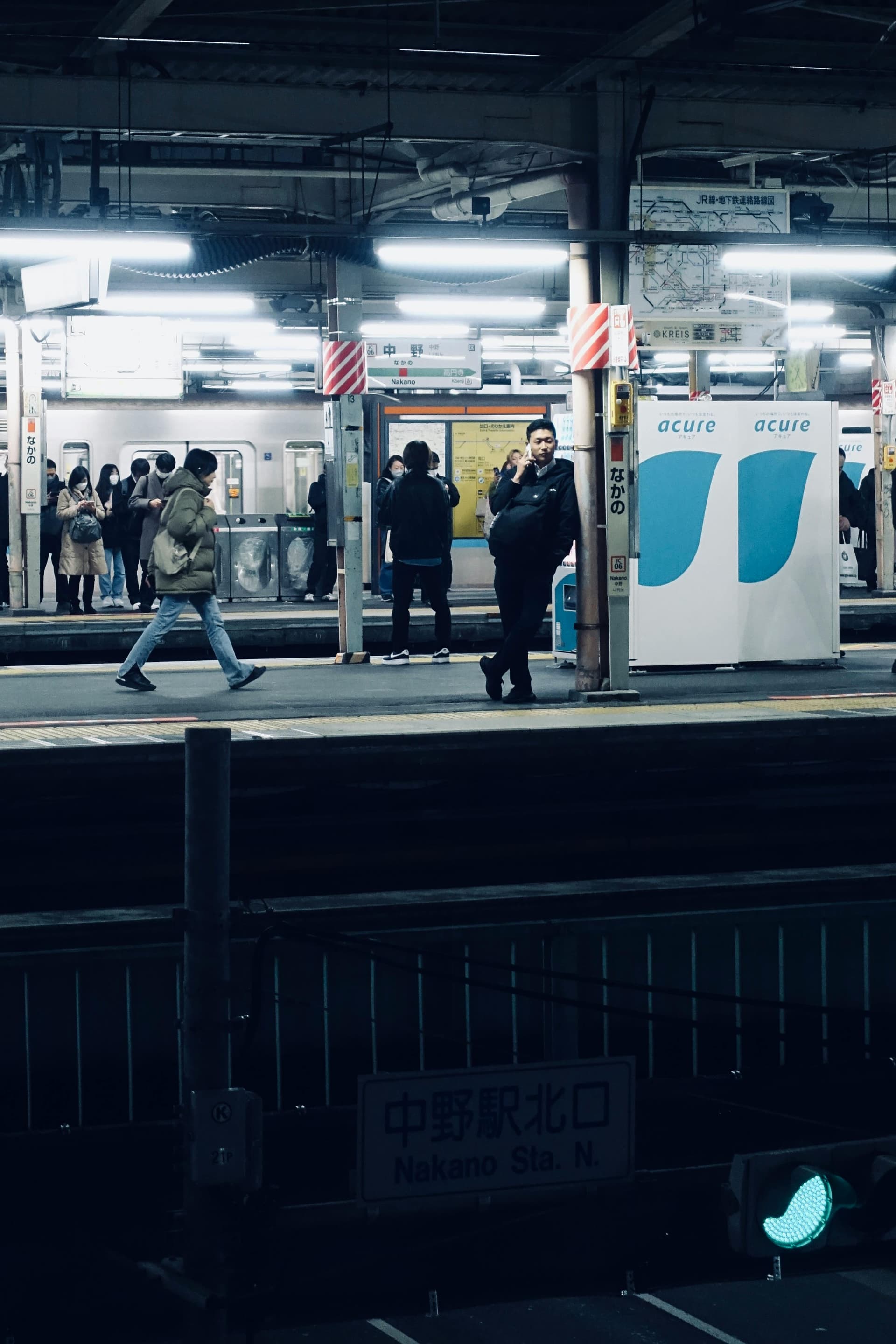
Kichijoji has the park. Koenji has the vintage shops. Nakano has the densest izakaya scene on the Chuo Line
This Nakano guide is about drinking. Nakano has the densest izakaya scene on the Chuo Line, it's 4 minutes from Shinjuku, and there are dozens of bars within a 2-minute walk of the station.
Most visitors to Nakano walk through Sun Mall, look around Broadway, and leave. They came for anime figures and vintage toys, which is fine, and Broadway has its own guide.
This one covers the side streets after the lanterns come on. Nakano is where Tokyo goes to eat and drink without any fuss. Ramen shops stay open until 3am because shift workers need dinner, and the izakayas fill with regulars who've been coming for decades. Shinjuku is a night out you dress up for. In Nakano you just go for a drink.
4 Minutes from Shinjuku, Another Tokyo Entirely
Kichijoji has the park. Koenji has the vintage. Nakano has the bars.
The JR Chuo Line runs west from Shinjuku through a string of neighborhoods, and each has its own identity. Kichijoji draws crowds to Inokashira Park and its cafes. Koenji is 古着の聖地, the vintage clothing mecca, with over 60 shops south of the station and a crowd of bohemians and musicians. Nakano is the one where you eat and drink.
The Chuo Rapid train gets you there from Shinjuku in 4 minutes, and the local takes 5-7 minutes for the same 4.4 kilometers. Either way, you'll have checked your phone once and be somewhere that feels nothing like the station you left.
When "drinking" is the priority
Koenji has nightlife, but a longtime resident once said it's "not as lively as Shimokitazawa" for bars. Nakano is denser. Get off at the north exit and within two minutes you're choosing among dozens of izakayas, standing bars, and ramen shops packed into overlapping shopping streets.
The fare from Shinjuku is ¥170 in cash or ¥167 with an IC card. For that you leave Shinjuku's crowds behind for a neighborhood that doesn't care whether you're impressed.
The 224-Meter Gateway (And What Lies Beyond)
Walking through vs. walking off
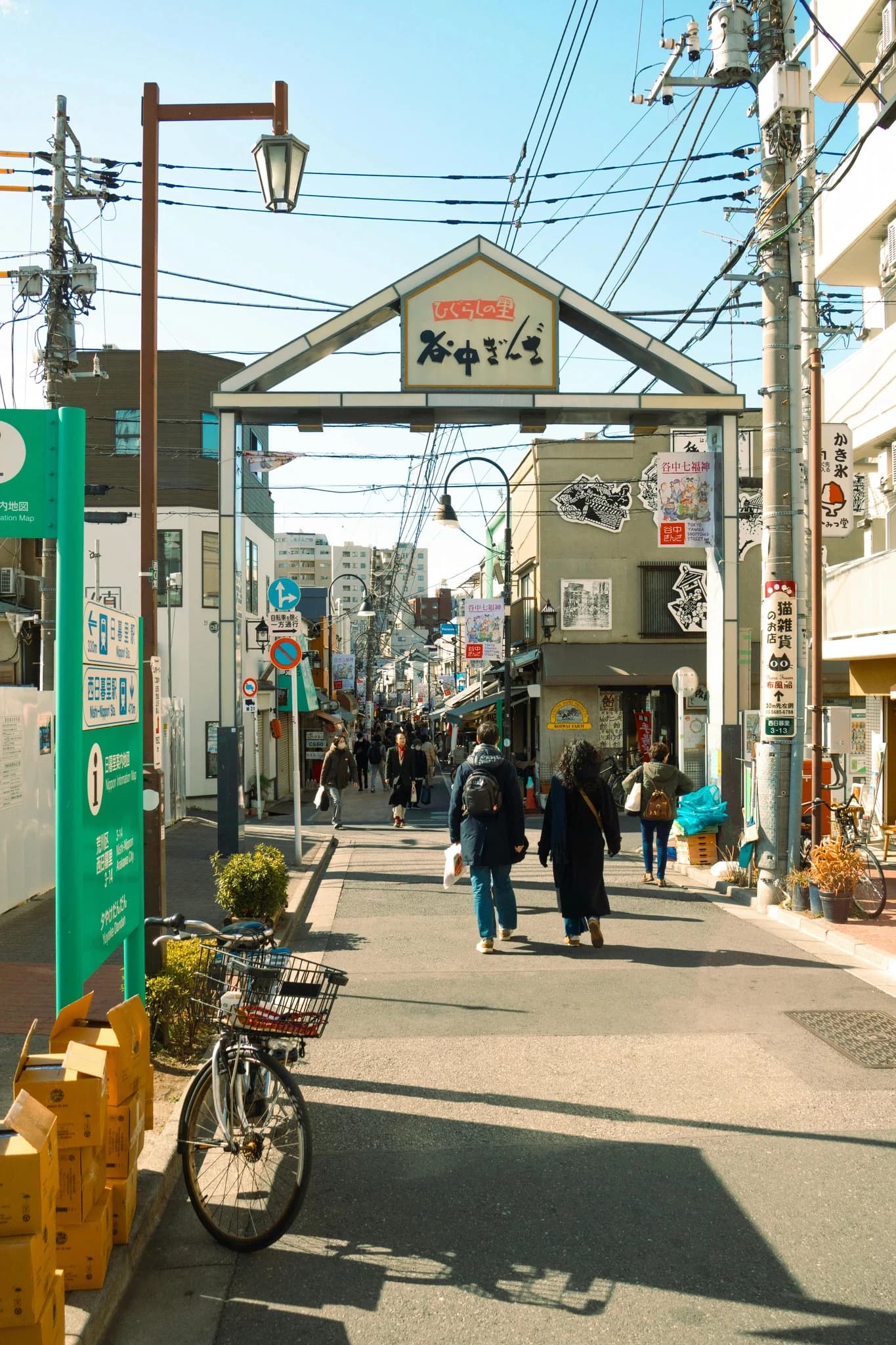
Sun Mall runs 224 meters from Nakano Station's north exit to Nakano Broadway. It has 110 shops, and 50,000 people walk through it every day. A wave-patterned glass roof put in in 1998 lets in daylight, a steam locomotive chime sounds every hour, and seasonal LED displays change the arcade's colors.
None of that is the reason to come, and Sun Mall is mostly a way to get somewhere. The shops sell shoes, clothes, and household basics, the things people who live here actually buy, and in the daytime it's a practical shopping street. The arcade opens at 10am and most shops close by 9pm.
The alleys that don't appear on maps
Turn off Sun Mall and things get better. To the east, narrow lanes branch off toward the drinking streets: Fureai Road, the numbered streets (Ichiban-gai, Niban-gai, Sanban-gai), and past those, Showa-Shinmichi. A few hundred meters of these alleys hold decades of Tokyo drinking culture.
Sun Mall is the route to Broadway. Once people find the side streets, some of them never make it that far.
Showa-Shinmichi: Where Salarymen Have Decompressed Since 1960
"Hyakken Yokocho" — a hundred doorways, no wrong choice
Showa-Shinmichi is 250 meters long and a 5-minute walk from the north exit. The street's official tagline is "昭和と今が出会う街", which means where Showa meets today, and it's a fair description. Green and red checkered lanterns mark the entrance to what the shopping street calls "Hyakken Yokocho", or Hundred Shop Alley.
The poet Yoshida Rui, who lived along the Chuo Line for years, once said: "When I lived along the Chuo Line, when it came to drinking, it was Nakano." He meant this street.
Where to start when every lantern looks inviting
| Name | Style | Hours | Note |
|---|---|---|---|
| Panipani | Standing bar | 17:00-24:00 (Fri-Sat to 1:00), closed Sun | Earl Grey highball, modern interior |
| Namidabashi | Retro izakaya | — | ~10 seats, wall menus, unchanged since Showa |
| Uoya Yozou | Standing fish bar | 17:00-1:00 daily | ¥280 sashimi, former fishmonger |
| Taishu Sakaba Yo | Taishu sakaba | 17:00-22:30, closed Mon | Opened ~2022, counter seating |
The language barrier is smaller than it looks
Only 10% of Tokyo's izakayas have English menus, and Showa-Shinmichi is no different. It matters less than you'd think.
Order "moriawase", the chef's selection platter, or ask for "kyo no osusume", today's recommendation. Point at what the person next to you is eating. Plenty of places post photo menus outside. If you want a guaranteed English tablet menu, Torikizoku has two branches in Nakano.
Because Showa-Shinmichi is so packed, a wrong pick costs you very little. If one place doesn't work out, the next lantern is 10 steps away.
Fureai Road and the Numbered Streets: Hong Kong After Dark
The photogenic chaos of Ichiban-gai
Fureai Road runs north-south from the station toward Waseda-dori. The area takes in Ichiban-gai (First Street), Niban-gai (Second Street), and Sanban-gai (Third Street), a cluster of bars squeezed between Sun Mall and Showa-Shinmichi.
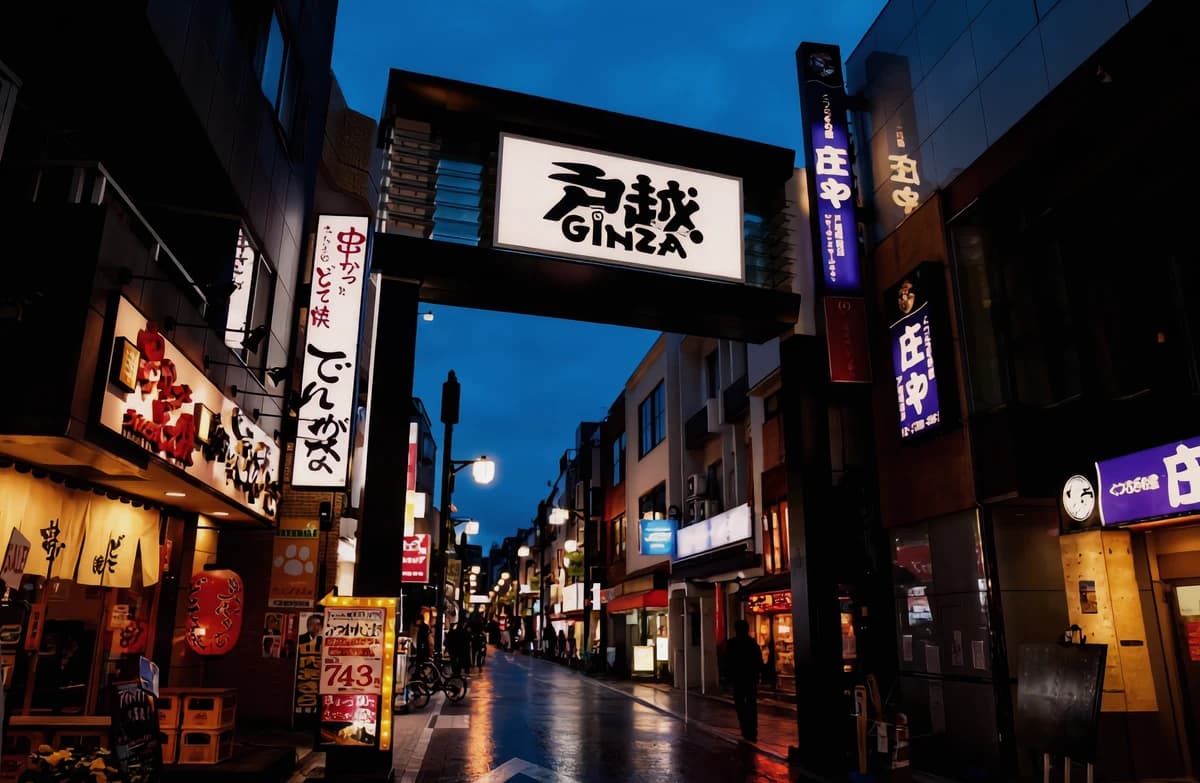
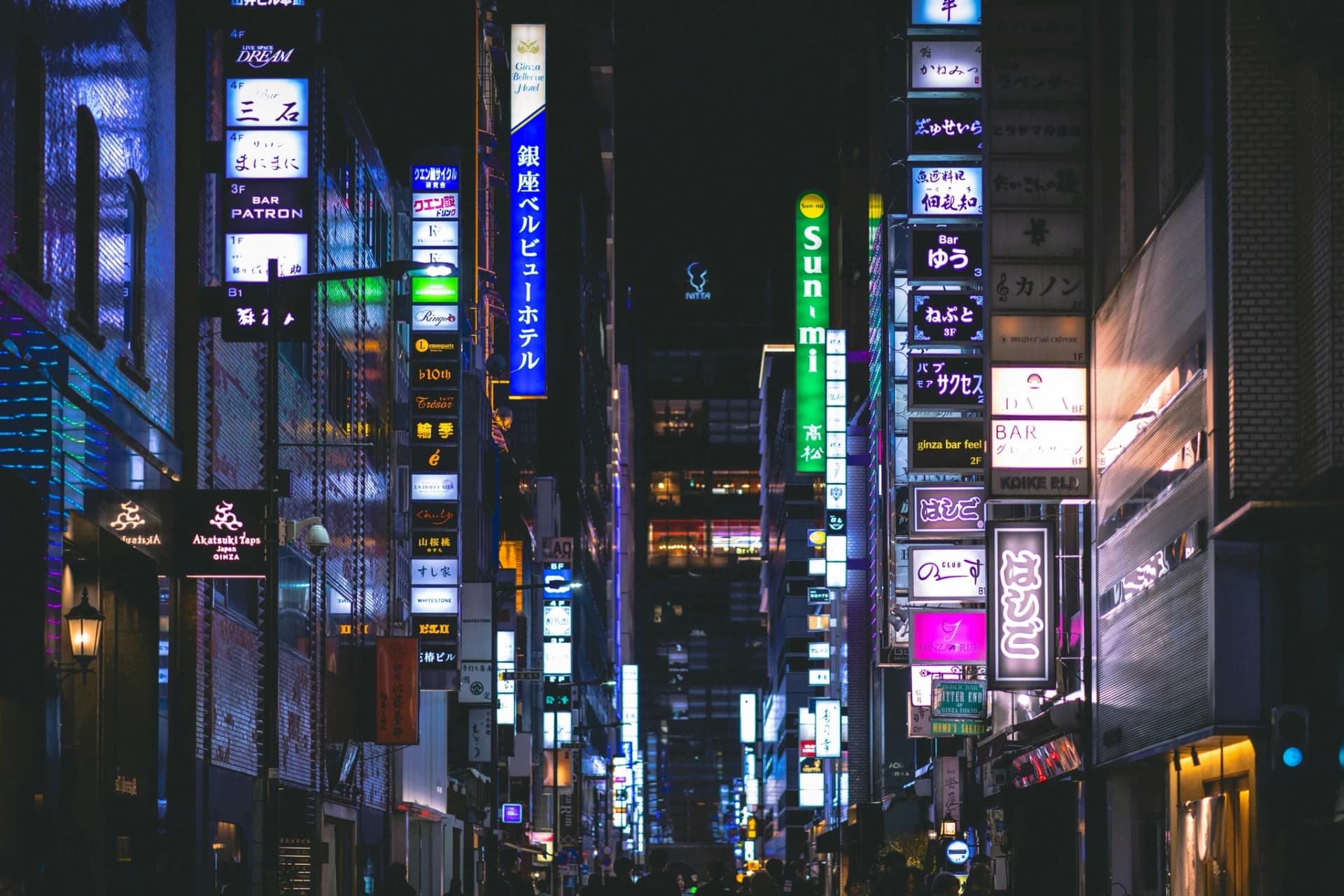
It feels different from Showa-Shinmichi. That street is small and nostalgic, while Fureai Road looks like a neon postcard, with signs and lanterns stacked over each other. Japanese visitors compare it to Hong Kong at night. If you want photos of Nakano, take them here.
Nakano Yokocho is an izakaya complex of 4 small bars sharing one entrance. Nakano Beer Kobo is tucked into a back alley off Showa-Shinmichi and brews 8 house beers, with a French-trained chef running the place.
Standing bars vs. seated: how the format changes the night
Standing bars (立ち飲み, tachinomi) are the main format here. They turn over faster, cost less, and feel more social than seated izakayas. You move from one to the next instead of settling in at one spot for the evening.
A typical evening at a standing bar runs ¥2,000-3,000, with beer from ¥300. If you'd rather sit down and stay longer, the seated izakayas on Showa-Shinmichi suit that pace better.
Rengazaka: The South Exit You Didn't Know Existed
European brick, Japanese sake
Most visitors never leave by anything but the north exit, since the drinking streets, Sun Mall, and Broadway are all on that side. Nakano has a south exit too.
Rengazaka is a one-minute walk from the south exit. The name means "brick slope", and it's a brick-paved alley between buildings lined with bars and restaurants that look nothing like the north side. It feels European. The crowd is couples, women, and families, a long way from the salarymen packed in on the other side of the station.
When the north exit crowd isn't your crowd
| Name | Style | Note |
|---|---|---|
| Nakano Aonisai | Japanese sake bar | Casual atmosphere, sake pairings |
| Bar Bacchus | Oden bar | Western-style, visible interior |
| Minami no Kaeru | Dining bar | Organic cooking, Guinness on tap |
The north exit is where salarymen unwind after work. Rengazaka is where one of them might bring a date. Prices are a little higher and it's quieter, so pick your exit by who you're with.
Aoba and the Ramen Battleground
Where the double-soup ramen was born
Japanese food media calls Nakano a "ramen gekisen-ku", a ramen battleground. That covers how many shops there are, though it leaves out the history.
Aoba Nakano Honten is 3 minutes from the north exit, and it's where the fish-and-animal double soup (Wスープ) style began. Mixing seafood broth with pork or chicken stock is common all over Tokyo now, and it started in this shop.
The styles you'll find within walking distance
Nakano's ramen covers a lot of ground:
-
Aoba Nakano Honten: the original double soup, fish and animal broth
-
Minowa-ya: iekei-style tonkotsu, rich and heavy, opened 2022
-
Budoka: another iekei shop, 3 minutes from the south exit, very rich, with free rice refills
-
Saicoro: niboshi (dried sardine) and tonkotsu, thick homemade noodles, and a ¥500 special on the 29th of each month
-
Kaeru: Jiro-style huge portions, piled vegetables, and your choice of noodle thickness
-
Tadaima Henshin-chu: Hiroshima oysters, which you don't see much in Tokyo
The ramen shops stay busy late because all that drinking leaves people hungry at 2am. Shift workers and people who missed the last train know these kitchens are still open after the izakayas close.
Nakano by Day: When the Lanterns Are Off
Sun Mall in daylight: local shopping, not tourism
Show up at noon and Nakano is quieter, with the lanterns off, but there's still something to see.
In the daytime Sun Mall is everyday Tokyo, with residents buying groceries and salarymen grabbing a quick lunch. It feels like a local shopping street because it is one. It's calmer, with thinner crowds.
What's open before 5pm
Lou opened in 2021 as the sister shop to Paddlers Coffee in Hatayagaya. The cafe is open from 8:00 to 22:00 (closed Wednesdays), and the bar takes over at 5pm. All the furniture was custom built, the records are city pop and jazz, and the specialty is milk coffee made with black sugar from Hateruma Island.
Inside Broadway, Coffee Zingaro is a second-floor space produced by the artist Takashi Murakami and Kaikai Kiki. Hours are 12:00 to 18:00, but they vary, so check their Instagram. The interior mixes Showa-era retro design with Murakami's art, and the coffee comes from the Norwegian roaster Fuglen.
The neighborhood starts to change around 5pm when the izakayas open. Come at 6pm for photos of the lanterns against the blue-hour sky, or at 8pm when it's in full swing.
Getting There and Getting Oriented
From Shinjuku (and everywhere else)
Three lines stop at Nakano Station:
-
JR Chuo Line (Rapid): 4 minutes from Shinjuku
-
JR Chuo-Sobu Line (Local): 5-7 minutes from Shinjuku
-
Tokyo Metro Tozai Line: Nakano is the western end, and the line runs east to Nihombashi, Otemachi, and Nishi-Funabashi in Chiba
The Tozai Line connects Nakano to central Tokyo's business districts without a change at Shinjuku. It passes through Takadanobaba, Iidabashi, Kudanshita, Otemachi, and Nihombashi on its way to eastern Tokyo.
North exit vs. south exit
Take the north exit for Sun Mall, Broadway, and the izakaya streets, and the south exit for Rengazaka and a date night. The station is small, so switching sides is easy if you change your mind.
This guide is published by Hinomaru One, a Tokyo-based private tour operator.