The barrier to authentic Tokyo experiences isn't money or connections. It's language and knowing where to look.
The 8 Experiences at a Glance
| Experience | Cost | Where | Time |
|---|---|---|---|
| Blade forging with master swordsmith | ¥25,000+ | Ome City (80 min from central Tokyo) | Full day |
| Edo Kiriko glass cutting | ¥16,500/person | Hirai, Edogawa Ward | 90 min |
| Chopstick crafting with Edo sashimono master | ¥11,000/person | Kuramae, Taito Ward | 90 min |
| Toyosu tuna auction | Free (advance lottery) | Toyosu Market, Koto Ward | 5–6 AM |
| Sake brewery tasting tour | ¥2,500–5,000 | Varies (several in Tokyo) | 2–3 hours |
| Noh lesson on private family stage | ¥15,000+ | Iidabashi | 2 hours |
| Tokyo Sento (public bath) circuit | ¥550/bath | Various neighborhoods | Half day |
| Sumo stable morning practice | Free–¥5,000 | Ryogoku area | 7–10 AM |
Authentic Tokyo experiences start where the usual circuit ends. Say you've done Senso-ji, crossed Shibuya at rush hour and taken the photo, and queued for the ramen place everyone Googles. It was good, and you still suspect there's more to the city than that.
Tokyo has a whole layer of craft workshops, working markets and living performance traditions that most visitors never come across. An hour outside the center, a master swordsmith forges blades from tamahagane steel. In Kuramae, a 110-year-old woodworking studio teaches chopstick joinery, run by one of only three surviving Edo sashimono masters in the country. At 5 AM most mornings, frozen bluefin tuna slides across the auction floor at Toyosu Market while buyers bid with hand signals and shouts. In Iidabashi, a 21st-generation Noh master teaches on his family's private stage, which the public normally can't get into.
You can book all of it, most weeks of the year. Prices on this page run from ¥0 to ¥180,000, from the free predawn tuna auction to a full day of blade forging with a master craftsman. Each place runs for the people who do the work, and visitors who find them are let in on the same terms.
Most travel guides skip these places because of language and logistics. Here are the eight we'd point you to.
Why These Experiences Are Hard to Find
None of these places market to foreign visitors, and nobody is trying to keep you out. A third-generation woodworker whose family has made furniture for 110 years never needed an English website. A sake brewery that takes bookings by phone has no reason to build an online reservation system. The Noh master lists his sessions on a Japanese-language platform most tourists will never see.
The people running them care about the craft more than tourism revenue, so you won't find an English Instagram account promising "unforgettable moments" or anything branded "immersive." That small amount of friction keeps them as they are, and it's low. You need basic Japanese, a booking platform, or someone who can phone on your behalf.
Master Swordsmith Blade Forging at Hirata Tantōjō
Hirata Tantōjō is the one forge in Tokyo where you can spend a whole day working tamahagane steel under a master swordsmith and go home with a blade bearing his signature. It's in Ome City, about 80 minutes west of central Tokyo, and takes one group a day.
You arrive in the morning and go through the full forging process: heating the steel, hammering it into shape, learning the metallurgy behind traditional Japanese blades, then cooling and polishing. The forge makes its own tamahagane, the raw steel Japanese swordsmiths have used for centuries. By evening you have a finished kitchen knife (15cm) or a smaller fixed blade (9cm) with the master's engraved seal.
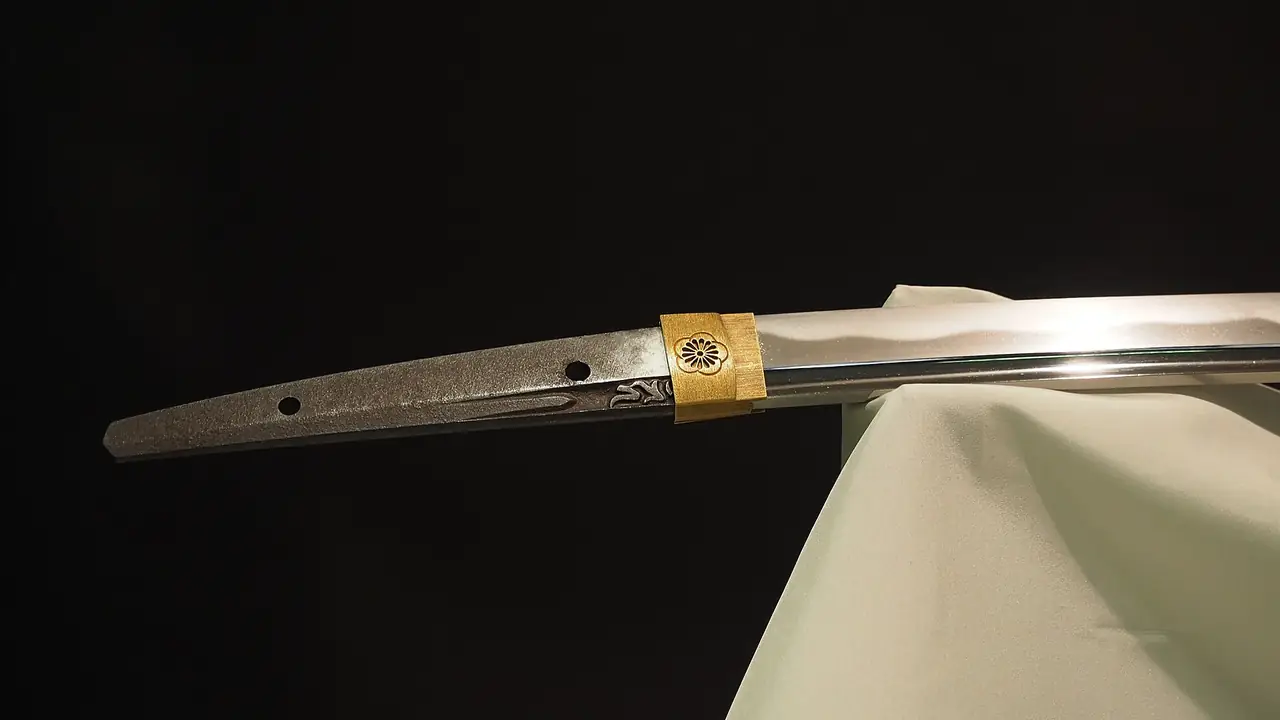
Knife forging starts at ¥25,000, and longer workshops cost more. You reserve in advance and prepay by bank transfer. The booking form on their website is basic but works, and the site has some English. Cancellations need at least 10 days' notice.
It isn't cheap. For that money you get a full day of one-on-one teaching from a master swordsmith, the materials including handmade tamahagane, and a blade you'll keep for life. People spend similar sums on dinner at a three-Michelin-star restaurant and leave with a memory. Here you leave with a knife that cuts, engraved by the person who taught you to make it. Most Tokyo guides stop at samurai costume photos.
Edo Kiriko Glass Cutting at Nakakin Glass
Nakakin Glass has made Edo Kiriko since 1946. The studio is in Hirai, Edogawa ward, a 10-minute walk from Hirai Station on the Sobu Line, and it's one of the last workshops in Tokyo still using the layered gradient glass technique that good Kiriko is known for.
In a 90-minute session, a craftsman with over 20 years of experience shows you the cutting process and then hands you the tools. You choose a pattern and cut it into layered glass yourself. Your piece isn't finished when you leave: Nakakin does the final polishing and ships it 10 to 14 days later. Tourist glass-cutting classes hand you something on the spot because they skip those polishing steps, and that's a good way to tell the two apart.
Two people at a time is the limit. You book through Otonami, a Japanese experience platform, at ¥16,500 per person, at least seven days ahead. Children aged 10 and up can join with a guardian.
The studio's own production stock sits on the shelves next to your workspace, made for Japanese department stores and collectors. You're cutting in the room where their commercial Kiriko is made, with the same tools, and the same master watching your cuts.
Chopstick Crafting with the Edo Sashimono Master at Mogami Kogei
Edo sashimono is woodworking joinery done without nails, screws or glue. The pieces lock together through precise cutting. Only a handful of certified masters are left in Japan, and Mr. Yutaka Mogami is one. He's the third-generation head of Mogami Kogei, which has worked out of Kuramae, Taito Ward, for over 110 years.
His workshop, Mokumasan-an, is five minutes on foot from Kuramae Station. Over 90 minutes he helps you pick a good piece of wood and use traditional joinery techniques to make a pair of chopsticks you'll actually eat with. They come in an Aizu paulownia case that sells for around ¥7,700 by itself. The session costs ¥11,000 per person.
Booking is through Otonami. Sessions fill up and stay full for weeks, so if the calendar shows nothing, sign up for the waitlist notification. We'd plan a trip around this one.
The workshop doubles as a small showroom of Mr. Mogami's furniture and older Edo sashimono pieces: cabinets, boxes and trays next to the tools that made them, none with a nail. He'll show you how wood grain and cutting angle make a joint hold with no adhesive, and after that your chopsticks look different.
Private Noh Theater with the Sakurama Family
This is my favourite experience on the list, and the hardest to explain to someone who hasn't seen Noh live.
Ujin Sakurama is the 21st-generation head of the Sakurama family, and his grandfather was a designated Living National Treasure. He teaches on the family's Fujimi Butai stage in Iidabashi, which doesn't open to the public for regular performances. It's an eight-minute walk from Iidabashi Station.
Sessions take about 90 minutes. Sakurama teaches the basics of utai (Noh chanting) and shimai (Noh dance), then performs both. Go for the optional 40-minute add-on at ¥20,000 per person, where he performs a full shimai in costume and mask for your group alone, six people at most. You'll handle masks and garments from the family's private collection, and some of those pieces are historically significant.
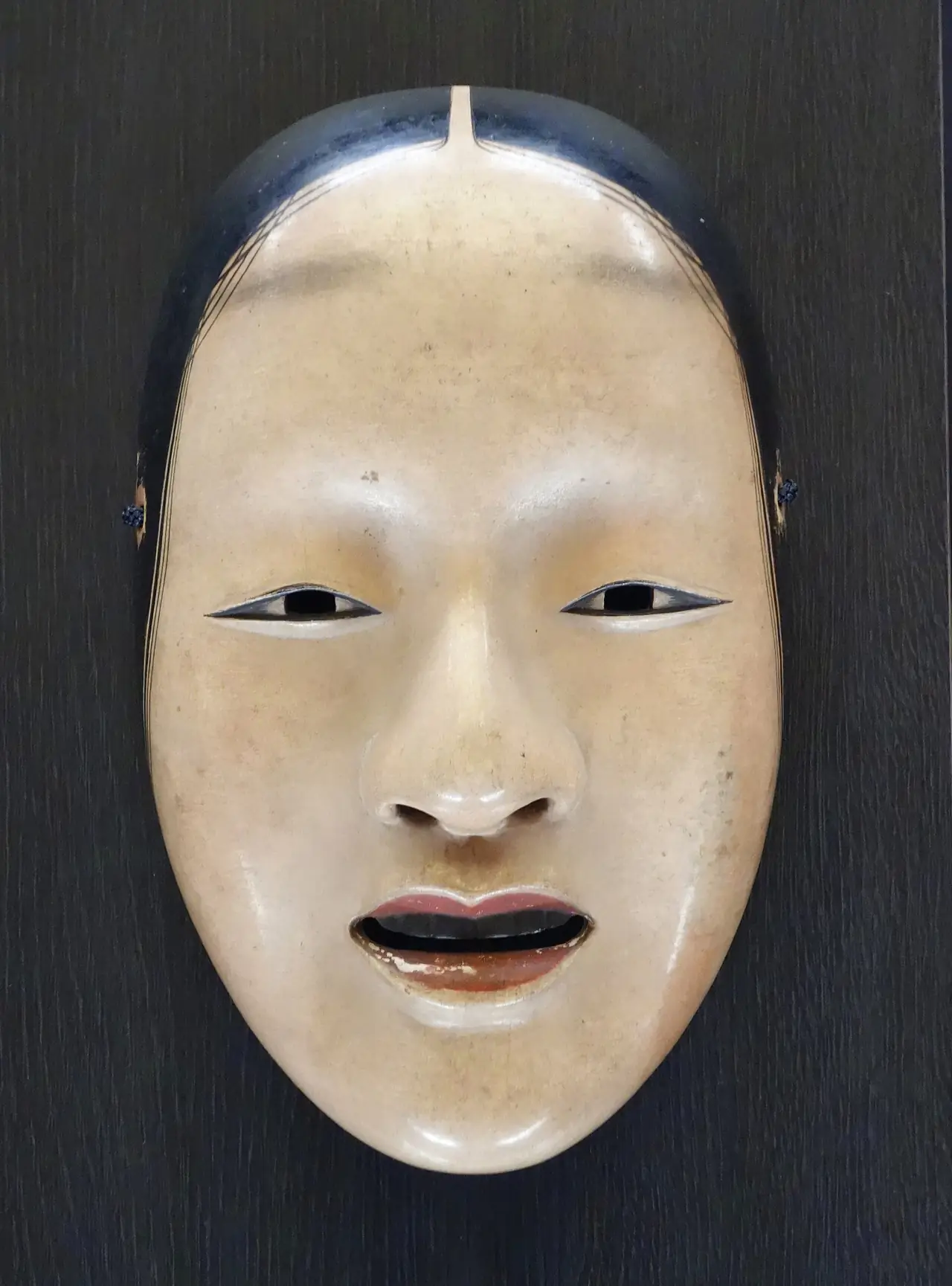
The base session is ¥7,500. It runs about six times a month on Wednesdays and Fridays, at 10:30, 13:30 and 18:30. Book through Otonami at least three days ahead with a credit card. Cancel within 72 hours and you pay in full.
At a public theater you're one of 600 in the audience. Here you're one of six on a private family stage, three feet from Sakurama as he puts on the mask, taking instruction from a lineage that goes back 400 years. I'd still say see a public performance at the National Noh Theatre if you can. They're very different ways to meet the same art. If you book one thing from this list, book this.
Full-Process Washi Papermaking at Hinode Washi
Most papermaking workshops in Japan skip steps: you get pre-processed pulp, dip a screen, and leave with a sheet. Hinode Washi, in Hinode Town, Nishitama District, starts you at the kozo tree.
You cut it, strip the bark, boil it and beat the raw fibers into pulp before you ever touch a forming screen. Then you hand-form your sheet on a bamboo mesh frame, press it and set it to dry. By then it's obvious why traditional washi is valued so differently from machine-made paper. The whole thing takes two to three hours.
Hinode Town is about 60 minutes from central Tokyo. Take the train to Musashi-Itsukaichi Station and a shuttle bus runs to the workshop. Sessions are at 10:00 AM and 1:30 PM daily except Tuesdays and Wednesdays, with room for up to 20 people each, so it's one of the easier ones on this list to get into.
It's ¥4,500 per person, reserved in advance through hinodewashi.tokyo. They also run washi lighting, art piece and phone case sessions, but the full-process one is the reason to make the trip. Afterward you start spotting washi everywhere: shoji screens, wrapping, calligraphy supplies, temple decorations.
Private Sake Brewery Tour at Sawanoi
Sawanoi has brewed sake since 1702. The brewery is on the Tama River in Ome City, about 80 minutes from Tokyo Station by train, in a mountain valley that looks nothing like the Tokyo most visitors see.
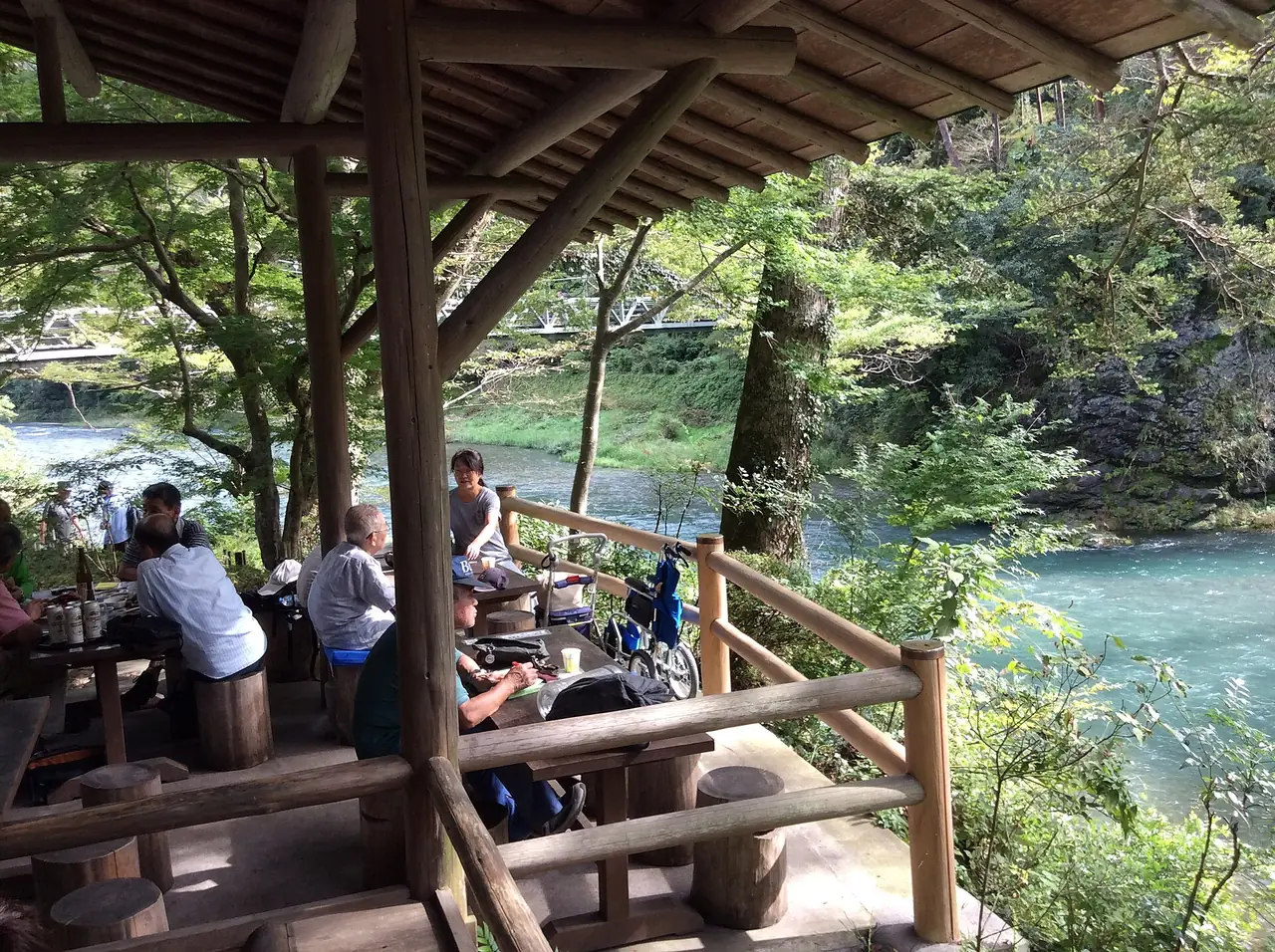
Book the private tour with the toji, the master brewer. It's separate from the standard group tours. Through the TOKI experience platform, the toji walks you through the fermentation rooms and explains the brewing with no one else competing for his time. The full plan runs about three hours and adds a guided tasting and a seasonal kaiseki lunch at the brewery's riverside restaurant. A 90-minute half plan covers the tour without the meal.
Ask TOKI for current prices, since they depend on group size and add-ons. Extras include transport from central Tokyo and a professional photographer.
The brewery also runs a much simpler group tour for ¥3,000 flat for the whole group, not per person. You book it by phone only (0428-78-8215, weekdays, closed Mondays), you need at least 11 people, and there's no tasting. The line has no English option, so you can guess who it's meant for.
The setting counts for as much as the sake. Ome sits in a river valley with forested hills all around, and the restaurant looks over the Tama River. You spend the morning hearing about koji fermentation and water sources from the person who makes those calls, then eat kaiseki with the mountains in view.
Toyosu Market Tuna Auction
The best free thing to do in Tokyo needs an alarm set for 4:30 AM.
Toyosu Market took over from Tsukiji's inner wholesale market in 2018. Every morning, buyers gather on the auction floor of the Fisheries Wholesale Area Building to bid on roughly 1,000 frozen tuna and 200 fresh ones. Auctioneers call prices, buyers answer with hand signals, and a whole bluefin changes hands in seconds. The frozen tuna auction runs from about 5:30 to 6:30 AM, and a produce auction follows at 6:30 in another building.
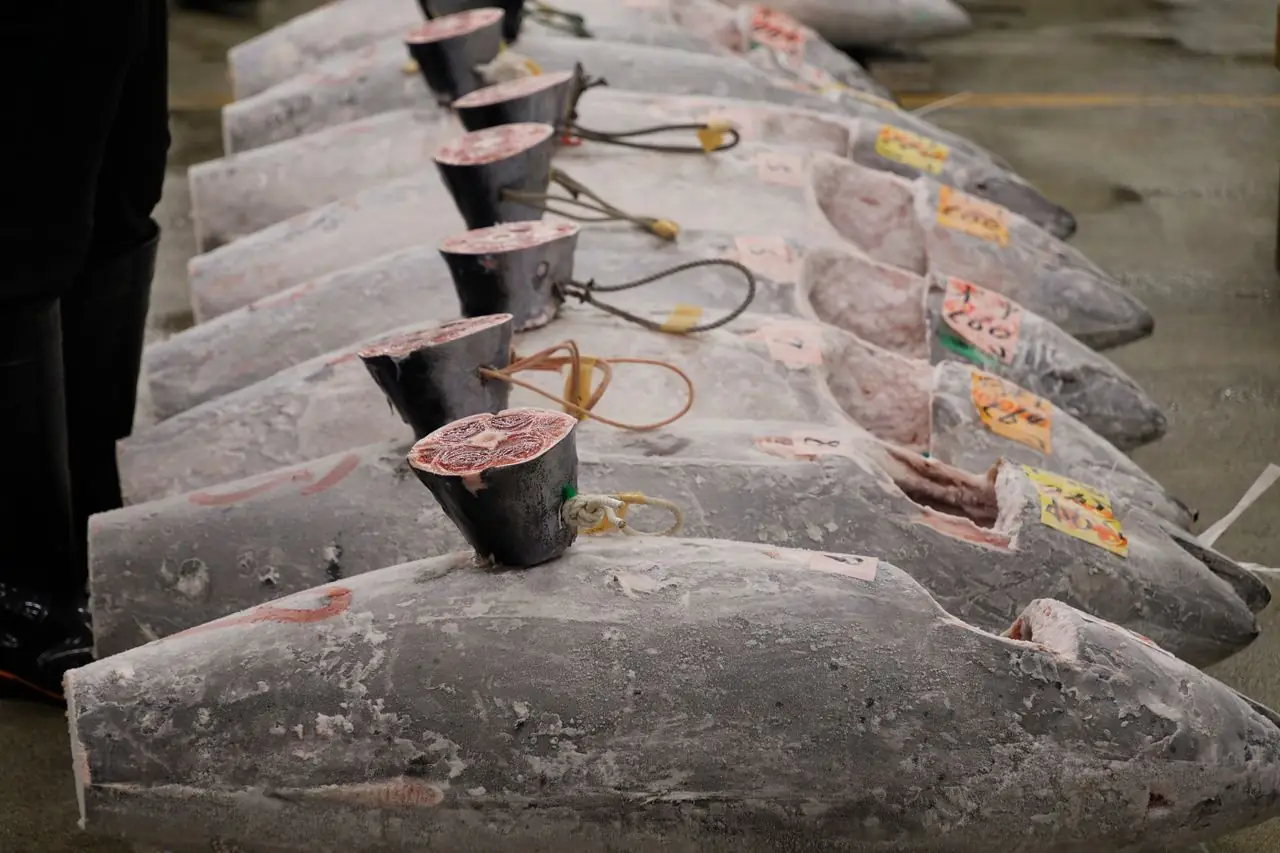
You watch from a public walkway above the floor. There's no booking, ticket or fee: show up at the right building and watch. The hour is the only real obstacle, and it's why the viewing area isn't full of tour groups.
Take the Yurikamome line, the Toei bus from Shimbashi, or drive. Get there between 4:45 and 5:15 to find a spot before the bidding starts. Bring a jacket, because the floor is refrigerated and 5 AM in Tokyo is cold in every season.
Afterward, walk over to the market-side restaurants for a tuna breakfast. Sushi Dai and Daiwa Sushi have long waits, but dozens of other counters serve the same Toyosu fish with no queue. A ¥2,000 sushi set at 7 AM, an hour after you watched the fish get auctioned, is one of the better meals you'll have in Tokyo.
If you have time, stay for the 6:30 AM produce auction too. Seasonal fruit goes through the same kind of bidding, including premium melons and strawberries at prices that seem absurd until you taste them.
Authentic Tea Ceremony at Chazen, Ginza
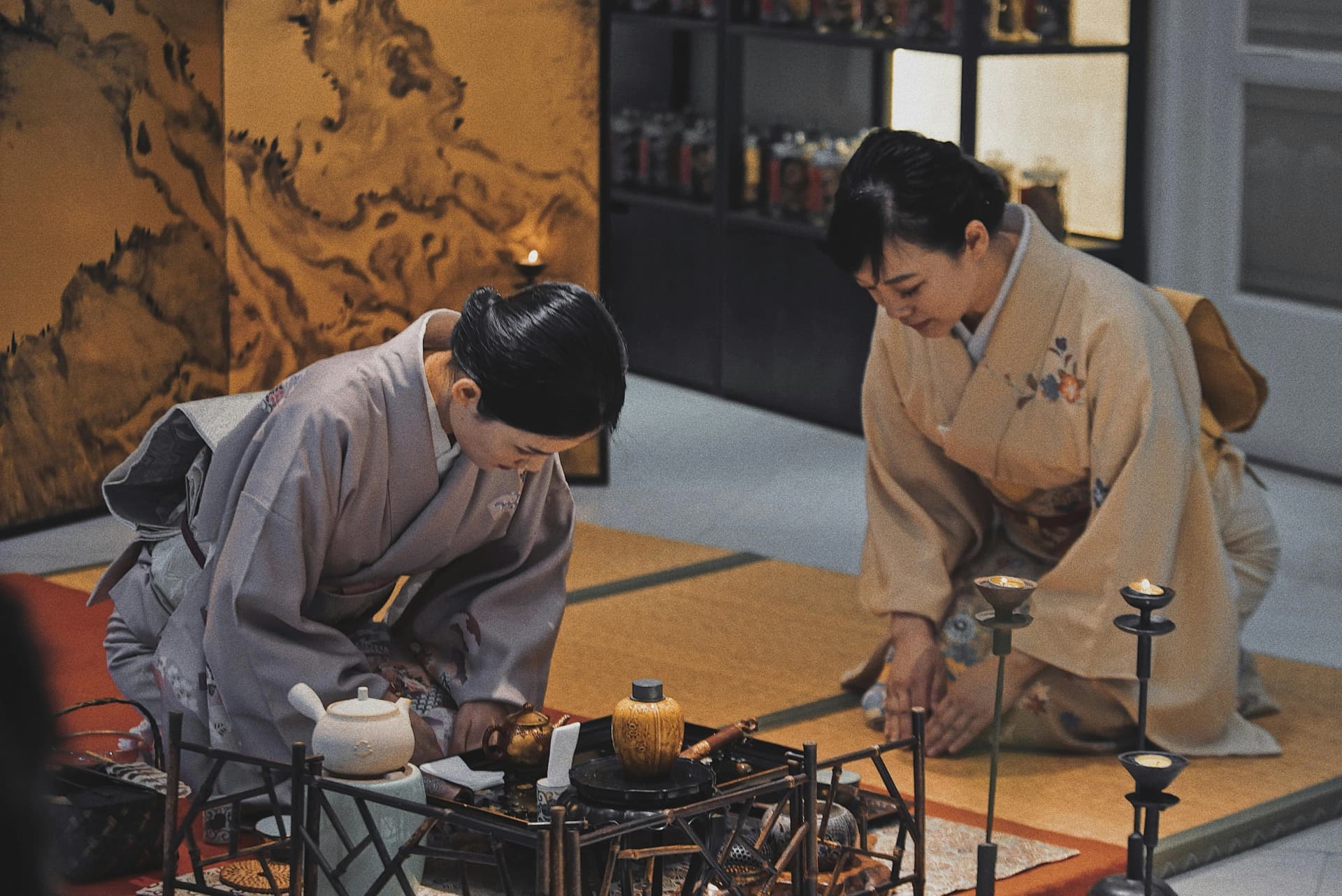
Tokyo has tea ceremony workshops everywhere, and most are built to move tourists through fast. Chazen in Ginza is slower. Its tearoom has a nijiriguchi, the small crawl-through entrance that historically made samurai leave their swords outside and enter as equals. It's a real architectural element of traditional tea rooms.
The tea masters hold "associate professor" rank in the Urasenke school, one of the three major schools of Japanese tea ceremony. In 45 minutes you get a short talk on the history and thinking behind the ceremony, grind matcha leaves yourself in a stone mill called a cha-usu, watch the master's formal movements, then make and drink your own bowl with seasonal jōnamagashi sweets. Those are high-grade wagashi chosen for the season, which is something serious tea practice cares about and tourist versions usually don't.
A shared session costs ¥3,500 per person. Private rooms start at ¥5,000 with a two-person minimum. Slots run hourly from 10:00 AM to 5:00 PM daily except over the year-end closure. Book and prepay online at chazen-co.jp/ginza. It's next to the Kabukiza Theatre, so it pairs easily with a kabuki performance.
The tearoom is wheelchair accessible, which is unusual for traditional tea spaces, and the ceremony itself keeps every step.
At ¥3,500 it's the cheapest experience here and one of the easiest to book. It's a good first tea ceremony, or a second one if you did a tourist version somewhere and want to see what you missed. Our full guide to tea ceremony in Tokyo covers more venues, prices, and what to expect.
Quick Reference
| Experience | Price | Duration | Location | Japanese needed? |
|---|---|---|---|---|
| Master Swordsmith (Hirata) | ¥25,000+ | Full day | Ome City (80 min from central) | No (website booking) |
| Edo Kiriko Glass (Nakakin) | ¥16,500 | 90 min | Hirai, Edogawa (15 min) | No (Otonami) |
| Chopstick Master (Mogami) | ¥11,000 | 90 min | Kuramae (5 min) | No (Otonami) |
| Private Noh (Sakurama) | ¥7,500+ | 90–130 min | Iidabashi (8 min) | No (Otonami) |
| Washi Papermaking (Hinode) | ¥4,500 | 2–3 hours | Hinode Town (60 min) | No (website) |
| Sake Brewery (Sawanoi) | Contact TOKI | 1.5–3 hours | Ome City (80 min) | Phone tour: yes |
| Tuna Auction (Toyosu) | Free | 30–60 min | Toyosu (20 min) | No |
| Tea Ceremony (Chazen) | ¥3,500–5,000 | 45 min | Ginza (central) | No (online) |
How to Actually Book These
Each of the eight books a little differently, and knowing how saves you some frustration.
The Kiriko glass cutting, the chopstick workshop and the Noh theater all go through Otonami, a Japanese experience platform with a clean booking system. You can do the whole thing online with a credit card. Notice runs from three days (Noh) to seven (Kiriko). Availability is the hard part, and the chopstick workshop especially sells out weeks ahead. Check Otonami first and build your itinerary around what's open.
Hirata, the swordsmith, books through its own website with bank transfer prepayment. It's simple, if a bit old-fashioned, and the site has basic English.
Chazen and Hinode Washi each take bookings on their own websites. Neither is complicated.
Sawanoi has two tracks. TOKI handles the private tour with the master brewer. The standard group tour means phoning 0428-78-8215 in Japanese during weekday business hours.
Toyosu needs no booking at all. Set an alarm, get on a train and turn up.
Leave enough lead time. For the swordsmith, start booking at least two to three weeks before your trip. The chopstick workshop may need a month or more at current demand. Noh, Kiriko and tea ceremony can usually be sorted within a week, and Toyosu is there tomorrow morning if you can face the alarm.
Booking any of these takes knowing they exist and, in a couple of cases, some Japanese. No connections or special status required. If you can manage that, you can book the whole list yourself.
What a Local Guide Actually Does Here
An independent traveler who does the research and can make a phone call in Japanese can reach every place on this list. If that's you, go ahead. The details are all above.
If it isn't, this is the work a guide on our private tours in Tokyo takes off your hands. We book the experiences, handle the Japanese, sort out getting between central Tokyo and places like Ome City or Hinode Town, and translate live while you're there. When the swordsmith explains why the grain of the steel matters, or the Noh master describes a 400-year-old movement, you understand what you're watching.
We build custom itineraries around experiences like these. One day might be the Toyosu tuna auction at dawn and the chopstick workshop in Kuramae by late morning. Another might pair the sake brewery with swordsmith forging, since both are in the Ome area. Our guided experiences have set options, or get in touch about something specific.
Photo credits
- Tang, gold collar and polished blade of an Edo-period katana on display: Ka23 13 / Wikimedia Commons, CC BY-SA 4.0, resized
- Riverside terrace at the Sawanoi brewery restaurant above the Tama River in Ome: Unknown / Wikimedia Commons, CC BY-SA 4.0, resized