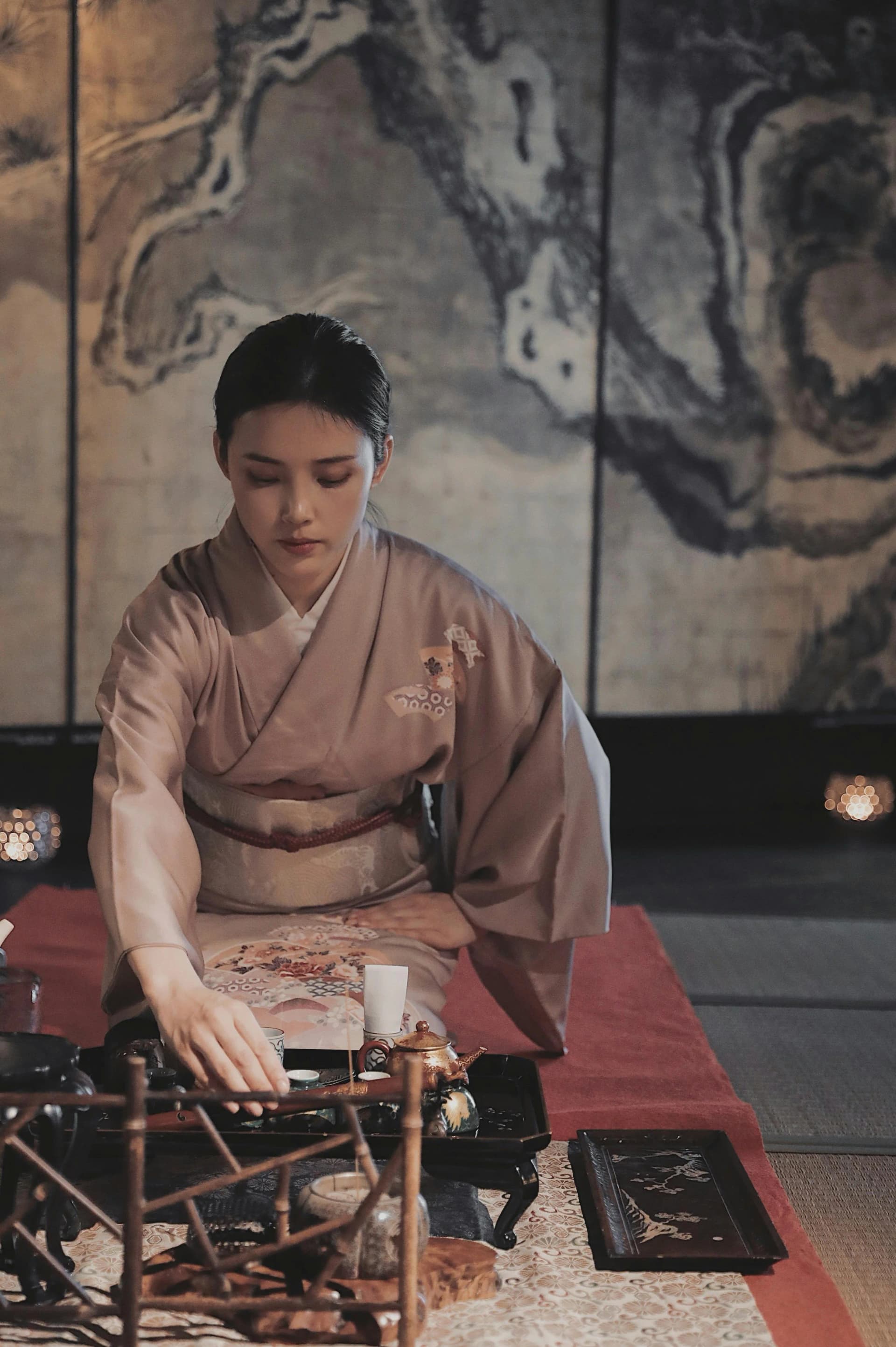
If you search "tea ceremony Tokyo," you'll find dozens of options that all look roughly the same: 45 minutes, matcha, a tatami room, somewhere around ¥3,000 to ¥5,000. That's fine for most visitors, and some of those experiences are genuinely good. But the actual range of what's available in Tokyo runs from ¥1,500 for a casual standing-form ceremony near Sensoji to ¥155,000 for a private session in a registered Cultural Property tearoom modeled after Sen no Rikyu's historical residence.
Most people don't know that spectrum exists. A first-time visitor looking for a tea ceremony will typically book whatever appears first on Viator or Google, end up in a tourist-friendly group session, and come away thinking they've seen what tea ceremony is. They haven't, necessarily. They've seen one version of it.
This guide covers eight venues across the full price range. It also explains enough about what tea ceremony actually is that you'll understand what you're watching, not just where to sit. Whether you want the ¥1,500 option or the ¥155,000 one, you'll know what you're getting and why it costs what it does.
What Tea Ceremony Actually Is
Tea ceremony, or chado (茶道, literally "the way of tea"), is a practice. That word matters. It's not a performance staged for an audience. It's a set of deliberate movements for preparing and serving matcha that has been refined over roughly 500 years. The host doesn't just make tea. Every element in the room is chosen for a reason: the hanging scroll in the alcove, the single flower arrangement, the shape and glaze of the tea bowl, the seasonal wagashi sweet served alongside it. All of these communicate something about the season, the occasion, and the host's intention. You don't need to decode all of it to have a meaningful experience. But knowing that these choices are intentional changes how you watch.
Three main schools of tea ceremony exist in Japan today, all descended from Sen no Rikyu, the 16th-century tea master who codified the practice. Urasenke is the largest and most internationally active, which is why most English-friendly venues in Tokyo follow this tradition. Urasenke practitioners whisk the matcha into a thick, frothy consistency and tend toward a welcoming, accessible approach to teaching. Omotesenke, the second largest school, produces a thinner, less frothy tea and emphasizes understated simplicity in both technique and aesthetic. Mushanokoji-Senke is the smallest of the three and focuses on rationalized movement, stripping away anything unnecessary from the preparation sequence. The differences between schools are subtle enough that a first-time visitor won't notice them, but they explain why the tea at one venue looks and tastes different from another. When a venue mentions its school affiliation, it's signaling a specific lineage and approach.
A traditional tearoom is a small tatami-floored space, often only four and a half mats in size (about 7.3 square meters). The nijiriguchi, a small crawl-through entrance roughly 66 centimeters tall, forces everyone to bow and enter on their knees. The historical reason: samurai had to leave their swords outside and enter as equals, regardless of rank. The practical effect today is that you feel the room's intimacy the moment you duck through. Not all venues use a nijiriguchi (several offer chair seating or standing arrangements), but the ones that do are offering something closer to the original form.
Tea Ceremony Venues in Tokyo: The Full Spectrum
The eight venues below cover everything from a ¥1,500 casual experience to Tokyo's most expensive private tearoom. They're loosely grouped by price, but each one does something distinct.
Budget and Accessible (¥1,500 to ¥5,000)
Yamayuri sits five minutes on foot from Sensoji Temple in Asakusa and offers the most affordable tea ceremony in Tokyo at ¥2,500 per person. The format is ryurei-shiki, a standing-form ceremony where you sit in chairs at a table rather than on tatami. This style was invented during the Meiji era specifically to accommodate foreign guests, so there's no seiza (kneeling) involved and no physical discomfort. The instructor trained under Urasenke since 1987 and holds formal licensing from 1997. Sessions run about 40 minutes. The atmosphere is casual and encouraging, with photos actively welcomed. Yamayuri describes itself as "SNS-friendly" and even offers small treats if you share your experience on Instagram or Facebook. Book online through their reservation system up to two hours before your session. The Asakusa location means you can combine it with Sensoji, Nakamise-dori, and the surrounding shitamachi neighborhood in a single morning. If you want to try tea ceremony without committing much time or money, this is the lowest barrier to entry in the city.
Tokyo Tower's Asatanoyu (朝茶の湯) is a morning tea ceremony held on the Main Deck of Tokyo Tower, 150 meters above the city. Sessions happen twice monthly on the second and fourth Saturday, with two seatings at 8:15 and 9:00 AM. At ¥3,330 per person (increasing to ¥3,980 from April 2025), the price includes tower admission. The instructor is Urasenke-certified, trained in France, and conducts sessions in English, French, and Spanish. You choose between tatami seating by the south-facing windows or chairs in the club333 lounge. The tea ware comes from traditional kilns: Asahi-yaki, Bizen-yaki, Hagi-yaki, and Takatori-yaki, all handcrafted by Edo-era artisan lineages. The panoramic dawn view over Tokyo is what makes this one singular. No other tea ceremony in the city offers anything like this setting. Book through Asoview!, the Japanese experience platform, via the link on Tokyo Tower's site. Groups of 11 or more need to contact them directly.
Chazen in Ginza is, for most visitors, the best overall option. The tearoom sits next to the Kabukiza Theatre in central Ginza, making it easy to combine with kabuki, Tsukiji, or a Ginza afternoon. Tea masters hold associate professor rank in Urasenke, which is a meaningful credential. In 45 minutes, you receive a brief lecture on tea ceremony principles, grind your own matcha using a stone cha-usu mill, watch the master's formal preparation, then drink your bowl with seasonal jonamagashi sweets. The tearoom includes a nijiriguchi entrance, so you get the physical experience of entering a traditional tea space on your knees.
Shared sessions cost ¥3,500 per person. Private rooms start at ¥5,000 with a two-person minimum. Hourly slots run 10:00 AM to 5:00 PM daily. Book and prepay at chazen-co.jp/ginza. The space is wheelchair accessible, which is rare for traditional-style tea rooms and worth knowing if mobility is a consideration. Chazen hits the intersection of quality, price, location, and accessibility better than any other venue on this list.
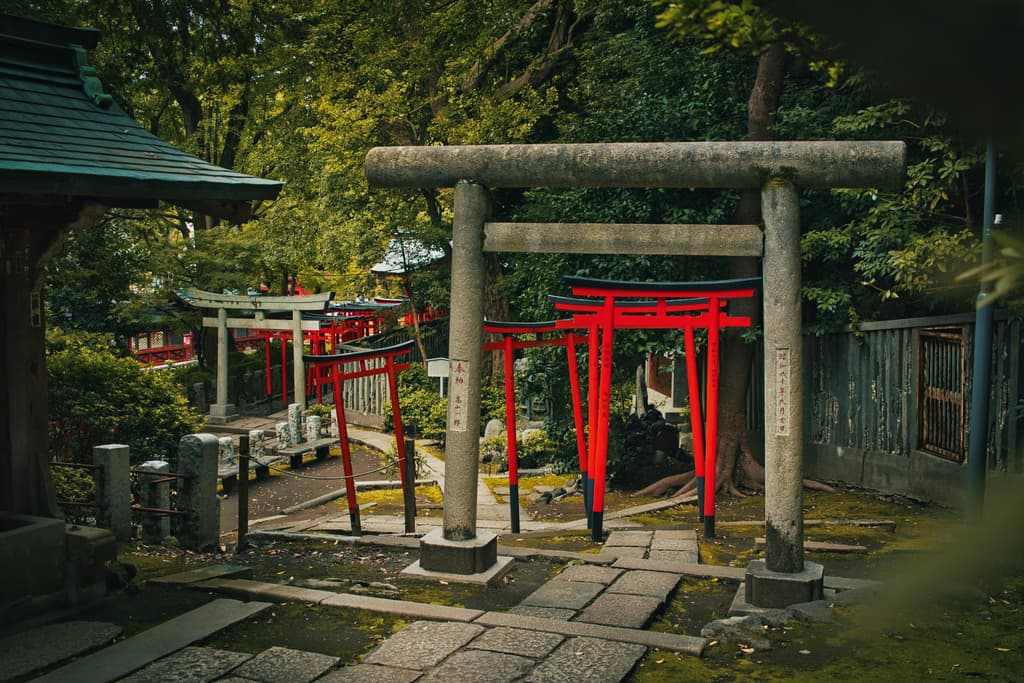
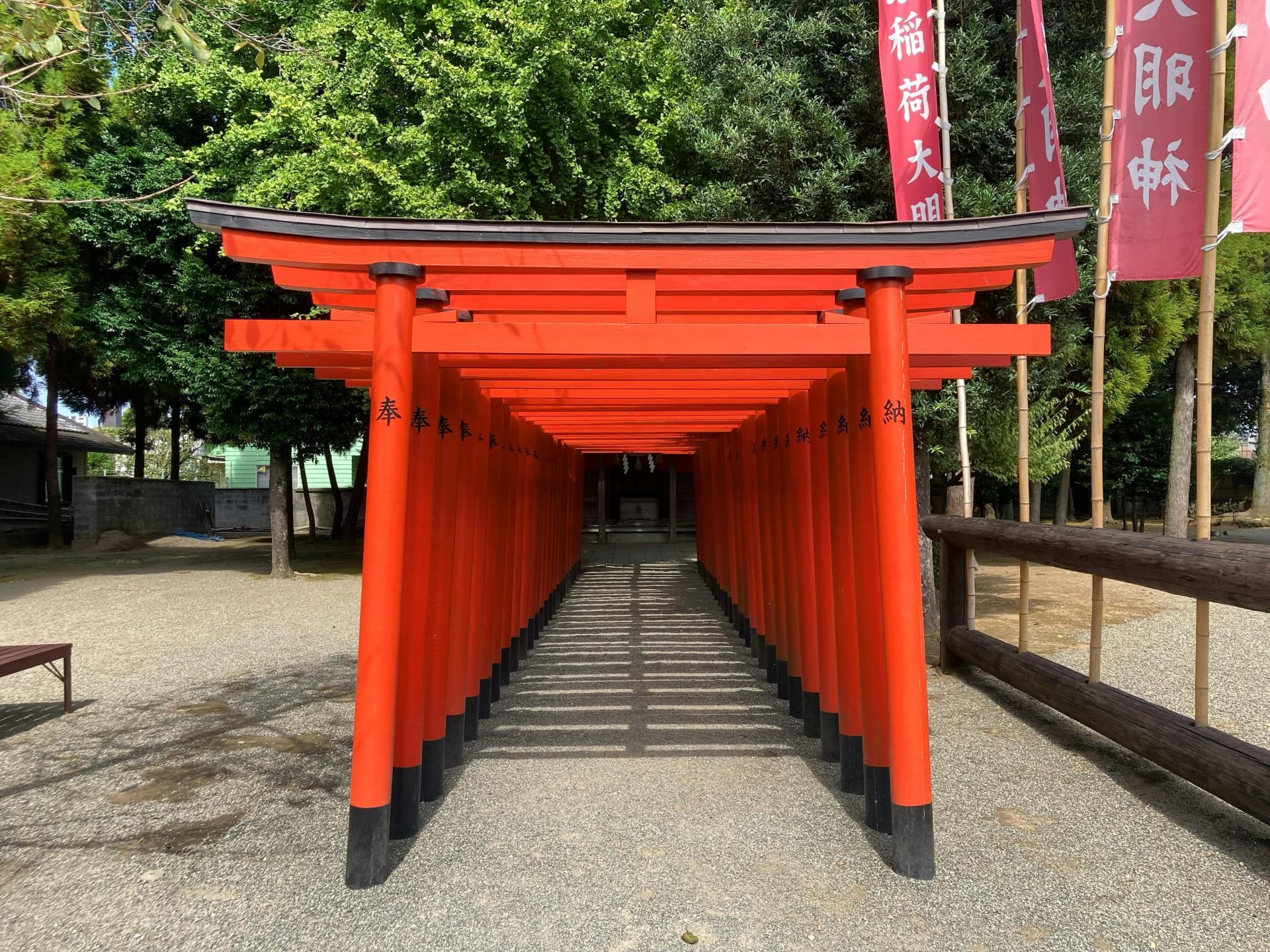
Tokyo Maikoya in Asakusa is the most popular tea ceremony experience among international visitors, and it earned that position honestly. It held TripAdvisor's top ranking for tea ceremony in Tokyo for five consecutive years (2018 to 2022). The standard experience bundles kimono rental with tea ceremony in a tatami room with a Japanese garden featuring red torii gates, bamboo, and pine trees. Multiple plan options exist, from basic tea ceremony to packages that add wagashi sweet-making or extended kimono rental so you can continue sightseeing in traditional dress afterward.
Prices run roughly ¥3,000 to ¥5,000 depending on the plan. Sessions last 45 to 120 minutes. Everything is conducted in English with step-by-step guidance. If you want the full visual package (kimono, garden, tea, photos) and you're visiting Tokyo for the first time, Maikoya delivers exactly that. Book through their website, where each plan has its own reservation page. The Asakusa location puts you within walking distance of Sensoji and Tokyo Skytree.
Mid-Range and Intimate (¥11,000+)
WOOD Sadoh operates from the fourth floor of the Four Seasons Building Annex in Shinjuku, a 10-minute walk from Shinjuku Station and directly across from Shinjuku Gyoen National Garden. This is a tea school, not a tourist venue. WOOD has trained over 10,000 students across 40-plus years and offers private group rentals only. No shared sessions. You book the entire room for your party.
Two rooms are available: a formal honbu tearoom for up to 20 people and a casual second room for up to 10. Sessions run 40 to 70 minutes with an optional extra 10 minutes for self-whisking. The school follows Urasenke tradition. Pricing starts at ¥11,000 plus ¥5,500 per person, so a group of two pays ¥22,000 total (¥11,000 each) while a group of four pays ¥33,000 (¥8,250 each). The per-person cost drops meaningfully with larger groups.
Book through the web form on their English-language site or call 03-3341-8846 (Monday through Friday, 10:00 to 21:00, Japanese only for phone). WOOD suits groups who want a genuine, private experience without the tourist packaging, and the Shinjuku location makes it convenient to combine with a walk through Shinjuku Gyoen.
Premium and Specialist (¥20,000+)
CHAREN is the venue for people who want to understand tea ceremony at a level that tourist-oriented experiences cannot reach. The tea master is a Shogun-descendant practitioner with 50 years of personal dedication to chado. This is the real thing: a private session with someone who has spent a lifetime refining every movement, every seasonal selection, every element of the tearoom. The depth of knowledge on offer here is qualitatively different from what you encounter at beginner-friendly venues.
Sessions cost ¥25,000 per person. The format and duration are tailored to the participants. Expect a slower pace, more explanation of the philosophy and aesthetics behind each choice, and an atmosphere of genuine transmission rather than demonstration. If you already have some familiarity with Japanese culture, if you've read about wabi-sabi and want to see what it looks like when someone has internalized it across five decades, CHAREN is where that happens. If budget isn't the primary constraint and you want the most meaningful tea ceremony experience in Tokyo, this is the one. Contact them directly to arrange a session.
Motenas Japan takes a completely different approach. Rather than operating a fixed tearoom, they design bespoke tea ceremony experiences at venues across Tokyo. Options include Hamarikyu Garden, Shimizu Garden, Meiji Shrine Forest Terrace, Rikugien, and even Tokyo Tower. Tea masters are first-class practitioners certified to teach in English. Group sizes range from 2 to 100 people.
Pricing is custom, starting around ¥20,000 to ¥40,000 or more per person depending on venue, group size, and what you add. Motenas can combine tea ceremony with geisha costume experiences, calligraphy, live music, or boat-based ceremonies. Contact them at 03-4500-2069 or through their web form. This is the option for corporate groups, luxury travelers, or anyone who wants a tea ceremony built around a specific vision. The experience is yours to define.
The Apex (¥90,000+)
Hotel Chinzanso's Zangetsu-tei is the most expensive tea ceremony experience in Tokyo, and the setting justifies it. Zangetsu-tei is a registered Tangible Cultural Property, a tearoom modeled after Sen no Rikyu's historical residence, set within the Japanese garden of Hotel Chinzanso in Bunkyo-ku. The garden alone is one of Tokyo's finest, with centuries-old trees, stone lanterns, and seasonal plantings.
Sessions run 60 to 90 minutes. You can choose to observe or to participate by whisking your own matcha. Chairs are available for those who cannot sit in seiza. The experience is conducted in English, Chinese, or Japanese. Pricing scales by group: ¥90,000 for one to three people, ¥120,000 for four to six, and ¥155,000 for seven to twelve. Reservations must be made at least 10 days in advance by phone at 03-3943-5489 (10:00 to 19:00).
This is tea ceremony in a historically significant space with the atmosphere and craftsmanship to match. The garden surrounding Zangetsu-tei is itself worth visiting: centuries-old trees, moss-covered stone paths, and a landscape that feels removed from the city despite sitting in central Bunkyo-ku. In spring, cherry blossoms frame the approach. In autumn, the maples shift through red and gold. The season you visit shapes the experience as much as the ceremony itself.
For special occasions, milestone celebrations, or anyone who wants to experience chado in the kind of setting where it was originally practiced, Chinzanso stands alone in Tokyo. The price is significant, but what you receive, a private ceremony in a Cultural Property tearoom within one of the city's most beautiful gardens, has no equivalent.
Venue Comparison
| Venue | Price | Duration | Setting | English | Best for |
|---|---|---|---|---|---|
| Yamayuri | ¥2,500 | 40 min | Asakusa, chairs | Limited | Budget, quick intro |
| Tokyo Tower Asatanoyu | ¥3,330 | 45–60 min | Tokyo Tower 150m deck | Yes (EN/FR/ES) | Unique setting, photos |
| Chazen Ginza | ¥3,500–5,000 | 45 min | Ginza tearoom, nijiriguchi | Yes | Best all-around |
| Tokyo Maikoya | ¥3,000–5,000 | 45–120 min | Asakusa, garden | Yes | First-timers, kimono bundle |
| WOOD Sadoh | ¥11,000+ | 40–70 min | Shinjuku, private rooms | Yes (web) | Private groups |
| CHAREN | ¥25,000 | Varies | Private | Yes | Serious practitioners |
| Motenas Japan | ¥20,000–40,000+ | Custom | Multiple Tokyo venues | Yes | VIP, corporate, bespoke |
| Hotel Chinzanso | ¥90,000–155,000 | 60–90 min | Cultural Property, garden | Yes | Special occasions, luxury |
What to Expect During a Tea Ceremony
Knowing the general sequence beforehand removes most of the anxiety about doing something wrong. Here's what a standard 45-minute session looks like.
You arrive a few minutes early and remove your shoes at the entrance. If the tearoom has a nijiriguchi (the small crawl-through door), you'll enter on your knees. Otherwise you'll step onto the tatami or take a seat at a ryurei table, depending on the venue. Once seated, you'll notice the tokonoma alcove with its hanging scroll and flower arrangement. Take a moment to look at these. They've been selected specifically for today's gathering.
The wagashi sweet arrives first, placed in front of you on a small plate or paper. Eat it before the tea comes. The sweetness is designed to balance the bitterness of the matcha. Use the provided pick or your fingers, depending on the style of sweet. Eat the whole thing.
Then the host begins preparing the tea. Watch the movements. The way they clean each utensil, scoop the matcha powder, pour the hot water, and whisk it into a froth follows a sequence that has been practiced identically thousands of times. This is the core of the ceremony, and it's worth paying close attention to, even if you don't understand the meaning behind each gesture.
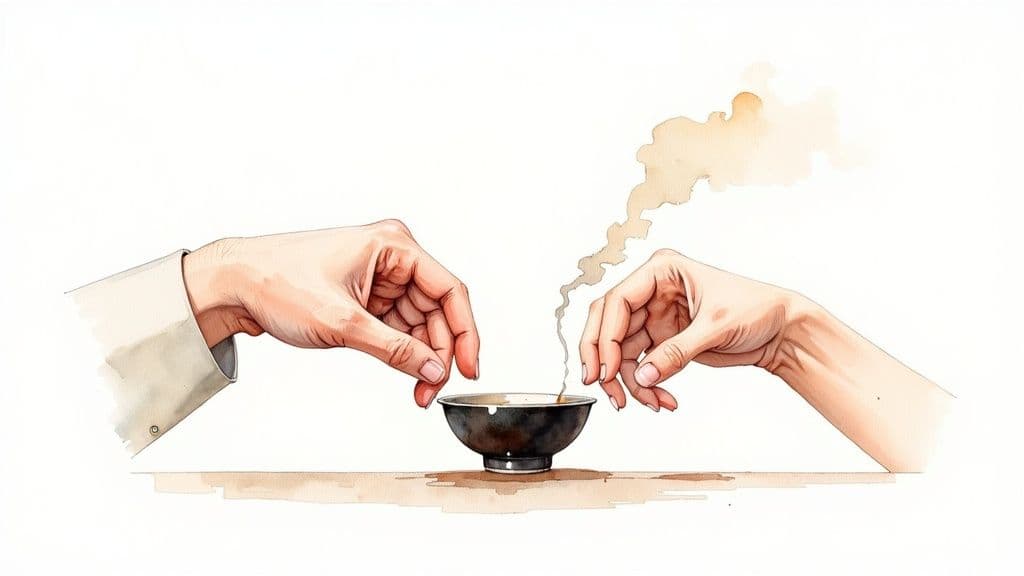
When the bowl is placed in front of you, pick it up with your right hand and set it on your left palm. Turn it clockwise about 90 degrees (two small rotations). This turns the bowl's "face," its most decorative side, away from you as a gesture of humility. Drink in two or three sips. When you finish, wipe the rim where your lips touched with your right fingers, rotate the bowl back, and place it down.
If you want to use the proper phrases: say "otemae chodai itashimasu" before receiving the tea (meaning "I will partake of your tea"). After finishing the wagashi, "okashi wa oishuu gozaimashita" ("the sweet was delicious") is appropriate. Nobody will fault you for not knowing these, but using them shows respect and hosts appreciate the effort.
Photos: ask first. Some venues encourage them (Yamayuri actively does, and Maikoya builds photo opportunities into the experience). Others prefer you put the phone away during the ceremony itself. The general principle is that the preparation sequence is the most sensitive moment. Taking photos of your tea bowl, the wagashi, or the tokonoma after the ceremony is usually fine. When in doubt, wait until the host indicates it's appropriate, or simply ask before the session starts. Most hosts who work with international visitors are used to the question and will give you a clear answer.
One more thing worth knowing: don't touch the utensils unless invited to. At some venues, the host will offer to let you examine the tea bowl or the tea caddy after the ceremony. This is a sign of trust and hospitality. Hold the items over your lap (in case you drop them) and examine them with genuine interest. At most tourist-level venues, this step is skipped, but at places like Chazen, WOOD Sadoh, or CHAREN, it may be part of the experience.
How to Choose the Right One
Your budget is the first filter, but it's not the only one.
If you're watching your spending, Yamayuri at ¥1,500 is the lowest-cost option in Tokyo and a perfectly legitimate introduction to tea ceremony. Chazen's shared sessions at ¥3,500 offer more depth (stone-ground matcha, nijiriguchi entrance, Urasenke-certified masters) for only slightly more.
If you're visiting Tokyo for the first time and want the photogenic, all-in-one experience with kimono and a garden setting, Maikoya is built for exactly that. There's no pretense about it being something other than a tourist-friendly experience, and it does that job very well.
If you want to actually learn something about tea ceremony as a practice, Chazen's private sessions (¥5,000) or WOOD Sadoh give you smaller groups and more interaction with the instructor. These are closer to a lesson than a demonstration.
For serious cultural engagement, CHAREN's ¥25,000 session with a Shogun-lineage tea master with five decades of practice is in a category of its own. This is for people who have some context for Japanese culture and want to go deep.
Special occasions and luxury travelers have two options. Motenas Japan designs custom experiences at notable Tokyo venues, while Hotel Chinzanso's Zangetsu-tei offers tea ceremony inside a registered Cultural Property. Both are memorable in ways that justify the price.
If physical accessibility matters, Chazen is wheelchair accessible, and Tokyo Tower's Asatanoyu offers chair seating with no kneeling required. Yamayuri's standing-form ceremony also eliminates any need for seiza.
My recommendation for most visitors: Chazen Ginza. The combination of central location, genuine Urasenke credentials, accessible booking, reasonable price, and quality of the experience is hard to beat.
How to Add Tea Ceremony to a Tokyo Day
Chazen occupies 45 minutes in central Ginza. That makes it one of the easiest cultural experiences to fit into an existing day. Pair it with a morning walk through Tsukiji Outer Market, schedule it before an afternoon at the Kabukiza Theatre next door, or use it as a grounding counterpoint after the Imperial Palace East Garden.
If you're looking to build a full cultural immersion day, our Timeless Tokyo tour through Kanda Myojin, Nezu Shrine, and the prewar streets of Yanaka pairs well with a tea ceremony session. The combination creates a day that moves between living shrine culture, old Tokyo neighborhoods, and the focused quiet of a tearoom.
For a day designed entirely around your interests, including tea ceremony at any of the venues on this list, take a look at our private tours in Tokyo. We handle the booking, the logistics, and the translation so you can focus on the experience itself.
Practical Notes
A few logistical details that are easy to overlook:
What to wear. Anything clean and reasonably modest works. Avoid strong perfume or cologne, as it interferes with the subtle aroma of the matcha and the incense sometimes used in the tearoom. If you're visiting a venue with tatami seating, you'll be removing your shoes, so wear socks without holes. White or clean, neutral-colored socks are traditional.
Seiza and knee pain. Kneeling in seiza position is the traditional way to sit during tea ceremony, and it becomes uncomfortable quickly if you're not used to it. Most tourist-friendly venues either provide chairs or won't mind if you shift to a cross-legged position after a few minutes. At more formal venues, mention any difficulty when booking and they'll accommodate. Chazen, Tokyo Tower, and Yamayuri all offer non-kneeling options by default.
Reservations. Every venue on this list takes advance bookings, and most require them. The only exception is Yamayuri, which accepts walk-ins if space is available. For Chinzanso, you need at least 10 days. For everything else, booking a few days to a week ahead is sufficient during normal periods. During cherry blossom season (late March to mid-April) and autumn foliage (mid-November to early December), book as early as possible.
Language. All eight venues offer some level of English support. Chazen, Maikoya, Tokyo Tower, and Motenas Japan conduct full sessions in English. WOOD Sadoh has an English website but phone support is Japanese only. Yamayuri doesn't explicitly advertise English, but the ryurei-shiki format is straightforward enough that language isn't a major barrier.