Nakano Broadway rewards preparation and punishes casual browsing — the question isn't "is it worth visiting" but "is it worth it for YOU."
This Nakano Broadway guide starts with the short answer: the building rewards people who come prepared and frustrates people who come to browse, so whether it's worth your time depends on which of those you are.
Nakano Broadway is a 1960s building with a confusing layout and shops that don't open until noon. It specializes in things that reward a shopping list. Casual browsing tends to go badly.
The Friction That Filters
A Building from 1966 — and Why It Looks Like That
Nakano Broadway opened in 1966 as Japan's first commercial-residential complex: four floors of shopping under six floors of apartments, with a rooftop pool and garden on top. The idea was that you could live, shop, and spend your free time in one building without going outside, which was a radical pitch at the time.
The design comes out of Metabolism, a Japanese architectural movement of the 1950s and 1960s that treated buildings as living organisms. Metabolist architects thought cities should grow and change the way cells do, so a building should be a framework that takes on new functions over time instead of a finished object. The movement gave postwar Japan some of its most distinctive structures, including Kisho Kurokawa's Nakagin Capsule Tower, Kenzo Tange's city plans, and Kiyonori Kikutake's Sky House.
Broadway was metabolist in spirit more than in the strict architectural sense. The guiding idea was stacking commercial, residential, and leisure uses vertically in one structure. The corridors bend, dead-end, and run through floors with no natural light, and that was part of the plan. The architects wanted the density and chance encounters of a Tokyo alley inside a single building, on the theory that a grid feels like infrastructure while a building that bends and surprises you feels like a neighborhood.
It didn't entirely work. Construction ran into trouble, the layout came out more confusing than intended, and the rooftop pool closed decades ago. Still, the metabolist thinking explains a lot of what you'll walk through, from the corridors that twist without warning to the main escalator that skips the second floor. That escalator was an original design decision, and no official record we know of explains it.
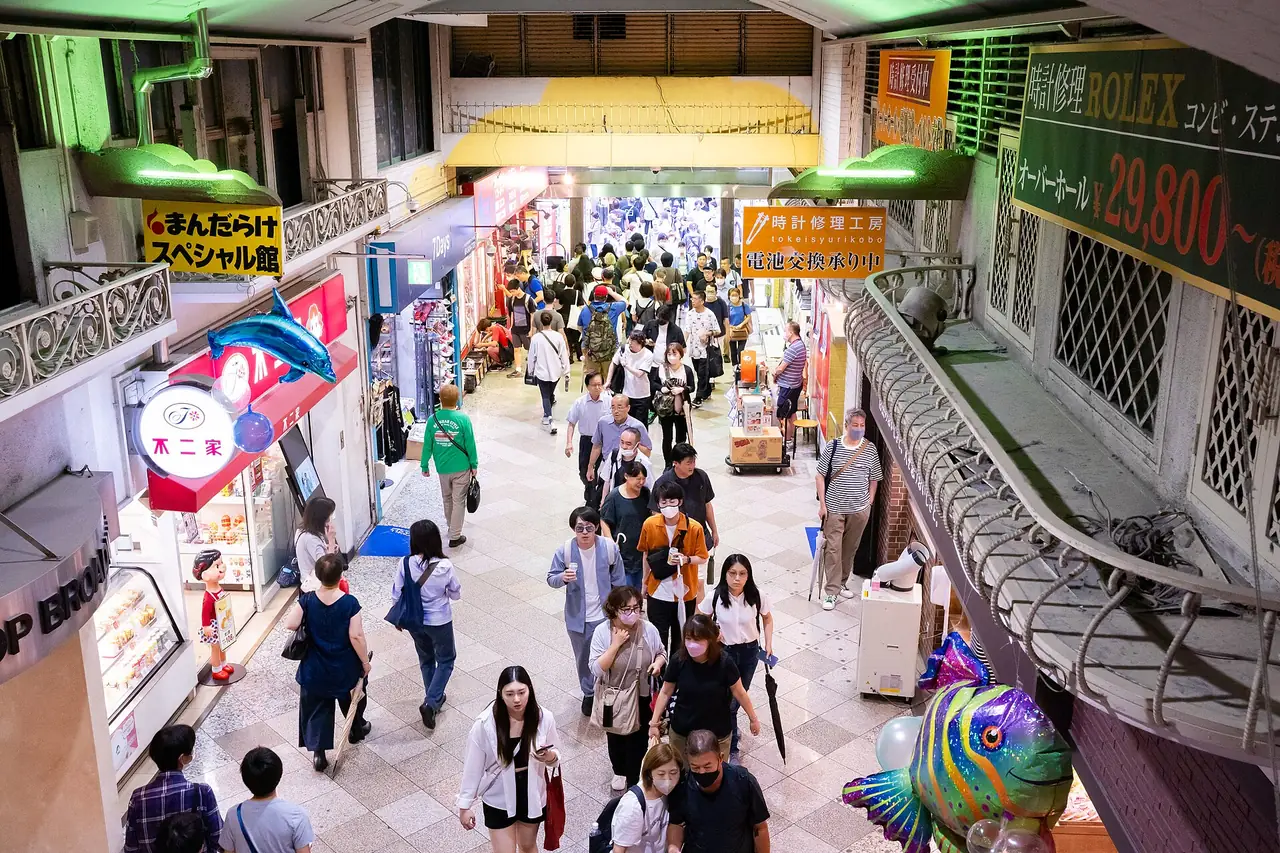
Nearly sixty years on, the shopping floors are mostly unchanged, down to the same corridors, the same awkward elevator placement, and the same windowless stretches. In 2018 the Tokyo Metropolitan Government designated the building "at-risk" for earthquakes of magnitude 6.0 or greater, because it predates the 1981 seismic standards and hasn't been retrofitted. That doesn't make it dangerous to visit, but it does hang over the building's future. Nobody is going to build another Broadway, and whether this one lasts another sixty years is an open question.
The Noon Opening Problem
The building officially opens at 10:00 AM, but most individual shops don't open until noon.
This catches a lot of early visitors. Mandarake, the main draw, opens its stores at noon, and they close at 7 PM or 8 PM depending on the store. Plenty of individual shops close on Wednesdays, and every store closes on the third Wednesday of February.
Arrive before noon and you'll mostly see locked gates and empty hallways.
Why "Just Wander" Fails Here
Wandering around to see what turns up works in Akihabara. It doesn't work here.
Nakano Broadway has 25-27 separate Mandarake stores, and each one covers a different category: one for Ghibli goods, one for tokusatsu figures, one for vintage tin toys, one for retro video games, and so on. If you don't know which store carries what you want, you'll spend hours walking between closed shutters and the wrong shelves.
The layout makes it worse. The main escalator on the first floor goes straight to the third, skipping the second floor, which is where most of the Mandarake stores are. Take the stairs.
Vintage or Current? The Question That Decides Everything
Everyone compares Nakano with Akihabara, but the two cover different kinds of collecting, so you're rarely choosing between them for the same item.
What Nakano Broadway Actually Specializes In
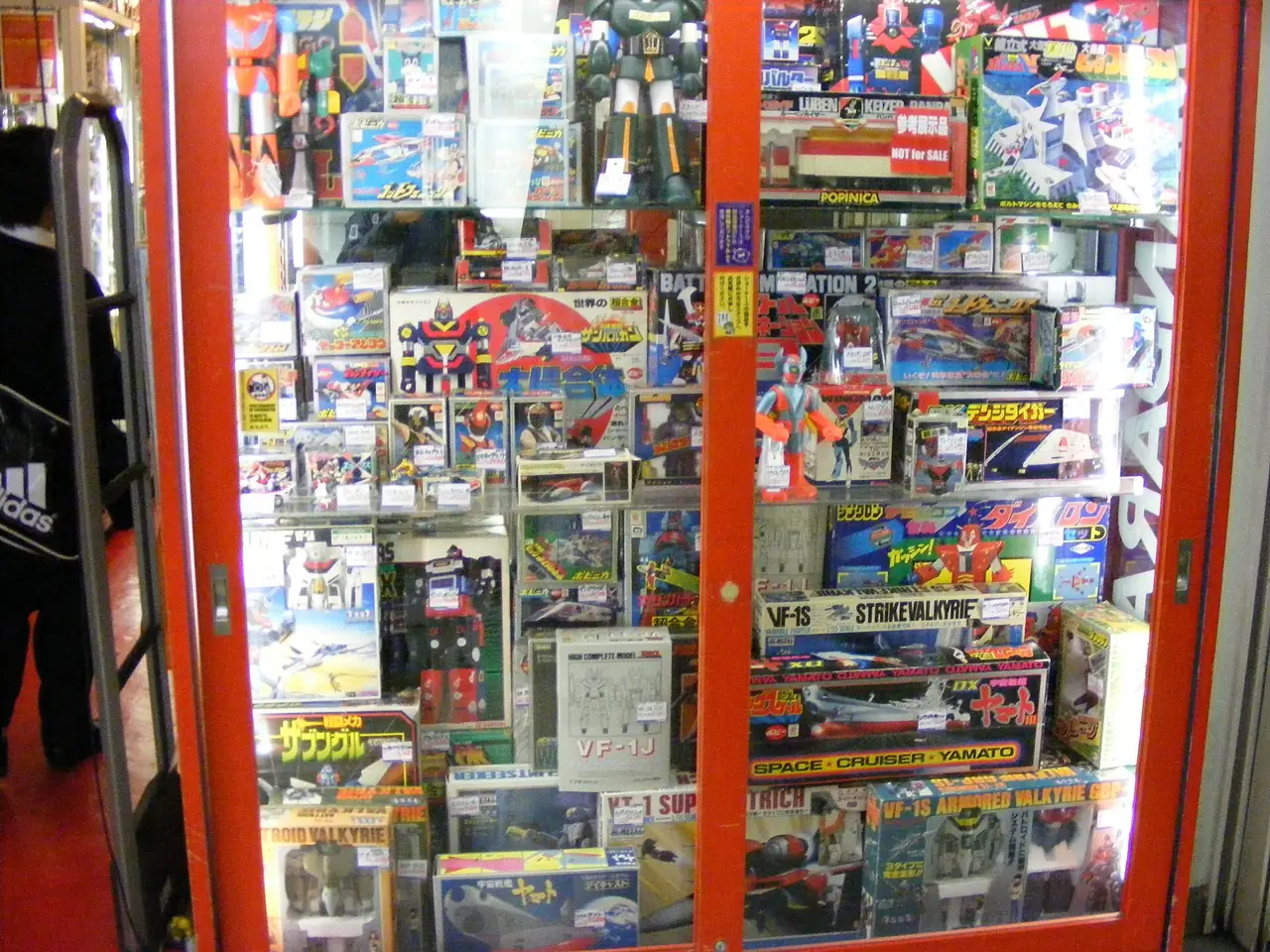
Nakano Broadway is about old stock: out-of-print manga, discontinued figures, pre-WWII tin toys, rare animation cels, and retro video games from the 1980s and 1990s. Most of it hasn't been manufactured in decades.
Mandarake Hen-ya on the fourth floor carries toys from before World War II through the Showa era. Mandarake Galaxy stocks games for every classic console. You won't find this kind of thing in Akihabara's mainstream shops.
What Akihabara Does Better
Akihabara is where you go for current-season anime merchandise, new figure releases, and the latest games. If you want a figure from this season's popular show, Akihabara will have it. Maid cafes and cosplay shops are there too, along with the buzz of otaku culture as it's happening.
Nakano is strongest in the opposite direction, with things that are hard to find because nobody makes them anymore.
When Both Make Sense
Collectors who want old and new visit both. The trip is easy: Nakano is one stop from Shinjuku on the JR Chuo Line, and Akihabara is on the same line with transfers. A serious collector might spend the morning hunting rare pieces in Nakano and the afternoon on new releases in Akihabara.
If you're a casual visitor, pick one. Decide whether you're after vintage and rare or current and mainstream.
Who Nakano Broadway Is For (And Who It's Not)
Be honest with yourself here. If Nakano doesn't fit what you're into, there's usually a better alternative nearby.
Nakano Is For
Vintage collectors with a specific target do well here. If you're hunting for a particular out-of-print manga volume, a discontinued figure from one franchise, or toys from a specific era, Nakano Broadway was more or less built for you. The more you prepare, the more you get out of it.
Repeat visitors to Tokyo who've outgrown Akihabara find a depth here that's hard to match elsewhere. Watch buyers come for the 20+ luxury dealers selling pre-owned pieces at competitive prices, and retro gamers find consoles and titles that went out of production long ago.
If you'd rather browse in one place than walk a whole district, everything here sits in a single four-floor building. You won't be crossing city blocks between shops.
Nakano Might Disappoint
If you're after current-season anime merchandise, the selection is thin, because Nakano is mostly vintage. For the figure from this season's hit show, go to Akihabara.
With less than two hours, you won't have time to work out the layout and find anything specific. If you have real collecting goals, budget three to four hours at least.
If accessibility matters to you, know that the spaces are cramped, the corridors are narrow, and the building predates accessibility standards.
The Mixed-Interest Group Question
What if one person wants to shop and the other doesn't?
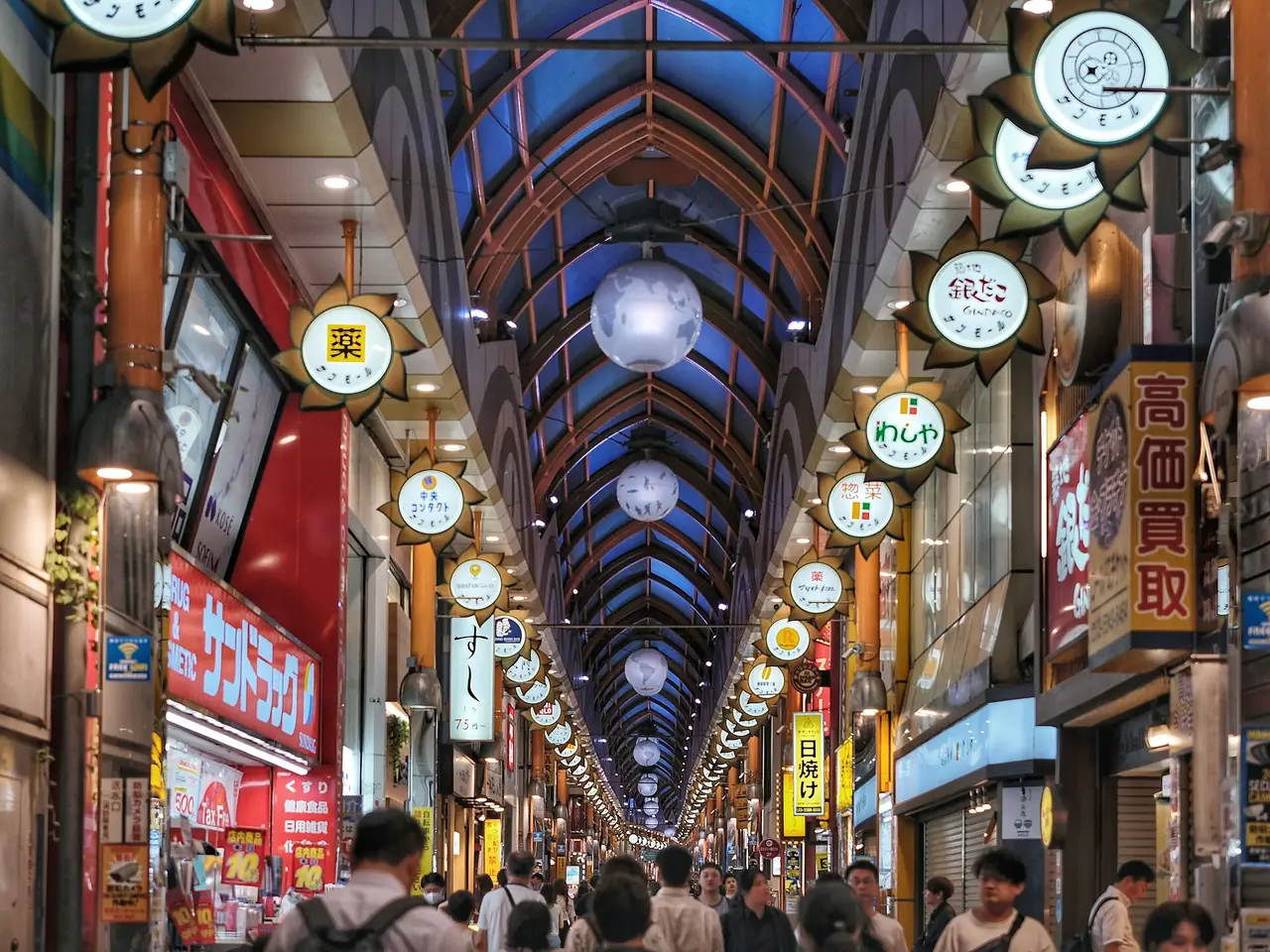
Nakano handles this well. The shopper takes Broadway while everyone else explores Sun Mall, the 225-meter covered arcade between Broadway and the station, which has cafes, pharmacies, restaurants, and ordinary daily shopping. Afterward, meet up in the izakaya alleys east of the station.
Go in the early afternoon. The shopper gets a good stretch of Broadway once the shops open at noon, and the whole group still has the evening for food and drinks together.
Inside Broadway: Floor by Floor
Basement: The Local Layer
The basement belongs to Nakano more than to Broadway. There's a supermarket for local residents, and Daily Chiko sells its famous 8-layer soft serve tower, about 20 centimeters tall and roughly ¥480-490, with flavors rotating through vanilla, chocolate, matcha, ramune, strawberry, and coffee. There's no seating, so it's takeaway only.
Daimon serves Sanuki-style udon and opens only for lunch. There's a line every day, and the meat-topped noodle soups are the specialty.
First Floor: Watches and General Retail
The ground floor is split in two. One side is general retail: clothes, shoes, secondhand goods, a Daiso, and game centers including Adores and Namco. The other side is where the watch district begins.
Fire Kids opened in 2022 and specializes in vintage Japanese domestic watches from Grand Seiko, Seiko, and Citizen, all serviced by their in-house watchmaker. Mandarake Mon is the gallery entrance to the Mandarake stores upstairs.
Second and Third Floors: The Otaku Concentration
Again, the main escalator skips the second floor, a quirk from the original 1966 design that nobody has explained. Use the stairs.
Most of the Mandarake stores are on the second and third floors. Lashinbang runs three stores here and Torekacom handles trading cards. Among the Mandarakes, Live-kan specializes in women's doujinshi, Galaxy in retro video games, and Special 4 in figures and gacha toys.
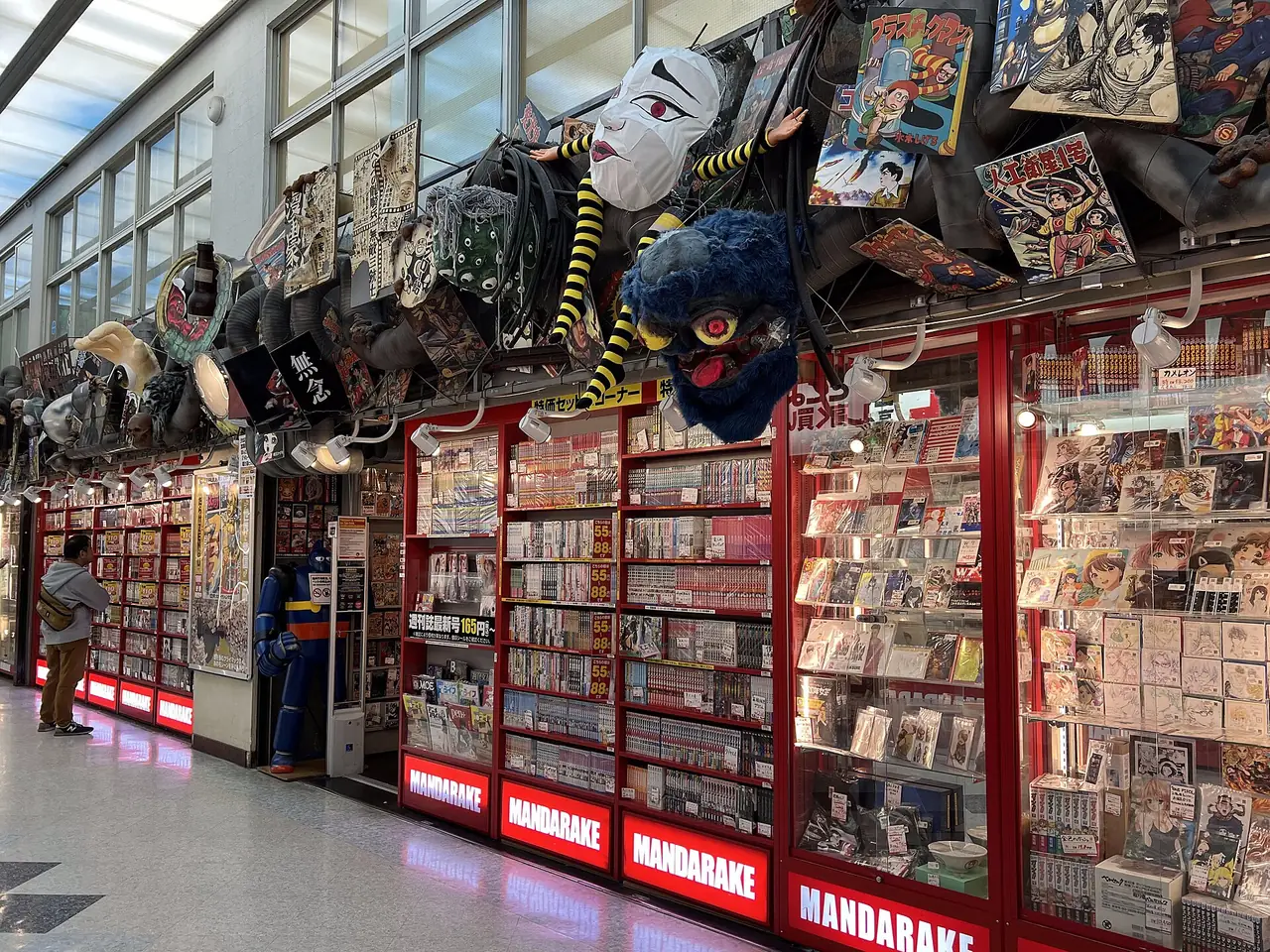
The third floor is also where most of Nakano's luxury watch dealers are, including JACKROAD and Kamekichi. There's more on them in the watch section below.
Fourth Floor: Vintage Specialty
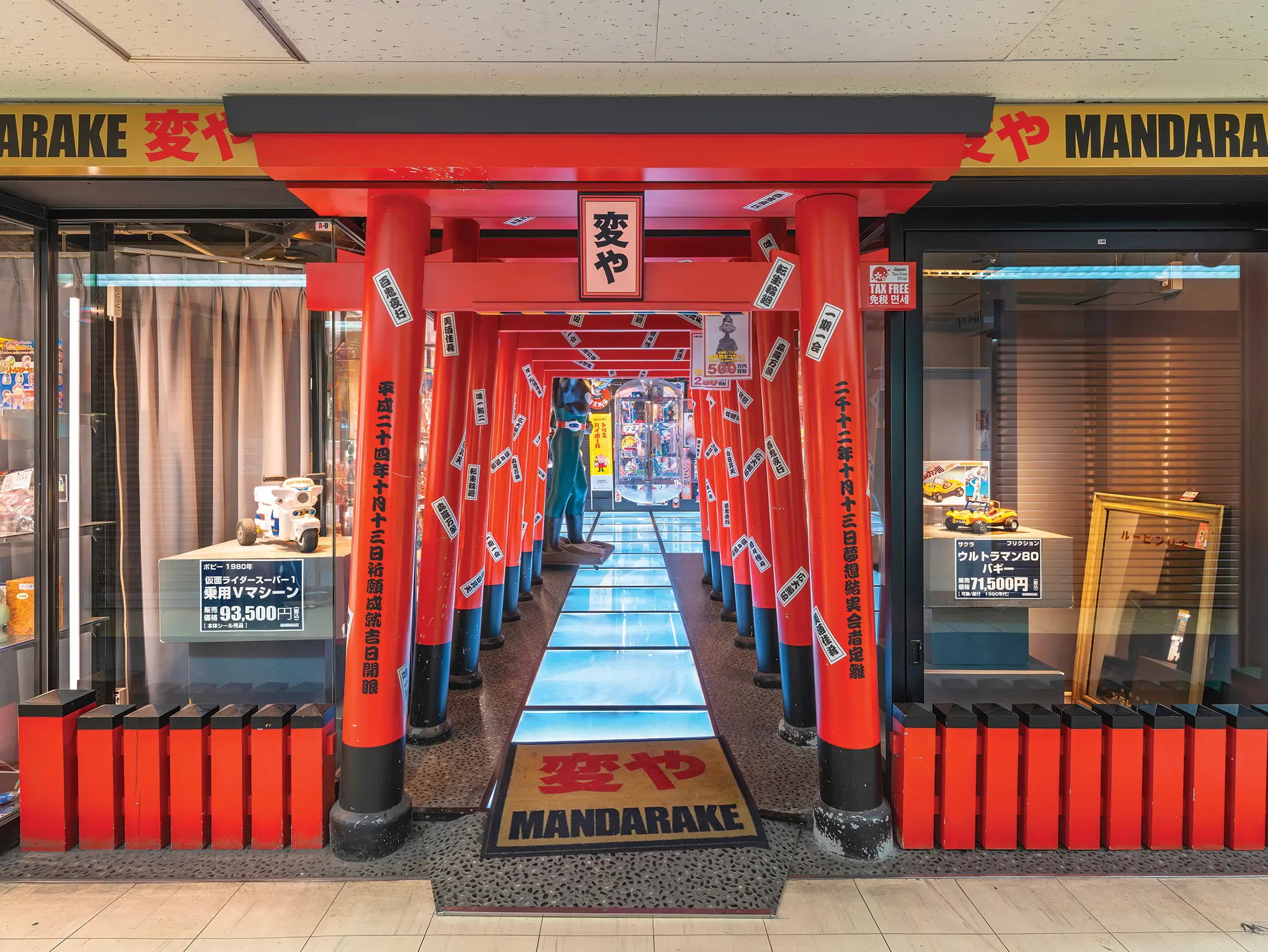
The fourth floor is for serious collectors. Mandarake Hen-ya, behind the red torii gate entrance, carries pre-WWII tin toys, Showa-era collectibles, and vintage pieces from every decade of modern Japanese history.
Tonari no Zingaro sells merchandise from the contemporary artist Takashi Murakami, such as flower-themed pins, notebooks, and cookies. Coffee Zingaro, Murakami's café on the second floor, reopened in April 2023.
Floors five through ten are private apartments and closed to visitors.
The 25 Mandarakes: A Guide to the Ecosystem
Mandarake here is 25-27 specialized annexes spread across floors two through four. Once you understand how they're divided, the maze becomes a lot easier to use.
How Specialization Works
Each annex covers one narrow category. Instead of something broad like "anime," you get "tokusatsu figures" or "BL doujinshi" or "vintage tin toys."
| Annex | Floor | Specialization |
|---|---|---|
| Mandarake Mon | 1F | Ghibli goods, gallery entrance |
| Mandarake Special 2 | 3F | Tokusatsu and Kamen Rider |
| Mandarake Special 3 | 3F | Dragon Ball, Saint Seiya era manga |
| Mandarake Special 4 | 2F | Figures and gacha toys |
| Mandarake Galaxy | 2F | Retro video games across all platforms |
| Mandarake Hen-ya | 4F | Pre-WWII toys through Showa-era goods |
| Mandarake Live-kan | 2F | Women's doujinshi |
| Mandarake DEEP | 2F | Men's doujinshi |
| Mandarake Infinity | 3F | Male idol goods and voice actor merchandise |
| Mandarake Cosplay-kan | — | Costumes and wigs |
The staff in each annex are collectors in that niche, and they know their stock.
Finding What You Want
Check Mandarake's website before you go. Their online store runs in Japanese and English, ships to 83 countries, and lists rare items in daily auctions. Searching there first tells you which annex covers your category and whether it has what you're after right now.
In the building, staff can help in English. Mandarake's Nakano store says so plainly: "We always have staff who can help you in English."
Keep notes as you go. Prices differ between annexes even for similar items, so write down the shop, the item, and the price, and compare before you buy.
The Buying/Selling Center
Mandarake Kaitoridokoro on the third floor does appraisals and buys from the public, so go there if you're selling. Several of the Mandarake annexes started as independent stores the company bought, and the buying side of the business is still active.
Beyond Mandarake: What Else Is Inside
Mandarake takes up most of the building. A few other shops are worth knowing about.
The Watch District
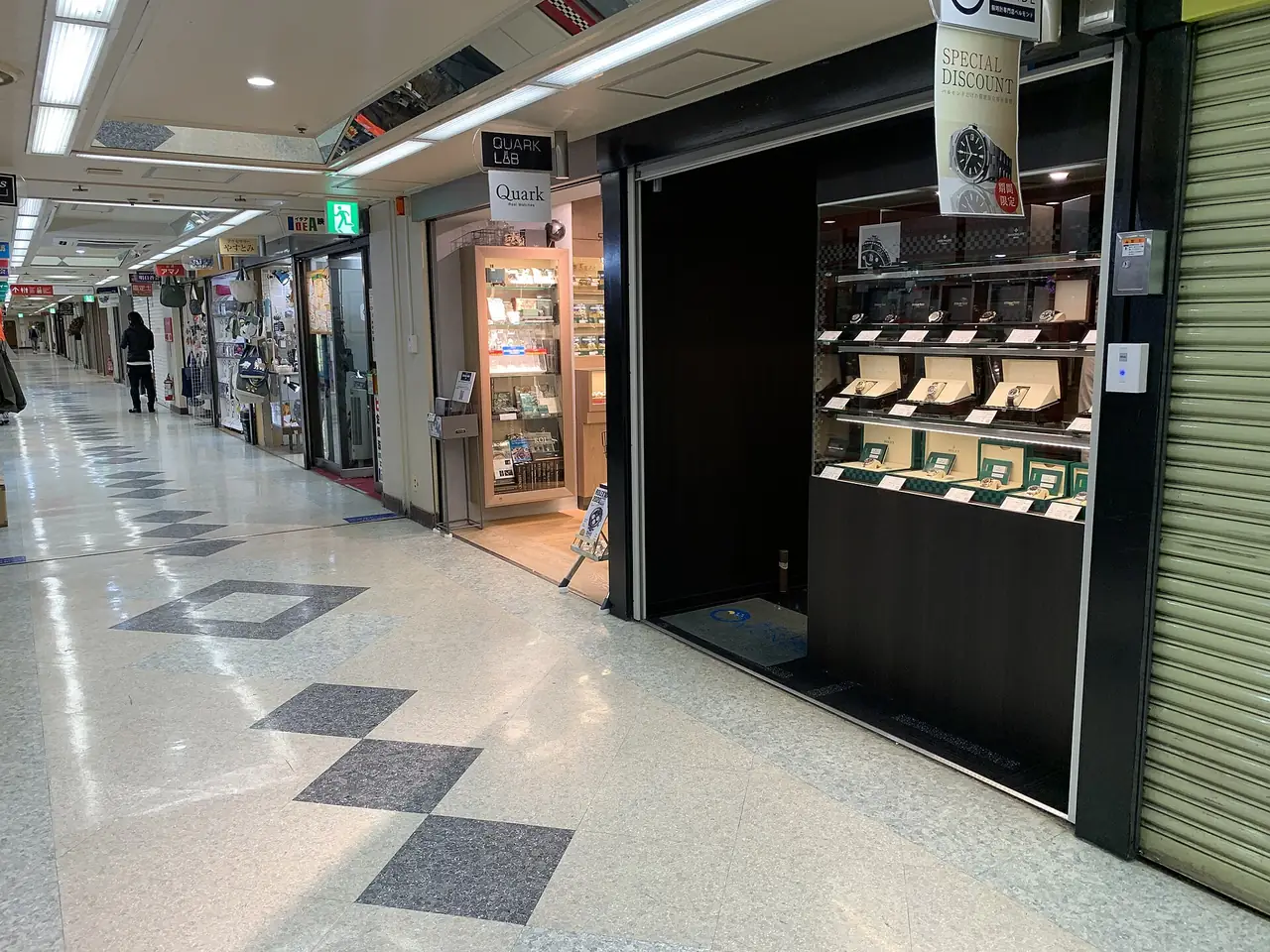
Twenty or more luxury watch dealers are packed into Nakano Broadway, which has made it an unlikely center of Tokyo's secondhand watch market.
JACKROAD (3F) stocks 6,000+ items from Rolex, Omega, Patek Philippe, and other luxury brands, with multilingual staff for international buyers. Its sister store, Bettyroad, specializes in women's watches and handbags, including the Hermès Birkin and Kelly.
Kamekichi (3F) has a reputation for the fairest prices and is open 11:00 AM to 8:30 PM daily.
Fire Kids (1F) sticks to vintage Japanese domestic watches, the Grand Seiko, Seiko, and Citizen models that international collectors look for.
Prices have gone up a lot. Around 2015, collectors on watch forums were calling Kame-Kichi's prices a "bargain." By 2018 the same forums said prices were running 10-15% higher than expected. Watch blogs and vlogs put Nakano on the map, and buyers with money from all over the world now compete for the stock. You can still get cash discounts, and tourists can shop tax-free, but the deals of a decade ago are harder to find.
Taco Ché and the DIY Scene
Taco Ché, in the back corner of the third floor, is the underground manga shop. It carries out-of-circulation books, self-published work, dojinshi, minicomics, limited editions from indie publishers, zines, and indie record labels. It's open noon to 8 PM daily.
RobotRobot carries Disney and Americana collectibles. Akiya Bookstore has been open for 58 years and gives you another place to hunt for books, and Fujiya Avic, part of a used CD and DVD chain, is the other main non-Mandarake option.
What to Skip
Coffee Zingaro is overpriced at ¥2,050 for a pancake and a drink. The arcade-table setup is fun once, but the food isn't worth the money. Go if you're a Murakami fan. If you just want coffee, skip it.
When to Go: The Timing That Changes Everything
Most of the planning here comes down to the noon opening.
Broadway Timing: Noon to 5 PM
The building opens at 10:00 AM and most shops open at noon, so arriving at 10 AM gets you two hours of locked gates and empty corridors.
The best window for Broadway is noon to 5 PM. The shops are open, weekday crowds are manageable, and five hours is enough to find your way around, track down what you want, compare prices, and decide.
Weekdays are quieter, but individual shops are more likely to be closed at random. Weekends have more reliable hours and much bigger crowds. Wednesday closures are common, so avoid Wednesdays if you have specific targets.
How to Get There (And Where to Go Next)
Nakano Station is one stop from Shinjuku on the JR Chuo Line, a ride of 4-7 minutes for ¥170.
The Tokyo Metro Tozai Line also stops at Nakano Station.
The North Exit to Sun Mall Path
Leave by the North Exit (Kita-guchi) and walk straight into the covered Sun Mall arcade. Broadway's entrance is at the far end of the 225-meter arcade, about five minutes on foot.
The whole route is covered, so the weather doesn't matter.
Chuo Line Neighbors
Being on the JR Chuo Line puts Nakano close to a few other good neighborhoods.
Koenji, one stop west, is Tokyo's vintage clothing center, with the punk and secondhand scene that Nakano doesn't really have. If vintage fashion interests you more than vintage collectibles, Koenji is worth the extra stop.
Kichijoji, five stops west on the local train (fewer on the rapid), has Inokashira Park and a different kind of shopping, more general and less collector-focused. Think park, cafes, and an easy afternoon.
Either one pairs with Nakano for a half-day or full-day trip along the Chuo Line, since the trains between them are direct.
Frequently Asked Questions
Is Nakano Broadway worth visiting?
It depends on what you're looking for. If you collect vintage anime goods, out-of-print manga, retro video games, pre-war tin toys, or secondhand luxury watches, then yes, without question. Nowhere else in Tokyo goes as deep in those categories. Plan on 3–4 hours, arrive after noon, and know which Mandarake annex you want before you go.
If you're going because someone called it a Tokyo must-see and you don't collect anything in particular, probably not. The building is interesting to look at, but it pays off for people with something to hunt. Casual browsers often leave feeling they missed something without knowing what, because the building won't entertain you on its own.
What is Nakano Broadway's architecture?
Broadway is a 1966 commercial-residential complex shaped by Metabolism, a postwar Japanese architectural movement that treated buildings as living organisms meant to grow and change. The plan stacked four floors of shops under six floors of apartments, with a rooftop pool and garden. The winding corridors, the windowless sections, and the escalator that skips the second floor were part of a deliberate attempt to build the density and randomness of a Tokyo backstreet into one structure.
The building predates the 1981 earthquake safety standards and was designated seismically at-risk in 2018. It hasn't been retrofitted, and the shopping floors have barely changed since 1966.
How many Mandarake stores are in Nakano Broadway?
There are 25 to 27, depending on how you count the smaller annexes. Each one covers a different category, such as tokusatsu figures, women's doujinshi, retro video games, pre-WWII toys, or male idol merchandise. They run as separate shops with their own staff and stock. The full list is in the floor guide above.
Is Nakano Broadway better than Akihabara?
They serve different needs. Akihabara is for current-season merchandise: new figure releases, this year's anime, maid cafes, and otaku culture as it's happening. Nakano Broadway is for vintage, the things that are rare because they're no longer made. If you want the figure from this season's show, go to Akihabara. If you want a 1980s Gundam model still in its original box, come to Nakano. Serious collectors often do both on the same trip.
Photo credits
- Shoppers crowding the entrance corridor of Nakano Broadway seen from above: Dick Thomas Johnson from Tokyo, Japan / Wikimedia Commons, CC BY 2.0, resized
- Shop window in Nakano Broadway packed with boxed vintage robot and anime toys: paranoidnotandroid / Wikimedia Commons, CC BY 2.0, resized
- Shoppers under the arched glass roof of the Nakano Sun Mall arcade: Charlie fong / Wikimedia Commons, CC BY-SA 4.0, resized
- Quiet third floor corridor of Nakano Broadway lined with secondhand watch shops: Spnc4cc9 / Wikimedia Commons, CC BY-SA 4.0, resized
.jpg)
.jpg)

