A guide to experiencing Japan travel on a budget—designed for travelers seeking value without compromise.
A guide to experiencing Japan travel on a budget—designed for travelers seeking value without compromise.
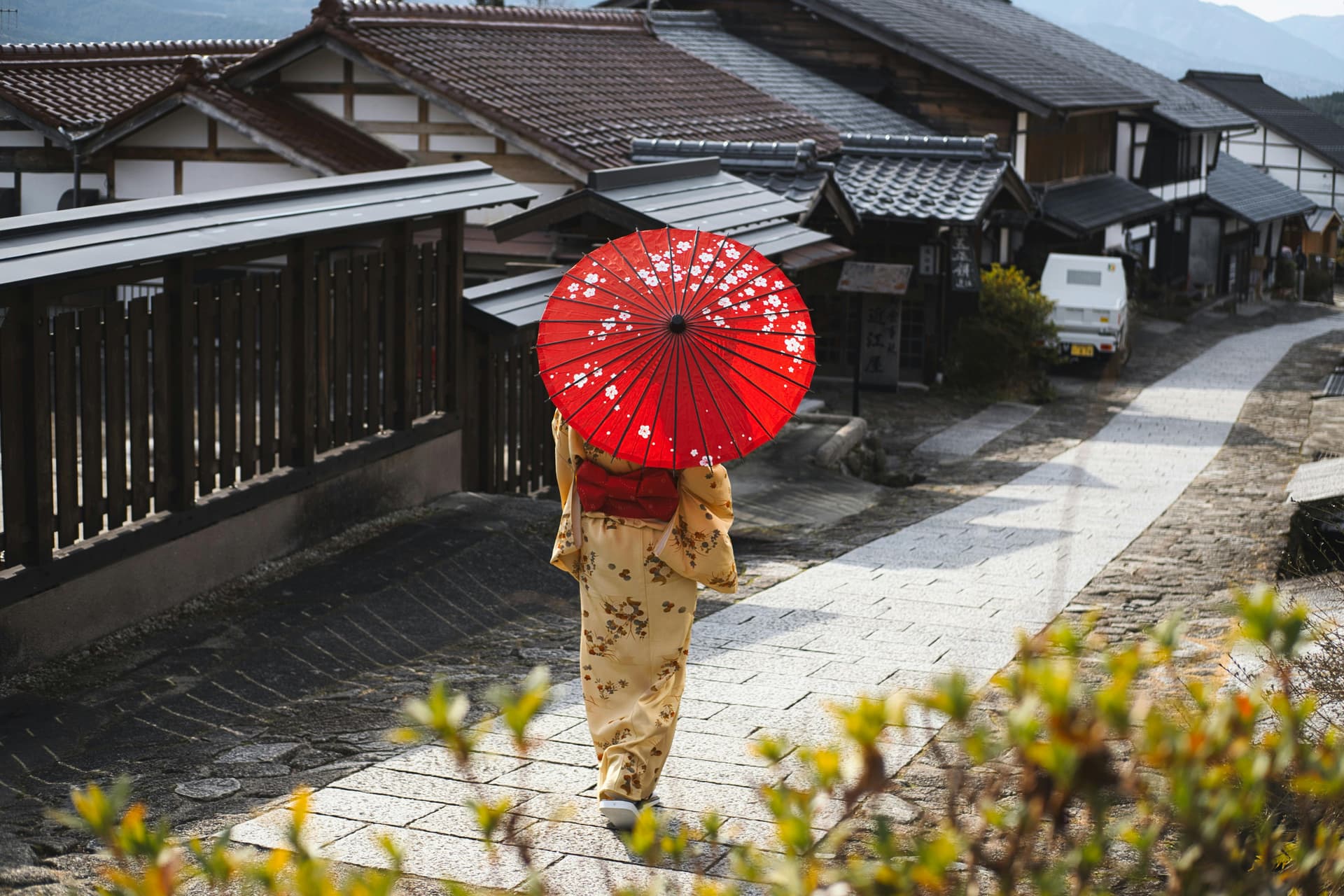
Visiting Japan is often associated with images of opulent ryokans, multi-course kaiseki meals, and sleek bullet trains gliding across the countryside. But behind the polished surface lies a deeply welcoming country that can be experienced richly, even by those traveling modestly. For the thoughtful, value-conscious traveler, Japan offers a mosaic of experiences that are both culturally enriching and refreshingly affordable.
The Real Cost of Japan
Japan has a reputation for being expensive. That reputation is outdated.
The expensive Japan exists—kaiseki dinners, ryokan stays, first-class shinkansen seats. But parallel to that runs an infrastructure designed for Japanese workers and students who need to eat, sleep, and travel affordably every day. Budget travelers tap into that same system.
A reasonable daily budget in Japan runs ¥6,000–¥10,000 ($40–$70). That covers a clean place to sleep, three solid meals, and local transportation. It doesn't require suffering. Japan's budget options are clean, safe, and often better designed than mid-range options elsewhere.
The difference between budget travel in Japan and budget travel in most countries: quality doesn't collapse at the low end. A ¥450 beef bowl is genuinely good food. A ¥3,500 capsule hotel is cleaner than many Western hotels at three times the price. The Tokyo subway system doesn't care how much you paid for your ticket.
What budget travel in Japan does require: planning, flexibility, and the willingness to navigate systems designed primarily for Japanese speakers. The savings are real, but so is the effort.
When Budget Season Actually Is
Japan's prices swing significantly by season. Timing your trip right can save 20–30% on accommodation alone.
| Period | Dates | Price Level | Trade-off |
|---|---|---|---|
| January (post-New Year) | After Jan 4 | Lowest | Cold (5–10°C), but manageable |
| June | All month | Low | Rainy season, humid |
| Late November | Pre-foliage | Low-Medium | Before autumn rush |
| May (post-Golden Week) | After May 6 | Medium | Pleasant weather, reasonable crowds |
| October | All month | Medium-High | Best weather, prices rising |
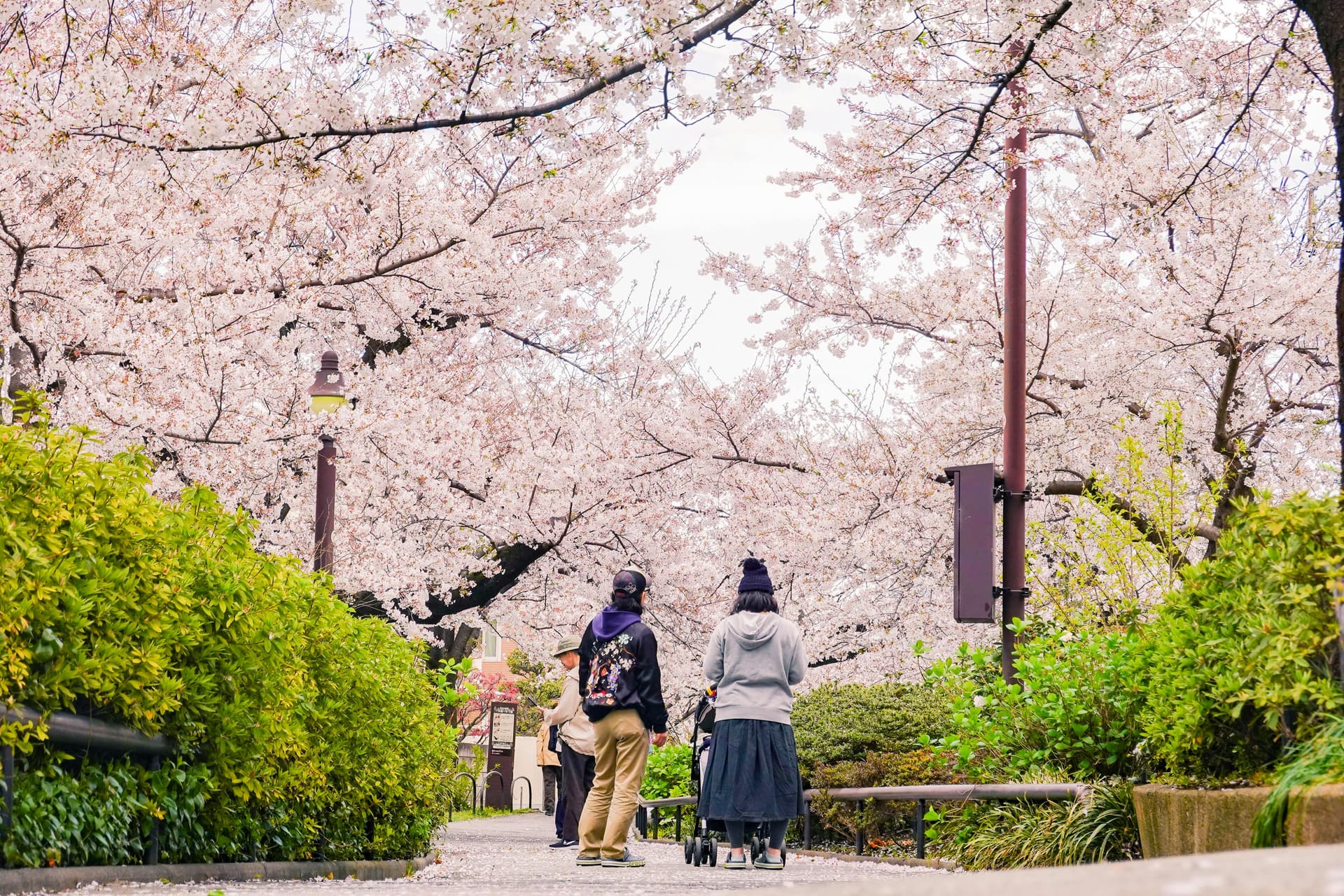
| Cherry blossom | Late Mar–early Apr | Highest | Hotels book months ahead |
| Golden Week | Apr 29–May 6 | Highest | Book 3+ months ahead or skip |
| Obon | Aug 13–16 | High | Trains packed, hotels scarce |
| Autumn foliage | Mid-November | Highest | Kyoto nearly unnavigable |
See our guide to winter in Japan for January conditions, or when to visit Japan for detailed seasonal guidance.
Weather trade-offs matter. Budget travelers with flexibility get the best deals by accepting imperfect conditions.
Where to Sleep Without Overpaying
Japan's budget accommodation is better than you expect. Clean, safe, and functional—just small.
| Type | Price Range | Best For | Key Trade-off |
|---|---|---|---|
| Capsule hotels | ¥3,500–¥10,000/night | Solo travelers needing clean sleep | No luggage space, no couples |
| Hostels (dorm) | ¥2,500–¥4,500/night | Social travelers, tightest budgets | Shared sleeping, noise varies |
| Budget business hotels | ¥6,000–¥12,000/night | Privacy seekers, couples | Small rooms (10–12 sqm) |
| Overnight buses | ¥3,500–¥8,000 (Tokyo–Osaka) | Those comfortable sleeping on transport | Sleep quality varies |
| Internet/manga cafes | ¥1,500–¥2,500/night | Emergency only | Chairs, not beds |
Capsule Hotels
Modern capsules have evolved far beyond the salary-man-sleeping-off-drinks stereotype. Chains like Nine Hours offer minimalist pods with climate control, USB ports, and surprisingly good mattresses. You get a private sleeping space, shared bathrooms, and usually a locker. No room for luggage larger than a carry-on, no space for couples, and can feel claustrophobic after 2–3 consecutive nights.
Capsule hotel guests can use station lockers or storage services (¥300-800/day) to solve the luggage problem—often cheaper than upgrading accommodation just for bag space.
Hostels
Dorm beds remain the cheapest option. Quality varies widely—some are party hostels, others are quiet and well-maintained. Private rooms available at many hostels for ¥5,000–¥8,000. Noise depends entirely on other guests.
Budget Business Hotels
Chains like Toyoko Inn and APA Hotel offer small but private rooms with ensuite bathrooms. Toyoko Inn includes a basic breakfast (rice balls, miso soup, simple sides). Rooms are compact—expect 10–12 square meters—but locations tend to be near stations.
Overnight Buses
Night buses double as transportation and accommodation. Leave Tokyo at 11pm, arrive Osaka at 7am. Willer Express "ReBorn" seats recline nearly flat. Sleep quality varies, but you save both a hotel night and travel time.
Internet/Manga Cafes
Private booths with reclining chairs, unlimited drinks, and manga libraries. Some have shower facilities. Only viable for one desperate night when everything else is full.
Booking strategy:
-
Book 2–4 weeks ahead for budget options during normal seasons
-
Book 2–3 months ahead for peak periods (cherry blossom, Golden Week, autumn foliage)
-
Platforms: Booking.com and Agoda for hotels; Hostelworld for hostels; Rakuten Travel often has Japanese-market deals
What budget gets you in Japan: Clean facilities, safe neighborhoods, functional amenities. What it doesn't get you: space, views, or central locations. The quality floor is higher than most countries—even cheap options are maintained well.
For Tokyo-specific options, see budget accommodations in Tokyo.
Dining: Culinary Delights Without the Price Tag
Dining in Japan, even at its simplest, is an act of care. A boxed meal from a 7-Eleven or FamilyMart—fluffy rice, golden tamagoyaki, crisp karaage—is often fresher and more thoughtfully composed than meals found at far higher prices elsewhere. These stores become not just stops, but rituals: a quiet moment before a train ride or the first taste of a new town.
Inexpensive restaurant chains like Sukiya and Matsuya serve nourishing dishes such as gyudon—thin slices of simmered beef over rice—perfected through repetition and scale. At CoCo Ichibanya, a humble curry chain beloved by locals, diners can customize everything from spice level to toppings, crafting a comfort meal for mere coins.
Come evening, supermarkets whisper deals to the attentive: trays of sushi and prepared dishes marked down, inviting a sunset picnic in the park or a quiet dinner in a hostel common room. For a slightly elevated yet still affordable experience, visit a depachika—the luxurious food halls found in the basement of major department stores. Here, counters overflow with exquisite bento, delicate sweets, artisanal snacks, and regional specialties—all beautifully packaged and often available at reduced prices just before closing.
Getting Around Without Overspending
Transportation is where Japan can get expensive fast—or stay remarkably cheap. The difference is strategy.
The JR Pass Question
The Japan Rail Pass costs ¥50,000 for 7 days, ¥80,000 for 14 days, or ¥100,000 for 21 days. After the October 2023 price increase, it's harder to justify.
When the JR Pass makes sense:
-
Multiple long-distance shinkansen trips (Tokyo–Kyoto–Hiroshima–Tokyo, for example)
-
Covering significant ground in a short time
-
When math clearly works: Tokyo–Osaka round trip on shinkansen costs ~¥28,000; add another city and the 7-day pass pays off
When the JR Pass doesn't make sense:
-
Staying primarily in one region (Tokyo-only, Kansai-only)
-
Trips under 7 days with limited intercity travel
-
Willingness to use buses for long distances
Regional Passes (Often Better Value)
For regional travel, local passes often beat the national JR Pass:
| Pass | Cost | Coverage | Best For |
|---|---|---|---|
| Tokyo Subway Ticket | ¥800 (24hr) / ¥1,200 (48hr) / ¥1,500 (72hr) | All Tokyo Metro + Toei lines | 4+ subway trips per day |
| Kansai Thru Pass | ¥4,480 (2-day) / ~¥5,600 (3-day) | Private railways, subways, buses in Osaka, Kyoto, Nara, Kobe | Kansai-focused trips (not JR) |
Highway Buses
The budget traveler's secret weapon:
| Route | Shinkansen | Highway Bus | Time Difference |
|---|---|---|---|
| Tokyo–Osaka | ~¥14,000 | ¥3,500–¥6,000 | 2.5hr vs 7–8hr |
| Tokyo–Kyoto | ~¥13,500 | ¥3,000–¥5,500 | 2hr vs 7–8hr |
Willer Express and JR Bus are the main operators. Night buses save a hotel night. Book early for lowest fares. Premium seats (3-across instead of 4-across) worth the extra ¥1,000–2,000.
IC Cards (Suica/Pasmo)
Rechargeable transit cards that work on virtually all trains, buses, and subways nationwide. Also accepted at convenience stores, vending machines, and coin lockers.
-
Buy at any major station from ticket machines (¥500 deposit + initial charge)
-
Load with cash or at station machines
-
Tap in and out; fare calculated automatically
-
No discount over cash fares, but eliminates ticket-buying hassle
Decision Framework
| Trip Type | Recommended Strategy |
|---|---|
| Tokyo only | Tokyo Subway Ticket + IC card for JR lines |
| Tokyo + Kyoto/Osaka | Highway bus between cities + local passes in each |
| Multiple cities, short timeframe | Calculate JR Pass break-even carefully |
| Slow travel, flexible schedule | Highway buses + local trains |
See getting around Tokyo for Tokyo-specific details.
Budget transportation works well for confident navigators comfortable with Japan's systems. For those who find station transfers stressful—particularly during rush hour or with luggage—knowing the common navigation mistakes helps avoid costly errors.
Luggage on Budget Transport
Highway buses have luggage constraints that trains don't:
| Transport | Luggage Policy | What to Know |
|---|---|---|
| Highway bus (standard) | 1 bag under bus, 1 carry-on | Large bags go in cargo hold. Keep valuables with you. |
| Highway bus (premium/3-row) | Same limits, more overhead space | Premium seats cost ¥1,000-2,000 extra but fit backpacks more easily. |
| Shinkansen | No official limits, but space is tight | Overhead racks fit carry-on size. Larger bags need bulkhead space (limited). |
| Local trains | No limits, but crowds make big bags difficult | Rush hour with luggage is miserable. Avoid 7-9am and 5-7pm. |
Budget solutions for luggage:
- Coin lockers: ¥300-800/day at most stations. Large lockers (suitcase-size) fill up by mid-morning at major stations. Check Shinjuku's south side or Tokyo Station's Yaesu exit for more availability.
- Luggage forwarding (Takkyubin): ¥2,000-3,000 per bag, next-day delivery. Send bags between hotels via convenience stores or hotel front desks. Travel light on transit days.
- Luggage storage services: Ecbo Cloak and similar apps connect you to shops that store bags. Often cheaper than coin lockers and available when lockers are full.
For overnight bus trips, pack a small bag with overnight essentials. Your main luggage rides below. You won't access it until arrival.
Walking and Biking
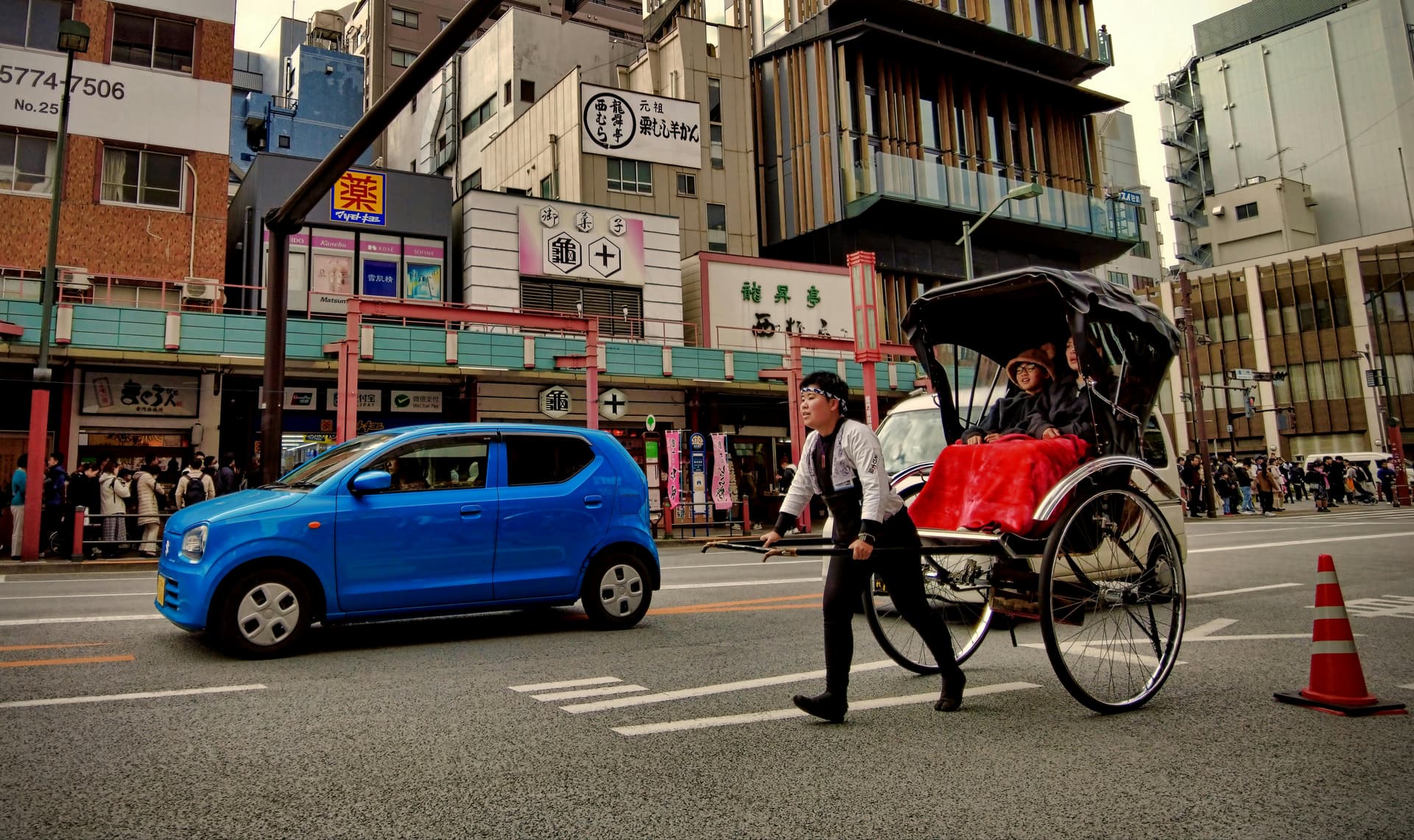
Many Japanese cities are surprisingly walkable. Kyoto's main tourist corridor (Gion to Kiyomizu) is pleasant on foot. Tokyo neighborhoods reward exploration. Bike rentals available in most cities for ¥500–1,500/day.
Eating Well for Less
Japan has the best cheap food of any developed country. The key is knowing where locals eat, not where tourists congregate.
Convenience Stores (Konbini)
7-Eleven, Lawson, and FamilyMart aren't just snack stops—they're legitimate meal sources. Quality exceeds any Western convenience store by a wide margin.
| Item | Price | Notes |
|---|---|---|
| Onigiri | ¥120–200 | Rice triangles with various fillings. Surprisingly filling. |
| Bento boxes | ¥400–700 | Full meals with rice, protein, sides. Heated in-store. |
| Sandwiches/pasta | ¥250–400 | Better than they sound. |
Three konbini meals per day: ¥1,200–1,800. Not glamorous, but nutritionally complete and consistently good.
Budget Restaurant Chains
| Chain | Price | Notes |
|---|---|---|
| Matsuya | ¥290–380 | Cheapest gyudon. Includes free miso soup. |
| Yoshinoya | ¥380–450 | The original gyudon chain. |
| Sukiya | ¥450 | Largest chain, most locations. |
| Standing soba/udon | ¥300–500 | Train station staple. Fast, filling, cheap. |
| CoCo Ichibanya | ¥500–800 | Japanese curry. Customizable spice and toppings. |
| Ramen chains | ¥700–1,000 | Not the cheapest but satisfying. |
Supermarket Strategy
Supermarkets mark down prepared foods in the evening—typically 20–50% off after 7pm, with deeper discounts closer to closing. Bento, sushi, tempura, and sides all get stickered.
Department store basements (depachika) follow the same pattern with higher-quality food. A ¥1,200 bento becomes ¥800 or less after 7pm.
Breakfast Hack
Skip hotel breakfast (usually ¥1,000+ if not included):
| Option | Cost | What You Get |
|---|---|---|
| Konbini | ~¥400 | Coffee (¥100–150) + onigiri (¥150) + yogurt (¥150) |
| Supermarket | ~¥300/day | Milk, bread, fruit for multiple days |
| Gyudon chains | ¥350–500 | Breakfast sets at Sukiya and Matsuya |
Daily Food Budget
| Level | Daily Cost | Strategy |
|---|---|---|
| Strict budget | ¥1,500–2,000 | Konbini + one chain restaurant |
| Comfortable budget | ¥2,500–3,500 | Mix of konbini, chains, and one sit-down meal |
| Occasional splurge | Add ¥1,500–3,000 | One proper restaurant meal |
What to Avoid
Restaurants directly adjacent to major tourist sites (Senso-ji, Fushimi Inari gates, etc.) charge premium prices for mediocre food. Walk 5–10 minutes away and prices drop significantly.
The best budget finds aren't on English-language review sites or tourist maps. Finding them takes time, luck, or local knowledge that makes the difference between a forgettable meal and a memorable one—even at the same price point.
What Costs Nothing
Some of Japan's best experiences require no admission fee.
Temples and Shrines
Most temple and shrine grounds are free to enter. You pay only for specific inner halls or gardens.
| Site | Location | Hours | Notes |
|---|---|---|---|
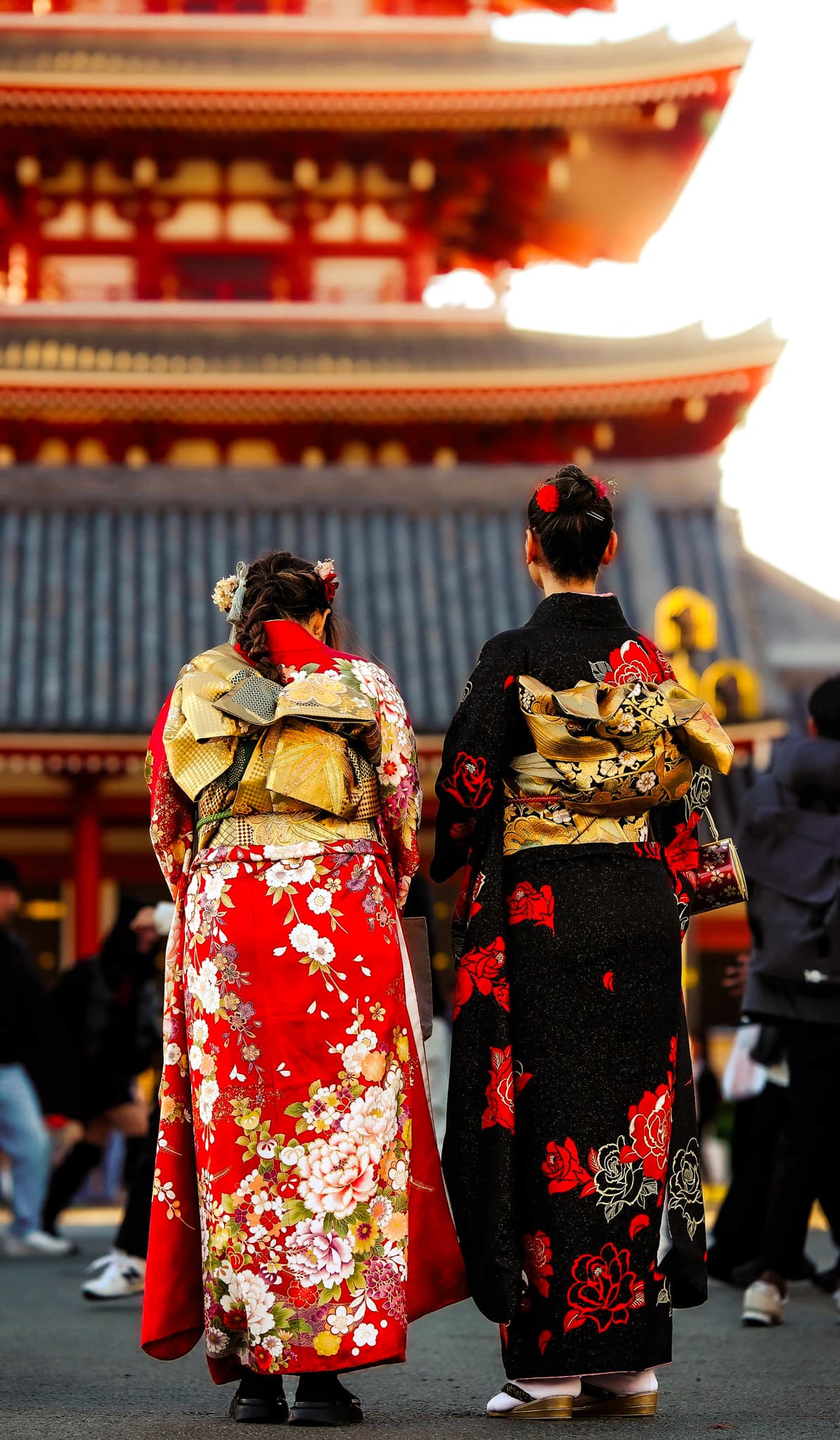
| Senso-ji | Tokyo | Grounds 24hr; Main hall 6am–5pm | Main hall and grounds free |
| Meiji Shrine | Tokyo | Sunrise–sunset | Forested grounds in central Tokyo |
| Fushimi Inari | Kyoto | 24 hours | Famous torii gates. Best at dawn. |
Observation Decks
| Location | Cost | Hours | Notes |
|---|---|---|---|
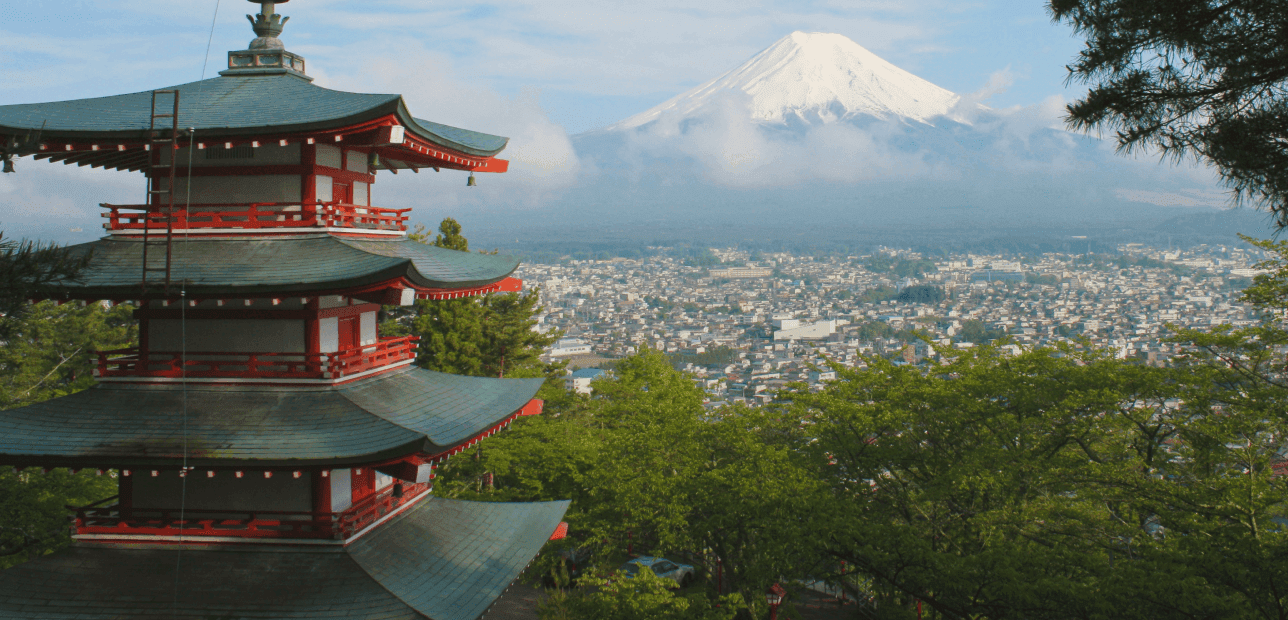
| Tokyo Metropolitan Government Building | Free | 9:30am–11pm | 202m up. Mt. Fuji views on clear days. |
| Shibuya Sky | ¥1,800–2,000 | — | Paid alternative |
| Tokyo Tower | ¥1,800–2,000 | — | Paid alternative |
The free government building view is nearly as good as the paid options.
Parks
| Park | Location | Highlights |
|---|---|---|
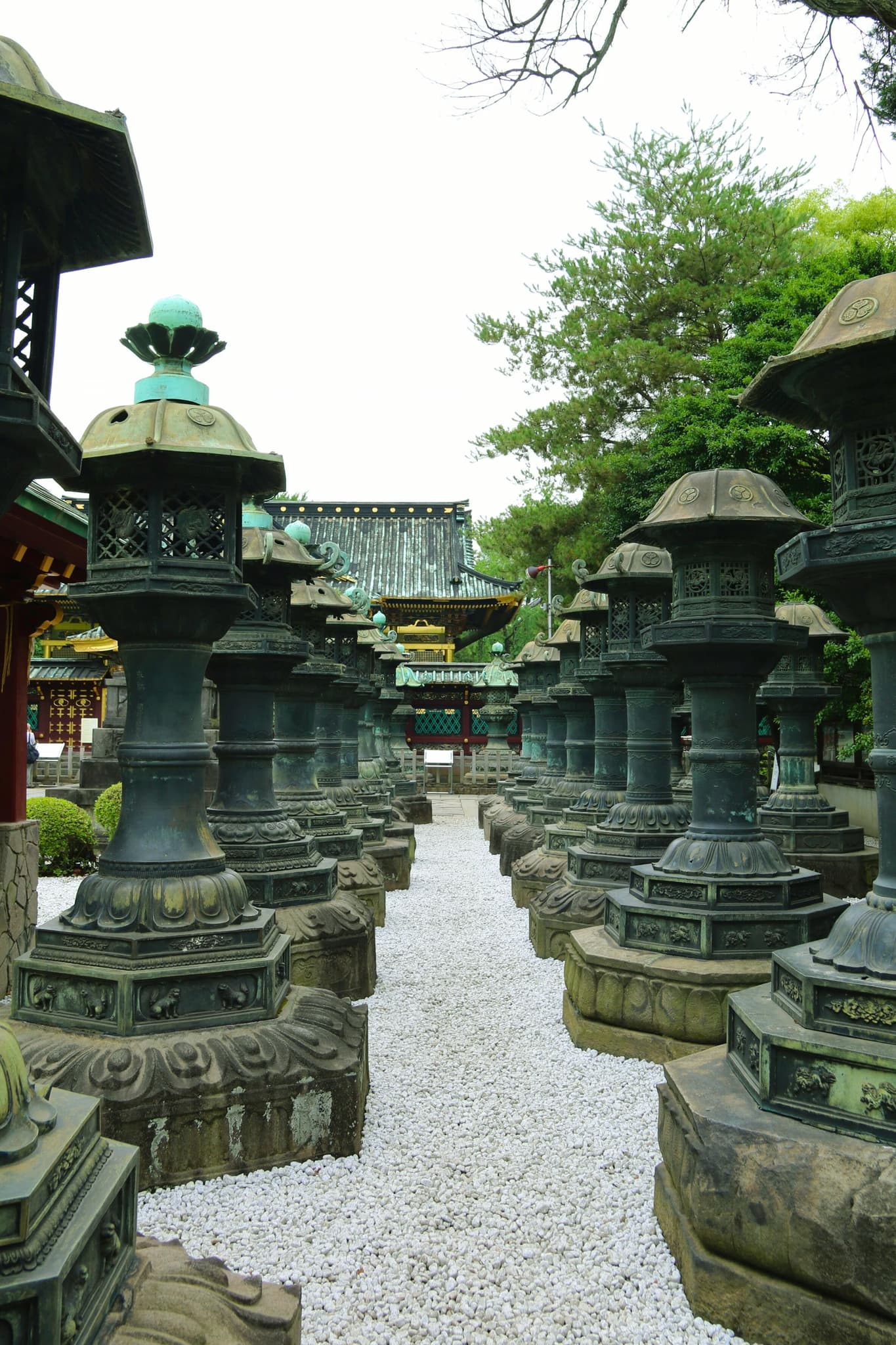
| Ueno Park | Tokyo | Cherry blossoms in spring. Museums charge separately. |
| Yoyogi Park | Tokyo | Weekend performers, people-watching, near Harajuku |
| Nara Park | Nara | Free to wander. Deer crackers cost ¥200. |
Neighborhood Walks
| Neighborhood | Character |
|---|---|
| Yanaka | Old Tokyo atmosphere, traditional shops, temple graveyards |
| Shimokitazawa | Vintage shops, cafes, youth culture — see our livable neighborhoods guide |
| Kagurazaka | French-Japanese fusion, narrow alleyways |
What's Not Free
Common misconceptions:
| Category | Typical Cost |
|---|---|
| Castle interiors (Himeji, Osaka, Matsumoto) | ¥400–1,000 |
| Museum exhibits | ¥500–2,000 |
| Temple inner halls / special gardens | Varies |
| Festival stalls (food, games) | Varies (viewing is free) |
Student and Senior Discounts
Japan offers meaningful discounts for students and seniors—but they're rarely advertised in English. You have to ask.
Student Discounts
Many museums, temples, and attractions offer reduced admission for students. The catch: discounts may not be posted in English, and some venues only honor Japanese student IDs.
| What Works | Details |
|---|---|
| ISIC Card | International Student Identity Card. Accepted at many museums and some attractions. Worth getting if you're a current student. |
| University ID | Foreign university IDs work at some venues. Results vary—always ask. |
| Age-based student pricing | Some venues offer "university student" or "high school student" rates regardless of nationality. |
Examples of student savings:
| Venue | Adult Price | Student Price | Savings |
|---|---|---|---|
| Tokyo National Museum | ¥1,000 | ¥500 | 50% |
| Many prefectural museums | ¥500-800 | ¥250-400 | ~50% |
| Some temples (inner halls) | Varies | Often reduced | Ask at counter |
Strategy: Carry your student ID and ISIC card. Ask "Gakusei waribiki arimasu ka?" (学生割引ありますか - "Is there a student discount?") at every ticket counter. The worst they can say is no.
Senior Discounts (65+)
Seniors often get the best discounts in Japan—50% off or even free admission at many museums and cultural sites. The threshold is typically 65, though some venues use 70.
| Category | Typical Discount | How to Claim |
|---|---|---|
| Museums (public/prefectural) | 50% off or free | Show passport at ticket counter |
| Castles | Often reduced | Passport verification |
| Some gardens | Reduced admission | Ask at entry |
| Temples/shrines (paid areas) | Varies | Less common, but ask |
Important: Bring your passport. It's the standard age verification for foreign tourists. Japanese residents use their health insurance card; tourists need passport.
What doesn't have senior discounts:
| Category | Notes |
|---|---|
| JR Pass | No senior discount. Adult (12+) and child (6-11) only. |
| Shinkansen tickets | No age-based discounts for tourists |
| Most private railways | Designed for residents, not tourists |
| Hotels | Rare; book through standard channels |
Airlines do offer senior fares: Both ANA and JAL have discounts for passengers 65+, but these require advance registration and booking through specific channels. Check airline websites directly—third-party booking sites don't always surface these fares.
Regional programs exist but are complex: JR East offers a membership club ("Otona no Kyūjitsu Club") with discounts for those 50+, with better rates for 65+. However, these programs target Japanese residents and require Japanese-language registration. Not practical for most tourists.
The Ask-First Rule
The universal strategy for both students and seniors: ask at every ticket counter. Discounts exist but aren't always posted in English. A polite inquiry with your ID or passport ready takes seconds and can save hundreds of yen per attraction.
Phrase to use: "Waribiki arimasu ka?" (割引ありますか - "Is there a discount?")
What a Day Actually Costs
Concrete numbers for planning.
Shoestring Budget: ¥5,000–7,000/day ($35–50)
| Category | Cost |
|---|---|
| Hostel dorm | ¥2,500–3,500 |
| Breakfast (konbini) | ¥300–400 |
| Lunch (gyudon chain) | ¥400–500 |
| Dinner (konbini bento) | ¥500–700 |
| Transit (IC card) | ¥500–800 |
| Activities | Free attractions |
| Daily total | ¥4,200–5,900 |
Buffer for extras: ¥1,000–1,500
This budget is tight but doable. Requires discipline and planning.
Comfortable Budget: ¥8,000–12,000/day ($55–85)
| Category | Cost |
|---|---|
| Capsule hotel or cheap business hotel | ¥4,000–7,000 |
| Breakfast (konbini + coffee) | ¥400–500 |
| Lunch (restaurant) | ¥800–1,200 |
| Dinner (restaurant or depachika) | ¥1,000–1,500 |
| Transit (day pass + IC card) | ¥800–1,500 |
| One paid attraction | ¥500–1,000 |
| Daily total | ¥7,500–12,700 |
This is where most budget-conscious travelers land. Comfortable without feeling restrictive.
Budget-Conscious Mid-Range: ¥15,000–20,000/day ($105–140)
| Category | Cost |
|---|---|
| Business hotel | ¥8,000–12,000 |
| Breakfast (hotel or cafe) | ¥500–1,000 |
| Lunch (sit-down restaurant) | ¥1,200–1,800 |
| Dinner (restaurant) | ¥2,000–3,500 |
| Transit (flexible, some taxis) | ¥1,500–2,500 |
| Activities | ¥1,000–2,000 |
| Daily total | ¥14,200–22,800 |
Room for spontaneity and occasional splurges.
City Variations
| Location | Price Adjustment |
|---|---|
| Tokyo | +10–20% (accommodation and some food) |
| Kyoto (peak season) | +30–50% (accommodation) |
| Rural Japan | -15–20% (across categories) |
Budget Killers
| Category | Cost | Impact |
|---|---|---|
| Drinking | ¥500–800 per beer | Izakaya tabs add up fast |
| Shopping | Varies | 100-yen shops fine; department stores dangerous |
| Taxis | ¥2,000–4,000 per trip | Avoid unless necessary |
| Paid attractions | ¥500–2,000 each | Multiple per day compounds quickly |
Trip Totals
| Duration | Budget Level | Total Cost |
|---|---|---|
| One week | Shoestring | ¥35,000–50,000 ($245–350) |
| One week | Comfortable | ¥56,000–84,000 ($390–590) |
| Two weeks | Comfortable | ¥112,000–168,000 ($780–1,180) |
These figures exclude flights, travel insurance, and pre-trip costs. For a comprehensive breakdown, see our Japan travel costs guide.
Sample Budget Day: Tokyo on ¥7,000
A concrete example of comfortable budget travel—not suffering, just strategic.
| Time | Activity | Cost |
|---|---|---|
| 7:30 AM | Breakfast at konbini (onigiri + coffee) | ¥350 |
| 8:30 AM | Train to Asakusa | ¥200 |
| 9:00 AM | Senso-ji Temple grounds | Free |
| 11:00 AM | Walk through Kappabashi (kitchen street) | Free |
| 12:30 PM | Standing soba at station | ¥450 |
| 1:30 PM | Train to Ueno | ¥170 |
| 2:00 PM | Ueno Park, Ameyoko market browsing | Free |
| 4:00 PM | Tokyo Metropolitan Government Building observation deck | Free |
| 5:30 PM | Train to Shibuya | ¥200 |
| 6:00 PM | Shibuya Crossing, Hachiko statue | Free |
| 7:30 PM | Supermarket bento (20% off evening discount) | ¥600 |
| 9:00 PM | Return to capsule hotel | ¥4,000 |
| Total | ¥5,970 |
What this day includes: Four distinct neighborhoods, sights, observation deck views, market browsing, and three meals. Buffer of ¥1,000 remains for a mid-afternoon coffee or unexpected find.
What this day excludes: Paid museum entries, sit-down restaurants, alcohol. Add ¥1,500–3,000 if you want any of those.
What Budget Travel Costs You
Budget travel in Japan is achievable. It's also a trade-off. Understanding what you're trading helps you decide if it's worth it.
Time
Budget options take longer. Highway buses take 8 hours where shinkansen takes 2.5. Finding the cheap restaurant means walking past the convenient one. Planning meals around supermarket markdown times requires schedule coordination. Every saved yen costs minutes.
Comfort
Budget accommodation means smaller spaces, shared facilities, and less central locations. Capsule hotels offer privacy but not room to spread out. Hostels offer price but not quiet. Even budget business hotels in Japan are smaller than mid-range rooms elsewhere.
Spontaneity
Budget travel rewards planning. The best bus fares go to early bookers. The cheapest accommodation fills first. Walking into a neighborhood and finding dinner works—but finding the good-value dinner takes research. Budget travelers who wing it end up paying more than those who prepare.
Experience Quality
Some experiences are genuinely better with money:
-
Ryokan stays (traditional inns) are expensive but singular experiences
-
Kaiseki (multi-course traditional meals) can't be replicated at budget restaurants
-
Shinkansen comfort and views beat highway bus sleep quality
-
Private guides turn confusing logistics into smooth discoveries
Budget travel offers excellent value for the price. It doesn't replicate what more money buys—it offers different experiences.
Navigation Complexity
Budget options require more transfers, more research, more on-the-ground problem-solving. Finding the supermarket, decoding the menu, navigating the bus station—each friction point is manageable but accumulates. Travelers who find Japan's systems overwhelming may find budget travel compounds that stress.
Food Discovery
The best cheap eats aren't on English-language review sites or tourist maps. Finding them requires luck, local knowledge, or time-consuming exploration. You might walk past dozens of mediocre options before stumbling on the great one.
Is Budget Travel Right for You?
| Factor | Budget Travel Works | Budget Travel Struggles |
|---|---|---|
| Time | Flexible schedule, extended trip | Limited days |
| Comfort | Okay with uncertainty, figuring things out | Low tolerance for ambiguity |
| Group | Solo or small group | Children, mixed needs, mobility limits |
| Planning | Enjoy research and preparation | Prefer spontaneity |
Budget travel rewards those with time to spare. Travelers with limited days may find that strategic spending on guidance yields better returns than pure DIY—getting oriented faster, avoiding common mistakes, and discovering places that take locals years to find.
The decision isn't about what you can afford—it's about what you value with your limited time.
Tips That Actually Matter
Skip the obvious advice (bring comfortable shoes, learn basic Japanese phrases). Here's what actually moves the needle.
IC Card Is Essential
Get a Suica or Pasmo card immediately upon arrival. Beyond transit, it works at:
-
Convenience stores
-
Vending machines
-
Coin lockers
-
Many restaurants and shops
The convenience alone is worth it. No fumbling for coins, no deciphering ticket machines for each trip.
Cash Is Still King
Japan is more cash-dependent than you expect. Many restaurants, small shops, and budget accommodations are cash-only. ATMs at banks often reject foreign cards.
What works:
-
7-Eleven ATMs (over 27,000 locations) accept foreign Visa, Mastercard, and most international cards
-
Japan Post ATMs (over 20,000 locations) also accept foreign cards
-
Withdrawal limit: ¥100,000 per transaction at 7-Eleven
Carry ¥10,000–20,000 in cash as a buffer. Running out of cash in the wrong neighborhood is stressful.
Tax-Free Shopping
Tourists can avoid the 10% consumption tax on purchases of ¥5,000 or more at participating stores. Requirements:
-
Show passport at checkout
-
Purchase at a single store on a single day
-
Separate thresholds for general goods and consumables
Note: The tax-free system is transitioning to a refund-based model in November 2026. Current system deducts tax at checkout.
Connectivity: Pocket WiFi vs. SIM
You need internet access for maps, translation, and transit apps. Options:
| Option | Cost | Best For |
|---|---|---|
| Pocket WiFi rental | ¥500–2,000/day | Groups (shareable), multiple devices |
| Tourist SIM card | ¥3,000–5,000 for 7–14 days | Solo travelers, simple setup |
| eSIM | Similar to SIM | Newer phones, no physical card swap |
Pocket WiFi makes sense for groups splitting the cost. Solo travelers often find SIM cards simpler. Check our full guide on these connectivity options for more details.
Coin Lockers
Station lockers solve the day-trip-with-luggage problem:
| Size | Cost | Fits |
|---|---|---|
| Small | ¥300–400/day | Daypack, shopping bags |
| Medium | ¥400–600/day | Larger backpack, small carry-on |
| Large | ¥600–800/day | Full-size suitcase |
Available at virtually every train station. Modern ones accept IC cards; older ones need ¥100 coins.
Station Ekiben
Ekiben (station bento boxes) offer better-than-average meals for ¥800–1,500. Regional specialties vary by station. Solid option when you don't have time to hunt for restaurants.
What Actually Doesn't Matter
Don't bother with:
-
Bringing a refillable water bottle (tap water is drinkable, but convenience store drinks are cheap and ubiquitous)
-
Converting cash before arrival (airport rates are fine; 7-Eleven ATMs are better)
-
Learning complex Japanese (English and pointing work in tourist areas; translation apps handle the rest)
Focus your energy on logistics that actually save money: booking timing, transit strategy, and meal planning.
This guide is published by Hinomaru One, a Tokyo-based private tour operator.