
The licensing exam tests factual recall, not storytelling or personality. Passing an exam and giving a great tour require different skills.
Licensed tour guides in Tokyo get a lot of attention, and most of it goes to the wrong question. The licensing exam checks whether a guide can recall facts. It says nothing about storytelling or personality.
Japan's national guide license sets its English bar at CEFR B1-B2, which is about where Japanese high schoolers aim for university entrance. The exam is hard, and fewer than one in five candidates pass. What it covers is geographic trivia, historical dates, and tourism regulations. Whether you'll enjoy eight hours in someone's company is outside its scope.
B1-B2 Isn't Fluent
What B1-B2 Actually Means
The National Government Licensed Guide Interpreter exam asks for Eiken Grade 2 English. That's CEFR B1-B2, or upper intermediate: enough to write a letter, follow a presentation, or explain basic information from prepared notes. The official marketing talks about "advanced foreign language skills." B1-B2 is a step below that.
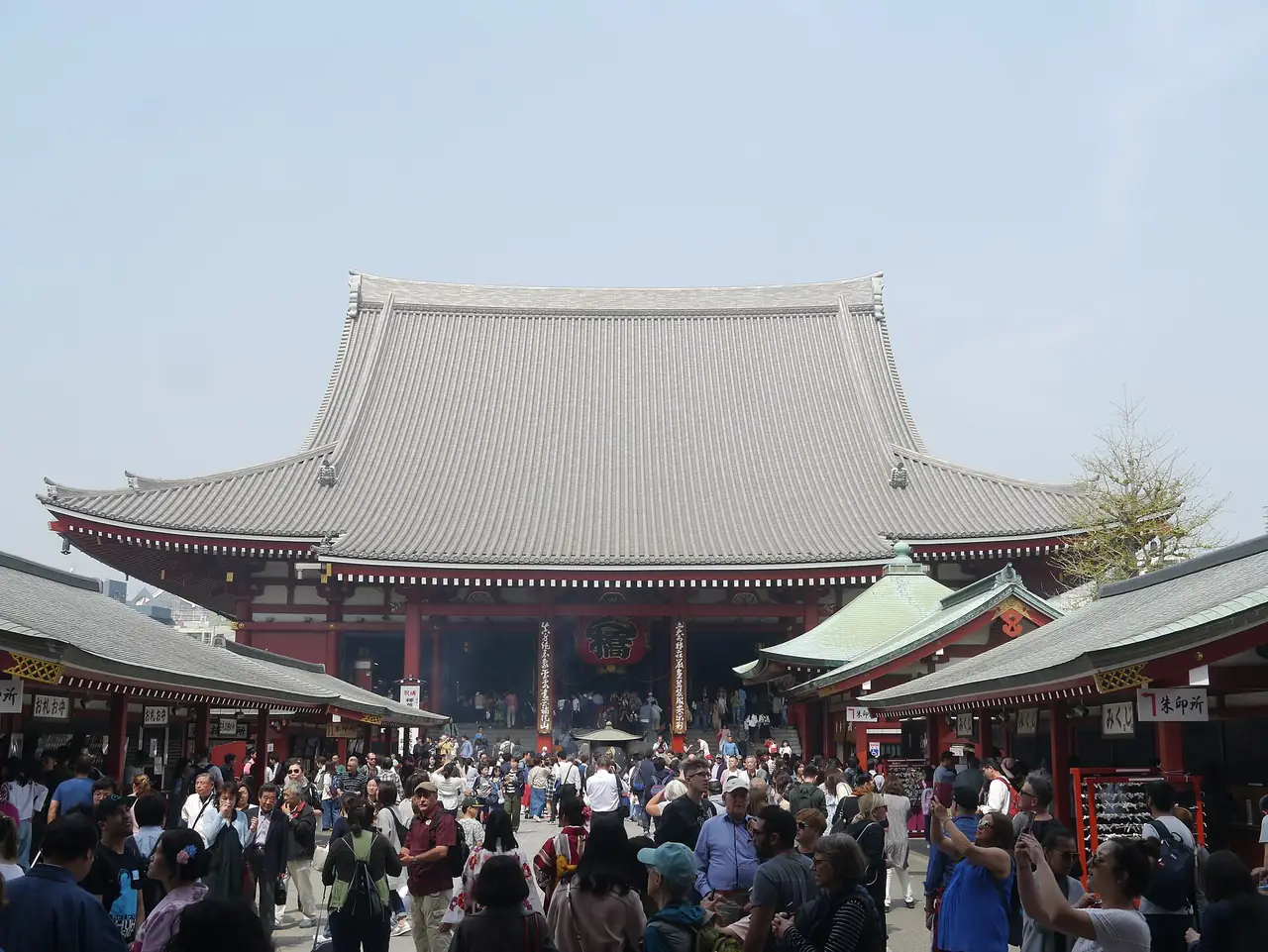
At that level a guide can deliver a scripted explanation of Senso-ji Temple's history. Fielding questions they didn't expect, following your particular interests, or keeping a normal conversation going once the script runs out is another matter, and the credential doesn't promise any of it.
The Script vs. Conversation Problem
Travelers tend to underestimate how wide the gap is between a rehearsed explanation and real conversation. Industry observers note that many guides "simply recite memorized facts or struggle with spontaneous conversation."
Plenty of licensed guides speak excellent English, well above the requirement. The credential just can't tell you which ones. All it proves is that the guide cleared an upper-intermediate bar. We go into the range of skills, and what to look for, in our piece on English-speaking guides in Tokyo.
What the Exam Actually Tests
Geography, History, Regulations
The National Government Licensed Guide Interpreter exam has six subjects:
-
Foreign language proficiency (in your chosen language)
-
Japanese geography
-
Japanese history
-
Japanese culture (general knowledge)
-
Tourism industry regulations
-
Relevant laws and guiding practices
Everything except the foreign language section is administered in Japanese. For a non-Japanese candidate that's a serious hurdle, however well they know Tokyo and however good their English is.
Sample Question: Capital Cities in 743 AD
Here is a real question from the history section:
"In 743, Emperor Shōmu issued the imperial edict to construct the Great Buddha. Which was the capital city at that time? ① Heijō-kyō ② Naniwa Palace ③ Kuni-kyō ④ Shigaraki Palace"
To get it right you need to have memorized that the capital in 743 was Kuni-kyō. Making that interesting to a twelve-year-old, or to a first-time visitor who just wants to know what they're looking at, never comes up.
What's Missing from the Test
There is no practical part at all, so how a guide gets their knowledge across to people goes untested. Nobody runs a mock tour, talks to travelers, or watches how a candidate copes with a family of jet-lagged kids or a couple who mostly want restaurant tips. You could get a perfect score having never led anyone anywhere.
What Travelers Actually Say
The Complaints: Memorized Facts and Stiff Delivery
When people complain about tour guides, licensed or not, the complaints land on exactly the skills the exam leaves out.
Travelers describe guides who "just recite memorized history lessons." Some found that "the expensive guides seem stiff and boring" while the volunteer guides at the same sites were "sweet and personable." One reviewer said their guide "could not answer questions" once they went past the prepared material.
You'll find these complaints about licensed and unlicensed guides alike, so the credential tells you little about which kind of day you'll have.
The Praise: "Like Exploring with a Friend"
Good reviews talk about personality, warmth, and a guide who adjusted to the group, and almost never about credentials. "Like exploring with a friend" shows up on platform after platform.
The guides people praise get called "personable" and "warm," and travelers say they adapted "to our needs." Guests remember the guide who told a story from their own life, slowed down when the kids flagged, or suggested a place nobody had planned on because of something said over lunch. None of those positive reviews mention whether the guide passed a government exam.
The 2018 Law Change
What Changed
Until 2018, paid guiding for foreign visitors without the National Government Licensed Guide Interpreter certification was technically illegal, although the rule was rarely enforced.
The Japan Tourism Agency revised the law in 2018, and paid guiding without a license is now legal. The reasoning was that the licensing system put up barriers without making tours any better.
What the Title Restriction Actually Means
One legal protection remains: only certified guides may call themselves "通訳案内士" (Tsūyaku Annai-shi) in Japanese. Unlicensed guides also can't use wording that implies official certification, such as "Interpreter Guide" or government titles like "Government certified guide."
The law protects the title and leaves the work open to anyone. An unlicensed guide can offer the same services and simply can't claim a credential they don't hold.
None of Tokyo's major sights require a licensed guide to get in. Temples, museums, and other common stops admit guides whatever their licensing status.
Site Access: Where License Status Actually Matters (And Doesn't)
| Site Type | License Required? | Notes |
|---|---|---|
| Temples and shrines | No | Sensoji, Meiji Shrine, Asakusa: open to any guide |
| Museums | No | Tokyo National Museum, teamLab, Mori Art Museum: no restrictions |
| Gardens | No | Shinjuku Gyoen, Rikugien, Hamarikyu: public admission |
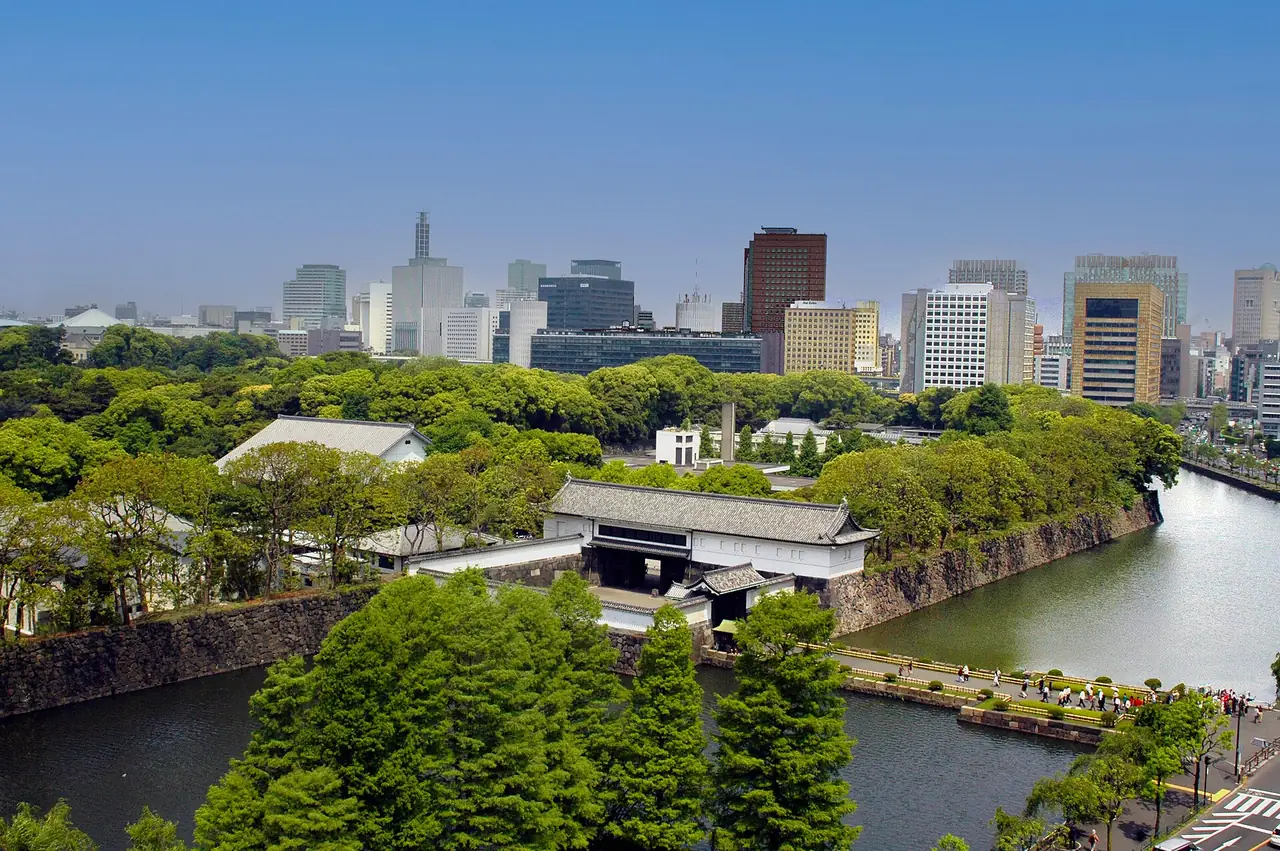
| Imperial Palace East Gardens | No | Free, open to public and guides |
| Imperial Palace inner grounds | No (but limited)* | Guided tours by Imperial Household Agency only; your guide waits outside |
| Government buildings | Varies | Diet Building tours are self-guided; no private guides inside |
| Private venues/restaurants | No | Licensing irrelevant; relationships and reservation access matter |
*The Imperial Household Agency runs free guided tours of the Imperial Palace inner grounds. You can join one with or without a private guide, but your guide can't take you in and will wait at the meeting point. Licensing has nothing to do with it. The palace is an active imperial residence and access is controlled.
In practice, no tourist site in Tokyo asks for a licensed guide at the door. The license was originally meant to guarantee good interpretation at national heritage sites, and audio guides, signage, and official tour programs now do that job.
Where license status might matter outside Tokyo:
- Some Kyoto heritage sites historically preferred licensed guides for group access
- Certain cultural programs (formal tea ceremony instruction) may verify credentials
- Very few situations in practice
If you're touring Tokyo, license status won't change where you can go or what you can see.
The Floor, Not the Ceiling
Passing the exam is a real achievement. Pass rates run from 9% to 21% depending on the year and the language, and for English they sit between 16% and 24%.
Passing it and running a good tour still call for different skills:
| What the License Proves | What It Doesn't Prove |
|---|---|
| Baseline knowledge of Japanese geography, history, and culture | Storytelling ability or engaging delivery |
| B1-B2 foreign language proficiency | Personality, warmth, or humor |
| Familiarity with tourism regulations | Pacing and reading the room |
| Ability to prepare for and pass a standardized test | Deep knowledge of specific neighborhoods |
| Adaptability when plans change | |
| Experience with families, seniors, or other traveler types | |
| That you've guided anyone recently, or ever |
Only 20-30% of registered licensed guides actually work as tour guides. The group skews older, and many took the exam as a second career or a retirement project.
Think of the license as a floor. Lots of excellent guides are well above it without the paper, and lots of licensed guides never get much past it.
The Matching Problem
The Real Risk
Asking "licensed or unlicensed?" assumes licensing is the filter that counts, and it isn't.
What actually goes wrong is that you book without knowing who you'll get. Marketplaces and tour aggregators assign a guide after you've paid. You choose a date, pay, and find out later who's coming.
Travelers call this a "lottery," because you only meet the guide when they turn up. Whether that unknown guide has a license matters much less than whether you had any way to judge them before you paid.
What Actually Protects You
Know your guide before you book. In practice that means:
-
Seeing specific guide profiles, not just company descriptions
-
Watching video of guides speaking and interacting
-
Reading reviews mentioning specific guides by name
-
Having direct contact before committing
Operators who keep their guides hidden until after payment leave you exposed. Operators who show you the person you're booking take most of that risk away, and licensing plays no part in the difference. It also helps to know what tour guide pricing actually includes so you can compare like with like.
Questions That Actually Matter
Instead of asking whether your guide is licensed, ask these:
About the Guide
-
Can I see who I'm getting before I book?
-
How long has this specific guide lived in Tokyo?
-
What neighborhoods does this guide know deeply?
-
Does this guide have experience with [families/seniors/photographers/etc.]?
-
Can I see video of this guide speaking?
About the Booking Process
-
Will I know my guide's name before I pay?
-
What if my assigned guide doesn't feel like a good fit?
-
How do you match guides to guests?
-
Is there a waitlist situation where I might get reassigned?
About Accountability
-
What happens if I'm not satisfied with my tour?
-
How do I reach you during the tour if something goes wrong?
-
Do you have reviews mentioning specific guides?
Thirty seconds of video tells you more than any certificate. You can hear how fluent a guide is and get a sense of their personality and energy, which is what you'll be living with all day. Our 10 questions to ask before booking a Tokyo private tour goes through the full list.
The Pricing Reality
Licensed guides often charge more, but the license accounts for only part of the price spread you'll see.
What Drives Pricing
| Factor | Impact on Price | More Relevant Than License? |
|---|---|---|
| Experience (years guiding) | +20-50% for 5+ years | Yes, experience tracks quality |
| Platform fees | +20-30% on marketplaces | Yes, the same guide costs less direct |
| Operator overhead | +15-25% for curated services | Depends on value of curation |
| Specialization | +10-30% for niche expertise | Yes, food, architecture, and photography specialists charge more |
| National license | +10-20% premium typical | Sometimes, but not consistently |
A licensed guide on GoWithGuide might charge $300/day, and an unlicensed guide booked through a specialist operator might charge $500. The difference pays for the operator's vetting, backup support, and quality guarantee.
Price Ranges by Guide Type
| Guide Type | Typical Full-Day Rate | What You're Paying For |
|---|---|---|
| Freelance (newer, unlicensed) | $150-250 | Lower experience, building portfolio |
| Freelance (experienced, unlicensed) | $250-400 | Experience and reviews, no credential premium |
| Licensed (marketplace) | $300-500 | Credential + experience, marketplace fees |
| Operator-curated (mixed credentials) | $400-700 | Vetting, backup, customer service, guarantee |
| Premium specialist | $500-900 | Deep expertise, exclusive access, luxury positioning |
A licensed guide at $350 and an unlicensed one at $350 could give you the same day. A $500 unlicensed guide from a good operator could also beat a $350 licensed freelancer. Licensing is one thing to weigh, and it isn't the one that predicts the most.
The Real Question
A better question than "licensed or unlicensed?" is "What am I getting for this price?"
A $200 tour can be a bargain from an experienced guide with low overhead, or it can mean a new guide who can't charge more yet. A $600 tour might be paying for luxury positioning you don't care about, or for real expertise and access that earn the price.
Reviews, video, and how a company handles your questions before booking tell you more than either the credential or the price. Our pricing guide has the wider market picture.
Frequently Asked Questions
Does my guide need to be licensed?
No, not legally. Japan allows unlicensed guiding, and plenty of very good guides work without the national certification. The license tests knowledge of Japanese history and geography. It doesn't measure people skills, cultural interpretation, or how well someone designs a tour.
What does a tour guide license actually mean?
Japan's national guide-interpreter license (全国通訳案内士) tests knowledge of Japanese history and geography and the ability to interpret between Japanese and another language. Academically it's demanding. It doesn't test whether a guide can read a group's energy, plan an engaging day, or cope when something goes wrong.
Are licensed guides better?
Not automatically. A licensed guide passed an exam. An unlicensed guide might have decades of experience, deep local connections, or a specialty the exam never touches. Treat the license as one signal, and put more weight on reviews, videos, and how the guide communicates before the tour.
Why do some operators only use licensed guides?
Mostly marketing. "Our guides are certified" sounds reassuring, and some travelers do care about credentials. An operator that hires on certification alone, though, can pass over excellent guides who never sat the exam.
How do I evaluate a guide without relying on license status?
Look for steady good reviews across platforms, video that shows how the guide talks and comes across, quick replies before you book, a willingness to talk through changes to the plan, and a clear account of what's included. Those predict the day better than a credential.
Where Hinomaru One Fits
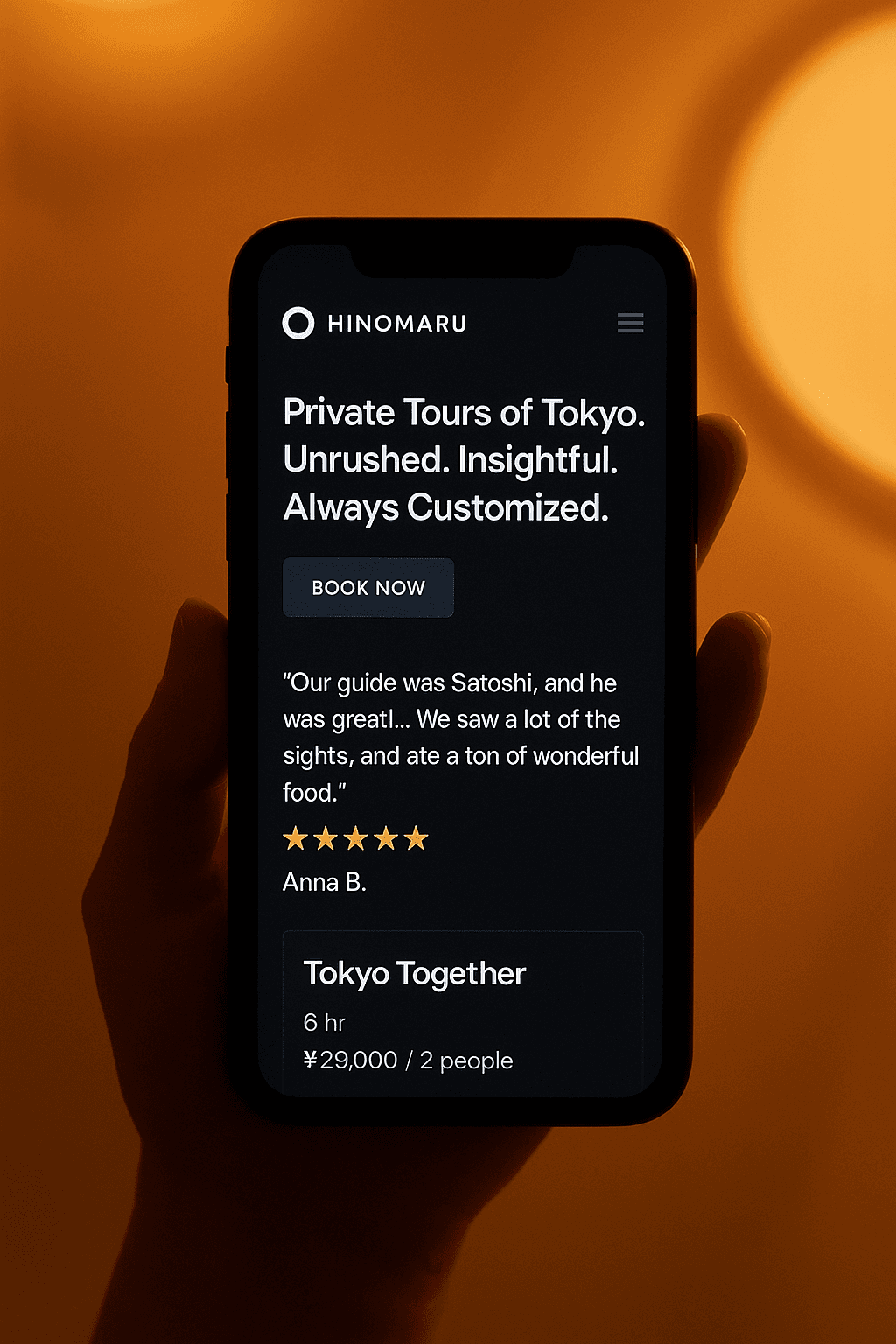
When you book with us you see your guide's profile, with video, background, and a sense of their personality. Nobody gets assigned to you after payment. You know who'll be spending the day with you, and a satisfaction guarantee covers every tour. Tokyo Essentials shows how it works.
At Hinomaru One we design private Tokyo tours for first-time and returning travelers, built around Japanese culture and planned so the day doesn't feel stressful or rushed. Every one is customized.
Photo credits
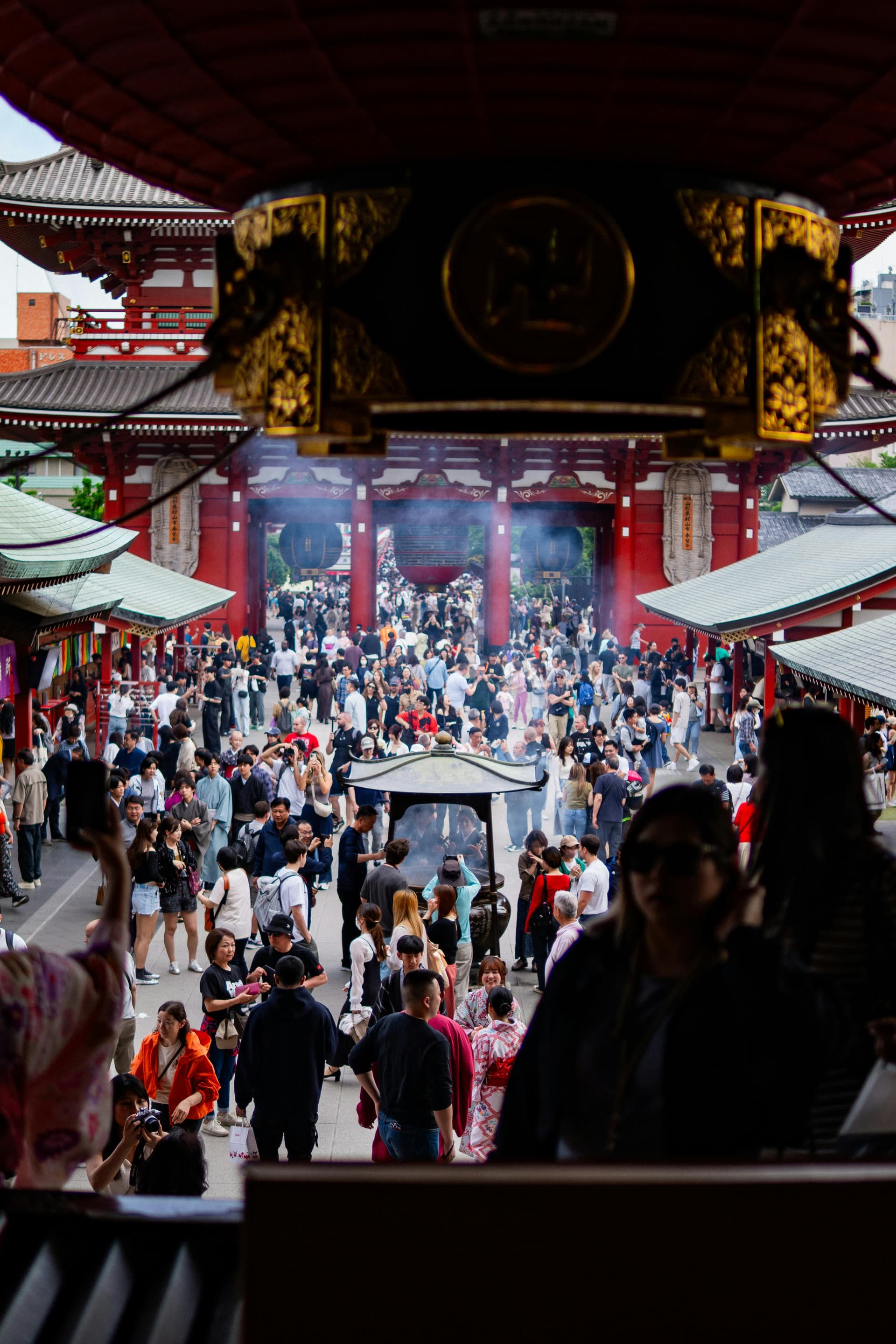
- Visitors gathered in front of the main hall of Senso-ji Temple in Asakusa: Zairon / Wikimedia Commons, CC BY-SA 4.0, resized
- The moat and gate at the entrance to the Imperial Palace East Gardens in Tokyo: Don Ramey Logan / Wikimedia Commons, CC BY-SA 4.0, resized




_entrance_by_Don_Ramey_Logan.jpg)