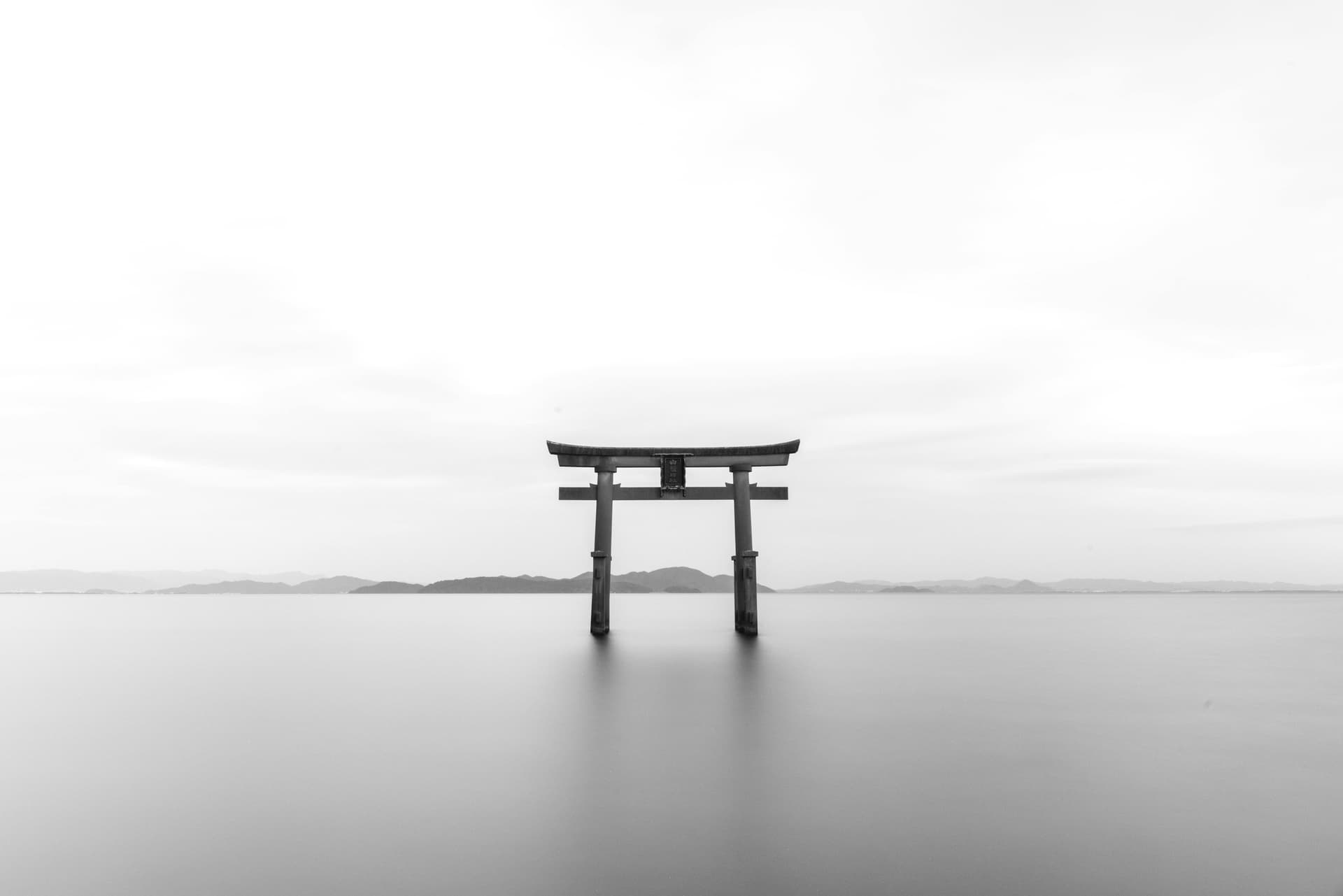
The internet documented every address. What's hidden now is behind barriers no amount of Googling solves—and that's where guides earn their value.
Private guides find hidden gems in Tokyo by getting you past access barriers, since the addresses are no secret anymore. What keeps a place hidden now is language, relationships, and timing. 90% of izakayas have no English menu, and half of the bars in Golden Gai don't welcome tourists. Every address is already online, so a guide earns their fee on everything else, or doesn't earn it at all.
The Hiding Isn't in the Address
Ten years ago, knowing about a neighborhood like Yanaka put you ahead. Today it's three clicks away.
Every "local" coffee shop, "secret" viewpoint, and "hidden" alley has been written up somewhere. Travel blogs race each other to reveal the same fifty places, and once a spot appears on one blog, twenty more have it within a year. The authentic little ramen shop turns into the ramen shop with the two-hour line.
That's just how information moves now, and it means places hidden by geography have mostly disappeared.
Four Barriers Between You and the Experience
What stays hidden sits behind access barriers:
-
Language. You find the address. The menu is in Japanese.
-
Relationships. You stand at the door. Entry requires an introduction.
-
Timing. You arrive at the location. It closed two hours ago.
-
Interpretation. You see the shrine. The meaning stays invisible.
None of these is solved by a secret address. You need fluency, connections, local knowledge, or context, and that kind of "hidden" is still very much around.
90% of Izakayas Have No English Menu
Only 10.2% of the Tokyo izakayas listed on Tabelog have an English menu, which leaves roughly 90% without one. Our piece on language barriers in Tokyo and how a private guide helps looks at what that means for your trip.
You can find these places on Google Maps. You stand outside, see people eating, walk in, sit down, and can't read a word of the menu.
The Handwritten Menu Problem
Plenty of neighborhood izakayas write their menus by hand, with the specials on paper or a chalkboard and no pictures or translations. Some use ticket machines: you put your money in first, then press a button labeled in Japanese to choose your meal.
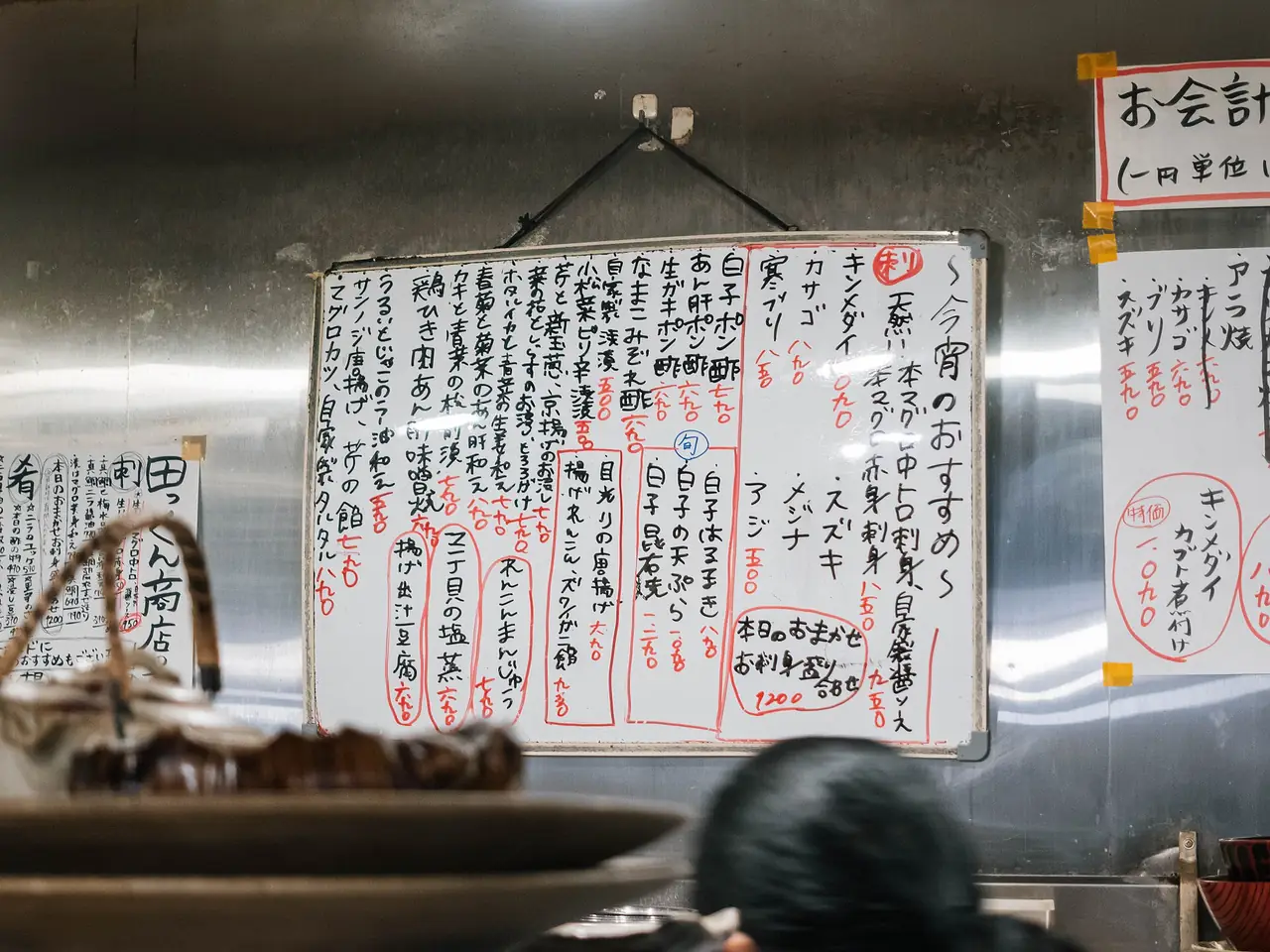
Nobody is trying to keep you out. These places serve local regulars who don't need English, and they run accordingly.
In December 2024 an izakaya owner made the news after telling a couple who asked for an English menu: "Make an effort to speak Japanese in Japan." His reasoning was practical. Guests at his place write their orders on paper, and without the language that system doesn't work.
A TableCheck survey found that 70% of Japanese restaurants have no plan for serving foreign visitors. The main reason given was that translating menus is too hard or too expensive.
What a Guide Actually Does Here
Your guide brings the language. They read the handwritten menu and explain each dish. They talk to the owner about dietary restrictions or preferences, and they work the ticket machine.
If Japanese-only menus are exactly what you want help with, our Tokyo izakaya food tours are built for that.
Half of Golden Gai Won't Let You In
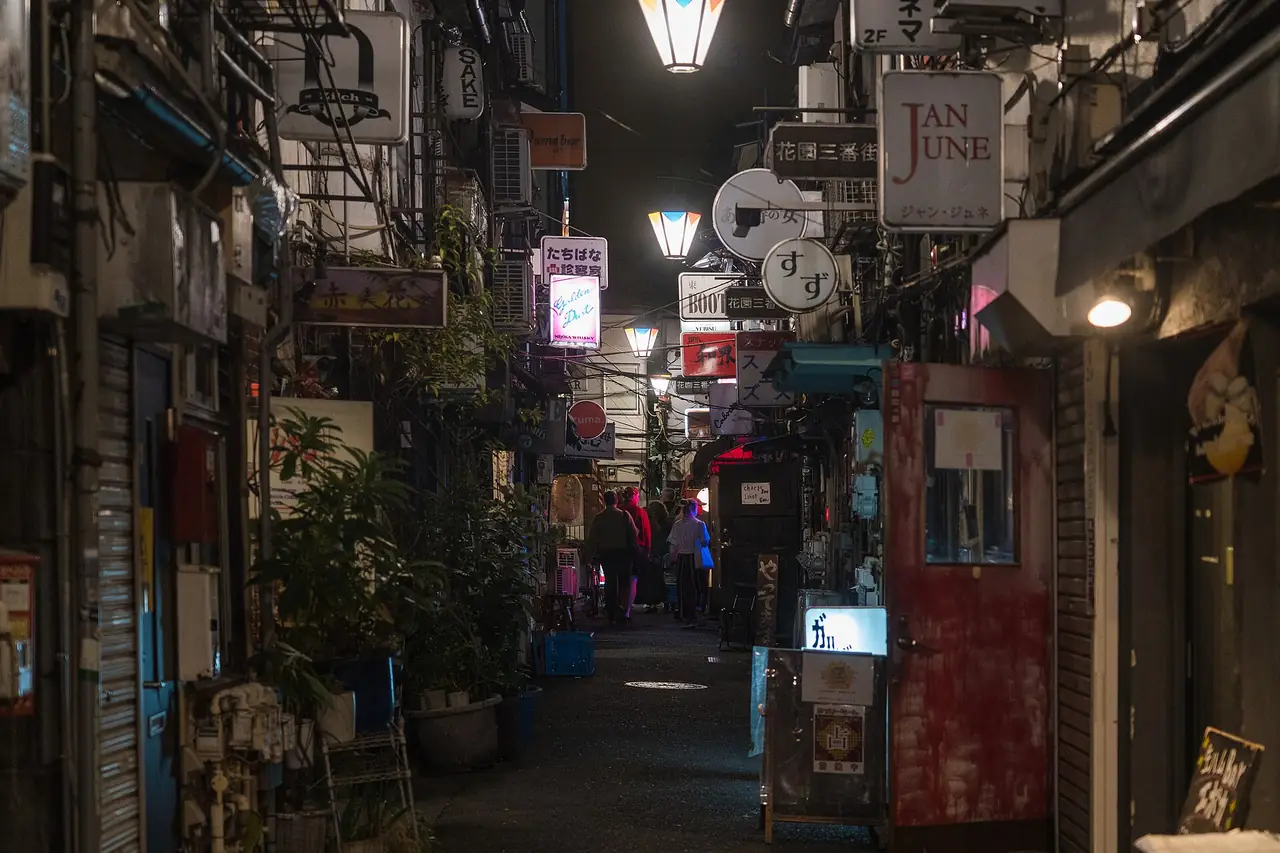
Golden Gai crams over 200 tiny bars into six narrow alleys. Each seats five to eight people, and some have been there for decades.
Roughly half welcome tourists, and the rest don't.
Regulars Only
Some bars put up a "Regulars Only" sign. Others say "No Tourists," and some have no sign at all, no menu or prices outside, and nothing to tell you whether you're welcome.
Your first walk through Golden Gai can be intimidating. One traveler put it this way: "Being so tiny, it's impossible to slip into a bar unnoticed while you suss it out. This makes Golden Gai a little intimidating."
So you wander the alleys, try to read the signs, and guess which doors are open to you. A lot of visitors end up enjoying the walk more than the drinking.
Ichigen-san Okotowari: When First-Timers Aren't Welcome
Some places in Japan follow ichigen-san okotowari, meaning first-time customers without an introduction are turned away. It's a long-standing system, and nobody means it as rudeness.
At the top sushi counters, the most exclusive run entirely on regulars and introductions. Mibu is the extreme case: eight seats, members only, no menu, no website, no posted hours. Members pick one night per month per year, and you won't get in without knowing someone.
Golden Gai doesn't go that far, but the same idea applies. Some bars want to know who you are before you come through the door.
There are tourist-friendly bars:
| Bar | What to Expect |
|---|---|
| Albatross | Three floors, English-speaking staff, ¥500 cover |
| Champion | No cover, known for karaoke |
| Ace's | Flat-rate pricing, English-speaking bartenders |
| La Jetée | Cinema-themed, welcomes film enthusiasts |
A guide knows which bars take newcomers and which don't, so you get a seat inside instead of just walking the alley. Our Tokyo nightlife tour guide covers the city's bar scene in more depth.
Tsukiji Closes at Noon. Golden Gai Opens at Eight.
Tokyo keeps different hours from most cities.
The Market That Disappears
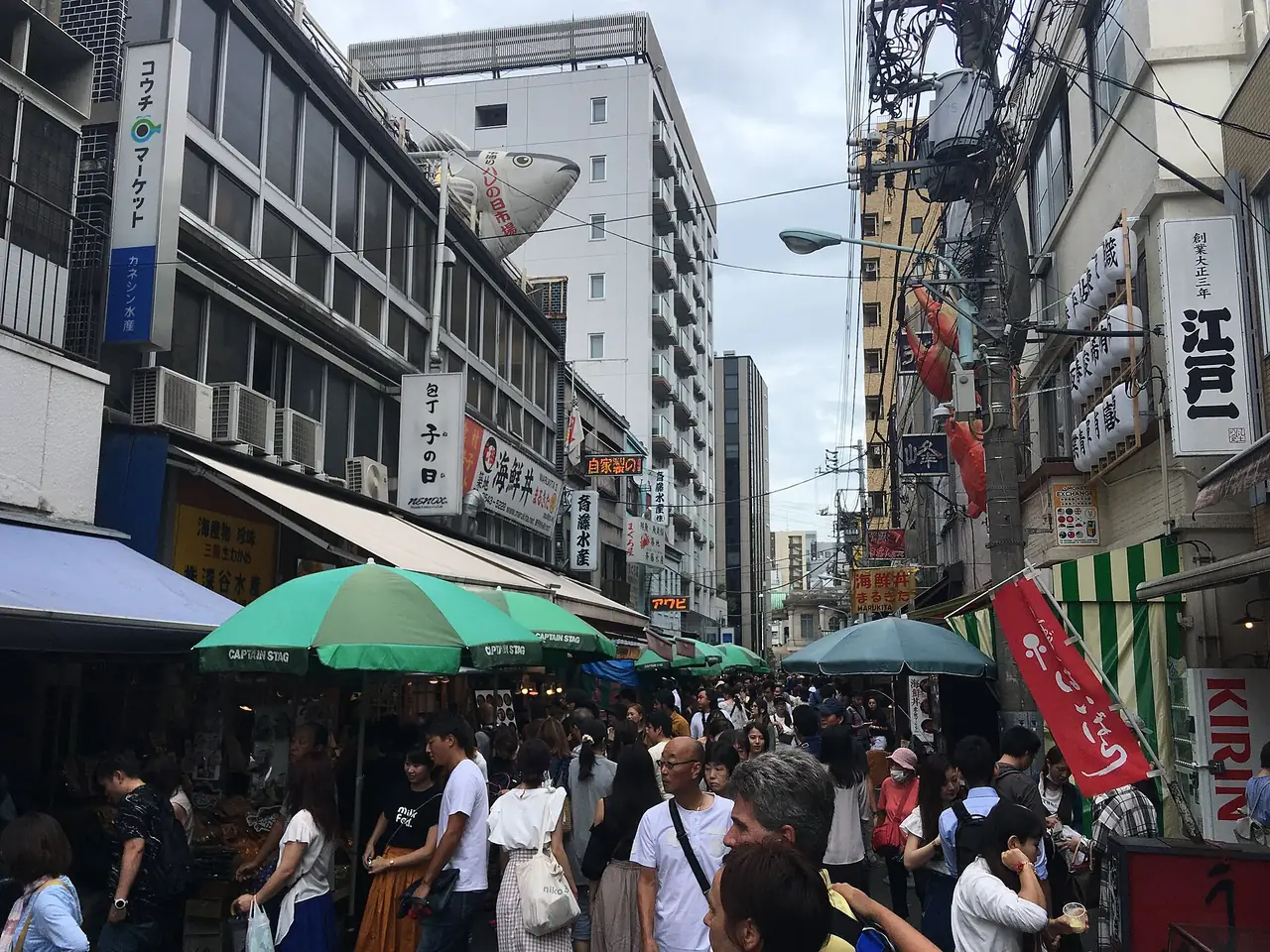
Tsukiji Outer Market opens at 5am, and professional buyers get priority until 9am. For visitors, the best time is 9am to about noon. By 2pm most shops have closed.
Turn up at 3pm for the famous market and you'll find shutters down. Turn up at 7am for the food stalls and many won't be open yet, since a lot of them start around 8 or 9am. The sushi restaurants open early, and the street food comes later.
Many shops also close on Sundays, national holidays, and some Wednesdays.
Golden Gai runs the other way round. At 6pm the alleys are empty and the doors shut. Bars open around 8pm, and the place gets going after 9pm and stays busy into the early morning.
| Location | Opens | Peak Time | Closes |
|---|---|---|---|
| Tsukiji Outer Market | 5am | 9am–noon | ~2pm |
| Golden Gai | ~8pm | After 9pm | Early morning |
Real-Time Knowledge
Restaurants add another wrinkle. Many in Tokyo close between lunch and dinner, shutting around 2-3pm and opening again at 5-7pm, so a 3pm ramen craving runs into a locked door.
Cafes often don't open until 10 or 11am. One travel writer called this "the rude awakening many Westerners experience on their first visit to Tokyo."
A guide knows when to show up, and adjusts on the spot. If somewhere is unexpectedly closed, they know what's open nearby, and that only comes from experience.
Standing in Front of a Shrine You Don't Understand
You can see every major shrine in Tokyo on your own. Google Maps will take you there, and the torii gate is visible from the street.
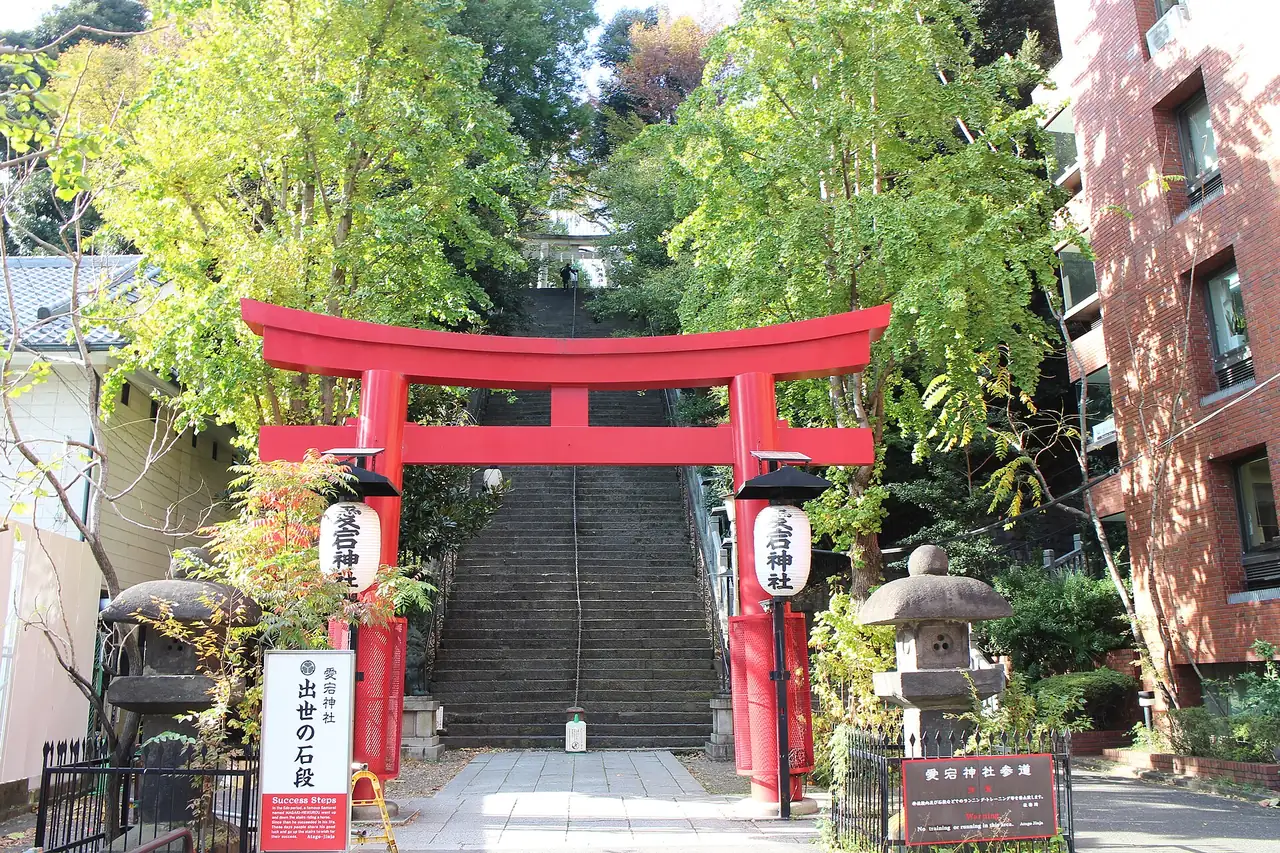
What you won't know without context is why salarymen climb the 86 stone steps of Atago Shrine before their quarterly reviews. They're the Shussei no Ishiden, the Stone Steps to Success, and office workers from nearby Shimbashi and Toranomon climb them for luck in their careers. On your own, it's a steep staircase up to a shrine.
Kabuto Shrine in Nihonbashi stands near the Tokyo Stock Exchange, and the people who look after it are employees of the exchange. It enshrines Uka-no-mitama-no-mikoto, the god of commerce, and finance workers stop by before the market opens. If you didn't know that, you'd walk straight past.
The Shrines You'll Never Find
In Akihabara, among the anime shops and maid cafes, a shrine is squeezed between two buildings. You get to it down an alley so narrow you have to turn sideways. Hanabusa Inari Shrine dates from the Edo period and stayed put while skyscrapers went up around it. Most locals have no idea it's there.
In Ameyoko, the hectic market street near Ueno, a 400-year-old temple sits on top of a candy shop. Marishiten Tokudaiji came through the 1923 earthquake and the WWII firebombing untouched, and Tokugawa Ieyasu prayed to its deity before battle. The shoppers haggling over dried squid ten feet below don't know it exists.
Neither place is famous, and most guidebooks leave them out.
What You Walk Past
One traveler who used a guide wrote: "Tatsu pointed out a lot of small details that we definitely would have missed on our own." Another said: "If we had wandered around ourselves, we would have taken a lot longer and missed the background and meaning our guide carefully prepared for each site." Even the famous sites get more interesting with that kind of background.
What Repeat Visitors Notice
One repeat visitor reviewed a private tour like this: "I'd been to Tokyo many times before and still had never seen or heard of most everything he included in our tour."
What Guides Can't Do
No Secret Tokyo
Guides don't carry maps of secret spots the bloggers missed. If a place exists, someone has posted about it.
No guide can get you into an eight-seat, members-only sushi counter without a real relationship there, and relationships like that take years. You can't hire one for a day.
A guide also can't make Shibuya Crossing quiet, shorten the ramen line, or make you fluent in Japanese culture after one tour.
Limits Are Real
What a guide can do is take the friction out of those access barriers. They read Japanese menus, handle the social side of Golden Gai, know when to arrive and when to leave, and explain what you're looking at so it means something.
If you want to check whether a particular guide can actually do this, here are 10 questions to ask before booking a Tokyo private tour.
What Makes a Guide Effective at This
Guides vary a lot in how much access they can give you. When you're comparing them, look at:
| Indicator | What It Suggests |
|---|---|
| Years living in Tokyo | Longer residency means more relationships, more neighborhood knowledge, and a better sense of what's changed lately |
| Native vs near-native Japanese | Native speakers catch nuance, read handwritten menus, and handle awkward social moments smoothly |
| Neighborhood specialization | Guides who focus on particular areas (Shibuya food scene, Yanaka old Tokyo) know them properly instead of skimming everything |
| Personal interests that overlap yours | A guide who loves craft sake gets around sake bars differently from one who just knows the big brands |
| Review specificity | Reviews that mention specific moments ("showed us a shrine between two buildings," "translated the entire menu") point to real access as well as pleasant company |
Red flags: Guides who only talk about famous landmarks. Reviews that are all about personality ("so friendly!") and never mention a discovery. No sign the guide has ever dealt with a language barrier.
The best guides we know are people who know Tokyo deeply and happen to guide. For what "local guide" really means and how to check the claim, see Tokyo tours with local guides.
When You Don't Need a Guide for This
Some travelers have already cleared these barriers on their own.
If you speak Japanese, you can read the menu yourself. If you have friends in Tokyo, introductions are easy. If tourist-friendly places suit you fine, the barriers aren't standing between you and anything you want.
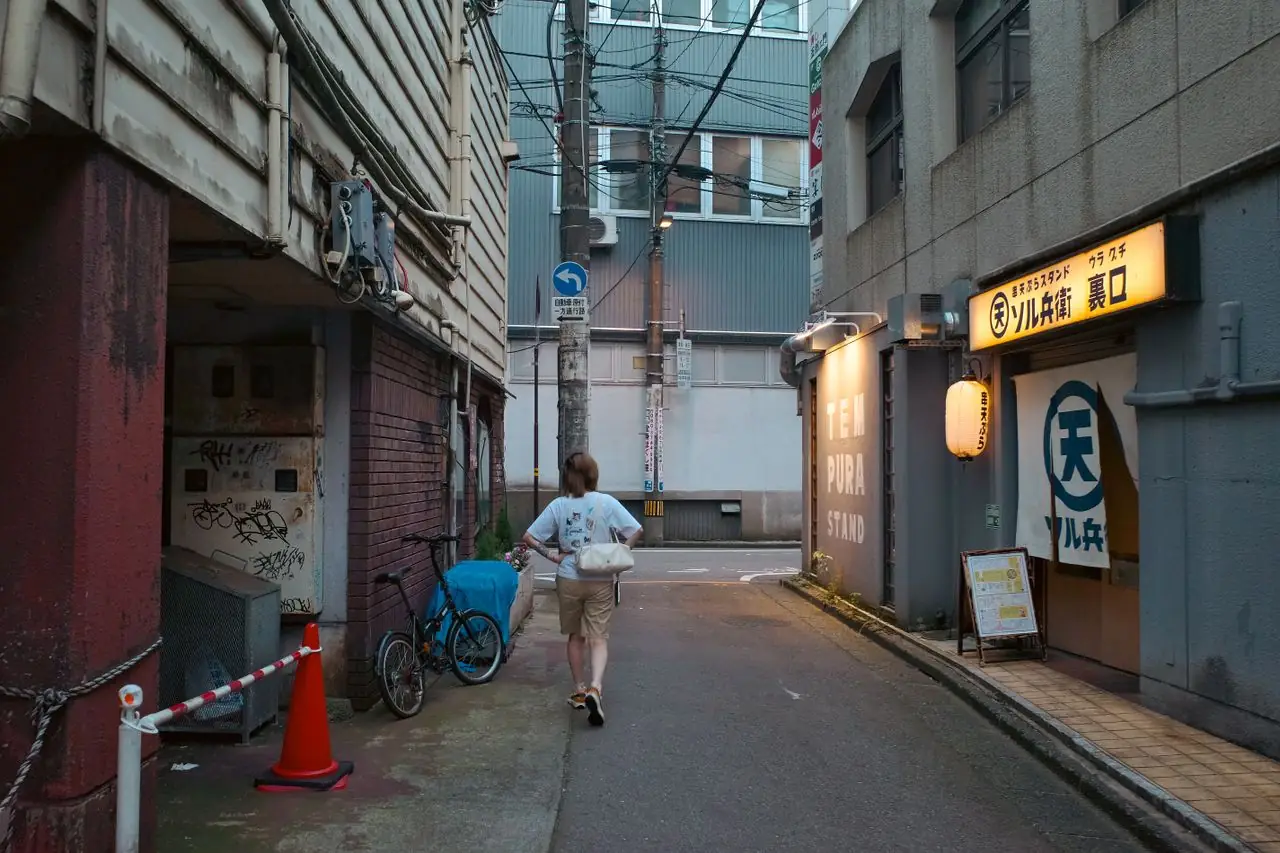
And if you like working it out yourself, wrong turns and closed doors included, a guide would take away the part you came for. There are more cases in when you don't need a private tour in Tokyo.
Frequently Asked Questions
Do private tour guides actually show hidden gems in Tokyo?
Yes, though usually differently from what people expect. The internet has done away with geographic secrets, and every "secret" neighborhood is on a travel blog somewhere. What's still hidden sits behind access barriers: 90% of Tokyo izakayas have no English menu, about half of Golden Gai's 200+ bars don't welcome tourists, and many experiences need the language, local relationships, or exact timing. A guide gets you through those barriers.
What hidden spots in Tokyo can you only find with a local guide?
Guides know places like Hanabusa Inari Shrine in Akihabara (squeezed between buildings, down an alley so narrow you turn sideways) and Marishiten Tokudaiji (a 400-year-old temple on top of a candy shop in Ameyoko). The bigger difference is at places that aren't hidden at all: reading handwritten menus at neighborhood izakayas, knowing which Golden Gai bars take newcomers, and explaining why salarymen climb the 86 stone steps of Atago Shrine before quarterly reviews.
What do Tokyo guides know that Google doesn't?
Google has the addresses. It doesn't have the timing: which restaurants close between 2-3pm, when Tsukiji stalls shut (by 2pm, earlier than many tourists expect), that Golden Gai bars don't open until 8pm, or that cafes open at 10-11am. A guide also explains what you're seeing, like why Tokyo Stock Exchange employees look after Kabuto Shrine, or why a steep staircase near Shimbashi matters to people hoping for a promotion.
Can you visit Tokyo's izakayas without speaking Japanese?
You can visit the roughly 10% with English menus. The other 90% have Japanese-only menus, often handwritten on paper or a chalkboard, with no pictures or translations. Some have ticket machines where you pick your meal in Japanese before you sit down. A guide brings the language: reading the menu, explaining dishes, passing on dietary restrictions, and dealing with ordering systems that weren't built for non-Japanese speakers.
Is Golden Gai in Tokyo open to tourists?
About half of Golden Gai's 200+ tiny bars welcome tourists. The others are regulars-only or turn away first-timers. Tourist-friendly choices include Albatross (three floors, English-speaking staff, 500 yen cover), Champion (no cover, known for karaoke), and Ace's (flat-rate pricing). Bars open around 8pm and are busiest after 10pm. A guide knows which doors are open to newcomers and how to handle the etiquette in such a small, close-knit district.
Where Hinomaru One Fits
Our guides handle the language, know which doors open to newcomers, and can tell you why a steep staircase matters to Tokyo's salarymen. Tours like Kushiyaki Confidential and Standing Room Only are built around neighborhoods where everything is in Japanese. Tokyo Trifecta finishes the night in Golden Gai with someone who knows the place.
At Hinomaru One we design private Tokyo tours for first-time and returning travelers, built around Japanese culture and planned so the day doesn't feel stressful or rushed. Every one is customized.
Photo credits
- Handwritten whiteboard of the evening specials on the wall of a Japanese izakaya: Ryohei Noda from Tokyo, Japan / Wikimedia Commons, CC BY 4.0, resized
- Narrow Golden Gai alley in Shinjuku at night, lined with tiny bar signs: Alexkom000 / Wikimedia Commons, CC BY 4.0, resized
- Shoppers crowding the stalls of Tsukiji Outer Market on a busy morning: Christophe95 / Wikimedia Commons, CC BY-SA 4.0, resized
- Red torii at the foot of the steep stone Steps to Success at Atago Shrine: Suicasmo / Wikimedia Commons, CC BY-SA 4.0, resized



.jpg)


