The preparation that matters most isn't your shoes or cash—it's understanding that tour day is yours to shape.
Preparing for your Tokyo private tour means packing shoes and cash, and then the bigger part: understanding how to shape the day so your guide can respond to what you actually want.
The guests who enjoy their private tours most are usually the ones who turned up relaxed, whatever their level of preparation. People spend hours reading up on etiquette rules they'll never need and miss the few things that make a difference, which mostly come down to knowing what the day will feel like and that you can shape it.
Your Tour Day Is Yours to Shape
Nobody is grading you on a private tour. It's your day, and you design it as you go.
You Have More Control Than You Think
You can slow down whenever you like, or skip something that doesn't interest you. You can ask to sit in a café for twenty minutes because your feet hurt. If you stumble on something unexpected, you can throw out the plan altogether.
Your guide works for you. Tell them when you're tired or hungry. If the ramen shop you just walked past sounds better than the temple they suggested, go to the ramen shop.
What Guides Actually Want From You
Guides don't want forced enthusiasm. Relaxed guests who are just being themselves are much easier to work with than guests who feel they have to perform interest or gratitude.
So be yourself. If you're quiet, be quiet, and if you have questions, ask them. You're here to enjoy Tokyo, and nobody expects you to make an impression.
What 12,000 Steps on Tokyo Concrete Actually Means
"Wear comfortable shoes" doesn't help much, because walking in Tokyo isn't like walking in most other cities.
A full-day tour runs to 12,000-18,000 steps, about 10-15 kilometers. Plenty of city breaks involve that much, but the ground here makes it harder than the numbers suggest. We break it down by tour type and pace in how much walking to expect.
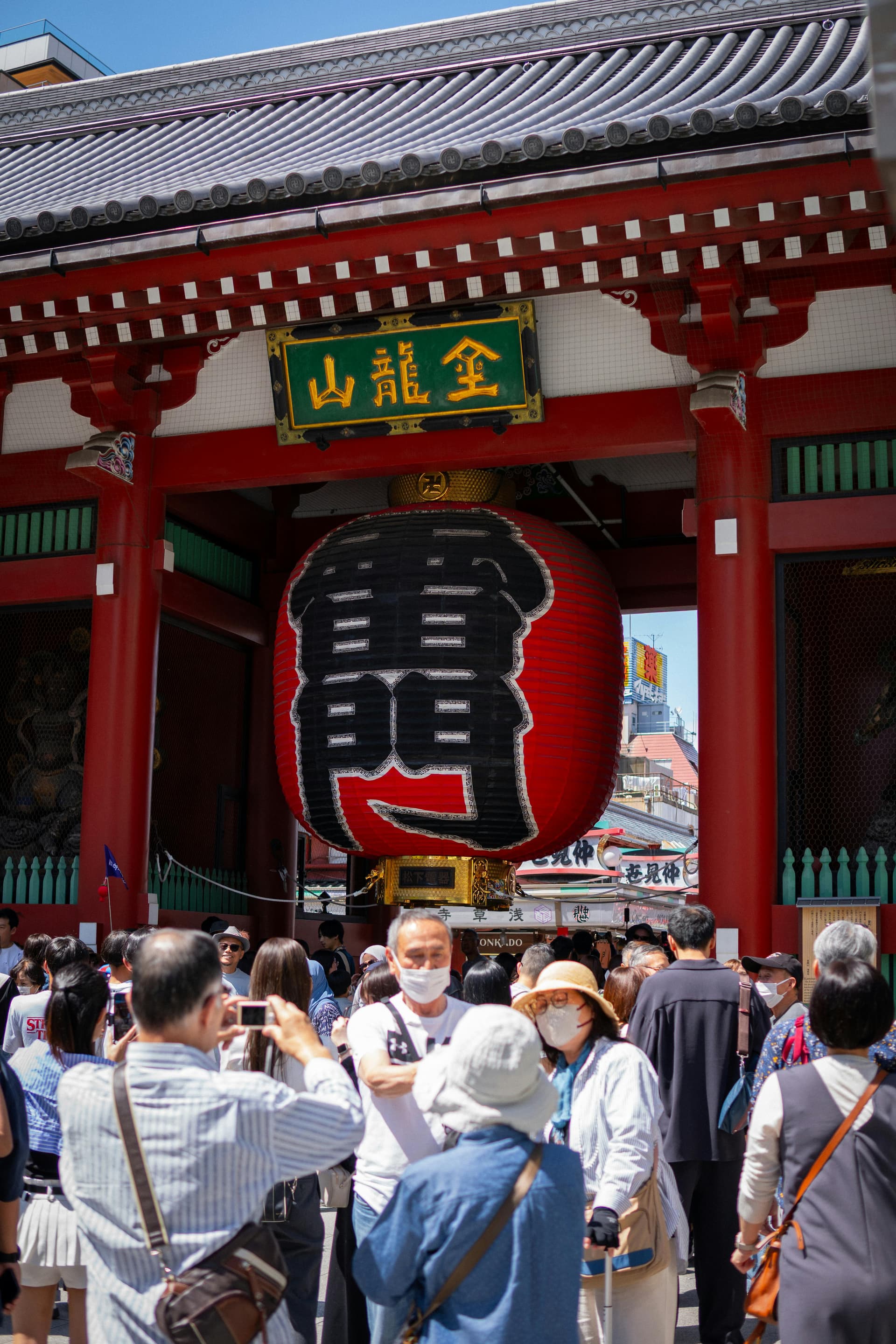
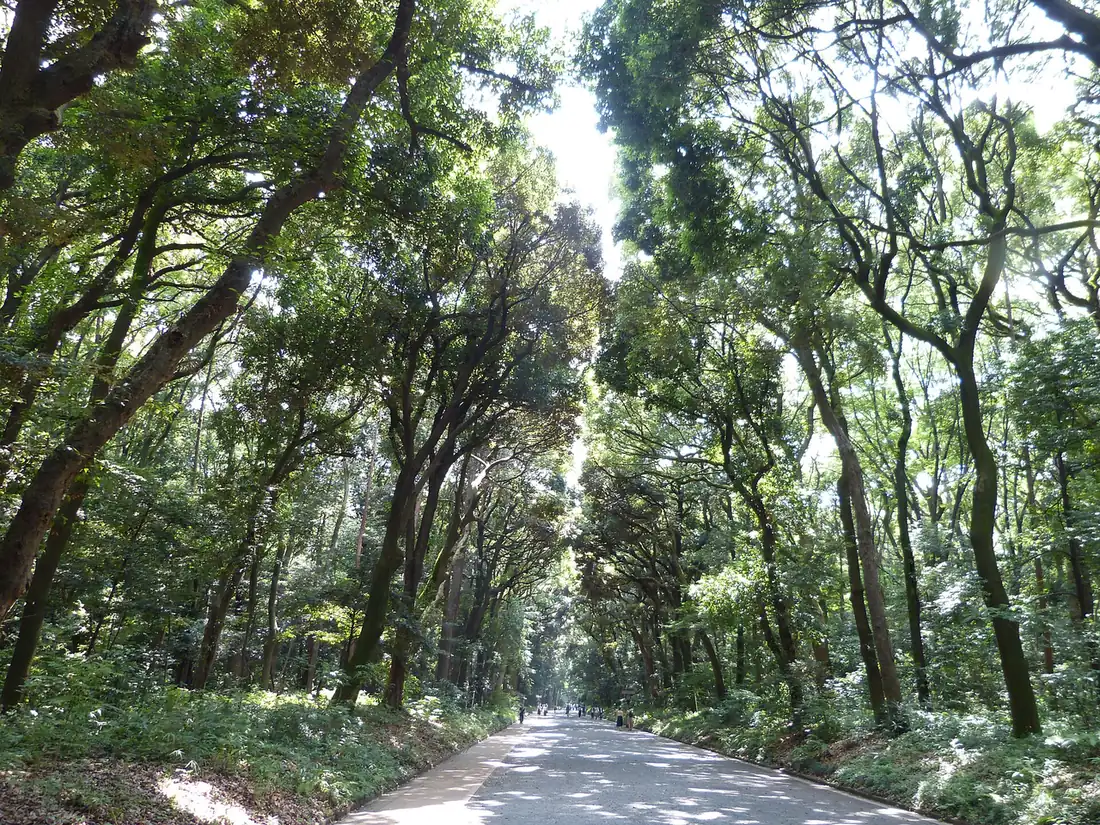
Shopping districts like Shibuya and Omotesando have smooth concrete sidewalks. Temple approaches vary: Nakamise Street in Asakusa is wide and paved, while Meiji Shrine has a 700-meter gravel path. Older neighborhoods like Yanaka have narrow, uneven streets. Then there are the subway stations, where you can face 30-91 steps if there's no elevator nearby. The Oedo Line platform at Roppongi is 42 meters underground and takes about six minutes to climb out of.
The Shoe Question, Answered
You want cushioned soles that can take hard concrete all day. Break them in before the trip, because new shoes are a bad idea here. They also need to slip on and off easily, since you'll be taking them off.
Temple Entry Changes Everything
On a typical temple tour you'll take your shoes off 3-5 times. That rules out lace-up boots. Slip-on walking shoes or sneakers with elastic laces work well.
Some seasoned travelers pack a second pair with different pressure points and swap partway through the day when their feet start to complain.
If You Have Mobility Concerns
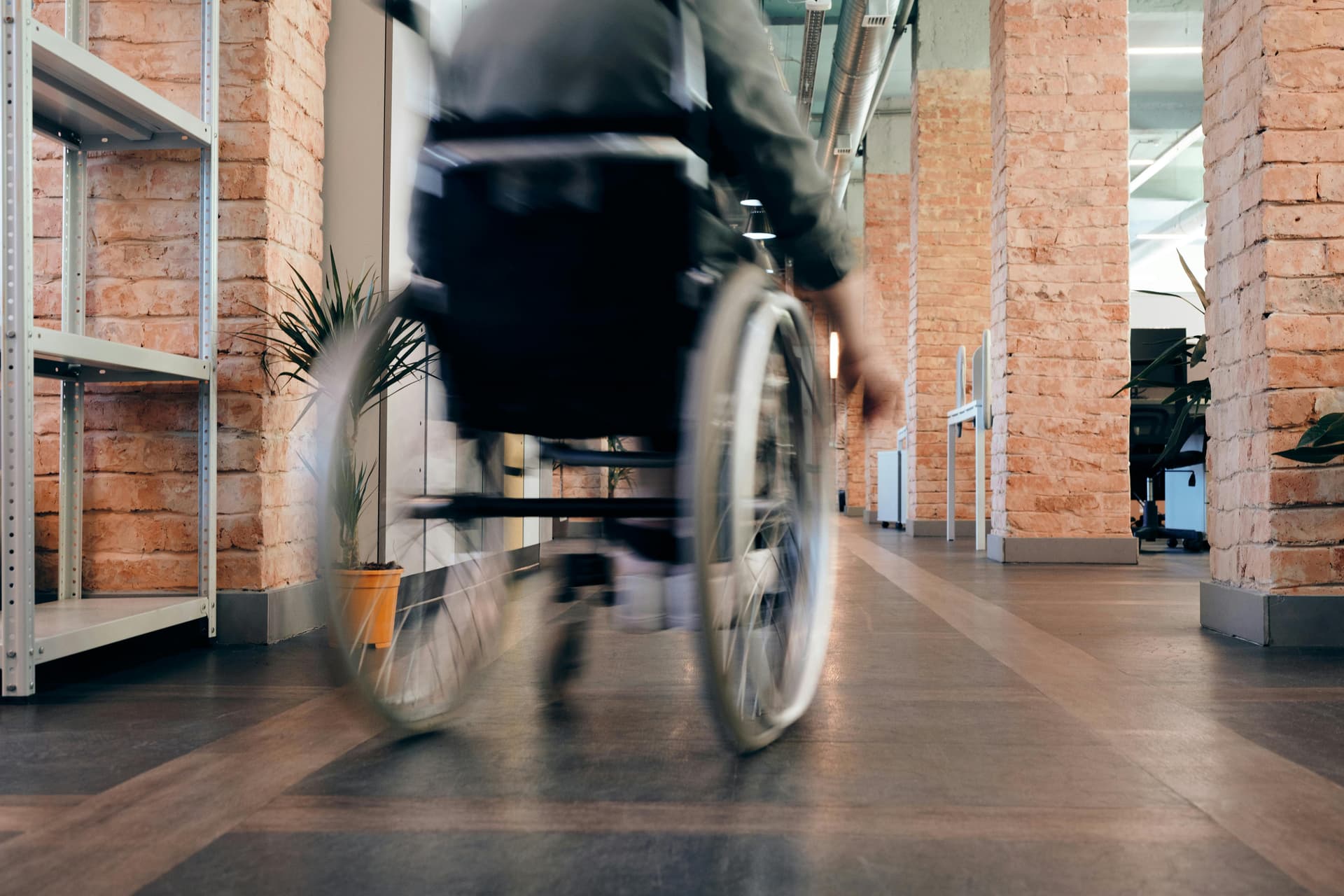
Guides can adjust the route for almost any limitation, avoiding stairs, shortening distances, or adding rest stops, as long as they know ahead of time. Our page on accessibility options goes into detail. Bring up any concerns in your pre-tour consultation (more on that below).
¥20,000 and a Light Crossbody Bag
You can pack light. What you need is cash, a bag for layers, and your phone.
Cash: How Much and Where to Get It
Start the day with ¥15,000-20,000 in your wallet. That covers meals, temple donations, street food, and whatever shopping tempts you.
Japan uses more cash than most visitors expect, and 60-75% of transactions in Tokyo are still cash. Small restaurants, street food stalls, and temple offering boxes don't take cards, though chains and bigger stores do.
Getting cash is easy. 7-Eleven ATMs take international cards and the fees are reasonable, and in central Tokyo there's nearly always a 7-Eleven a few minutes' walk away.
The One Bag That Changes Everything
With the gap between indoor and outdoor temperatures, you'll be putting layers on and taking them off all day. A light crossbody bag handles it. It gives you somewhere to put a jacket, holds your shoes at temples, and leaves your hands free.
A backpack is fine too, but it's harder to get into while you walk, and you'll have to take it off on crowded trains.
What You Can Leave at the Hotel
Leave the guidebooks, printed itineraries, big first-aid kit, and spare outfits behind. You have a guide, so travel light. Our complete packing guide has the season-by-season details.
Tokyo's 15-Degree Temperature Swings
"Bring layers" undersells it. In spring and fall, the temperature in Tokyo can move 10-15°C in a single day.
Season-by-Season Reality
Winter mornings start at 2-6°C and reach 9-12°C by the afternoon. In July and August humidity hits 75-82%, and the moisture is what wears you down more than the heat. Spring and fall are pleasant and hard to predict.
Indoor/Outdoor: The Real Challenge
The weather matters less than the constant changes between inside and out. Air-conditioned department stores are cold, subway platforms are warm, and temple grounds are whatever the day is doing, so you'll be adjusting all the time.
Rain Makes Some Tours Better
Rain in the forecast is nothing to worry about, and a wet day often turns out better.
What Actually Happens When It Rains
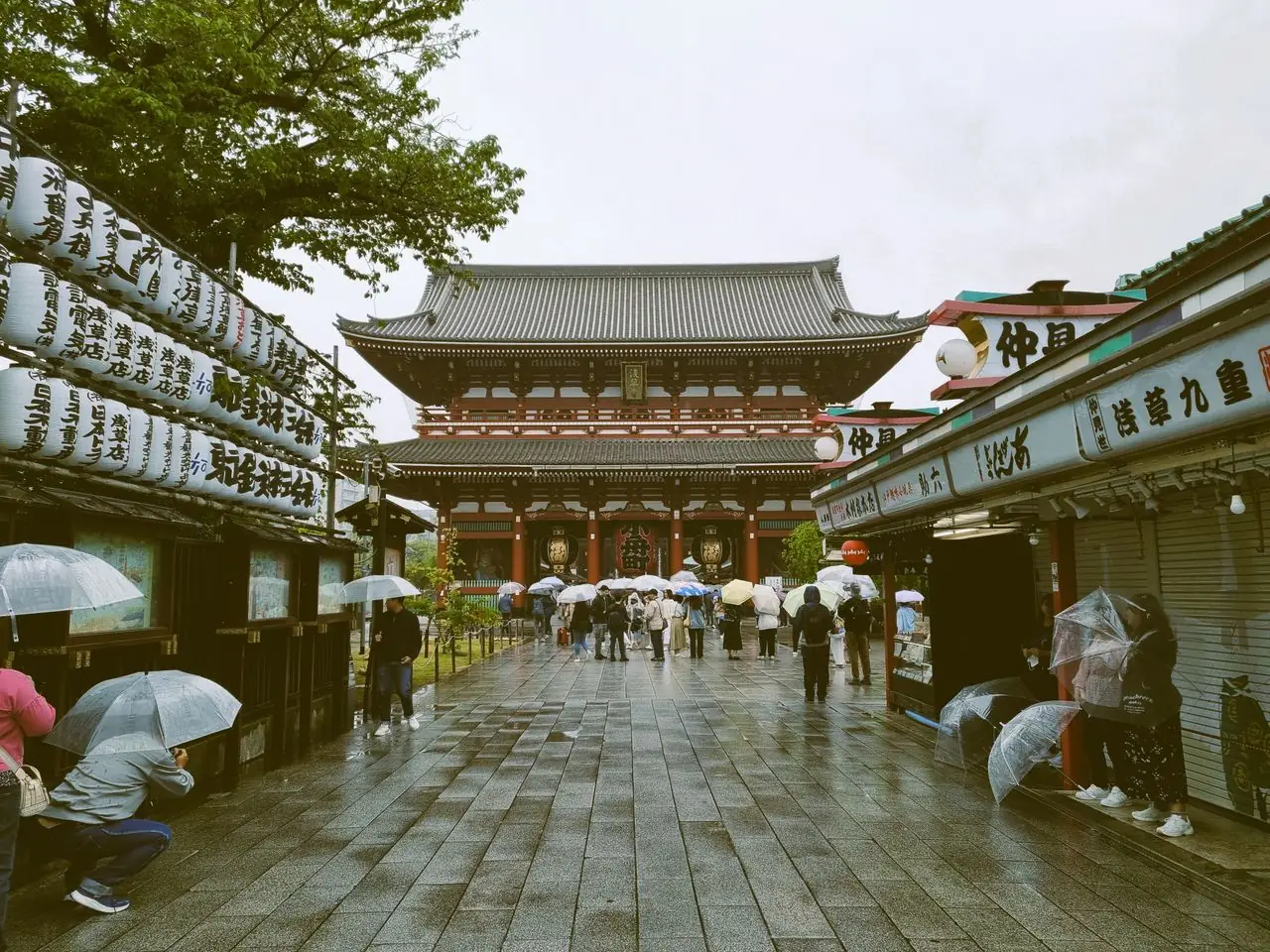
Tours run rain or shine. Your guide shifts the route toward covered shopping streets, museums, or indoor markets, and Tokyo has no shortage of those.
Crowds also thin out. Popular places like Meiji Shrine are noticeably quieter in the rain, and some of them have more atmosphere when wet.
Forecasts are reliable about 3-5 days out. Rain predicted a week ahead often changes.
The ¥500 Convenience Store Solution
If rain catches you without an umbrella, any convenience store sells one for ¥400-600, so you don't need to plan for it. Our page on what actually happens when it rains lists specific indoor alternatives.
The Tipping Question, Resolved
Tipping worries people more than anything else before a tour, and the answer is simpler than they fear.
What Guides Who Work With Western Tourists Actually Expect
You don't have to tip. Guides who work with Western visitors know the custom and appreciate a tip, but they're well paid and don't rely on gratuities. Tipping won't offend anyone, and neither will not tipping.
If you'd like to tip, and many guests do, ¥5,000-10,000 is right for a full-day tour (about $35-70 USD at current rates).
The Envelope and the Phrase
Put the tip in an envelope instead of handing over loose notes, and give it with both hands at the end of the tour.
A simple phrase is enough: "Kyō wa arigatō gozaimashita. Kore wa kimochi desu." (Today was wonderful, thank you. This is a small token of appreciation.) A smile and "Arigatō gozaimashita" works just as well.
Our full guide to tipping in Japan covers the cultural background if you're curious.
Meeting Your Guide: The First Five Minutes
The first few minutes are short and practical.
Where and When
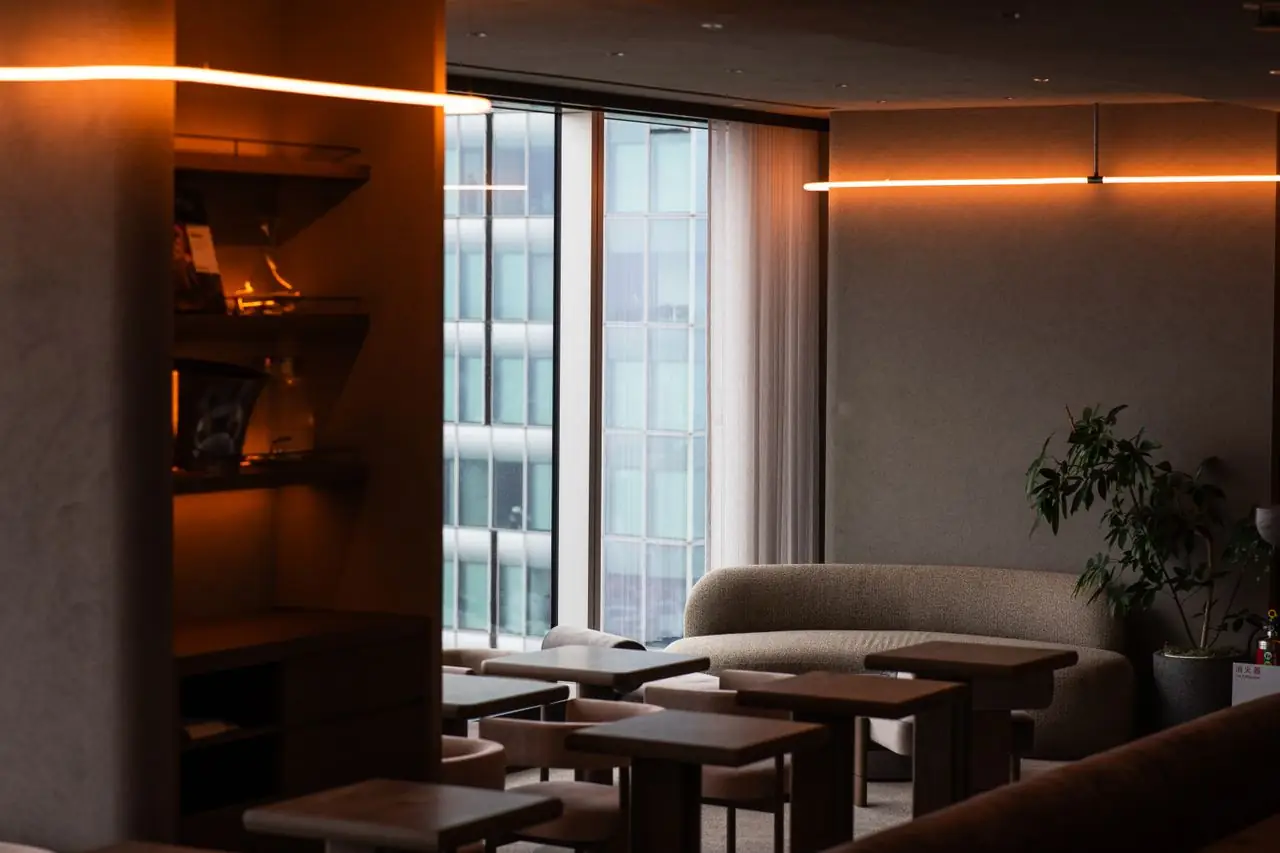
Your guide meets you in your hotel lobby. Pickup is free for hotels in central Tokyo, meaning Shinjuku, Shibuya, Chiyoda, Chuo, Minato, or Bunkyo wards.
Your guide gets there 10 minutes before the start time. You don't need to come down early, just be in the lobby at the time you agreed.
What Happens First
Your guide introduces themselves, goes over the plan, and asks about any last-minute preferences. That's a good time to say you're tired, that the weather has changed what you feel like doing, or that there's something you want to put first.
Then you head out together. Our complete day-of walkthrough follows the whole day from the first steps to the goodbye.
If Something Goes Wrong
If your guide hasn't turned up a few minutes after the start time, contact Hinomaru One directly at service@hinomaru.one or on WhatsApp. The concierge team watches both and will sort it out straight away.
What to Tell Your Guide Before Tour Day
The pre-tour consultation takes place within 24-48 hours of booking, and it's where you shape the day. The booking and consultation process explains each step.
Physical Limitations or Concerns
Mention any mobility limits, worries about stamina, or other physical constraints now. Guides pace every tour around the group's energy and comfort, and they can adapt for nearly anything if they know about it.
Saying "I'm fine" when you aren't makes for a worse day, so be honest.
Interests and Must-Sees
Tell your guide what you really care about. If you're a food person, say so. Skipping temples altogether is fine. If there's one thing you've been dreaming about, bring it up.
Pace Preferences
Some guests want to see as much as possible and others like to linger. Either is fine, as long as your guide knows which you are. For a sense of what touring with a private guide is like, we've collected real guest experiences.
Policies That Give You Flexibility
Plans change, and these policies leave you room when they do.
Cancellation and Changes
You can cancel free of charge up to 24 hours before your tour (full policy). Weather doesn't cancel tours, because guides work around it, so a rainy forecast is no reason to postpone.
To change details like the start time, pickup location, or your interests, contact the concierge team. It's a simple process.
What's Guaranteed
If your guided tour falls short of the care and quality we promised, Hinomaru One will refund it in full or give you your next private tour free. The guarantee covers the tour itself, which is the part we design personally and stand behind. Our full policies and guarantees have the details.
Frequently Asked Questions
What should I wear on a Tokyo private tour?
Cushioned, broken-in shoes that slip on and off easily, because you'll take them off 3-5 times at temples. Skip lace-up boots. Wear layers: the gap between indoor and outdoor temperatures in Tokyo can reach 10-15 degrees Celsius in one day, and you'll keep moving between air-conditioned buildings, warm subway platforms, and open temple grounds.
How much cash should I bring on a Tokyo tour?
Start the day with 15,000-20,000 yen (about $100-135 USD). Japan relies on cash more than most visitors expect, and 60-75% of transactions in Tokyo are still cash. Small restaurants, street food stalls, and temple offering boxes don't take cards. 7-Eleven ATMs accept international cards, and in central Tokyo you're almost never more than a few minutes' walk from one.
Should I tip my Tokyo tour guide?
You don't have to. Guides who work with Western visitors know the custom and appreciate tips, but they don't rely on them. If you want to tip, 5,000-10,000 yen ($35-70 USD) is right for a full-day tour. Put it in an envelope, hand it over with both hands at the end of the tour, and say "Arigatou gozaimashita."
Where does my guide meet me and what happens first?
Your guide meets you in your hotel lobby and arrives 10 minutes before the start time. Pickup is free for hotels in the central Tokyo wards (Shinjuku, Shibuya, Chiyoda, Chuo, Minato, or Bunkyo). They'll introduce themselves, go over the plan, and check for last-minute preferences before you set off.
What if it rains on my Tokyo tour day?
Tours run rain or shine. Your guide moves more of the route into covered shopping streets, museums, or indoor markets, and popular places like Meiji Shrine get much quieter. If rain catches you without an umbrella, any convenience store sells one for 400-600 yen. Forecasts are reliable 3-5 days out.
Where Hinomaru One Fits
Your pre-tour consultation covers everything in this article and more. Tell us your concerns, interests, and limits before the day, and your guide arrives already knowing how to pace it for you, so you won't be pushing through discomfort or dealing with surprises. Most first-time visitors start with Tokyo Essentials.
At Hinomaru One we design private Tokyo tours for first-time and returning travelers, built around Japanese culture and planned so the day doesn't feel stressful or rushed. Every one is customized.
Photo credits
- The long gravel approach through tall forest trees at Meiji Shrine in Tokyo: Criteriaire / Wikimedia Commons, CC BY-SA 4.0, resized